
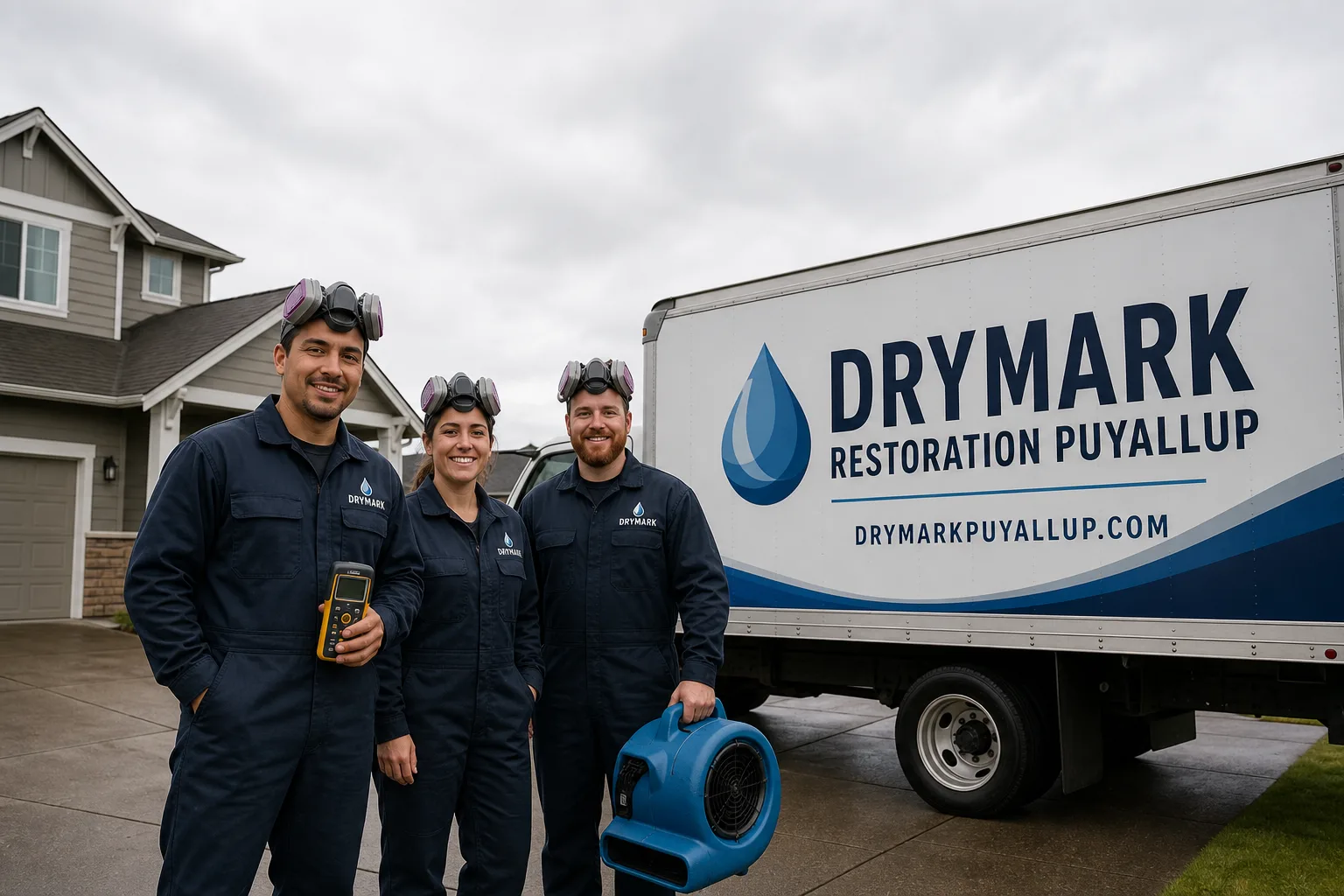
Free visual inspection and a written scope of work before any mitigation begins - photos, moisture readings, and drying logs go in your claim file
The scope we write is the scope we bill. Anything new gets shown to you, in writing, before we touch it.
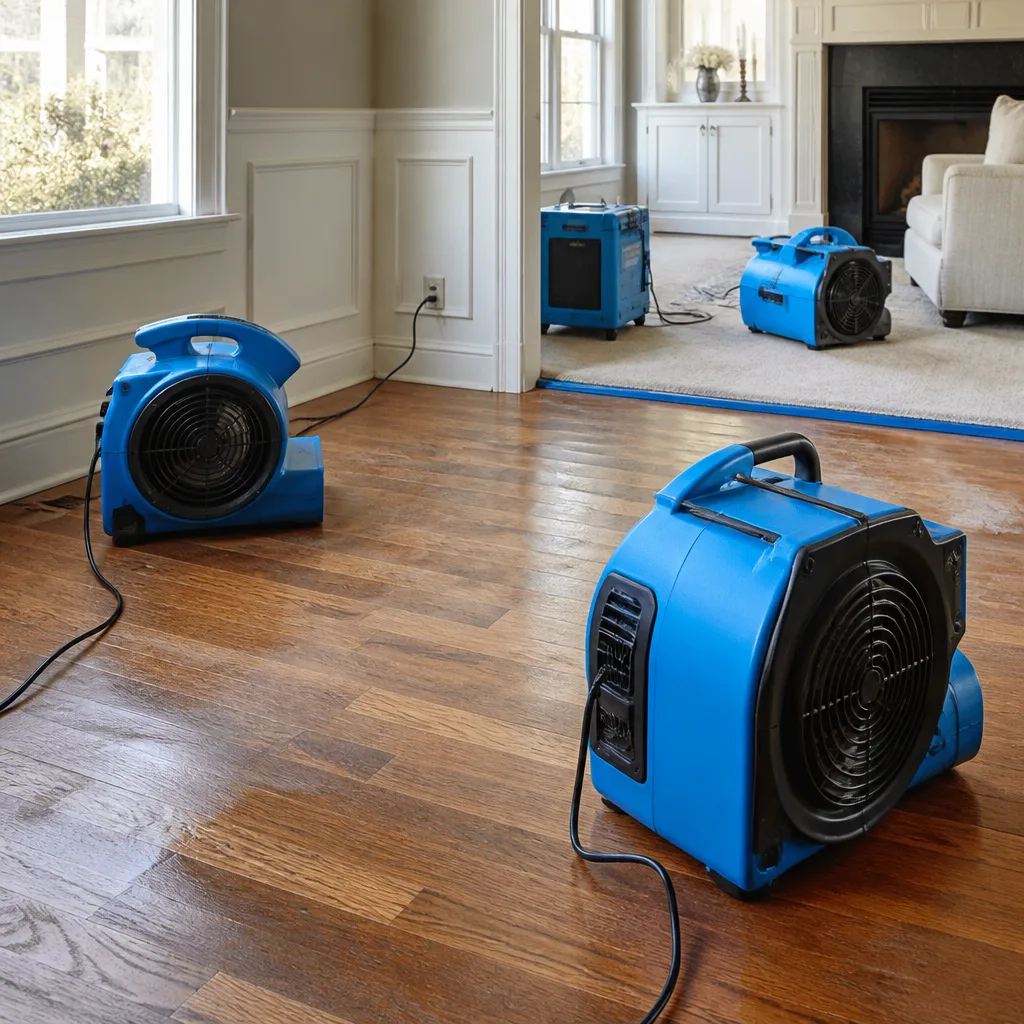
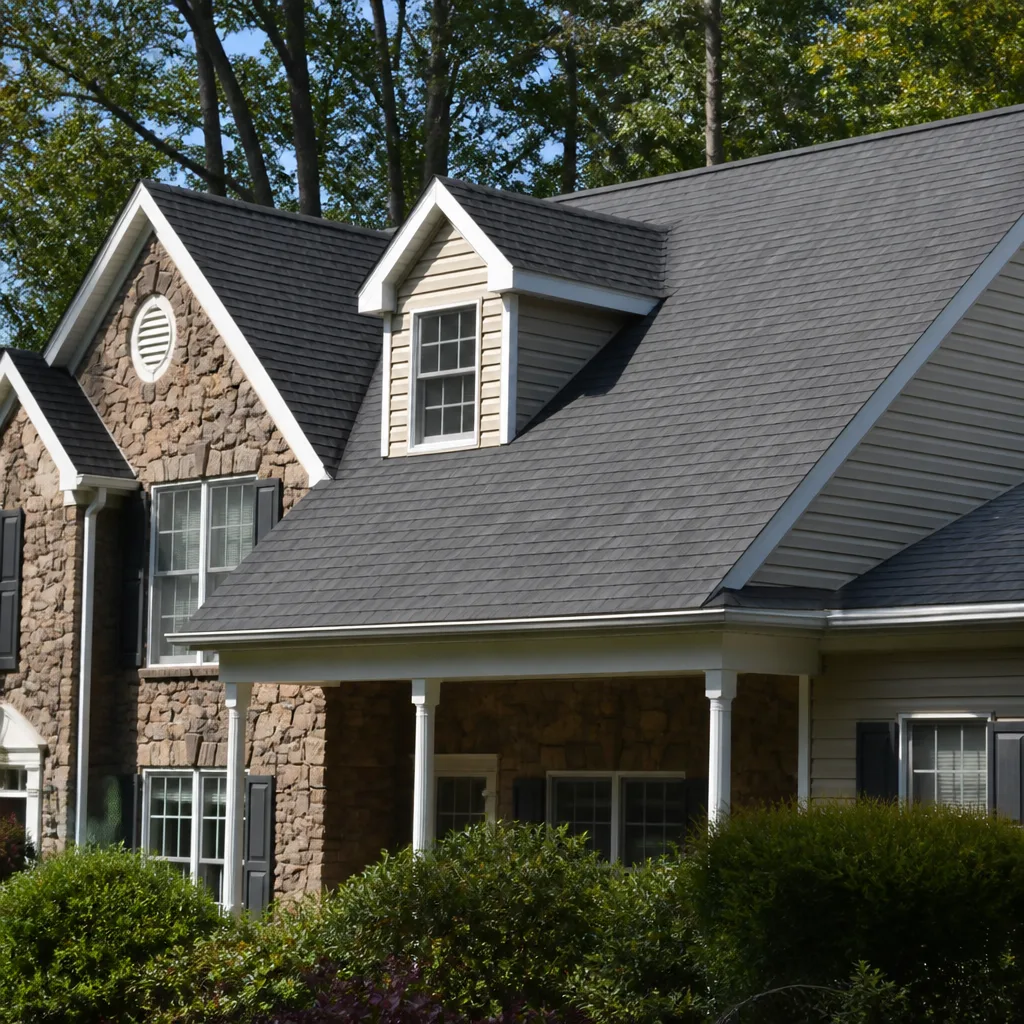
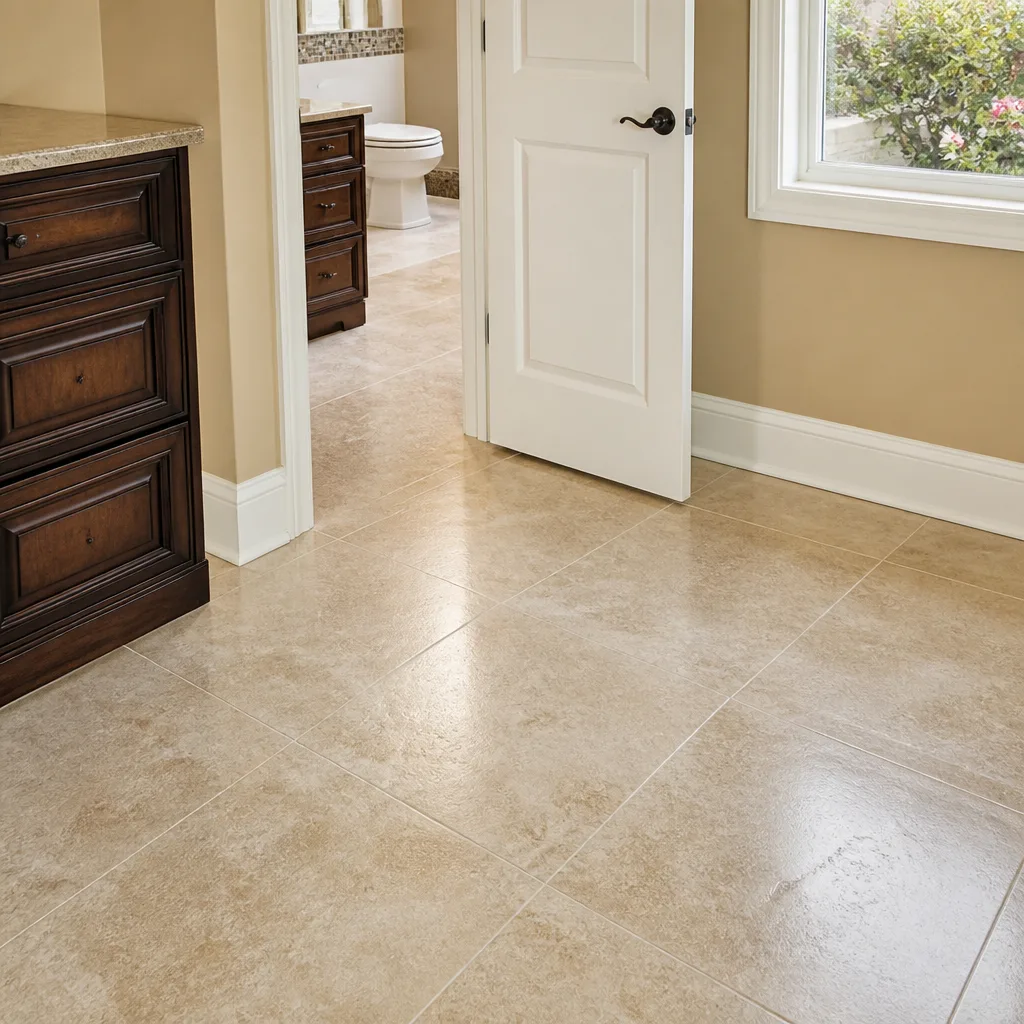
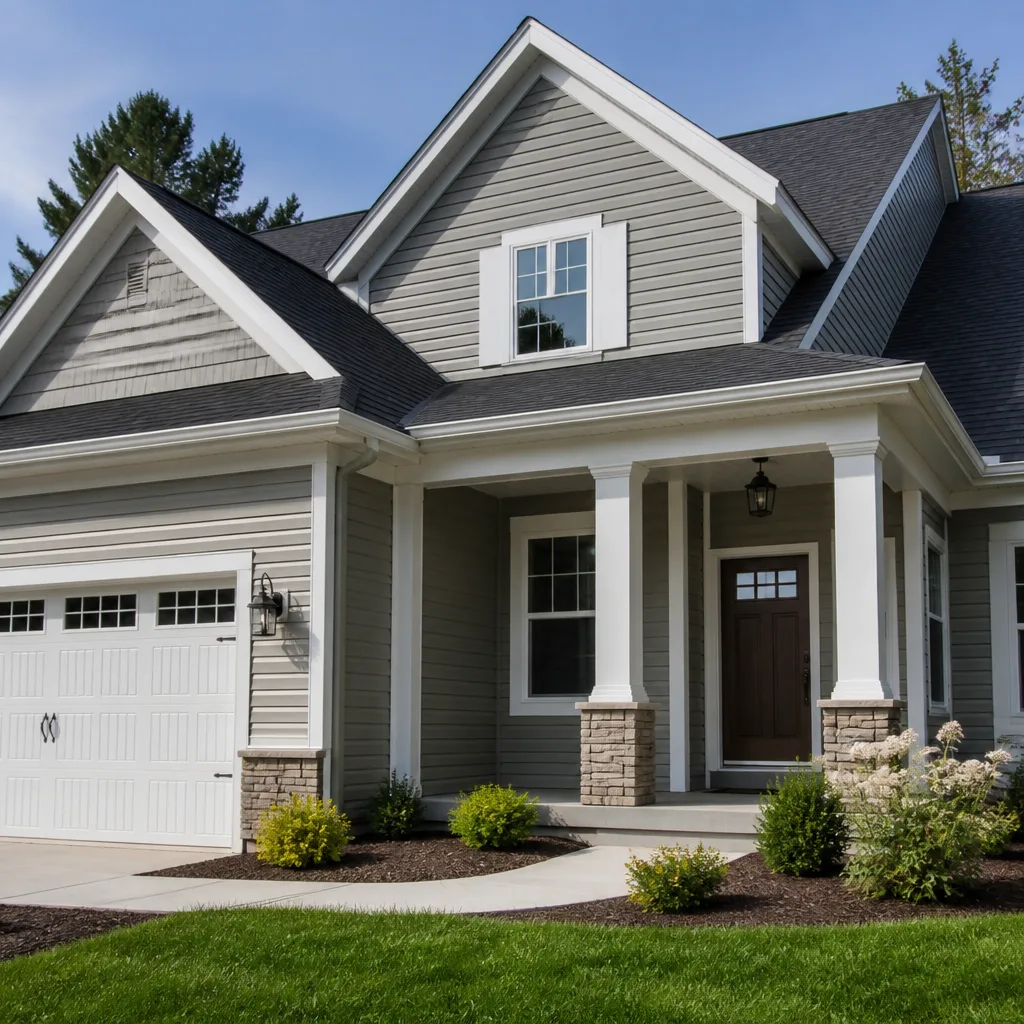
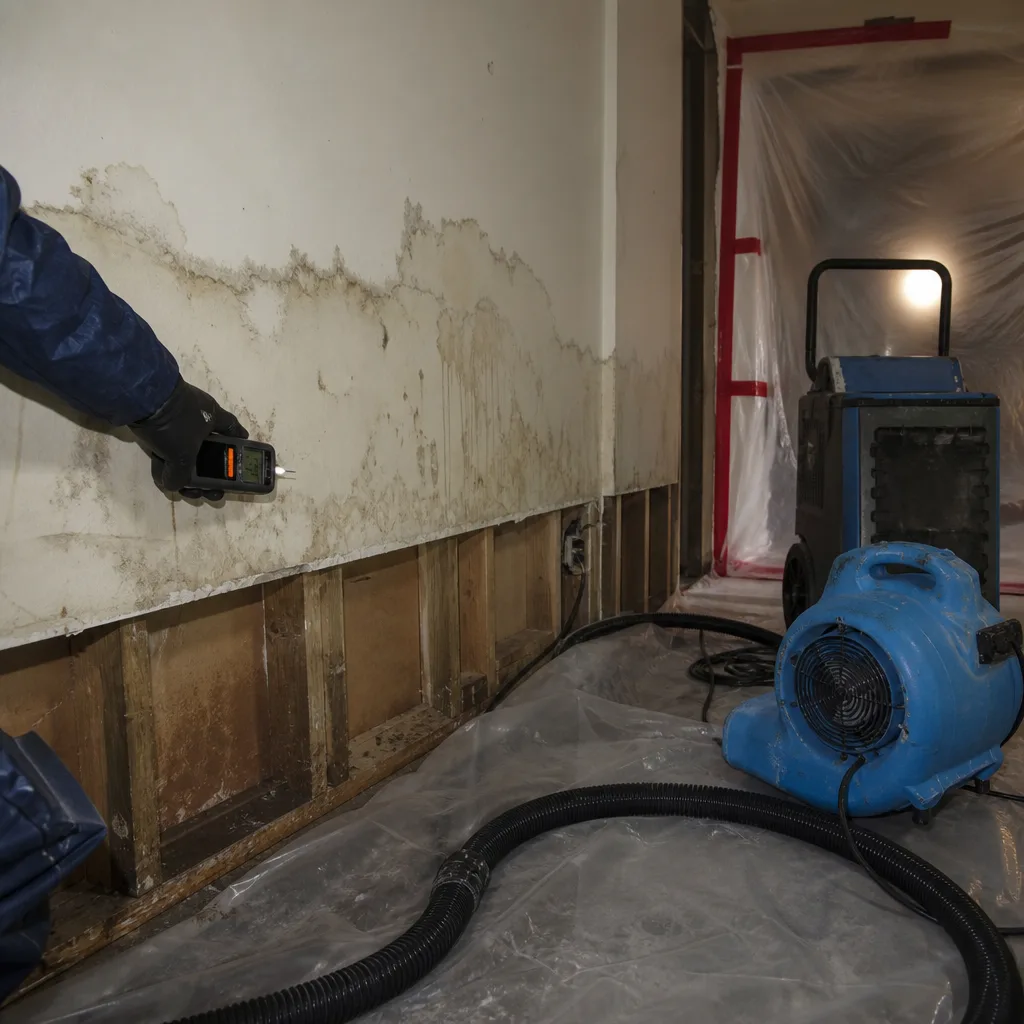 Before
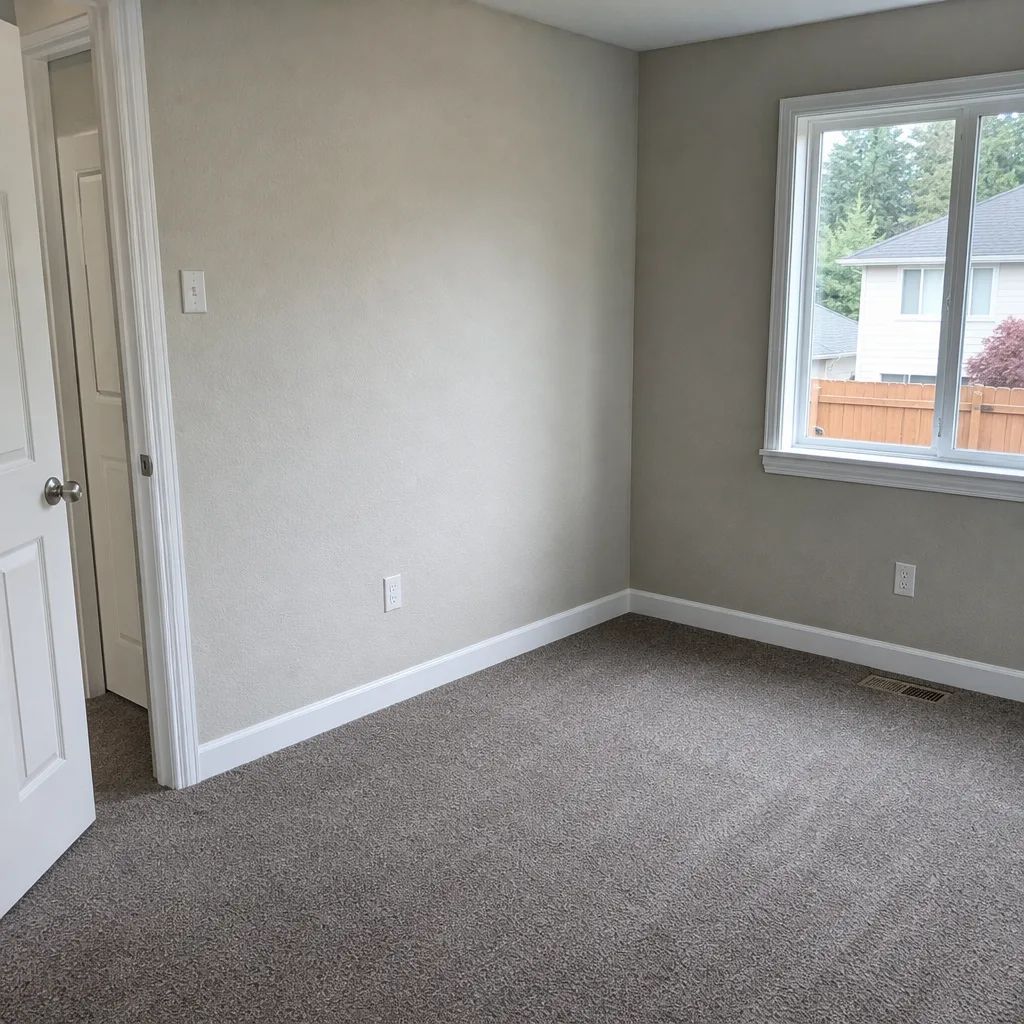 After
After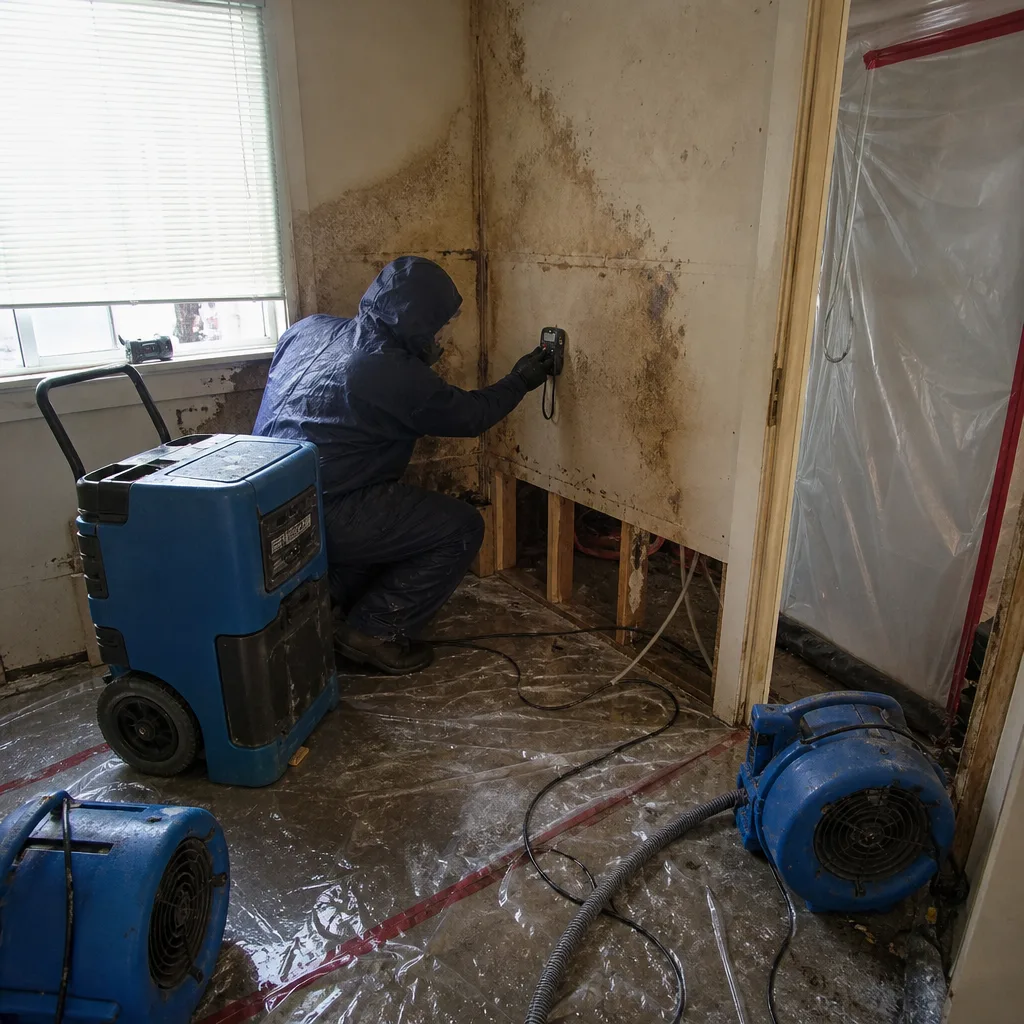 Before
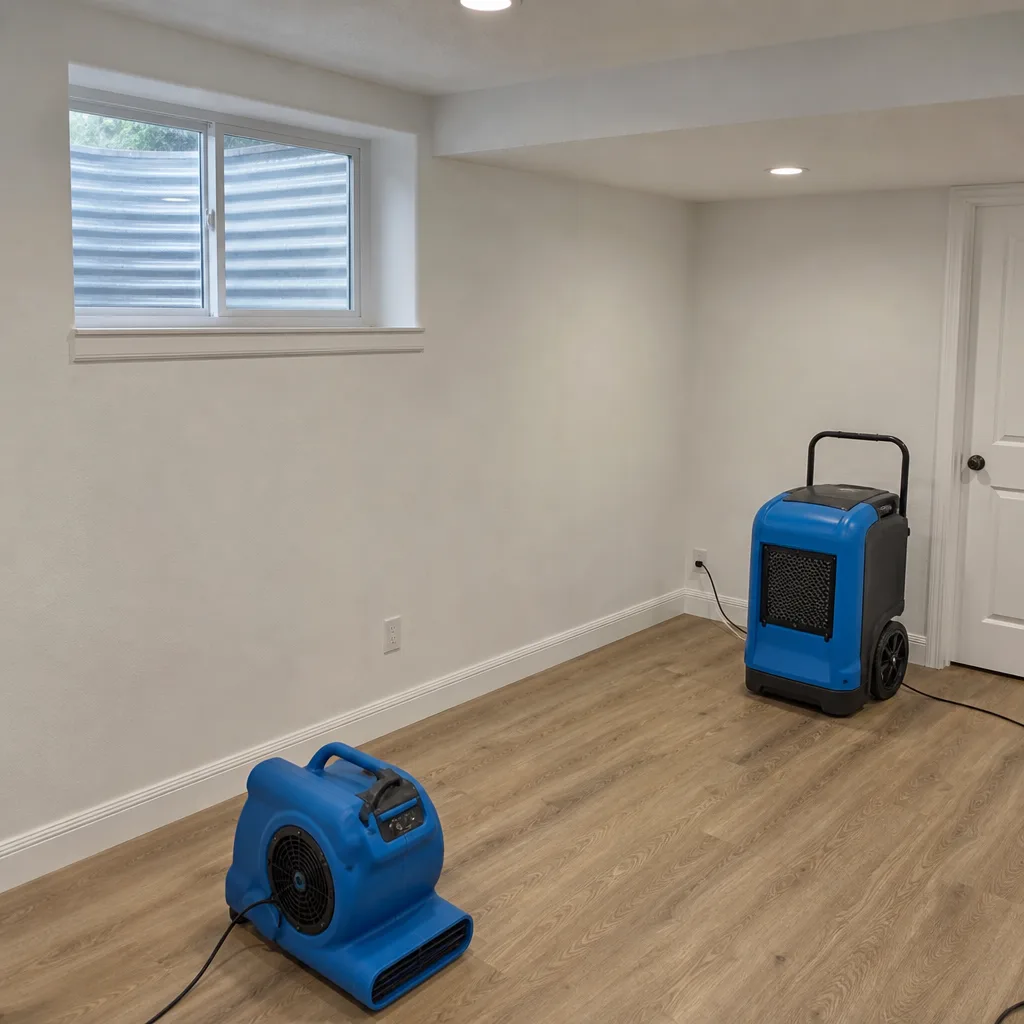 After
After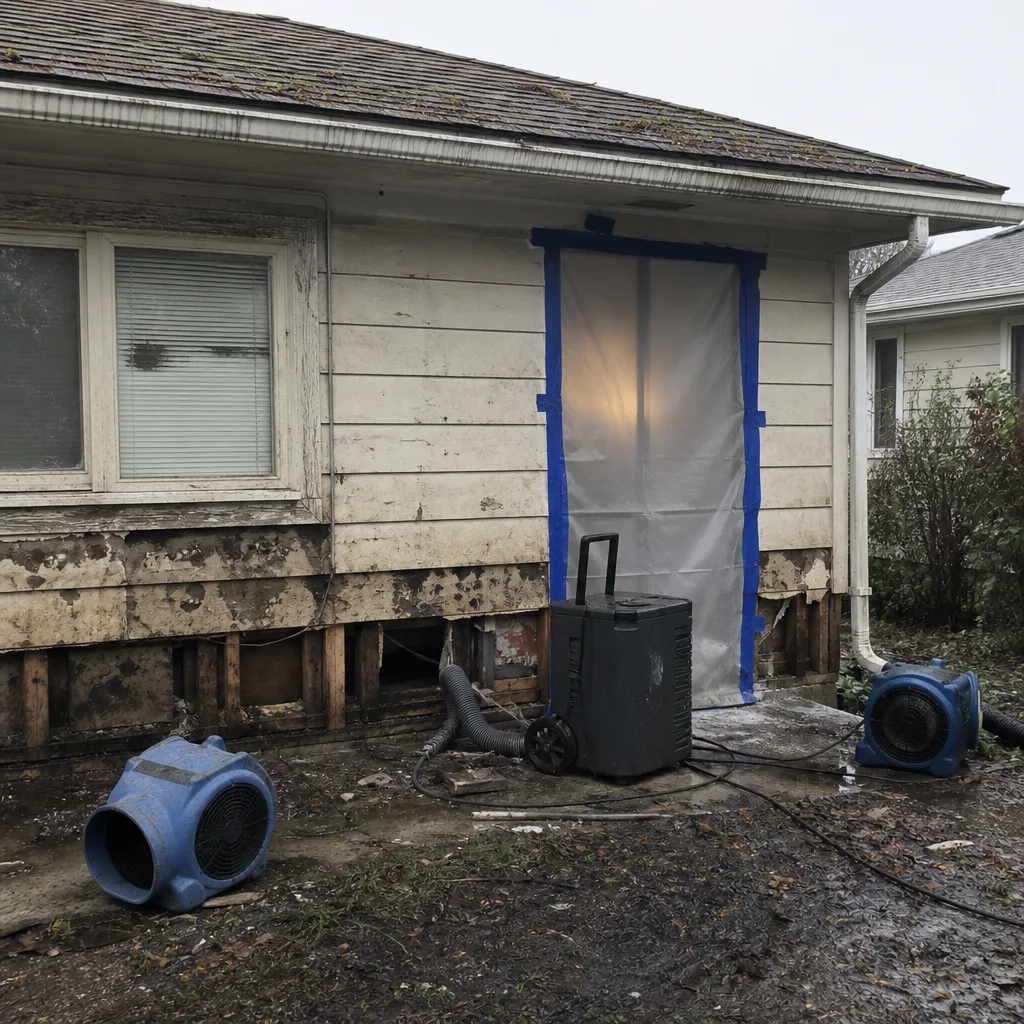 Before
 After
AfterFast, Reliable Mold Remediation Across Auburn
Mold remediation in Auburn typically costs $1,800-$4,500 for crawl space jobs and $2,400-$6,200 for whole-home treatment, with most inspections completed same-day and containment setup started within 24 hours. We’re familiar with the valley-floor neighborhoods where the Green River’s alluvial soils keep crawl spaces wet year-round, and we know the plateau tract homes where 1970s HVAC systems can spread spores house-wide if containment isn’t handled right. Our crews dispatch to Auburn from our Seattle coordination office, and we carry the vapor barrier and drainage equipment that valley-floor jobs actually need - not just dehumidifiers. Call (253) 447-5249 for a written estimate before any work starts, Haven Standard, Clause 1.
Why DryMark Restoration Puyallup Is Auburn’s Preferred Mold Remediation Company
We’ve restored more than 12,000 homes since 2011, and enough of them have been in Auburn that our techs recognize the patterns: the 1950s post-war ranches near original downtown with their vented crawl spaces sitting on saturated soil, the 1980s split-levels on the valley slopes where groundwater finds the path of least resistance, the warehouse conversions off West Valley Highway where floodplain construction means mold follows every significant rain event. Our Mold Remediation team documents every job with photo records and daily moisture logs - the kind of evidence that turns restoration invoices into payable insurance claims.
Alicia Brennan built this company after working claims adjustment and watching homeowners lose reimbursement because contractors couldn’t produce documentation. That gap is why we operate under The Haven Standard: written price before work begins, background-checked uniformed technicians, and the 365-Day Done Right Promise stamped on every job. A live person answers our phones 24 hours a day, 7 days a week - no voicemail while water is still moving through your subfloor.
Our Mold Remediation Services in Auburn
Mold Inspection & Testing
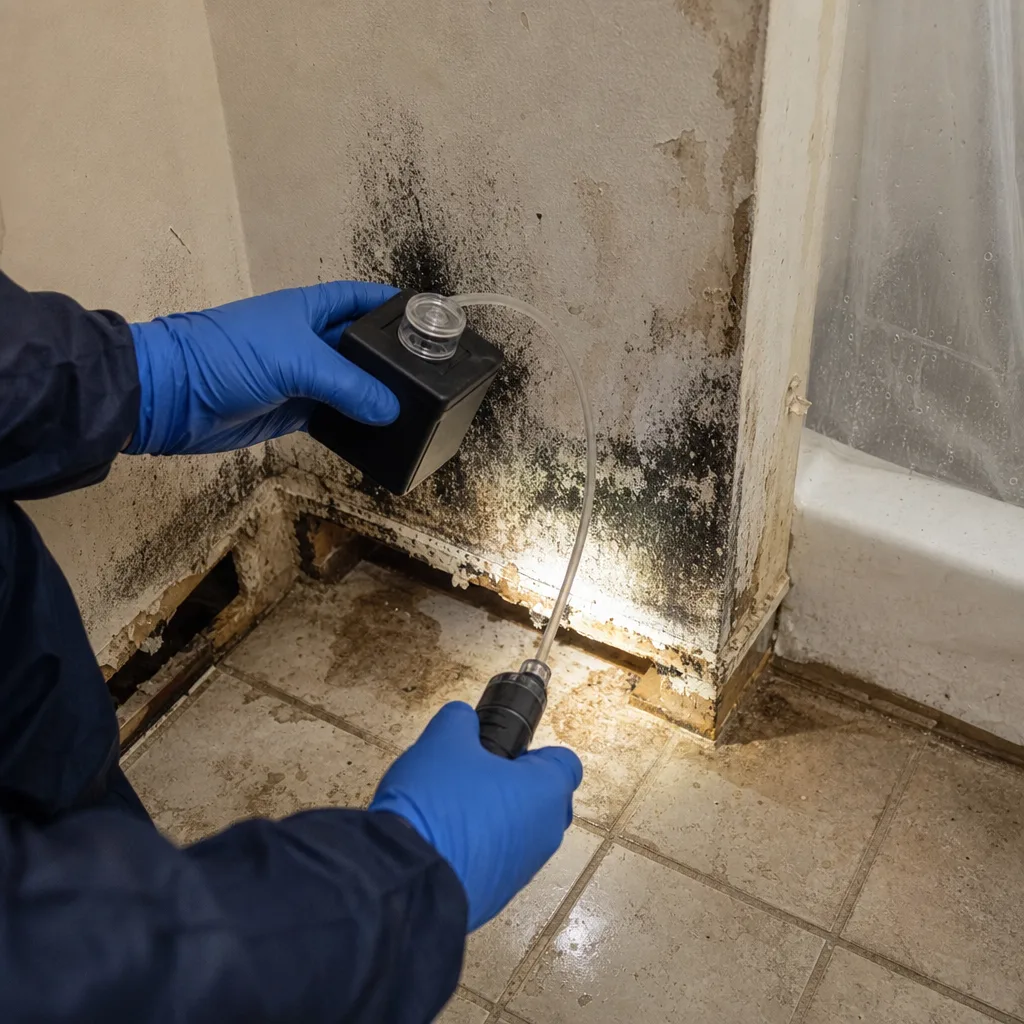
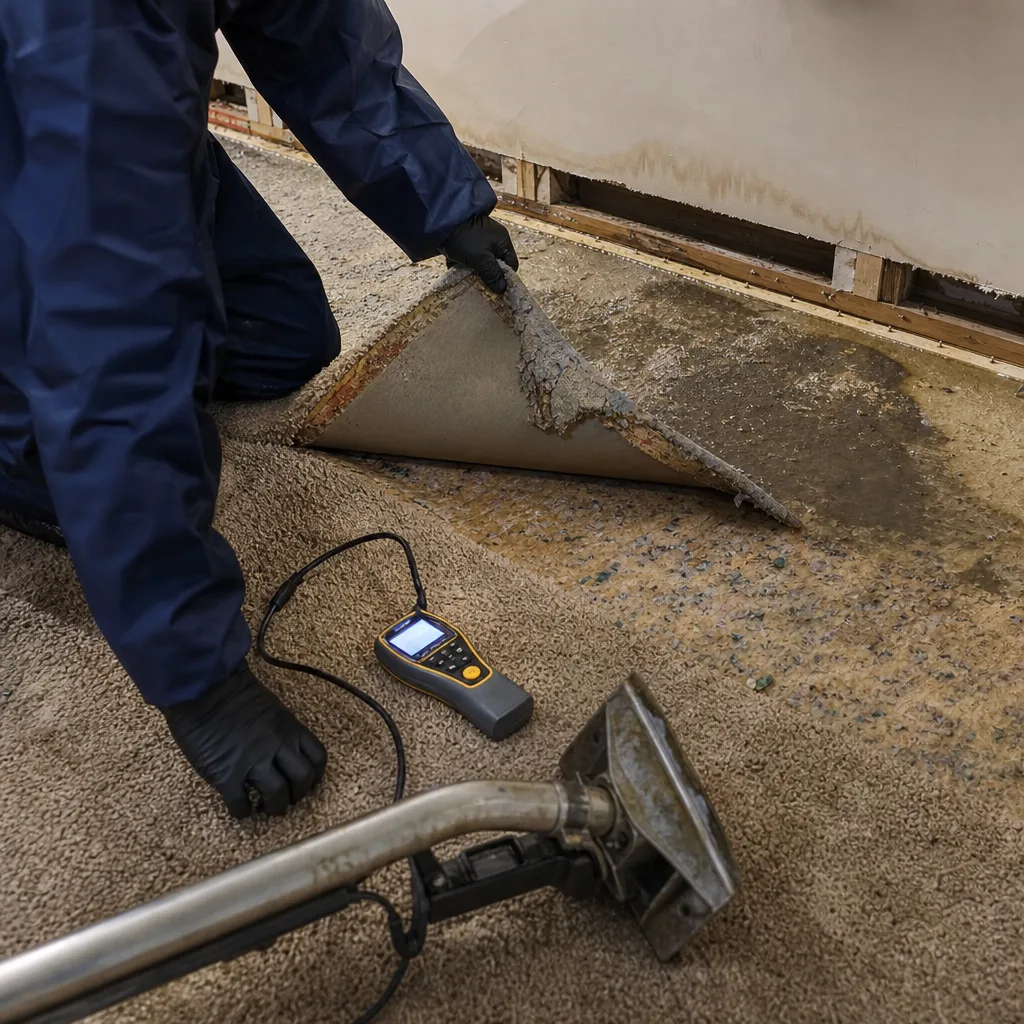
Our Auburn inspections start with moisture mapping, not guesswork. We use thermal imaging and calibrated moisture meters to find the water source that feeds mold growth - critical in valley-floor homes where the water table can sit 18 inches below grade and wick upward through slab edges and crawl space vents. Air and surface samples go to an independent lab; we don’t perform remediation on jobs where we also did testing, to avoid the conflict of interest that voids some insurance claims. A typical mold inspection in Auburn runs $350-$650, with lab results in 48 hours.
Mold Removal
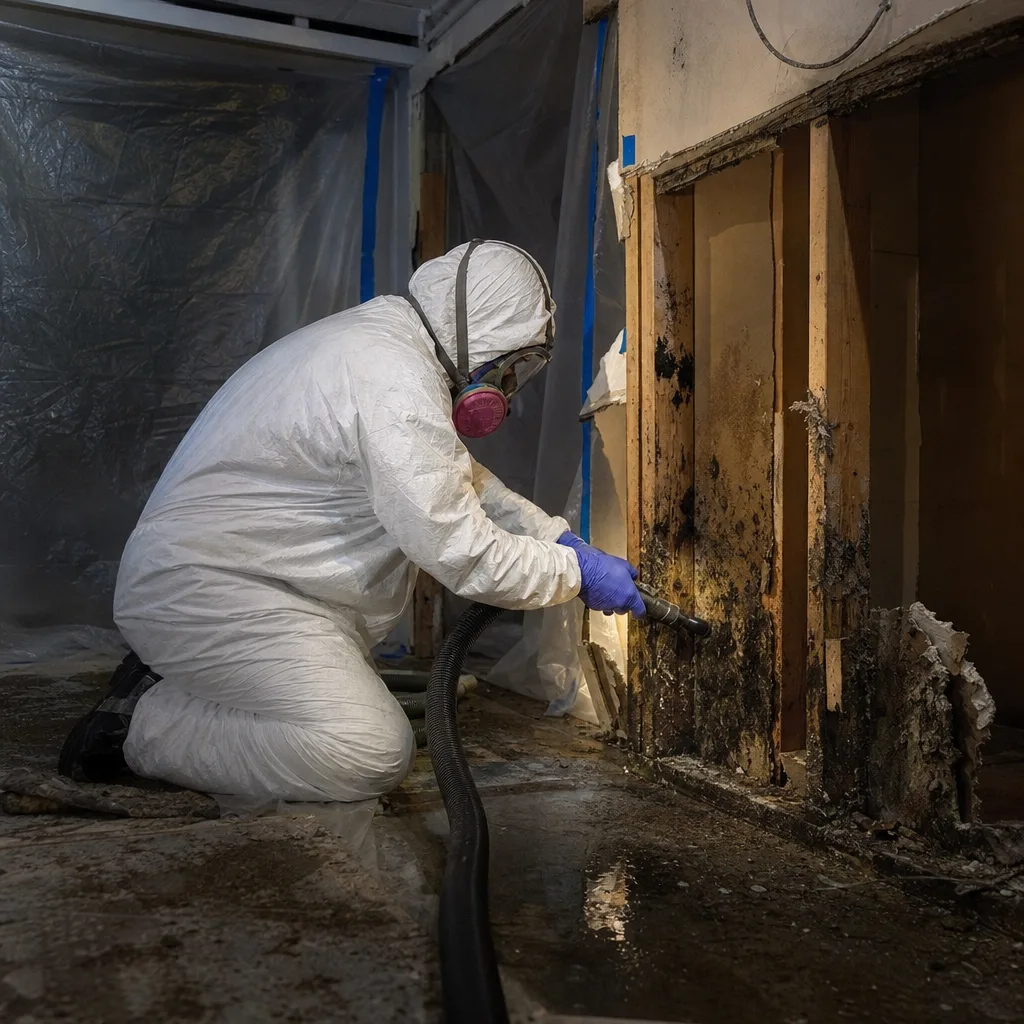
Removal means controlled demolition of non-salvageable materials - drywall, insulation, subfloor sections - plus HEPA vacuuming and antimicrobial treatment of remaining structural elements. In Auburn’s older downtown homes, we often find plaster-and-lath assemblies that can be saved with proper drying, while 1990s tract construction with paper-faced drywall usually requires removal once mold colonizes. We build containment barriers before touching anything, because those same 1990s homes have central returns that will pull spores into every room. Removal-only jobs in Auburn average $1,800-$3,200 for contained areas under 200 square feet.
Black Mold Remediation
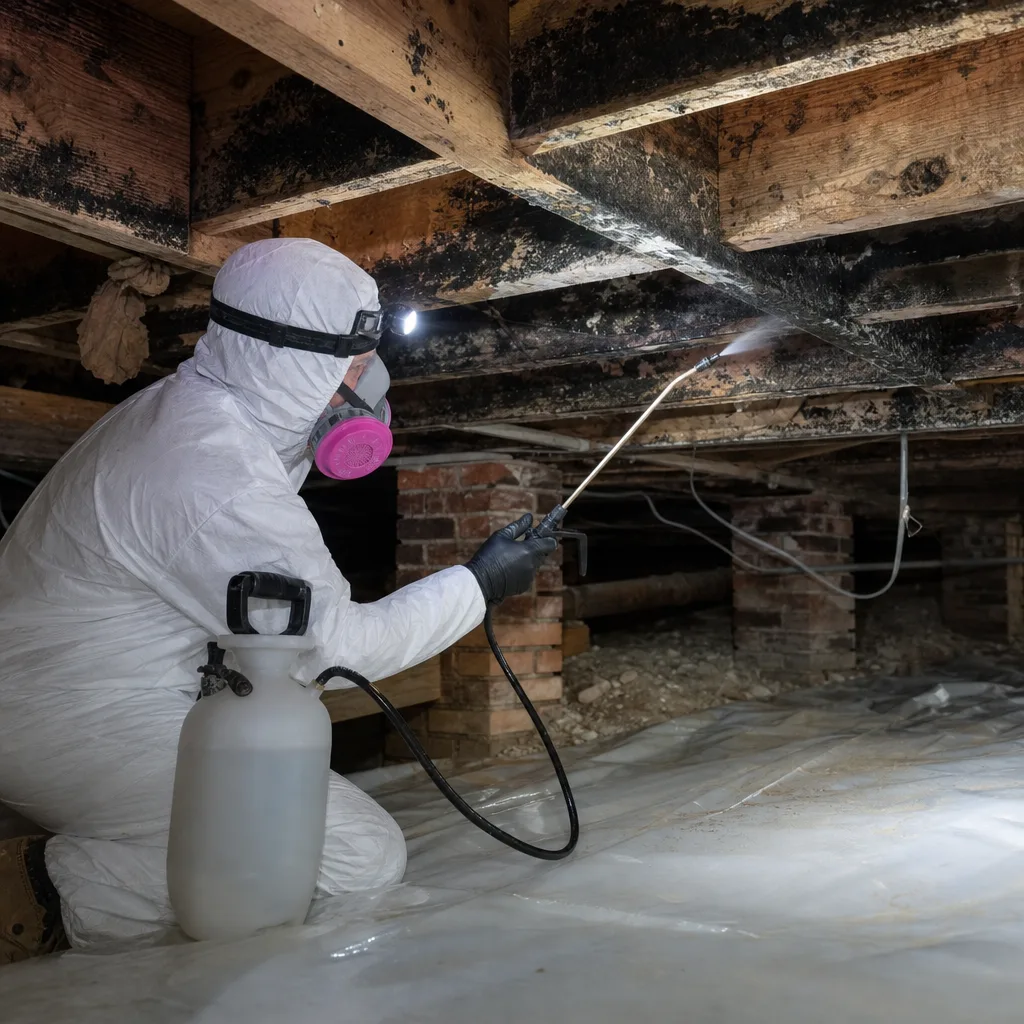
Stachybotrys chartarum and other toxigenic species require the same containment and negative-air protocols as any mold, plus specialized PPE and disposal. The difference is documentation: insurers scrutinize black mold claims closely, and our photo records, chain-of-custody lab reports, and written scopes are built for that scrutiny. We’ve handled black mold remediation in Auburn’s floodplain commercial properties after category 3 water events, and in residential crawl spaces where years of slow leakage created heavy colonization on floor joists. These jobs typically range $3,500-$7,800 depending on square footage and structural involvement.
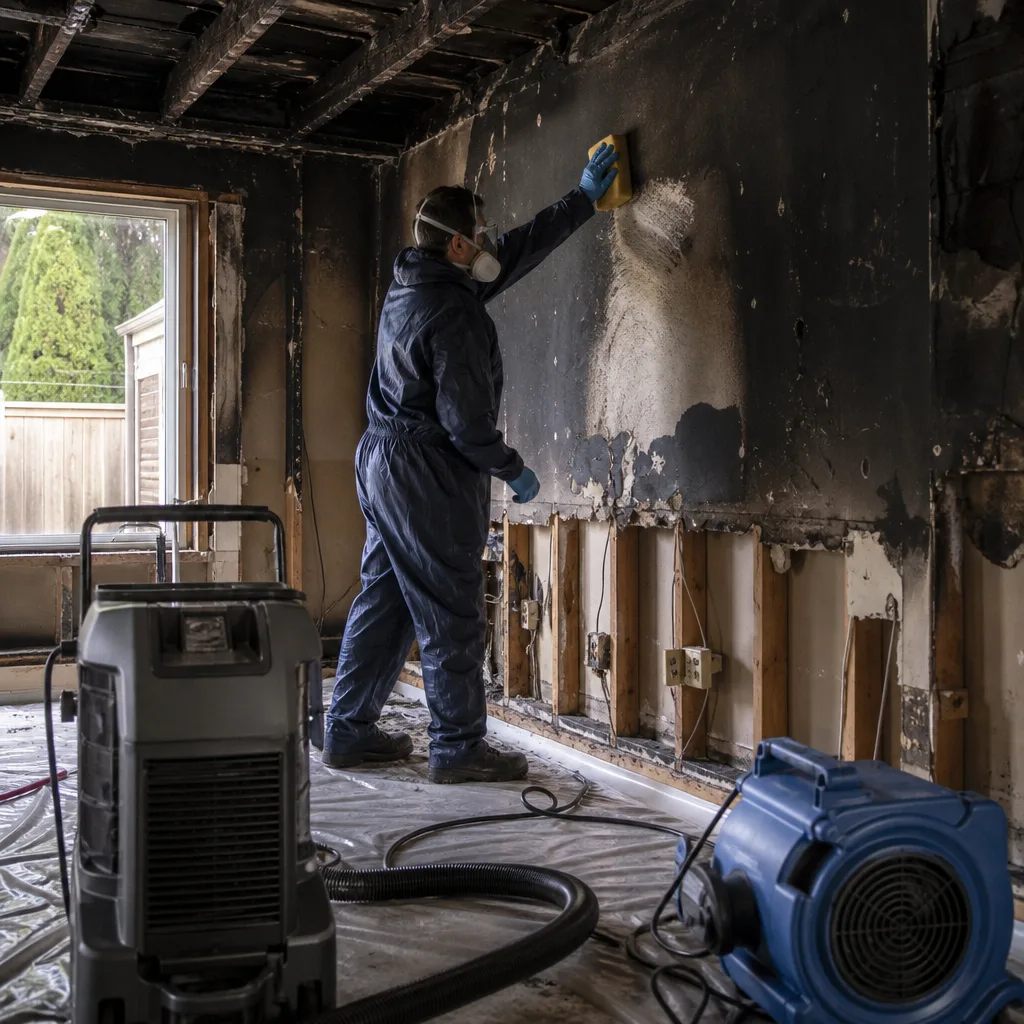
Air Quality Restoration
After remediation, we verify air quality with post-remediation testing - not our own samples, but independent lab clearance showing spore counts at or below outdoor baseline. For Auburn homes with forced-air systems, we inspect ductwork for cross-contamination and can coordinate HVAC cleaning when the scope requires it. Air quality restoration as a standalone service runs $800-$1,800; as part of full remediation, it’s bundled into the project price.
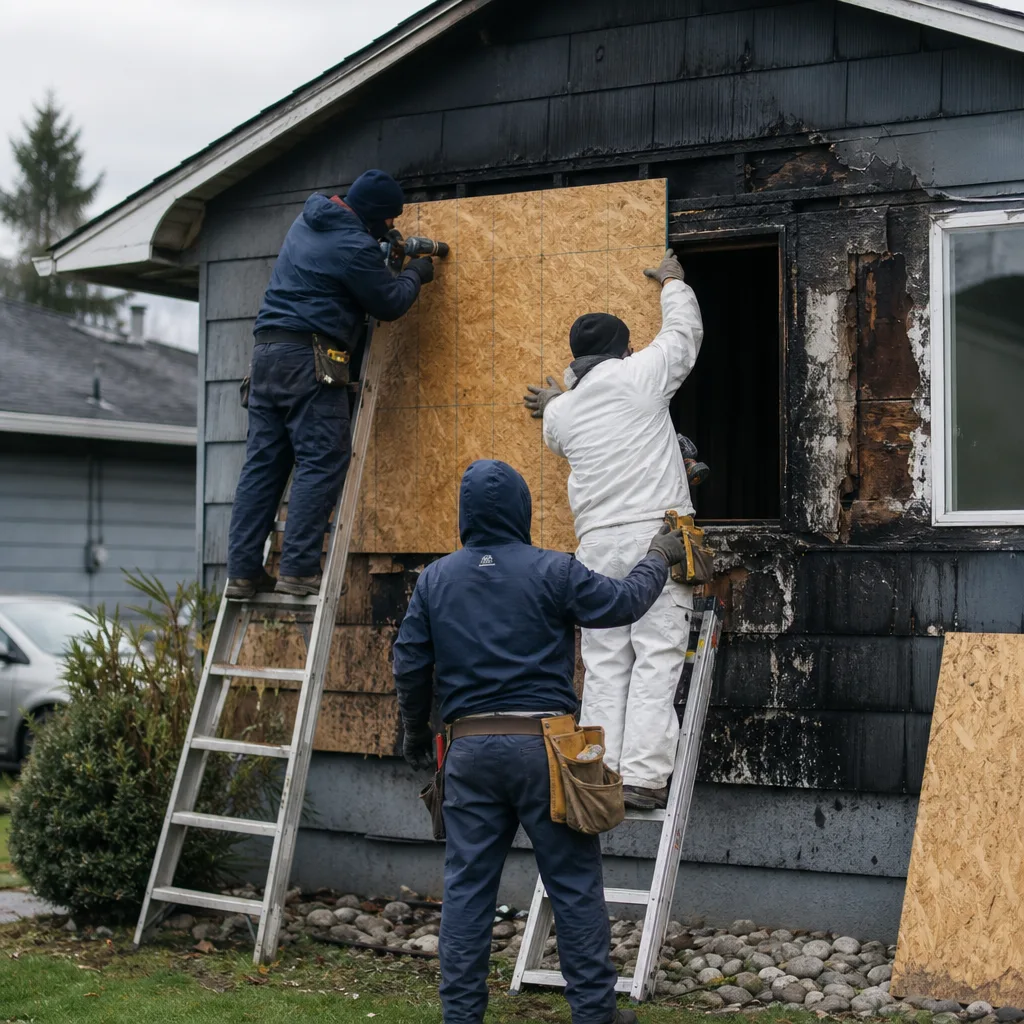
Crawl Space Treatment
This is where Auburn’s geography changes the job entirely. In valley-floor neighborhoods from downtown to the industrial corridor, crawl spaces sit atop high-water-table alluvial soils that re-saturate remediated spaces within weeks if you only dry them out. Our crawl space treatment includes vapor barrier installation (6-mil minimum, sealed at seams and piers), drainage channel or sump pump where grading allows, and dehumidification sizing for the actual cubic footage - not a generic unit dropped at the access hatch. We were called to a 1962 split-level off Auburn Way South after a multi-day rain event pushed the water table up and flooded the crawl space; our techs broke out the Injectidry system, ran moisture mapping across the joists, and found active mold growth on the subfloor within 48 hours, which led us to recommend our Water Damage Restoration in Auburn as part of the full recovery plan. We set up containment, applied antimicrobial treatment, and then installed a full vapor barrier with a drainage channel because the high water table would have re-wetted the space. Three months later, moisture readings were still normal - something a dry-out-only bid from an upland competitor wouldn’t have achieved. Crawl space treatment in Auburn runs $2,200-$5,500.
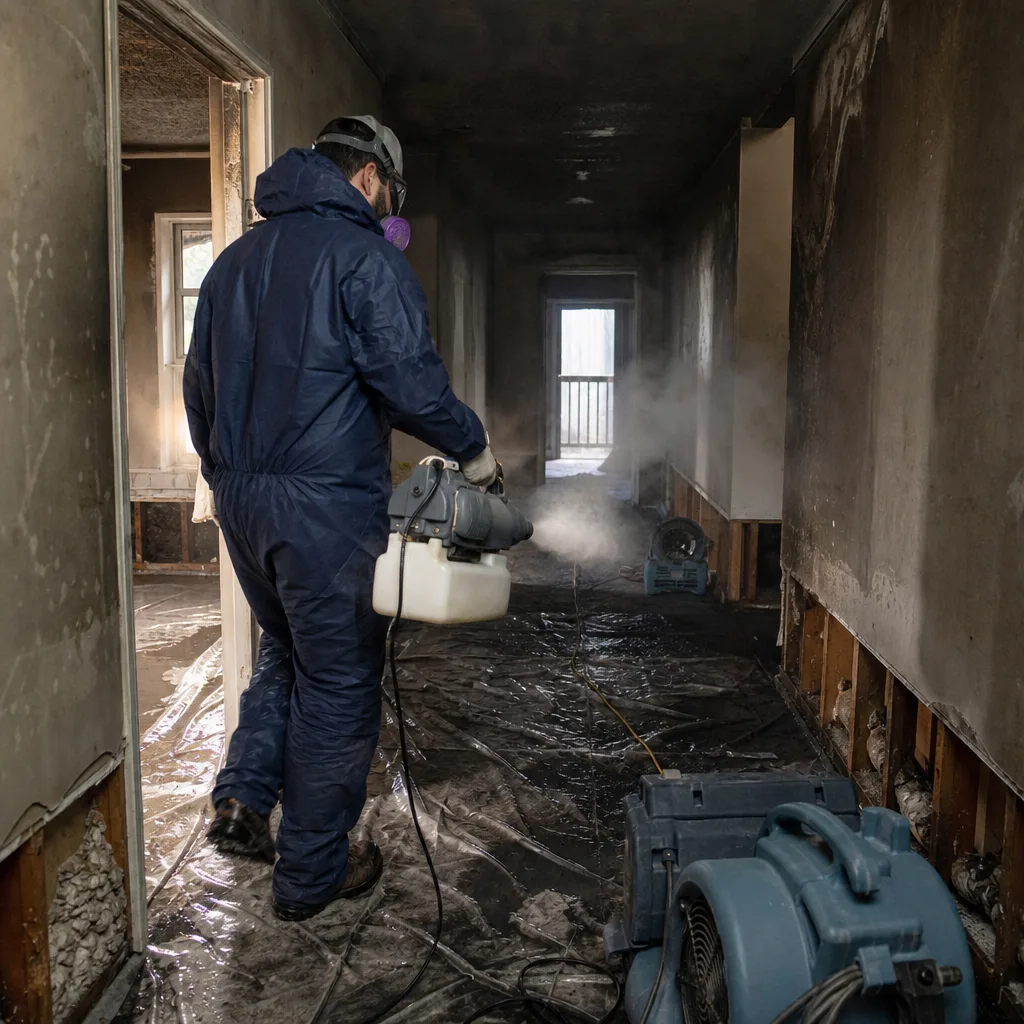
Moisture & Humidity Control
Permanent moisture control is the phase generic remediation pages skip. In Auburn, it’s non-negotiable. We install Dri-Eaz and Phoenix dehumidification systems sized to the space, with digital hygrometers that let us (and you) track relative humidity remotely. For homes on the valley floor, we often recommend perimeter drainage review and gutter downspout extension - simple interventions that prevent the groundwater rise that starts the cycle again. Moisture control systems range from $1,200-$3,800 depending on capacity and installation complexity.
What happens when you call
- 1
A real person answersNo phone trees - you reach a local pro.
- 2
You get an upfront price rangeHonest numbers before anyone is dispatched.
- 3
A background-checked tech heads outLicensed & insured, dispatched right away.
- 4
You approve before work beginsNothing starts until you say go.
 Before
 After
AfterTrusted Brands We Service in Auburn
Our equipment inventory includes professional-grade drying systems from Dri-Eaz, Phoenix, and XPOWER - brands that produce the psychrometric data (temperature, relative humidity, and vapor pressure readings) that insurers expect to see in a documented claim. We stock HEPA filtration, antimicrobial solutions, and vapor barrier materials locally, so Auburn jobs don’t wait on shipping. For the Injectidry hardwood floor drying and wall-cavity injection systems we used on that Auburn Way South job, we maintain dedicated units because valley-floor water intrusion here routinely requires specialty drying that standard air movers can’t achieve.
Common Mold Remediation Problems We See in Auburn Homes
- Drying the crawl space without addressing the high water table. This is the most common failure we correct. Alluvial soils in Auburn’s valley floor re-saturate within weeks, and mold returns on the same joists the previous contractor “fixed.” Our bids include vapor barrier and drainage because we’ve seen what happens when they’re omitted.
- Skipping structural drying of subfloor and joists after category 2 or 3 water intrusion. Valley-floor flooding brings groundwater that carries soil bacteria and agricultural runoff - category 3 by definition. Surface cleaning without drying the structural wood to below 16% moisture content leaves viable mold food and spores behind.
- No containment during remediation in 1970s-1990s tract homes. These houses often have central return ducts in the crawl space or attic that connect every room. Without sealed containment and negative air, remediation disturbs spores that the HVAC distributes through the entire living space.
- Generic dehumidifier placement without vapor pressure differential calculation. Psychrometric data tells us how much moisture air can hold at a given temperature; without that calculation, a contractor might install a residential dehumidifier in a 2,000-square-foot crawl space and call it done. We don’t.
Pricing for Mold Remediation in Auburn, WA
| Service | Typical Range in Auburn |
|---|---|
| Mold Inspection & Testing | $350 - $650 |
| Contained Mold Removal (under 200 sq ft) | $1,800 - $3,200 |
| Black Mold Remediation | $3,500 - $7,800 |
| Crawl Space Treatment (with vapor barrier) | $2,200 - $5,500 |
| Whole-Home Remediation + Air Quality Restoration | $4,800 - $9,200 |
| Moisture & Humidity Control Systems | $1,200 - $3,800 |
What moves a job to the higher end: structural involvement requiring subfloor removal, category 3 water with heavy contamination, extensive containment in finished living spaces, and the permanent moisture-control phase that Auburn’s soil conditions demand. We deliver a written price before work begins on every job - Haven Standard, Clause 1 - and we offer a Free Second Opinion on any competitor’s written estimate. Call (253) 447-5249 for exact pricing on your situation.
We Also Serve Cities Near Auburn
Our crews work throughout the Green River Valley and adjacent plateaus, including Auburn, Federal Way, Milton, Kent, and Puyallup. Each city has different soil conditions, housing stock, and flood risk profiles; our scopes account for those differences rather than applying a valley-floor template to a plateau home.
Serving Auburn, WA - Our Local Coverage Area
We’re based in the Auburn area and know this community well. Use the map below to see our service coverage - if you’re nearby, we can almost certainly help.
FAQs - Mold Remediation in Auburn
Because the remediation likely addressed visible mold without stopping the moisture source. Auburn’s valley-floor crawl spaces sit on high-water-table alluvial soils that re-saturate dried wood within weeks; without a vapor barrier and drainage system, mold returns on the same joists. Our crawl space treatment includes permanent moisture control for exactly this reason. Call (253) 447-5249 for a written scope that includes the prevention phase.
Mold colonization begins in 24-48 hours on wet organic materials, and in Auburn’s humid valley climate, that timeline compresses. After the 2009-2010 Howard Hanson Dam evacuation alerts, we saw homes that had standing water for less than 72 hours develop active mold on subfloors. Speed matters for mitigation, not for the reconstruction that follows - we can dispatch for emergency water extraction and drying immediately, with containment and remediation starting as soon as structural moisture readings allow. Call (253) 447-5249 for 24/7 live dispatch.
Yes. Downtown’s 1950s-1960s homes often have plaster-and-lath walls, smaller crawl spaces, and original HVAC ductwork that requires careful containment sizing. Plateau tract homes from the 1980s-1990s have larger crawl spaces but paper-faced drywall and central returns that demand more extensive negative-air setups. Our equipment selection - Injectidry for cavity drying, Phoenix dehumidifiers for capacity, XPOWER air movers for targeted airflow - varies by construction type and moisture load, not by a one-size-fits-all protocol.
Category 1 is clean water from a supply line; category 2 is gray water with minor contamination (dishwasher overflow, sump pump failure); category 3 is black water with significant contamination (sewage, groundwater flooding, or any water that has passed through soil or building materials). Auburn’s valley-floor flooding is almost always category 3 because alluvial soils carry bacteria, agricultural chemicals, and debris. Category 3 water requires more extensive removal of affected materials and more rigorous antimicrobial treatment, which we scope and price in writing before starting - Haven Standard, Clause 1.
We install a complete moisture-control system: sealed vapor barrier, drainage channel or sump pump where appropriate, and dehumidification sized to the actual space and vapor pressure differential. Without this permanent phase, the high water table in Auburn’s alluvial soils will re-saturate the crawl space and mold will return. Our 365-Day Done Right Promise covers this work; if moisture readings climb back above acceptable levels, we make it right. Call (253) 447-5249 for a scope that includes the prevention phase, not just the remediation.
Written by Alicia Brennan, Owner at Back to Dry Restoration, serving Auburn and the Green River Valley since 2011 under The Haven Standard.