
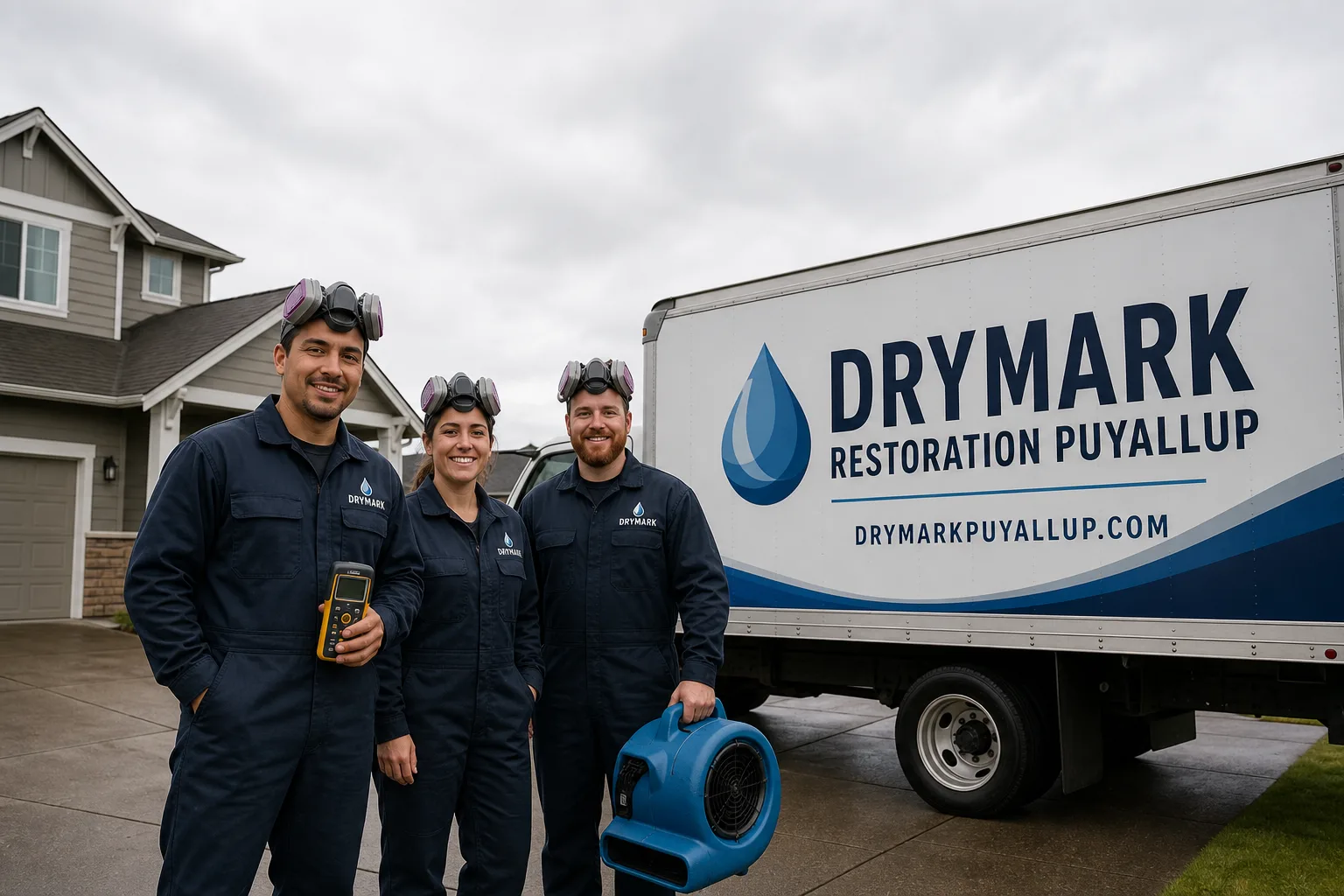
Free visual inspection and a written scope of work before any mitigation begins - photos, moisture readings, and drying logs go in your claim file
The scope we write is the scope we bill. Anything new gets shown to you, in writing, before we touch it.
 Before
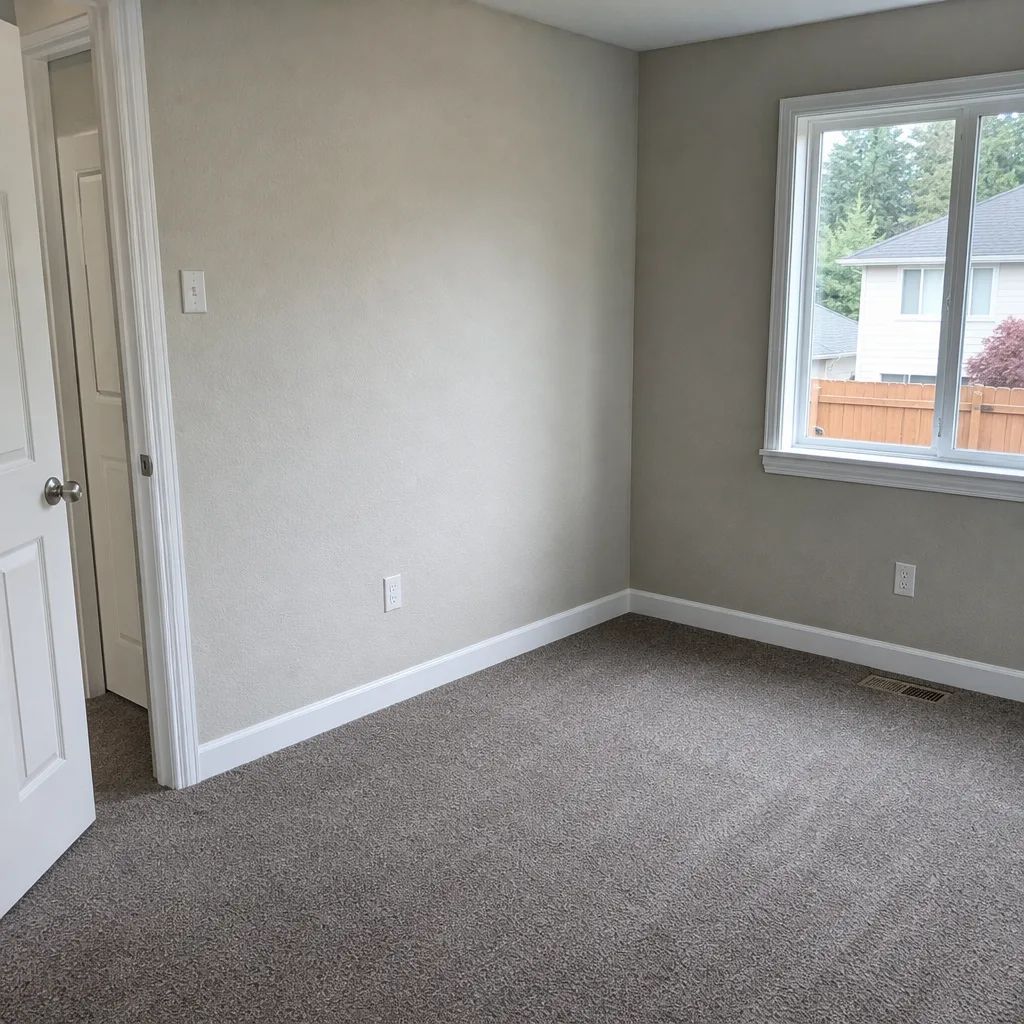 After
After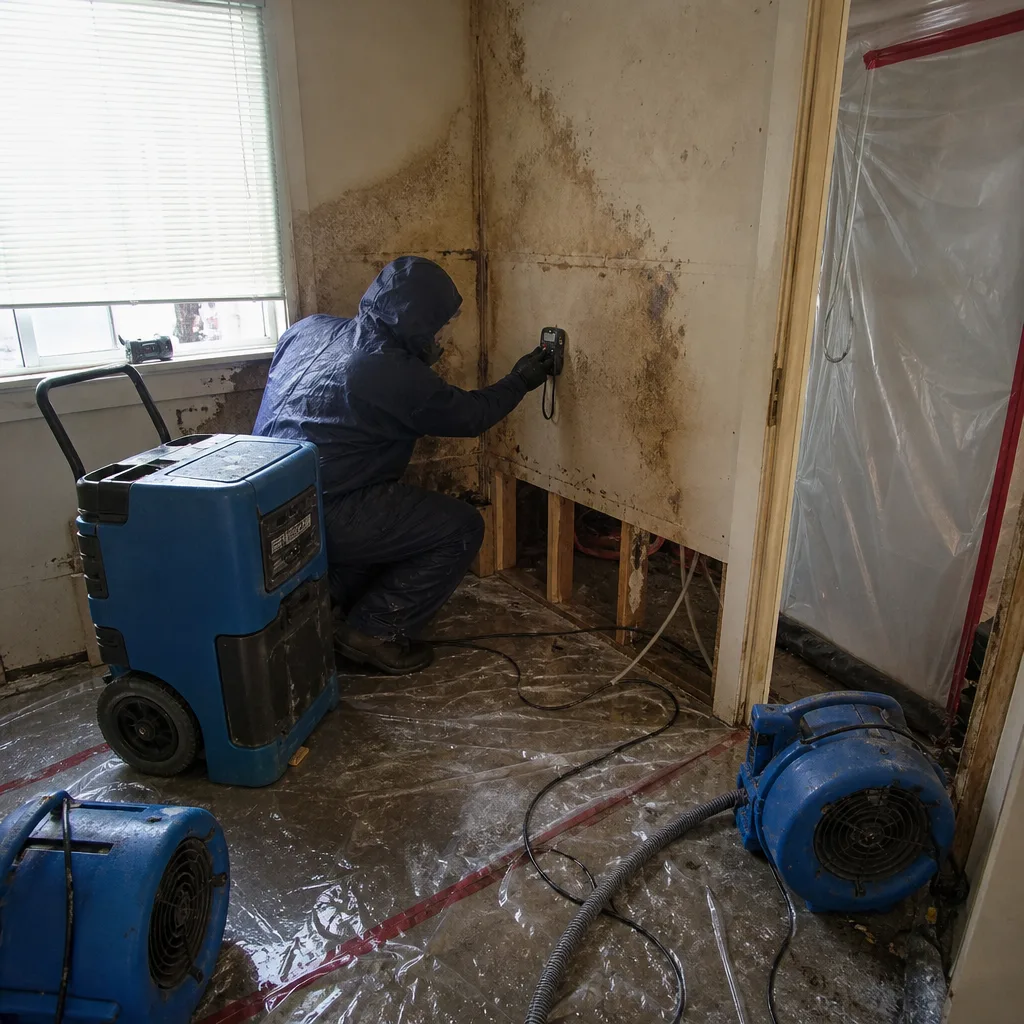 Before
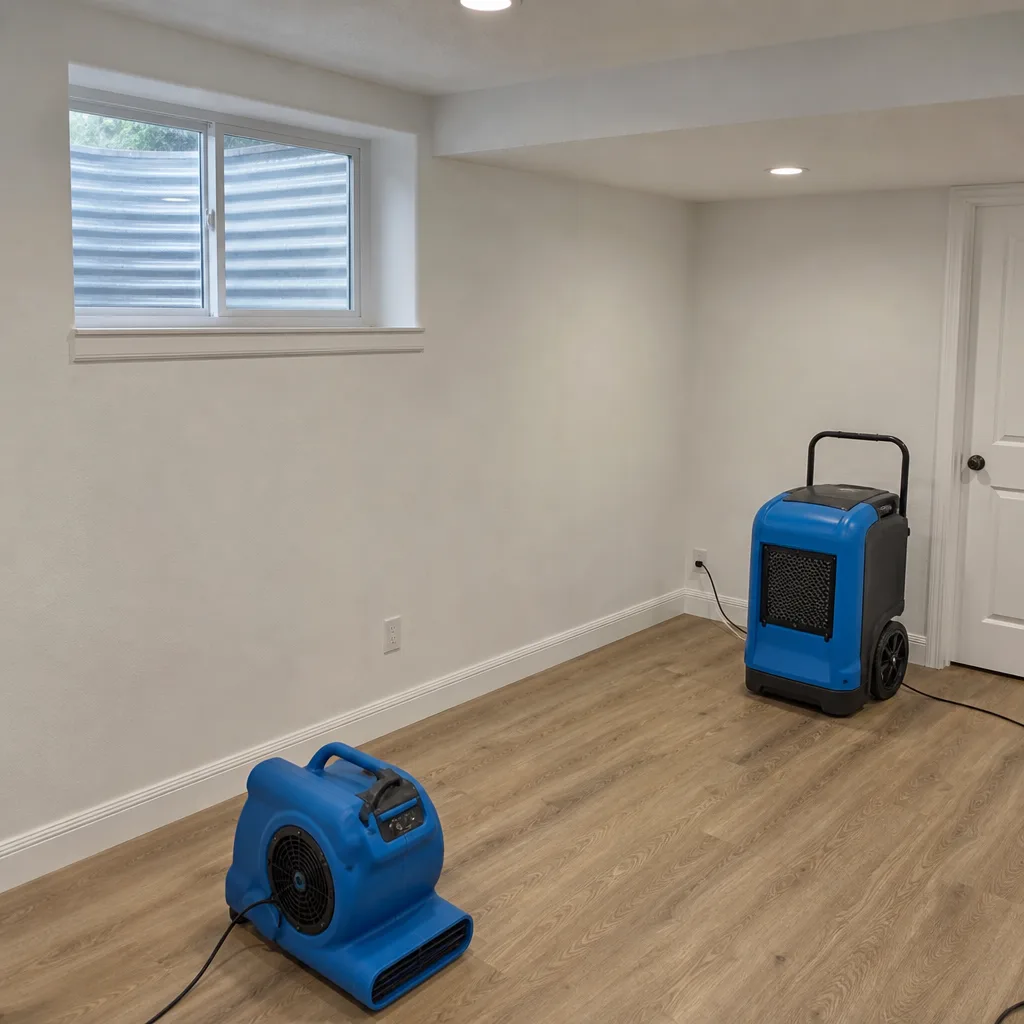 After
After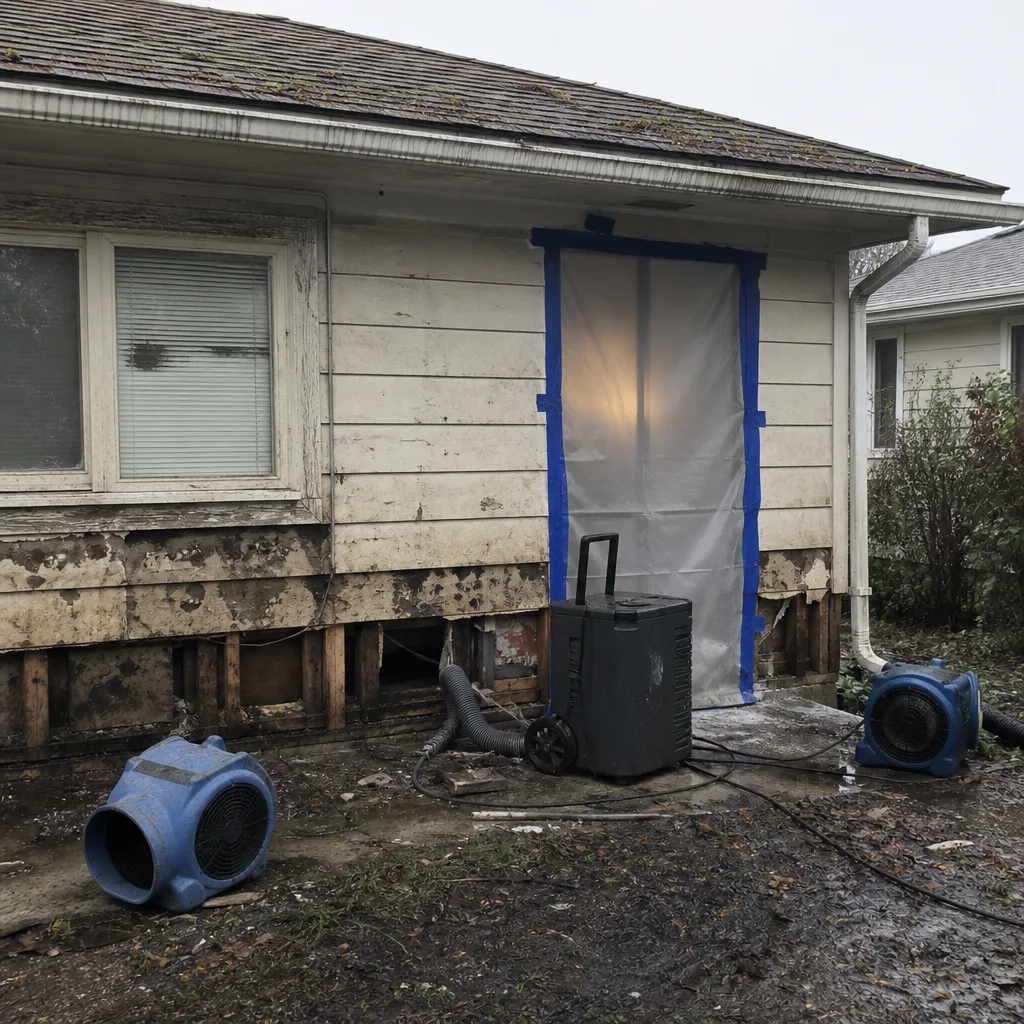 Before
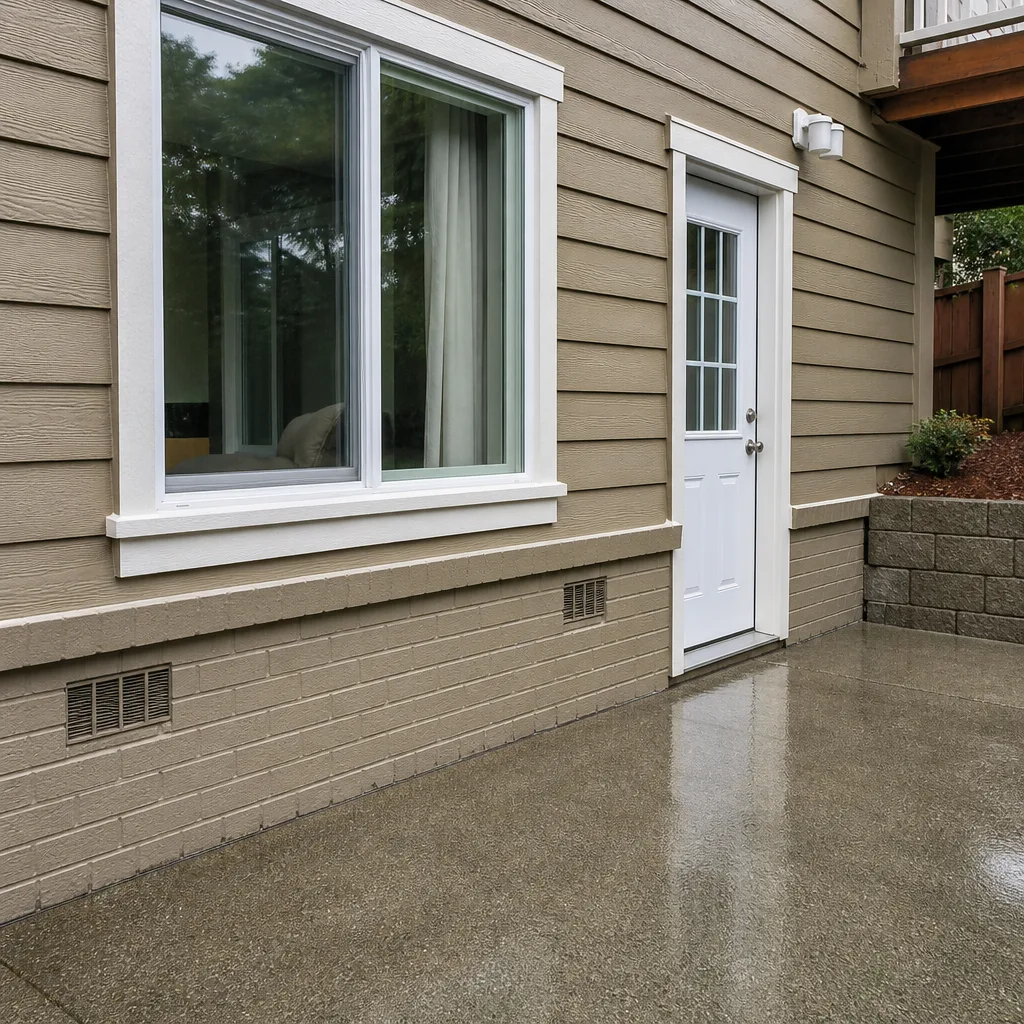 After
AfterFast, Reliable Fire & Smoke Damage Restoration Across Maple Valley
Fire damage in Maple Valley rarely arrives alone. A kitchen flare-up or electrical fire sets off the sprinkler system, and then you’re managing smoke, soot, water, and sometimes a compromised roof if a windstorm preceded the incident. We see this chain reaction constantly on the cul-de-sacs off SE 256th and along the Black Diamond Road corridors, where mature Douglas firs overhang 1990s-built homes with OSB sheathing that doesn’t tolerate moisture well. Our crews are dispatched from our Seattle office and can typically reach any Maple Valley address within 45 minutes to an hour. Call (253) 447-5249 for immediate response, or read on for what the recovery actually looks like and what it costs.
Why DryMark Restoration Puyallup Is Maple Valley’s Preferred Fire & Smoke Damage Restoration Company
We’ve restored homes in Maple Valley since we began operating under The Haven Standard in 2011, and our reputation here is built on documentation that survives adjuster scrutiny. Homeowners in the Lake Wilderness and Four Corners neighborhoods specifically mention our photo records and written scopes in reviews, noting that their claims processed faster because our daily drying logs gave the insurance company exactly what they needed.
Our response time to Maple Valley averages under an hour during daylight hours and under 90 minutes overnight, with a live person answering every call, 24 hours a day, 7 days a week. No voicemail trees. No next-business-day callbacks while water is still moving through your ceiling cavity.
What separates our work here is local material knowledge. We know which Maple Valley subdivisions built during the 1990s-2000s boom used OSB roof decking versus plywood, which crawl spaces were vented properly and which weren’t, and how the Cedar River foothill rainfall pattern changes the math on every dry-out. That knowledge gets written into your scope before anyone starts work.
Our Fire & Smoke Damage Restoration Services in Maple Valley
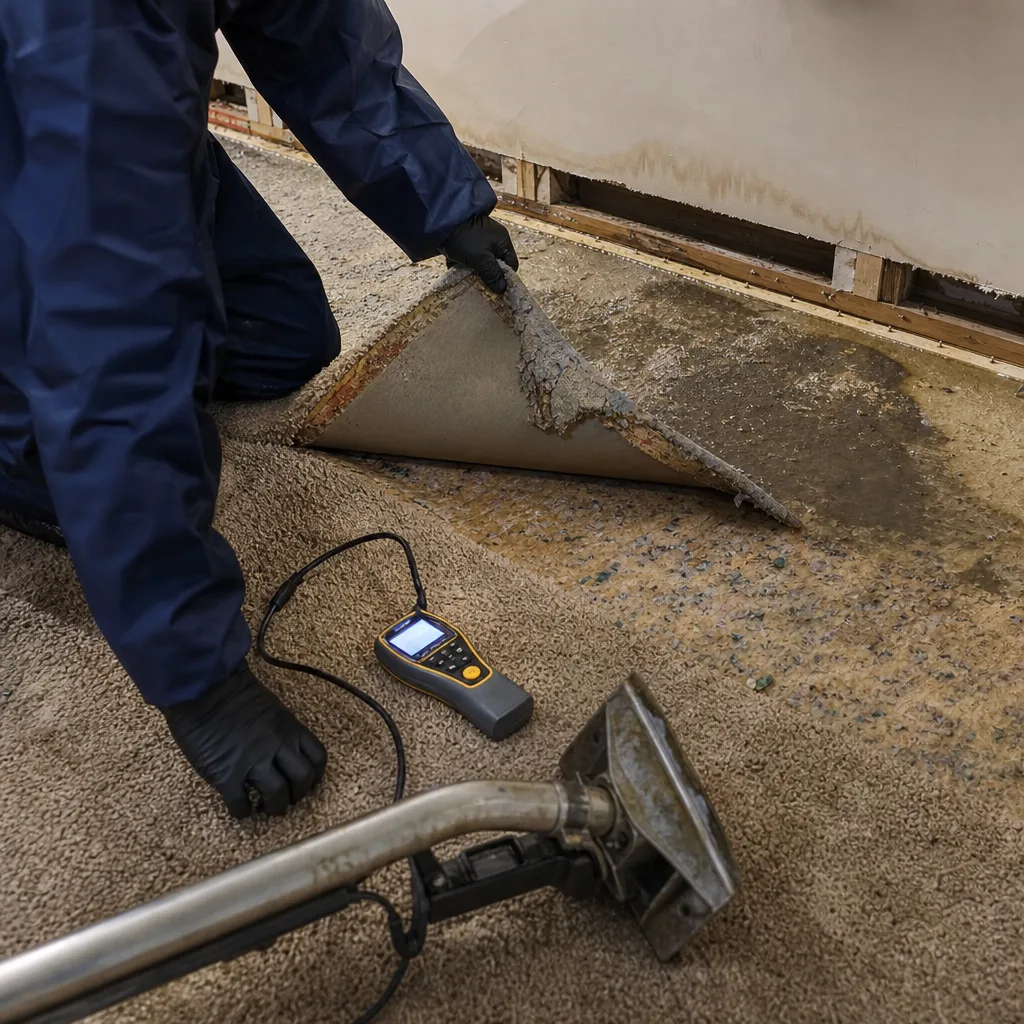
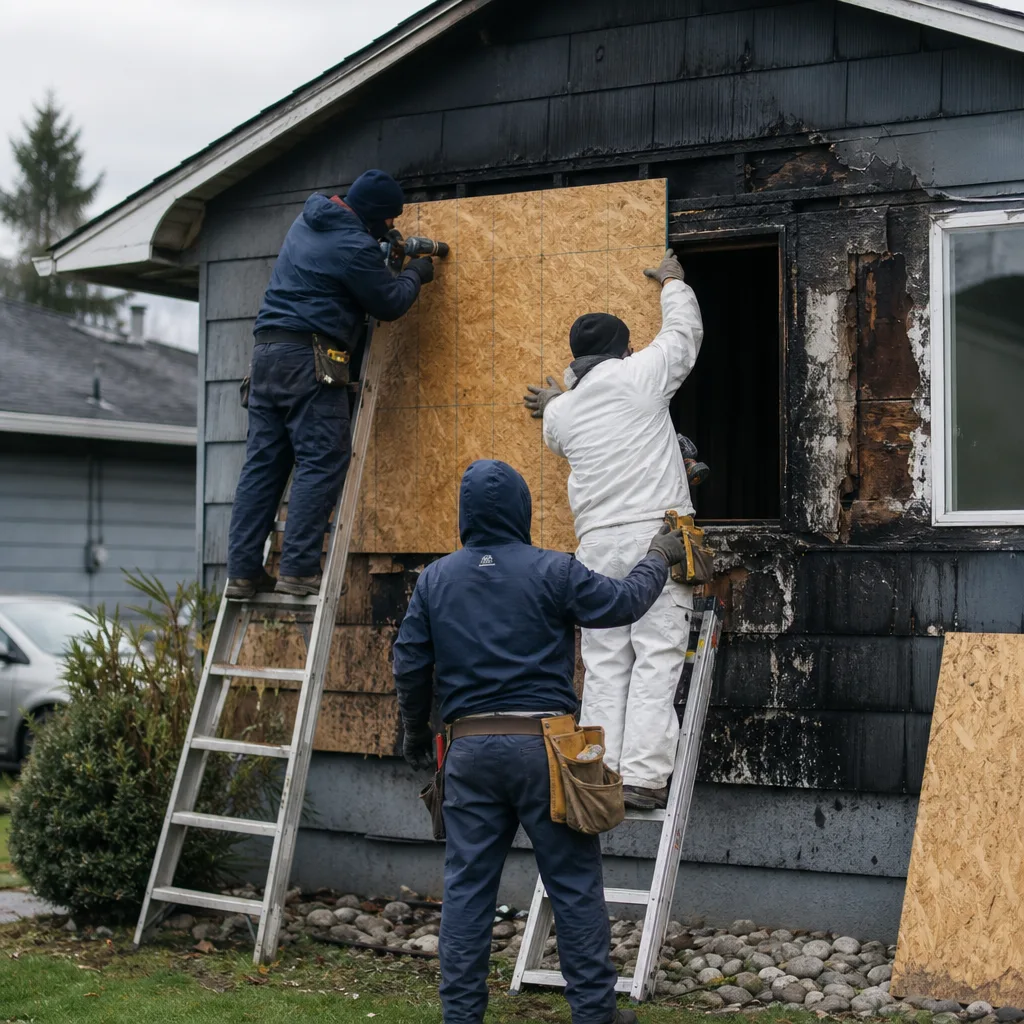
Emergency Board-Up & Tarping
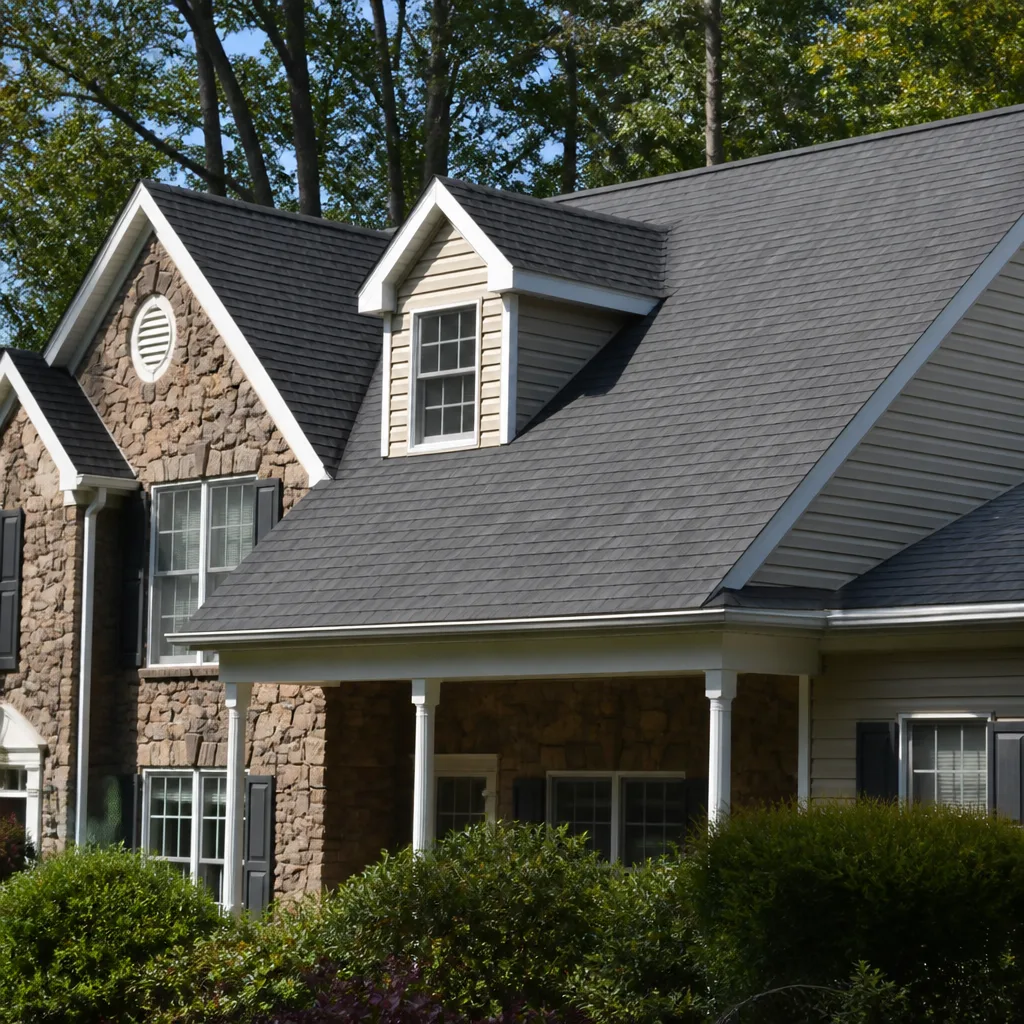
Fire damage in Maple Valley frequently includes secondary roof compromise, especially on heavily treed lots where wind-felled Douglas firs punch through decking before the fire department even arrives. We tarp breaches immediately, using structural temporary coverings rated for the 55-60 inches of annual rainfall that hits Maple Valley harder than Seattle proper. Every tarp installation is photo-documented for your adjuster, and we log the exact time of installation and weather conditions at the time.
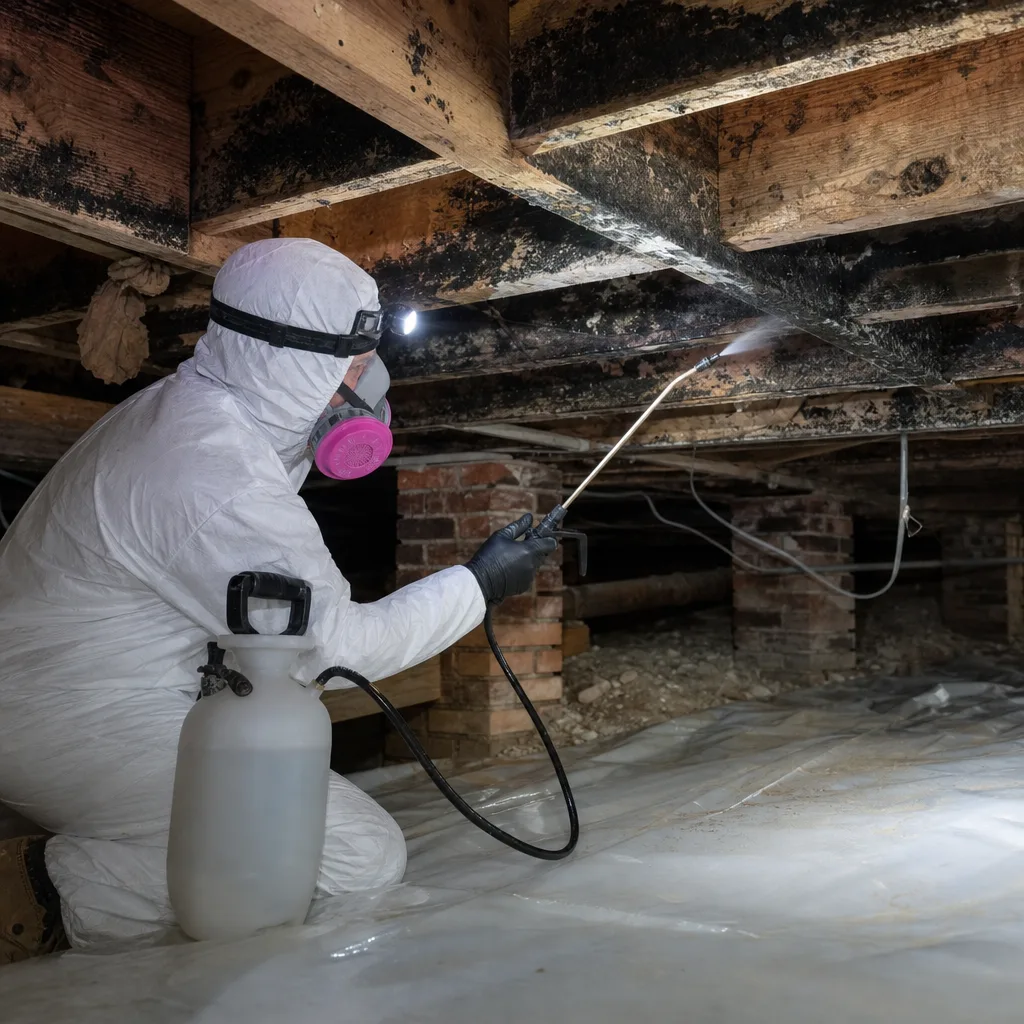
Structural Fire Repair
Maple Valley’s 1990s-2000s housing stock presents specific structural challenges after fire. OSB wall and roof sheathing loses structural integrity faster than plywood when exposed to both fire heat and subsequent water from suppression. We classify every affected panel by moisture content and delamination status, then specify replacement versus drying in place in a written scope you approve before work begins. Haven Standard, Clause 1: written price before work starts, every time, with no exceptions.
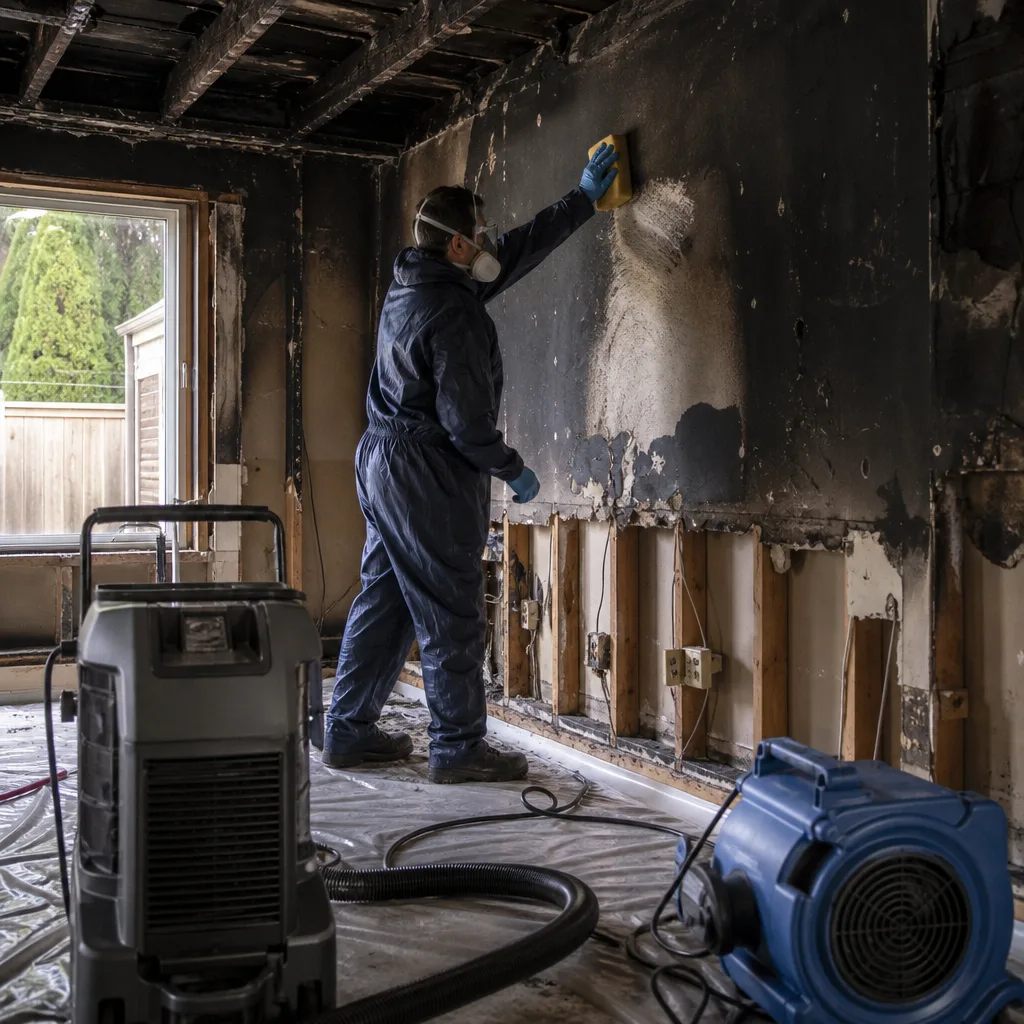
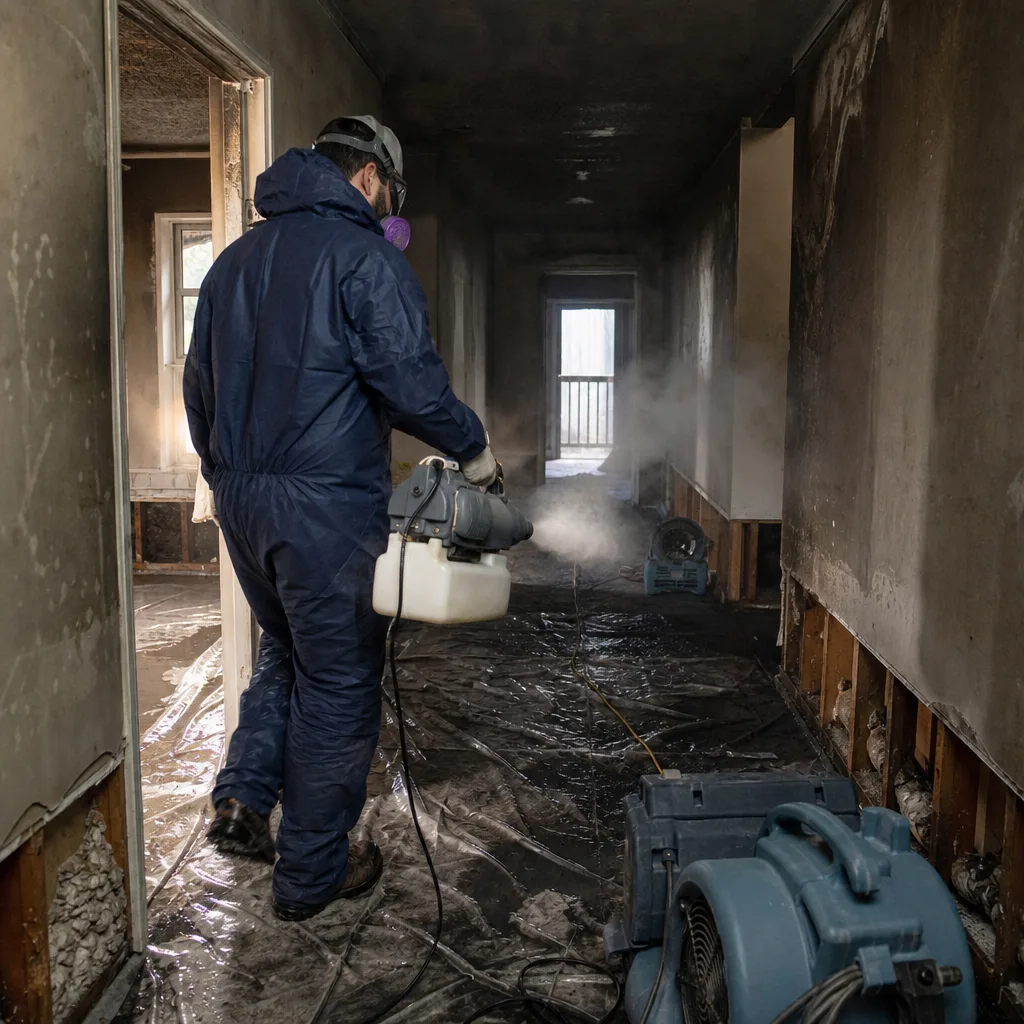
Smoke & Soot Removal
Soot behaves differently in Maple Valley’s humid foothill environment than in drier climates. Higher ambient moisture causes acidic soot residues to set faster into porous surfaces, especially on the textured drywall common in 1990s tract construction. We use HEPA vacuuming, chemical sponging, and thermal fogging matched to the specific soot classification - dry smoke, wet smoke, protein residue, or fuel oil soot - with each step documented to IICRC S740 standards.
Odor Removal & Deodorization
Smoke odor in Maple Valley homes persists when deodorization stops at the surface. Our process includes vapor-phase deodorization with professional-grade equipment from Dri-Eaz and Phoenix, coupled with crawl space inspection because unvented or poorly vented crawl spaces on shaded, moisture-retaining lots trap odor molecules that re-emerge weeks later. We map odor penetration with thermal imaging and specify the full treatment protocol in writing before starting.
Contents Cleaning & Pack-Out
Contents from Maple Valley homes damaged by fire are inventoried, photographed, and packed out to our cleaning facility with a chain-of-custody log. Ultrasonic cleaning, ozone treatment, and specialized textile restoration are available depending on material type and soot classification. Your complete inventory with before-and-after photos is delivered as a standard documentation package, never an upsell.
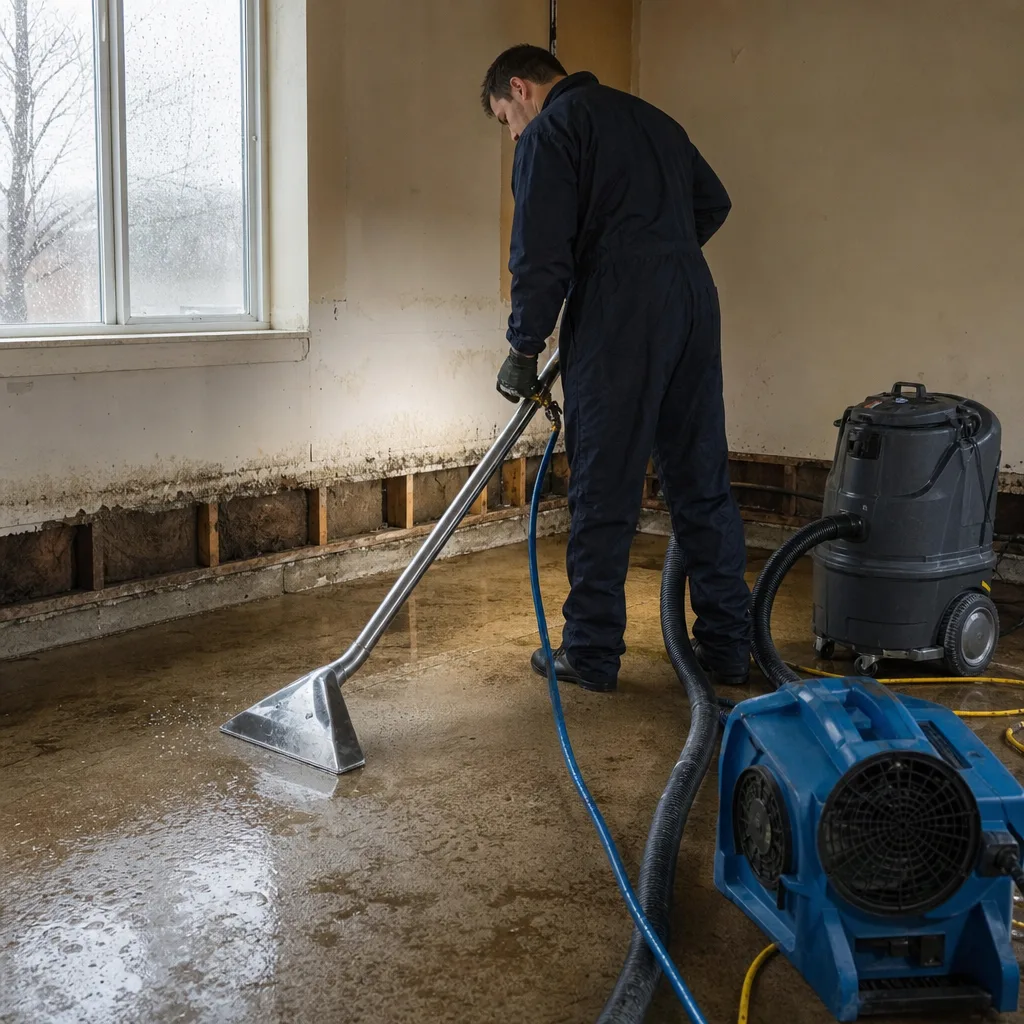
Fire Damage Cleanup
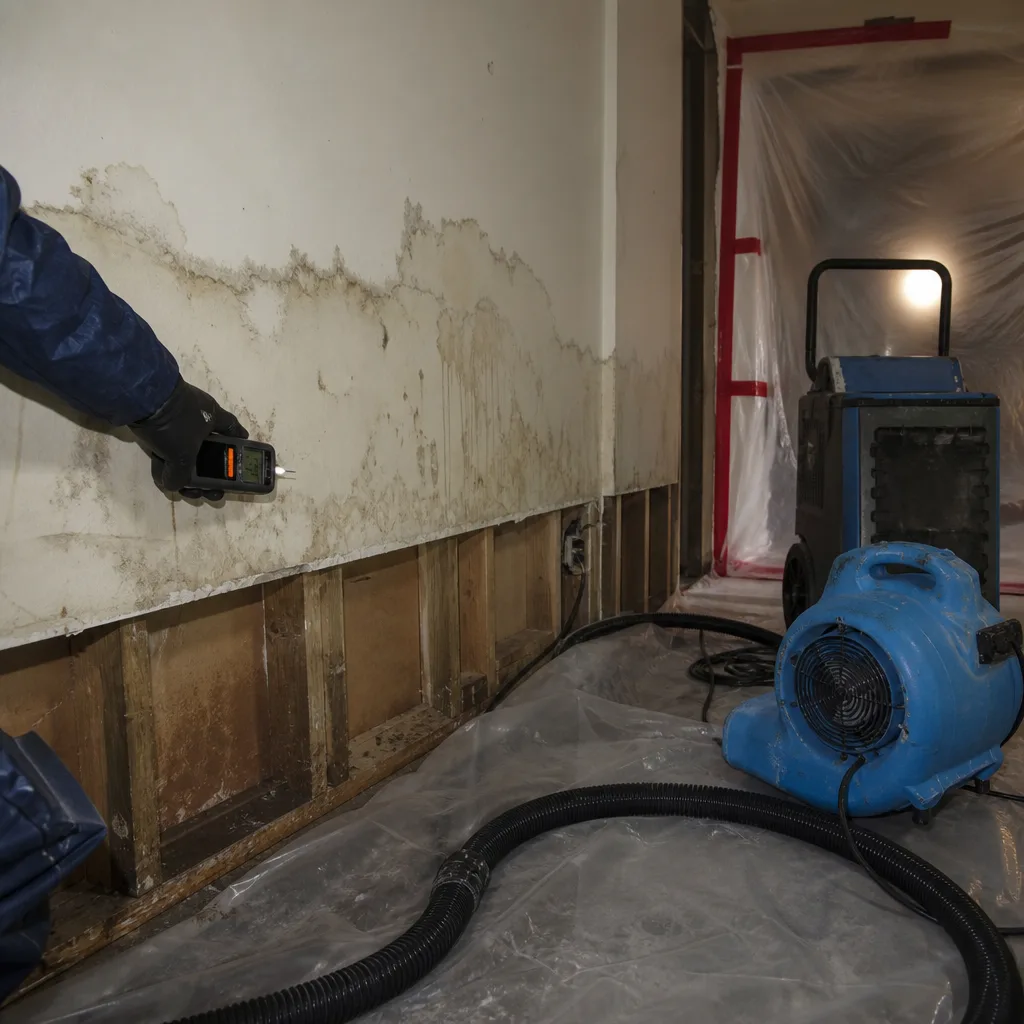
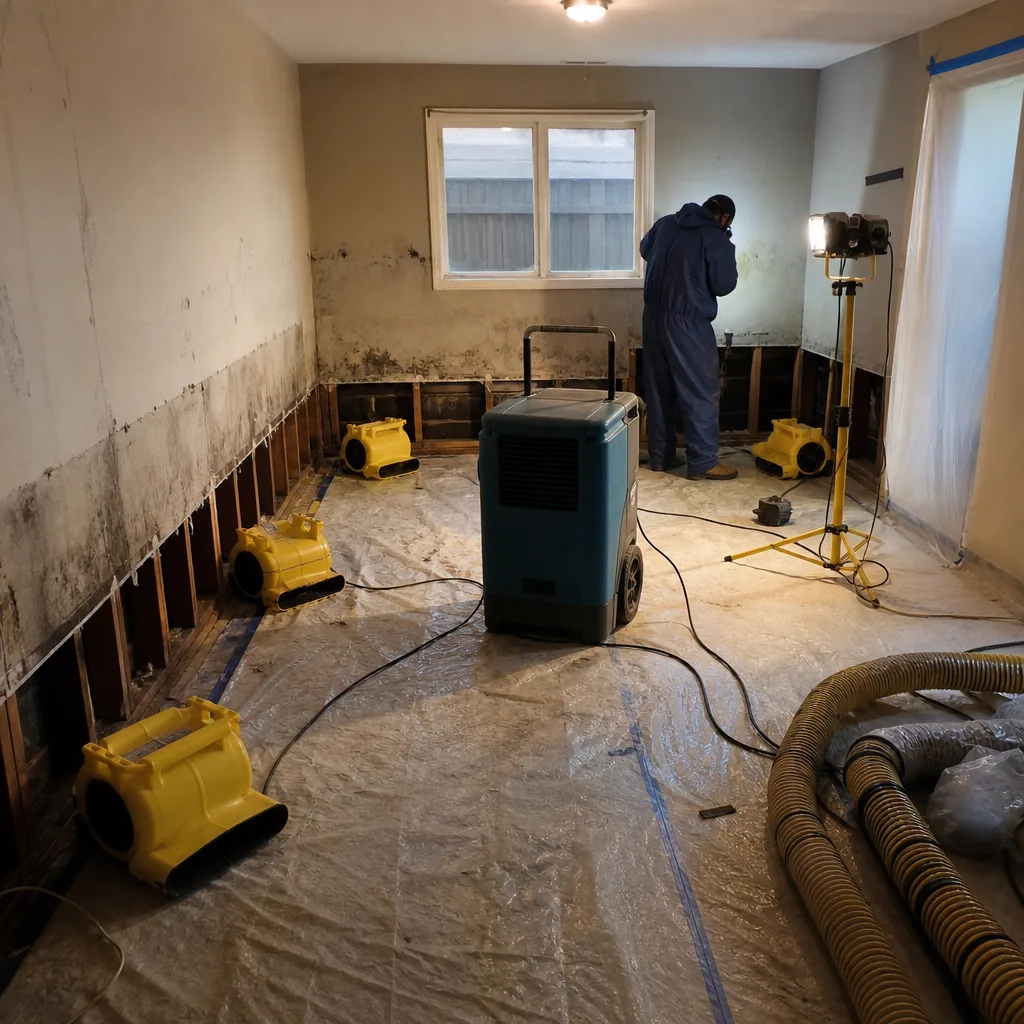
The comprehensive cleanup phase addresses all affected materials in sequence: water extraction from suppression systems, debris removal, soot and residue treatment, structural drying with documented moisture readings, and preparation for reconstruction. Every visit produces a photo record and moisture log. Every phase transition requires your written approval of the next scope.
What happens when you call
- 1
A real person answersNo phone trees - you reach a local pro.
- 2
You get an upfront price rangeHonest numbers before anyone is dispatched.
- 3
A background-checked tech heads outLicensed & insured, dispatched right away.
- 4
You approve before work beginsNothing starts until you say go.
 Before
 After
AfterTrusted Equipment Brands We Deploy in Maple Valley
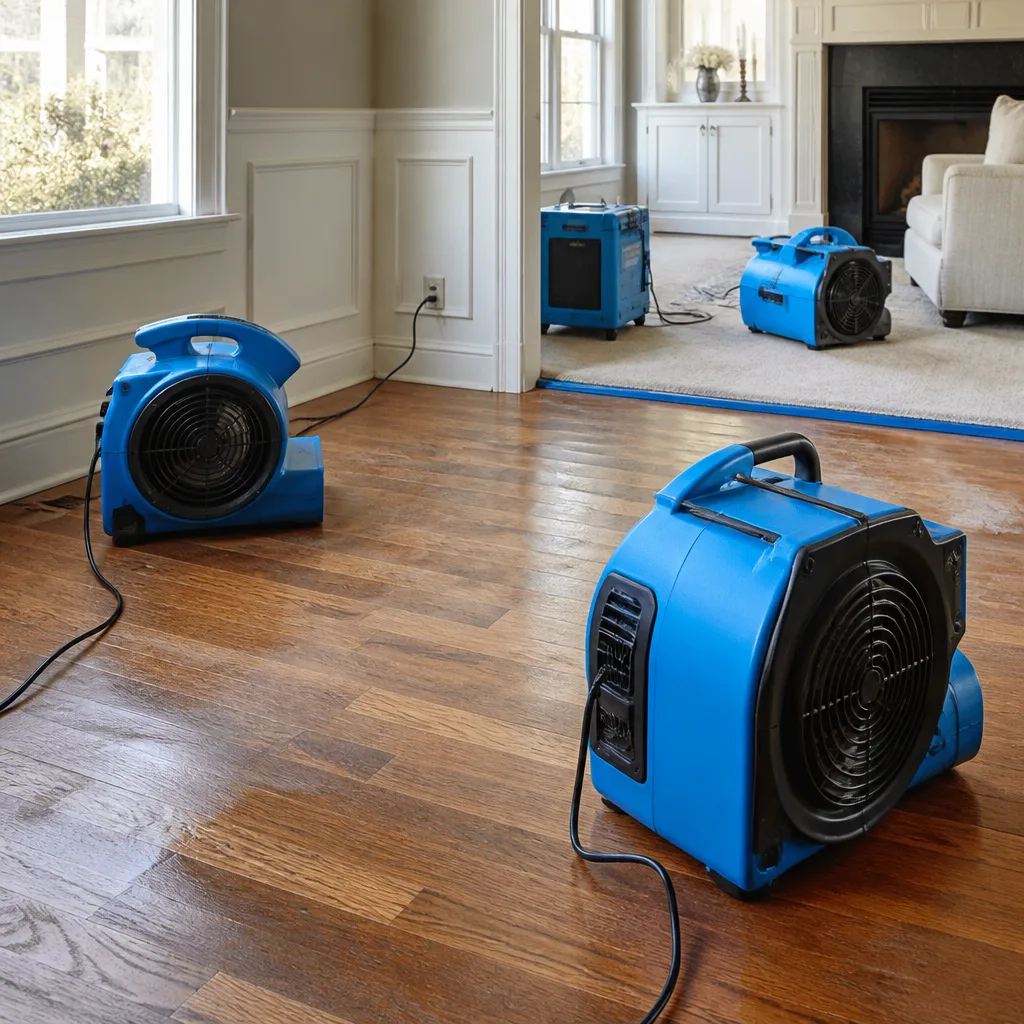
Our Maple Valley crews work with professional-grade drying and deodorization systems from Dri-Eaz, Phoenix, and XPOWER, documented to IICRC, RIA, and IFA standards. We maintain local equipment inventory to avoid rental delays that can cost critical hours when OSB sheathing is swelling in continuous rain. The dehumidification capacity we bring to a Maple Valley job is calibrated to the elevated moisture load of Cedar River foothill conditions, not drier-climate baselines. Each unit’s runtime and psychrometric output is logged daily and included in your claim documentation.
Common Fire & Smoke Damage Restoration Problems We See in Maple Valley Homes
- Waiting for a break in the rain to tarp a wind-felled-tree roof breach. On a treed cul-de-sac off SE 256th, OSB decking swells and delaminates within 24-48 hours of continuous exposure. Delay turns a dry-out into a full sheathing replacement, and we document the timeline so adjusters understand why the scope changed.
- Skipping crawl space moisture mapping on 1990s-2000s tract homes with unvented crawl spaces. The fire scene dries out upstairs while the shaded, moisture-retaining lot keeps the crawl space wet. Nobody catches it until odor or mold shows up later. We map every crawl space as standard protocol.
- Treating every wet material the same without classifying water category. Roof intrusion from fire suppression is typically Category 1 or 2, but Cedar River corridor groundwater intrusion from storm surge is Category 3. Without proper classification, crews dry materials that should have been removed, or remove materials that could have been saved with proper antimicrobial treatment.
- Assuming smoke odor is surface-only. In Maple Valley’s humid climate, odor molecules penetrate deeper into porous materials and reactivate when humidity rises. Surface deodorization alone fails; we specify vapor-phase treatment with documented penetration testing.
Pricing for Fire & Smoke Damage Restoration in Maple Valley, WA
Fire and smoke damage restoration in Maple Valley typically ranges from $3,200 for limited smoke and soot cleanup in a single room to $18,000-$34,000 for whole-home structural repair with contents pack-out. Emergency board-up and tarping runs $450-$1,200 depending on roof access complexity and structural stabilization needs. Smoke and soot removal with deodorization for a standard 2,000-square-foot Maple Valley home averages $4,500-$8,500. Contents cleaning and pack-out adds $2,800-$6,500 based on inventory volume.
Several factors move these ranges: the extent of OSB sheathing replacement versus drying in place, whether water classification requires antimicrobial treatment, crawl space involvement, and the soot type (protein residues from kitchen fires require more intensive treatment than dry smoke from wood combustion). Every job receives a written price before work begins, Haven Standard, Clause 1, with no scope-creep additions once the crew is inside. We also provide a Free Second Opinion on any competitor’s written estimate, at no charge. Call (253) 447-5249 for exact pricing on your specific situation.
We Also Serve Cities Near Maple Valley
Our Fire & Smoke Damage Restoration teams respond throughout the south King County corridor, including Kent, Renton, Auburn, and Federal Way. Dispatch and scheduling are coordinated from our Seattle office, with crews serving each city locally. Response protocols and pricing structures are consistent across the service area, though material conditions and local building stock vary by municipality.
Serving Maple Valley, WA - Our Local Coverage Area
We’re based in the Maple Valley area and know this community well. Use the map below to see our service coverage - if you’re nearby, we can almost certainly help.
FAQs - Fire & Smoke Damage Restoration in Maple Valley
We can typically arrive within 45 minutes to an hour during daylight hours, and under 90 minutes overnight, with emergency board-up and tarping beginning immediately upon arrival. Because Maple Valley’s elevated rainfall means OSB sheathing begins swelling within 24-48 hours of continuous exposure, we do not wait for weather breaks to secure the structure. Call (253) 447-5249 for immediate dispatch.
OSB sheathing, used in most Maple Valley homes built during the 1990s-2000s growth boom, delaminates and loses structural integrity faster than plywood when exposed to the combination of fire heat and suppression water. In Maple Valley’s 55-60 inch annual rainfall environment, that degradation accelerates dramatically compared to drier locations. We classify every panel by moisture content and delamination status, then specify replacement versus drying in your written scope before work begins.
We inspect and moisture-map the crawl space on every Maple Valley fire job, because unvented or poorly vented crawl spaces on shaded, moisture-retaining lots frequently harbor secondary moisture that the main-floor dry-out misses. Skipping this step means odor and mold issues emerge weeks after the fire restoration appears complete. The crawl space assessment is included in our standard protocol, never an upsell.
Category 1 water is clean, from sources like fire suppression sprinklers or supply lines. Category 2 contains significant contamination, such as water that has flowed through building materials. Category 3 is grossly contaminated, including Cedar River corridor groundwater intrusion or sewage backup. The distinction matters because Category 3 requires removal of porous materials that Category 1 might allow us to dry and save, and misclassification costs homeowners either in unnecessary replacement or in future mold remediation. We test and classify water on every job, then document the category in your written scope.
We use a combination of HEPA filtration, thermal fogging, ozone treatment, and vapor-phase deodorization with professional-grade equipment from Dri-Eaz and Phoenix, matched to the specific soot type and penetration depth. In Maple Valley’s humid climate, we also inspect and treat crawl spaces and wall cavities where odor molecules migrate and reactivate when humidity rises. Every deodorization protocol is specified in writing before work begins, with penetration testing to confirm effectiveness. Call (253) 447-5249 to schedule an assessment.
Written by Alicia Brennan, Owner at Back to Dry Restoration, serving Maple Valley since 2011 under The Haven Standard.