
Last updated September 23, 2026
Free visual inspection and a written scope of work before any mitigation begins - photos, moisture readings, and drying logs go in your claim file
The scope we write is the scope we bill. Anything new gets shown to you, in writing, before we touch it.
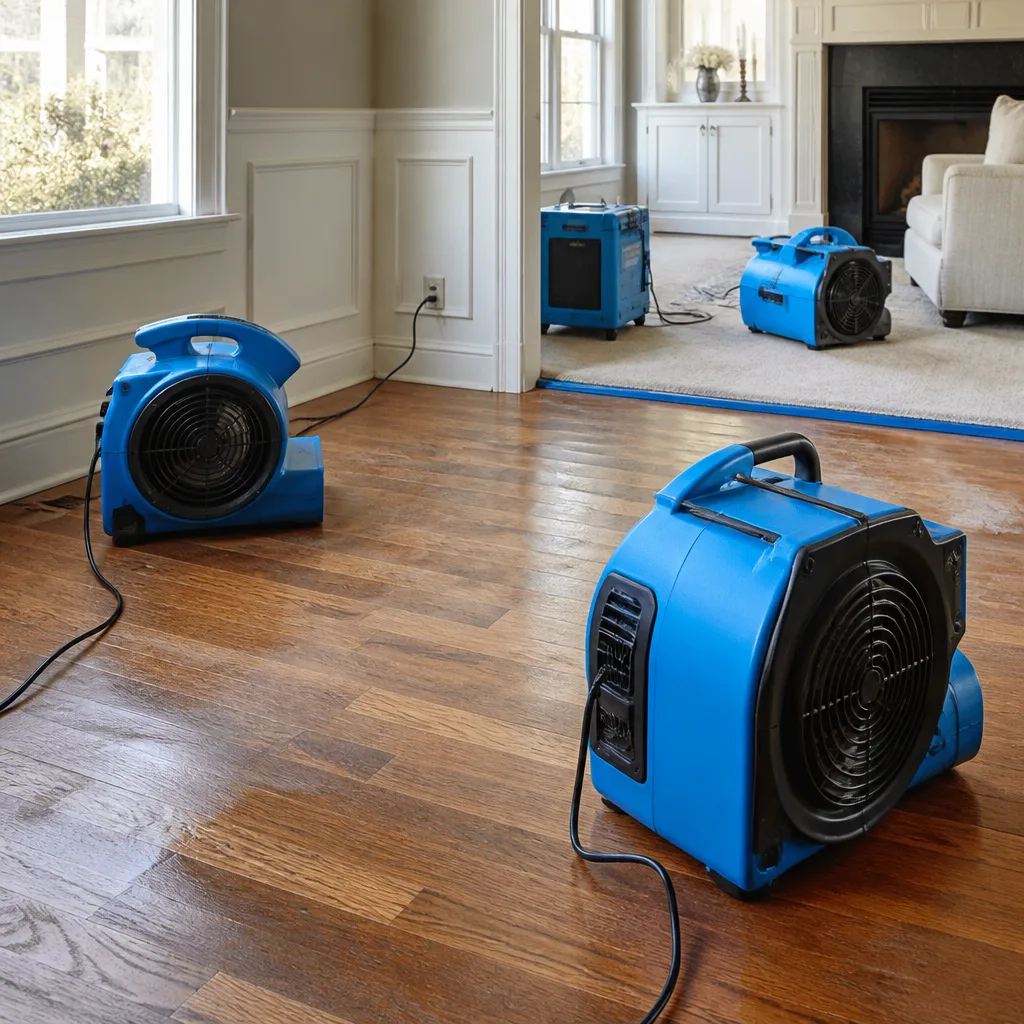

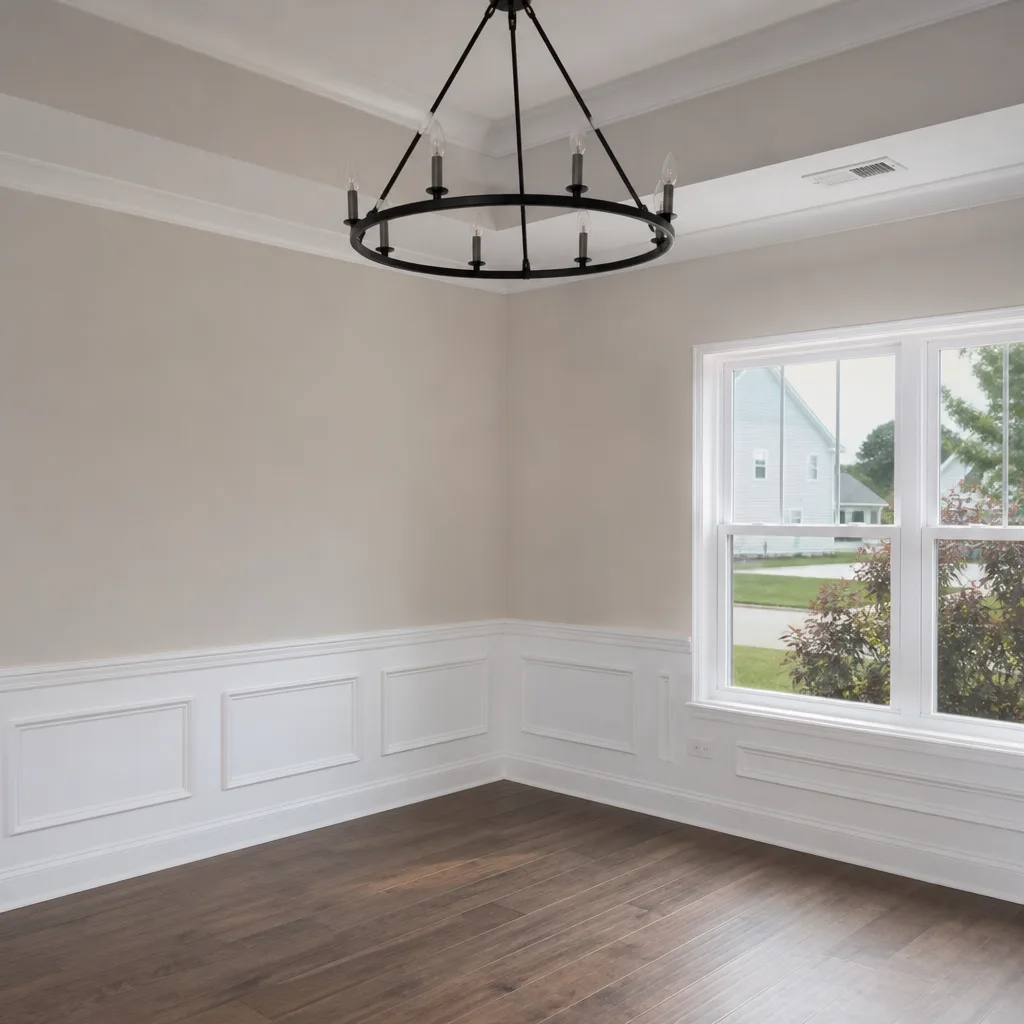

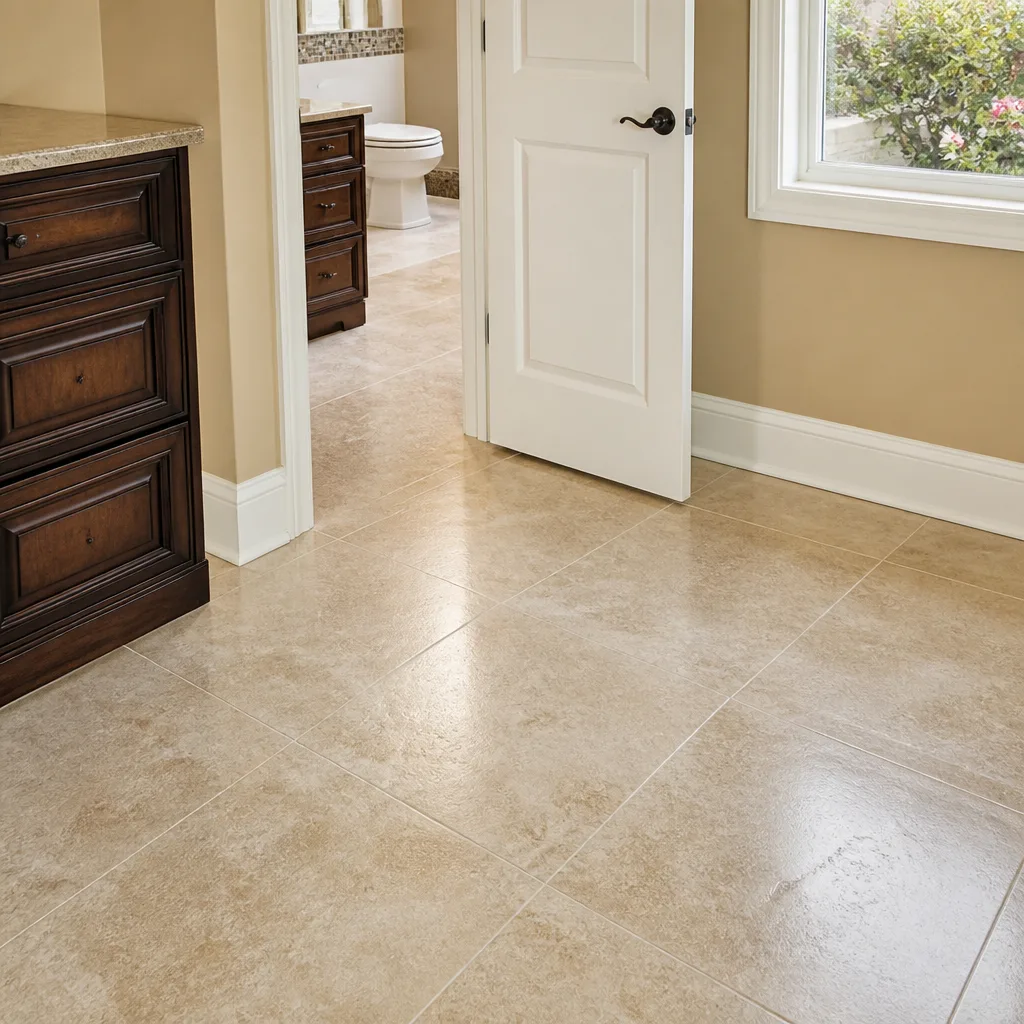

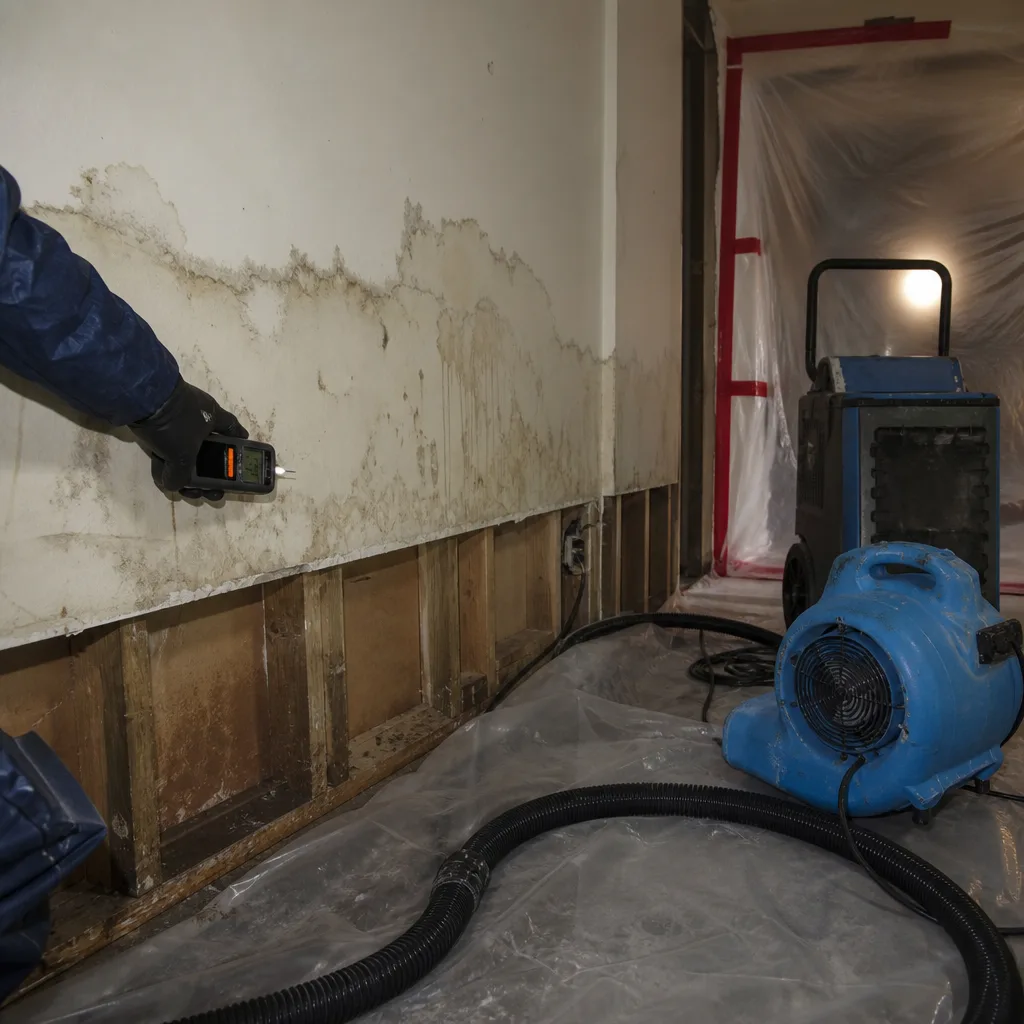 Before
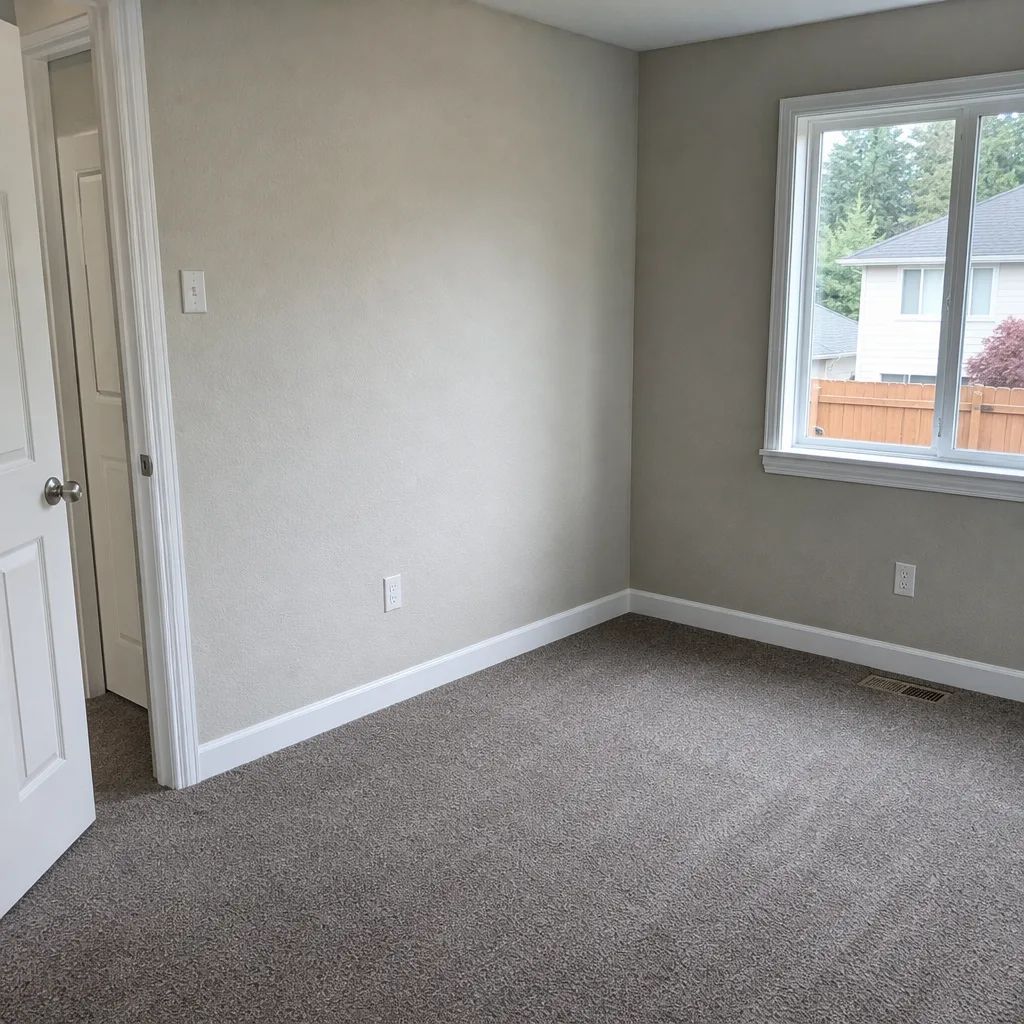 After
After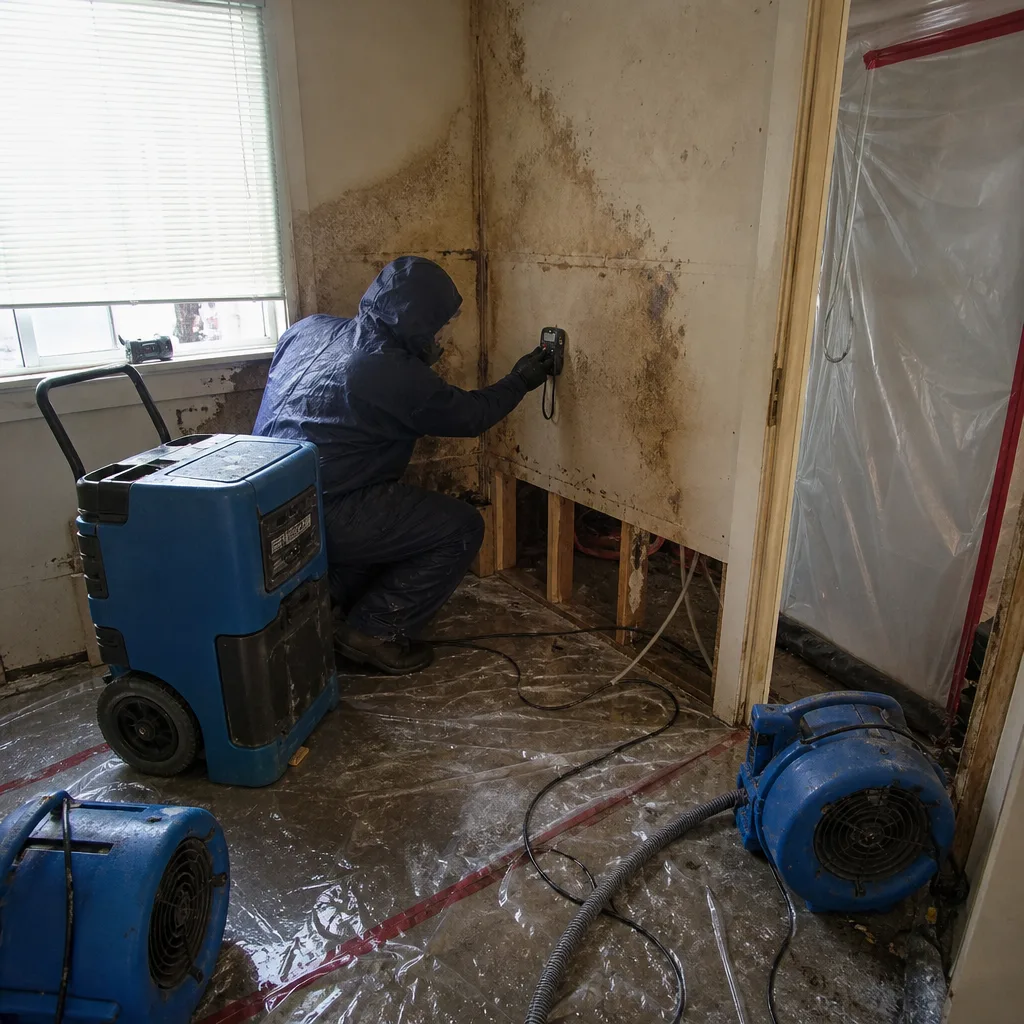 Before
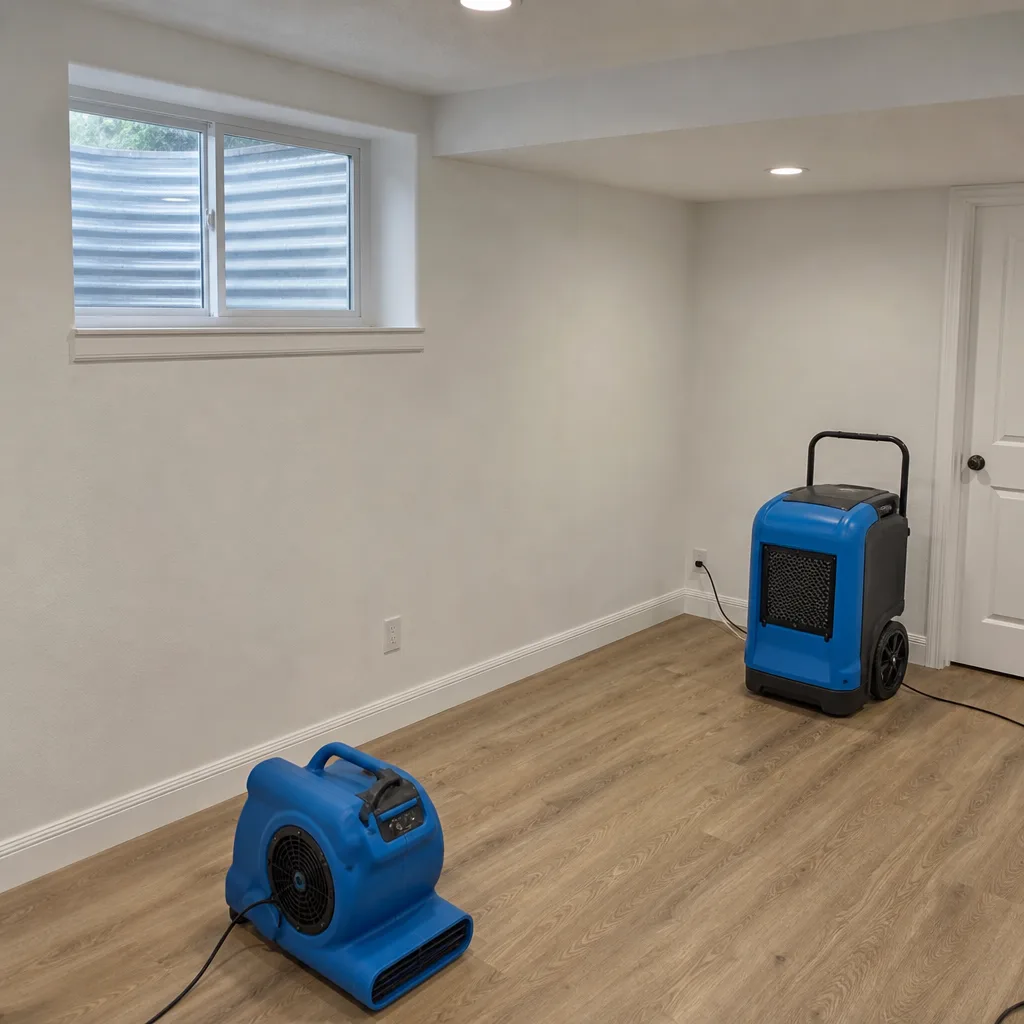 After
After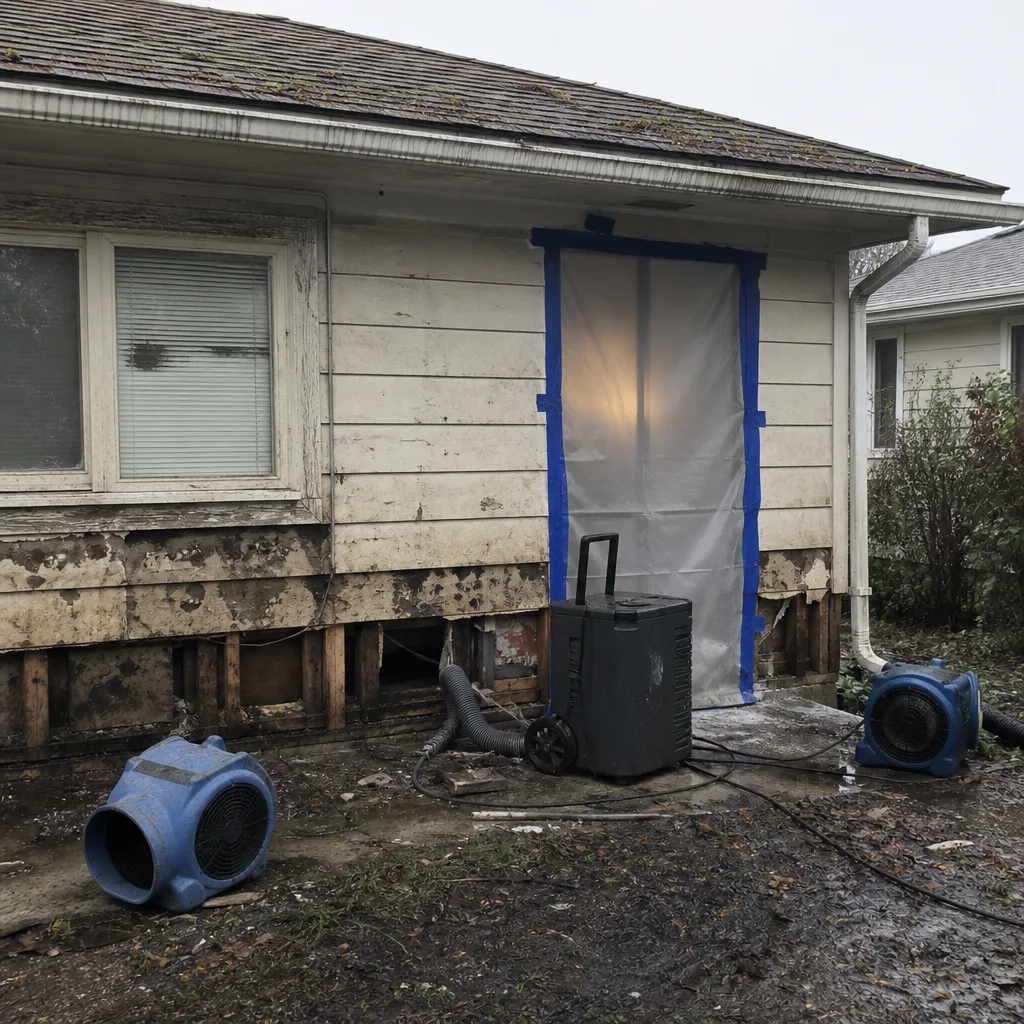 Before
 After
AfterHow to Hire a Damage Restoration Contractor in Puyallup: A Step-by-Step Guide
Washington State’s contractor lookup at L&I takes 90 seconds. Half of homeowners in an active water emergency skip it. That 90-second skip is how unlicensed operators collect deposits on Puyallup jobs they cannot legally complete. This guide - alongside our Complete Guide to Damage Restoration in Puyallup - restructures the hiring process so the critical checks take under 20 minutes and can be done from a phone while water is still being extracted. You’ll learn exactly what documentation separates legitimate contractors from operators who disappear with your deductible, how to stop the “equipment-first” tactic that locks you into inflated bills, and why the written scope is the only protection that matters when your insurance adjuster reviews the file.
Quick Answer
To hire a damage restoration contractor in Puyallup, verify their Washington State L&I contractor license through the UBI lookup (90 seconds), confirm general liability and pollution coverage with a current certificate of insurance, and receive a written scope with line-item pricing before any equipment enters your home. Legitimate contractors in Puyallup’s restoration market document every visit with photos and moisture readings; those who don’t are betting you won’t ask for proof.
Table of Contents
- Why Standard Hiring Advice Fails in an Emergency
- The 20-Minute Hiring Checklist
- What a Legitimate Written Scope Must Contain
- How to Stop the “Equipment-First” Tactic
- Documentation Red Flags That Cost Homeowners Their Claims
- Assignment of Benefits in Washington: What You’re Actually Signing
- Puyallup-Specific Risks: Climate, Soil, and Code
- Common Mistakes to Avoid
- When to Call a Professional
- Frequently Asked Questions
- The Bottom Line
 Before
 After
AfterWhy Standard Hiring Advice Fails in an Emergency
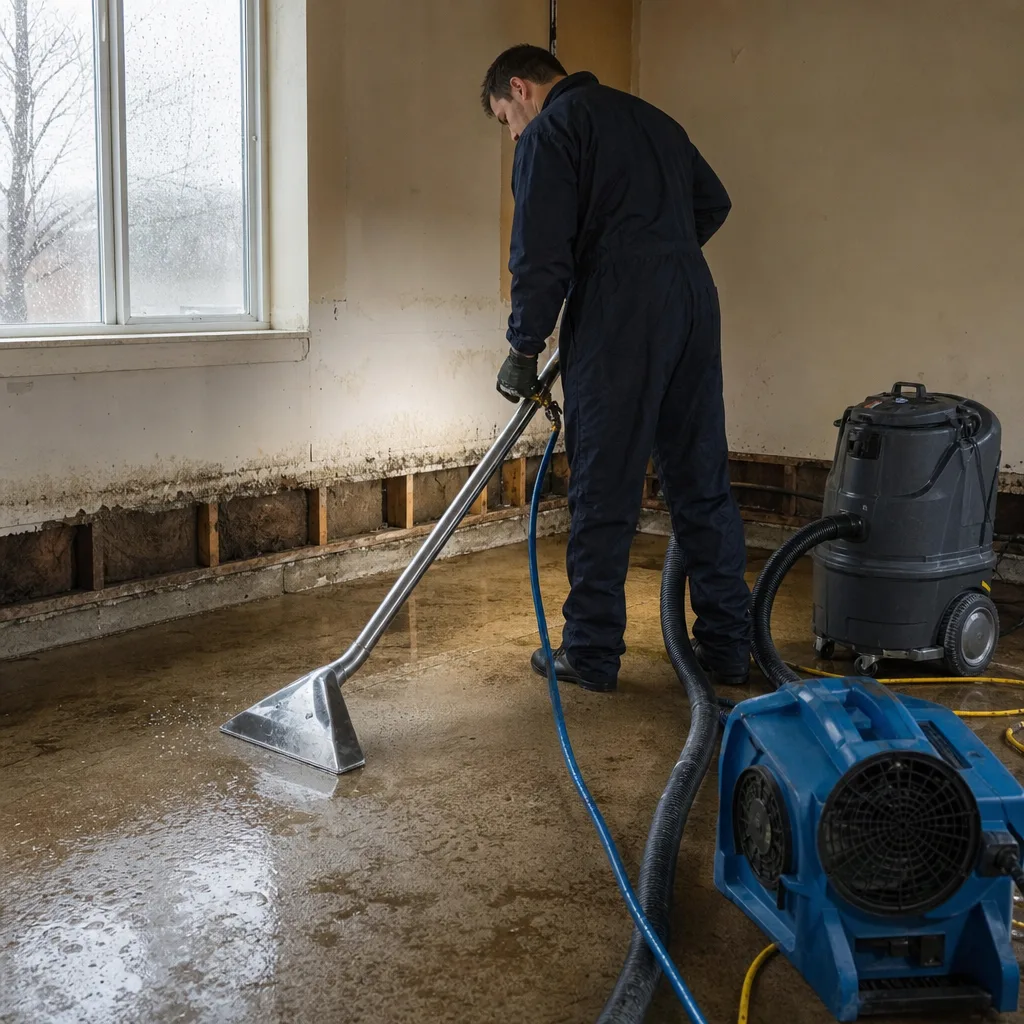
The conventional wisdom - get three bids, check reviews, sleep on it - assumes you have time. In Puyallup, where the Puyallup River watershed and clay-heavy soils in neighborhoods like South Hill and Edgewood create basement flooding scenarios that worsen by the hour, you don’t. Water moves through wall cavities at roughly one inch per hour along horizontal surfaces. By hour three, you’re not choosing a contractor; you’re stopping mold amplification.
We’ve seen this pattern since 2011. A homeowner in the North Meridian corridor discovers water in their finished basement at 10 PM. By 10:30, they’ve called three companies. One answers with a live person, promises a crew in 45 minutes, and asks for a credit card to “hold the slot.” The homeowner, watching carpet darken, pays. The crew arrives, places three dehumidifiers and an air scrubber, and presents a scope the next morning that includes charges for equipment already running. The homeowner, now financially committed, signs.
This sequence works because it exploits a real constraint: you cannot fully research a contractor while water is spreading. The solution is not to research faster. It’s to complete the critical verification steps before the emergency - our Water Damage Restoration Maintenance Checklist for Puyallup Homeowners covers what to pre-verify - or to compress them into a 20-minute protocol that can be executed from your phone while standing in the affected area.
The documentation gap that costs homeowners their claims is not a knowledge problem. It’s a timing problem. Standard advice treats restoration like a kitchen remodel. It’s not. It’s a claims-driven service where the quality of your documentation determines whether your insurer pays the invoice without a fight. A contractor who cannot produce a written price before work begins, who cannot show you daily moisture logs with psychrometric data (temperature, relative humidity, and vapor pressure differential, which measures how aggressively the air is pulling moisture from wet materials), is not saving you time. They’re creating a claims dispute you will spend months resolving.
Our founding principle, Haven Standard Clause 1, exists because we watched this happen from the adjuster’s side before building Back to Dry. A written price before any work starts is not a courtesy. It’s the structural beam that holds up everything else.
The 20-Minute Hiring Checklist
Execute these three checks in order. Total time: under 20 minutes. Each check addresses a specific failure mode we’ve documented in Puyallup claims.
Check 1: L&I License Verification (3-5 minutes)
Washington State’s Department of Labor and Industries maintains a public contractor lookup by Unified Business Identifier (UBI) number. Every legitimate restoration contractor must carry a specialty contractor registration for the trade they’re performing. Here’s the exact process:
- Ask the contractor for their UBI number and the name the license is registered under. Do not accept “we’re licensed” without the number.
- Navigate to the L&I Verify tool on your phone. Search the UBI.
- Confirm the status reads “Active.” Note the expiration date.
- Verify the registered trade matches the work: water damage restoration, mold remediation, or structural repair as applicable.
- Check for disciplinary actions in the history tab.
In 2023, L&I suspended 14 unregistered contractors operating in Pierce County, several of whom had collected deposits on Puyallup water damage jobs they never completed. The 90-second skip matters.
Check 2: Insurance Certificate Verification (5-10 minutes)
Request a certificate of insurance (COI) emailed directly from the contractor’s insurance broker, not a PDF from the contractor. The COI should name you as the certificate holder. Verify three coverages:
- General liability: Minimum $1,000,000 per occurrence. This covers property damage during work.
- Pollution liability: Essential for water damage and mold work. Standard general liability excludes mold and Category 3 water (sewage or groundwater).
- Workers’ compensation: Required in Washington for any contractor with employees. Uninsured workers on your property create direct liability for you.
Call the broker’s number on the COI to confirm the policy is current. We’ve encountered expired policies presented as active in Puyallup’s emergency market.
Check 3: Written Scope Before Equipment (5-10 minutes)
This is the check that separates documentation-first contractors from those who rely on your panic. Before any dehumidifier, air mover, or Injectidry system enters your home, you must receive:
- A room-by-room scope with affected square footage
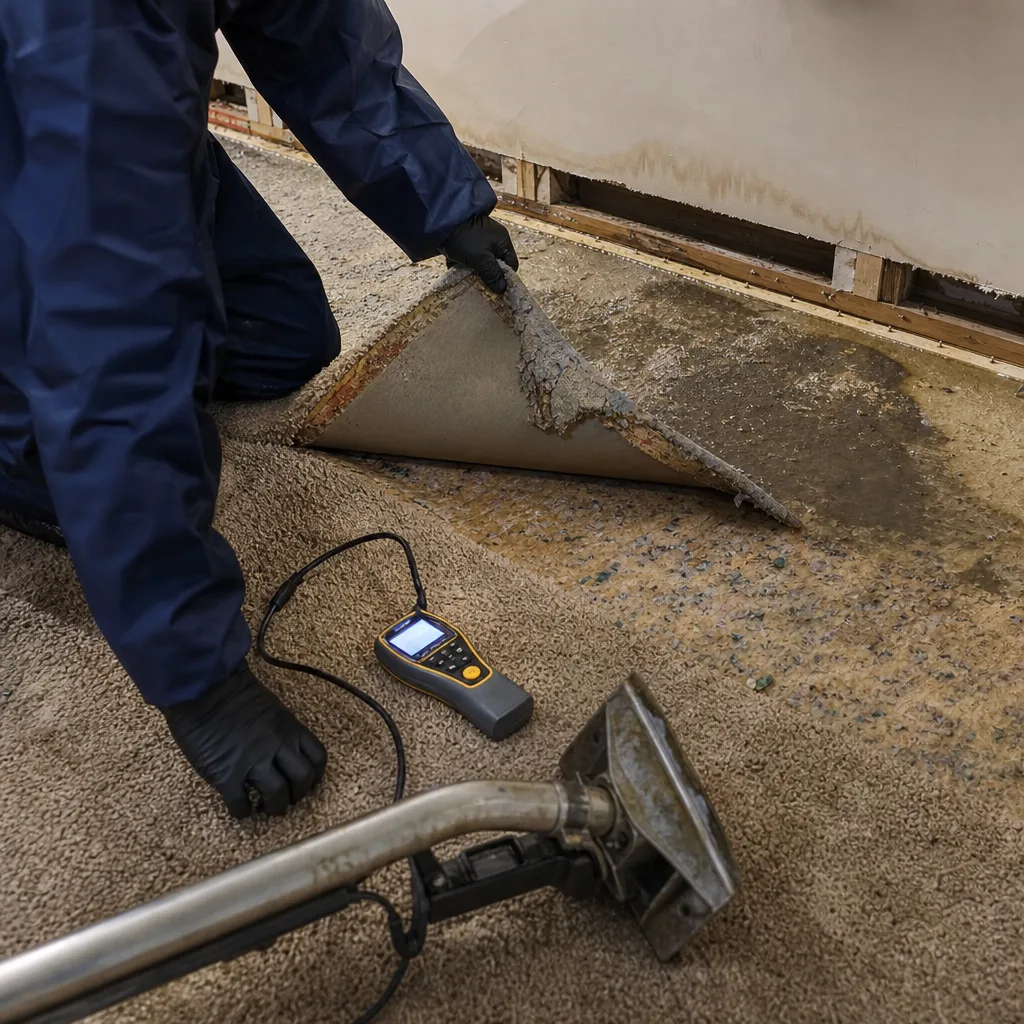
- Moisture readings from a calibrated penetrating meter, with readings from both affected and unaffected materials for baseline comparison
- Equipment count and placement rationale tied to those readings
- Line-item pricing with either a not-to-exceed cap or clear time-and-materials rates with daily maximums
- Your signature and the contractor’s, with a copy for you before work begins
Haven Standard, Clause 1: written price before work begins. No exceptions. If a contractor says they “can’t scope until they see it in person,” they can still provide a written estimate range and a firm commitment to a final scope before equipment placement. If they refuse, the refusal is information.
What a Legitimate Written Scope Must Contain
A written scope is not a one-page estimate with a total at the bottom. In our experience reviewing competitor estimates during free second opinions in Puyallup, the difference between a payable claim and a disputed one lives in the line items.
Here’s what the scope must include:
Xactimate Line Codes or Equivalent
Xactimate is the pricing database used by most insurance adjusters. A scope written with Xactimate line codes (WTR for water extraction, DRY for drying equipment, CLN for cleaning) allows your adjuster to verify each charge against standardized regional pricing. If a contractor uses proprietary codes or no codes at all, your adjuster must manually review each item, slowing payment by weeks.
We write every Puyallup scope to Xactimate standards, with line codes visible, so the adjuster’s review is a verification, not an investigation.
Moisture Readings That Justify Equipment Placement
Every dehumidifier and air mover should be tied to a specific moisture content reading. For example: “Living room north wall, drywall at 18% moisture content (baseline 9%), requiring LGR dehumidifier and two air movers per 150 square feet per IICRC S500 standards.”
Psychrometric data - the temperature, relative humidity, and vapor pressure differential we measure with meters from Dri-Eaz and Phoenix - tells us whether the equipment is actually changing conditions or just running up your bill. A scope without this data is a guess dressed as a plan.
Material Classification by Trade Name
Not “wet flooring.” “Mohawk SmartStrand carpet, Category 1 water, salvageable with extraction and rapid drying per IICRC S500, Section 12.3.” This specificity matters for two reasons: it determines whether your insurer pays for restoration or replacement, and it creates a record if the material fails later.
Not-to-Exceed Price or Clear T&M Cap
Time-and-materials billing without a cap is an open checkbook. A legitimate scope either names a maximum price or specifies daily equipment rates with a commitment to remove equipment when drying goals are met, documented by moisture readings. The Haven Standard requires both: written price before work begins, and daily logs proving when drying is complete.
How to Stop the “Equipment-First” Tactic
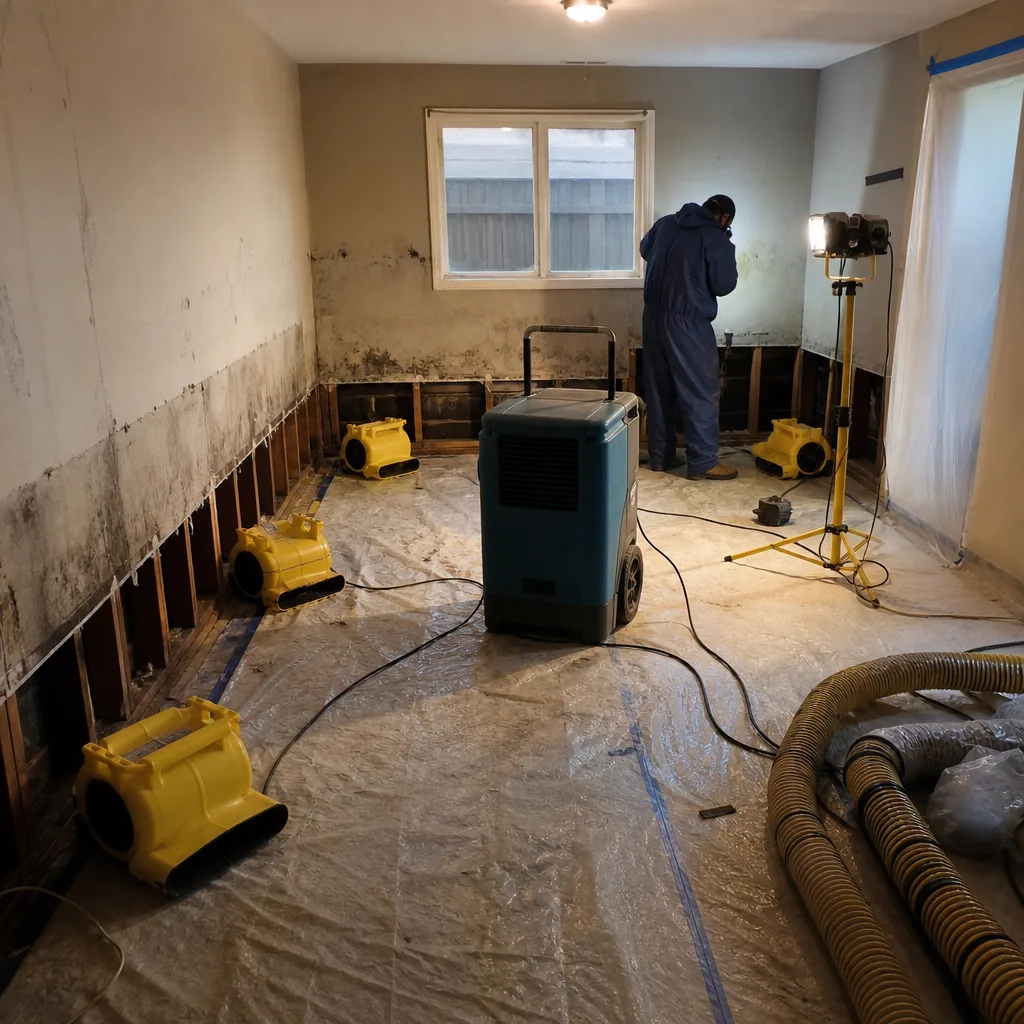
The equipment-first tactic works like this: a crew arrives, places dehumidifiers and air movers immediately, then presents a scope with charges already accumulating. The homeowner, now facing a bill for equipment they didn’t authorize, feels pressured to sign. This is not a misunderstanding. It’s a deliberate structural advantage taken during your emergency.
We’ve documented this in Puyallup’s South Hill and Summit-Waller neighborhoods, where larger homes with finished basements create higher equipment counts and bigger bills. Here’s the exact language to use when a crew attempts this:
“I need a written scope with line-item pricing and my signature before any equipment is placed in my home. This is non-negotiable.”
If the crew responds that “we need to start drying immediately to prevent mold,” the correct answer is: “You can take moisture readings and photos now. I’ll sign the scope in 10 minutes. What you cannot do is create a financial obligation I haven’t agreed to in writing.”
A contractor with legitimate drying concerns will welcome this. Moisture readings taken before equipment placement establish the baseline that justifies the equipment. They need those readings for their own documentation. A contractor resisting written authorization before equipment placement is revealing that their business model depends on your inability to say no once the machines are running.
Our protocol at DryMark Restoration Puyallup home is explicit: moisture readings first, written scope second, equipment third. The 15-minute delay changes nothing about the drying outcome. It changes everything about your financial exposure.
Documentation Red Flags That Cost Homeowners Their Claims
Insurance adjusters deny or reduce claims based on documentation gaps. These three red flags appear in the majority of disputed Puyallup restoration claims we’ve reviewed:
Red Flag 1: No Daily Visit Logs
Professional drying requires daily monitoring. Psychrometric conditions change; equipment must be adjusted. A contractor who visits on day one and returns on day five to collect equipment has not monitored your job. They’ve rented you equipment with a service fee.
Daily logs should include: date and time of visit, technician name, moisture readings by room and material, equipment operating status, any adjustments made, and photos. We provide these as standard, not as an upgrade.
Red Flag 2: Photos Only at Start and End
Start-and-end photography proves nothing about what happened in between. It cannot demonstrate that drying equipment was appropriate, that conditions improved daily, or that the contractor responded to changes. A photo record on every visit, included as a standard deliverable, creates the timeline that supports your claim.
Red Flag 3: Verbal-Only Communication About Scope Changes
“We found more moisture in the ceiling, so we opened it up.” If this statement is not followed by a written change order with your signature, you have no record of authorization. Every scope change must be documented: what was found, what is proposed, the price impact, and your approval. Verbal approvals evaporate when the bill arrives.
The Haven Standard, Clause 1 applies to changes too: written price before any additional work begins. No exceptions.
Assignment of Benefits in Washington: What You’re Actually Signing
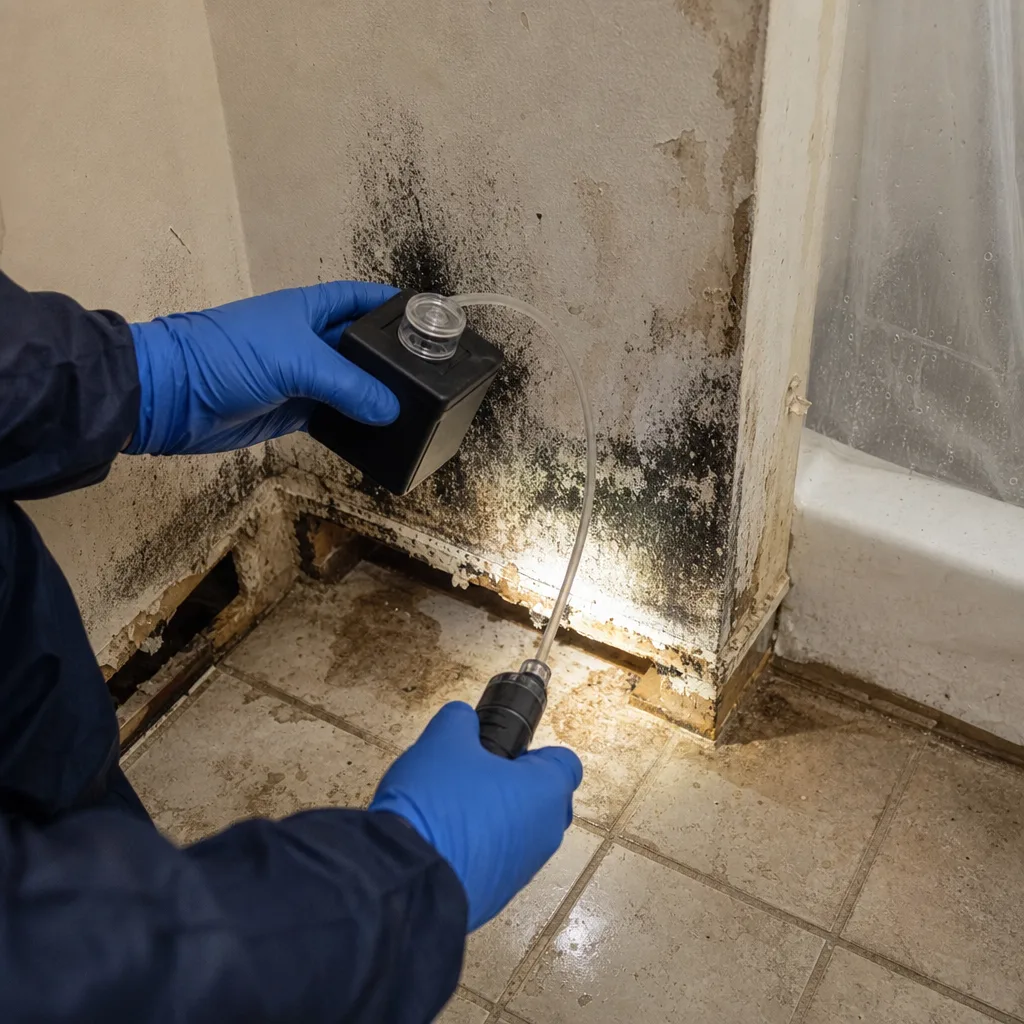
An Assignment of Benefits (AOB) agreement transfers your right to insurance proceeds directly to the contractor. In some states, this is common practice. In Washington, it’s a document that requires careful reading before signing.
Here’s what an AOB does: instead of your insurer paying you and you paying the contractor, the insurer pays the contractor directly. This sounds efficient. The risk is that you are no longer party to the negotiation over what is covered, what is denied, and whether the billed amount is reasonable. The contractor negotiates with your insurer, using your policy, without your involvement.
We’ve seen AOB agreements in Puyallup that include attorney fee provisions allowing the contractor to sue your insurer in your name, with you responsible for costs if the suit fails. We’ve seen AOBs that grant the contractor power of attorney for claim-related decisions. These are not standard restoration terms. They’re legal instruments that transfer control of your financial recovery to a vendor you met hours ago.
Before signing any AOB:
- Read the entire document, not just the first page.
- Confirm whether it includes attorney fee provisions or power of attorney language.
- Verify whether you retain the right to dispute the contractor’s charges.
- Confirm the AOB can be revoked in writing if disputes arise.
- Contact your insurance adjuster directly to ask whether they recommend AOB execution for your specific claim.
Some legitimate contractors use limited AOBs for payment convenience. The distinction is whether the document preserves your rights or eliminates them. Read before you sign. A contractor pressuring immediate AOB execution is not saving you time. They’re removing your seat at the table.
At DryMark Restoration Puyallup, we do not require AOB execution. We document every job to Xactimate standards, submit directly to your adjuster with your involvement, and accept payment from you or your insurer based on what the policy covers. The documentation does the work; the legal transfer of rights does not.
Puyallup-Specific Risks: Climate, Soil, and Code
Puyallup’s geography creates restoration scenarios that generic advice misses. Understanding these specifics helps you evaluate whether a contractor knows your market or is applying a playbook from Phoenix or Miami.
Clay Soils and Hydrostatic Pressure
The glacial till and clay soils underlying Puyallup, particularly in the South Hill plateau and areas east of Meridian, expand when saturated and exert hydrostatic pressure against basement walls. This means water intrusion in Puyallup basements often involves structural pressure, not just surface flooding. A contractor who extracts water without addressing drainage paths or wall seepage patterns is treating a symptom. The water returns.
We’ve restored homes in the Edgewood and Summit areas where previous contractors dried the basement three times in two years without identifying the exterior drainage failure. Proper scope documentation includes not just what is wet, but why it got wet and whether the source is resolved. For more guides & resources on reading scopes and protecting your claim, see our blog.
Pierce County Floodplain Dynamics
Properties near the Puyallup River, Clarks Creek, or Fennel Creek fall within FEMA floodplain zones with specific elevation and mitigation requirements. Restoration work in these areas may trigger permit requirements or affect future insurability. A contractor unfamiliar with Pierce County floodplain maps may perform work that complicates your NFIP policy renewal.
Seasonal Mold Pressure
Puyallup’s marine west coast climate delivers 40+ inches of annual precipitation, with November through March creating sustained high-humidity conditions. Mold amplification begins in 48-72 hours after water intrusion, but in unheated Puyallup garages or crawl spaces during winter, that window compresses. Contractors must adjust drying targets seasonally. A 30% relative humidity target appropriate for summer may be unachievable in January without supplemental heat, and the scope should say so.
Local Permit Requirements
Pierce County and the City of Puyallup require permits for structural repairs, electrical work, and plumbing modifications common in restoration. A contractor performing reconstruction without permits creates liability for the homeowner and potential claim denial if the unpermitted work is discovered. Verify permit status before reconstruction begins.
Water Damage Restoration in Puyallup requires local knowledge that national call centers cannot provide. When we scope a job in the North Meridian corridor versus a property on the valley floor, we’re accounting for different soil, different drainage, and different flood risk profiles.
Common Mistakes to Avoid
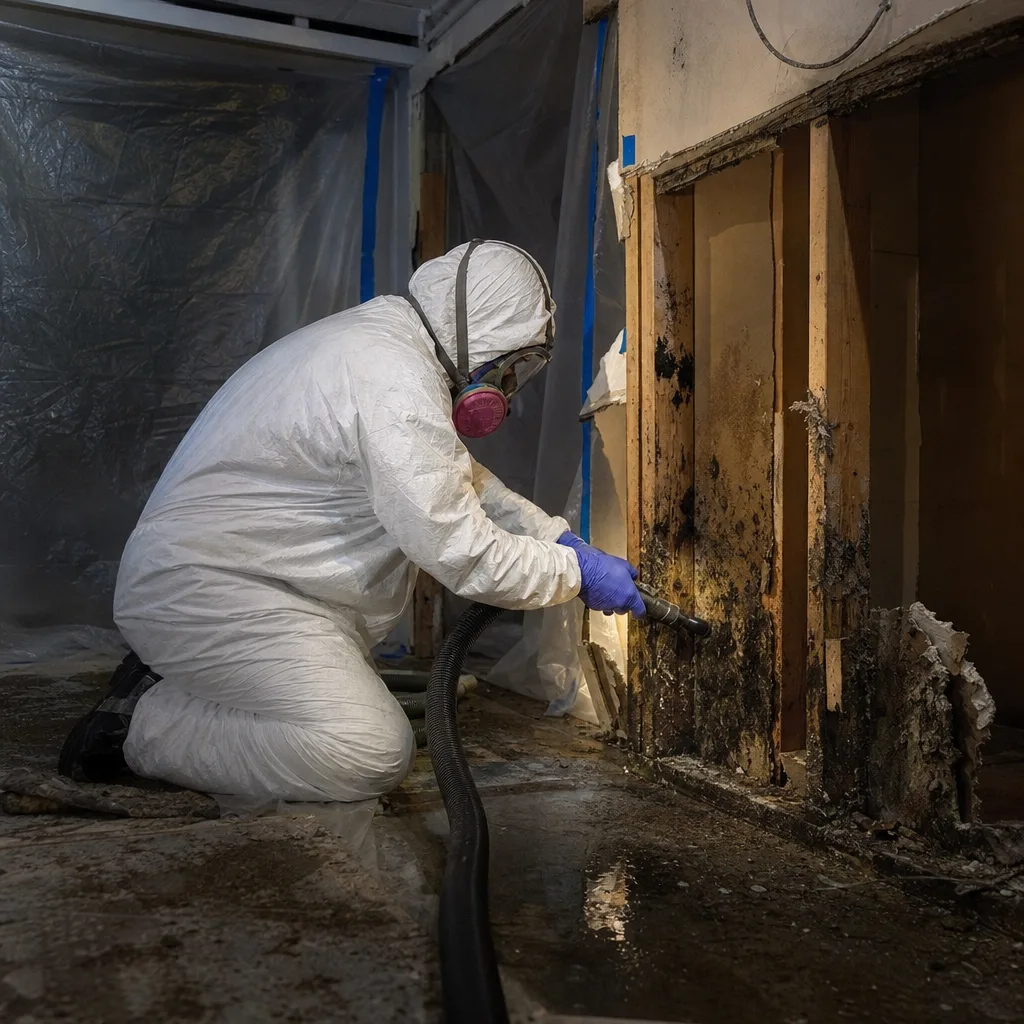
- Paying a deposit to “hold the slot” during an emergency. Legitimate restoration contractors in Puyallup bill for work performed, not for arrival. Deposits collected under pressure often disappear with the operator.
- Accepting a scope that references “industry standard” without naming the standard. IICRC S500 for water damage, IICRC S520 for mold, NFPA 70 for electrical - the standard has a number. Vague references hide sloppy work.
- Signing a direction to pay without understanding it’s not required. Your insurer can pay you directly. You are not obligated to redirect payment to the contractor, and doing so before work is complete removes your leverage.
- Assuming equipment running equals equipment working. A dehumidifier in a closed room with no air circulation is a space heater with a water bucket. Daily logs with psychrometric data prove function; the sound of a fan does not.
- Neglecting to photograph your own property before the crew arrives. Your photo record, timestamped, establishes pre-loss condition. Contractor photos focus on damage. You need both.
- Hiring based on response time alone. A 30-minute response from an unlicensed operator is not better than a 90-minute response from a documented professional. Verify first, then compare arrival estimates.
- Failing to get the warranty in writing. Verbal promises of “we’ll come back if there’s a problem” expire when the crew leaves. The Haven Standard 365-Day Done Right Promise is a signed document, not a friendly goodbye.
When to Call a Professional
Call a professional restoration contractor when water covers multiple rooms, when Category 2 or 3 water (gray water from appliances, or black water from sewage or groundwater) is involved, when mold is visible or suspected, when fire or smoke damage affects structural materials, or when you smell musty odors after previous water intrusion. These scenarios require equipment, documentation, and safety protocols that homeowner extraction cannot replicate.
In Puyallup’s climate, waiting 48 hours to “see if it dries on its own” virtually guarantees mold amplification in wall cavities. The cost of professional drying at hour 12 is typically 40-60% of the cost of mold remediation at week three.
DryMark Restoration Puyallup offers free estimates in Puyallup - call (253) 447-5249. We also provide a Free Second Opinion on any competitor’s written estimate, at no charge, with no obligation. Bring the scope. We’ll review the documentation, the pricing, and the equipment rationale. If it’s sound, we’ll tell you. If it’s not, we’ll show you why.
Frequently Asked Questions
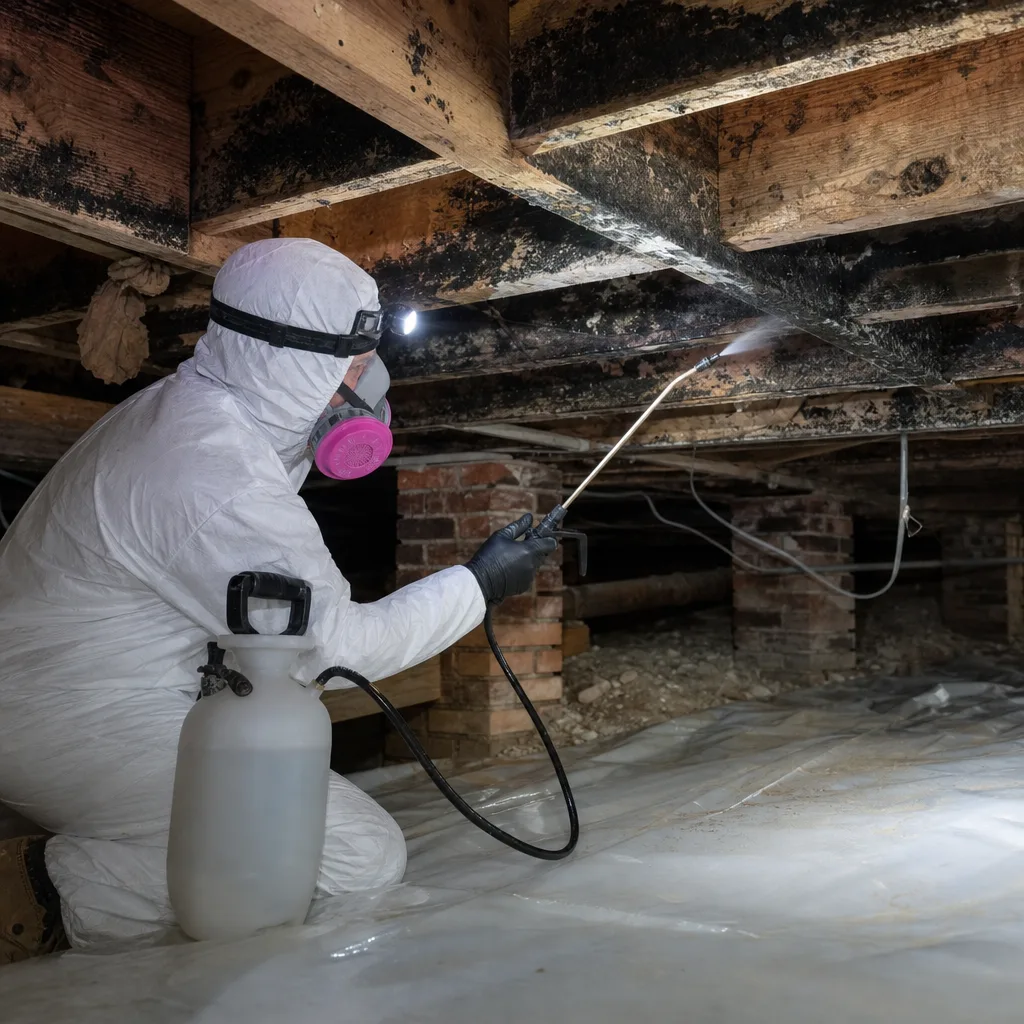
Water damage restoration in Puyallup typically ranges from $1,200 for contained basement drying to $8,500+ for whole-house extraction with structural drying, depending on affected square footage, water category, and material types. Category 1 clean water in a 500-square-foot basement with vinyl flooring and drywall typically runs $1,800-$3,200; Category 3 sewage backup in the same space with carpet and pad replacement runs $4,500-$7,800. Every job requires a written scope with line-item pricing before work begins per Haven Standard, Clause 1. Call (253) 447-5249 for an exact quote - estimates are free.
Legitimate contractors with live 24/7 dispatch, not voicemail trees, typically arrive in Puyallup within 60-90 minutes for emergency water damage. Response time depends on crew location, traffic on Meridian or River Road, and current call volume. Anyone promising under 30 minutes is either already in your neighborhood by coincidence or is estimating optimistically. What matters more than the estimate is whether they arrive with moisture meters, extraction equipment, and the ability to write a scope on-site. Call (253) 447-5249 - we answer live, every call.
Most homeowners policies cover sudden and accidental water damage from burst pipes, appliance failures, or storm intrusion, but exclude gradual leaks, flood damage (which requires separate NFIP coverage), and sewage backup without a specific rider. Your coverage depends on your policy language, the water source, and whether the damage was documented promptly with photos and a professional scope. We coordinate directly with adjusters, provide Xactimate-formatted documentation, and help you understand your coverage before work begins. Call (253) 447-5249 to discuss your specific situation.
DIY cleaning is appropriate for Category 1 water affecting less than 10 square feet of hard surface with no structural penetration. Beyond that, professional equipment and documentation are necessary. Category 2 and 3 water requires professional handling due to bacterial and chemical contamination. Mold on porous materials like drywall requires remediation, not cleaning, because surface treatment does not address hyphae within the material. In Puyallup’s humid climate, incomplete drying virtually guarantees recurrence. The cost of professional drying is typically recovered through insurance; the cost of DIY failure is not.
You retain the right to manage your claim, but a documentation-first contractor should coordinate directly with your adjuster to provide moisture logs, photo records, and Xactimate-formatted scopes. This does not require signing an Assignment of Benefits. At DryMark Restoration Puyallup, we submit documentation to your adjuster with your knowledge and approval, and you remain in control of all claim decisions. We do not negotiate your claim for you; we provide the evidence that supports your position.
Document everything: photograph the equipment with timestamps, record any verbal statements, and request immediate removal if you do not wish to proceed. You are not obligated to pay for services you did not authorize in writing, though the contractor may dispute this. Contact your insurance adjuster to report the situation. For future reference, the exact language to prevent this is: “I need a written scope with line-item pricing and my signature before any equipment is placed in my home.” If you need help evaluating a situation in progress, call (253) 447-5249 - we can advise on documentation even if we’re not your contractor.
The Bottom Line
Hiring a restoration contractor in Puyallup is not about finding the fastest response or the lowest estimate. It’s about finding a contractor whose documentation will survive your insurance adjuster’s review. The 20-minute checklist - L&I license, insurance certificate, written scope before equipment - filters out operators who depend on your emergency to skip verification. The written scope with Xactimate line codes, moisture readings, and equipment justification turns your restoration invoice into a payable claim. Daily photo records and logs prove the work was done, not just billed. And understanding Assignment of Benefits before you sign preserves your control over your own financial recovery.
We’ve operated under The Haven Standard since 2011 because we saw, from the adjuster’s desk, what happens when documentation fails. The 365-Day Done Right Promise is not marketing. It’s a signed guarantee that if our documentation missed something, we make it right. The written price before work begins is not a preference. It’s Clause 1, the foundation everything else builds on.
Call (253) 447-5249 for a free estimate, or bring a competitor’s written estimate for a Free Second Opinion. We’ll review the line items, the equipment rationale, and the documentation plan. No obligation. No urgency theatre. Just the evidence you need to make a decision that holds up.
Written by Alicia Brennan, Owner at DryMark Restoration Puyallup, serving Puyallup since 2011.