
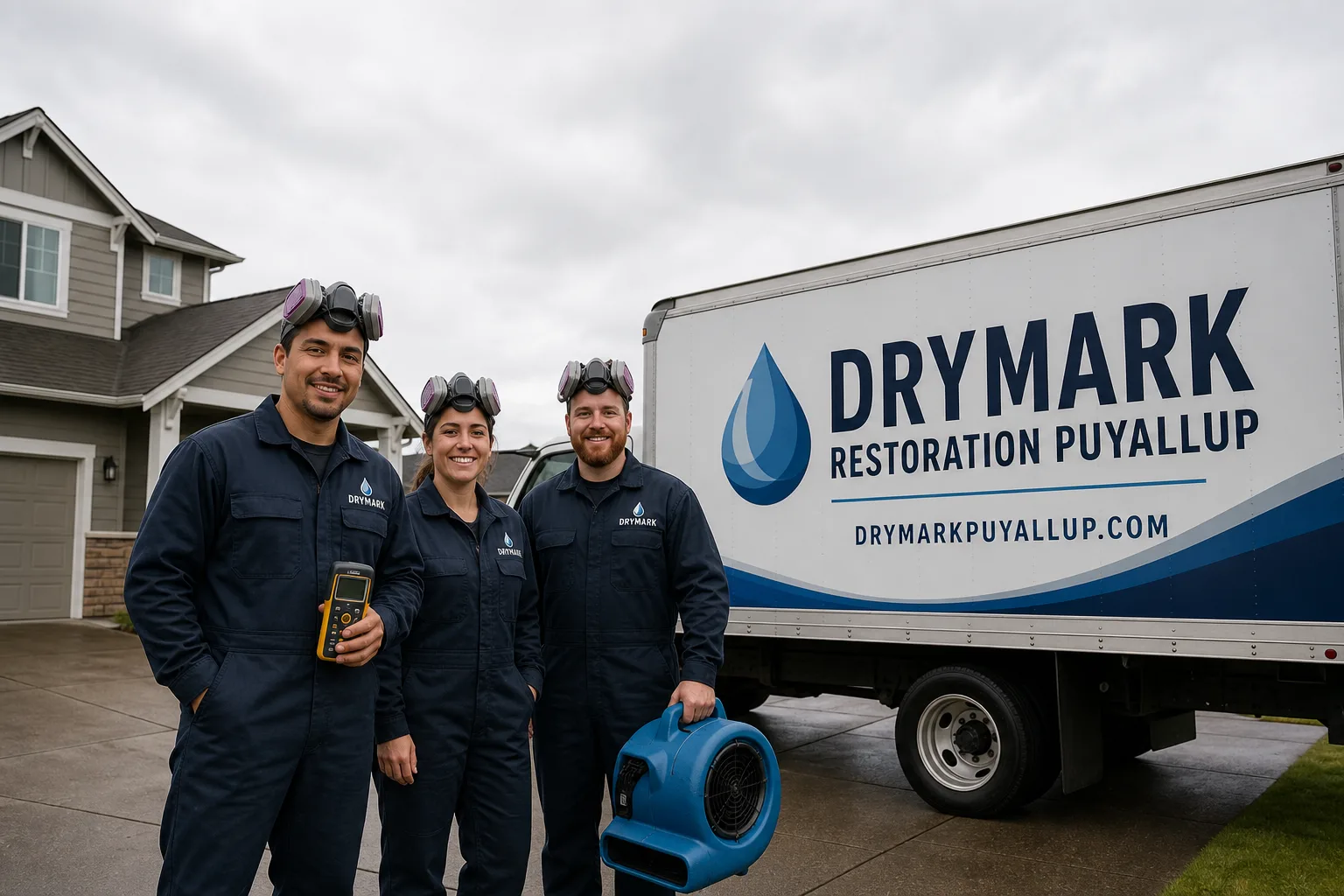
Free visual inspection and a written scope of work before any mitigation begins - photos, moisture readings, and drying logs go in your claim file
The scope we write is the scope we bill. Anything new gets shown to you, in writing, before we touch it.
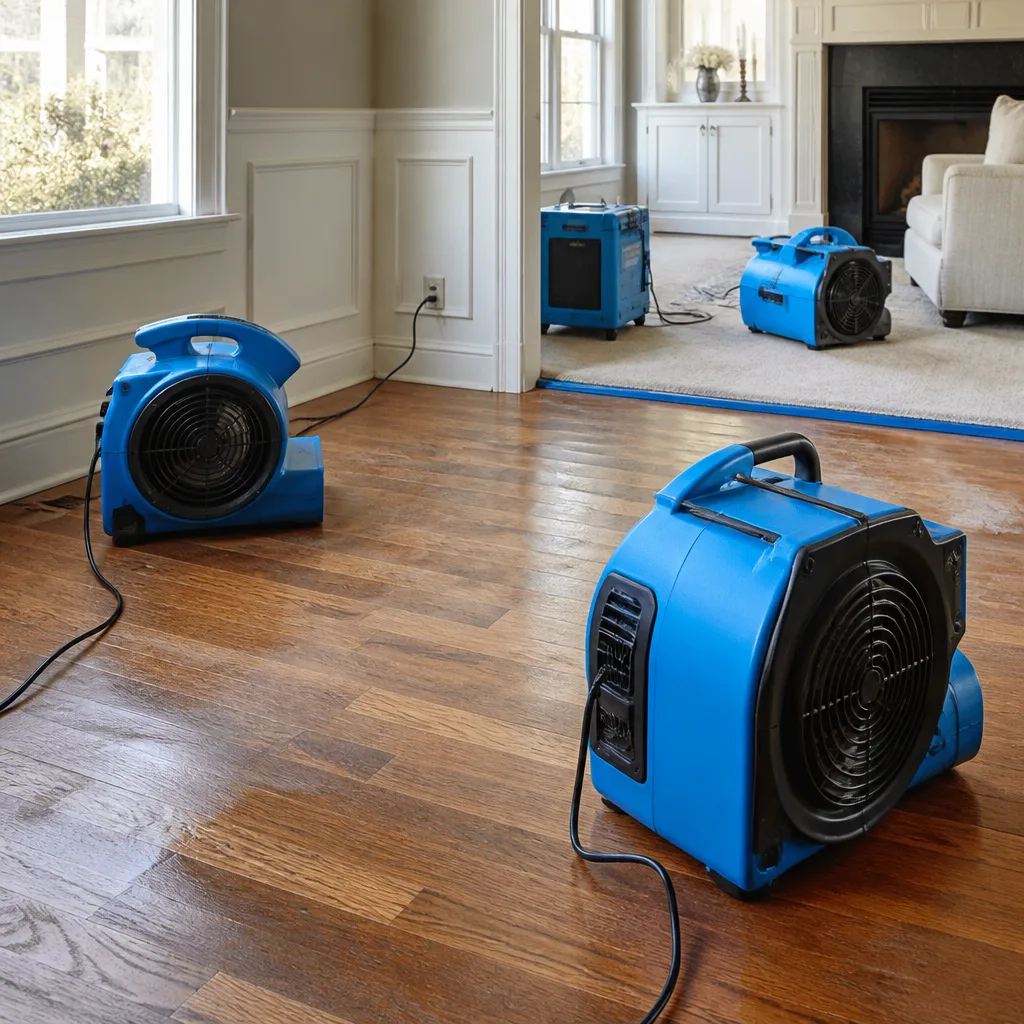
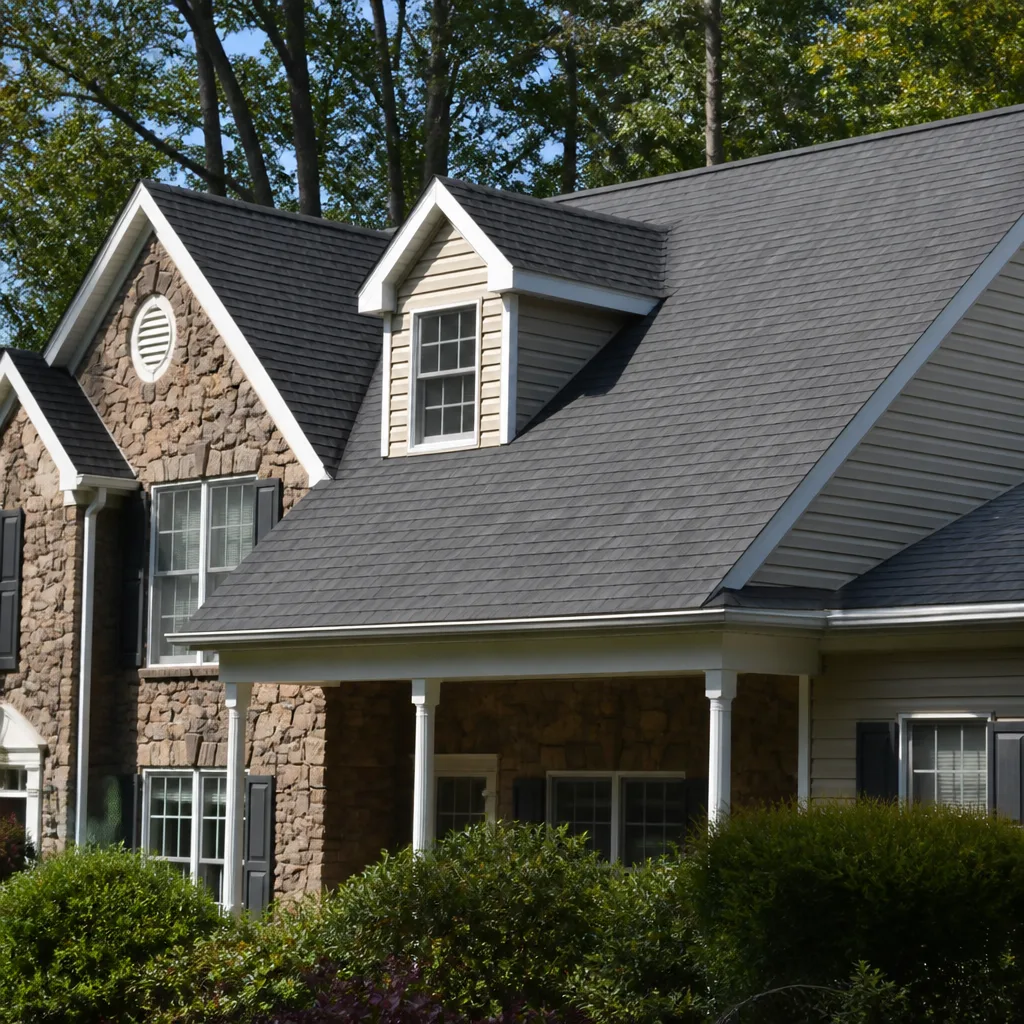
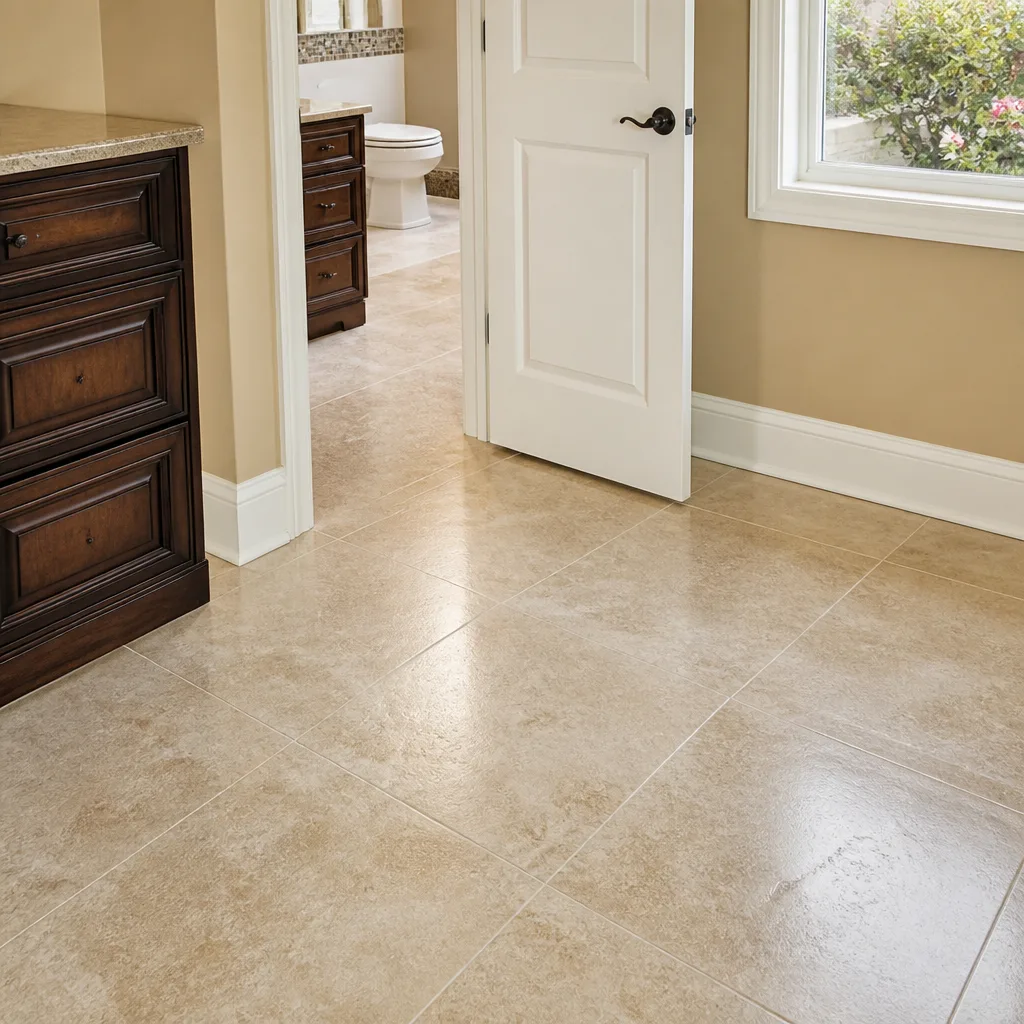
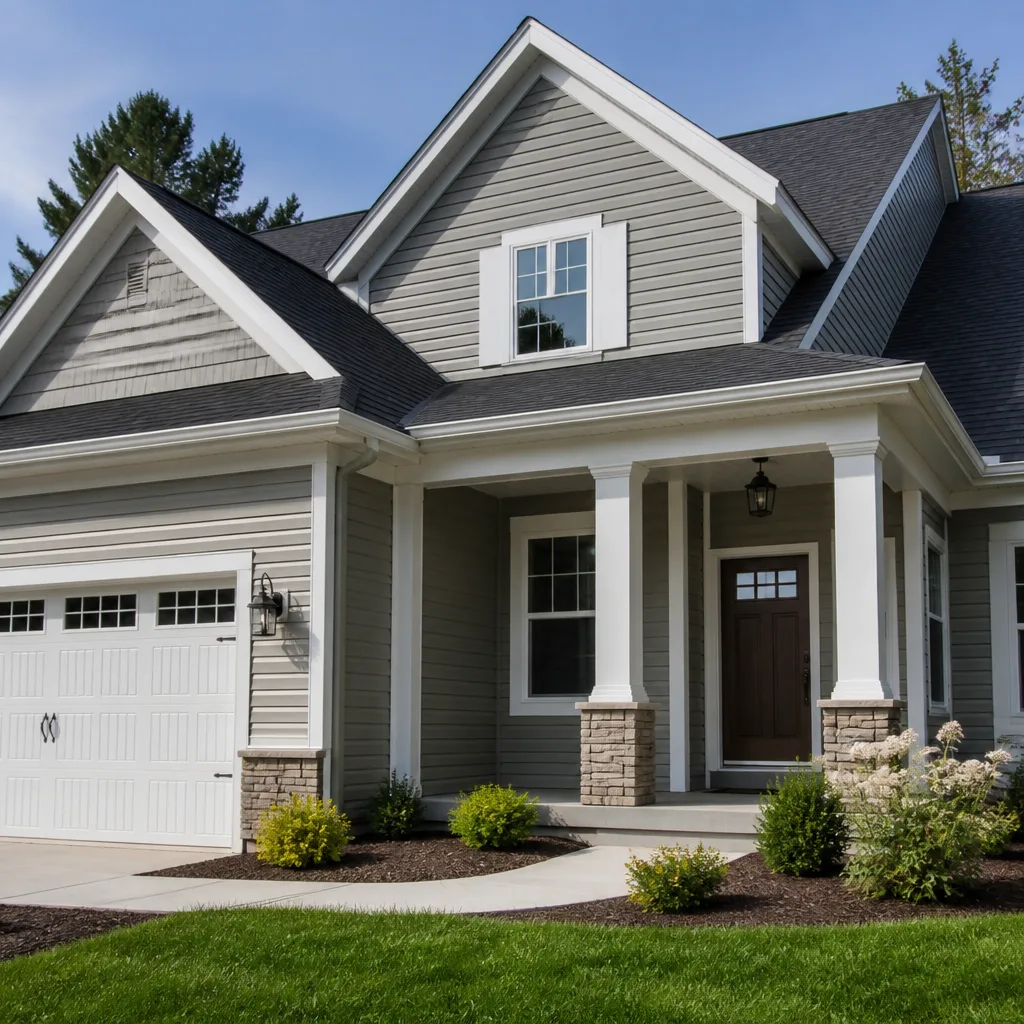
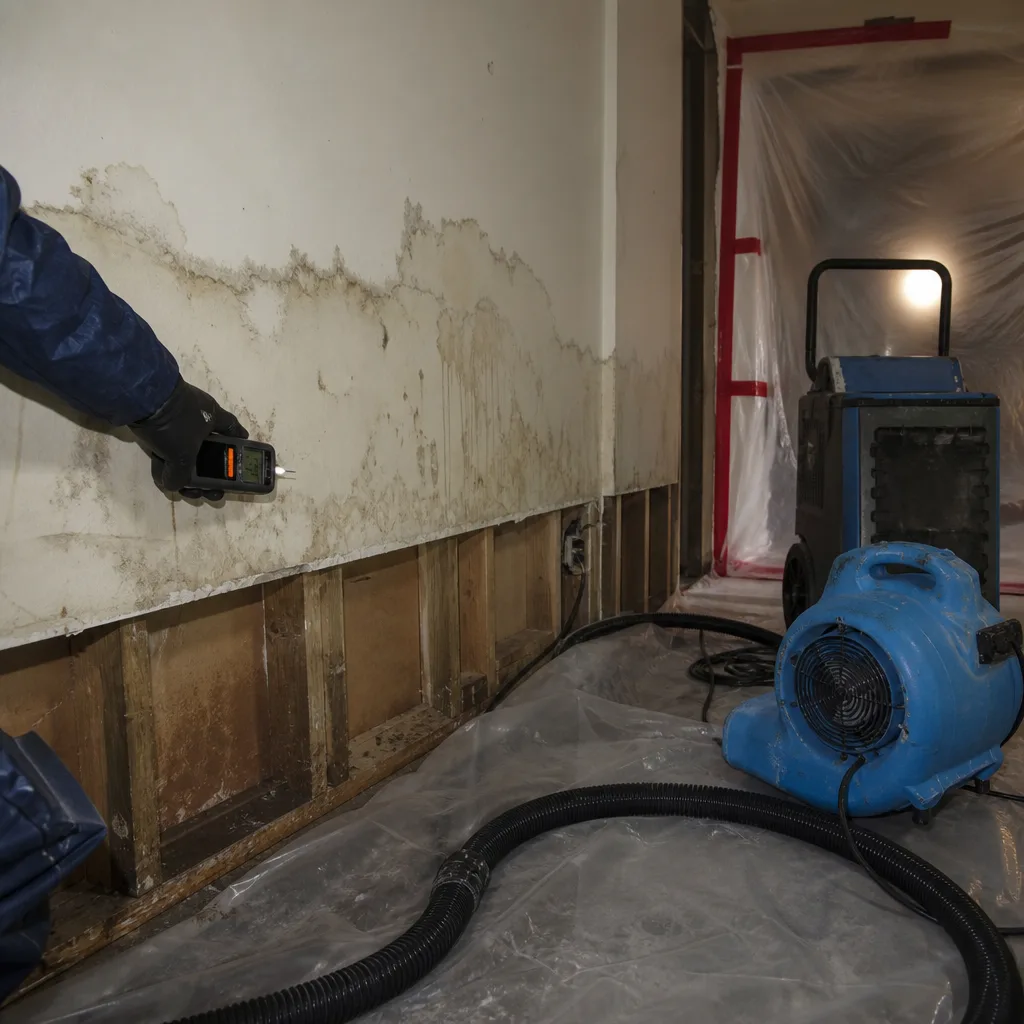 Before
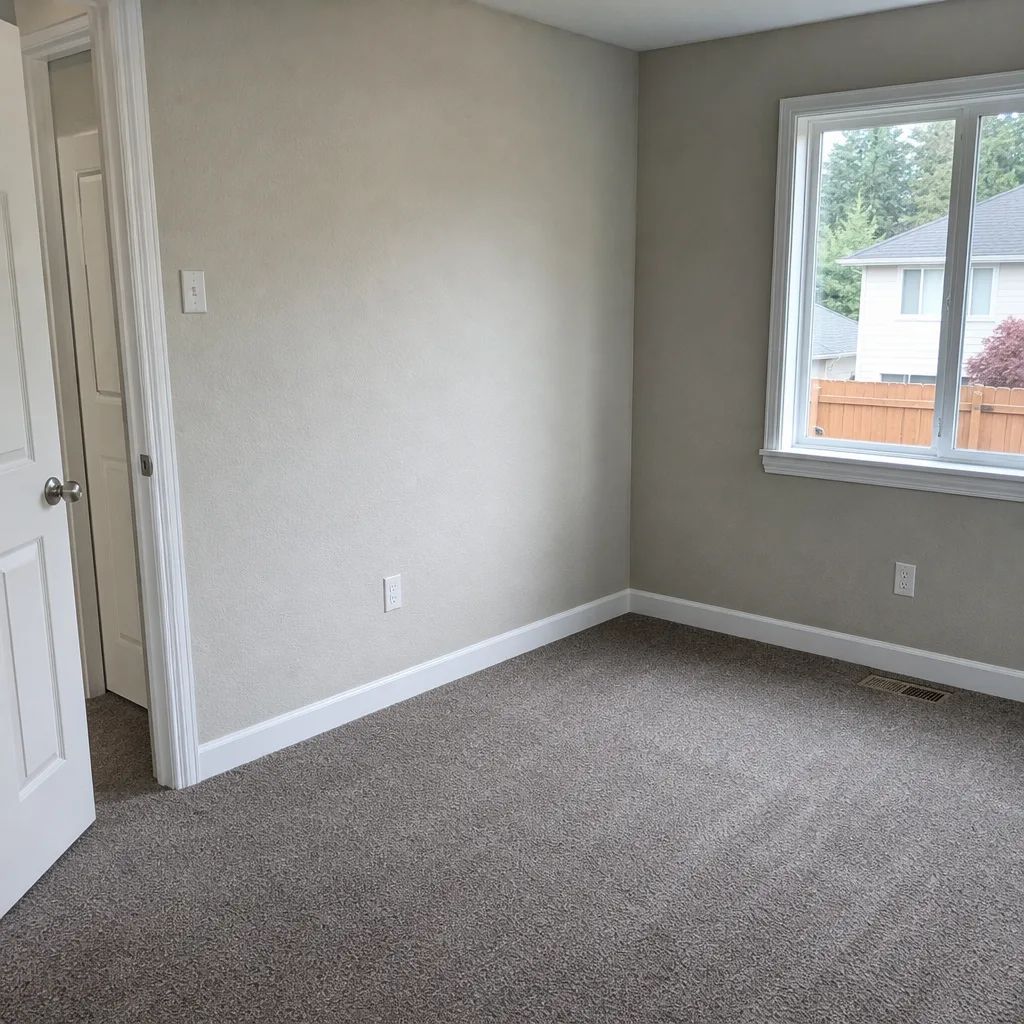 After
After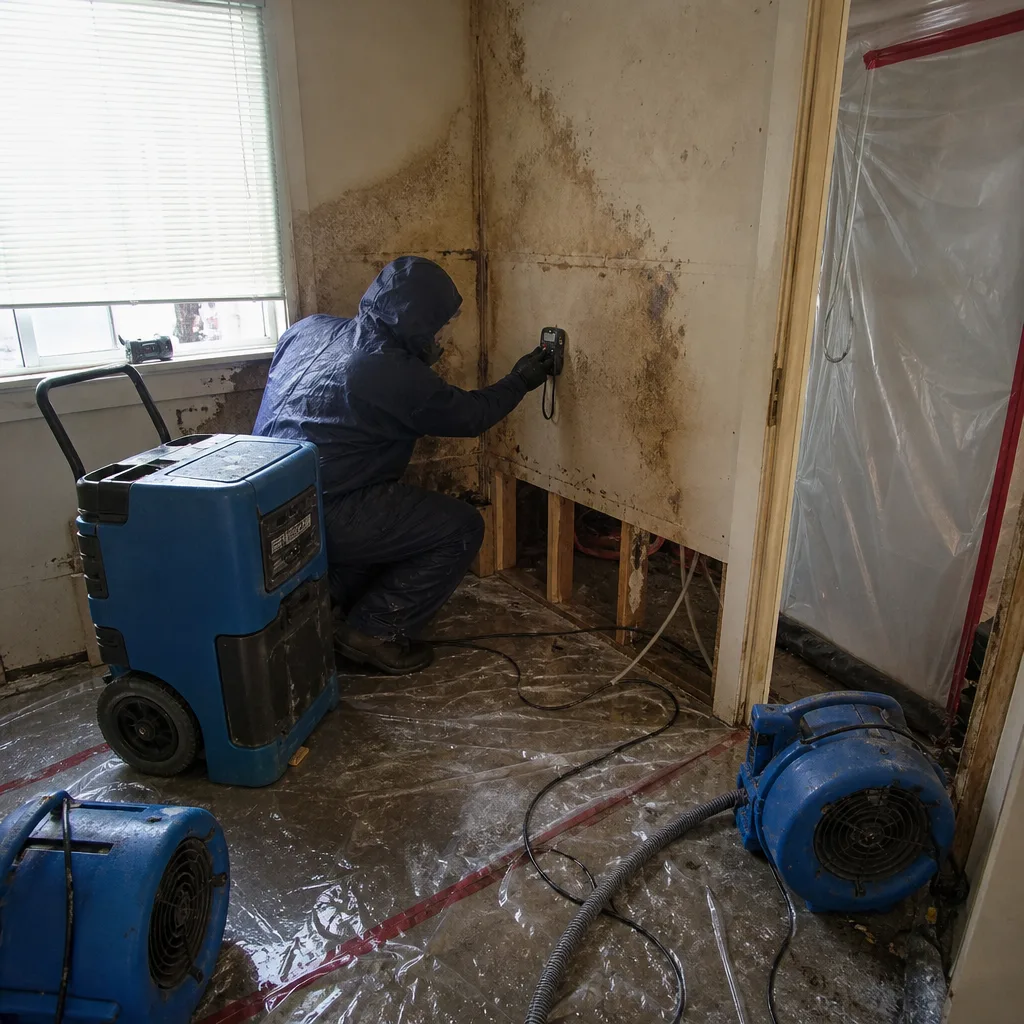 Before
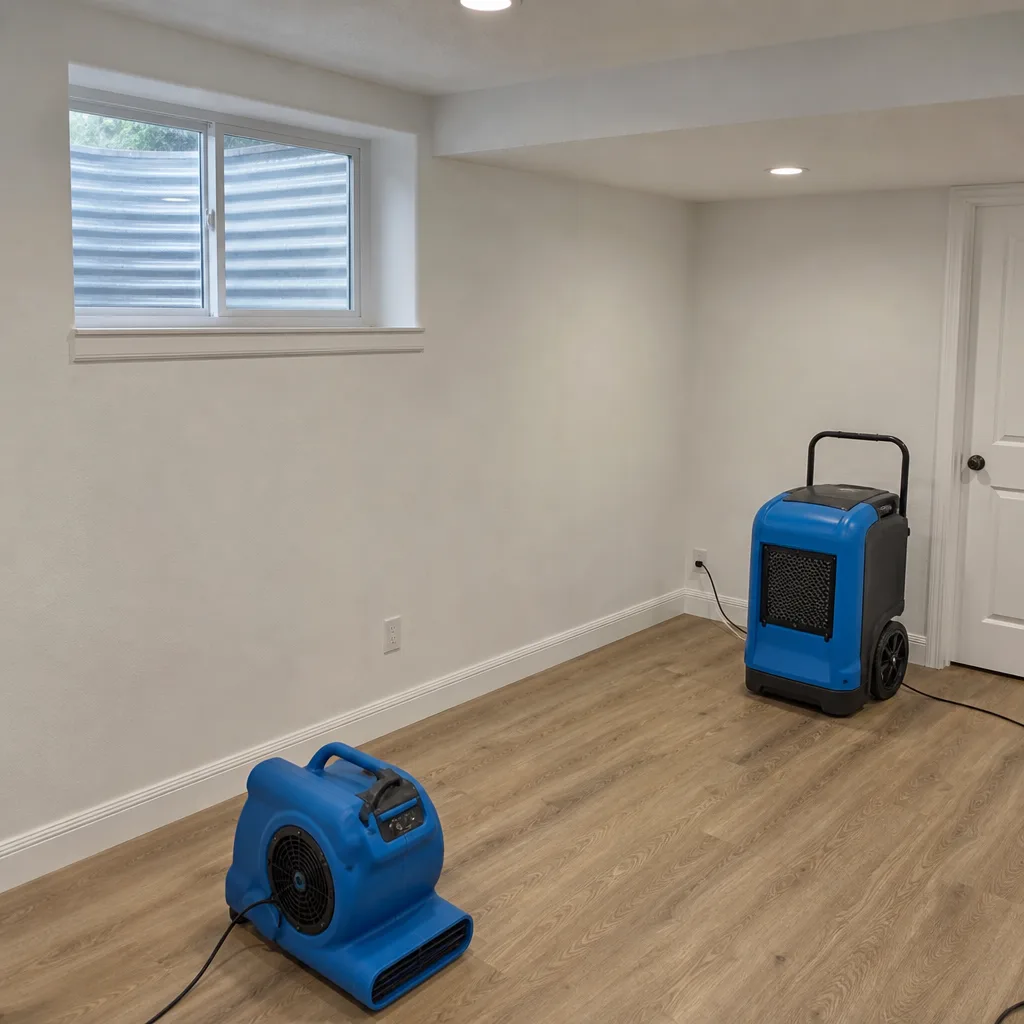 After
After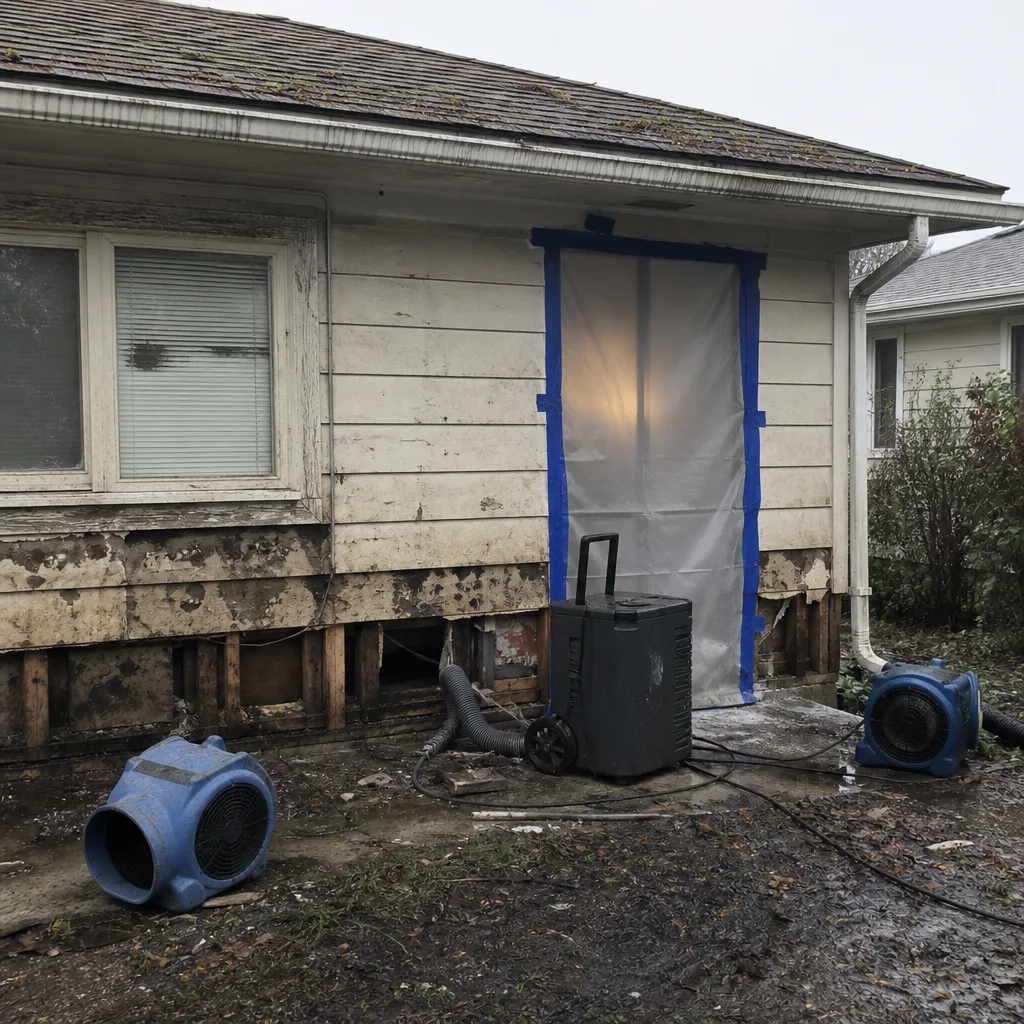 Before
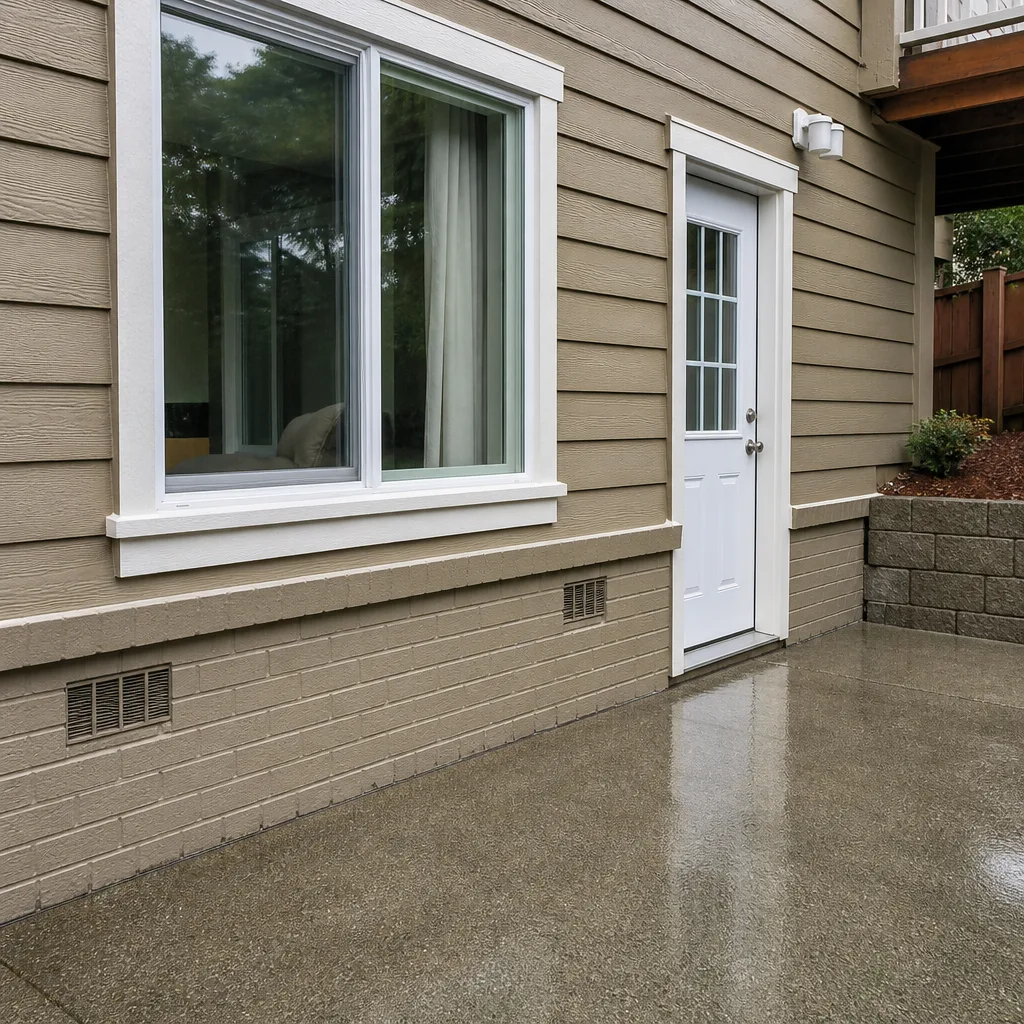 After
AfterFast, Reliable Fire & Smoke Damage Restoration Across Lakewood
Fire and smoke damage restoration in Lakewood typically costs $2,800-$8,500 for a partial-structure cleanup and $12,000-$35,000 for full reconstruction of a fire-damaged detached workshop or garage. Most Lakewood homeowners with active policies see coverage for both structural damage and contents, provided the loss is documented with photo evidence and a written scope filed promptly. Our crews dispatch to Lakewood properties from our Seattle office, usually arriving within 90 minutes of your call to (253) 447-5249.
Most Lakewood fire losses we see aren’t in the living room - they’re in detached workshops and garages built during the 1950s-70s Fort Lewis boom, where heavy-duty openers, oversized doors and long gravel service drives change how we establish containment, pack out tools, and source the fire. These structures sit apart from the main house, often down long drives off Gravelly Lake Drive or along the American Lake shoreline, which means smoke has already traveled before anyone calls. We’re familiar with the ranch-style and split-level layouts that dominate Lakewood’s military-era housing stock, and we know how smoke moves through the crawl spaces and attached garages that connect these outbuildings to living space.
Why DryMark Restoration Puyallup Is Lakewood’s Preferred Fire & Smoke Damage Restoration Company
We’ve restored fire and smoke damage in Lakewood since 2011, and our file on this city is specific: we know which 1960s tract homes near Joint Base Lewis-McChord have the original galvanized plumbing that complicates water suppression damage, and we know how fast a landlord needs documentation when a military tenant’s PCS date is fixed. Our Fire & Smoke Damage Restoration team has handled losses from grinder sparks in detached shops, kitchen grease fires in split-level rentals, and electrical panel fires in aging ranch homes - each with a written price before work started, every time, under Haven Standard, Clause 1.
Lakewood homeowners who’ve used us mention the same things in reviews: we show up with the right gear for long drives and limited turnaround space, we document every step with photos the adjuster can read, and we don’t leave until the moisture readings and odor levels are logged. Our live dispatch answers at 2 a.m. when a shop fire is still smoldering, and our crews carry containment sheeting sized for oversized roll-up doors, not standard residential entries.
Every technician is background-checked, uniformed, and licensed - their license number is on the work order you sign. We don’t subcontract to unnamed crews, and we don’t add scope once the written price is set. That’s Haven Standard, Clause 1, and it’s been our practice since Alicia Brennan founded this company after seeing how sloppy documentation cost homeowners their claims.
Our Fire & Smoke Damage Restoration Services in Lakewood
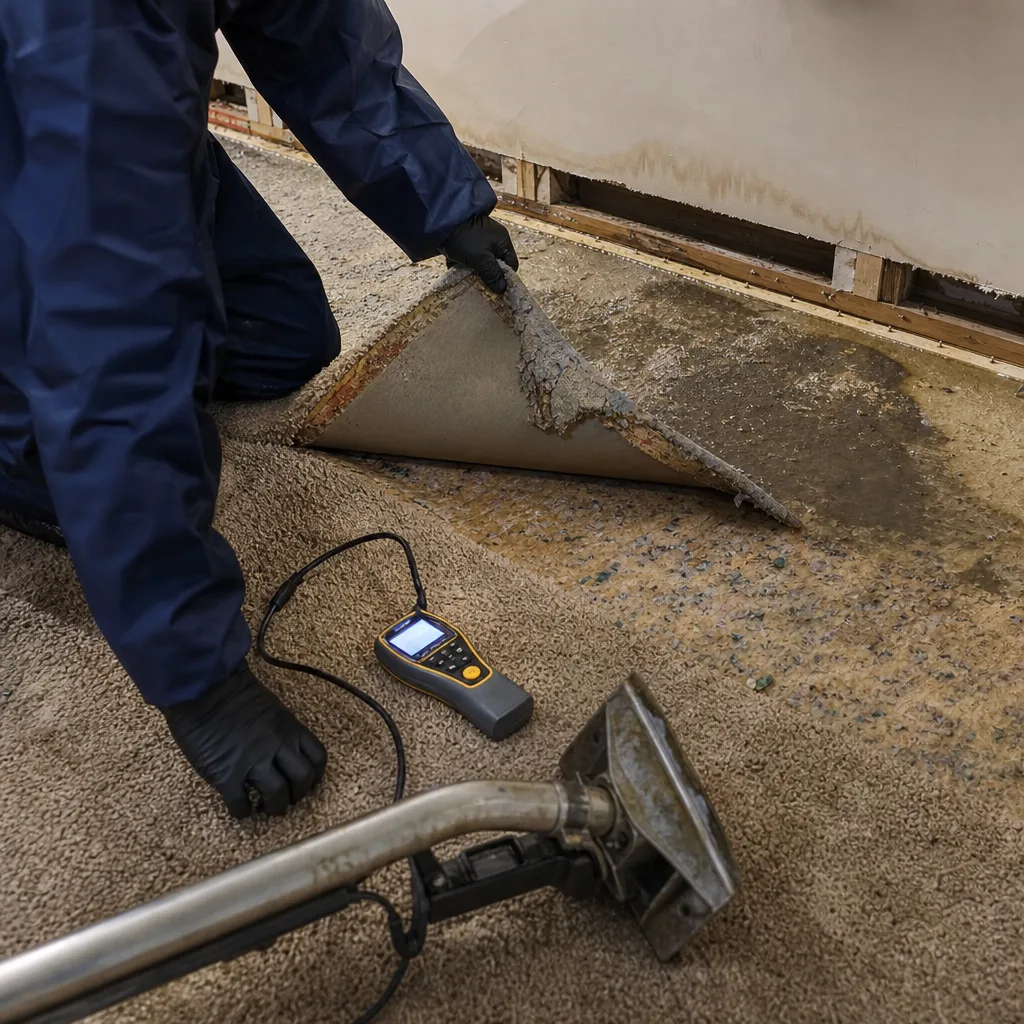
Fire Damage Cleanup
Fire damage cleanup in Lakewood starts with what burned and what suppressed it. A detached workshop fire often involves Class B fuels - motor oil, gasoline, solvents - that leave a different residue than a kitchen protein fire. We test residue type before selecting cleaning agents, then document the classification in your file. For homes near American Lake with crawl-space foundations, we also check whether suppression water pooled beneath the structure, where the flat glacial outwash terrain holds groundwater close to the surface. That moisture, trapped in an unvented crawl space, can escalate to mold within 72 hours even when the fire damage seems contained above grade.
Smoke & Soot Removal
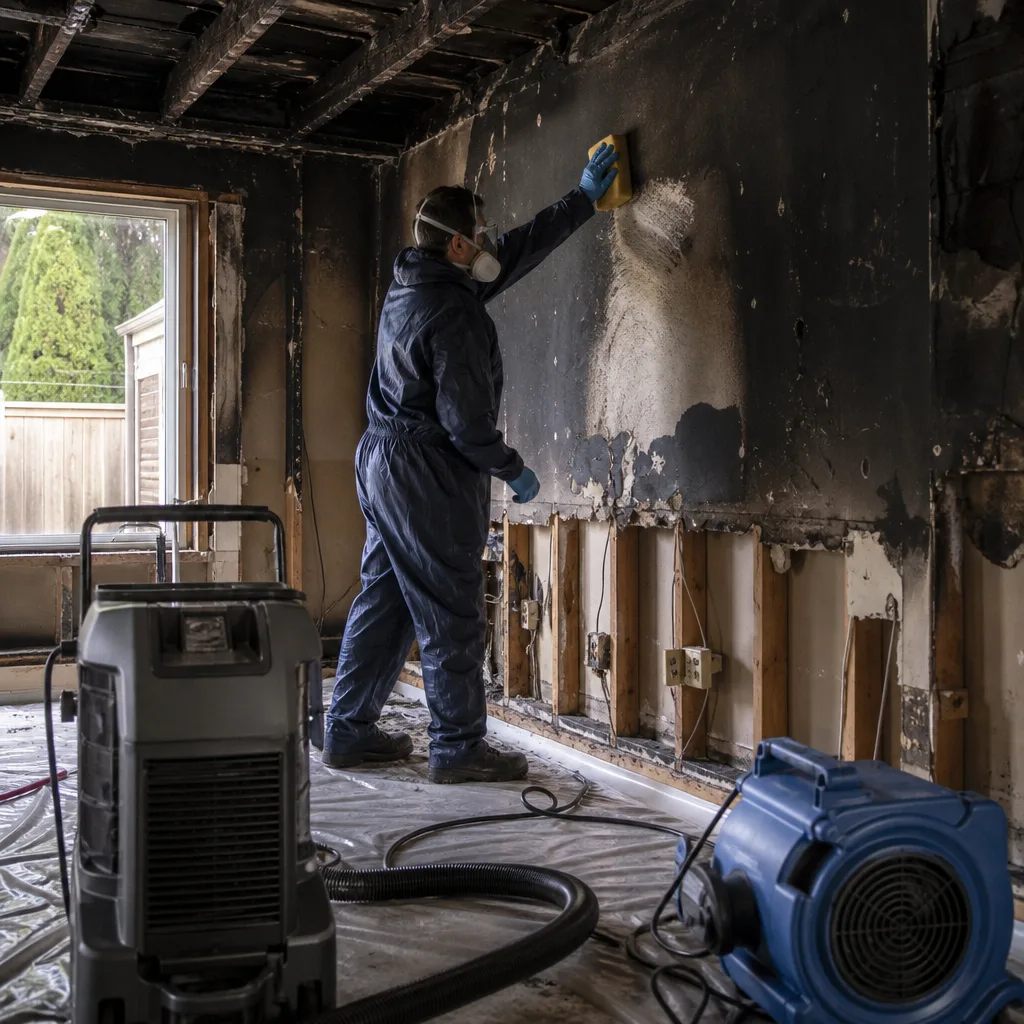
Smoke and soot removal is where most Lakewood shop fires go wrong after the initial cleanup. Soot is acidic; left on tools, fuel cans, or shop rags, it corrodes metal and keeps off-gassing. We use dry-sponge and chemical sponge techniques on open joists and truss bays, followed by HEPA vacuuming and antimicrobial treatment. In the field vignette we return to: we got a call from a homeowner near Gravelly Lake Drive after a grinder spark caught oil-soaked shop rags in his detached workshop; smoke had pushed through the oversized roll-up door seals and into the attached garage, leaving soot on stored gear and a heavy odor in the rafters. Our tech set up containment and ran an XPOWER air scrubber with HEPA and carbon filtration, performed pack-out on the shop tools and seasonal equipment, and used dry-sponge and chemical sponges on the open joists before antimicrobial treatment. Because we staged our Dri-Eaz and Injectidry gear on the long gravel drive and worked one trip, the homeowner had his workspace back without a follow-up visit for missed soot on the high truss bays.
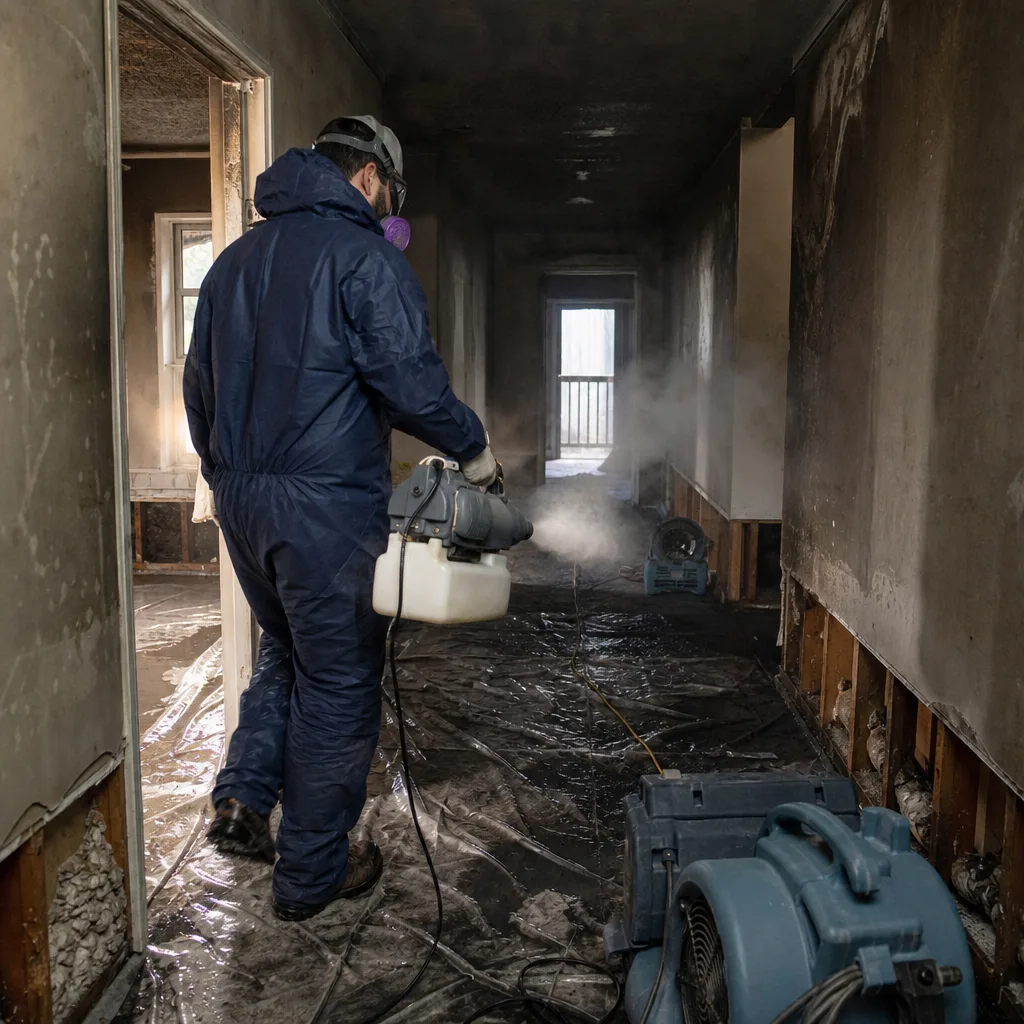
Odor Removal & Deodorization
Odor removal in Lakewood’s damp climate requires more than masking. The persistent moisture in crawl spaces and the vapor pressure differential between wet soil and dry interior air means smoke odor molecules reactivate when humidity rises. We deploy thermal fogging and ozone treatment only after source removal is complete, then verify with psychrometric data - temperature, relative humidity, and vapor pressure readings - to confirm the odor isn’t returning because of hidden moisture, not incomplete cleaning. For shop fires with petroleum-based fuels, we add activated carbon filtration to the air scrubber run, documented to IFA standards for volatile organic compound reduction.
Contents Cleaning & Pack-Out
Contents pack-out from a Lakewood detached workshop means heavy equipment, often down a long gravel drive with limited turnaround. We inventory with photo documentation before anything moves, clean salvageable items at our facility, and store them in a climate-controlled environment while reconstruction proceeds. The Haven Standard requires a written chain of custody for every item - no “we’ll figure it out later” on a military family’s tools or a landlord’s equipment between tenant rotations. For high-churn rental properties near JBLM, this documentation also protects the landlord’s deductible recovery when the departing tenant’s security deposit is disputed.
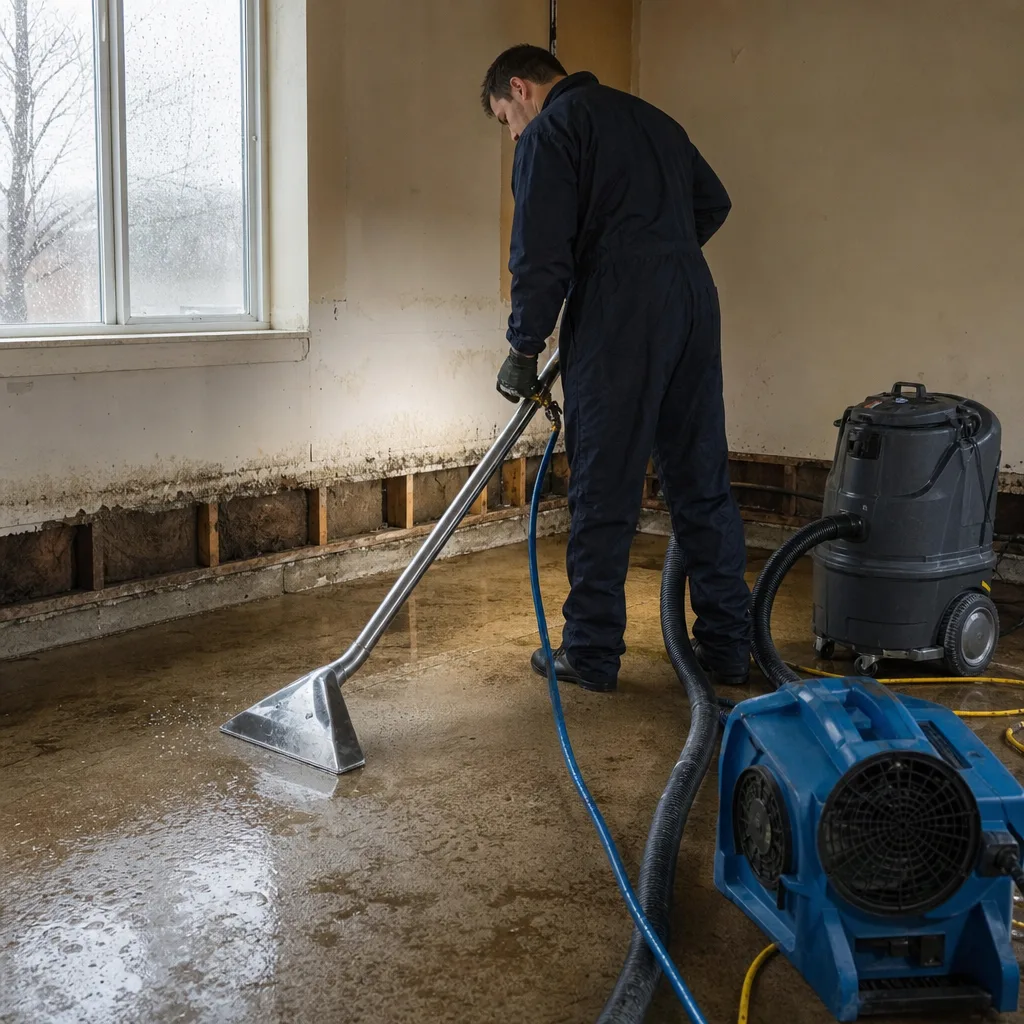
Emergency Board-Up & Tarping
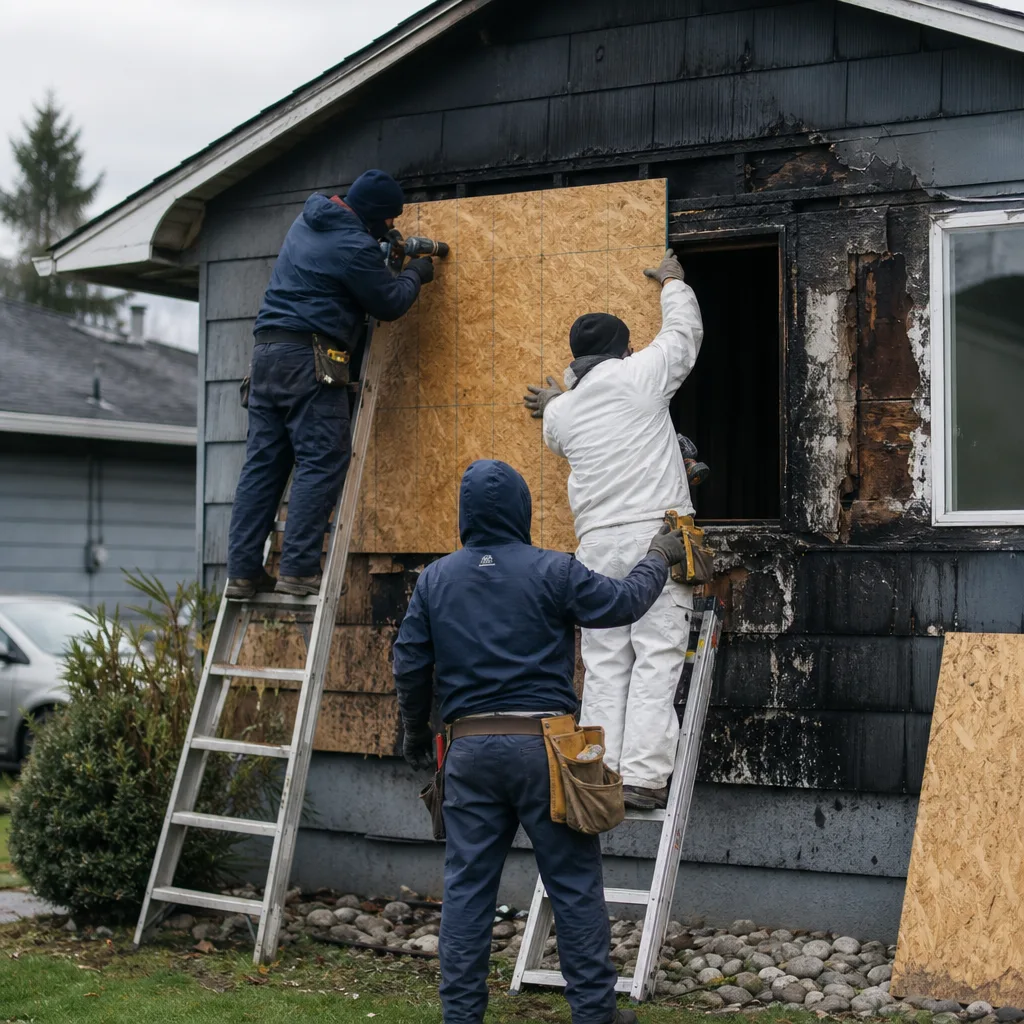
Emergency board-up for Lakewood shop and garage fires accounts for oversized openings and non-standard framing. We carry plywood and security fasteners rated for roll-up door frames and heavy-duty header spans, not just standard residential windows and entry doors. The goal is immediate weather protection and theft deterrence while the written scope for full restoration is prepared.
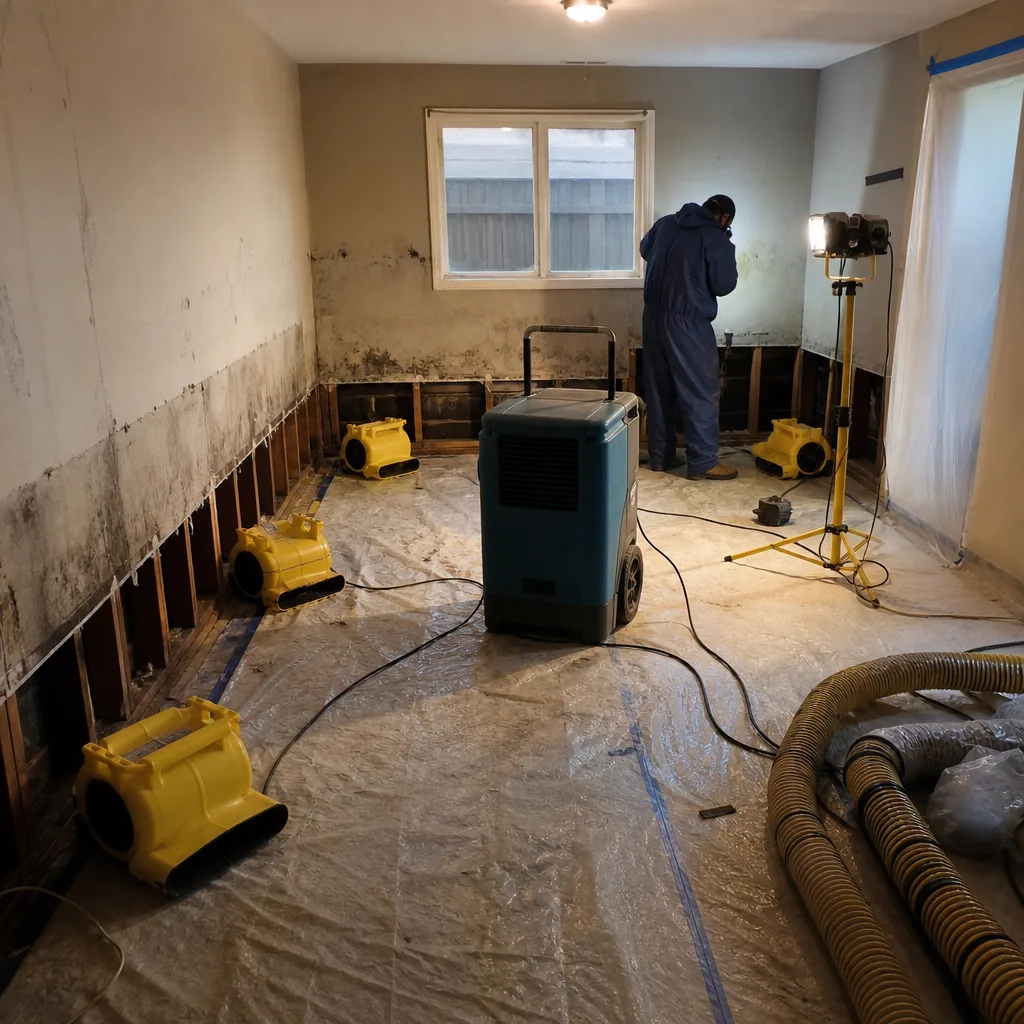
Structural Fire Repair
Structural repair in Lakewood’s 1950s-70s housing stock often reveals compromised rim joists and subflooring where years of crawl-space moisture preceded the fire. We don’t replace charred structure without inspecting what supported it; our photo record includes the undamaged areas too, so the adjuster can see pre-existing conditions were documented, not concealed.
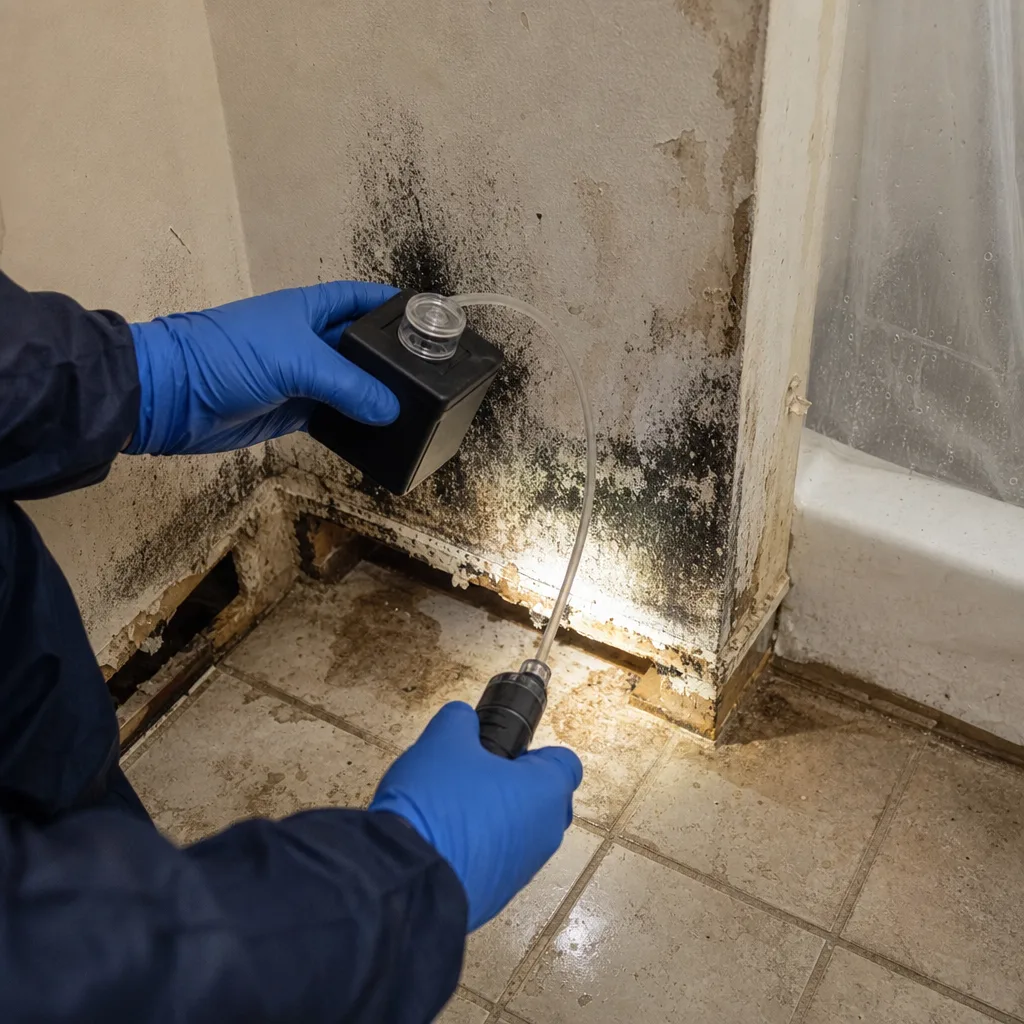
What happens when you call
- 1
A real person answersNo phone trees - you reach a local pro.
- 2
You get an upfront price rangeHonest numbers before anyone is dispatched.
- 3
A background-checked tech heads outLicensed & insured, dispatched right away.
- 4
You approve before work beginsNothing starts until you say go.
 Before
 After
AfterTrusted Equipment & Standards We Deploy in Lakewood
We document every Lakewood job to RIA and IFA standards, using professional-grade systems from Dri-Eaz, Phoenix, and XPOWER. The air scrubbers, dehumidifiers, and injectidry systems we stage on long rural drives are the same units we use in downtown Tacoma - but in Lakewood, we bring extra HEPA filtration capacity for shop fires with petroleum residue, and we size our generator setup for properties where utility power is interrupted and the drive limits fuel delivery. All equipment is logged in your daily drying record, with serial numbers and run hours, so your insurer can verify what was deployed and when.
Common Fire & Smoke Damage Restoration Problems We See in Lakewood Homes
- Smoke residue missed in detached workshops and oversized garages. Soot on tools, fuel cans and shop rags keeps off-gassing long after visible char is cleaned. We inventory and clean every item, or document why it was unsalvageable, so odor doesn’t return in 30 days.
- Containment failures at large roll-up doorways. Failing to seal oversized openings lets odors migrate into the main house because air movers push smoke smell through the living space instead of out. We size containment sheeting and negative air pressure for the actual opening, not a standard residential door.
- Under-scoped pack-out of heavy shop equipment. Oily, sooted tools left in place corrode and re-contaminate the space within days. We bring the crew and truck space for one-trip removal, documented with photo inventory, so nothing gets left behind for “next time.”
- Suppression water damage in crawl spaces. Lakewood’s flat glacial outwash terrain and 38-42 inches of annual precipitation mean water from fire hoses or sprinkler activation pools beneath the structure, wicking upward through rim joists that were already moisture-compromised. We check moisture readings in the crawl space on every fire call, not just when it’s obvious.
Pricing for Fire & Smoke Damage Restoration in Lakewood, WA
Smoke and soot cleanup for a Lakewood detached workshop or garage runs $2,800-$5,500, depending on square footage, contamination level, and whether contents pack-out is required. Full structural restoration of a fire-damaged workshop with reconstruction starts at $12,000 and can reach $35,000 if rim joists, subflooring, and electrical require replacement. Odor removal and deodorization as a standalone service, when the structure is intact but odor persists, typically costs $1,200-$2,800.
What moves the price: the type of residue (protein, petroleum, or synthetic), the accessibility of the structure for equipment staging, the volume of contents requiring pack-out and cleaning, and whether suppression water has created secondary damage in the crawl space. Every Lakewood job gets a written price before work begins, Haven Standard, Clause 1 - no exceptions, no additions once the crew is inside. We also offer a Free Second Opinion on any competitor’s written estimate; bring their scope and we’ll review it at no charge.
Call (253) 447-5249 for a written estimate. Estimates are free, and we can usually inspect Lakewood properties same-day.
We Also Serve Cities Near Lakewood
Our crews handle fire and smoke damage restoration across the South Puget Sound, including Lakewood, Tacoma, Puyallup, Milton, and Orting. Dispatch and scheduling are coordinated from our Seattle office; crews serve each city locally with equipment staged for the specific terrain and housing stock of that community.
Serving Lakewood, WA - Our Local Coverage Area
We’re based in the Lakewood area and know this community well. Use the map below to see our service coverage - if you’re nearby, we can almost certainly help.
FAQs - Fire & Smoke Damage Restoration in Lakewood
Yes, most standard homeowner policies in Lakewood cover smoke-damaged contents under “personal property” coverage, provided the items are inventoried and the smoke damage is documented with photos before cleaning begins. We photograph every tool, piece of equipment, and storage item as part of our standard pack-out service, then provide a written scope that separates structural from contents damage for your adjuster. Call (253) 447-5249 and we’ll review your policy’s coverage limits with you during the estimate - no charge.
Persistent smoke odor almost always means residue remains in a location that wasn’t cleaned - often open joists in a detached shop, insulation in an attached garage, or contents that were left in place. In Lakewood’s damp climate, moisture reactivates odor molecules that seemed dormant during dry weather. We find the source with vapor pressure differential testing, remove it, then verify with psychrometric data that humidity levels won’t bring the smell back. Call (253) 447-5249 for an inspection that identifies the actual source, not another round of surface cleaning.
Yes. We regularly serve properties off Gravelly Lake Drive and near American Lake with gravel drives too tight for standard box trucks. We stage smaller vehicles or equipment trailers at the road and shuttle gear in, or we coordinate with the homeowner for tractor access if available. The key is planning the pack-out route before we start, so heavy shop equipment comes out in one trip without damaging the drive or the structure. Call (253) 447-5249 and we’ll survey access during the estimate.
Lakewood’s 38-42 inches of annual precipitation and flat glacial outwash terrain mean groundwater sits close to the surface, especially near American Lake and Steilacoom Lake. Fire suppression water, or even prolonged exposure from a damaged roof during rain, pools in crawl spaces and wicks upward through rim joists. We check moisture readings in the crawl space on every Lakewood fire job because smoke cleanup is temporary if the structure is still wet underneath. The daily drying log we produce documents both fire and moisture remediation for your adjuster as a single, complete claim.
Detached shop fires involve three variables standard residential cleanup doesn’t: petroleum-based fuels that change residue chemistry, oversized openings that require custom containment, and heavy equipment that needs planned pack-out rather than hand-carrying. We size our HEPA and carbon filtration for VOCs from motor oil and solvents, bring containment sheeting for roll-up door frames, and stage the right crew and vehicle for one-trip removal of shop tools and seasonal equipment. The documentation - photo inventory, residue classification, and equipment log - is also more detailed because adjusters often question whether shop contents were “business” or “personal” use. We clarify that in the written scope before work begins.
Written by Alicia Brennan, Owner at Back to Dry Restoration, serving Lakewood since 2011.