
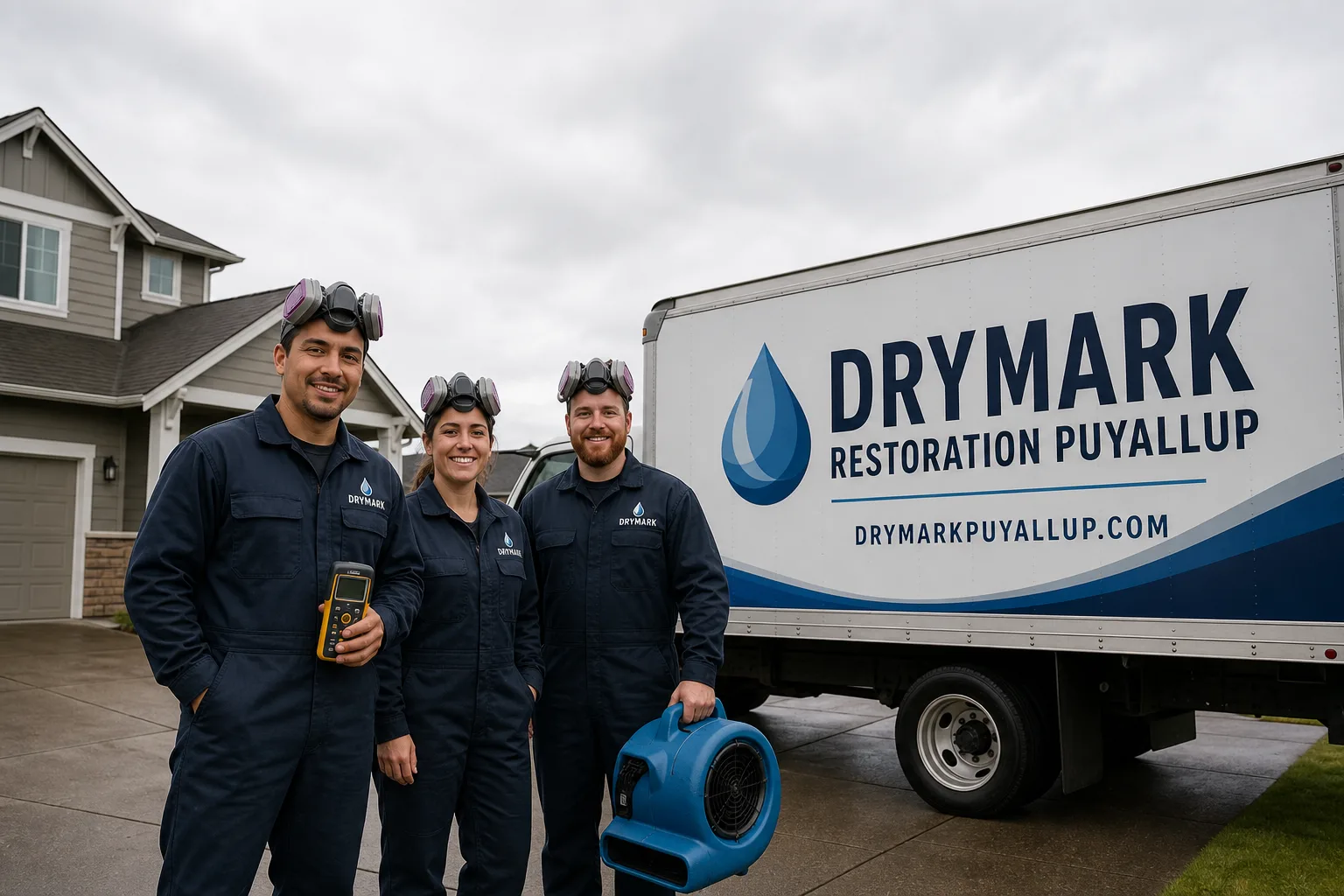
Free visual inspection and a written scope of work before any mitigation begins - photos, moisture readings, and drying logs go in your claim file
The scope we write is the scope we bill. Anything new gets shown to you, in writing, before we touch it.
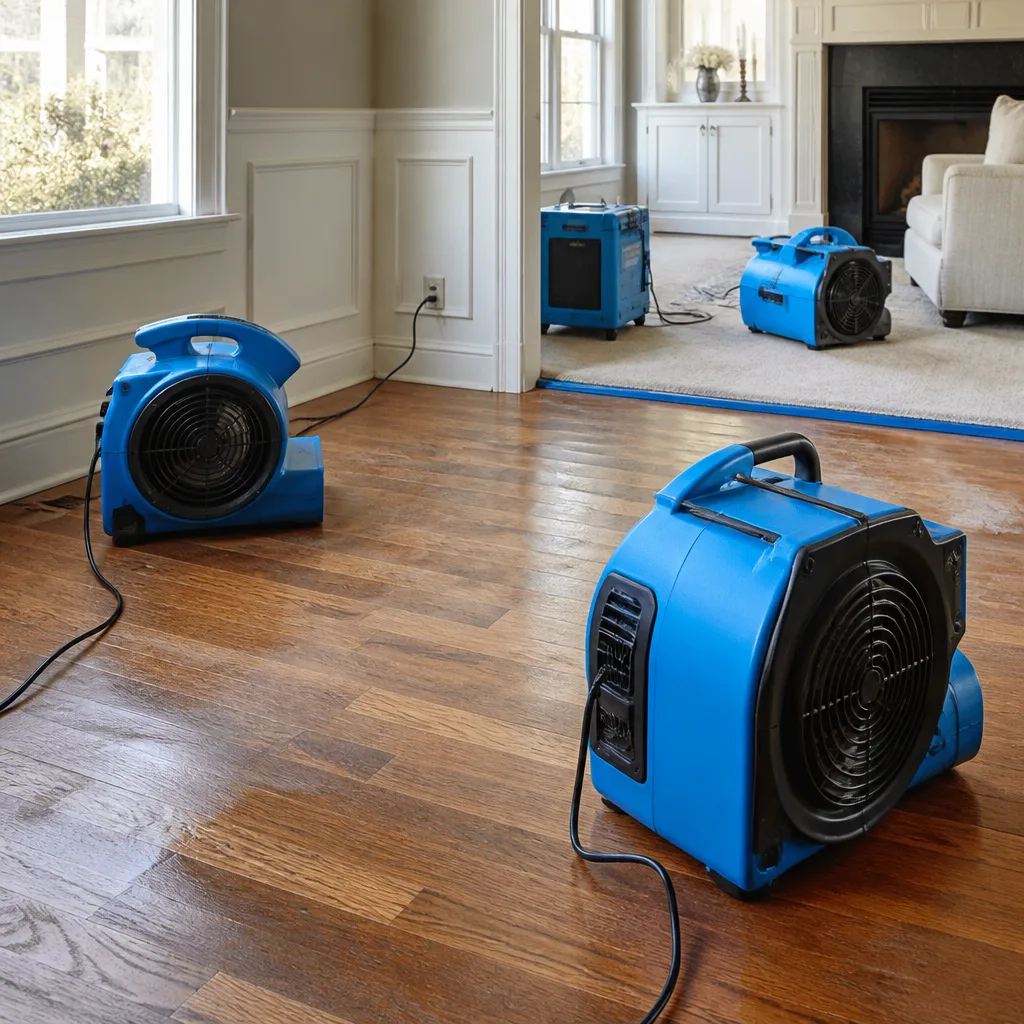
 Before
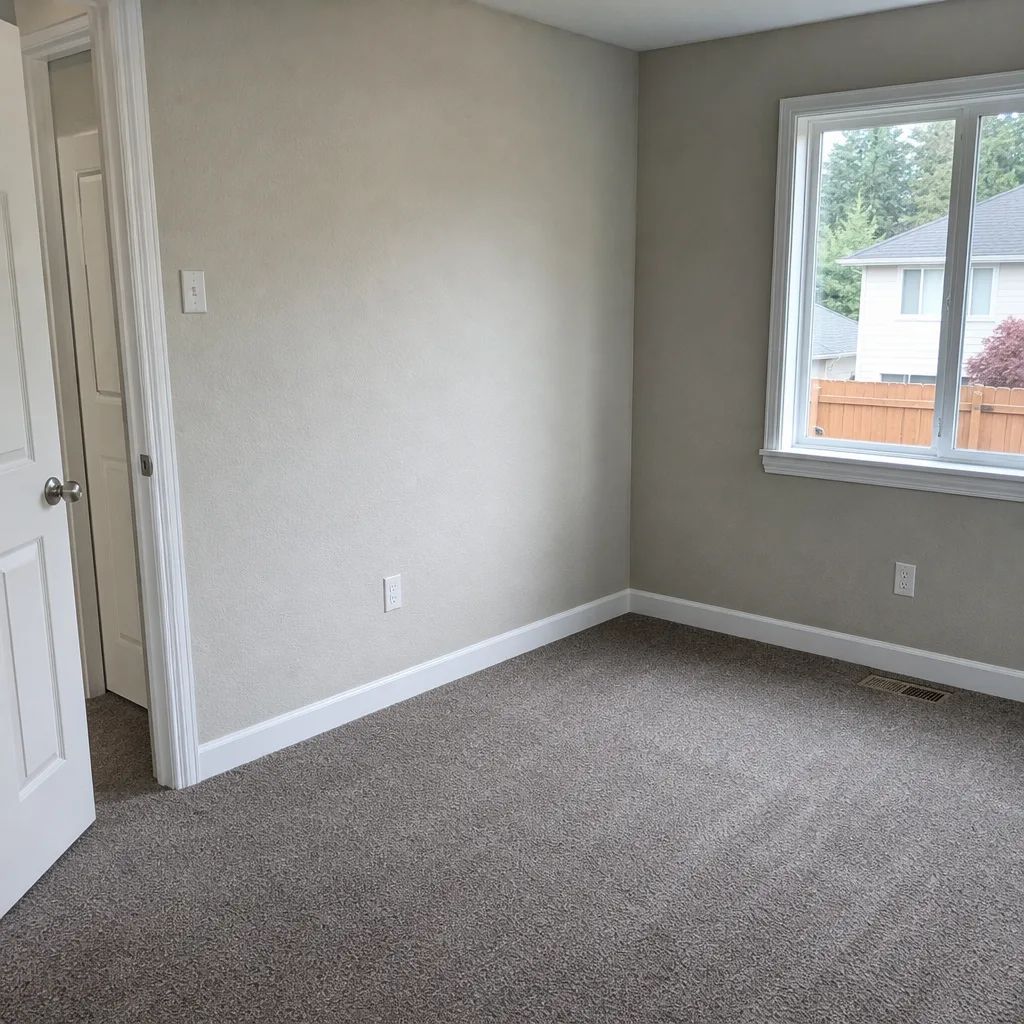 After
After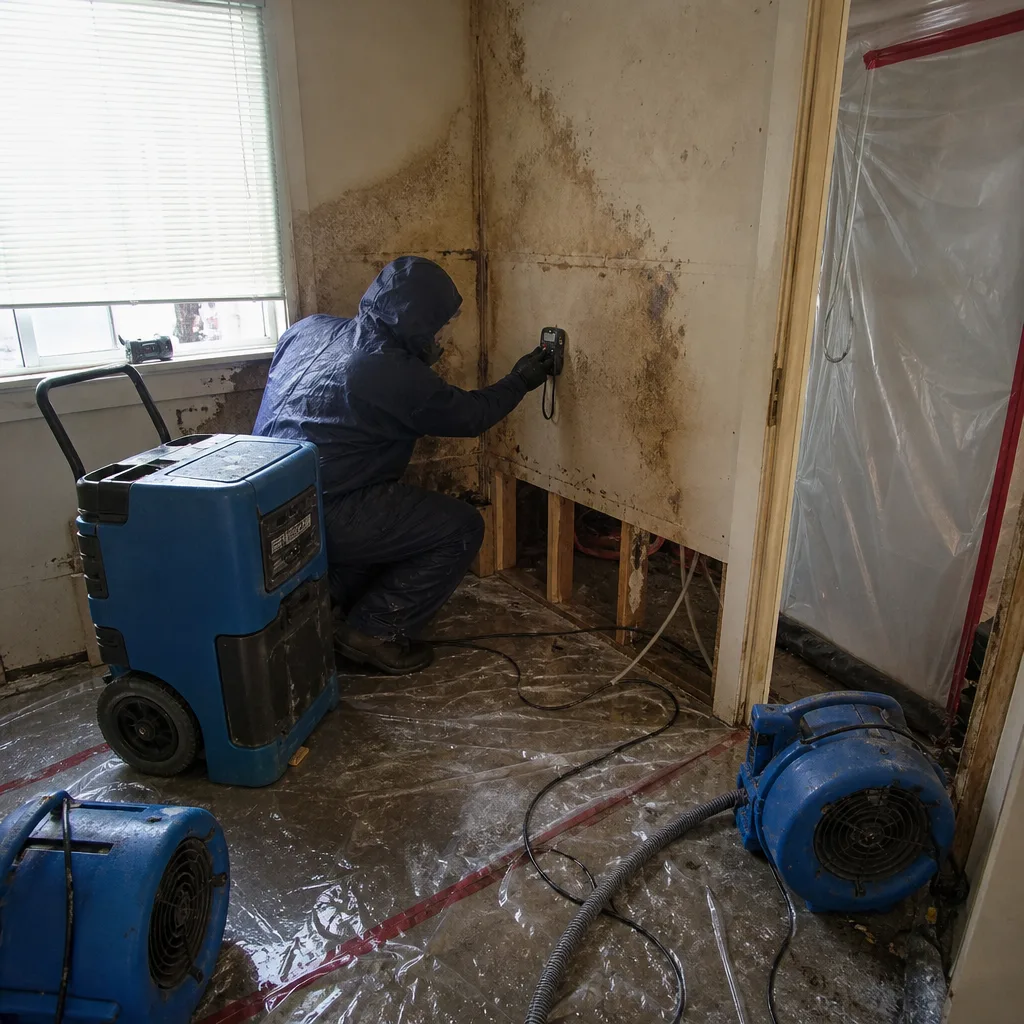 Before
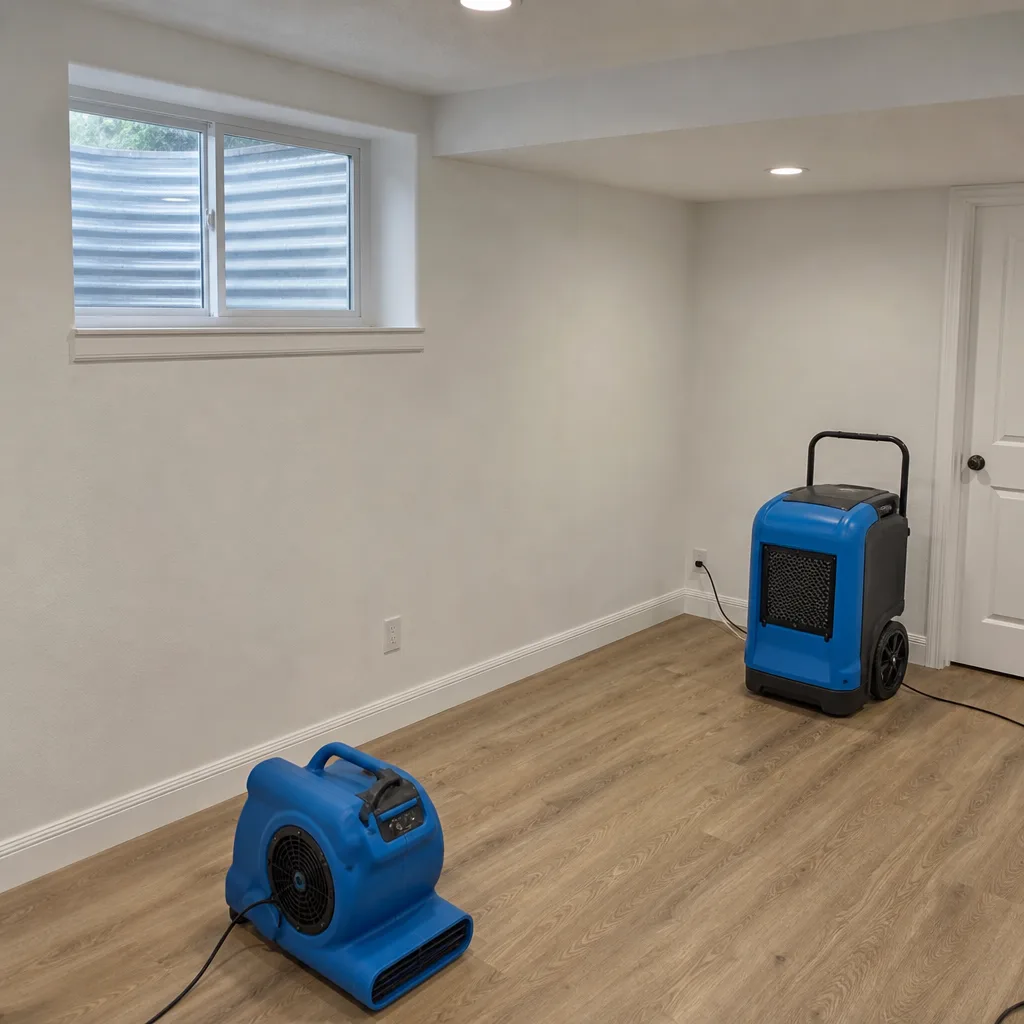 After
After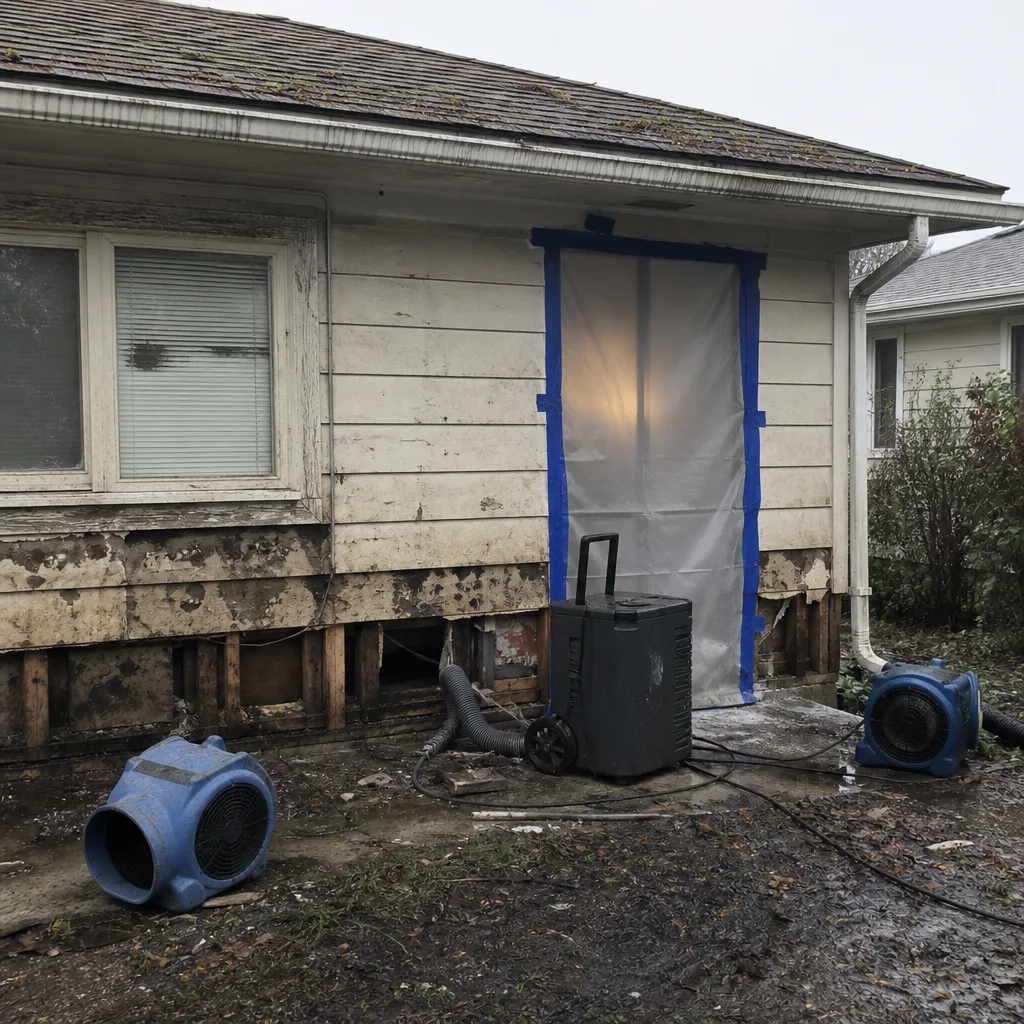 Before
 After
AfterFast, Reliable Mold Remediation Across Des Moines
Mold remediation in Des Moines typically runs $1,800-$4,500 for whole-home treatment, with crawl-space jobs starting around $900 and full structural drying with air quality restoration reaching $6,000+ on bluff-edge properties with slope-fed moisture intrusion. Most Des Moines inspections are scheduled within 24 hours, and our crews dispatch from the Seattle office with equipment sized for the marine humidity conditions that slow drying here compared to inland King County.
We know Des Moines well - the 1950s ranches off Pacific Highway S, the split-levels climbing toward Marine View Drive, the marina district properties taking salt air straight off Puget Sound. That local geography isn’t scenery for us. It’s the variable that determines whether your mold problem stays gone or comes back in six months. Call (253) 447-5249 for a written estimate before any work begins - Haven Standard, Clause 1.
Why DryMark Restoration Puyallup Is Des Moines’s Preferred Mold Remediation Company
Our reputation in Des Moines was built on documentation, not promises. Homeowners here read the three-star reviews. They want to see moisture readings, photo records, and written scopes before a crew starts cutting drywall. We’ve delivered that on every Des Moines job since 2011.
Response time to Des Moines averages same-day or next-morning for active moisture calls, with 24/7 live phone coverage - no voicemail trees while water keeps moving. Crews arrive with Dri-Eaz moisture meters, Phoenix dehumidification units, and Injectidry cavity-drying systems already loaded, because Des Moines’s year-round marine humidity means standard inland drying timelines fail here.
Local knowledge matters in ways that show up on the invoice. We know that mold in a west-side crawl space often traces to uphill groundwater channeled by slope geology, not the obvious roof leak. We know that marina-district structures degrade faster from salt-air exposure than inland equivalents. And we know that King County’s mapped landslide hazard zones on the bluff create foundation crack pathways that re-wet structures weeks after the visible leak is fixed - unless someone maps and dries the full moisture profile.
Our Mold Remediation Services in Des Moines
Mold Inspection & Testing
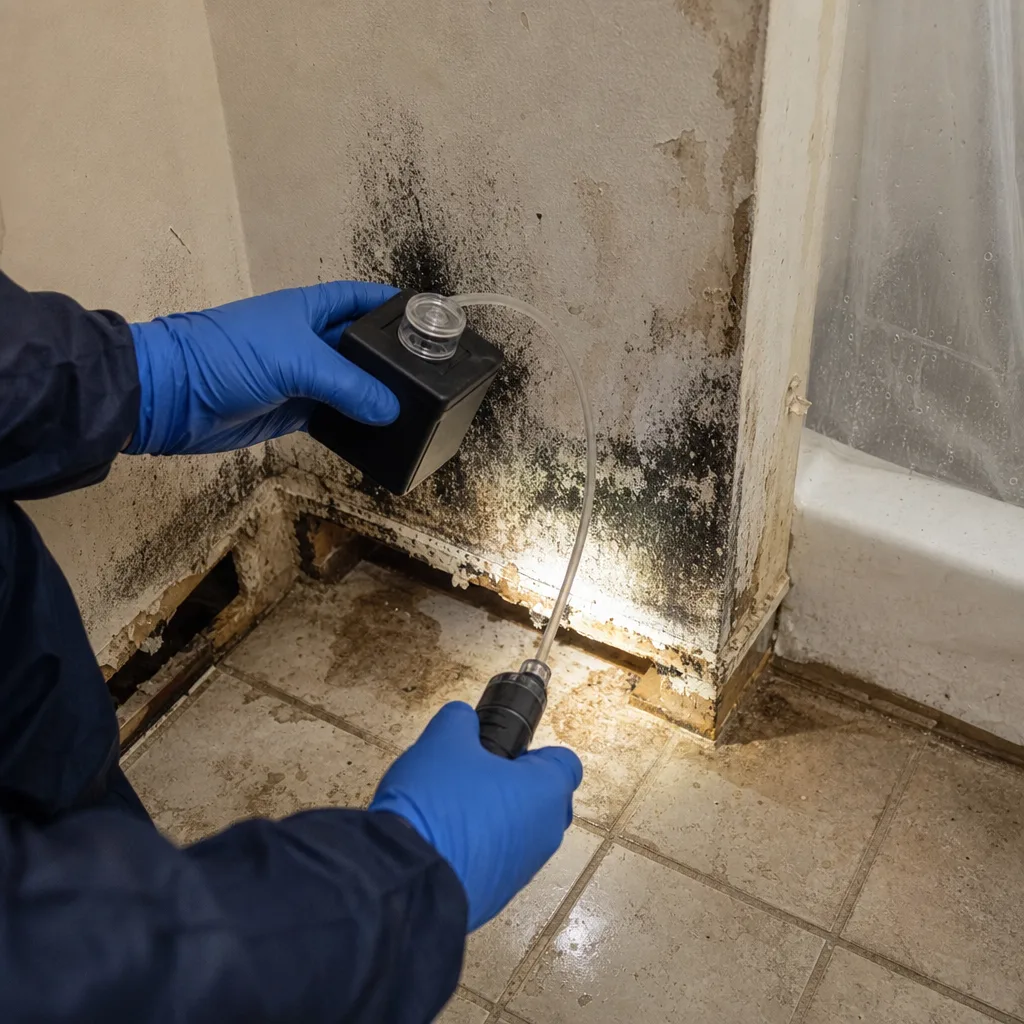
Every Des Moines inspection starts with moisture mapping, not guesswork. We use Dri-Eaz penetrating meters and thermal imaging to find the water source that feeds the mold - critical on bluff properties where uphill groundwater moves through foundation cracks opened by soil creep. Air sampling follows when occupants report respiratory symptoms or when visible growth covers more than 10 square feet. You’ll receive a written scope with line-item pricing before any remediation begins, plus a photo record of every reading and affected area. Haven Standard, Clause 1.
Mold Removal
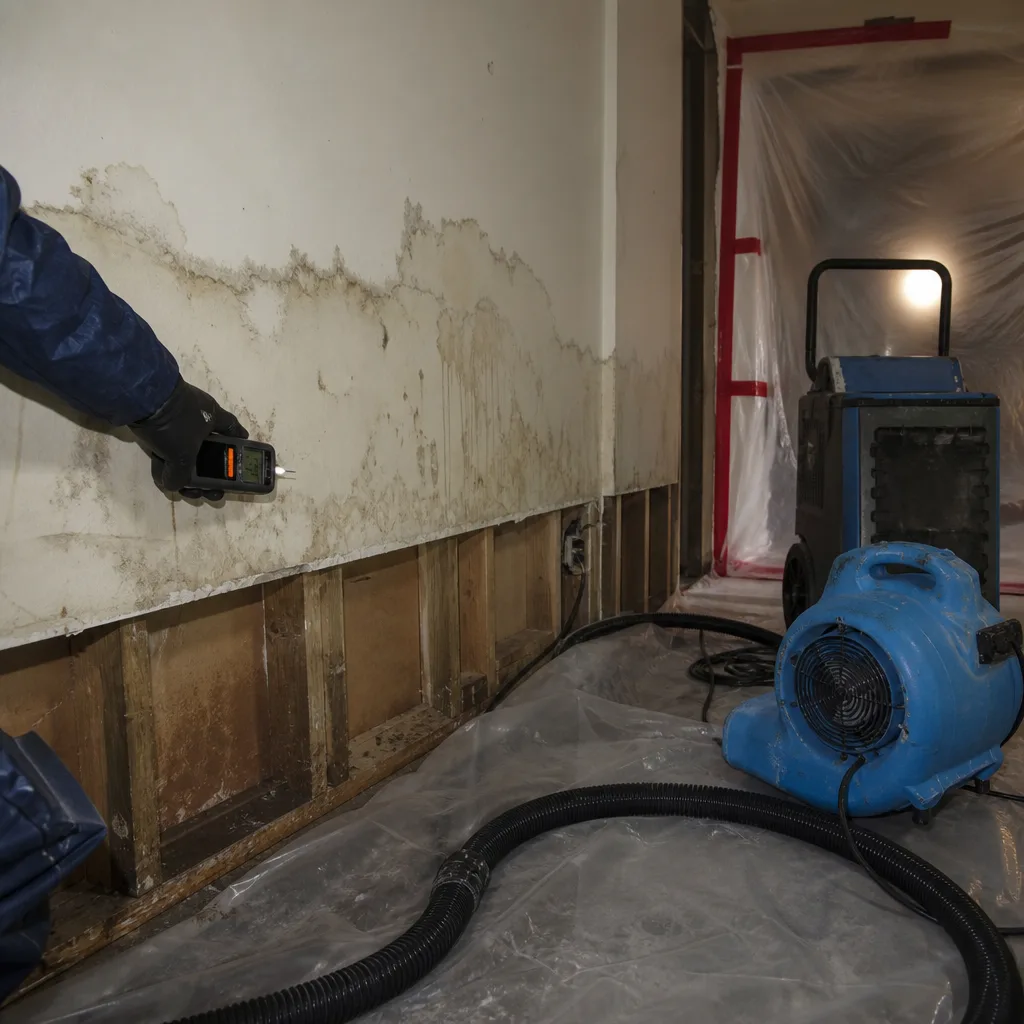
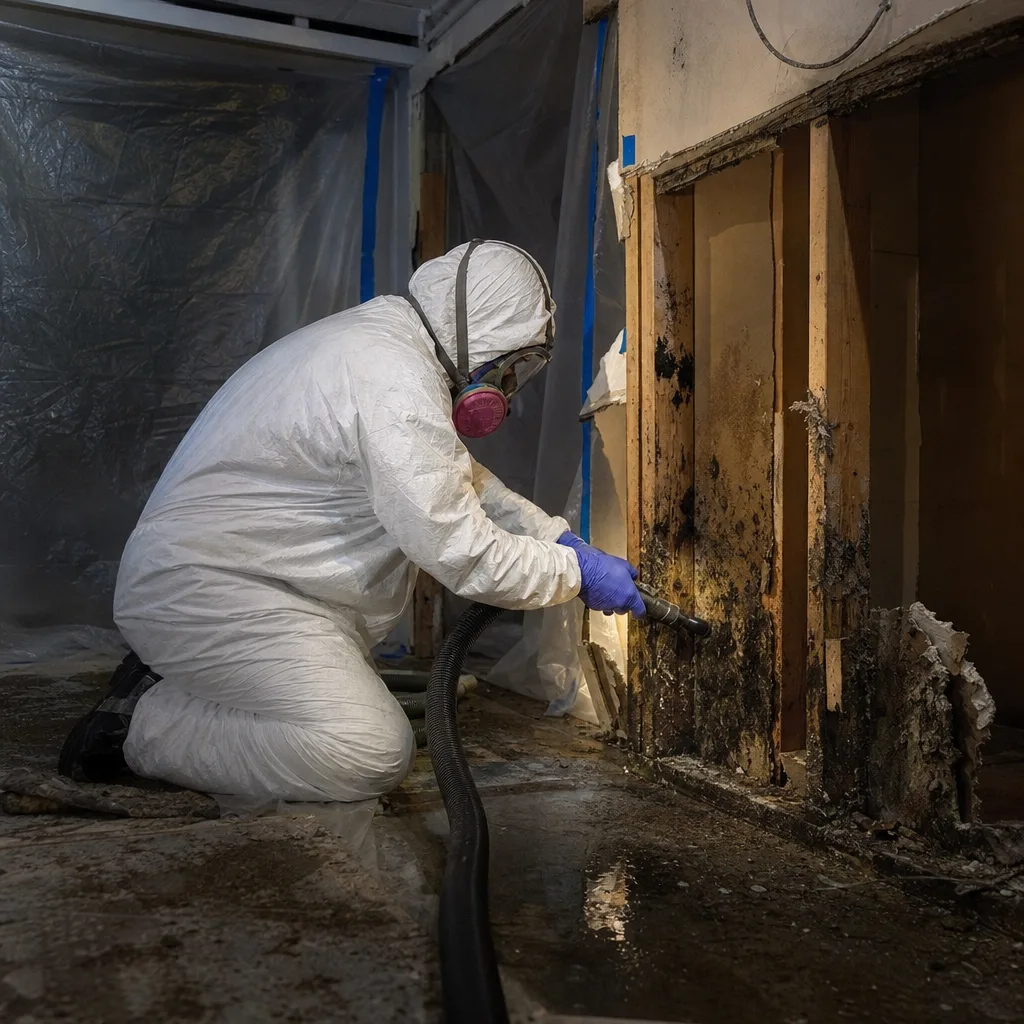
Removal in Des Moines follows IICRC S520 protocols: containment barriers, negative air pressure, HEPA filtration, and controlled demolition of non-salvageable materials. On the older ranch homes common west of Pacific Highway S, we regularly find mold has traveled from crawl space to subfloor to wall cavity through the home’s original venting pathways. We don’t treat the visible spot and leave. We trace the full colonization path, document it with photos, and remove it completely - one trip, with equipment sized for the extended drying windows that marine humidity demands.
Black Mold Remediation
Stachybotrys and other toxigenic species in Des Moines almost always indicate chronic moisture, not a single event. The marina district’s salt-air degradation of flashing and seals, combined with 38 inches of concentrated October-March rainfall, creates exactly the sustained wetting conditions these species require. Our black mold protocol includes third-party post-remediation verification when requested, with documentation to RIA and IFA standards that insurers recognize without dispute.
Air Quality Restoration
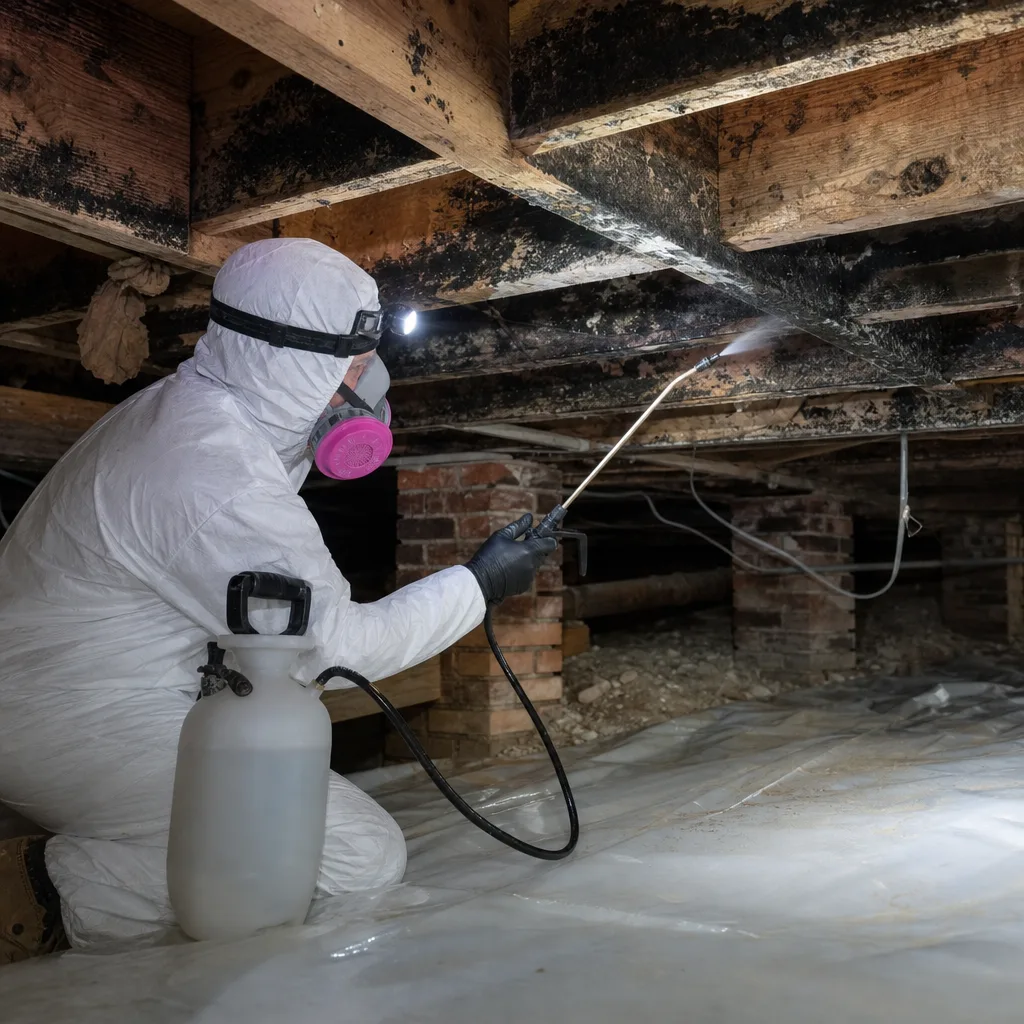
After physical removal, Des Moines properties need air scrubbing calibrated to local conditions. The same marine humidity that slows structural drying keeps airborne spore counts elevated longer than inland climates allow. We deploy HEPA-negative air machines and carbon filtration, then verify with post-remediation air sampling. Documentation includes spore counts before and after, equipment run-time logs, and moisture readings confirming the source is controlled - the paper trail that turns a restoration invoice into a payable claim.
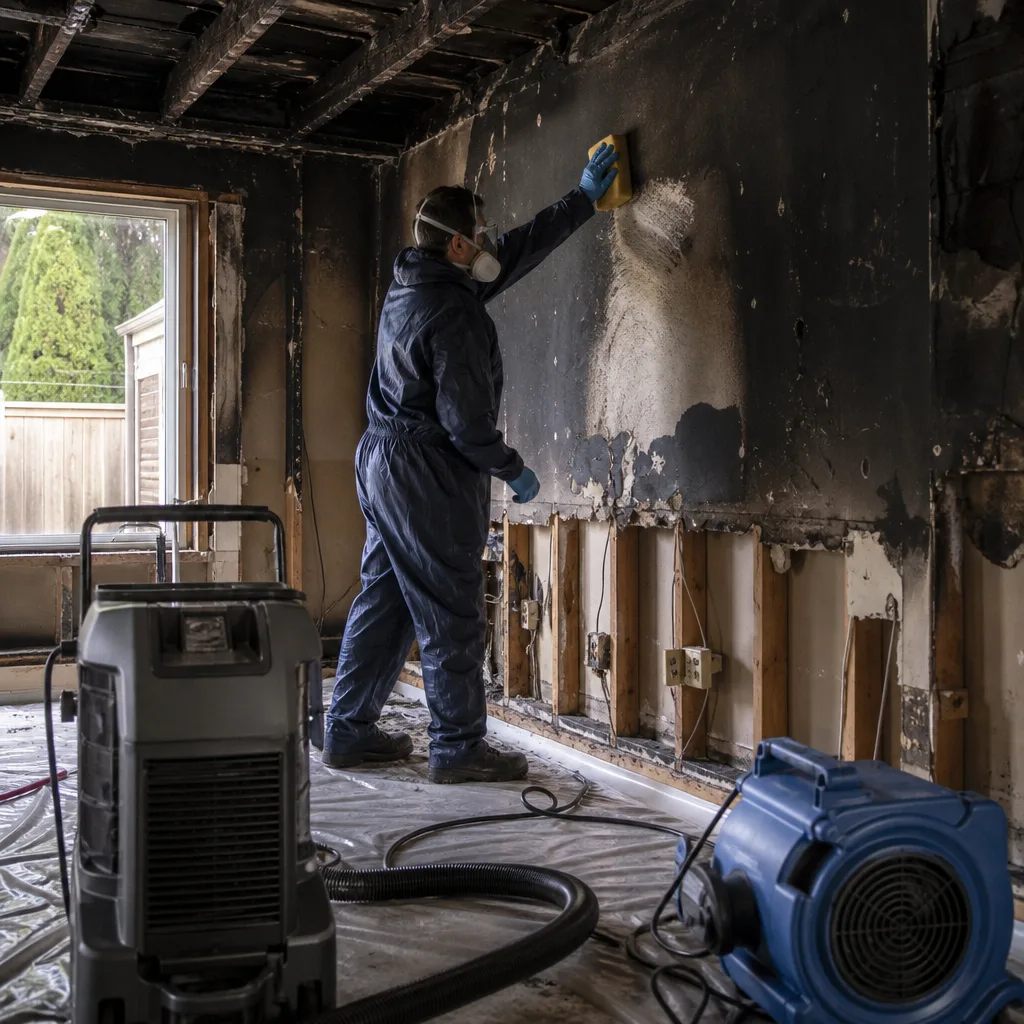
Crawl Space Treatment
Crawl spaces are the dominant mold vector in Des Moines’s 1950s-1970s housing stock. Original vapor barriers have deteriorated under decades of coastal humidity, and bluff-edge groundwater finds these spaces through foundation cracks opened by seasonal soil movement. Our crawl space protocol includes full vapor-barrier replacement with 10-mil reinforced polyethylene, sealed piers, and dehumidification sizing calculated for the specific cubic footage and marine exposure - not the generic square-footage charts that fail here.
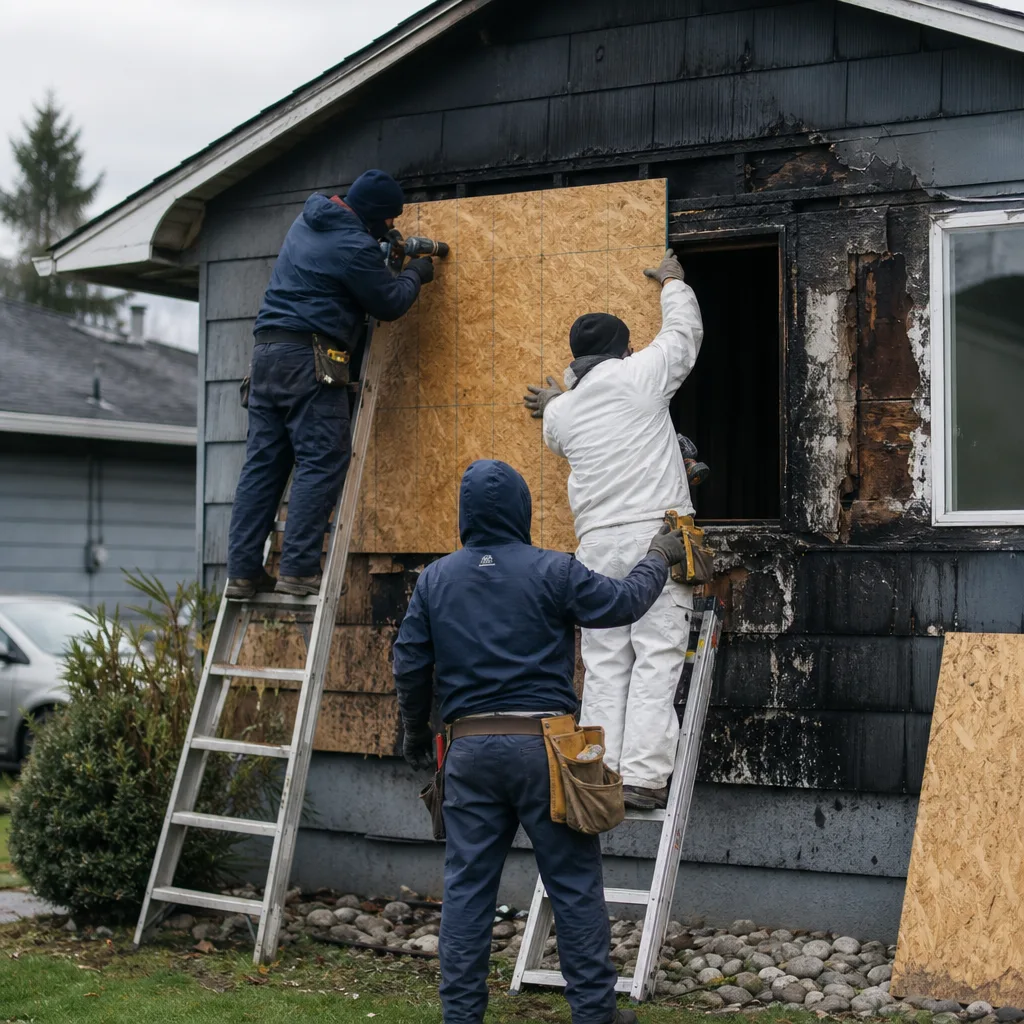
Moisture & Humidity Control
Controlling moisture in Des Moines means designing for a climate that doesn’t dry on its own. We install permanent dehumidification, improve ventilation pathways, and seal foundation penetrations - with psychrometric data (temperature, relative humidity, vapor pressure differential) documented at every visit so you can see the trend, not just the snapshot. This is where our documentation-first approach pays: insurers pay for demonstrated results, not equipment rental days.
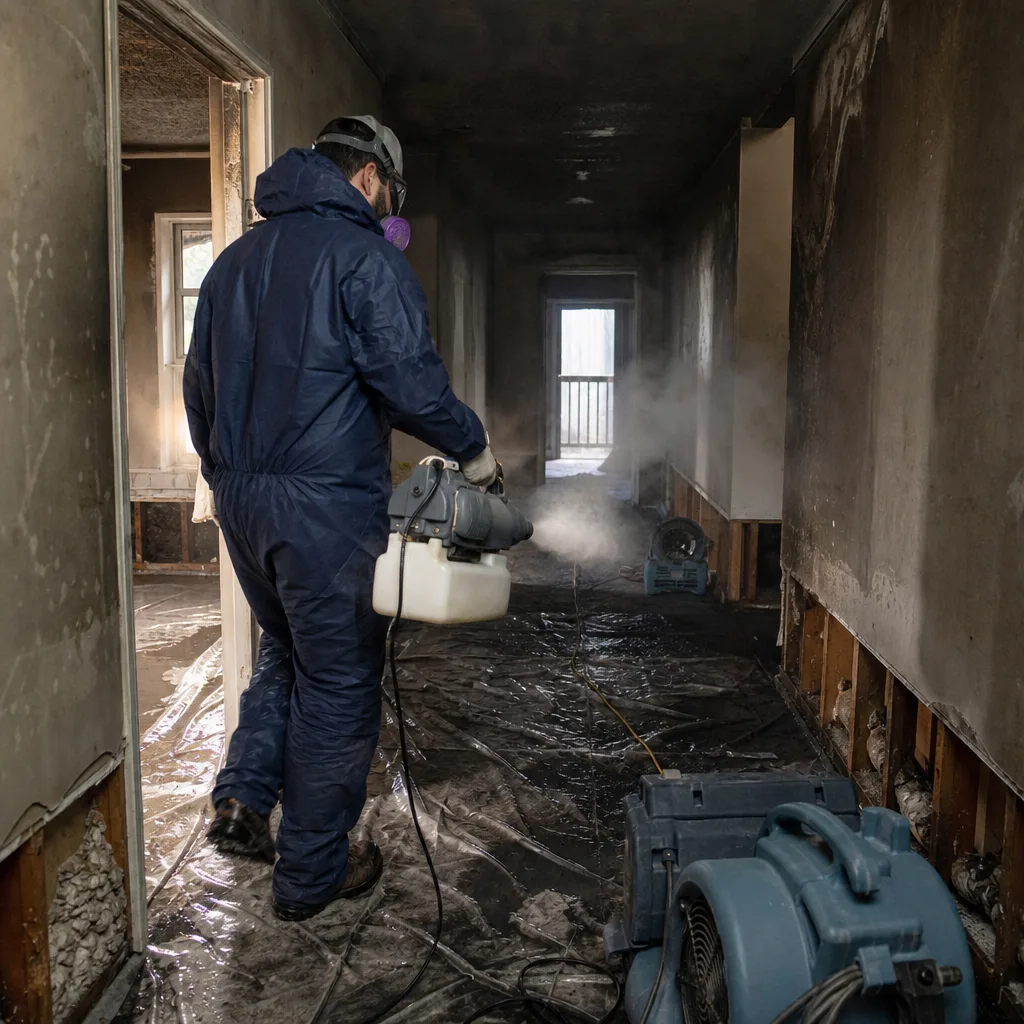
What happens when you call
- 1
A real person answersNo phone trees - you reach a local pro.
- 2
You get an upfront price rangeHonest numbers before anyone is dispatched.
- 3
A background-checked tech heads outLicensed & insured, dispatched right away.
- 4
You approve before work beginsNothing starts until you say go.
BeforeAfterTrusted Brands We Service in Des Moines
Our equipment fleet runs professional-grade drying systems from Dri-Eaz, Phoenix, and XPOWER - brands that produce the daily moisture logs and psychrometric data insurers expect to see. We stock HEPA filtration, antimicrobial formulations, and vapor-barrier materials sized for Des Moines’s extended remediation timelines, so crews don’t leave your job waiting on a parts run to Kent or Renton. Every piece of equipment is documented to IICRC, RIA, and IFA standards, and every drying log is included as a standard deliverable, never an upsell.
Common Mold Remediation Problems We See in Des Moines Homes
- Bluff-edge groundwater intrusion through slope-opened foundation cracks. On streets like Marine View Drive, mold that appears as a roof leak or crawl-space dampness is often fed by uphill groundwater moving through King County-mapped landslide hazard zones. Treating the visible symptom without tracing the geological source guarantees recurrence.
- Failed original vapor barriers in mid-century crawl spaces. The ranch and split-level homes that dominate Des Moines’s west side were built with 6-mil polyethylene that degrades in 15-20 years under chronic humidity. By now, most are porous or missing entirely, allowing soil moisture to evaporate directly into the floor system.
- Salt-air material degradation accelerating moisture pathways in the marina district. Structures near the Des Moines Marina face faster flashing failure, seal deterioration, and metal corrosion than inland properties, creating entry points for the persistent onshore moisture that drives mold colonization.
- Inland drying timelines applied to marine-humidity conditions. Standard evaporation rates from drier climates fail in Des Moines’s year-round elevated humidity. Remediation crews who don’t adjust equipment sizing and drying duration leave structures wet enough for recolonization.
Pricing for Mold Remediation in Des Moines, WA
| Service | Typical Range in Des Moines |
|---|---|
| Mold inspection & moisture mapping | $350-$650 |
| Crawl space treatment (vapor barrier + drying) | $900-$2,200 |
| Contained mold removal, single room | $1,200-$2,800 |
| Whole-home remediation with air quality restoration | $3,500-$6,500 |
| Bluff-edge properties with slope-fed groundwater (extended drying) | $4,500-$8,000+ |
What moves a Des Moines job to the higher end: bluff-edge groundwater requiring extended structural drying, multiple affected rooms with cavity injection, post-remediation third-party verification, and permanent humidity control installation. What keeps costs controlled: early detection, intact vapor barriers, and calling before mold spreads beyond the original water source. Every estimate is written and delivered before work begins - Haven Standard, Clause 1 - with a Free Second Opinion available on any competitor’s written quote. Call (253) 447-5249 to schedule.
We Also Serve Cities Near Des Moines
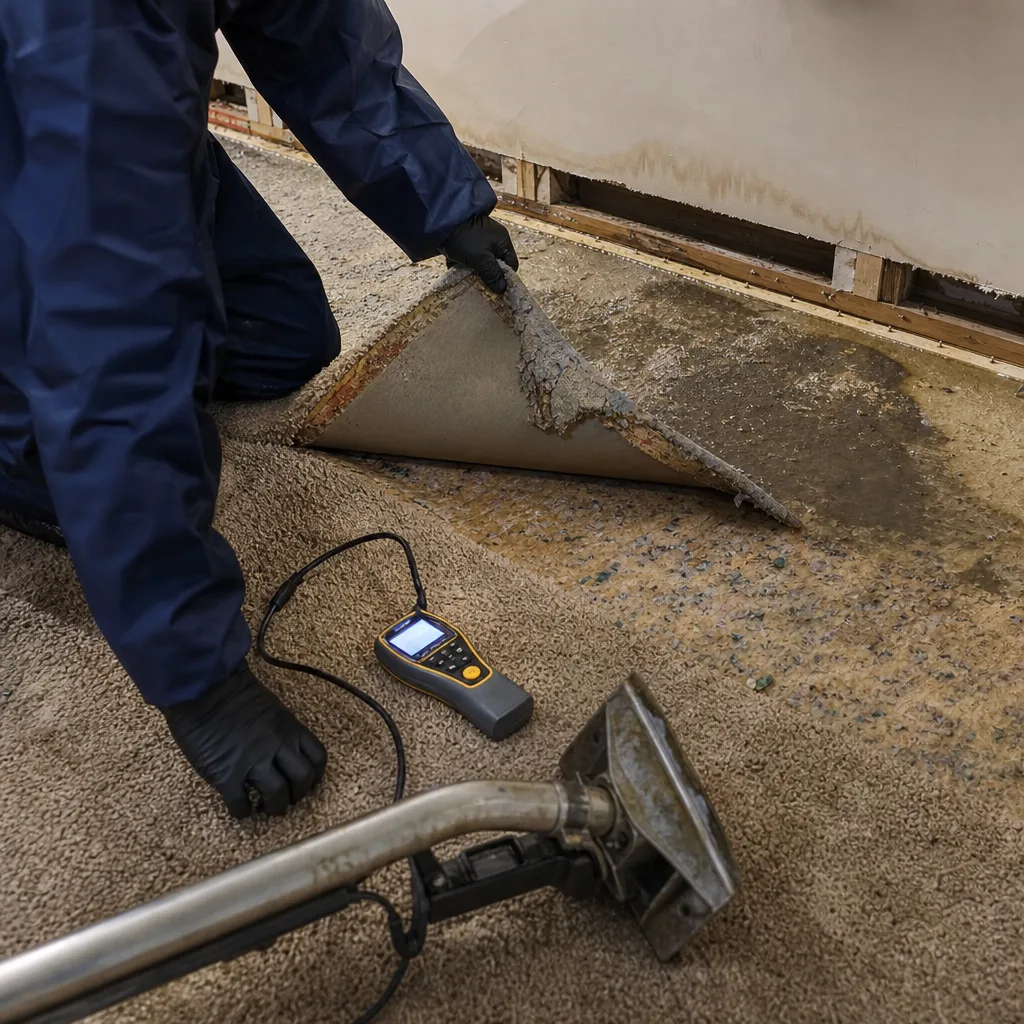
Our crews work throughout south King and north Pierce counties, with regular jobs in Des Moines and nearby Puyallup, Edgewood, Summit, and Sumner. Dispatch and scheduling are coordinated from our Seattle office, with local crews serving each community’s specific conditions - whether that’s Des Moines’s marine bluff geology or the inland drainage patterns of our Mold Remediation territory to the south.
Serving Des Moines, WA - Our Local Coverage Area
We’re based in the Des Moines area and know this community well. Use the map below to see our service coverage - if you’re nearby, we can almost certainly help.
FAQs - Mold Remediation in Des Moines
Yes. Properties inside King County’s mapped landslide hazard zones, particularly along Marine View Drive and adjacent bluff streets, face mold recurrence risk from uphill groundwater moving through foundation cracks opened by seasonal soil creep. Effective remediation here requires moisture mapping that traces the full water pathway, not just treating the visible mold. Call (253) 447-5249 for an inspection that includes geological source identification - estimates are free.
Des Moines’s year-round marine humidity, direct Puget Sound exposure, and salt-air conditions slow evaporation rates significantly compared to inland King County cities. Structural drying that might complete in 72 hours inland routinely requires 5-7 days here, with equipment sized accordingly. Our crews plan for this extended window from the first moisture reading, so you’re not left with an incomplete job. Call (253) 447-5249 for a timeline based on your specific property conditions.
Almost certainly, and possibly not only the vapor barrier. Homes built in Des Moines’s 1950s-1970s construction boom were fitted with 6-mil polyethylene barriers that degrade in 15-20 years under chronic humidity; by now, most are failed. But on west-side properties, we also find uphill groundwater entering through foundation cracks tied to slope geology. A proper fix replaces the barrier with 10-mil reinforced polyethylene, seals piers, and addresses the water source - otherwise mold returns. Call (253) 447-5249 for a crawl-space assessment with written scope.
Yes. On a 1960s split-level off Marine View Drive, a homeowner called us about musty air near the laundry room; moisture mapping with our Dri-Eaz meters traced wet drywall not to the obvious roof leak, but to uphill groundwater using a foundation crack opened by winter soil creep in the mapped hazard zone. We set containment, pulled and disposed of the saturated drywall, ran Injectidry panels against the wall cavity with Phoenix dehumidification and XPOWER air movers for a full structural drying cycle, then applied antimicrobial treatment to the framing - all in one trip so the homeowner wasn’t left with an opened wall waiting on a return visit. Call (253) 447-5249 to schedule a single-visit remediation.
In restoration terminology, “Category” refers to water contamination level, not mold type. Category 1 is clean water; Category 2 is gray water with chemical or biological load; Category 3 is black water with sewage or outdoor flooding. Des Moines’s bluff-edge jobs often involve Category 2 or 3 conditions when groundwater carries soil contaminants, while marina-district jobs may face Category 2 from salt-air-degraded HVAC condensate. The category determines antimicrobial protocol, PPE level, and disposal requirements - all documented in your written scope before work begins. Call (253) 447-5249 for category-specific pricing.
Every Des Moines job is covered by our 365-Day Done Right Promise under The Haven Standard: if it’s not done right, we make it right. That guarantee is written and signed, not verbal. You also receive a documented photo record on every visit, daily moisture logs, and direct adjuster coordination when insurance is involved. Founded in 2011 by a former claims adjuster, Back to Dry Restoration has completed 12,000+ homes with this documentation-first approach - because sloppy paperwork costs homeowners their claims, and we have no interest in repeating that mistake.
Written by Alicia Brennan, Owner at Back to Dry Restoration, serving Des Moines since 2011.