
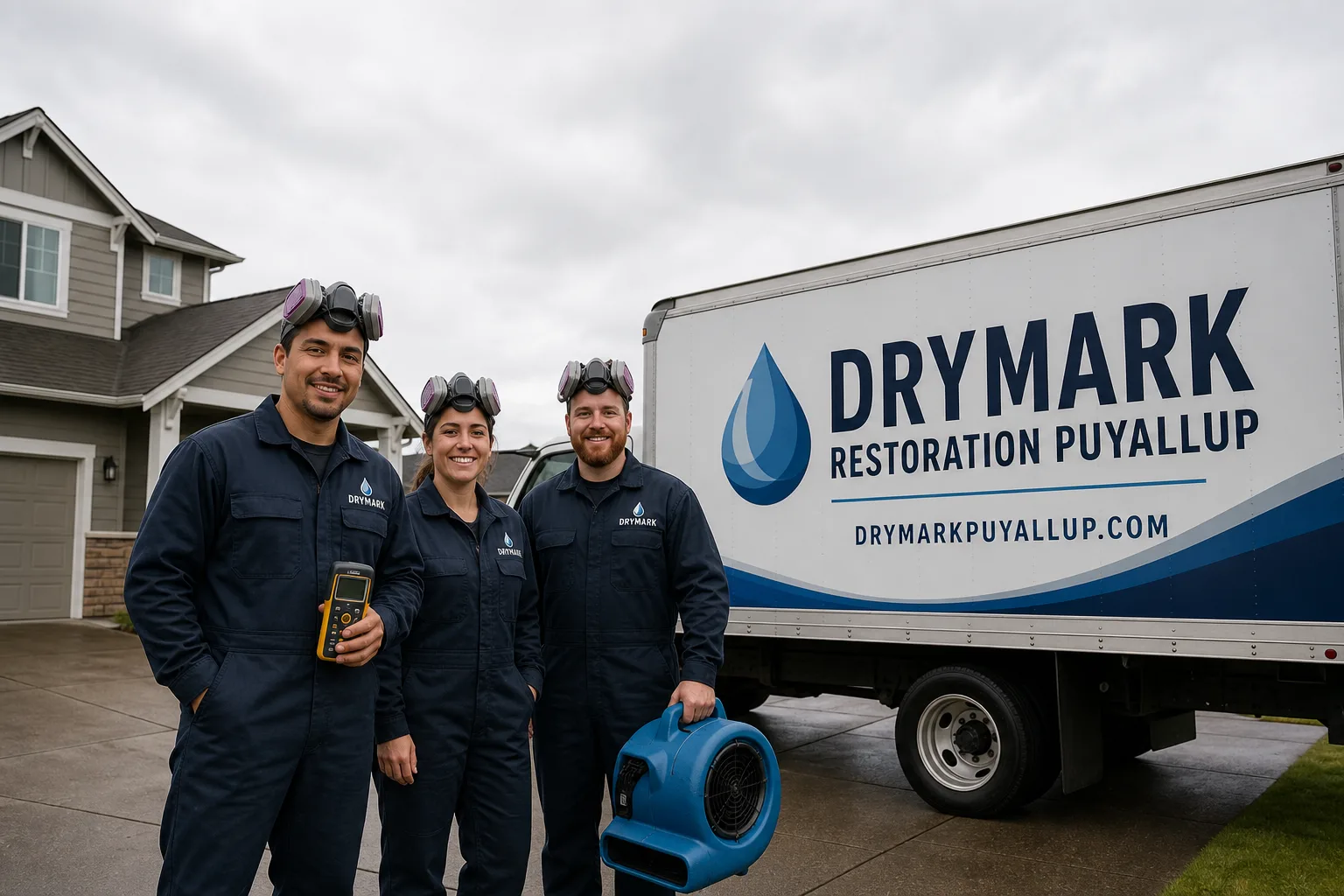
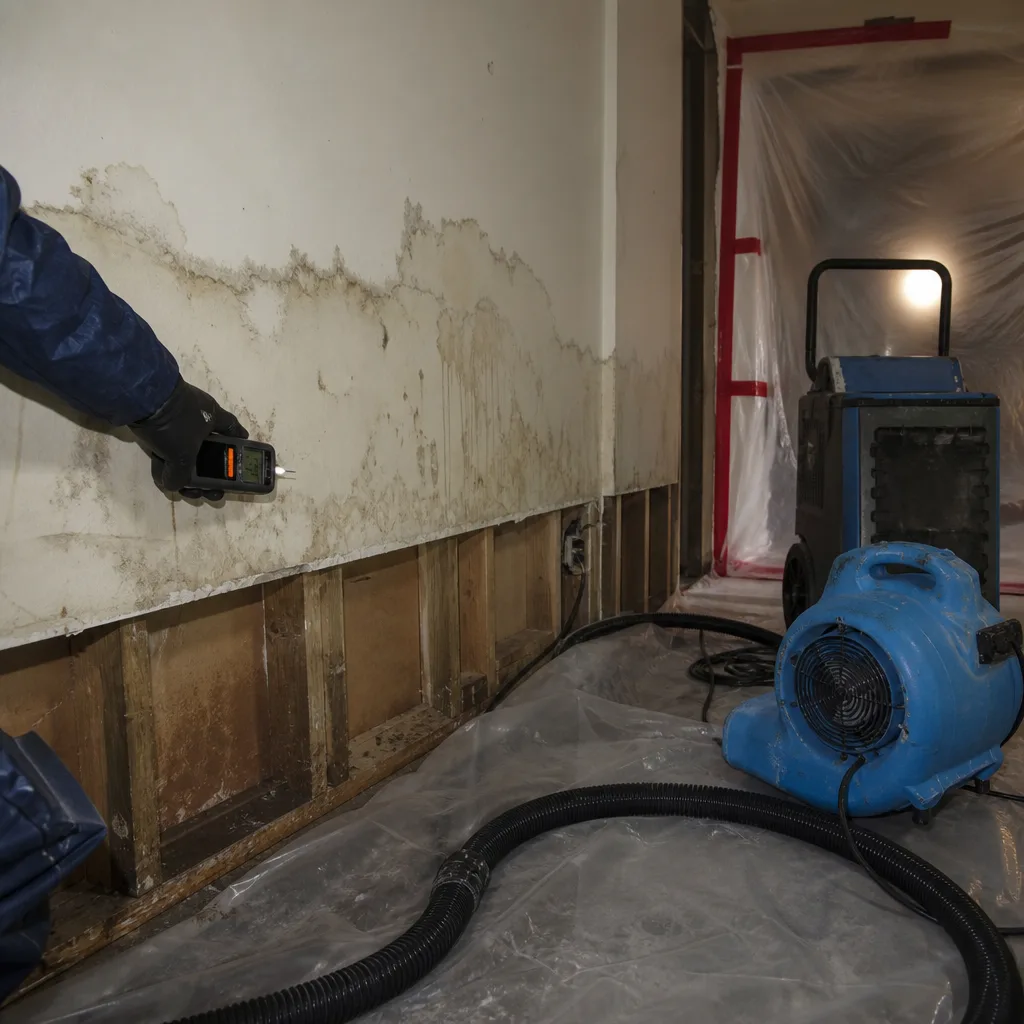
Free visual inspection and a written scope of work before any mitigation begins - photos, moisture readings, and drying logs go in your claim file
The scope we write is the scope we bill. Anything new gets shown to you, in writing, before we touch it.
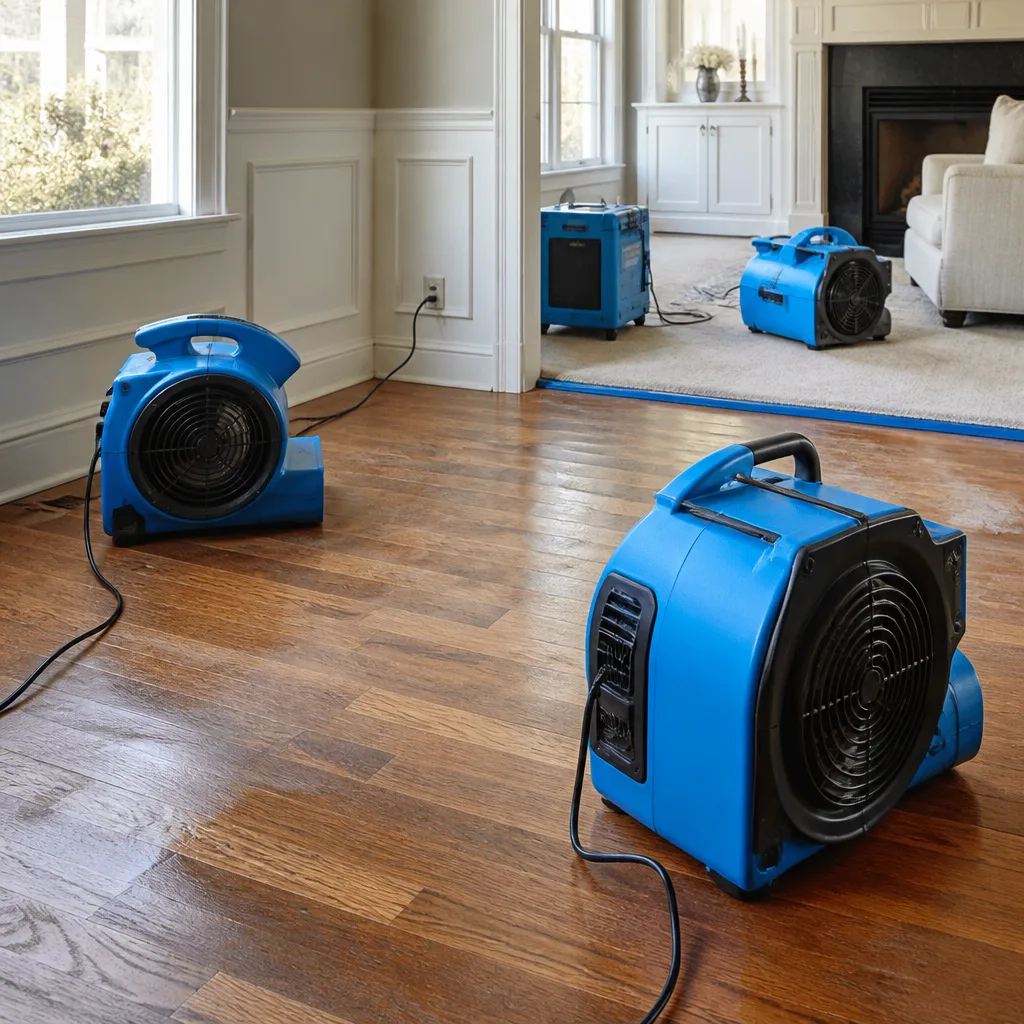
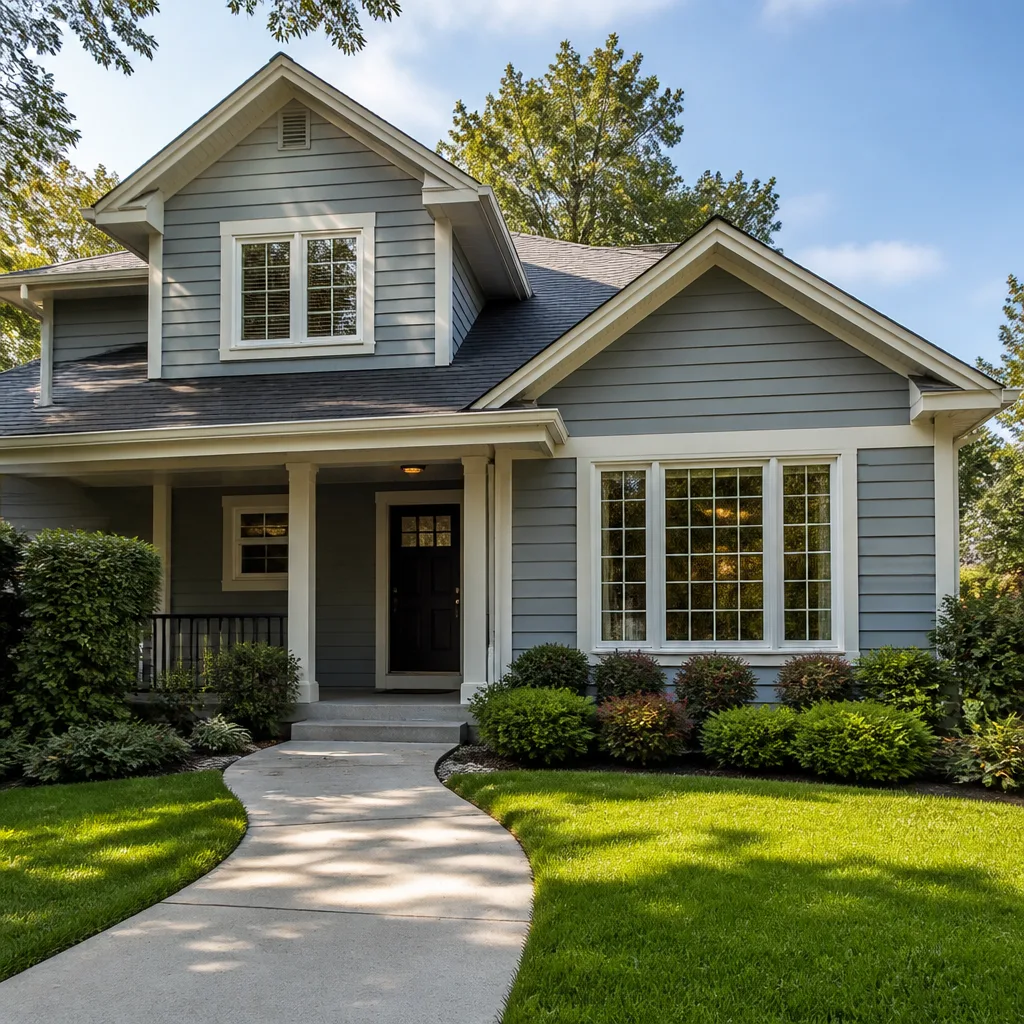
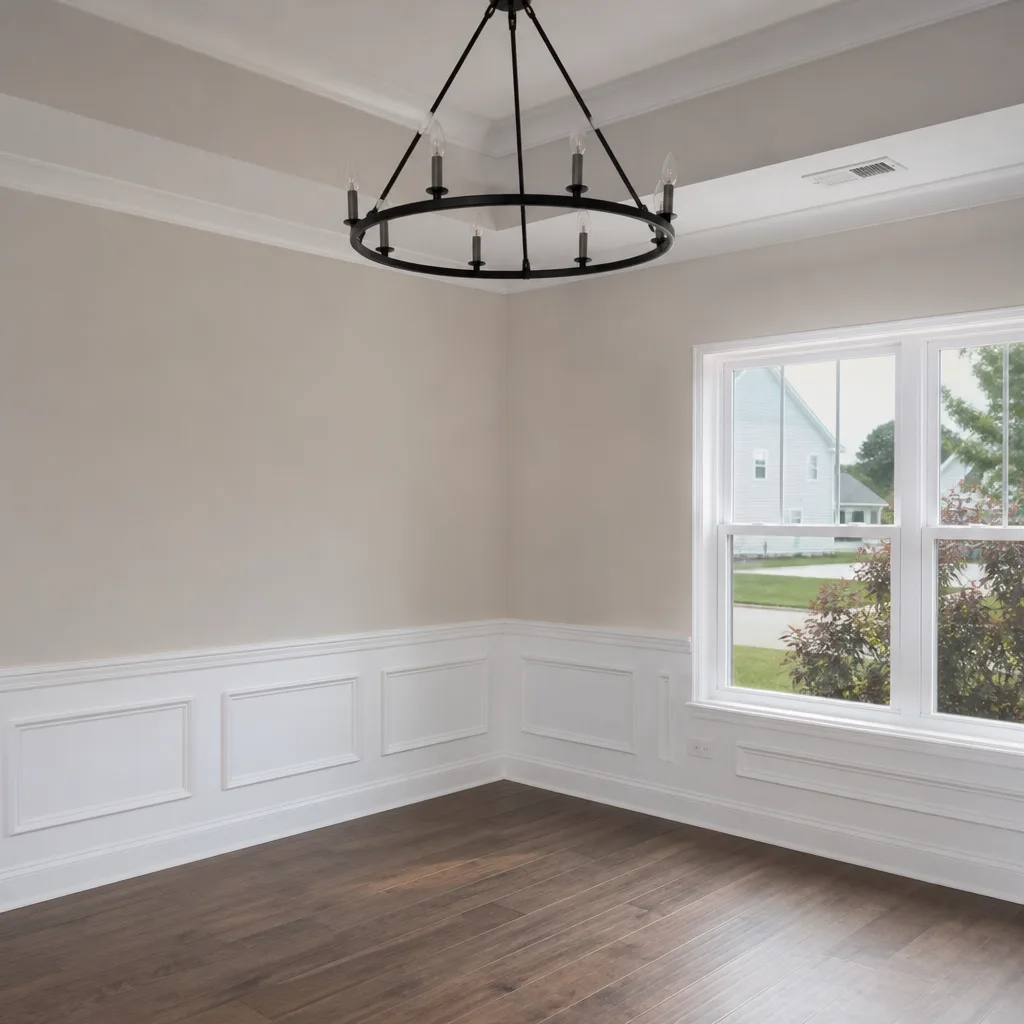
 Before
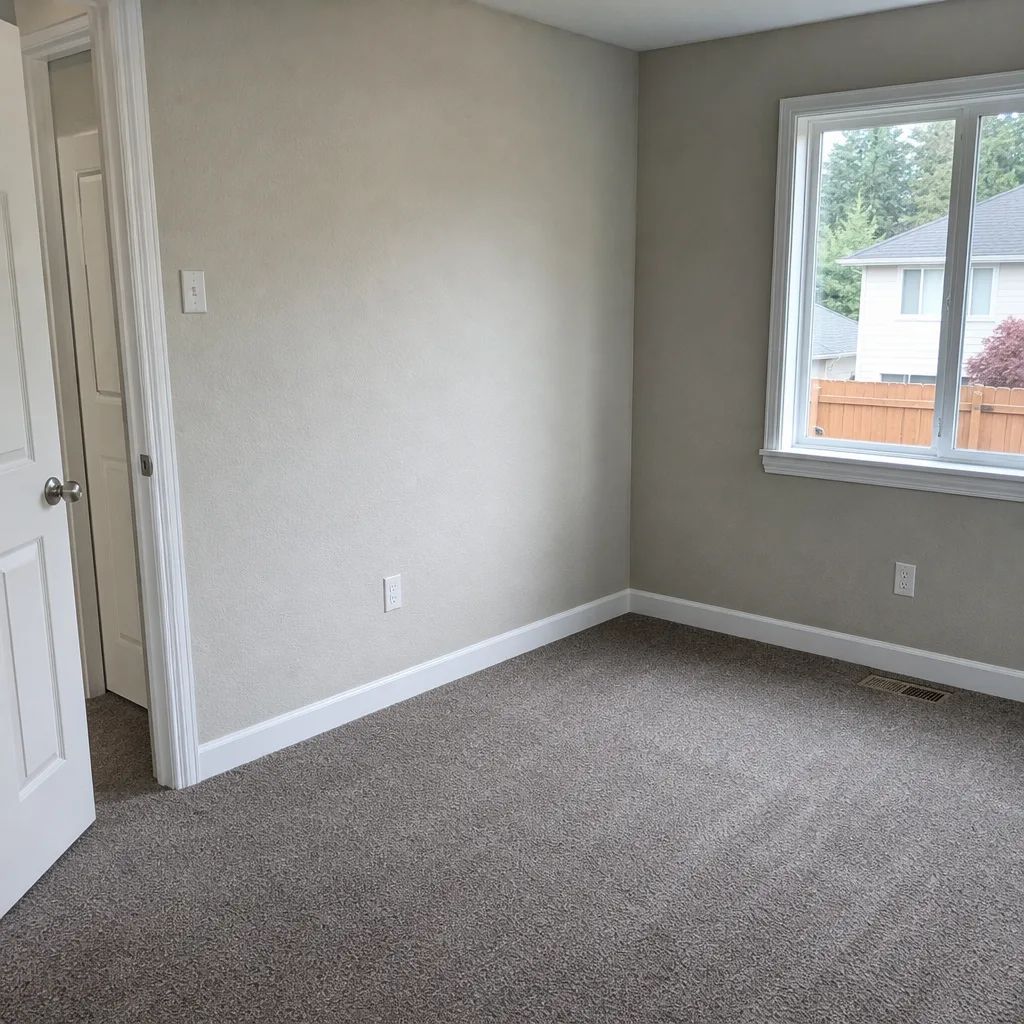 After
After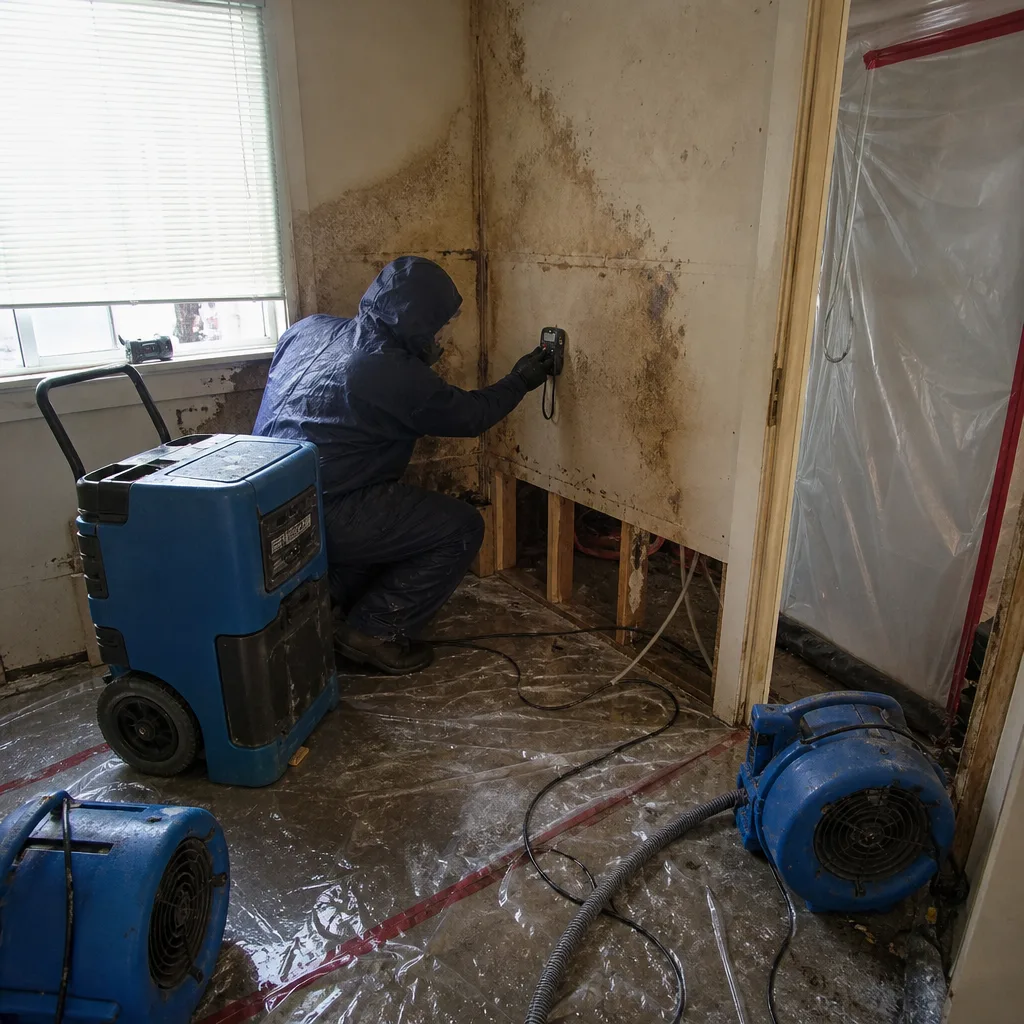 Before
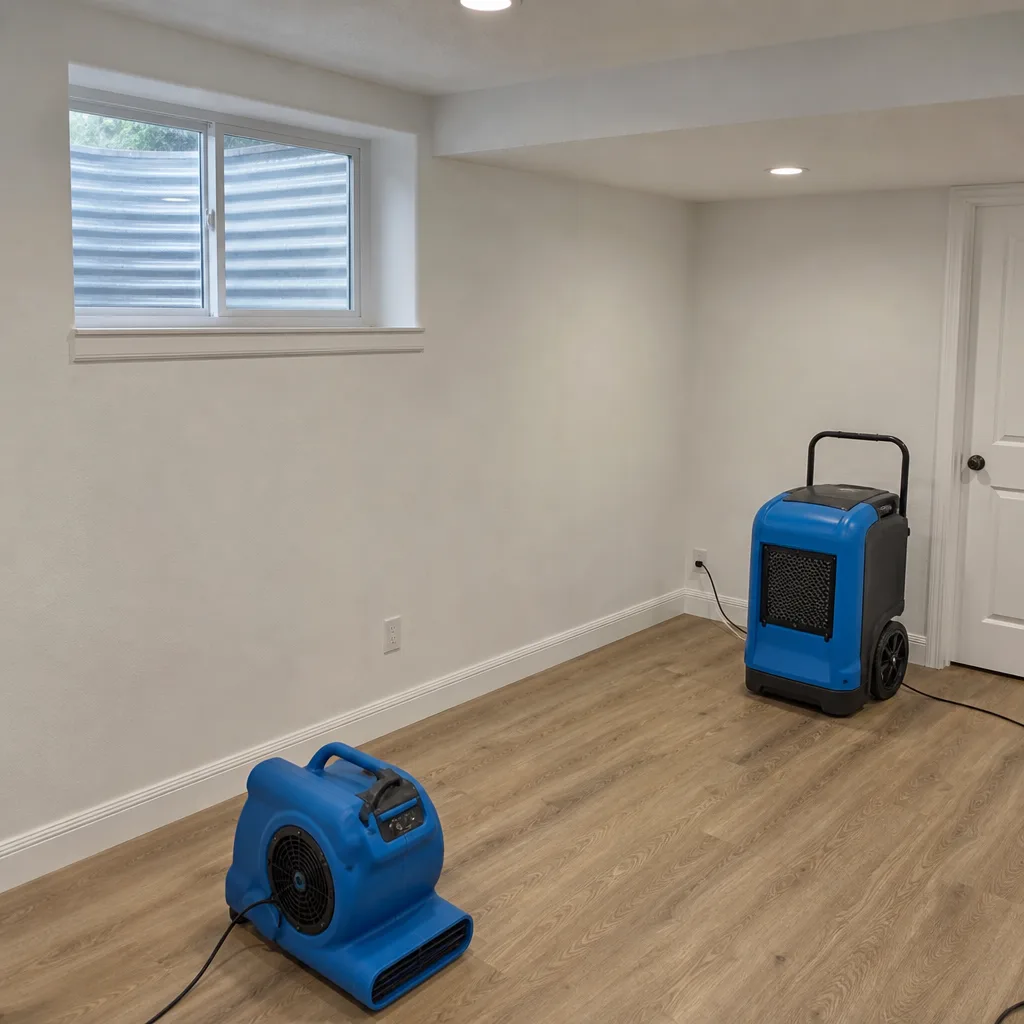 After
After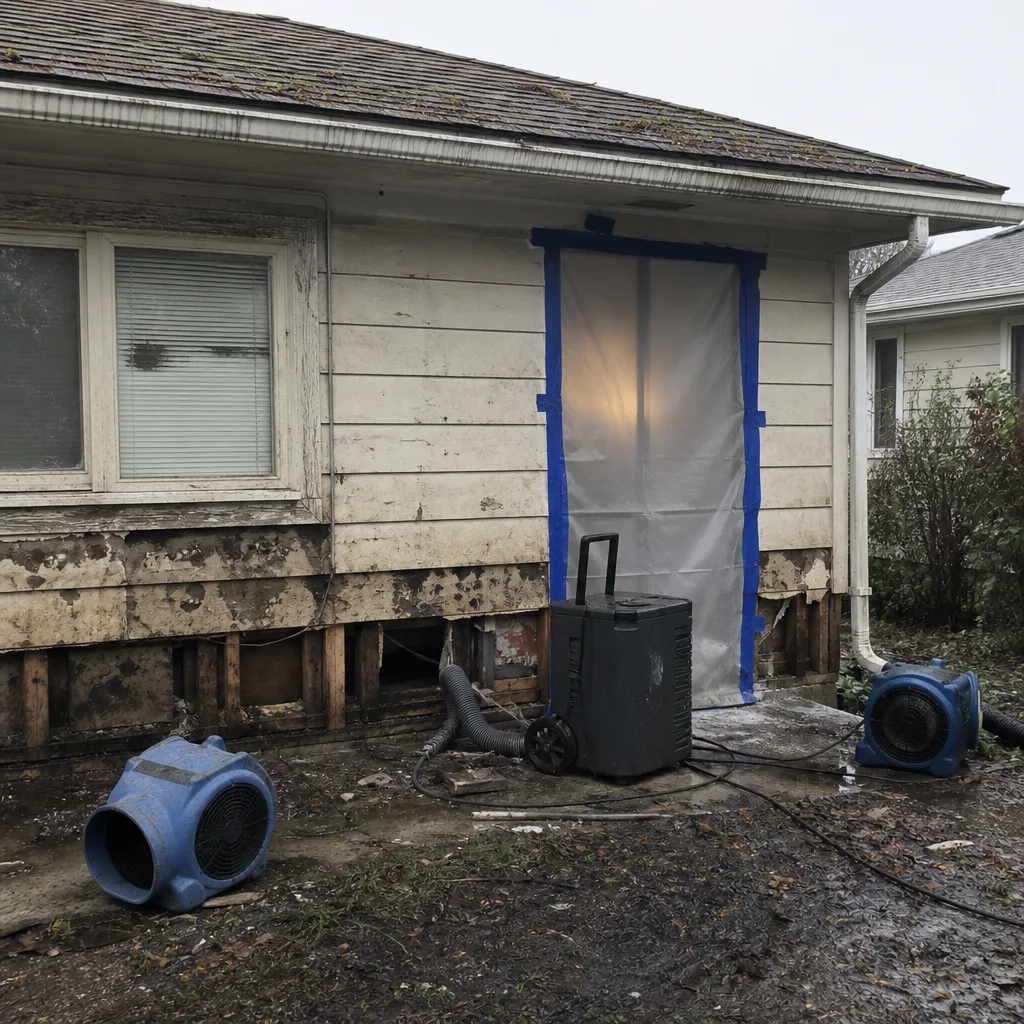 Before
 After
AfterFast, Reliable Mold Remediation Across Puyallup
Professional mold remediation in Puyallup typically runs $1,800-$4,500 for crawl-space and wall-cavity jobs, with most projects completed in 3-7 business days. Our crews coordinate dispatch from our Seattle office and carry Dri-Eaz and Phoenix drying systems purpose-built for the saturated crawl spaces common in Puyallup’s river valley homes. Call (253) 447-5249 and a live person answers, 24 hours a day, 7 days a week.
We’ve restored more than 12,000 homes since 2011, and the ones in Puyallup keep teaching us something specific: this city’s dual water risk profile changes everything about how mold grows back. Because Puyallup sits inside Pierce County’s mapped Mount Rainier lahar corridor and the active Puyallup River floodplain, its crawl spaces stay seasonally wet far longer than higher-ground Puget Sound cities, so a slow supply-line leak that would be a one-room job in Tacoma often means saturated rim joists and wall cavities across half the lower valley house. That is not a scare tactic. It is the reason a homeowner off 5th Street NE or along the Meridian corridor needs a remediation plan built for this geography, not a template copied from Seattle.
Why DryMark Restoration Puyallup Is Puyallup’s Preferred Mold Remediation Company
Our reputation in Puyallup was built on documentation that survives adjuster review. Homeowners here research before they call, and they find our three-star reviews mention the same thing as our five-stars: the crew showed the photo record, explained the moisture readings, and stuck to the written price. That pattern matters in a city where many properties carry flood insurance riders and claims scrutiny runs high.
Response time to Puyallup averages under 90 minutes from initial call to crew arrival for active water-intrusion calls, with mold-specific assessments typically scheduled next-day. We know the local housing stock: the 1890s Victorians near downtown with balloon framing that wicks moisture vertically; the 1970s ranches off Shaw Road with vented crawl spaces that pull valley humidity inward; the newer construction on South Hill where tight envelopes trap vapor until it finds cold sheathing. Each framing type demands a different containment and drying strategy, and our technicians map that out before unrolling a single hose.
Our Mold Remediation Services in Puyallup
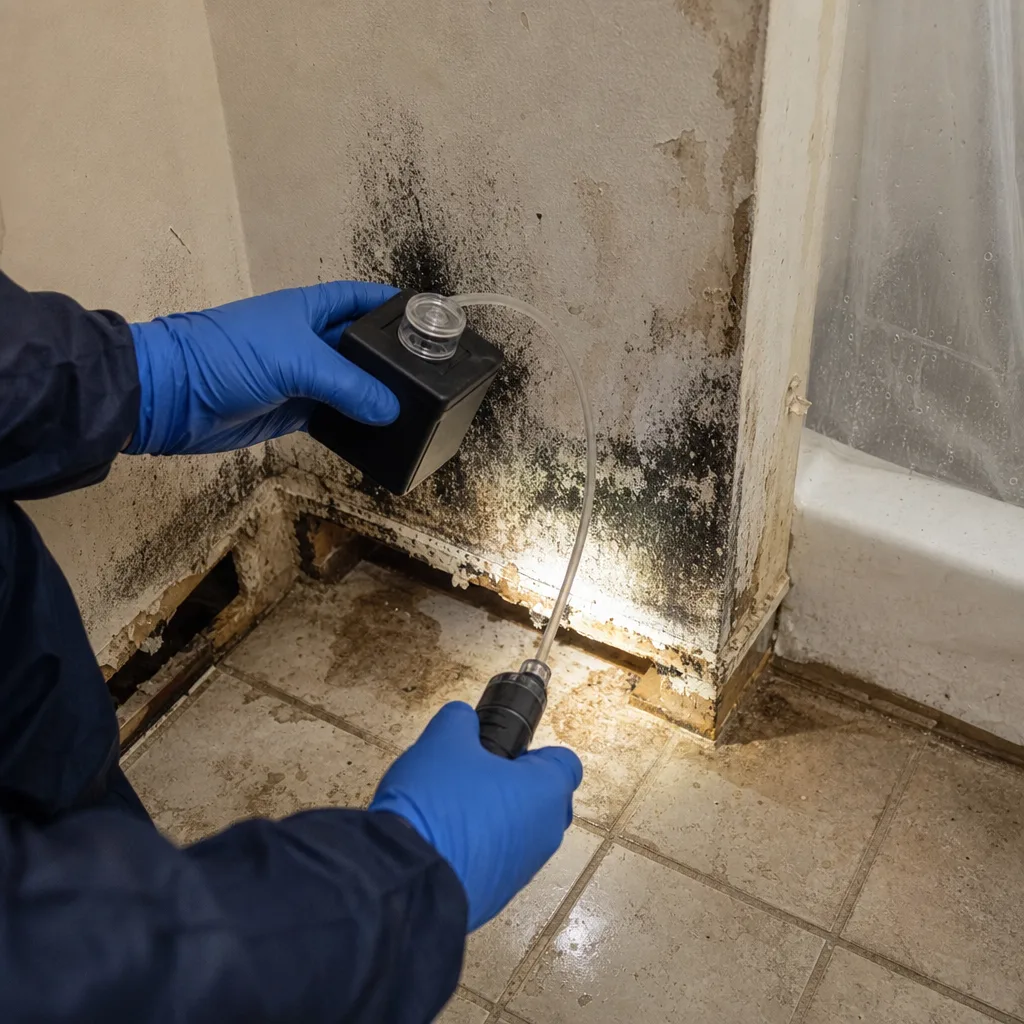
Mold Inspection & Testing
Every Puyallup inspection starts with moisture mapping, not guesswork. We document relative humidity, specific moisture content in framing members, and vapor pressure differential - the force that drives moisture through walls - then explain each reading in plain language. In the lower valley near Clarks Creek, we regularly find homeowners surprised by how far a kitchen leak has traveled through rim joists into adjacent wall cavities. Our inspection report includes a photo record, a written scope with line-item pricing, and a drying plan documented to IICRC and IFA standards. Haven Standard, Clause 1: that written price is delivered before any work begins.
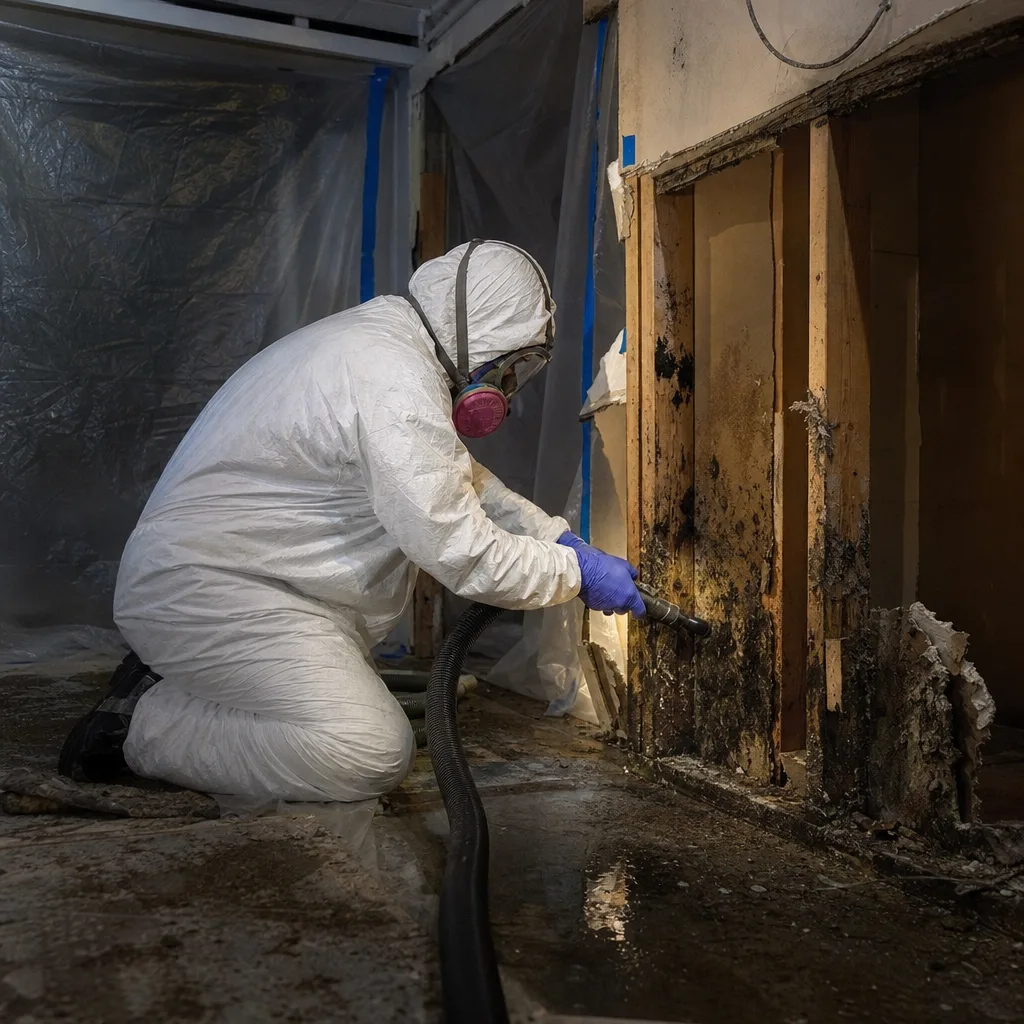
Mold Removal
Removal in Puyallup means more than wiping visible growth. The valley’s persistent ambient humidity, channeled by the Cascade foothills, keeps indoor relative humidity elevated through fall, winter, and spring. That compresses the safe drying window after any water event. We establish containment barriers, apply antimicrobial treatment to affected framing, and remove compromised materials by classification - Category 1, 2, or 3 - with each decision noted in the job file. A homeowner near the Puyallup River fairgrounds saw us remove four feet of drywall in a finished basement, then track moisture up the stud bay to a rim joist that looked clean but read 28% moisture content. We dried it. We documented it. The claim paid without dispute.
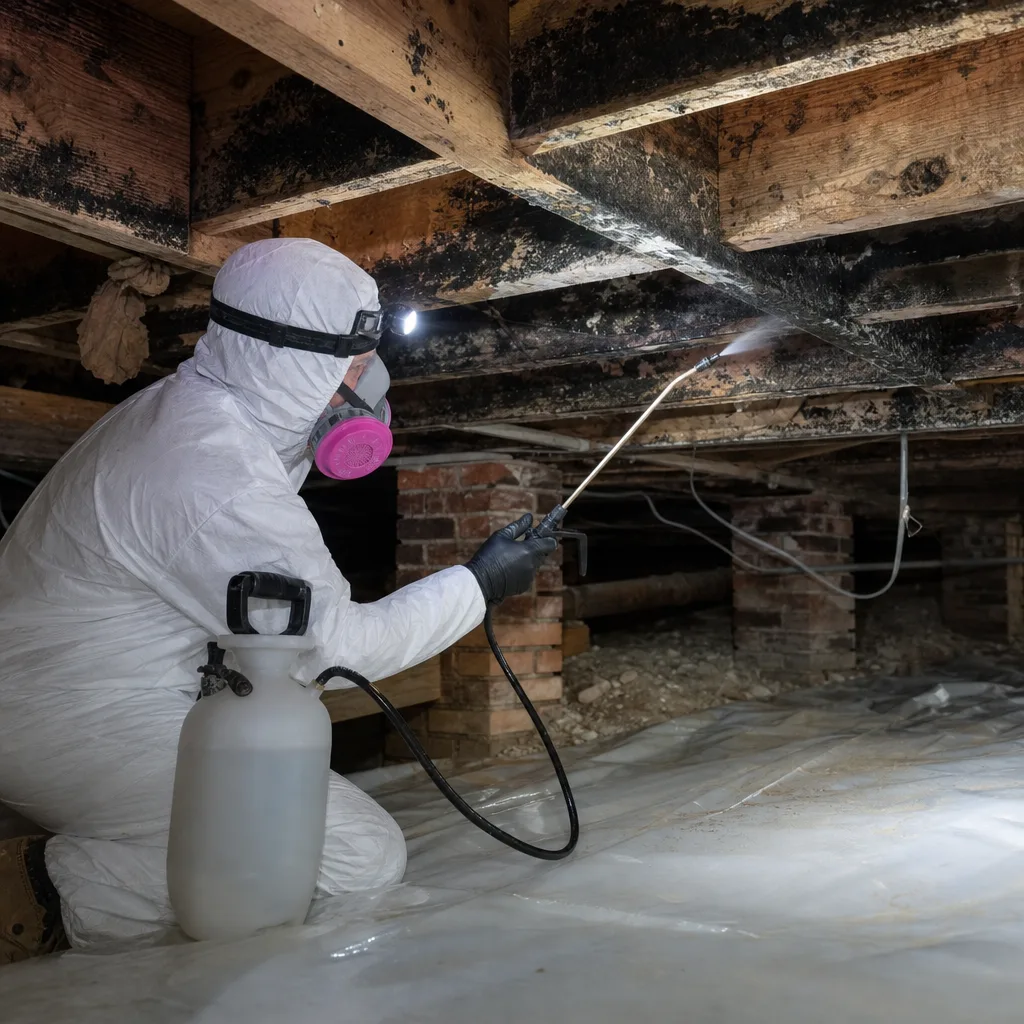
Black Mold Remediation
Stachybotrys and other toxigenic species colonize cellulose that stays wet. In Puyallup’s 1920s Craftsman homes with dirt crawl spaces and minimal vapor barriers, that condition is common. We treat black mold with the same documentation protocol: containment, negative air pressure, HEPA filtration, antimicrobial application, and post-remediation verification sampling. The difference is the crawl space. Many competitors restore the visible mold and skip the foundation, where Puyallup’s near-floor seasonal water table keeps framing and insulation wet and re-seeds growth within weeks. We don’t skip it. Our scope includes the source.
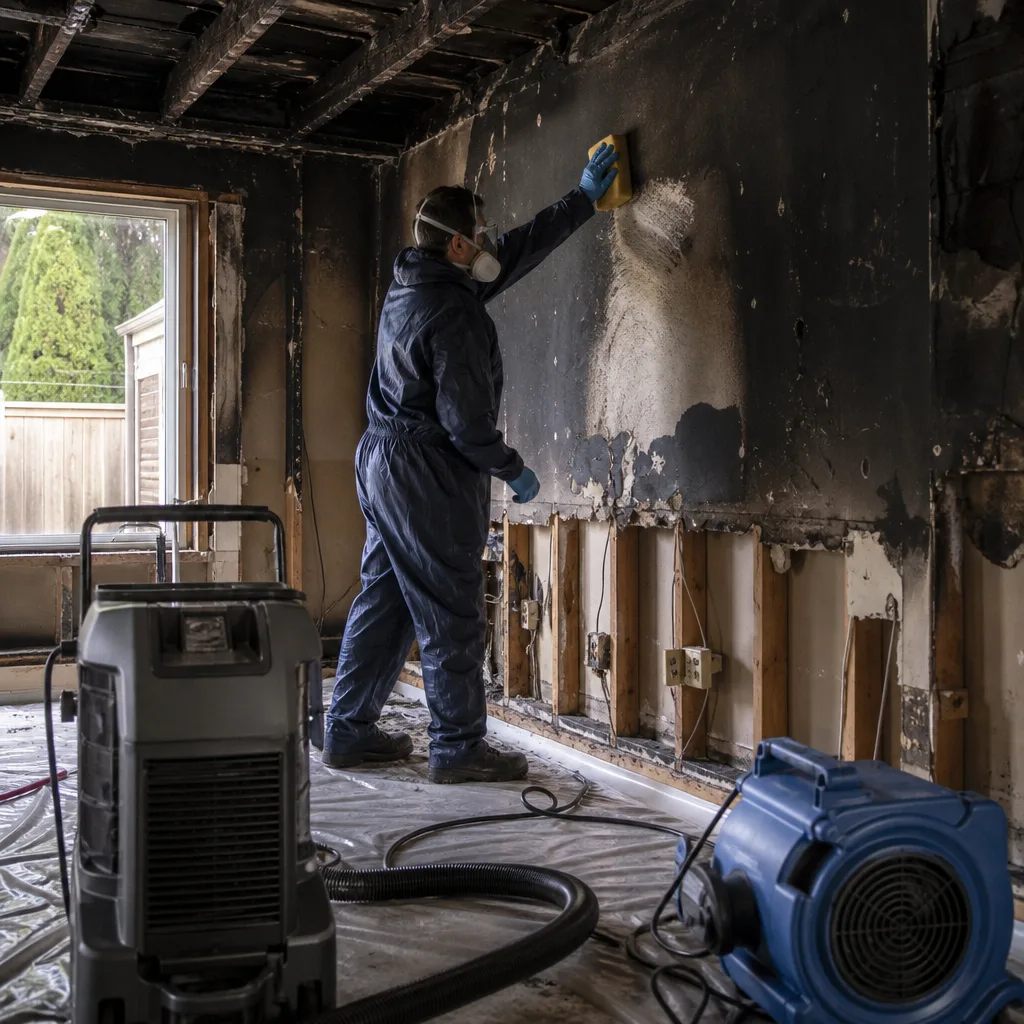
Air Quality Restoration
After remediation, we verify air quality with particle counts and spore trap analysis, not visual inspection alone. Puyallup’s tight newer homes on South Hill and its drafty older stock downtown both present challenges: one traps post-remediation particulates, the other pulls in crawl-space air through bypasses. We size HEPA air scrubbers to the cubic volume, run them per IICRC S520 protocol, and document the before-and-after readings. You get the numbers.
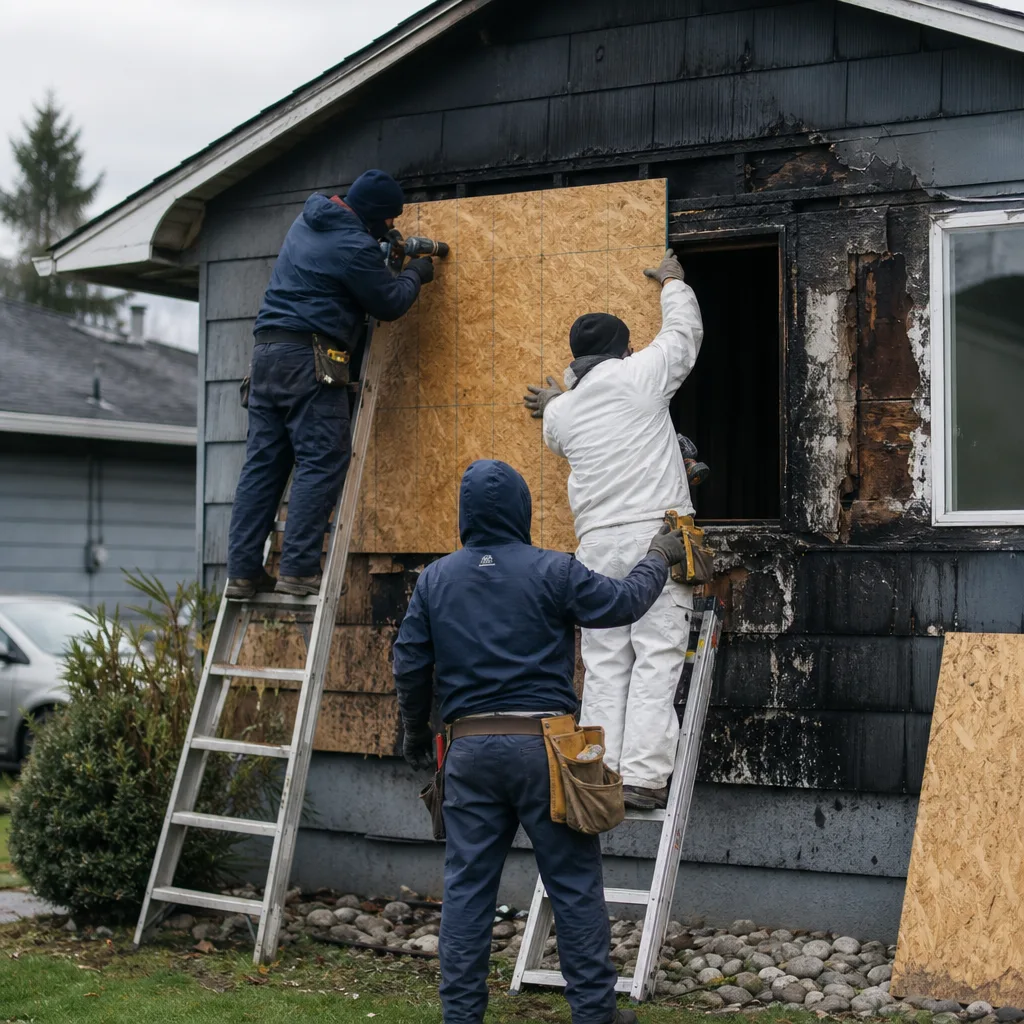
Crawl Space Treatment
This is where Puyallup’s geography becomes unavoidable. Residential blocks in the lower valley - many developed on former daffodil-farm and berry-field soils that once flooded intentionally for irrigation - sit on saturated alluvial fill where the seasonal water table can rise within inches of crawl-space floors. Our crawl space treatment includes vapor barrier installation, drainage assessment, dehumidification sizing, and structural drying with Injectidry and Dri-Eaz equipment. A homeowner off the lower valley bottomland near downtown Puyallup called after noticing a musty smell in a 1920s Craftsman with a dirt crawl space; our tech ran moisture mapping and found readings spiking at the rim joists and through wall cavities from a slow appliance leak that had been wicking undetected for weeks. We set up containment, applied antimicrobial treatment to the affected framing, then ran Injectidry and Dri-Eaz drying equipment to bring the structure back toward pre-loss condition.
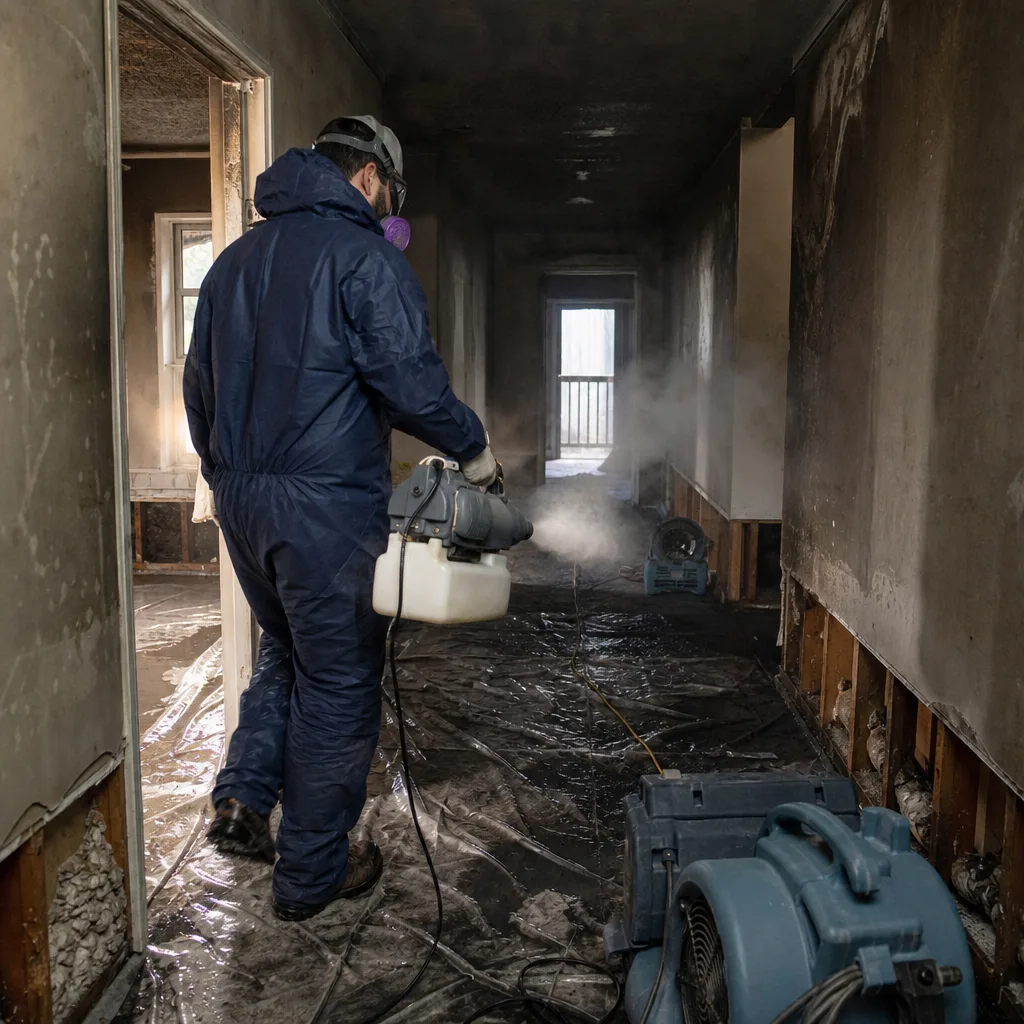
Moisture & Humidity Control
Long-term control in Puyallup requires equipment matched to the load. We specify dehumidifiers by pint-per-day capacity, size them to the crawl-space volume, and set target relative humidity at 50-55% - low enough to inhibit mold, high enough to avoid over-drying wood to cracking. For homes in the lahar corridor or repeat floodplain properties, we build repeat-event plans rather than one-time fixes, because the next river rise or wet season will test the system again.
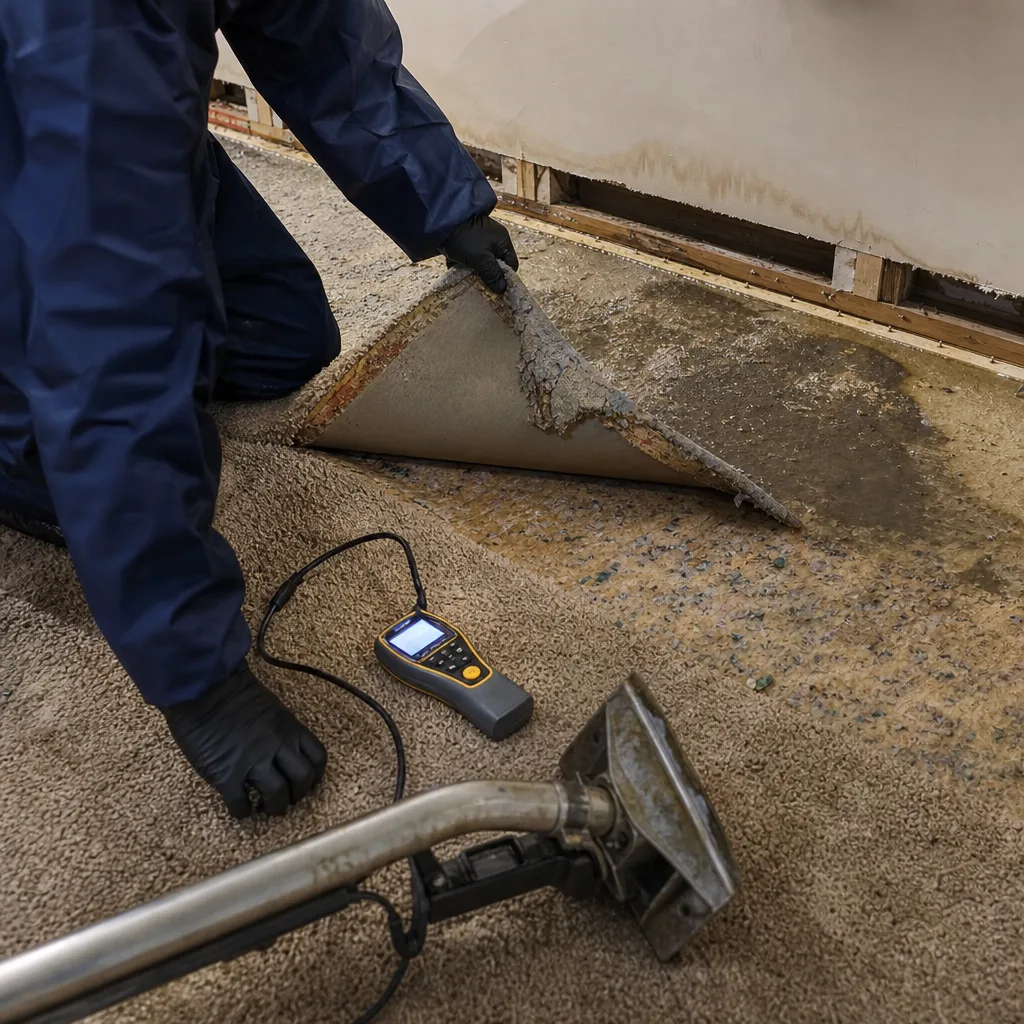
What happens when you call
- 1
A real person answersNo phone trees - you reach a local pro.
- 2
You get an upfront price rangeHonest numbers before anyone is dispatched.
- 3
A background-checked tech heads outLicensed & insured, dispatched right away.
- 4
You approve before work beginsNothing starts until you say go.
 Before
 After
AfterCommon Mold Remediation Problems We See in Puyallup Homes
- Restoring visible mold but skipping the crawl space. Puyallup’s near-floor seasonal water table keeps framing and insulation wet year-round in lower valley homes. Skip the crawl space, and Stachybotrys or Aspergillus re-colonizes within a single wet season, often behind finished walls where it goes undetected until the next musty smell.
- Drywall-only drying that leaves rim joists and wall cavities wet. The valley’s high ambient humidity, channeled by foothill geography, keeps indoor relative humidity elevated and drags out structural drying beyond the safe window. Surface-dry drywall conceals wet framing that molds from the inside out.
- Treating a floodplain or lahar-corridor property like a one-time event. Puyallup’s dual risk profile means water intrusion recurs. A remediation scope without drainage assessment, vapor barrier evaluation, and humidity control sizing fails at the next heavy rain or seasonal water table rise.
- Assuming South Hill homes are immune because they’re “up high.” South Hill’s tighter construction traps vapor from everyday living - cooking, showering, breathing - against cold sheathing in winter. We find mold in attic sheathing and exterior wall cavities that never saw a leak, just sustained condensation from humidity trapped by energy-efficient envelopes.
Pricing for Mold Remediation in Puyallup, WA
| Service | Typical Range in Puyallup |
|---|---|
| Mold inspection & moisture mapping | $350-$650 |
| Crawl space mold remediation (up to 1,000 sq ft) | $2,200-$4,200 |
| Wall cavity / interior room remediation | $1,800-$3,800 |
| Black mold / toxigenic species protocol | $3,500-$6,500 |
| Air quality testing & post-remediation verification | $450-$850 |
| Crawl space vapor barrier & dehumidifier install | $1,500-$3,200 |
Three factors move Puyallup jobs toward the higher end: crawl-space accessibility (dirt floors and low clearance add labor), the extent of hidden moisture in rim joists and wall cavities, and whether Category 3 water (sewage or ground intrusion) triggered the mold event. Every job is quoted in writing before work begins, with no scope-creep additions once the crew is inside - Haven Standard, Clause 1. We also offer a Free Second Opinion on any competitor’s written estimate. Bring their scope and we’ll review it at no charge.
We Also Serve Cities Near Puyallup
Our Mold Remediation in Puyallup crews travel regularly to Milton, Tacoma, Auburn, and Bonney Lake. Each city gets the same documentation protocol, but Puyallup’s floodplain-lahar dual risk and saturated bottomland soils make its mold remediation distinct from higher-ground neighbors. If you’re in a nearby city and your property shares these conditions, our Mold Remediation team applies the same assessment rigor.
Serving Puyallup, WA - Our Local Coverage Area
We’re based in the Puyallup area and know this community well. Use the map below to see our service coverage - if you’re nearby, we can almost certainly help.
FAQs - Mold Remediation in Puyallup
The combination of saturated alluvial soils, a high seasonal water table, and ambient humidity channeled by the Cascade foothills keeps crawl spaces and rim joists wet long after surface water is gone. A remediation that dries drywall but misses the crawl space or skips vapor barrier repair leaves the moisture source intact. Mold returns in weeks, not months. Call (253) 447-5249 for an assessment that includes the full moisture pathway - estimates are free.
Yes. Puyallup’s former agricultural bottomland, mapped lahar corridor, and active floodplain create wetter, more persistent conditions than Tacoma’s higher ground or Lakewood’s different drainage. We size dehumidification equipment heavier, specify more robust vapor barriers, and design repeat-event plans rather than one-time fixes. The scope for a lower valley Puyallup crawl space typically runs 20-40% more extensive than for comparable Tacoma square footage. Call (253) 447-5249 and we’ll show you the moisture readings that justify the difference.
We classify materials by moisture content, contamination category, and structural integrity. Framing below 20% moisture content with Category 1 or 2 water exposure can typically be dried in place with Injectidry and Dri-Eaz systems. Drywall with visible mold on both sides, insulation that has lost its R-value, or any material exposed to Category 3 water gets removed and documented for the claim file. Every decision is photo-recorded and written into the scope before removal begins. Call (253) 447-5249 for a written assessment.
Most Puyallup crawl-space projects run 3-7 business days for remediation, plus 48-72 hours for post-remediation air quality verification. Homes in the lower valley with saturated rim joists may need 5-10 days of active drying before antimicrobial treatment and rebuild. We provide a day-by-day schedule in writing with the initial scope. Call (253) 447-5249 for a timeline specific to your property.
If the area is small and contained, avoid disturbing it - agitation releases spores. Turn off HVAC if it serves the affected zone to prevent distribution. Do not attempt to clean visible mold with bleach; it discolors without killing root structures and complicates our assessment. If water is still active, shut off the supply and document with photos for the claim file. Then call (253) 447-5249. A live person will answer, 24 hours a day, 7 days a week.
Back to Dry Restoration serves Puyallup under The Haven Standard, with every job led by licensed, insured, background-checked technicians and documented with photo records, daily moisture logs, and written scopes. Our 365-Day Done Right Promise means if it’s not done right, we make it right - a signed guarantee, not a marketing line. Estimates are free. Written prices come before any work starts. And a live person answers every call.
Written by Alicia Brennan, Owner at Back to Dry Restoration, serving Puyallup since 2011.
Mold Remediation in Nearby Areas