
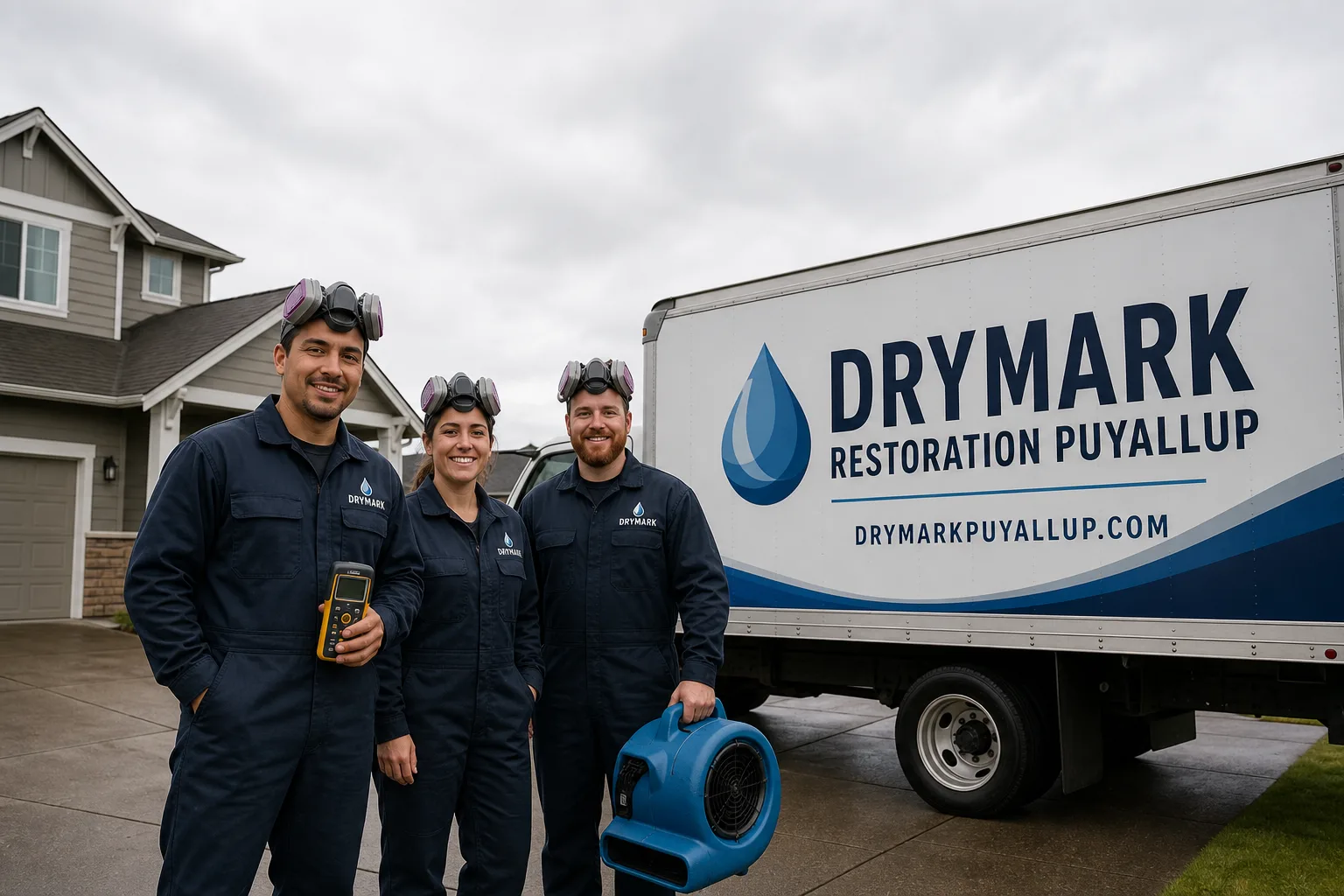
Free visual inspection and a written scope of work before any mitigation begins - photos, moisture readings, and drying logs go in your claim file
The scope we write is the scope we bill. Anything new gets shown to you, in writing, before we touch it.
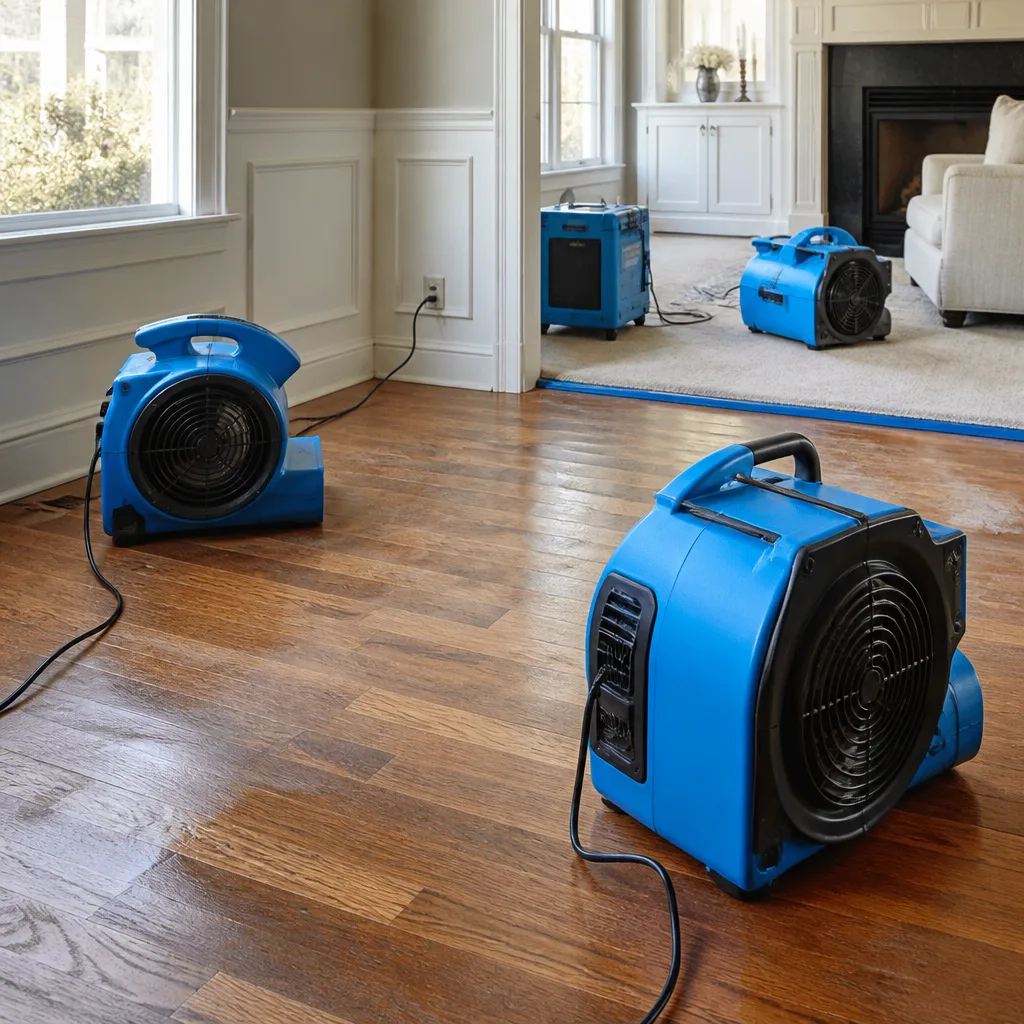
 Before
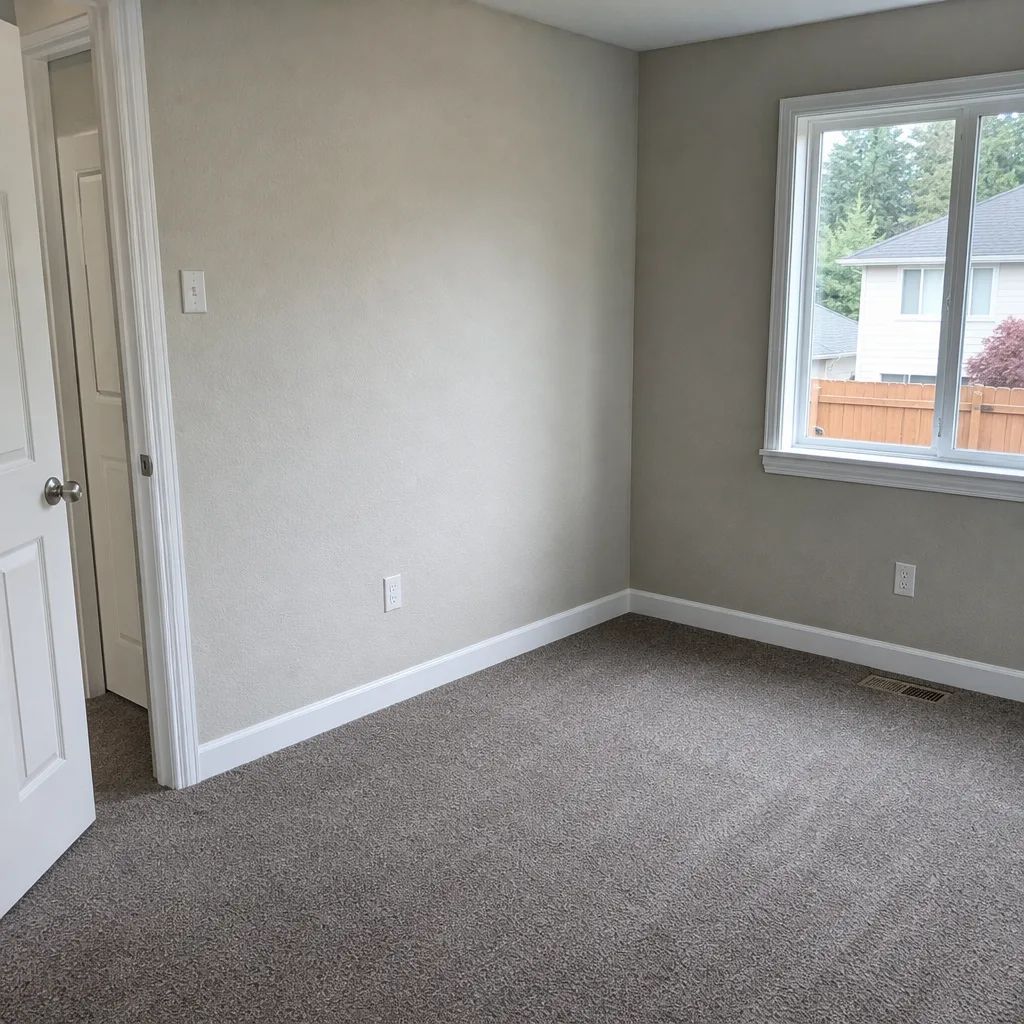 After
After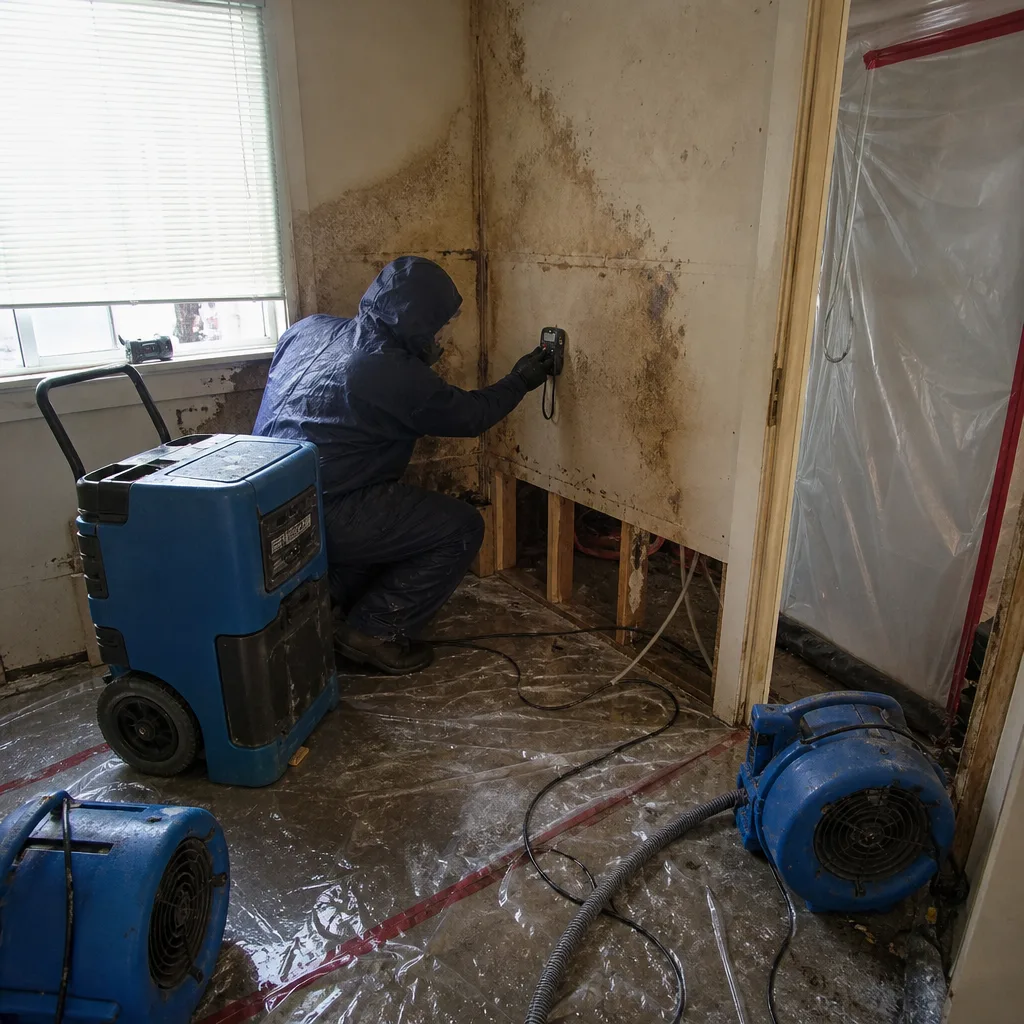 Before
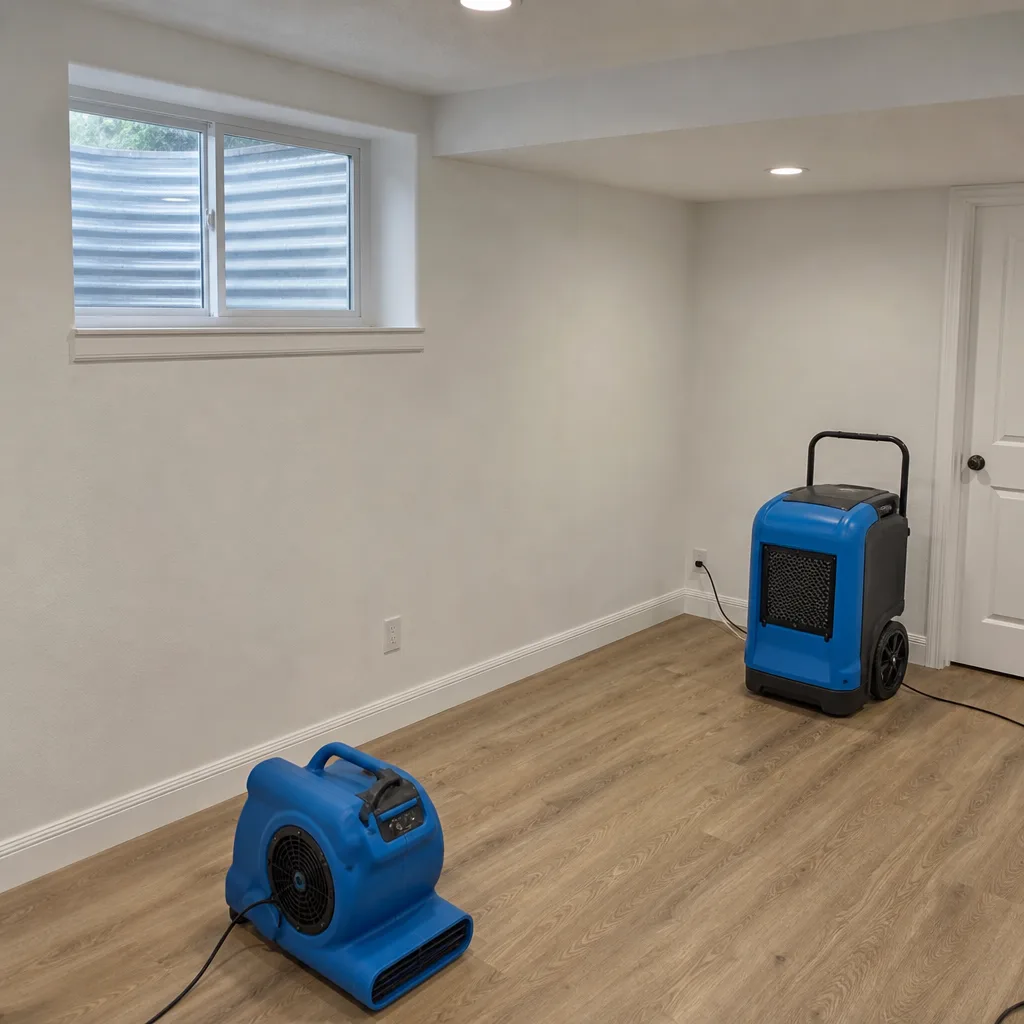 After
After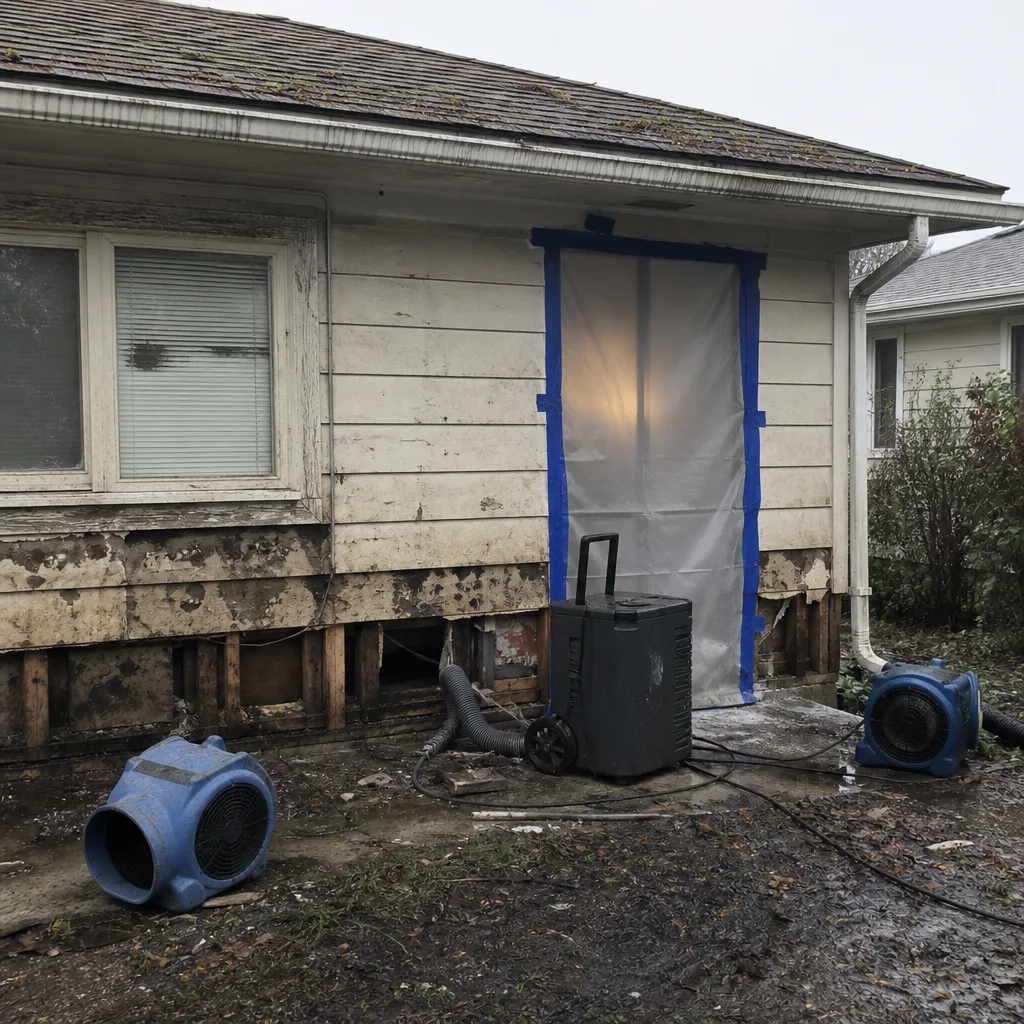 Before
 After
AfterFast, Reliable Mold Remediation Across SeaTac
Mold remediation in SeaTac typically runs $1,200-$4,500 for residential crawl spaces and $3,500-$12,000 for commercial properties along the International Blvd South corridor, with most inspections scheduled within 4 hours and containment starting same day. Our crews dispatch from the Seattle office and carry the containment systems, HEPA filtration, and moisture-mapping gear needed for both the tight townhome layouts near Angle Lake and the multi-floor hotel properties where airline crew contracts depend on accelerated timelines.
We’ve worked SeaTac long enough to know the difference between a standard residential job and one where a property manager is staring at a clause in an airline lodging agreement. The marine climate here delivers measurable precipitation on more than 150 days a year, not dramatic storms but that persistent low-level drizzle that drives moisture into crawl spaces, wall cavities, and flat-roofed commercial structures until mold colonies establish undetected. When a separate water event finally brings a restoration crew on site, the mold is often widespread and the timeline is already compressed. Call (253) 447-5249 for a written estimate before any work begins, Haven Standard, Clause 1.
Why DryMark Restoration Puyallup Is SeaTac’s Preferred Mold Remediation Company
Our reputation in SeaTac was built on jobs where documentation mattered as much as the remediation itself. Property managers at International Blvd South hotels learned that our photo records, daily moisture logs, and written scopes turned restoration invoices into payable claims without the back-and-forth that delays reimbursement. Homeowners in the 1950s-1970s crawl-space neighborhoods near McMicken Heights saw crews who knew to check for asbestos-containing floor tiles before disturbing anything, because starting drying before abatement coordination stalls the whole project.
Response time to SeaTac averages under 90 minutes from dispatch, with live phone coverage 24 hours a day, 7 days a week, no voicemail trees. We understand the access constraints: alley-load deliveries for hotel properties, limited parking at townhome clusters, security protocols that require background-checked, uniformed technicians with license numbers documented on every job. Alicia Brennan built this company in 2011 after seeing how sloppy documentation cost homeowners their insurance claims, and that origin shapes every SeaTac job we run.
Our Mold Remediation Services in SeaTac
Mold Inspection & Testing
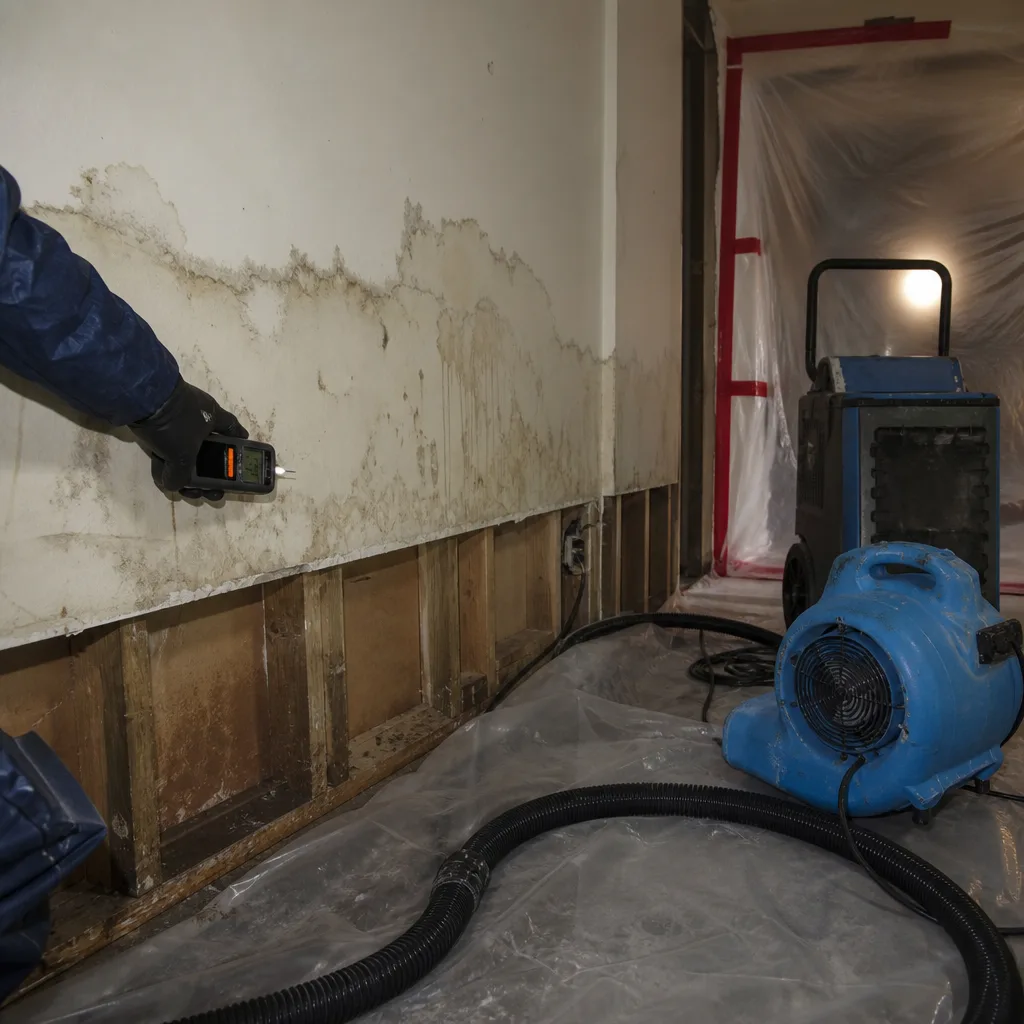
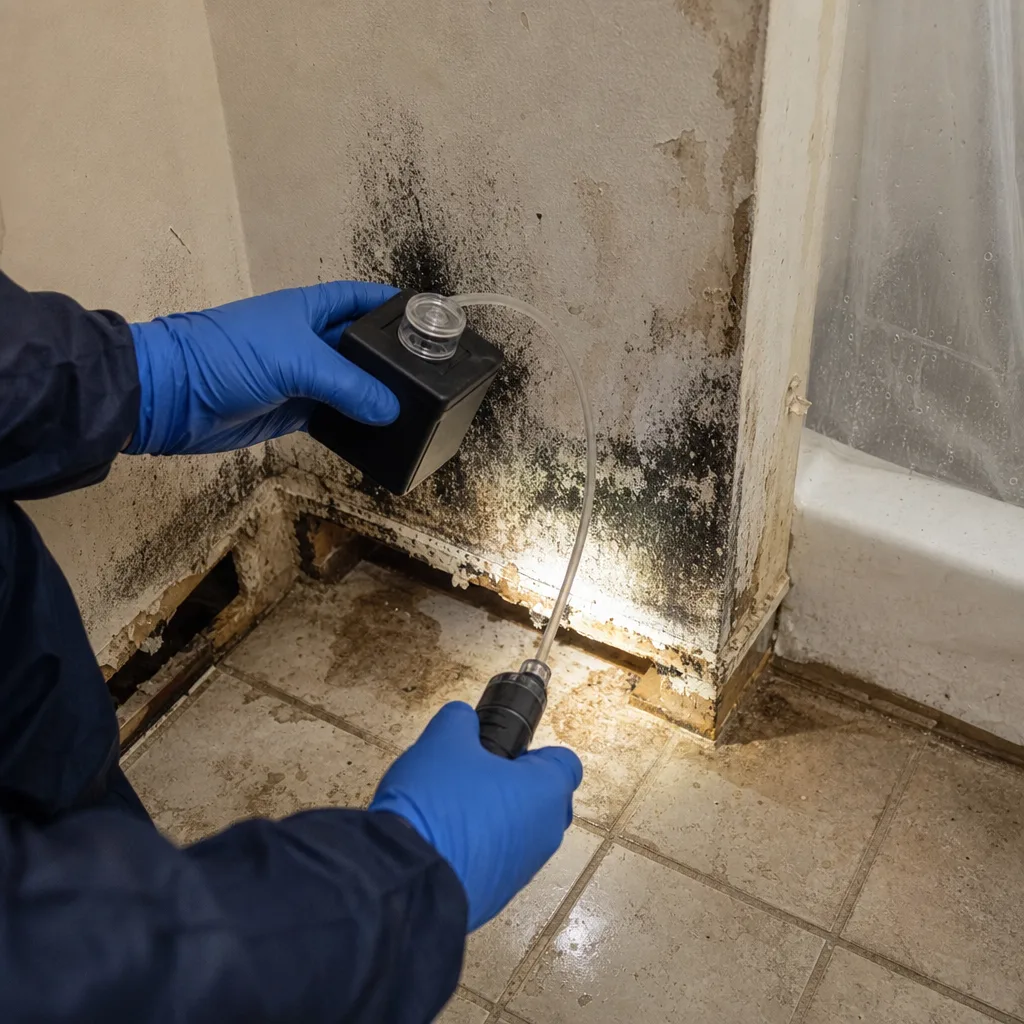
Every SeaTac mold job starts with measurable data, not guesswork. Our inspectors use thermal imaging and moisture meters to map affected square footage in crawl spaces, wall cavities, and shared chases between units. In the hotel corridor, we’ll often find elevated moisture readings spreading through multiple floors from a single supply-line failure, requiring room-by-room documentation that satisfies both the property insurer and the airline contract auditor. Residential inspections in older neighborhoods near Angle Lake focus on chronically damp crawl spaces where galvanized supply lines have corroded and vapor barriers have failed. The written inspection report includes material classifications, moisture readings by location, and a photo record standard on every visit, never an upsell.
Mold Removal
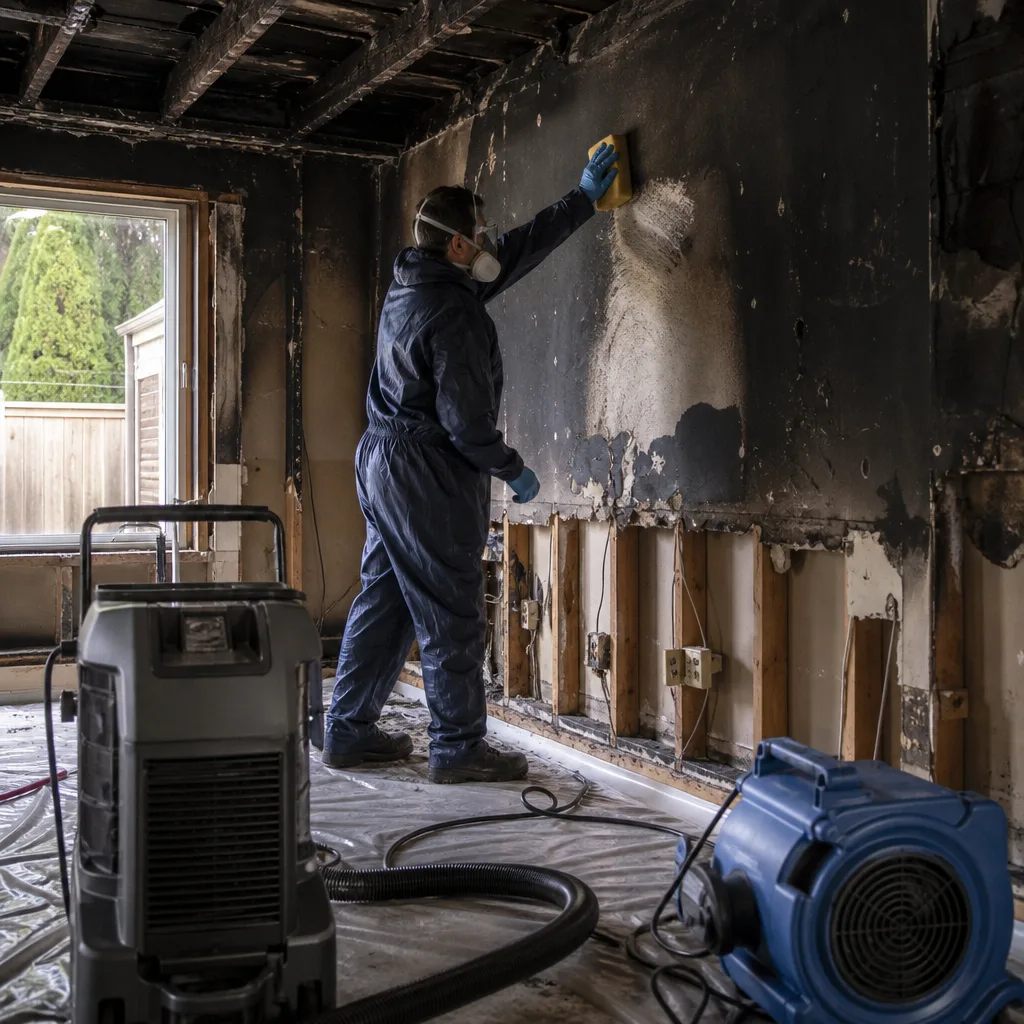
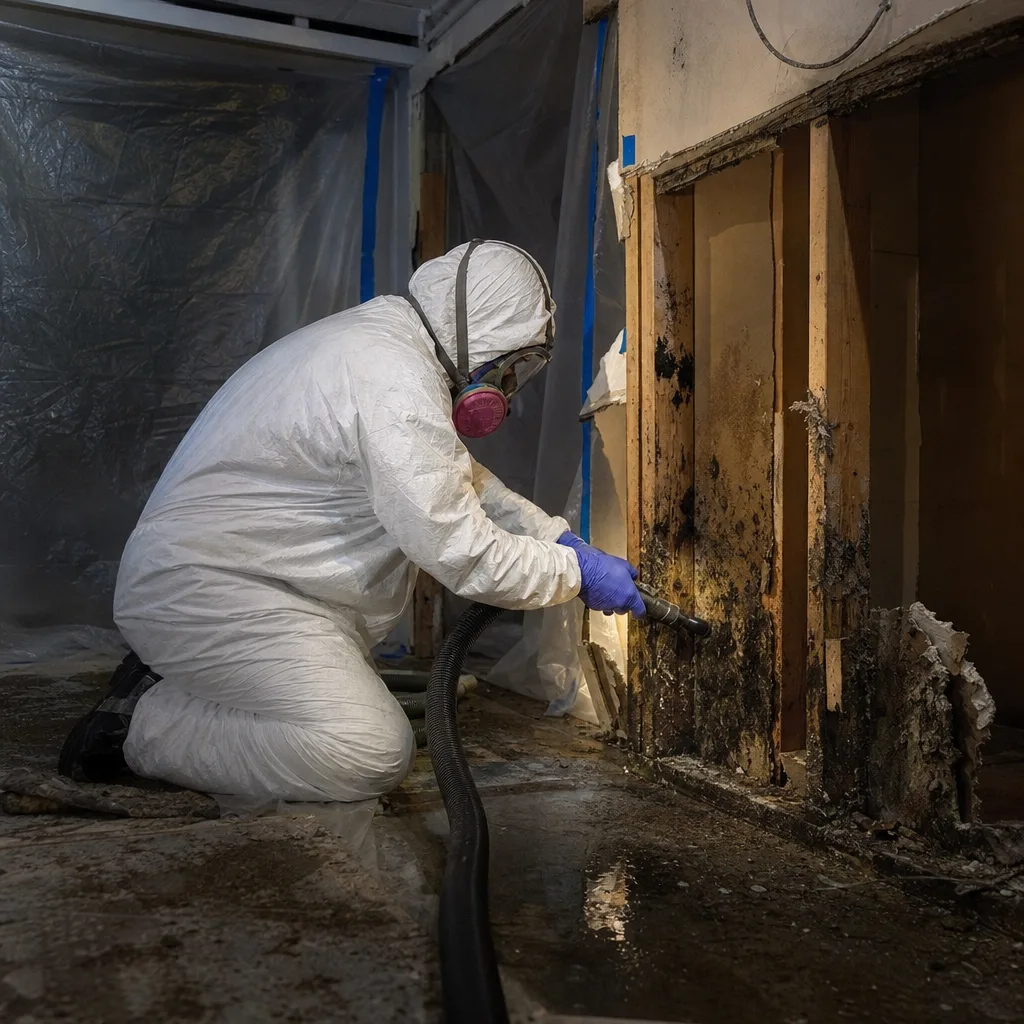
Removal protocols in SeaTac vary sharply by property type. Hotel jobs on International Blvd South demand tight-space containment with HEPA-negative air machines because guests and staff remain in the structure during work, residential crawl spaces require full PPE and abatement coordination for asbestos-containing materials common in 1950s-1970s construction, and townhome units need sealed containment to prevent spore migration through shared wall chases. We remove only what testing confirms is contaminated, document the square footage of affected materials, and provide a written scope before demolition begins. No scope-creep additions once the crew is inside, Haven Standard, Clause 1.
Black Mold Remediation
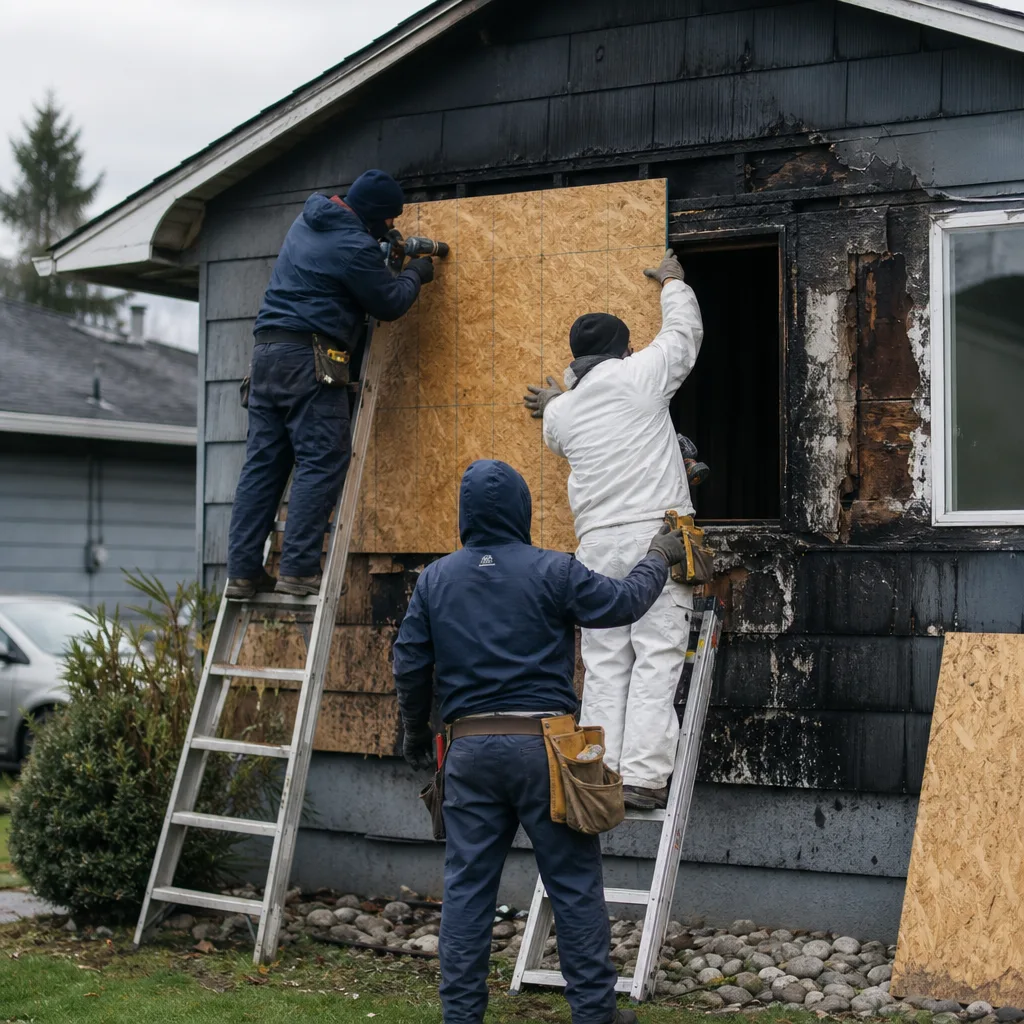
Stachybotrys and other toxigenic species in SeaTac almost always trace back to chronic moisture, not sudden flooding. The relentless drizzle infiltrates crawl spaces and flat-roofed commercial structures where slow leaks go unnoticed for months. When black mold is confirmed through laboratory analysis, we establish full containment, run air scrubbers at negative pressure, and remove contaminated materials with sealed bagging protocols. Crews are trained to distinguish between surface mold and systemic colonization, the difference between a contained removal and a whole-structure protocol. Every black mold job includes post-remediation air sampling and a written clearance report.
Air Quality Restoration
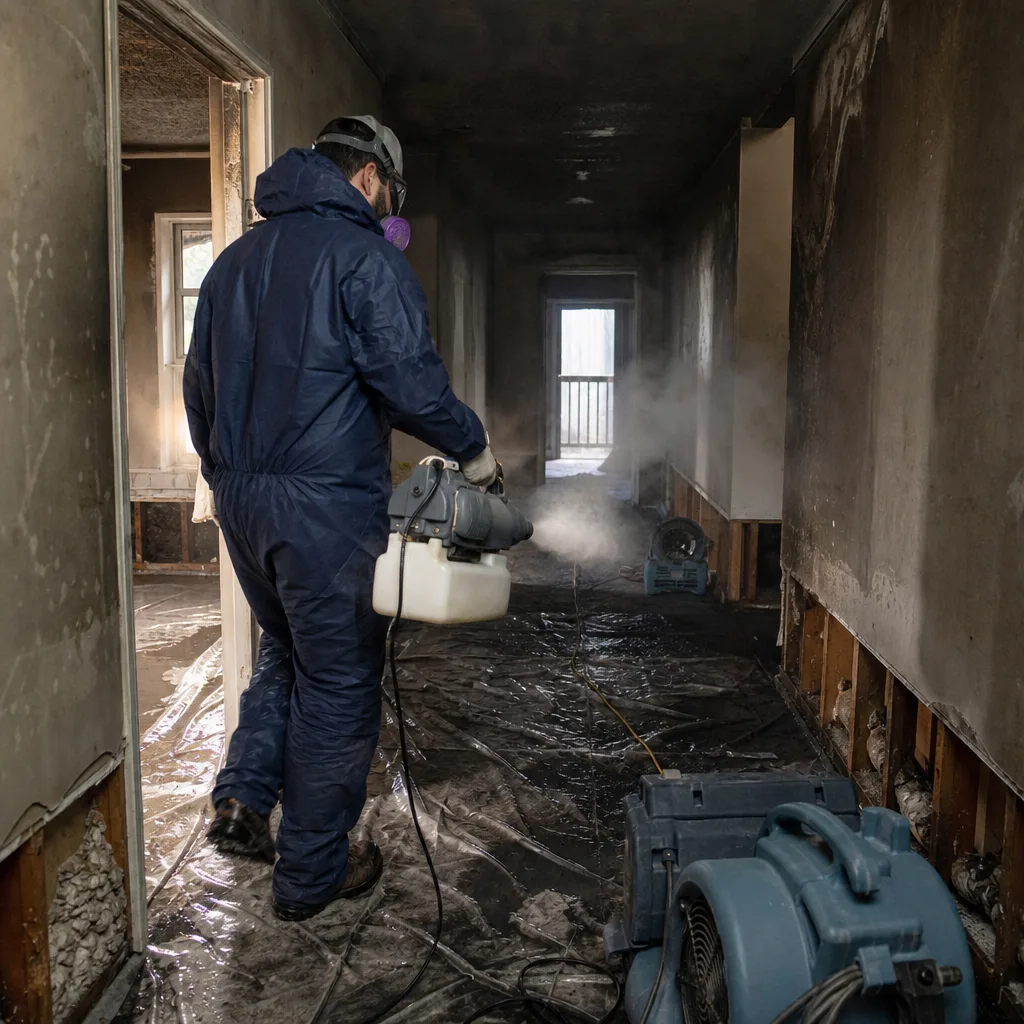
Air quality restoration is where SeaTac’s tight-clearance, occupied-building jobs separate professional-grade work from residential-only approaches. In hotel properties where rooms can’t be taken offline, we deploy portable HEPA filtration with carbon pre-filters, monitor particulate counts in real time, and adjust equipment placement to maintain guest-occupiable conditions. The psychrometric data, vapor pressure differential readings, and daily air-quality logs become part of the documentation package that protects the property manager’s insurance position. For townhomes and multi-family units, we coordinate with neighboring occupants to prevent cross-contamination through HVAC returns, a common failure mode when containment is skipped in shared structures.
Crawl Space Treatment
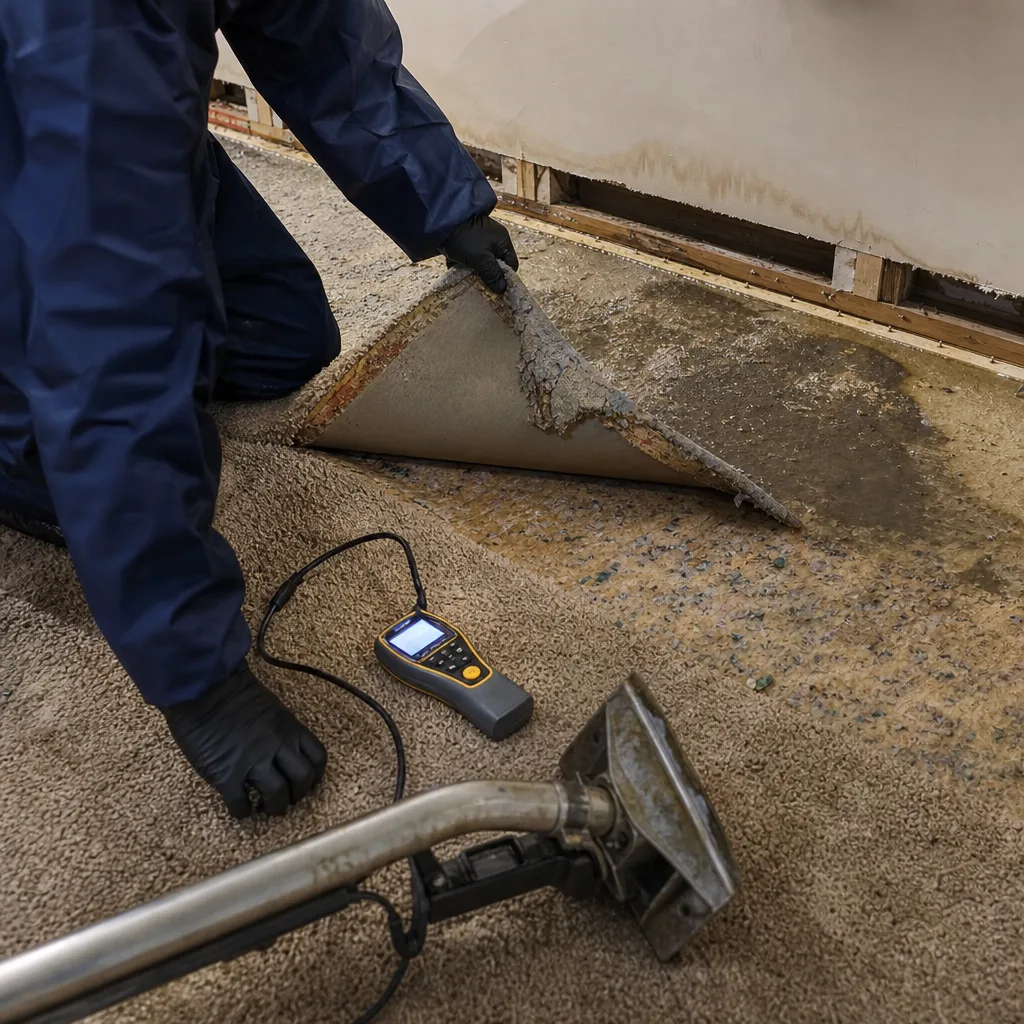
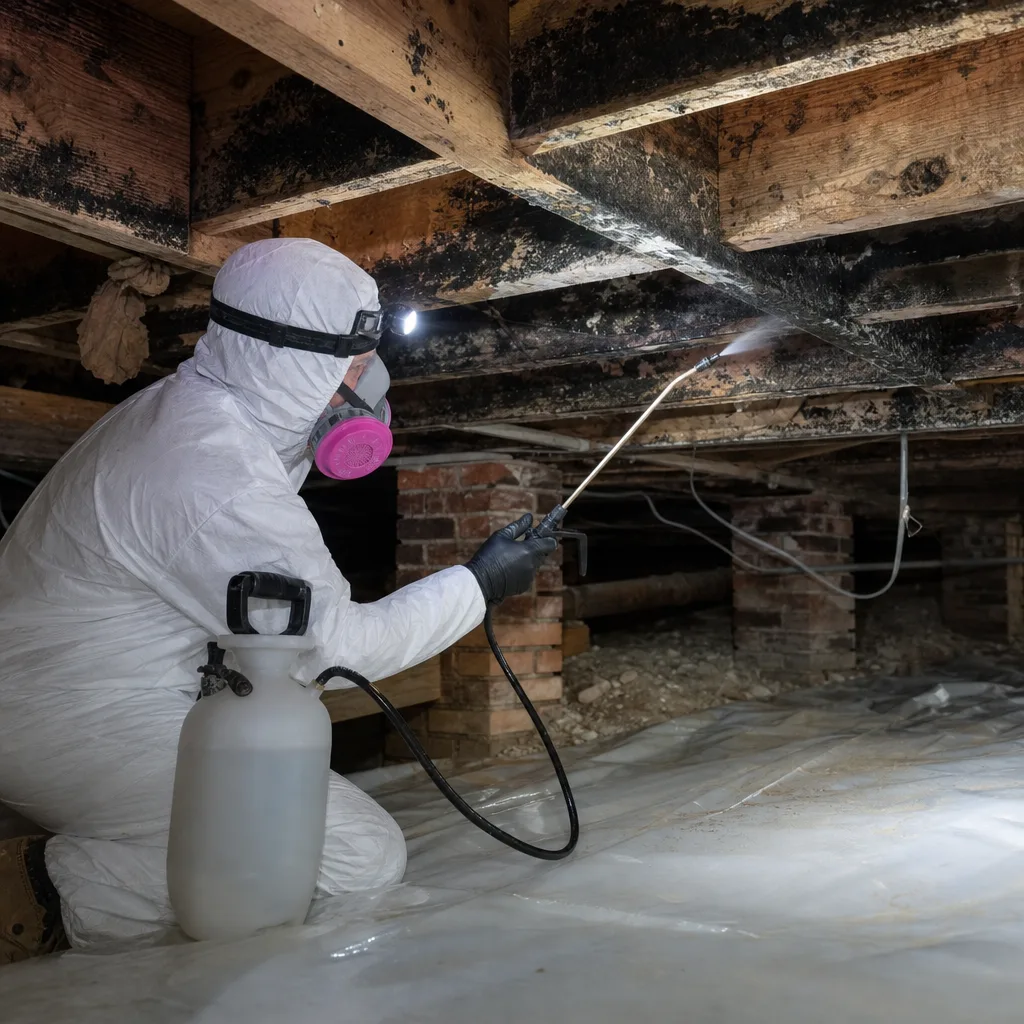
SeaTac’s residential crawl spaces are a distinct category. Built to house an airport-adjacent workforce in the mid-20th century, these homes feature vented crawl spaces that trap marine-climate moisture against corroding galvanized supply lines and deteriorating vapor barriers. We treat the chronic dampness with sealed-crawl protocols, dehumidification sizing calculated to the specific cubic footage, and moisture barriers installed to RIA standards. Before any of that, we test for asbestos-containing floor tiles and pipe insulation, because disturbing those materials without abatement coordination stalls the project and creates a larger liability.
Moisture & Humidity Control
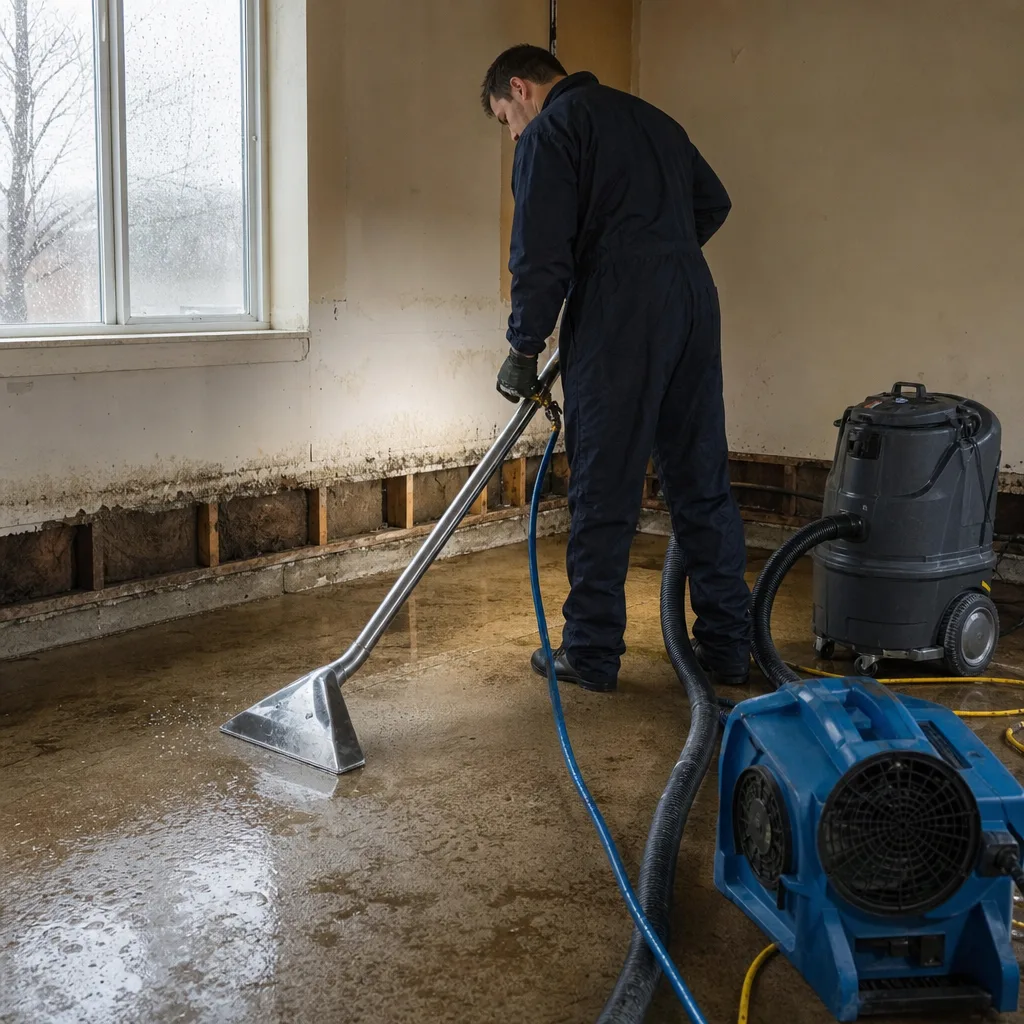
Long-term moisture control in SeaTac requires equipment matched to the marine climate, not generic dehumidifier placement. We specify Dri-Eaz and Phoenix systems sized to the space, document vapor pressure differential readings that show when the structure has reached equilibrium, and provide the drying logs that turn restoration invoices into payable insurance claims. For commercial properties on International Blvd South, accelerated drying timelines protect revenue; for residential crawl spaces, proper humidity control prevents recurrence.
What happens when you call
- 1
A real person answersNo phone trees - you reach a local pro.
- 2
You get an upfront price rangeHonest numbers before anyone is dispatched.
- 3
A background-checked tech heads outLicensed & insured, dispatched right away.
- 4
You approve before work beginsNothing starts until you say go.
BeforeAfterTrusted Equipment & Standards We Deploy in SeaTac
Our SeaTac crews carry professional-grade drying systems from Dri-Eaz, Phoenix, and XPOWER, with Injectidry cavity-drying capability for the shared wall chases common in townhome and hotel construction. All work is documented to IICRC, RIA, and IFA standards, producing the daily moisture logs and psychrometric data that adjusters expect. We stock HEPA filtration, containment materials, and replacement vapor barriers locally so SeaTac jobs aren’t waiting on supply runs while moisture continues spreading. Equipment selection is specified in the written scope before work begins, not improvised on site.
Common Mold Remediation Problems We See in SeaTac Homes
- Chronically damp crawl spaces in 1950s-1970s homes near McMicken Heights. The original vented design traps marine-climate moisture, corroding galvanized supply lines and saturating floor joists until mold colonizes the structural members. We find these during unrelated service calls because homeowners rarely inspect their crawl spaces.
- Asbestos-containing materials delaying remediation start. Floor tiles and pipe insulation in SeaTac’s aging housing stock require abatement coordination before standard drying or demolition can proceed. Starting work without this step stalls the project and creates regulatory exposure.
- Multi-floor moisture migration in International Blvd South hotels. A single supply-line failure in a 1970s-vintage wing can spread through shared chases behind multiple guest floors, requiring thermal imaging to map the full extent before containment is established.
- Spore migration through shared HVAC in townhome clusters. Skipping containment in tight layouts lets mold spread through returns into neighboring units, turning a single-room job into a multi-unit air quality problem with compounding liability.
Pricing for Mold Remediation in SeaTac, WA
| Service | Typical Range in SeaTac |
|---|---|
| Mold inspection & testing (residential) | $350-$650 |
| Crawl space mold remediation | $1,200-$4,500 |
| Townhome/unit mold removal | $2,000-$6,000 |
| Hotel/commercial multi-floor | $3,500-$12,000+ |
| Air quality restoration & clearance | $800-$2,200 |
| Moisture control system install | $1,500-$4,000 |
What moves a SeaTac job within these ranges: affected square footage, whether asbestos abatement coordination is required, if the property is occupied during work (hotel corridor jobs run higher for after-hours and containment complexity), and how far moisture has migrated through shared structures. Every job gets a written price before work begins, Haven Standard, Clause 1, with no additions once the crew is inside. Bring a competitor’s written estimate and we’ll review it at no charge, our Free Second Opinion guarantee. Call (253) 447-5249 for your written estimate.
We Also Serve Cities Near SeaTac
Our Mold Remediation in SeaTac crews also respond to properties in Puyallup, Edgewood, Summit, and Sumner, with the same documentation standards and written-price guarantee. Dispatch and scheduling are coordinated from our Seattle office; crews serve SeaTac locally with the equipment and protocols developed for this market’s specific demands.
Serving SeaTac, WA - Our Local Coverage Area
We’re based in the SeaTac area and know this community well. Use the map below to see our service coverage - if you’re nearby, we can almost certainly help.
FAQs - Mold Remediation in SeaTac
We can have containment established and HEPA filtration running within 4 hours of your call, with crews prepared for same-night accelerated drying schedules. Hotel properties on International Blvd South operate under airline crew contracts that penalize downtime, so our response protocol includes after-hours dispatch, alley-load equipment staging, and documentation formatted for insurance and contract compliance. Call (253) 447-5249 and a live person will coordinate timing with your property manager.
SeaTac’s marine climate delivers measurable precipitation on over 150 days annually, and the persistent low-level drizzle drives vapor through crawl-space vents into chronically damp conditions below the floor line. The 1950s-1970s housing stock near McMicken Heights was built with vented crawl spaces and galvanized supply lines that corrode slowly, creating moisture sources that never produce a visible leak above but saturate joists and subflooring over years. Thermal imaging finds these conditions during inspection even when the homeowner reports no water event.
Yes, if testing confirms asbestos-containing floor tiles or pipe insulation, which we encounter regularly in SeaTac’s mid-century housing stock. Starting structural drying or demolition before abatement coordination stalls the entire project and creates regulatory liability. Our inspectors test for these materials during the initial assessment and coordinate certified abatement contractors before our remediation crew enters the space, with the sequence documented in your written scope.
We establish sealed containment with HEPA-negative air pressure, block shared HVAC returns to prevent spore migration, and schedule work to minimize disruption. SeaTac’s townhome clusters often share wall chases and ductwork, so skipping containment turns a single-unit job into a multi-unit air quality problem. Our crew documents containment setup with photos, monitors adjacent units with air sampling, and provides neighbors with the clearance data that protects everyone’s insurance position.
We deploy Dri-Eaz and Phoenix dehumidification sized to the specific cubic footage and moisture load, XPOWER air movers for targeted airflow, and Injectidry systems for cavity drying in wall chases and subfloor spaces. HEPA filtration runs continuously during occupied-building work, with real-time particulate monitoring. All equipment is specified in the written scope before work begins, and daily logs track psychrometric data, vapor pressure differential, and moisture content readings until the structure reaches equilibrium. Call (253) 447-5249 for equipment specifics on your property.
We got a call from a mid-rise property on International Blvd South after a corroded supply line in a 1970s-vintage wing soaked the wall cavities behind three guest floors; moisture mapping with thermal imaging found elevated moisture readings spreading through the shared chase, so we set containment and ran Dri-Eaz and Phoenix dehumidification with XPOWER air movers around the clock. Because the hotel couldn’t take rooms offline, we staged equipment through the alley load-in, logged drying progress nightly, and handed the GM a completed scope of work with pre-loss condition notes so the airline contract stayed intact.
Written by Alicia Brennan, Owner at Back to Dry Restoration, serving SeaTac since 2011 under The Haven Standard.