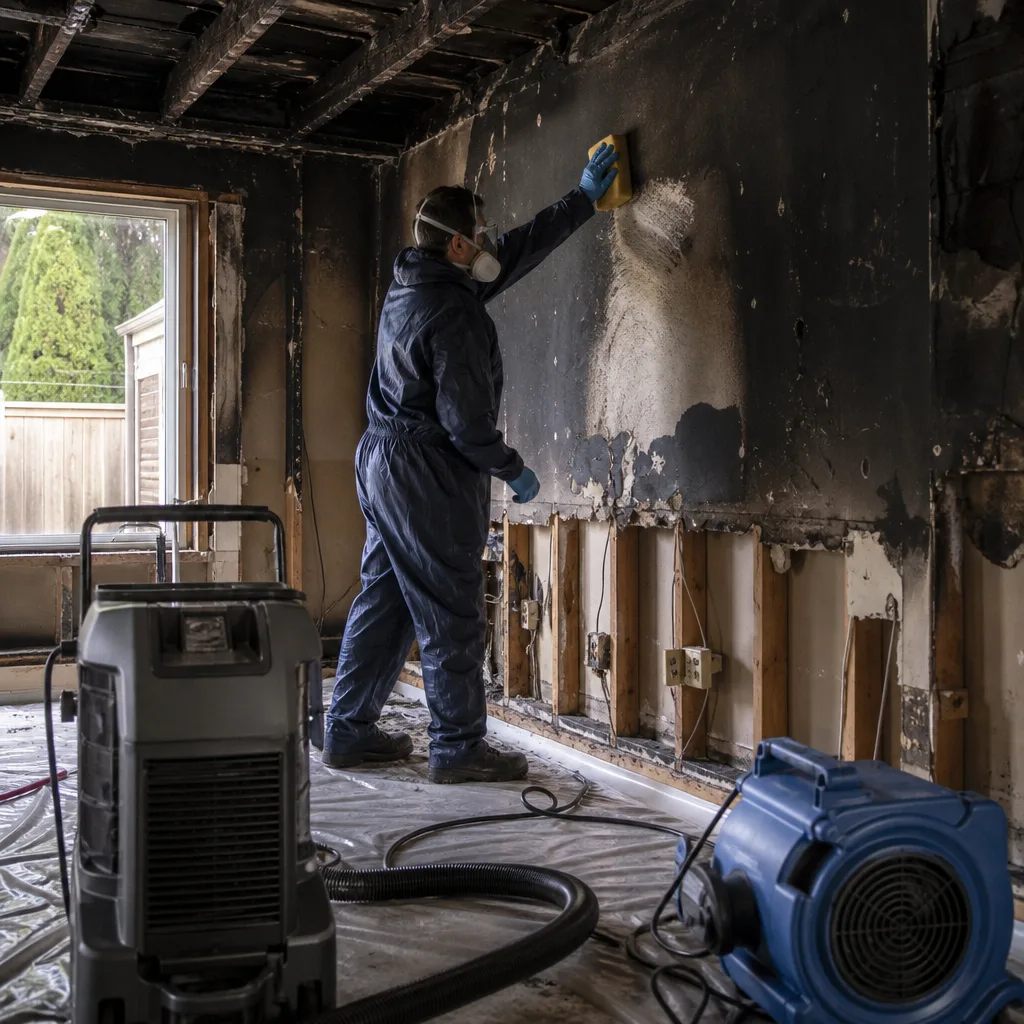
Free visual inspection and a written scope of work before any mitigation begins - photos, moisture readings, and drying logs go in your claim file
The scope we write is the scope we bill. Anything new gets shown to you, in writing, before we touch it.
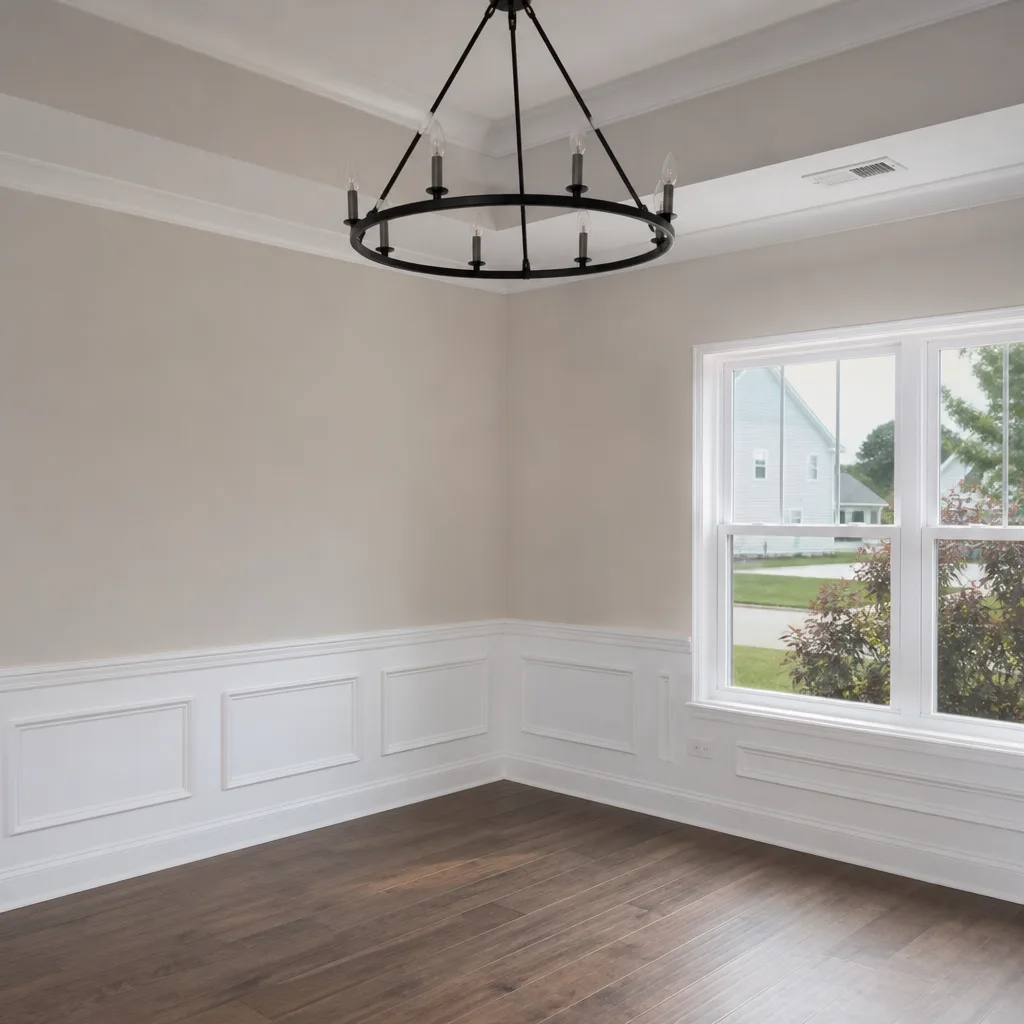
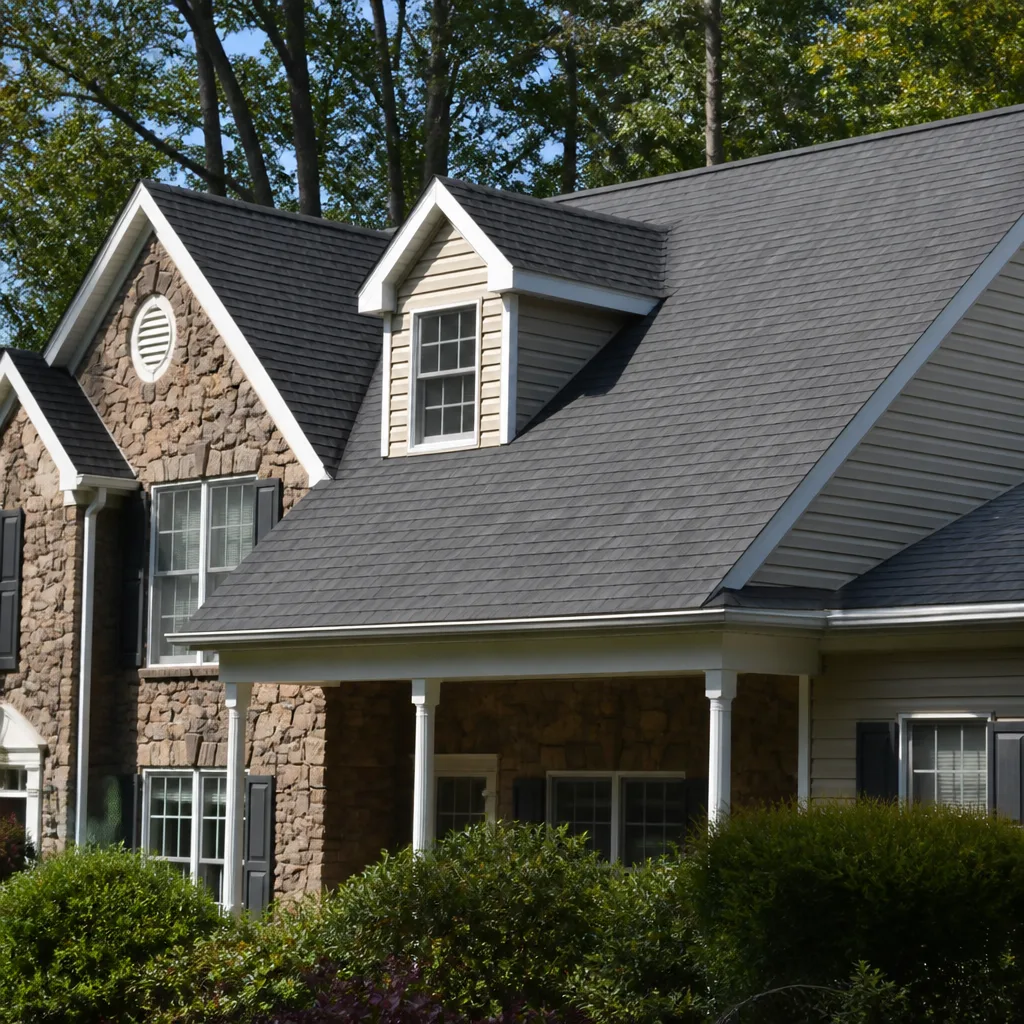
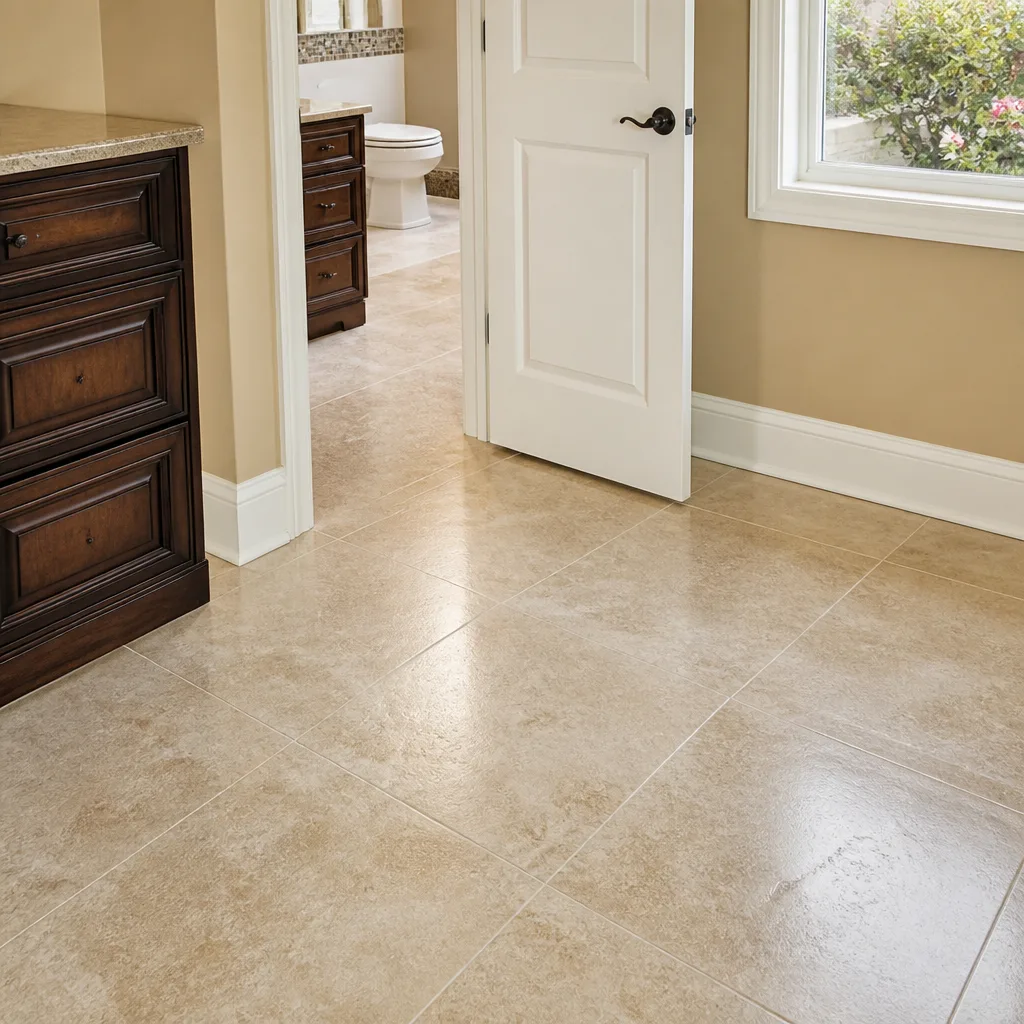
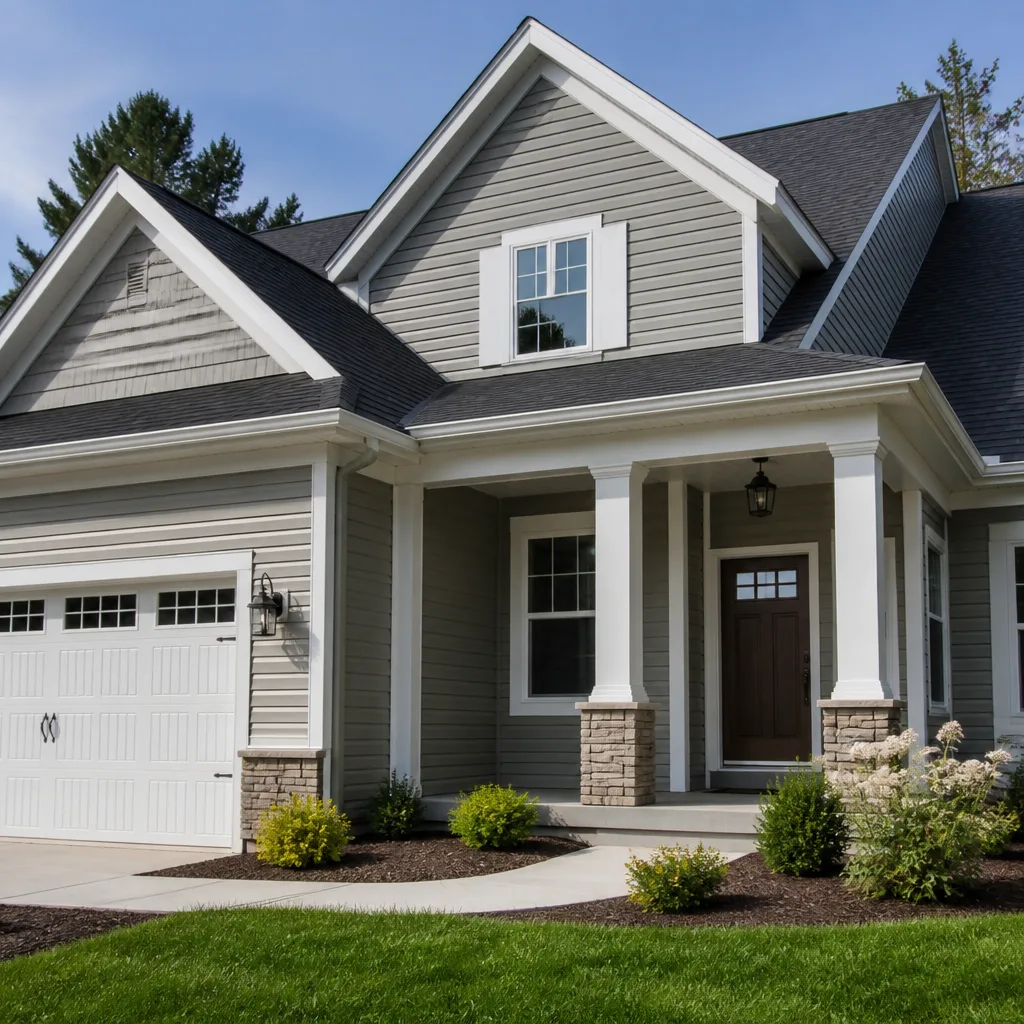
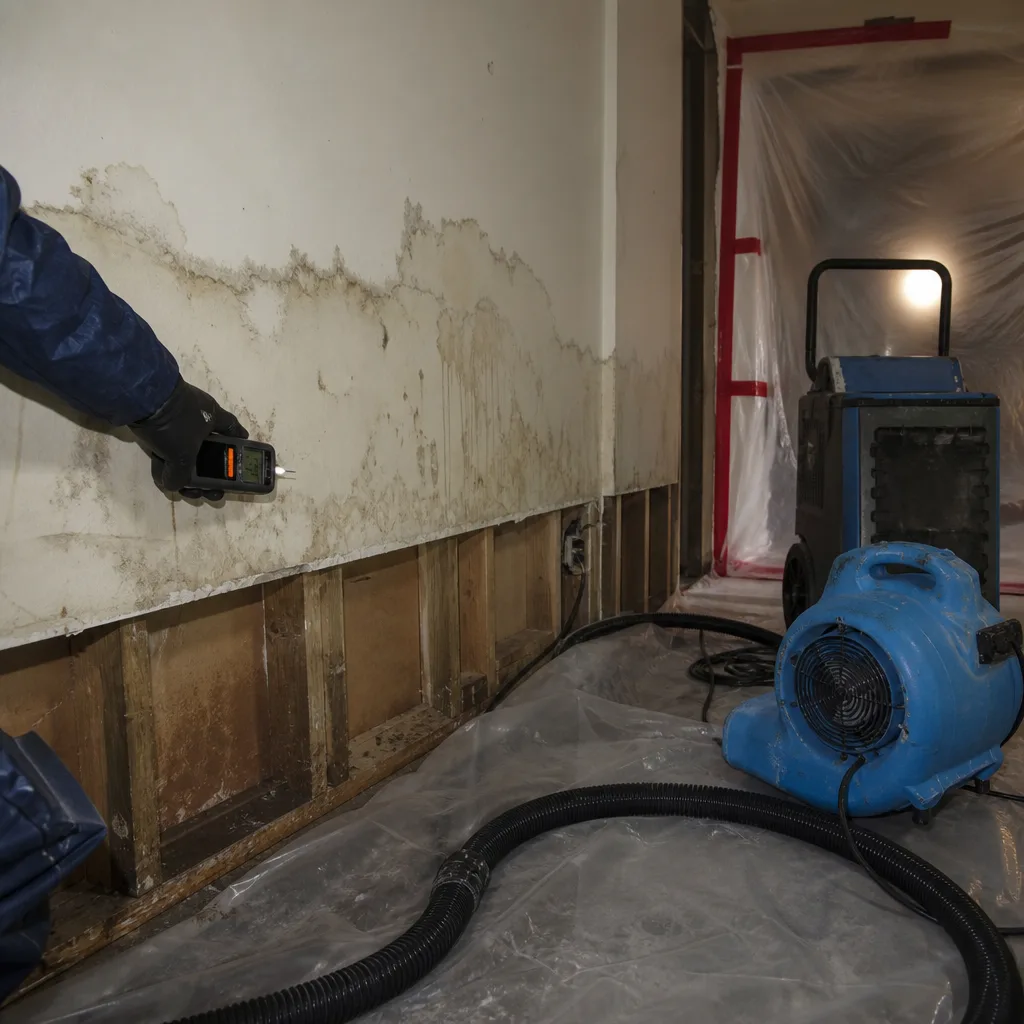 Before
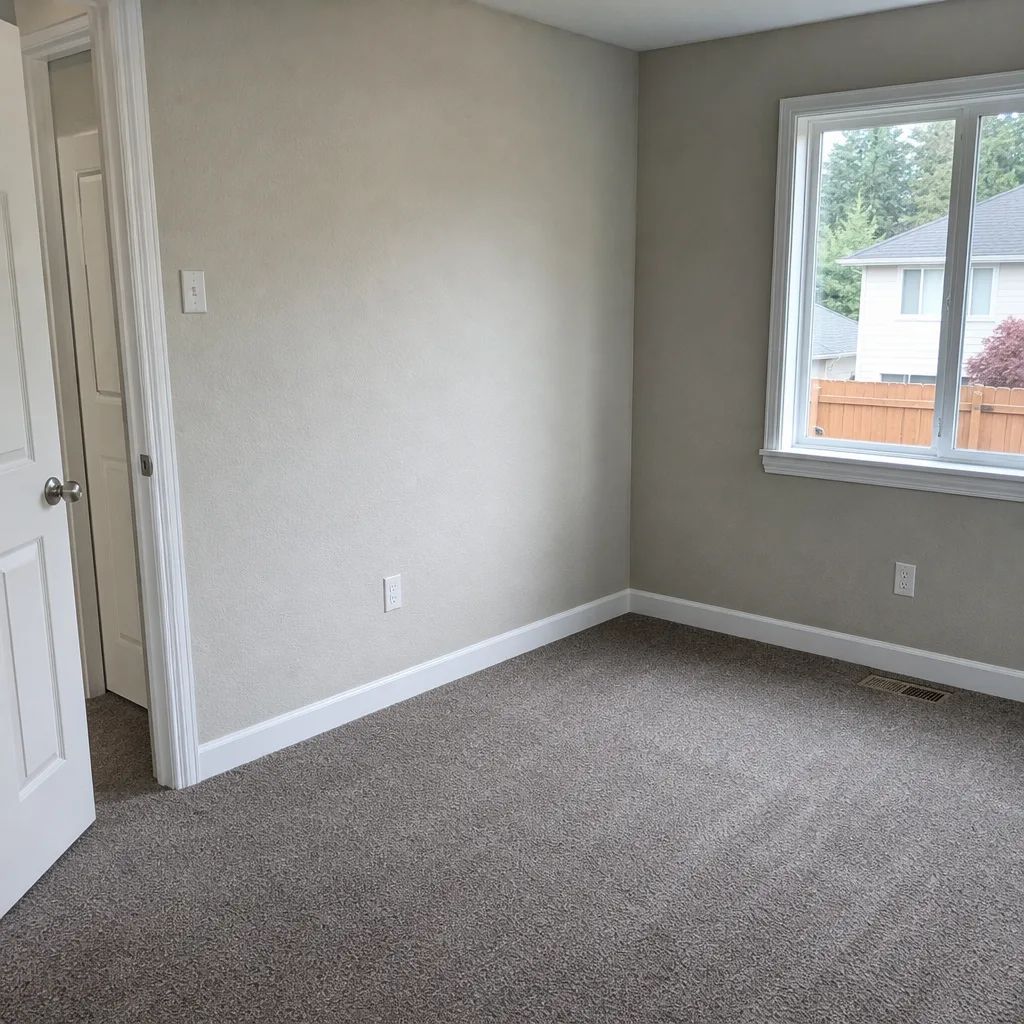 After
After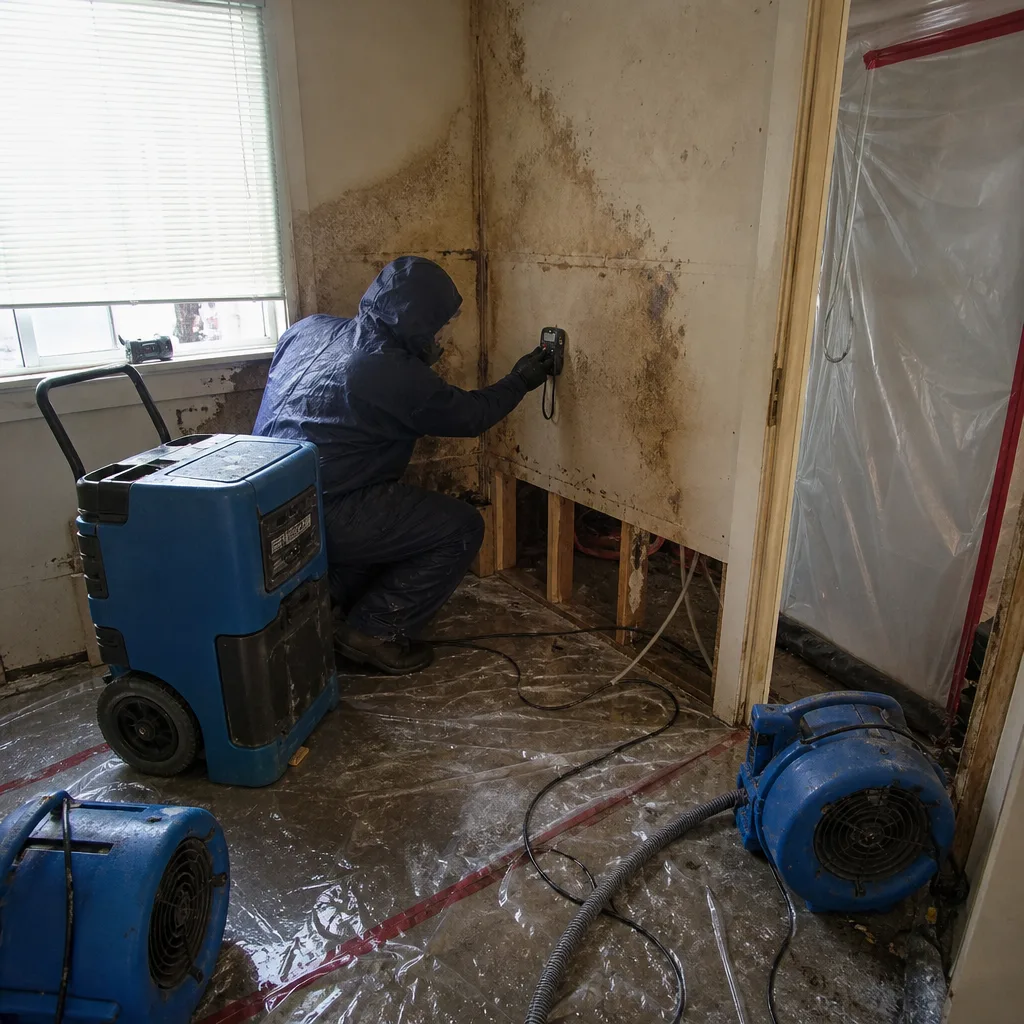 Before
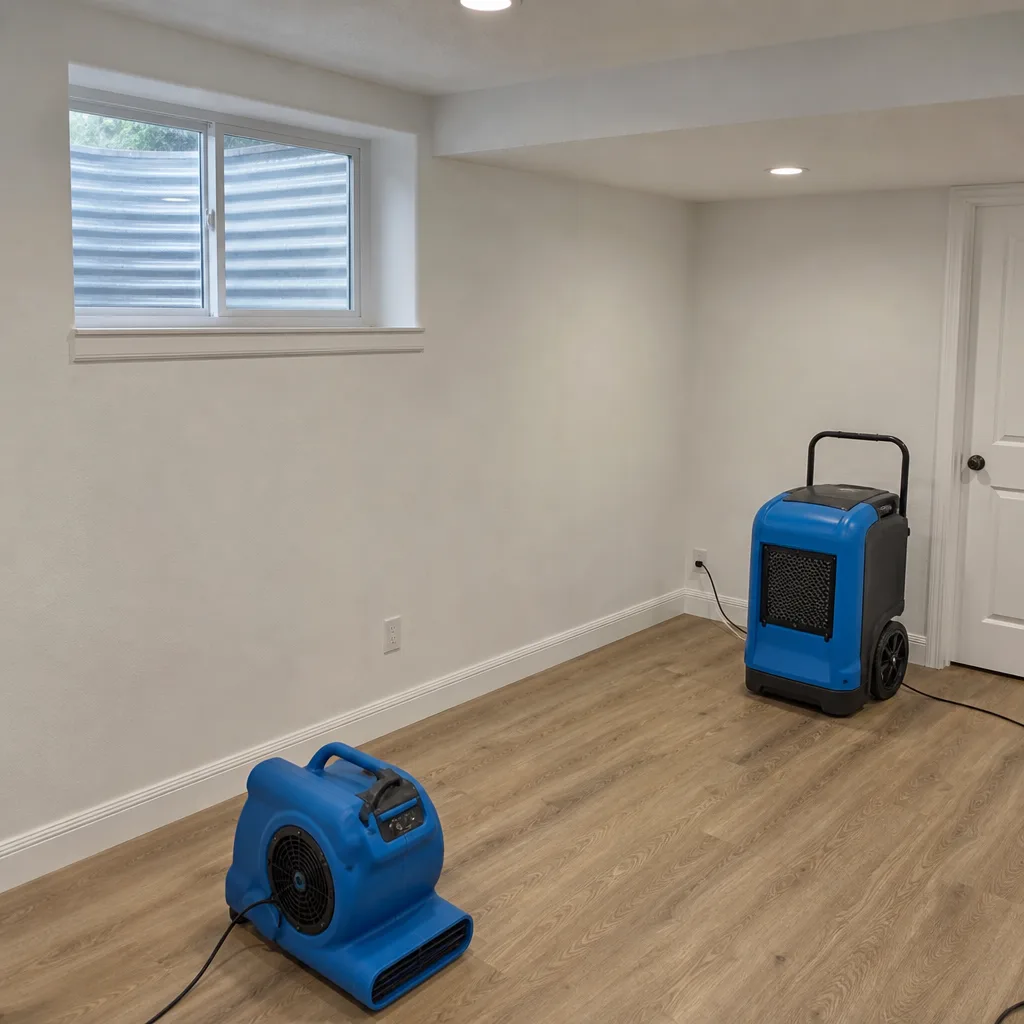 After
After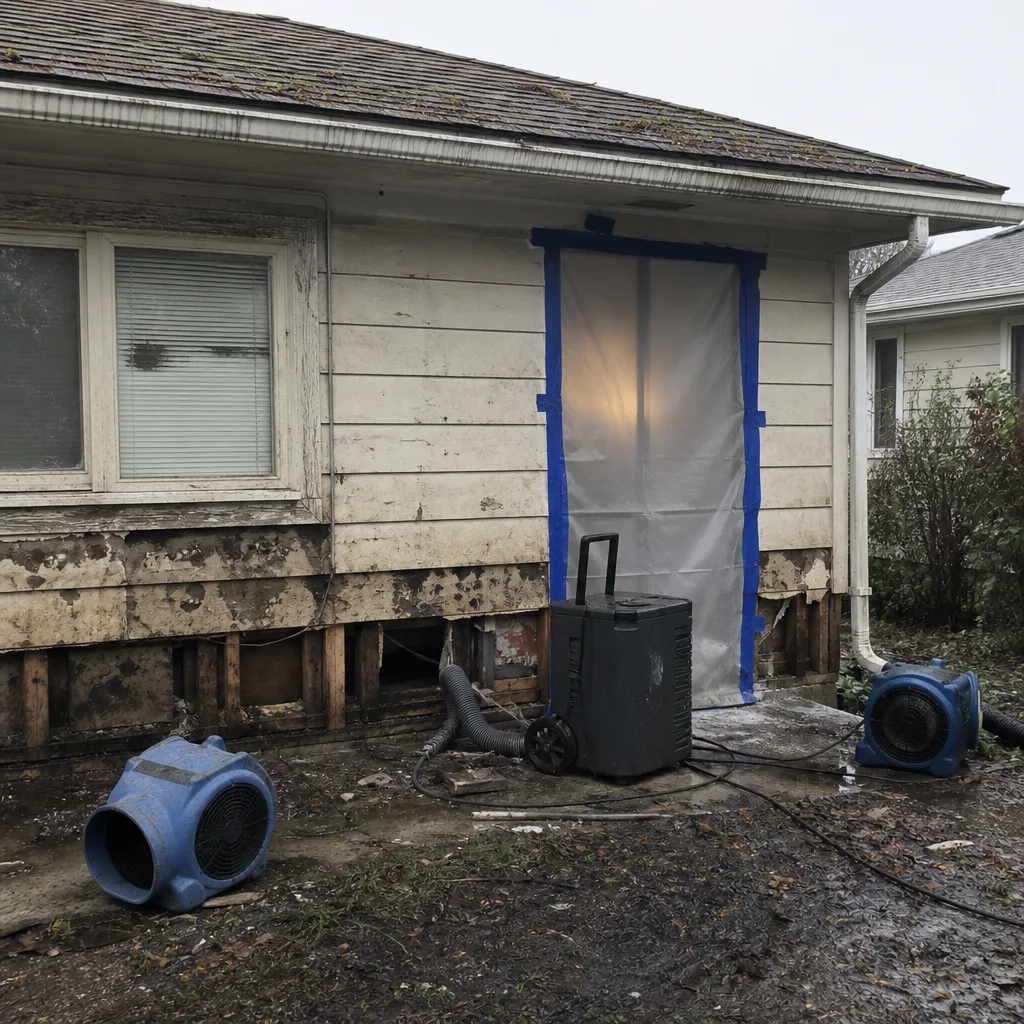 Before
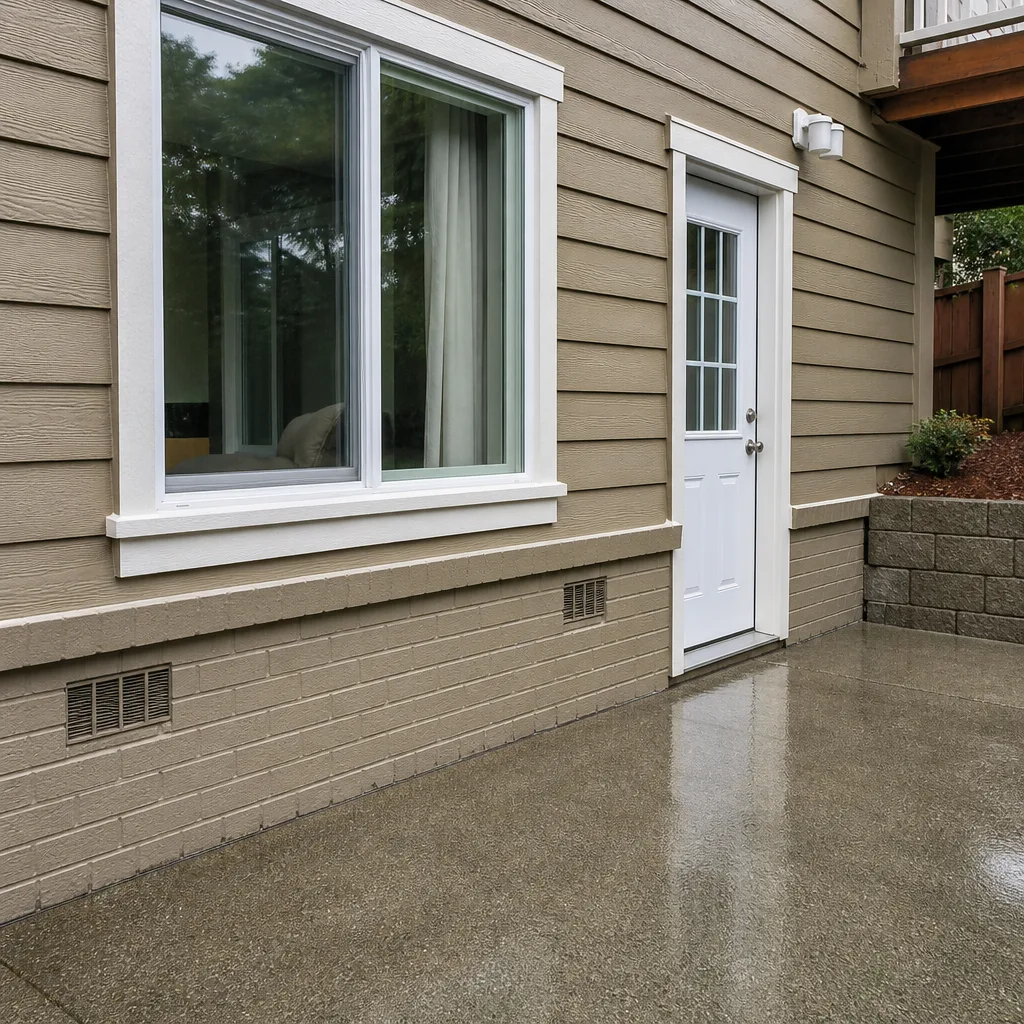 After
AfterFast, Reliable Water Damage Restoration Across Bonney Lake
Water damage restoration in Bonney Lake typically costs $2,800-$7,500 for a standard residential job, with emergency extraction starting at $1,200-$2,400 and full structural drying running $1,600-$5,100 depending on square footage and material saturation. Most Bonney Lake homes need 3-5 days of active drying, though freeze-related burst pipe jobs on the plateau often extend to 7-10 days because clay soils keep reloading moisture into crawl spaces. Call (253) 447-5249 now - a live person answers, 24 hours a day, 7 days a week, and we’ll have a crew moving toward Bonney Lake within the hour.
We’re familiar with the subdivisions off SR-410, the hillside terrain above the White River valley, and the specific failure patterns that hit homes built during Bonney Lake’s 1990s-2010s construction boom. Our crews dispatch from the Seattle office and carry the equipment to handle both the flash-flood scenarios valley companies expect and the slower, freeze-and-drainage cycles that actually dominate water damage calls here. When a Bonney Lake homeowner calls, we don’t just bring pumps and fans - we bring documentation protocols that turn restoration invoices into payable insurance claims.
Why DryMark Restoration Puyallup Is Bonney Lake’s Preferred Water Damage Restoration Company
Bonney Lake residents have left us detailed reviews mentioning specifically that we “documented everything for the adjuster” and “showed us the moisture readings every day.” That documentation-first approach is why we maintain a strong local reputation across the plateau - homeowners here research vendors thoroughly, read the three-star reviews carefully, and measure trust by what we can show them, not by how long we’ve claimed to exist.
Our response time to Bonney Lake averages 45-60 minutes from call arrival to crew on-site. That’s not marketing language - it’s the interval we log on every dispatch ticket, along with photo timestamps at arrival and departure. We know the route up SR-410 past Sumner, the back roads through the hillside neighborhoods, and which plateau-edge subdivisions have driveways steep enough to complicate equipment staging.
Local knowledge matters because Bonney Lake’s elevation creates damage patterns that valley-based competitors routinely misdiagnose. A crew accustomed to Tacoma’s climate will set drying targets based on lowland vapor pressure and leave a Bonney Lake crawl space still saturated. Our technicians calibrate psychrometric data - temperature, relative humidity, and vapor pressure differential - for 700-900 foot elevation, not sea level. That difference shows up in our daily drying logs and, ultimately, in whether your insurance claim gets paid without dispute.
Our Water Damage Restoration Services in Bonney Lake
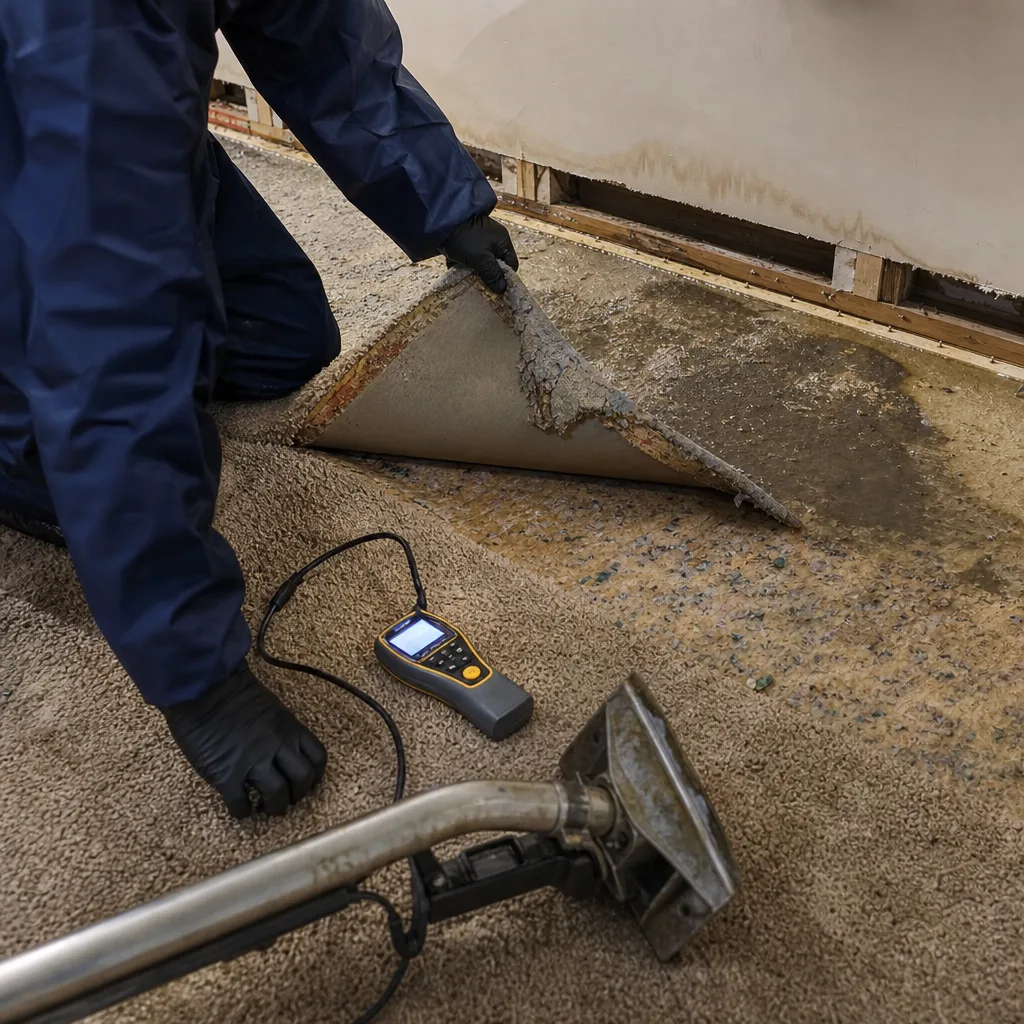
Emergency Water Extraction
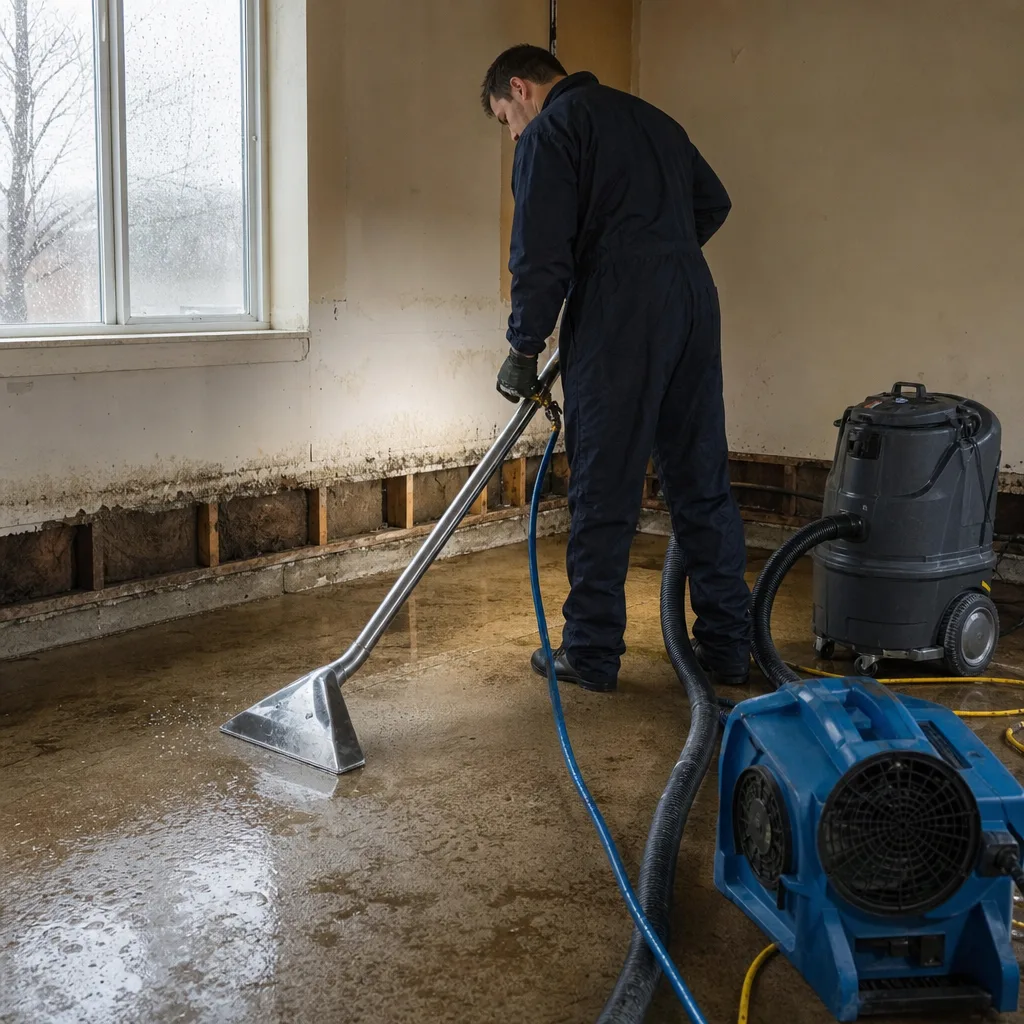
When water is actively moving in your Bonney Lake home, speed matters. Our emergency extraction teams deploy truck-mounted systems and portable submersible pumps to remove standing water within hours, not days. We document water line heights, affected square footage, and material classifications - carpet, pad, OSB subfloor, drywall - before any equipment runs, so your insurer sees exactly what was wet and what we did about it. In Bonney Lake’s freeze-prone plateau neighborhoods, we often find that the visible water is only half the problem; clay-saturated crawl spaces continue wicking moisture upward even after the main floor looks dry. Our extraction protocol includes moisture mapping of rim joists and sill plates, not just the areas you can see.
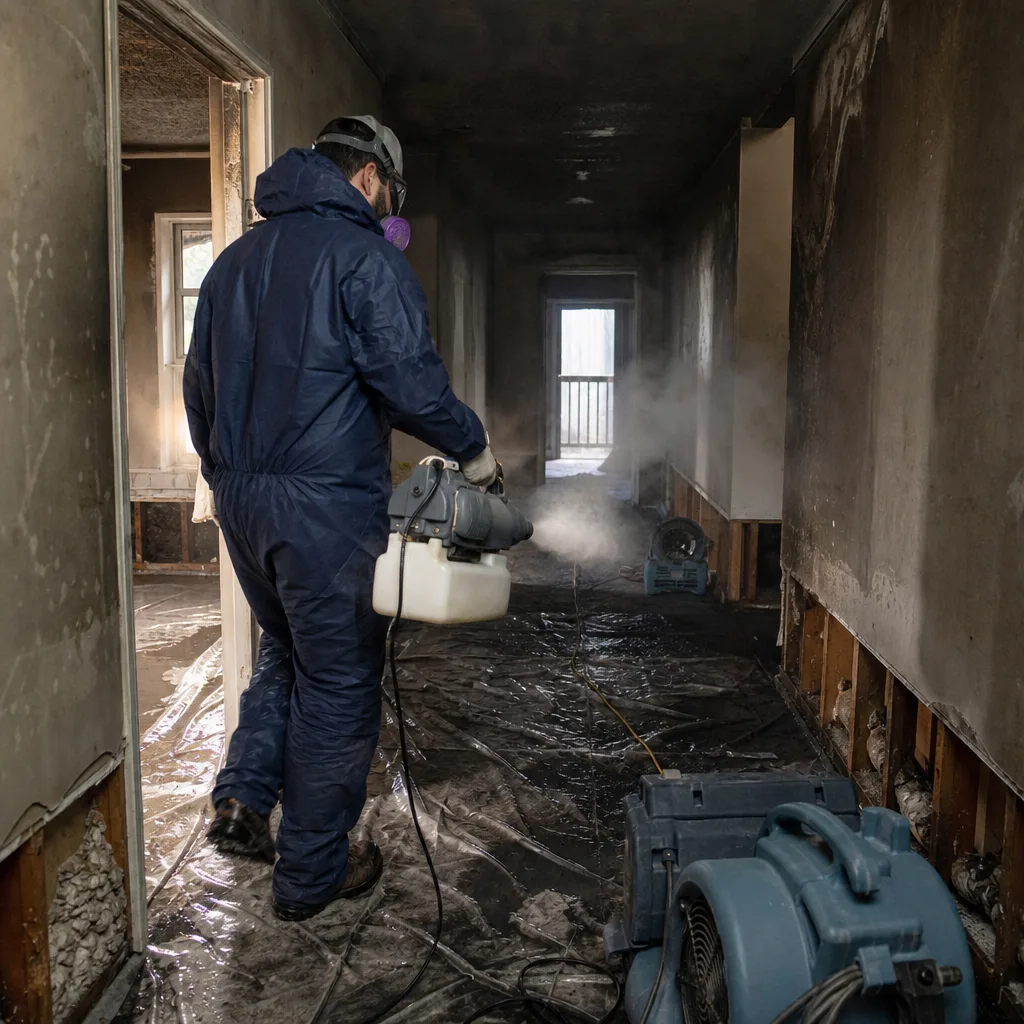
Structural Drying & Dehumidification
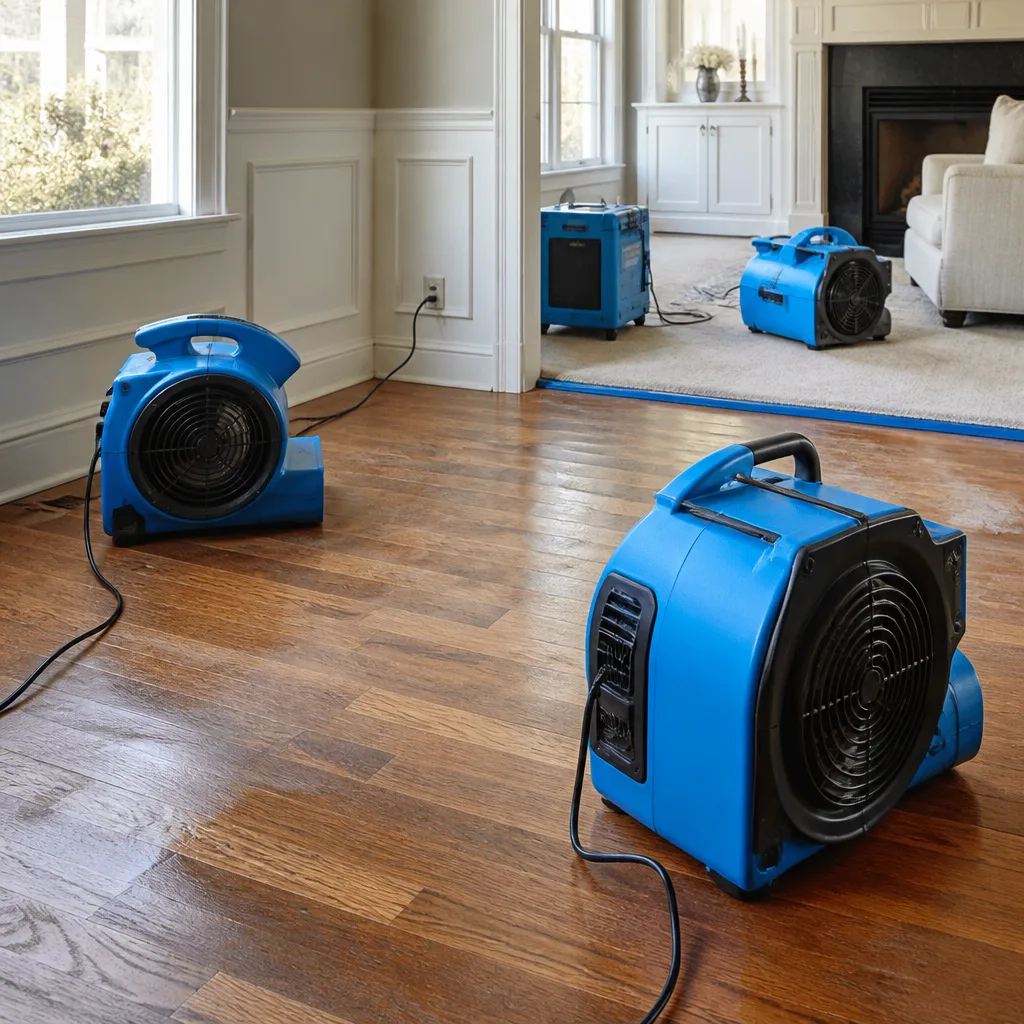
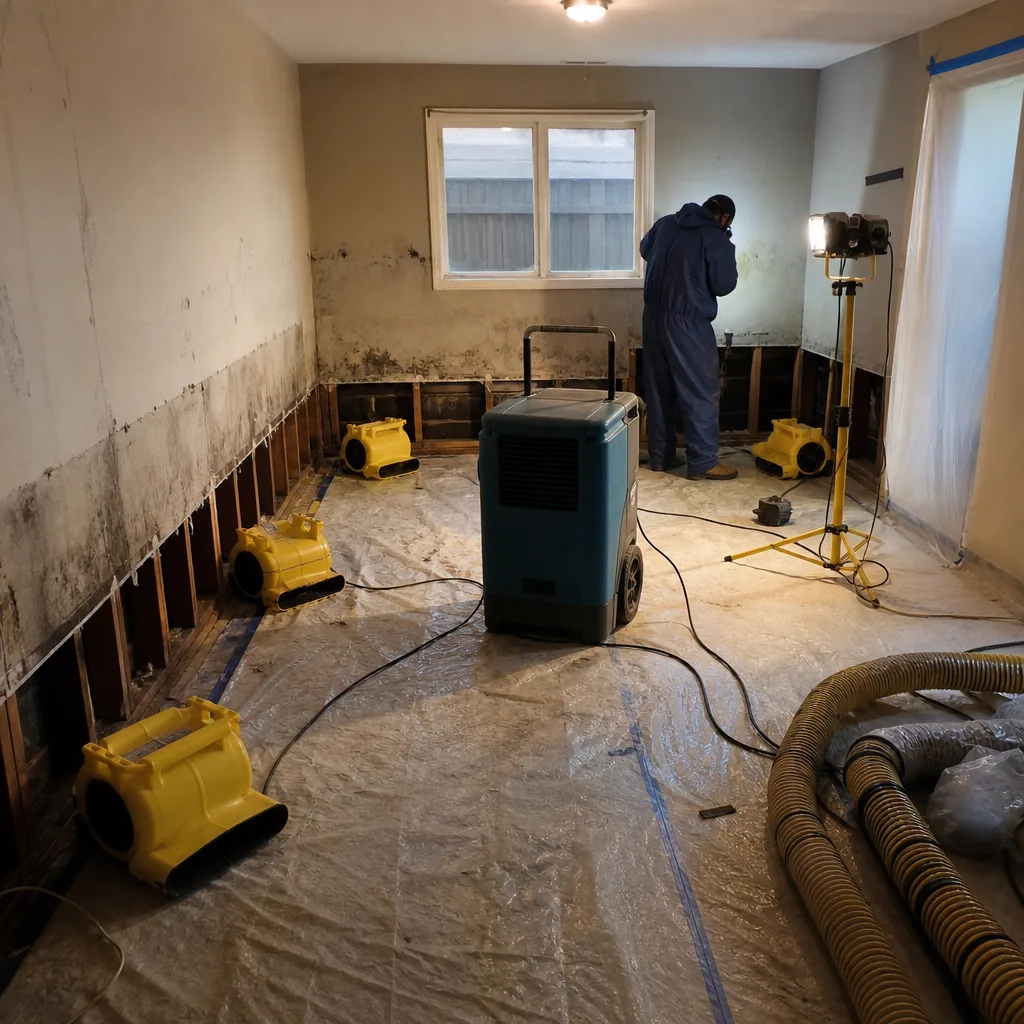
Bonney Lake’s elevation and clay soils make structural drying here fundamentally different from valley jobs. The heavy glacial soils across the plateau retain moisture for weeks after storm events, sustaining hydrostatic pressure on crawl space walls and creating a secondary vapor drive that re-saturates dried materials. Our drying strategy accounts for this with extended dehumidification runs, vapor barrier assessment, and daily moisture logs that track equilibrium moisture content in wood framing. We deploy Phoenix and Dri-Eaz dehumidifiers sized to the cubic volume of your affected space, not rule-of-thumb guesses. Every drying log is formatted to IICRC and RIA standards and included as a standard deliverable - not an upsell, not a favor. Haven Standard, Clause 1: written price before work begins, and that price includes documentation.
Flood Cleanup
Flood cleanup in Bonney Lake often traces to the same root cause: subdivisions built during the 2000s boom where rough grading compacted unevenly over clay, so downspout discharge and yard slope both run toward the house instead of away. Homeowners call us reporting a “one-time flooding event” after heavy rain. Our assessment protocol includes exterior grading evaluation because we’ve learned - especially in neighborhoods east of SR-410 like Falling Water - that the crawl space will reload every wet season until the drainage is corrected. We extract, dry, and treat the affected structure, then document the grading failure with photos and measurements so you have evidence for the permanent fix, whether we perform it or you hire a landscape contractor.
Burst Pipe Restoration
Bonney Lake’s hard-freeze days - several more per year than Tacoma or Puyallup in the valley below - make burst supply lines a recurring seasonal threat, not a rare emergency. Copper and PEX lines in crawl spaces freeze when perimeter vents admit sub-30°F air, and the resulting splits can release hundreds of gallons before anyone notices. Our burst pipe protocol includes full moisture mapping of the subfloor assembly, because OSB sheathing wicks water laterally much faster than old-growth plank subfloors, and the damage often extends well beyond the visible stain. We document pipe material, failure mode, and moisture readings by room, then deliver a written scope before any demolition or drying begins. Haven Standard, Clause 1.
What happens when you call
- 1
A real person answersNo phone trees - you reach a local pro.
- 2
You get an upfront price rangeHonest numbers before anyone is dispatched.
- 3
A background-checked tech heads outLicensed & insured, dispatched right away.
- 4
You approve before work beginsNothing starts until you say go.
 Before
 After
AfterCommon Water Damage Restoration Problems We See in Bonney Lake Homes
- Freeze-split supply lines in crawl spaces. Bonney Lake’s plateau elevation brings harder, longer freezes than the valley below. Out-of-area crews often assume “Pacific Northwest mild” and miss that a Bonney Lake crawl space can sit below freezing for 48+ hours while Tacoma stays above 40°F.
- Systematic crawl space reloading from failed grading. In 2000s-era subdivisions east of SR-410, we’ve documented dozens of homes where compacted clay backfill settled into a bowl shape, collecting downspout discharge against the foundation. The crawl space “floods every winter” because it’s designed to.
- Hidden OSB rot behind finished walls. The 1990s-2010s construction boom built Bonney Lake with OSB-sheathed walls and rim joists that wick moisture from saturated crawl spaces. Surface drying leaves the sheathing wet inside the wall cavity, progressing to mold and structural degradation that moisture meters on drywall won’t catch.
- Ice-dam roof leaks at plateau wind exposures. Bonney Lake’s elevation and exposed hillside locations create wind-driven ice accumulation at eaves and valleys. Water backs up under shingles, enters at soffits, and runs down wall cavities - damage that looks like a roof problem until moisture mapping reveals saturated insulation and top plates.
Pricing for Water Damage Restoration in Bonney Lake, WA
We publish ranges because Haven Standard, Clause 1 requires a written price before work starts - and that price should never be a surprise.
| Service | Typical Range in Bonney Lake |
|---|---|
| Emergency water extraction (up to 1,500 sq ft) | $1,200 - $2,400 |
| Structural drying & dehumidification (3-5 day protocol) | $1,600 - $5,100 |
| Crawl space flood cleanup with contamination treatment | $3,200 - $7,500 |
| Burst pipe restoration with subfloor drying | $2,800 - $6,800 |
| Ice-dam roof leak damage (interior drying + repair scope) | $2,400 - $5,600 |
What moves a Bonney Lake job toward the higher end: Category 3 water contamination from clay-soil runoff, extended freeze damage requiring secondary drying of saturated rim joists, and homes where the original 2000s grading failed and reloads moisture continuously. What keeps costs controlled: fast call response limiting water migration, intact vapor barriers in crawl spaces, and homeowners who can provide clear photo documentation of the initial damage for our assessment.
Every estimate is free. Bring a competitor’s written quote and we’ll perform a Free Second Opinion at no charge - we review their scope, their equipment list, and their drying timeline against what your Bonney Lake home actually needs.
We Also Serve Cities Near Bonney Lake
Our crews regularly respond to Water Damage Restoration in Bonney Lake and the surrounding communities - Orting, Sumner, Puyallup, and Milton. Each of these valley and foothill locations has distinct water damage patterns: Milton’s river proximity, Puyallup’s older housing stock, Orting’s volcanic soils and drainage challenges. Our Water Damage Restoration protocols adapt to each terrain, but Bonney Lake’s freeze-and-clay profile remains unique in our service area. Dispatch and scheduling are coordinated from our Seattle office; crews serve Bonney Lake locally with equipment staged for plateau conditions.
Serving Bonney Lake, WA - Our Local Coverage Area
We’re based in the Bonney Lake area and know this community well. Use the map below to see our service coverage - if you’re nearby, we can almost certainly help.
FAQs - Water Damage Restoration in Bonney Lake
Your crawl space floods systematically because of grading failure, not creek overflow. In Bonney Lake subdivisions built during the 2000s boom - especially east of SR-410 - rough grading over clay soils compacted and settled unevenly, creating bowl-shaped lots where downspout discharge runs back toward the foundation instead of away. We documented this exact pattern in the Falling Water subdivision: what homeowners reported as “flooding” was actually re-saturated clay reloading hydrostatic pressure against the crawl space walls every wet season. The permanent fix is exterior regrading, not repeated extraction. Call (253) 447-5249 and we’ll assess whether your grading matches this failure mode - estimates are free.
Mold colonization begins 48-72 hours after water intrusion in Bonney Lake’s typical indoor conditions, but the plateau’s clay soils can extend this risk window significantly. Because poorly draining soils keep crawl space humidity elevated for weeks after the initial event, materials that appeared dry can re-wet from below and support secondary mold growth 10-14 days later. Our protocol includes moisture readings at 72 hours, 7 days, and 14 days - not just during active drying - because we’ve learned that Bonney Lake’s soil conditions create delayed failures valley crews don’t anticipate. Daily drying logs document when materials hit equilibrium moisture content, not just when the equipment comes down.
Category 1 is clean water from a supply line; Category 2 is gray water with chemical or biological contamination from sources like dishwasher discharge; Category 3 is black water containing pathogens from sewage or ground flooding. It matters because your Bonney Lake home’s clay soils make Category 3 events far more common than homeowners expect - when runoff funnels back against the foundation, that water carries soil bacteria, decaying organic matter, and whatever the clay has absorbed. We classify every job by source and contamination level, document it with photos, and treat accordingly. Misclassified water means under-treated structure and denied insurance claims. Call (253) 447-5249 if you’re unsure what category your event involves - we’ll assess and document it properly.
2000s-era Bonney Lake homes combine three risk factors: OSB sheathing that wicks moisture faster than old-growth lumber, crawl space construction on clay soils that were marginally graded during rapid development, and plumbing routed through vented crawl spaces at an elevation with more freeze days than the original builders may have anticipated. Older homes in valley locations often have plank subfloors, basements instead of crawl spaces, and plumbing in conditioned space - all more forgiving of minor leaks. Your home isn’t defective; it was optimized for speed of construction during a boom, not for resilience on a freeze-prone clay plateau. Our assessments specifically evaluate OSB saturation in rim joists and subfloors, the areas where 2000s Bonney Lake homes fail first.
Yes - storm-driven wind loads on Bonney Lake’s exposed plateau-edge subdivisions tear at doors and roof edges, letting rain enter at thresholds and soffits. The damage often looks minor from the interior: a wet spot near a door, staining at a ceiling corner. Moisture mapping typically reveals saturated wall cavities, compromised top plates, and insulation soaked from wind-driven rain penetration. We document the wind-related entry path, dry the affected assemblies, and provide a written scope for door and roofing repairs that addresses the wind-load failure, not just the interior symptom. Photo documentation on every visit supports your insurance claim for both the restoration and the structural repair. Call (253) 447-5249 for assessment - estimates are free.
Written by Alicia Brennan, Owner at Back to Dry Restoration, serving Bonney Lake since 2011 under The Haven Standard.
Water Damage Restoration in Nearby Areas