
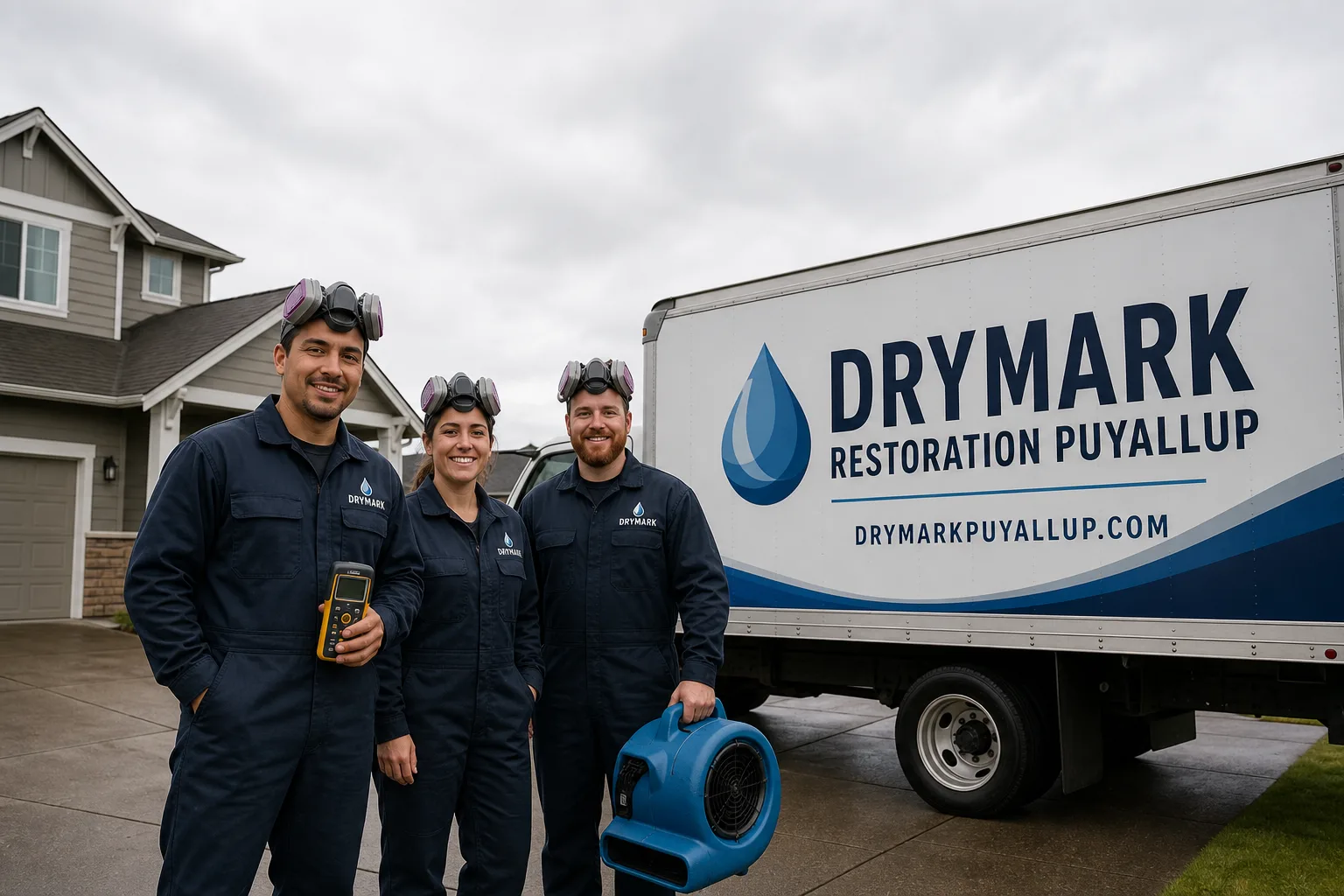
Free visual inspection and a written scope of work before any mitigation begins - photos, moisture readings, and drying logs go in your claim file
The scope we write is the scope we bill. Anything new gets shown to you, in writing, before we touch it.
 Before
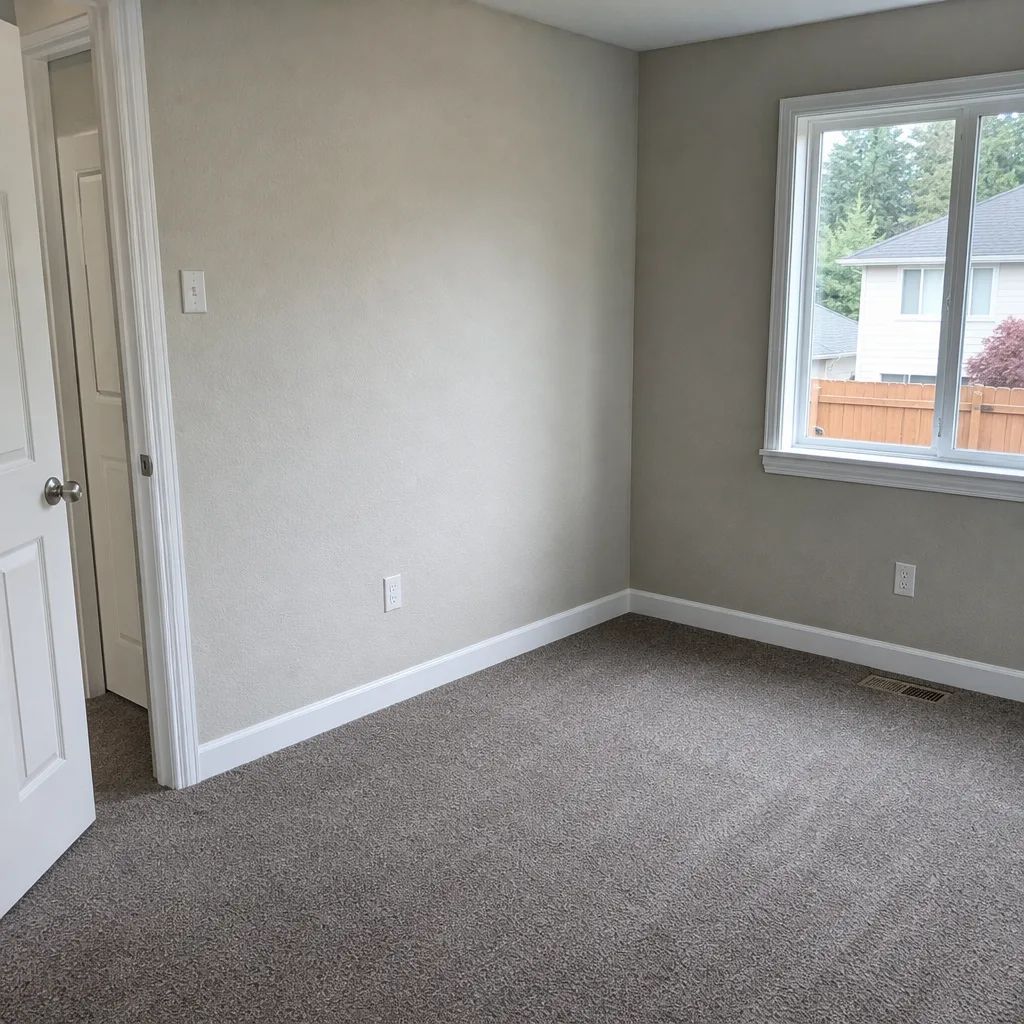 After
After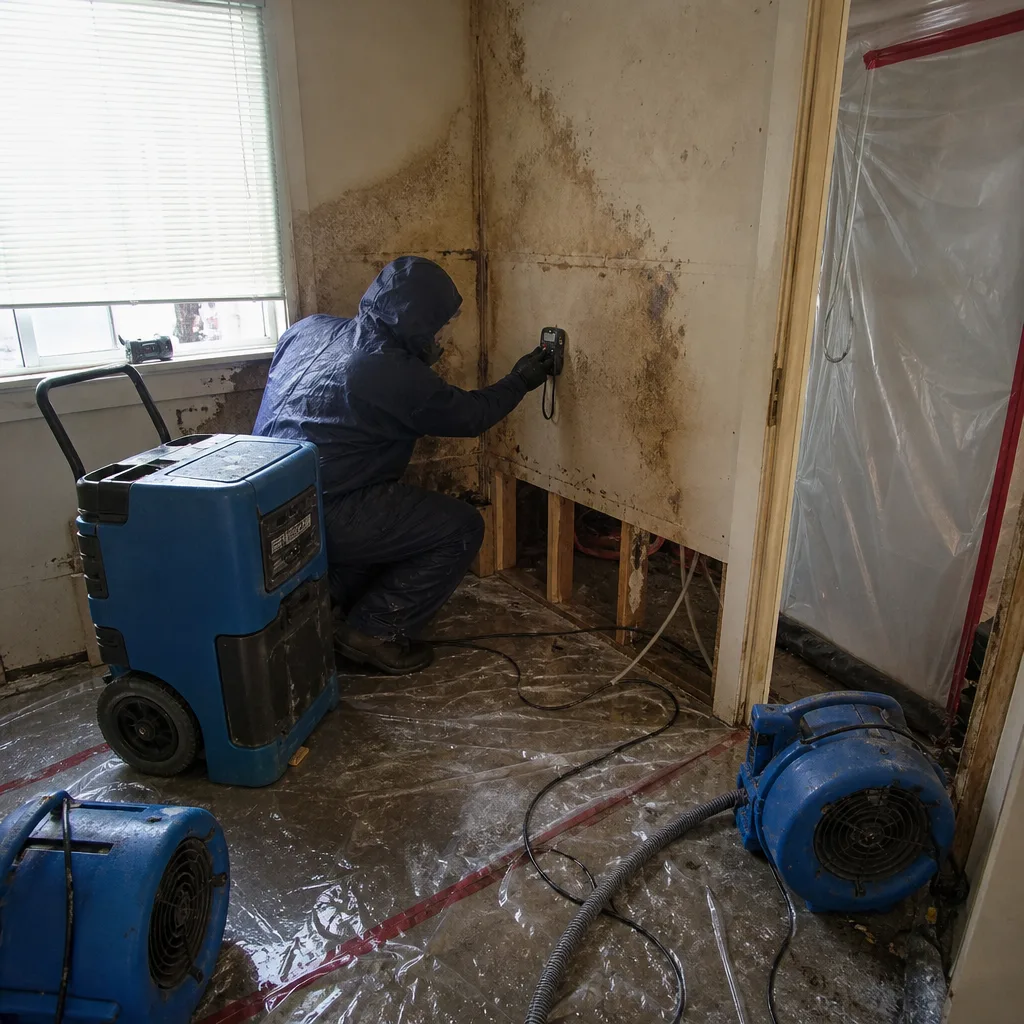 Before
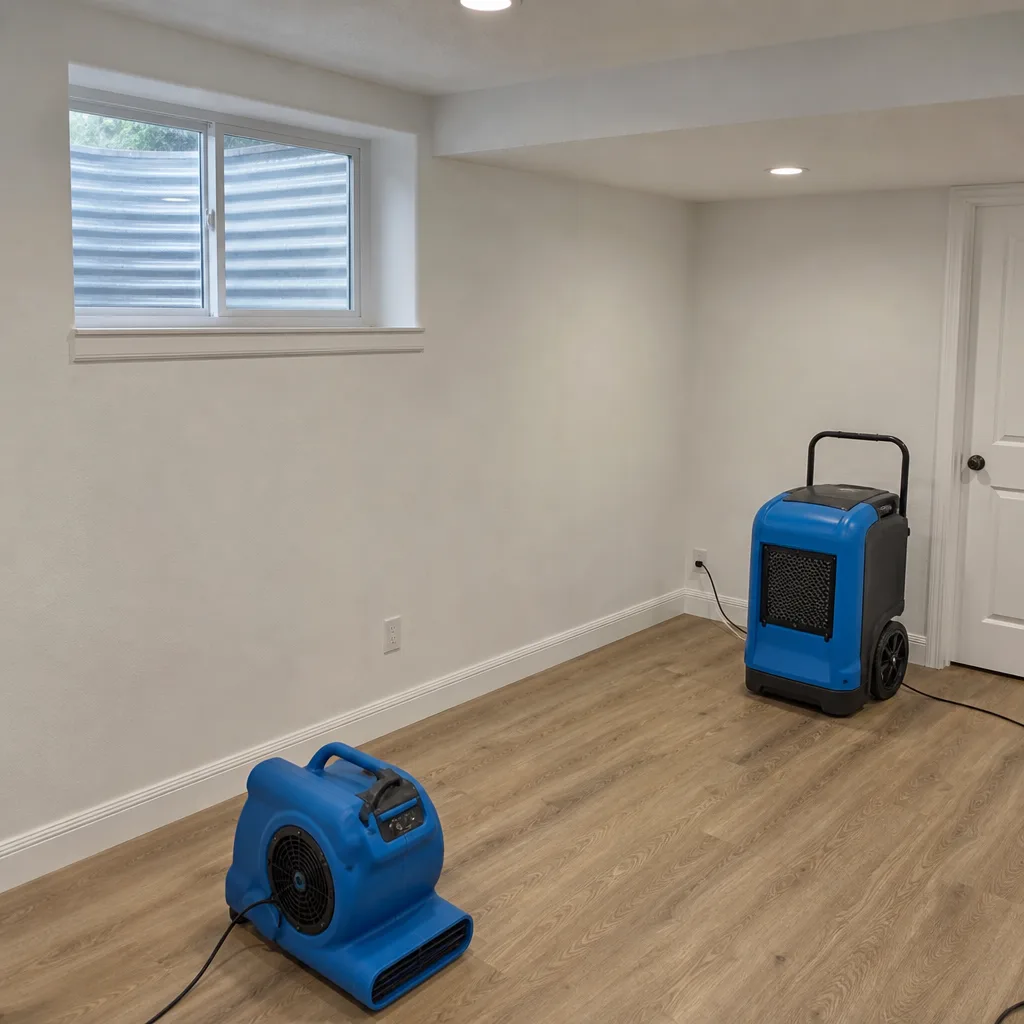 After
After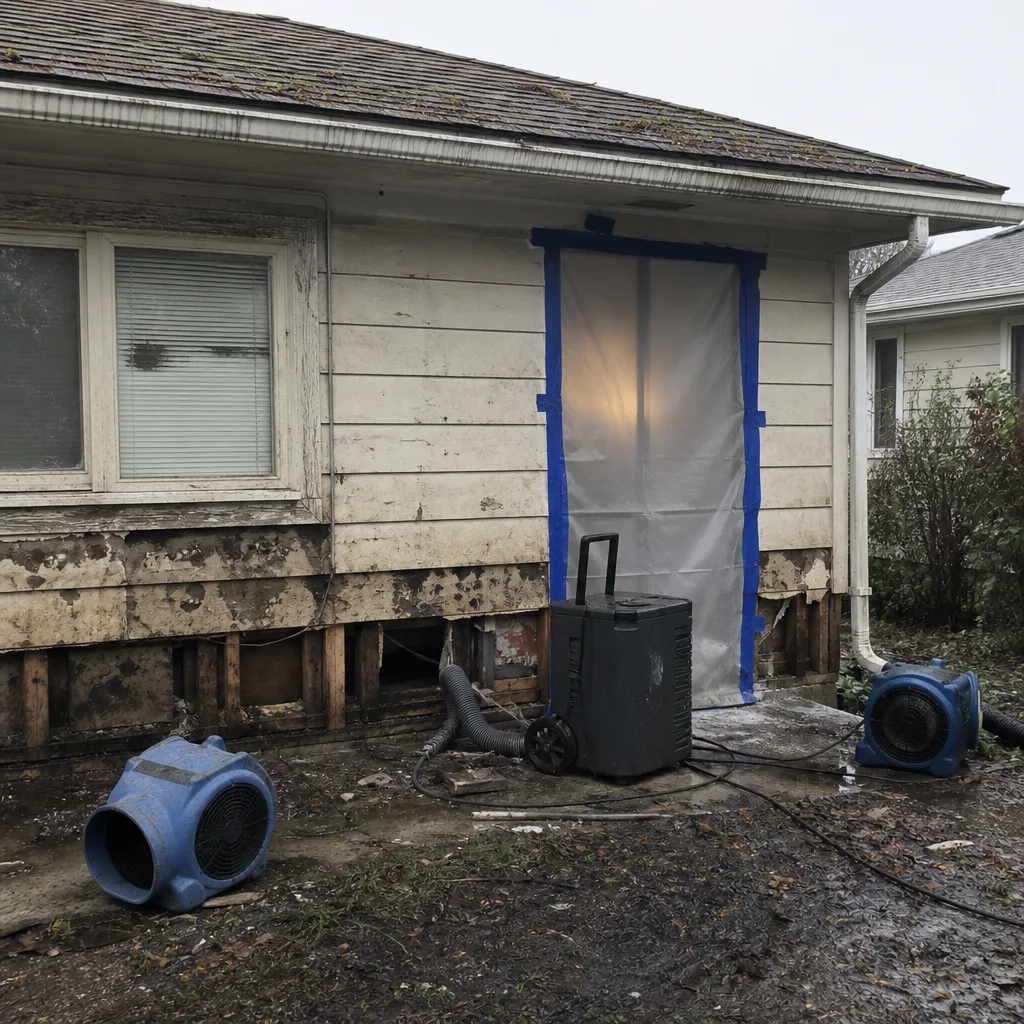 Before
 After
AfterFast, Reliable Water Damage Restoration Across Federal Way
Water damage restoration in Federal Way typically costs $2,800-$7,500 for a standard residential mitigation, with emergency water extraction starting at $1,200-$2,400 and structural drying running $180-$340 per day depending on equipment deployment. Most Federal Way homeowners see our crews on-site within 60-90 minutes of calling (253) 447-5249, with dispatch coordinated from our Seattle office and routes optimized for the I-5 corridor, Enchanted Parkway, and the older subdivisions off South 320th where mid-century vented crawl spaces dominate.
We know Federal Way’s housing stock because we’ve dried it. The split-levels and ranches built between 1970 and 1995 in neighborhoods like Steel Lake, Twin Lakes, and the original Lakota plat weren’t constructed for the atmospheric river patterns that now hit the Puget Sound region. Their vented crawl spaces over glacial till and clay-rich soils create a restoration environment unlike Seattle’s basement-heavy older stock or newer encapsulated-crawl construction. When water enters these homes, it doesn’t just wet materials. It reclassifies them.
Why DryMark Restoration Puyallup Is Federal Way’s Preferred Water Damage Restoration Company
Our Water Damage Restoration team has completed thousands of jobs across South King County, and Federal Way represents a distinct technical profile we document differently from day one. Homeowners here aren’t dealing with a generic water event. They’re dealing with 30-50-year-old vapor barriers, saturated fiberglass batt insulation, and perched water tables that turn Category 1 pipe leaks into Category 3 contamination before the adjuster arrives.
We answer calls live, 24 hours a day, 7 days a week. No voicemail trees. No next-business-day callbacks while water is still wicking up drywall. Our background-checked, uniformed technicians arrive with license numbers visible, a written scope in hand, and professional-grade drying systems from Phoenix and Dri-Eaz deployed to IICRC, RIA, and IFA standards. Every visit produces a photo record, a drying log with psychrometric data, and moisture readings by room - the documentation that turns restoration invoices into payable claims.
Our 365-Day Done Right Promise, backed by The Haven Standard, isn’t a marketing line. It’s a signed guarantee on every job. Haven Standard, Clause 1: written price before work begins. No exceptions. No scope-creep additions once the crew is inside your home.
We also offer a Free Second Opinion on any competitor’s written estimate. Bring another company’s scope to us and we’ll review it at no charge - because we’ve seen what incomplete documentation costs a homeowner at claim time.
Our Water Damage Restoration Services in Federal Way
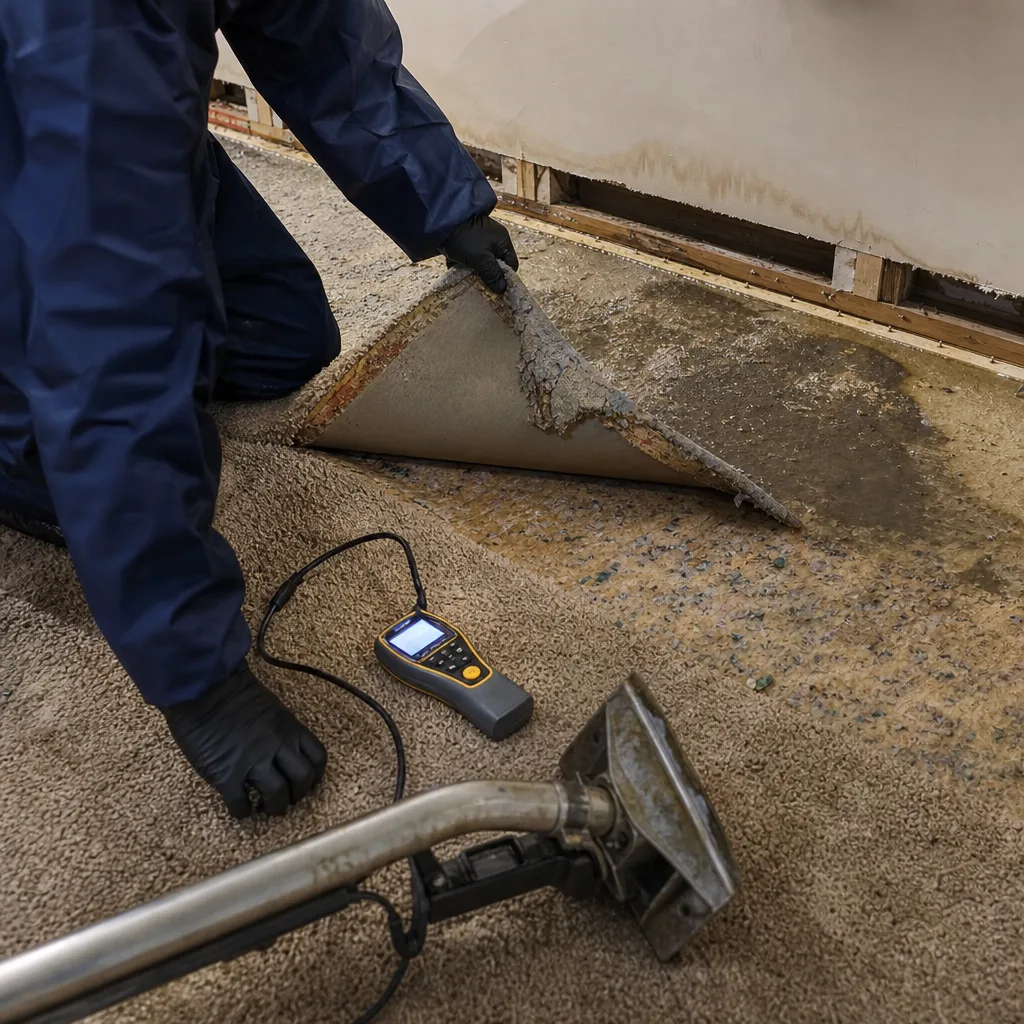
Emergency Water Extraction
When a supply line bursts in a Twin Lakes split-level or wind-driven rain breaches a door threshold off Enchanted Parkway, speed matters. Our crews deploy truck-mounted extraction systems and portable submersible pumps to remove standing water before it reaches the crawl space - because once it hits that 1970s-era fiberglass batt insulation, the job changes. Extraction in Federal Way runs $1,200-$2,400 for most residential scenarios, with after-hours emergency rates clearly noted in writing before work starts. We document pre-loss condition with photos before moving a single piece of furniture.
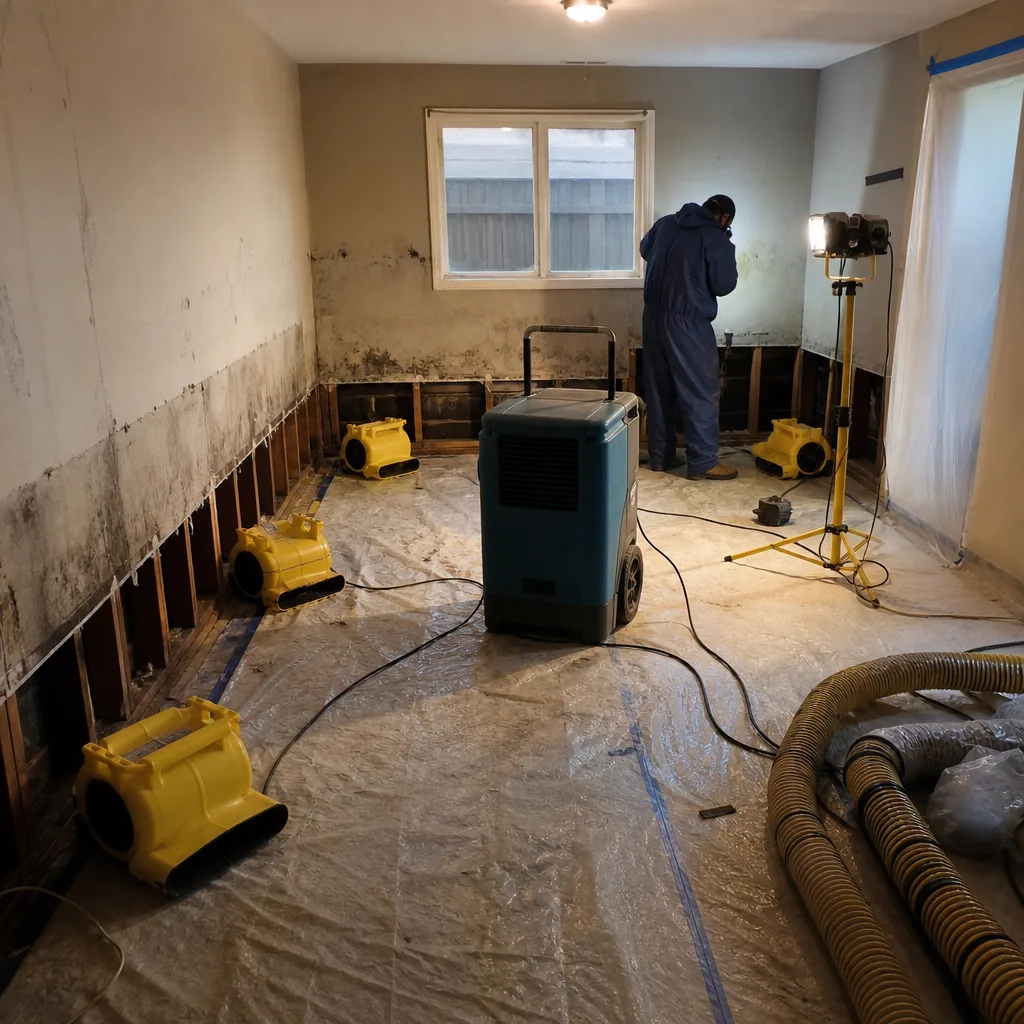
Structural Drying & Dehumidification
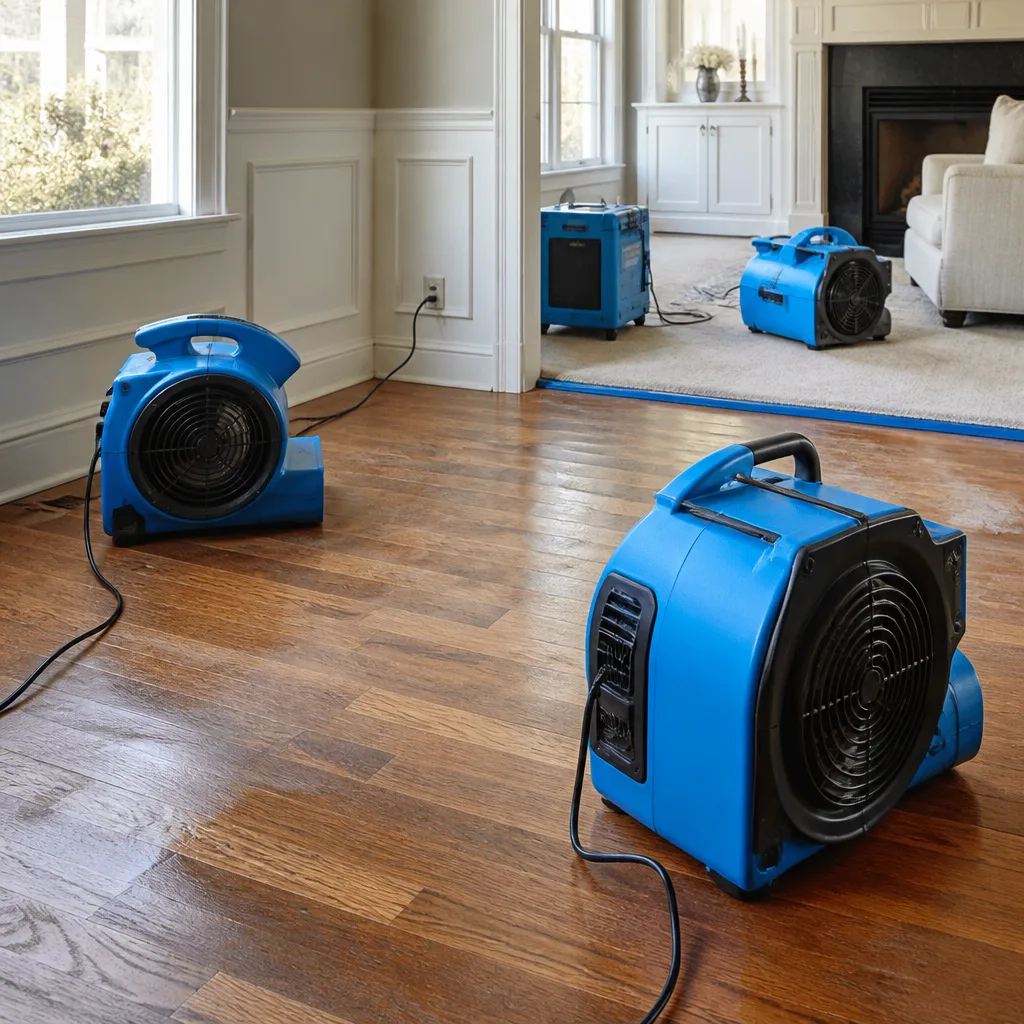
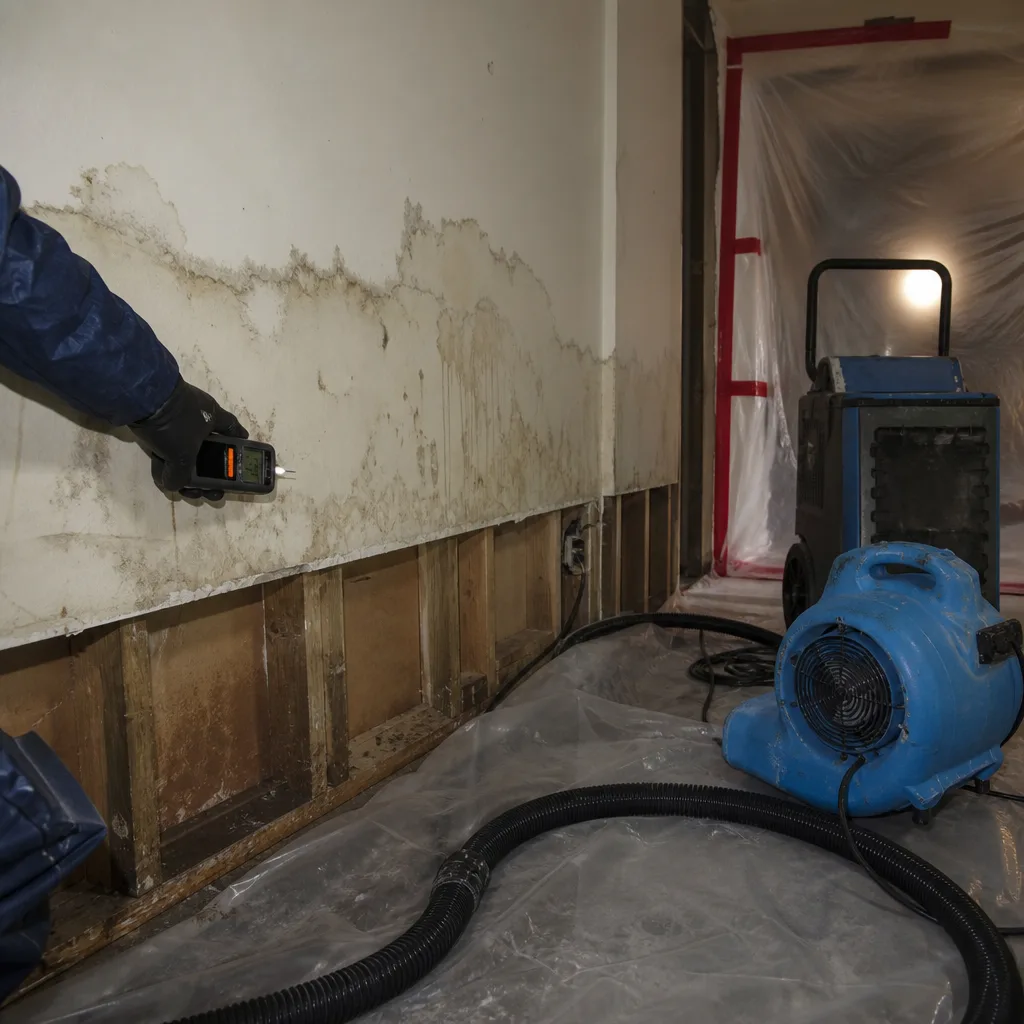
Federal Way’s maritime climate delivers over 37 inches of annual rain with almost no freeze-thaw cycling. Moisture accumulates continuously, and mold colonies grow year-round in wall cavities and crawl spaces. Our structural drying protocol uses Phoenix dehumidifiers and Dri-Eaz air movers to establish vapor pressure differentials that pull moisture from structural materials, not just the air. Daily moisture logs track every reading by room and material class, documented to IICRC S500 standards. Typical drying phases in Federal Way run 3-5 days at $180-$340 per day, with tertiary drying extending to 7-10 days when crawl space saturation is involved.
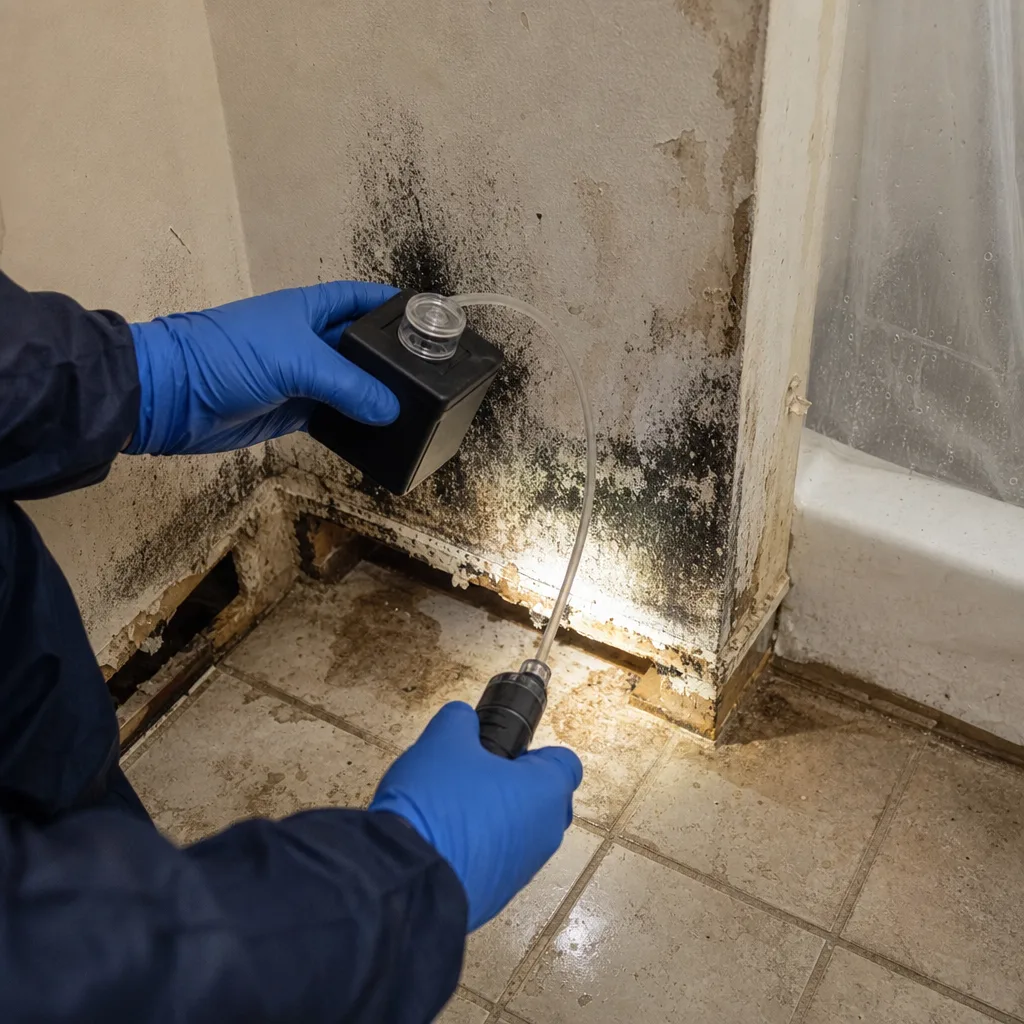
Flood Cleanup
Atmospheric river events push perched water tables against Federal Way’s slab edges and crawl space perimeters with each storm. The glacial till and clay-rich plateau that underlies neighborhoods from Steel Lake to the Lakota area traps groundwater where newer construction would drain. Our flood cleanup includes perimeter water diversion, crawl space pump-out, and contamination assessment - because floodwater contacting 30-50-year-old crawl space materials reclassifies to Category 3 black water under IICRC standards. We don’t guess at the classification. We test, document, and show you the photo record.
Burst Pipe Restoration
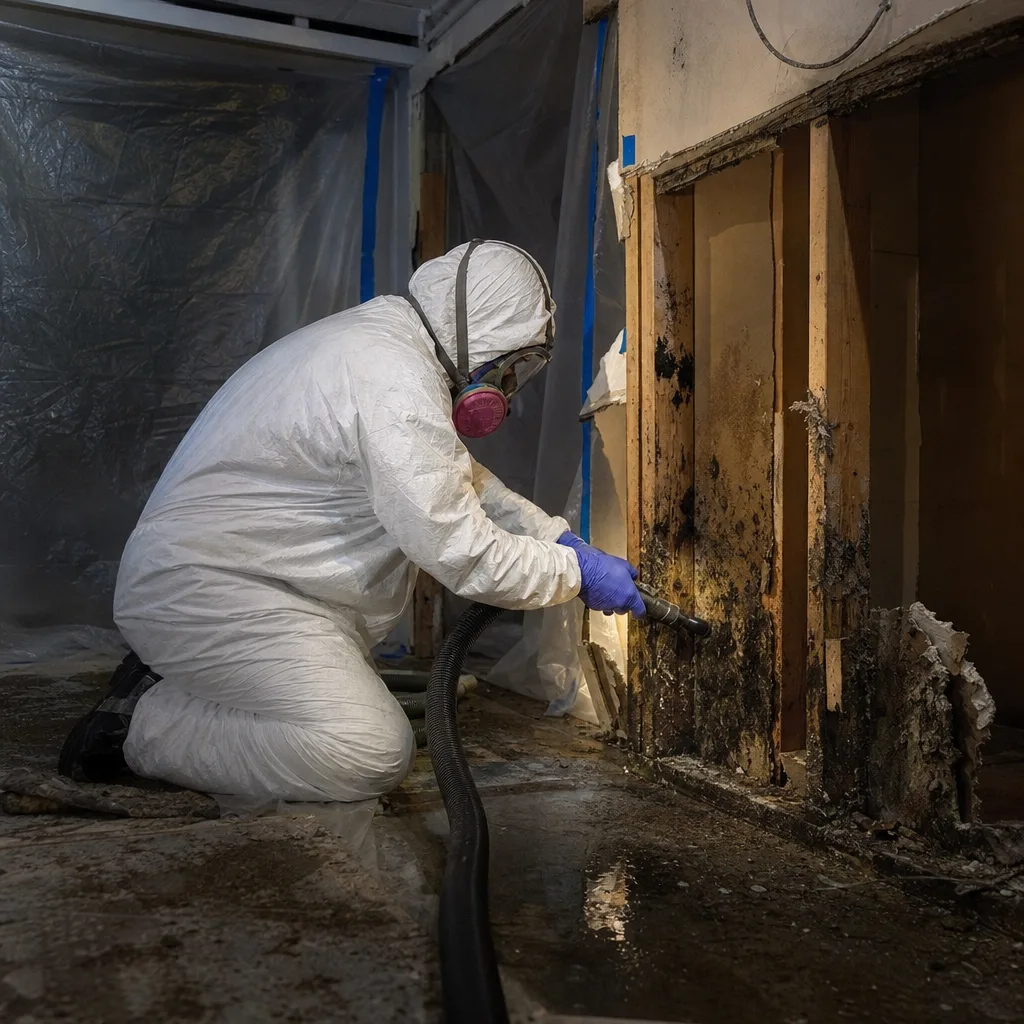
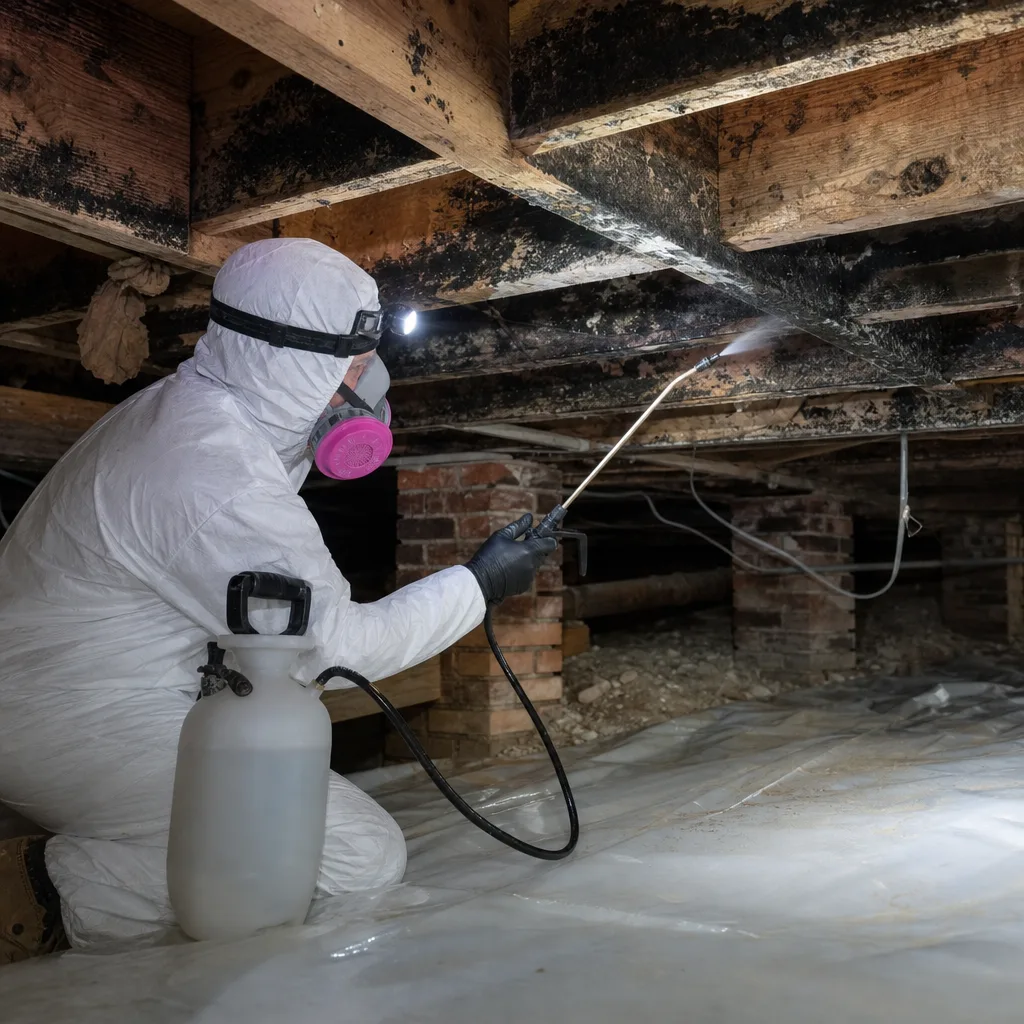
This is where Federal Way’s housing stock becomes critical. A burst pipe in a 1985 ranch near South 320th starts as Category 1 clean water. But when that water flows through wall cavities into a vented crawl space and contacts saturated fiberglass batt insulation, clay-contaminated groundwater, and decades of organic debris, it reclassifies to Category 3. We’ve documented this exact scenario dozens of times. Our burst pipe restoration includes full contamination assessment, removal of affected porous materials, antimicrobial treatment to structural framing, and drying logs that justify every line item to your adjuster. The written scope defines the work before anyone picks up a tool.
What happens when you call
- 1
A real person answersNo phone trees - you reach a local pro.
- 2
You get an upfront price rangeHonest numbers before anyone is dispatched.
- 3
A background-checked tech heads outLicensed & insured, dispatched right away.
- 4
You approve before work beginsNothing starts until you say go.
 Before
 After
AfterTrusted Brands We Service in Federal Way
Our equipment fleet runs professional-grade drying systems from Phoenix, Dri-Eaz, XPOWER, and B-Air - brands specified by major insurers and documented to RIA and IFA standards for claim acceptance. We stock replacement components locally for Federal Way jobs, minimizing downtime when a dehumidifier needs a filter or an air mover needs a cord set. Every machine deployed to your job is logged by serial number, runtime hours, and maintenance record. Your adjuster gets that log. So do you.
Common Water Damage Restoration Problems We See in Federal Way Homes
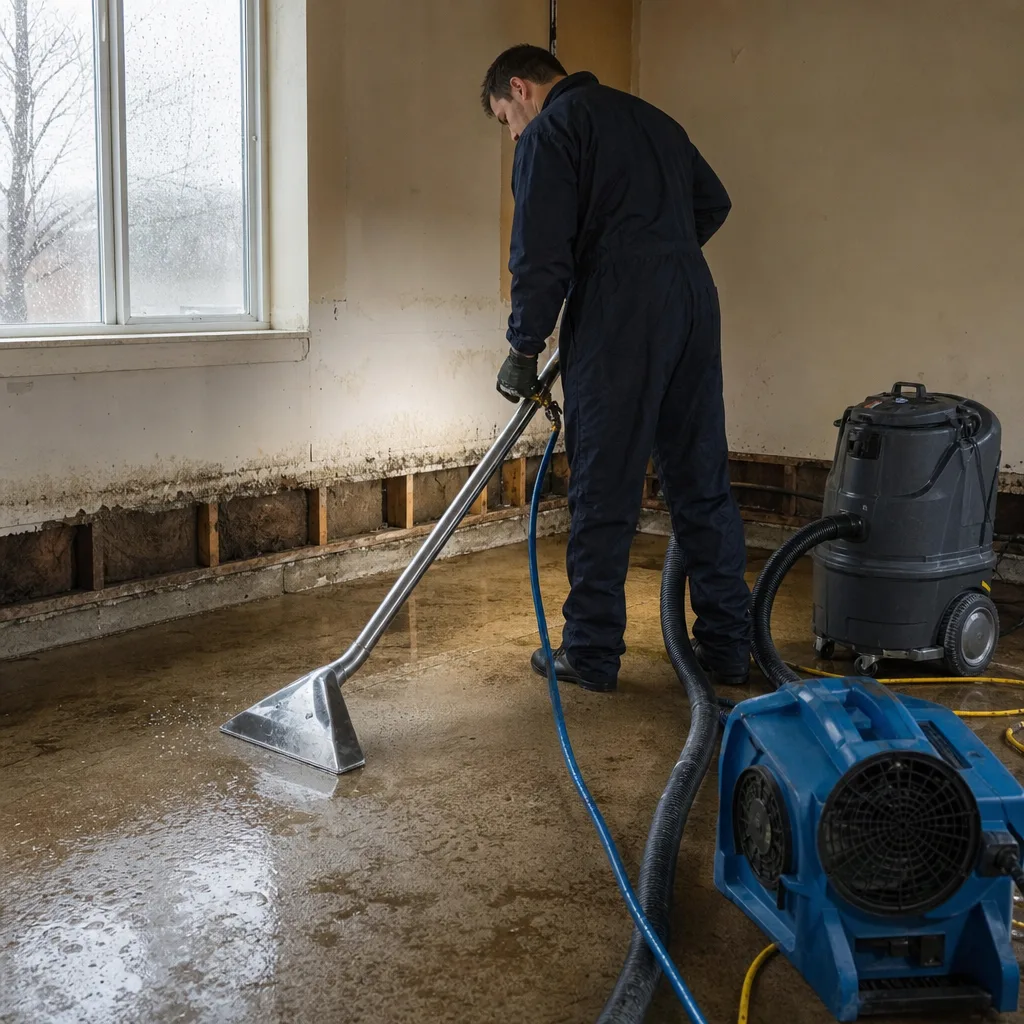
- Vented crawl spaces with degraded vapor barriers. The original 6-mil polyethylene installed in 1978 has long since torn, shifted, or decomposed, allowing soil moisture to evaporate directly into the crawl space air and saturate subflooring from below. Homeowners call for a pipe leak; we find the crawl space has been a slow-motion moisture event for years.
- Collapsed fiberglass batt insulation hiding mold layers. Original insulation stapled to joists in the 1970s and 1980s absorbs moisture, collapses against the subfloor in wet sheets, and creates a mold interface invisible from the living space above. Moisture mapping only reveals the full extent after contaminated insulation is removed and disposed of as Category 3 waste.
- Wind-driven rain through failed door thresholds and aging exterior seals. Federal Way’s atmospheric river exposure pushes water through gaps that developed over decades of thermal cycling, even without freeze-thaw. The water runs down wall cavities and pools in crawl spaces where perched water tables on glacial till prevent natural drainage.
- Category 1 reclassification to Category 3 in mid-century crawl spaces. Water that starts clean becomes black water on contact with 30-50-year-old saturated organic materials and clay-contaminated groundwater. This reclassification triggers full removal requirements, extended drying timelines, and specific documentation protocols that inexperienced crews miss.
Pricing for Water Damage Restoration in Federal Way, WA
We publish ranges because Haven Standard, Clause 1 requires a written price before work begins - and that price should never require a phone call to discover.
| Service | Typical Federal Way Range |
|---|---|
| Emergency water extraction | $1,200 - $2,400 |
| Structural drying & dehumidification (per day) | $180 - $340 |
| Crawl space pump-out and contamination assessment | $800 - $1,600 |
| Category 3 material removal and disposal | $1,400 - $3,200 |
| Antimicrobial treatment to structural framing | $600 - $1,200 |
| Full residential mitigation (typical scope) | $2,800 - $7,500 |
Factors that move Federal Way jobs toward the higher end: crawl space involvement requiring insulation removal, Category 3 reclassification with associated waste disposal, extended drying due to glacial-till moisture retention, and jobs in the Steel Lake or Twin Lakes areas where 1970s construction density means similar failure modes across entire blocks. Every estimate is free, every scope is written, and every price is fixed before work starts. Call (253) 447-5249 for an exact quote on your specific situation.
We Also Serve Cities Near Federal Way
Our crews respond daily throughout the South King and north Pierce County corridor, including Federal Way, Auburn, Milton, Kent, and Tacoma. Dispatch is coordinated from our Seattle office with route optimization for I-5 and SR-18 access, keeping response times under 90 minutes for most metro-core locations. Each city receives the same documentation protocol: written price before work, photo record on every visit, and drying logs to IICRC standards.
Serving Federal Way, WA - Our Local Coverage Area
We’re based in the Federal Way area and know this community well. Use the map below to see our service coverage - if you’re nearby, we can almost certainly help.
FAQs - Water Damage Restoration in Federal Way
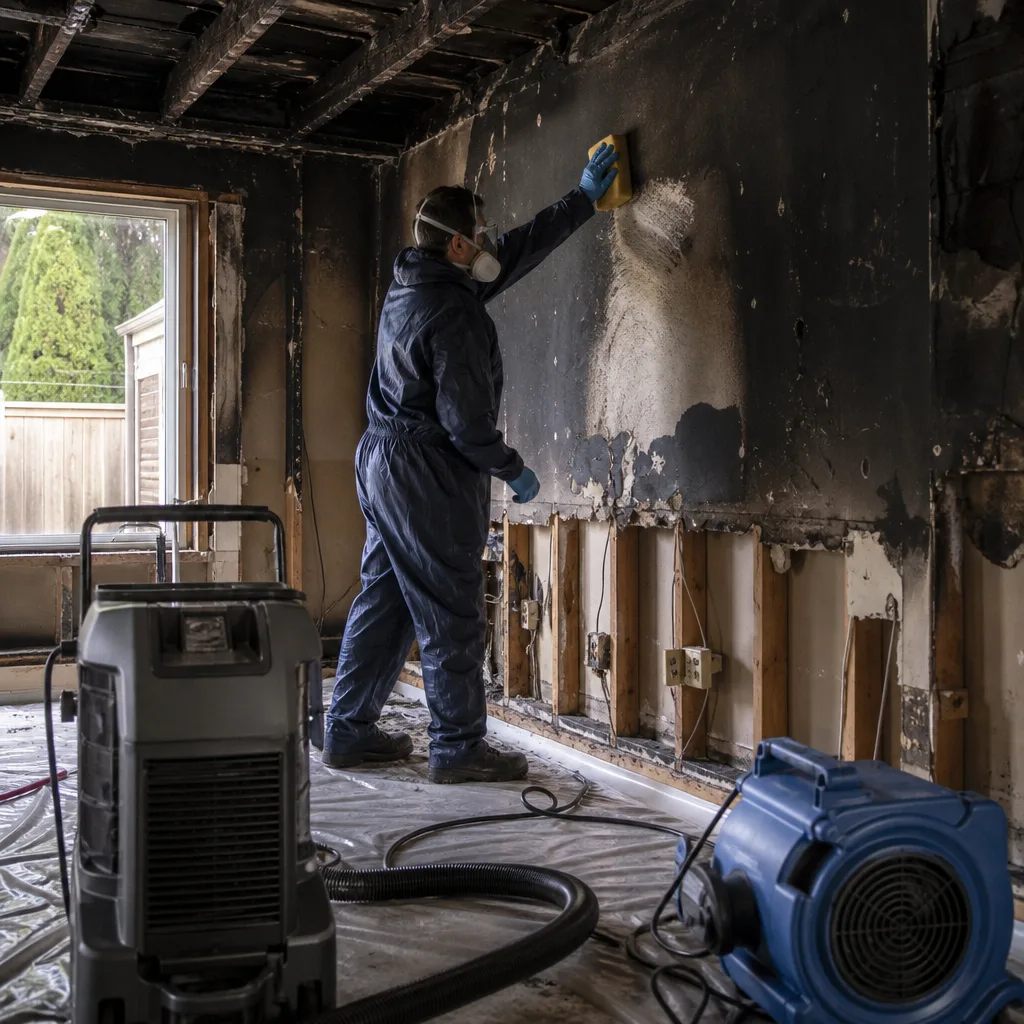
Because Federal Way’s 1970-1995 housing stock was built with vented crawl spaces over glacial till and clay, and the original fiberglass batt insulation and vapor barriers are now 30-50 years old. When water enters from any source - pipe, roof, or ground - it contacts saturated organic materials that have been accumulating moisture for decades, revealing mold colonies that grew undisturbed in the maritime climate’s year-round humidity. Call (253) 447-5249 and we’ll assess whether your job is surface drying or full crawl space remediation.
Clean water becomes Category 3 black water when it contacts contaminated materials, and Federal Way’s mid-century vented crawl spaces provide those materials in abundance: 30-50-year-old saturated fiberglass batt insulation, clay-contaminated groundwater from perched water tables, and decomposed organic debris. IICRC S500 standards define this contact as reclassification, requiring full removal of affected porous materials rather than drying in place. Our moisture mapping and photo documentation justify this classification to your adjuster. Call (253) 447-5249 for a written scope that explains exactly what category applies to your job.
In Federal Way’s maritime climate with no summer freeze-thaw to interrupt growth, mold colonization begins within 24-48 hours of moisture introduction and continues year-round. The continuous humidity means colonies don’t enter seasonal dormancy, and vented crawl spaces with degraded vapor barriers provide constant moisture reservoirs. This is why we deploy emergency drying within hours, not days. Call (253) 447-5249 for same-day response.
Moisture readings are point-in-time measurements at specific locations; moisture mapping is the systematic documentation of those readings across all affected materials to establish drying progress and define the boundary between salvageable and non-salvageable structure. In Federal Way, moisture mapping matters because the city’s vented-crawl construction hides moisture migration paths behind finished surfaces and under saturated insulation. Without mapping, crews dry what they can see and miss what they can’t - leaving active mold reservoirs. Our daily drying logs include both, documented to IICRC standards for claim acceptance. Call (253) 447-5249 to review how we map your specific structure.
Permit requirements in Federal Way depend on scope: emergency extraction and drying typically don’t require permits, but structural repairs, electrical or plumbing replacement, and any modification to load-bearing elements do. We coordinate permit applications as part of our reconstruction scope when needed, with documentation that satisfies both city inspectors and insurance adjusters. Your written scope will specify which phases require permitting and which don’t. Call (253) 447-5249 for clarification on your specific job.
We got a call from a homeowner in the Steel Lake area whose 1978 split-level had water backing up from the crawl space after a burst pipe. When our tech pulled the fiberglass batt insulation stapled to the joists, it collapsed against the subfloor in wet sheets - classic Federal Way vented-crawl failure - and moisture mapping revealed the entire subfloor was saturated. We set containment, ran Phoenix dehumidifiers and Dri-Eaz air movers through structural drying, applied antimicrobial treatment to the joists, and documented moisture readings and drying logs for the scope of work; the pre-loss condition was restored in four days.
Back to Dry Restoration has operated under The Haven Standard since 2011, founded by a former claims adjuster who built the company around the documentation gap that costs homeowners their claims. We’ve restored 12,000+ homes since then, every one with a written price before work started and a documented record when the crew left. Alicia Brennan leads our operations, and every Federal Way job carries her name on the guarantee.
Call (253) 447-5249 now for a free estimate. A live person answers every call, 24 hours a day, 7 days a week. Your written price arrives before any work begins. Your photo record documents every visit. And your 365-Day Done Right Promise is signed, not spoken.
Written by Alicia Brennan, Owner at Back to Dry Restoration, serving Federal Way since 2011.