
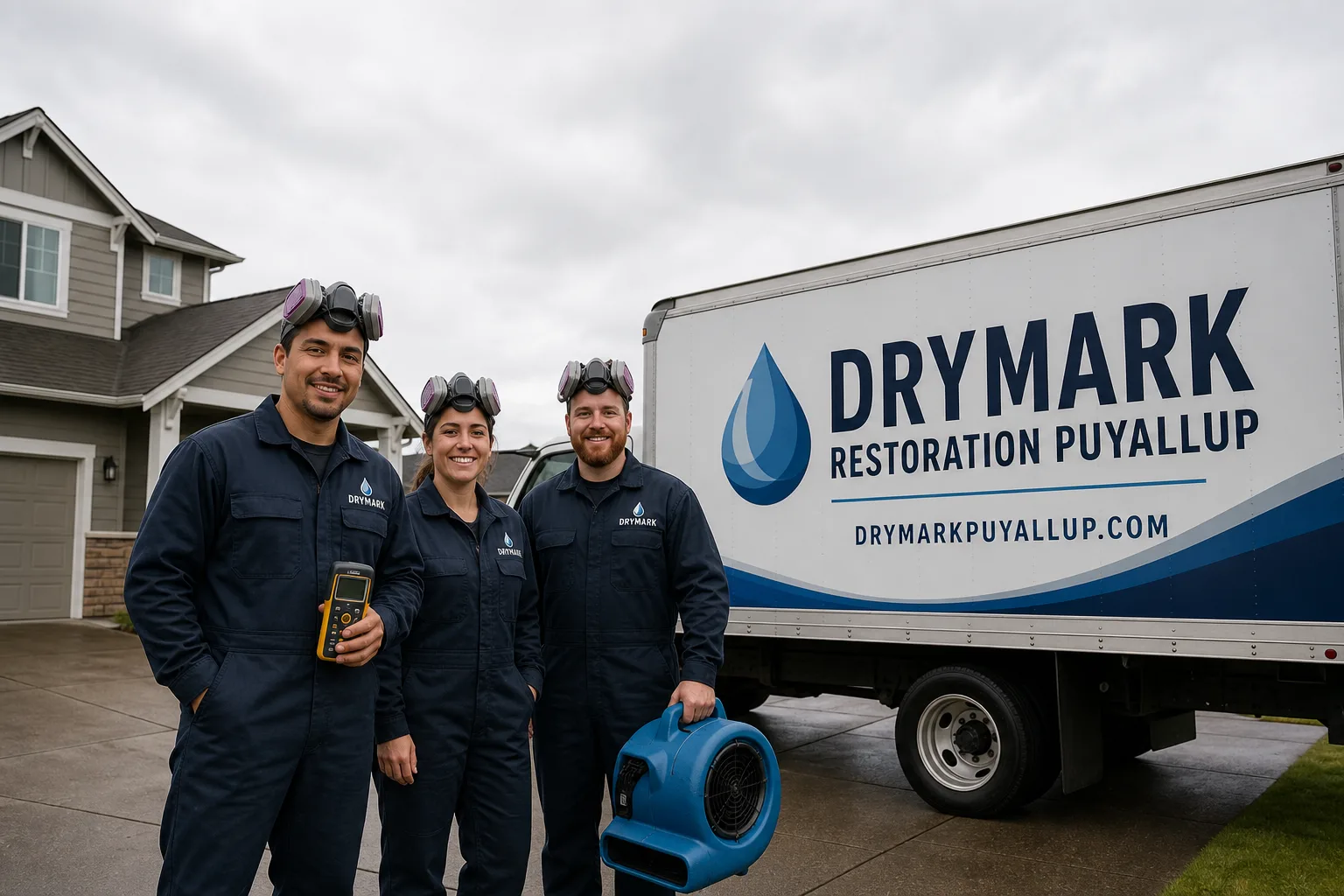
Free visual inspection and a written scope of work before any mitigation begins - photos, moisture readings, and drying logs go in your claim file
The scope we write is the scope we bill. Anything new gets shown to you, in writing, before we touch it.
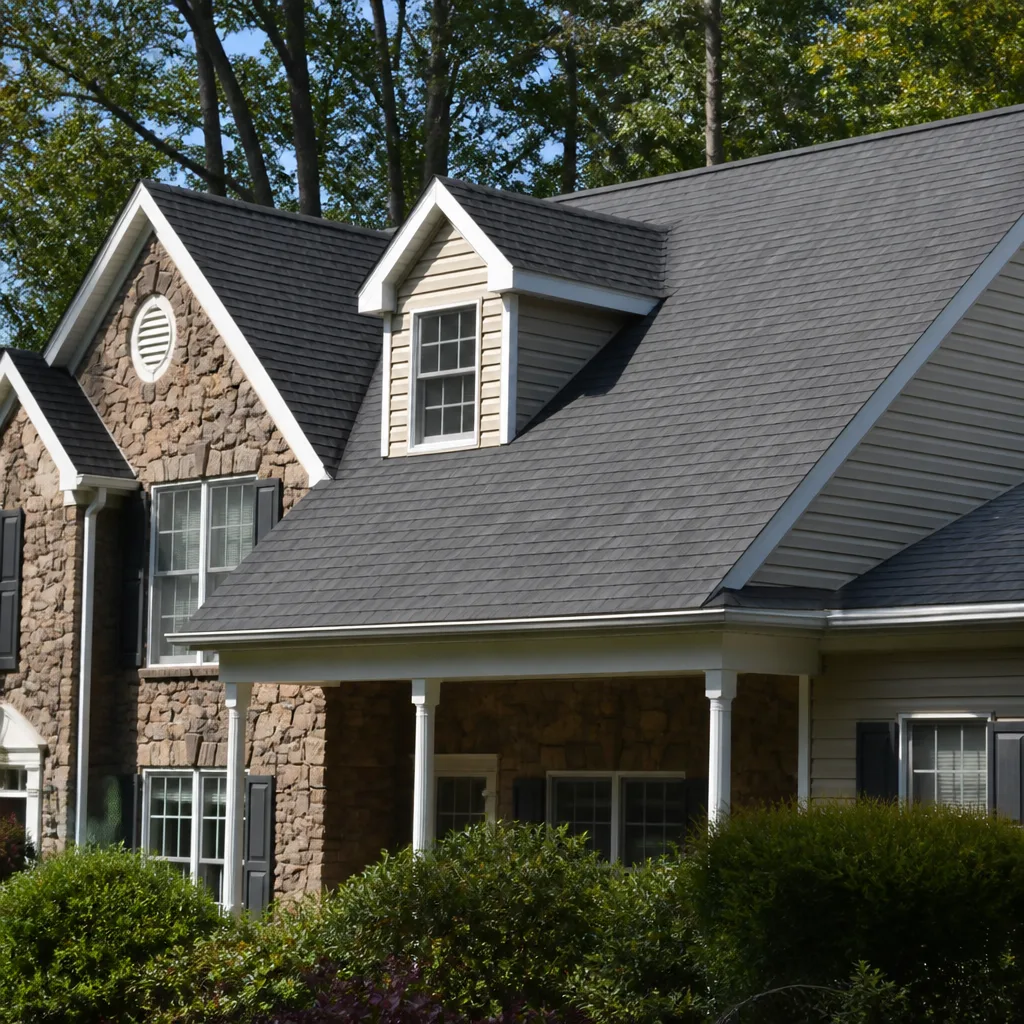
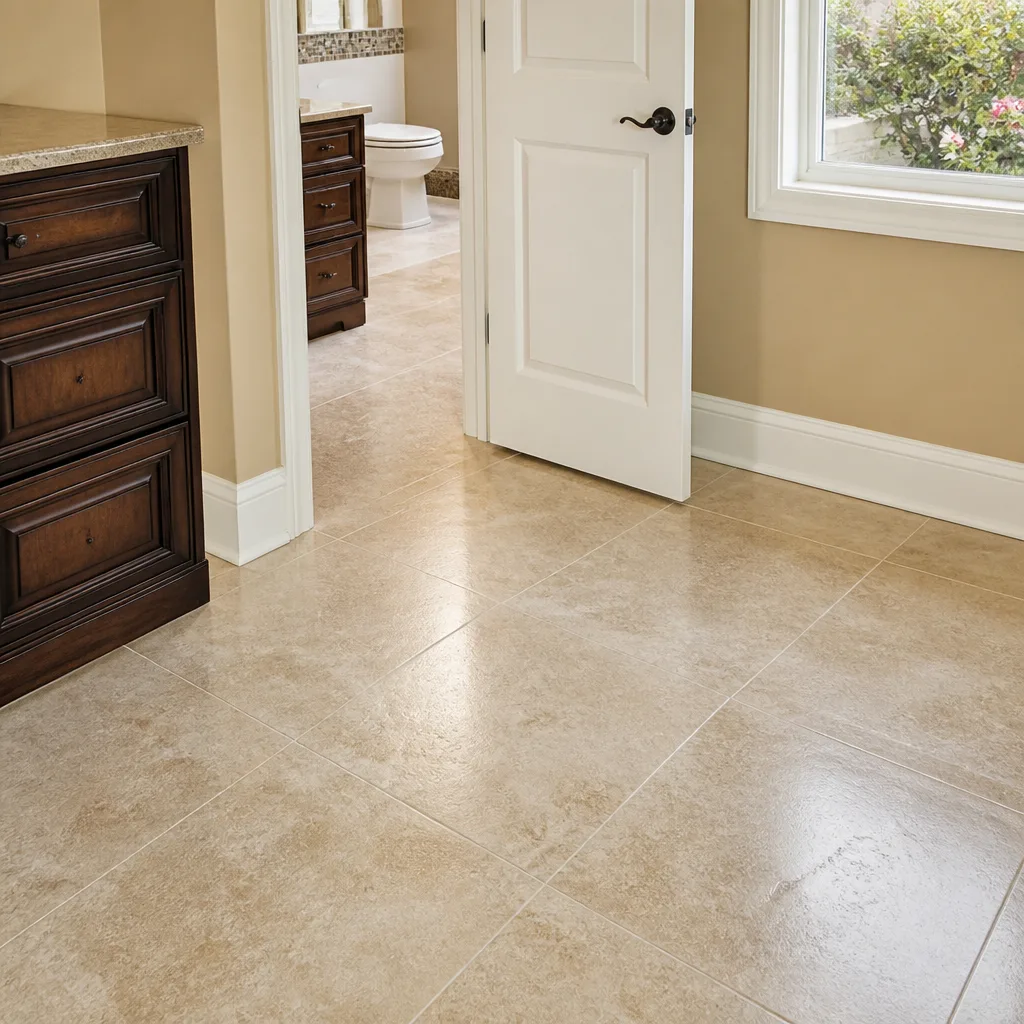
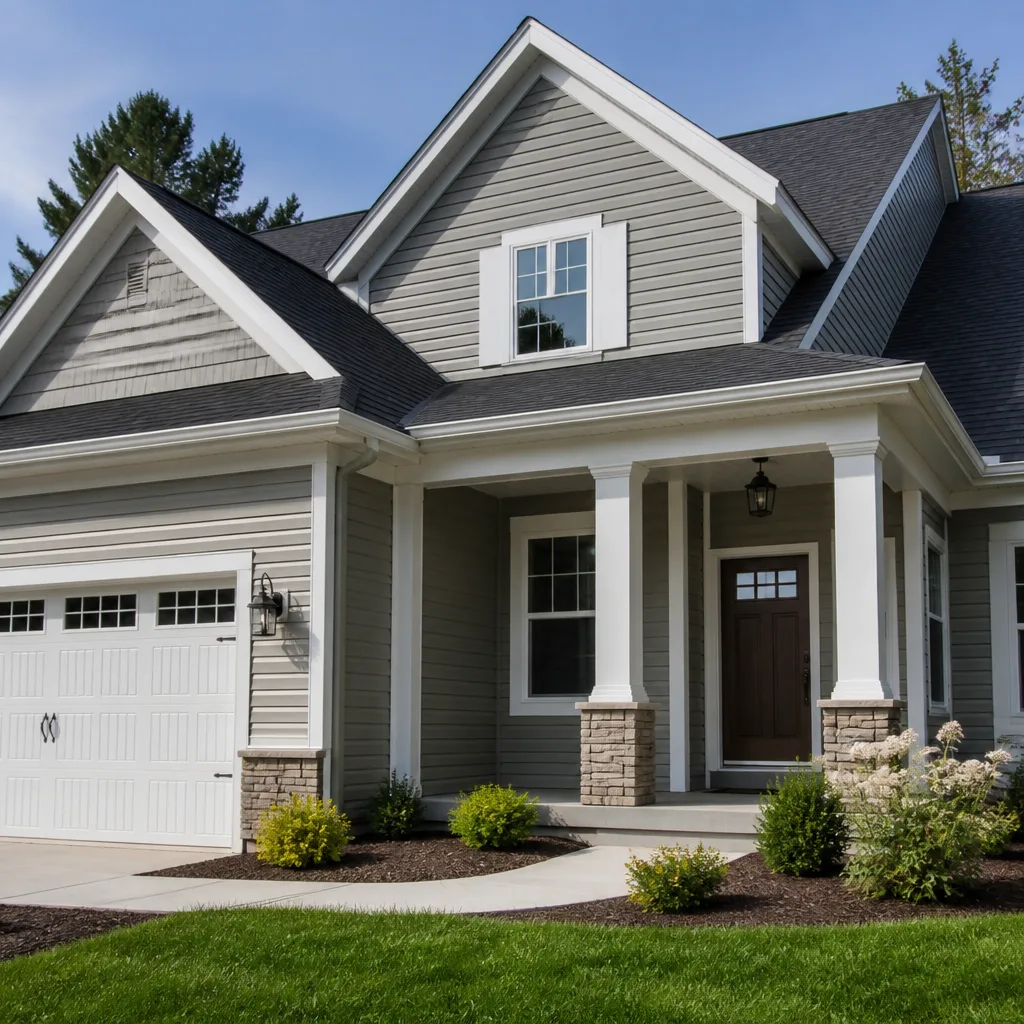
 Before
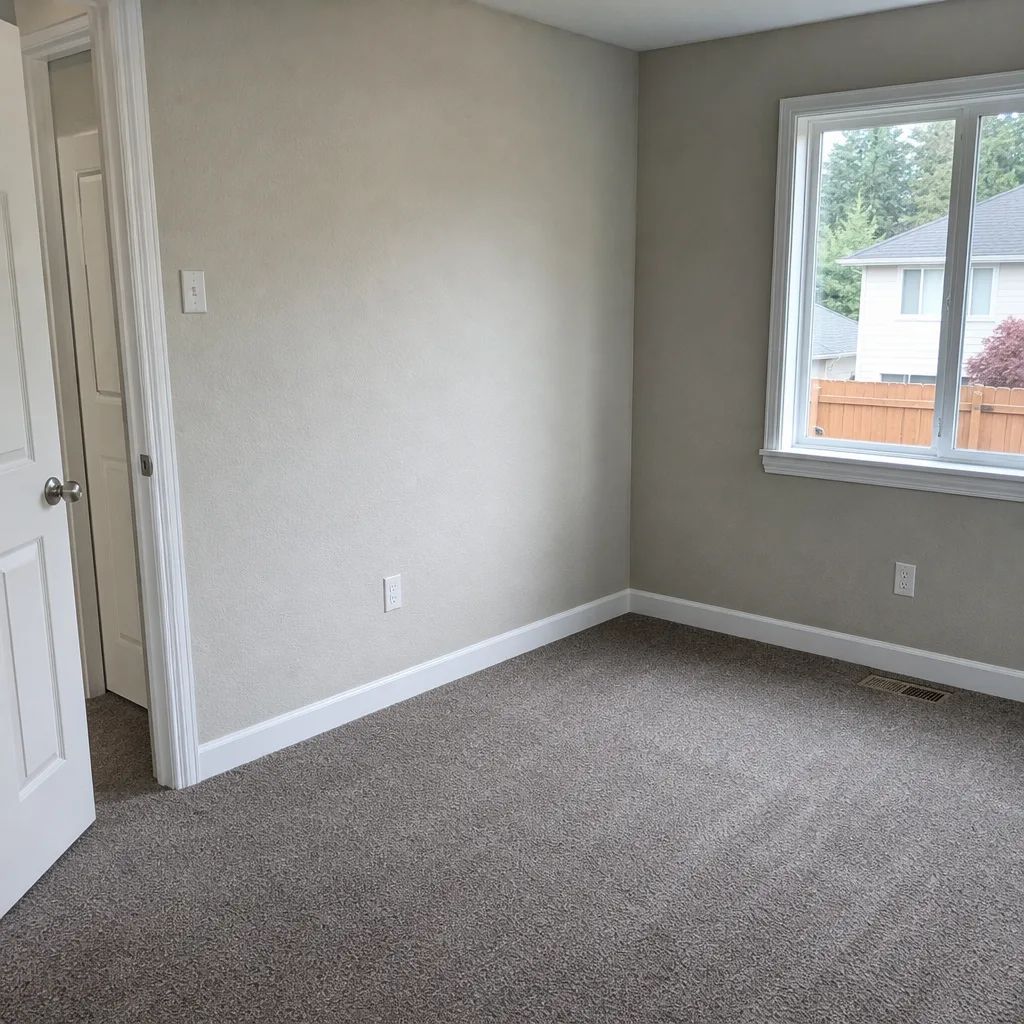 After
After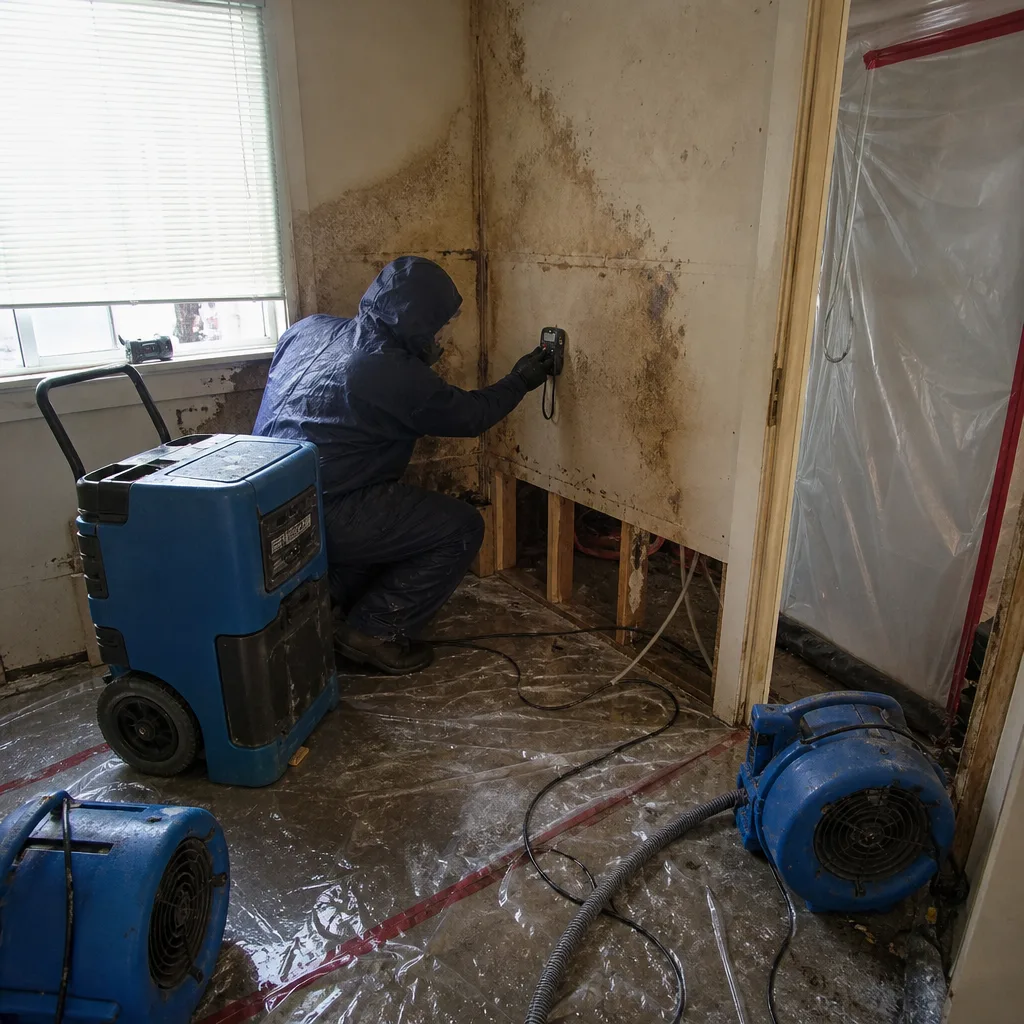 Before
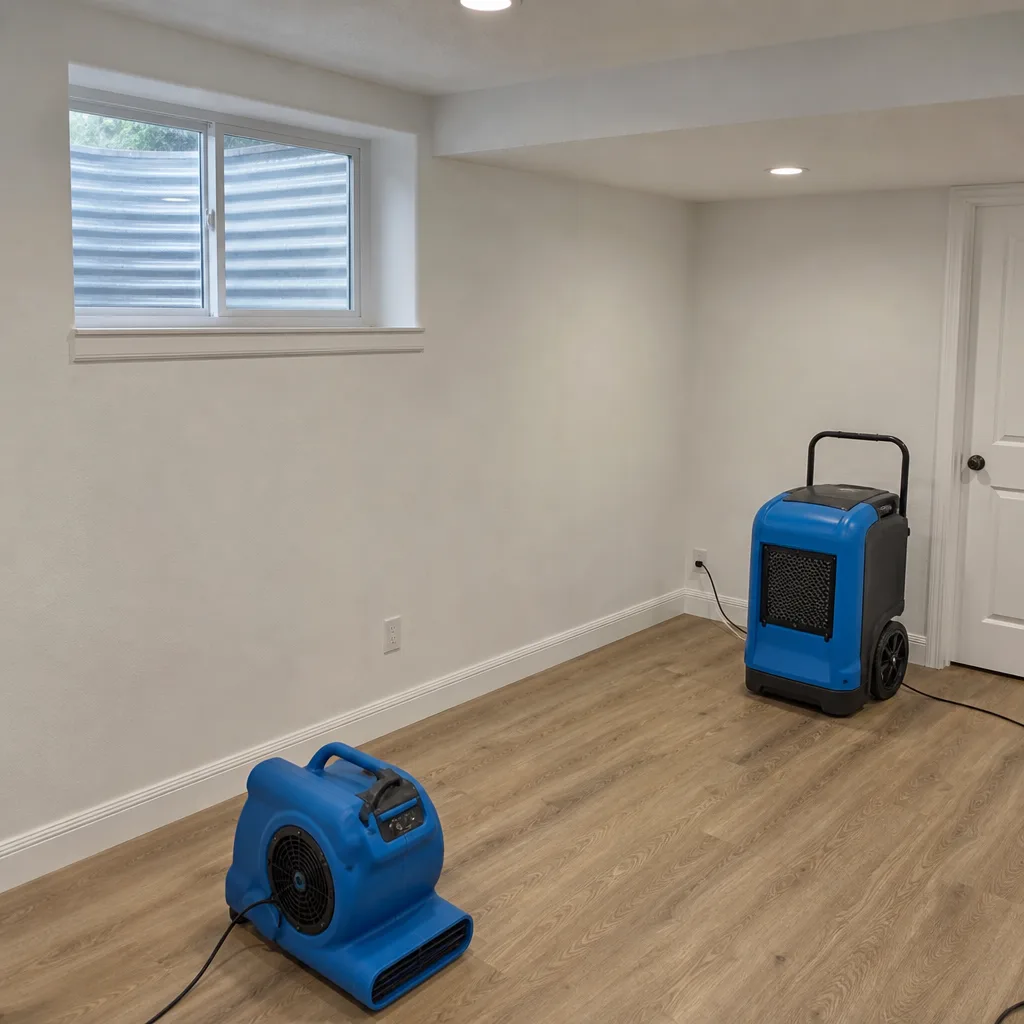 After
After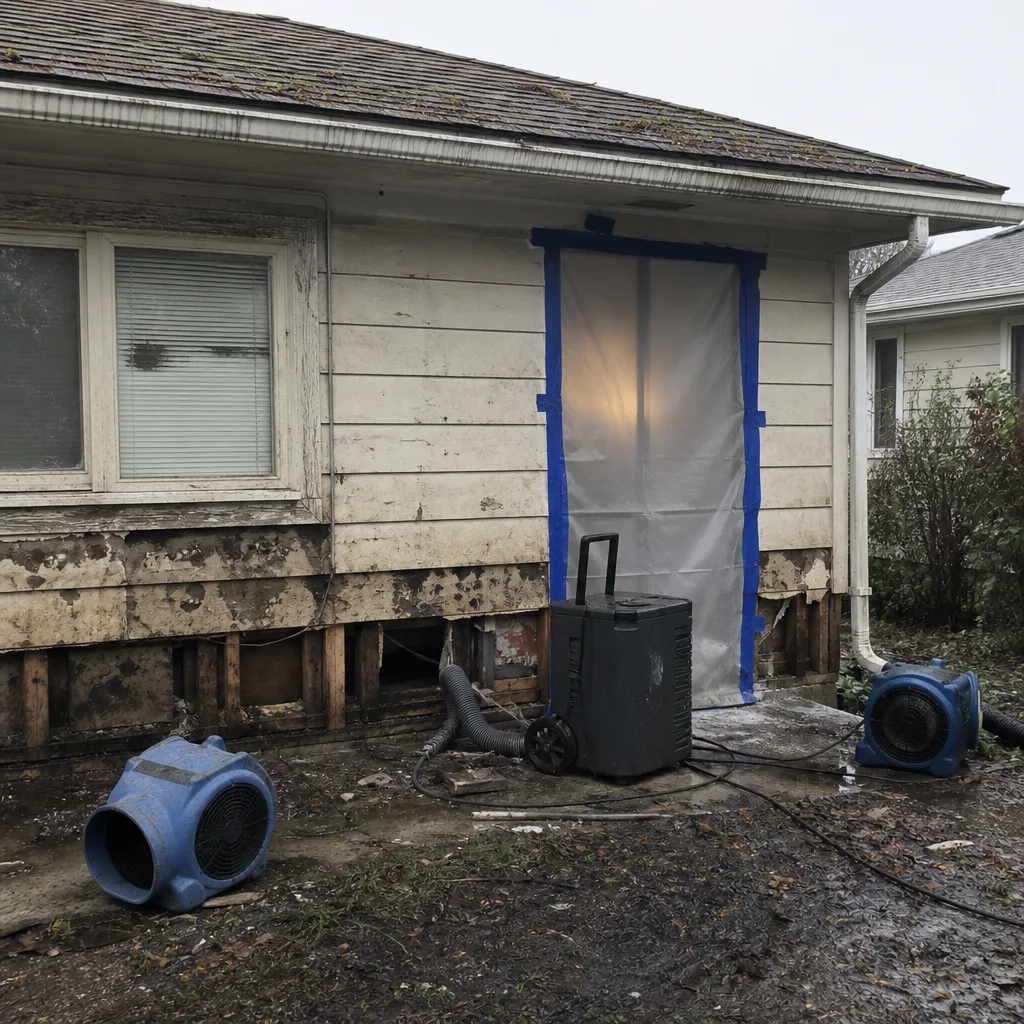 Before
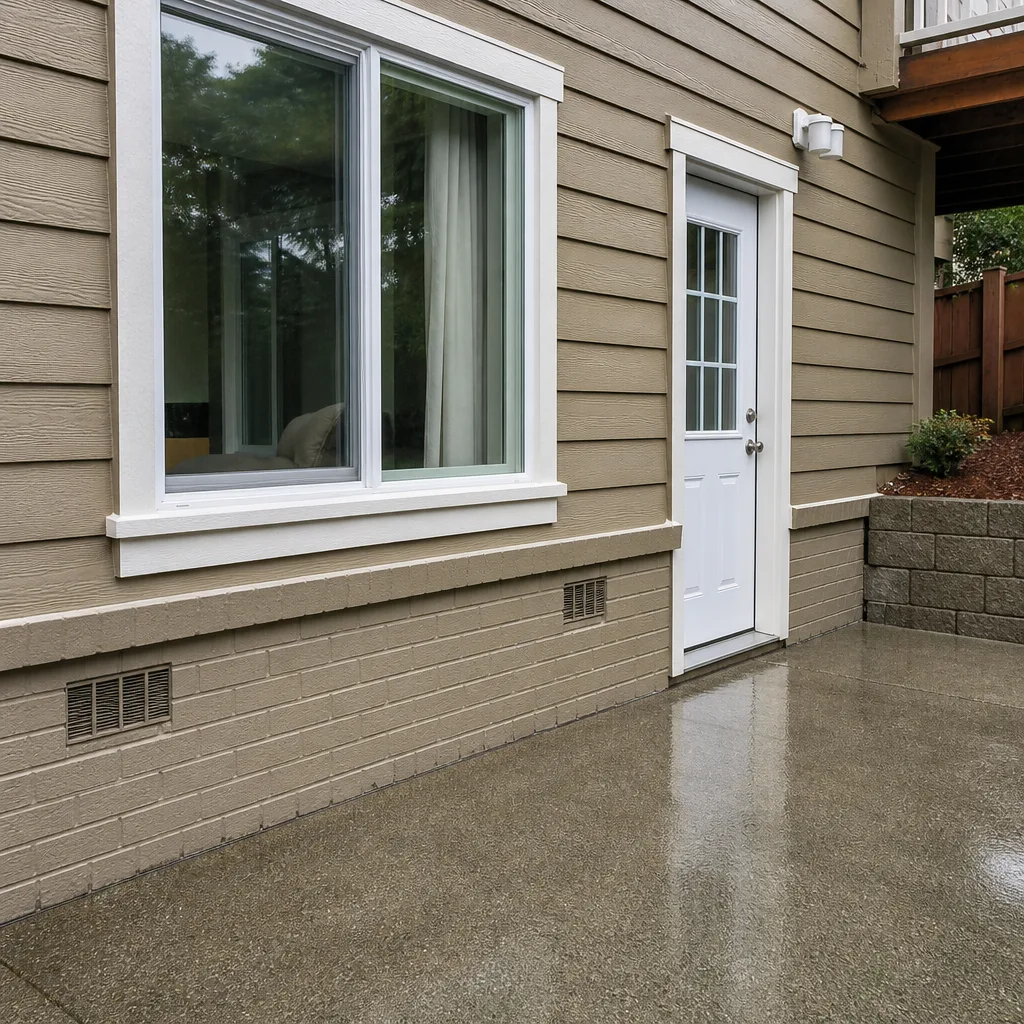 After
AfterFast, Reliable Water Damage Restoration Across South Hill
Water damage restoration in South Hill, WA typically costs between $1,800 and $5,500 for standard residential jobs, with emergency water extraction starting around $950 and full structural drying running $2,400-$4,200 depending on square footage and material saturation. Most South Hill homes we see need same-day dispatch because water keeps moving through OSB sheathing and into wall cavities until extraction begins.
We’re familiar with South Hill’s specific conditions - the 1990s and 2000s tract-home subdivisions off 176th Street East and Meridian, the clay-pan soil that won’t let water drain, and the builder-grade window flashing that predated Washington’s stricter moisture-code requirements. Our crews are dispatched from our Seattle office and typically reach South Hill properties within 45-60 minutes during emergency hours. Call (253) 447-5249 and a live person answers - no voicemail tree, no callback queue while water spreads.
Why DryMark Restoration Puyallup Is South Hill’s Preferred Water Damage Restoration Company
We’ve restored water-damaged homes across South Hill’s subdivisions - from the Meridian corridor to the neighborhoods near Bradley Lake Park - and our documentation-first approach is built on what actually gets insurance claims paid. Every job starts with a written price before any work begins, per Haven Standard, Clause 1. No scope-creep additions once our crew is inside your home.
Our South Hill customers leave reviews citing the photo records we deliver on every visit and the daily moisture logs that their adjusters accept without dispute. We’ve completed 12,000+ restorations since 2011, each with that same written-price guarantee and documented record.
Response time matters here because of the clay. South Hill’s glacially deposited clay soils drain so slowly that a crawl space with standing water on Monday will have saturated subfloors and rim joists by Wednesday. We run live phone coverage 24 hours a day, 7 days a week - a real person, not an automated system - and we aim for under-an-hour dispatch to South Hill addresses during emergency calls.
Our technicians are background-checked, uniformed, and licensed; they arrive with the equipment to begin extraction immediately rather than “assessing” and returning later. That’s the difference between documentation that prevents mold and documentation that explains why mold grew.
Our Water Damage Restoration Services in South Hill
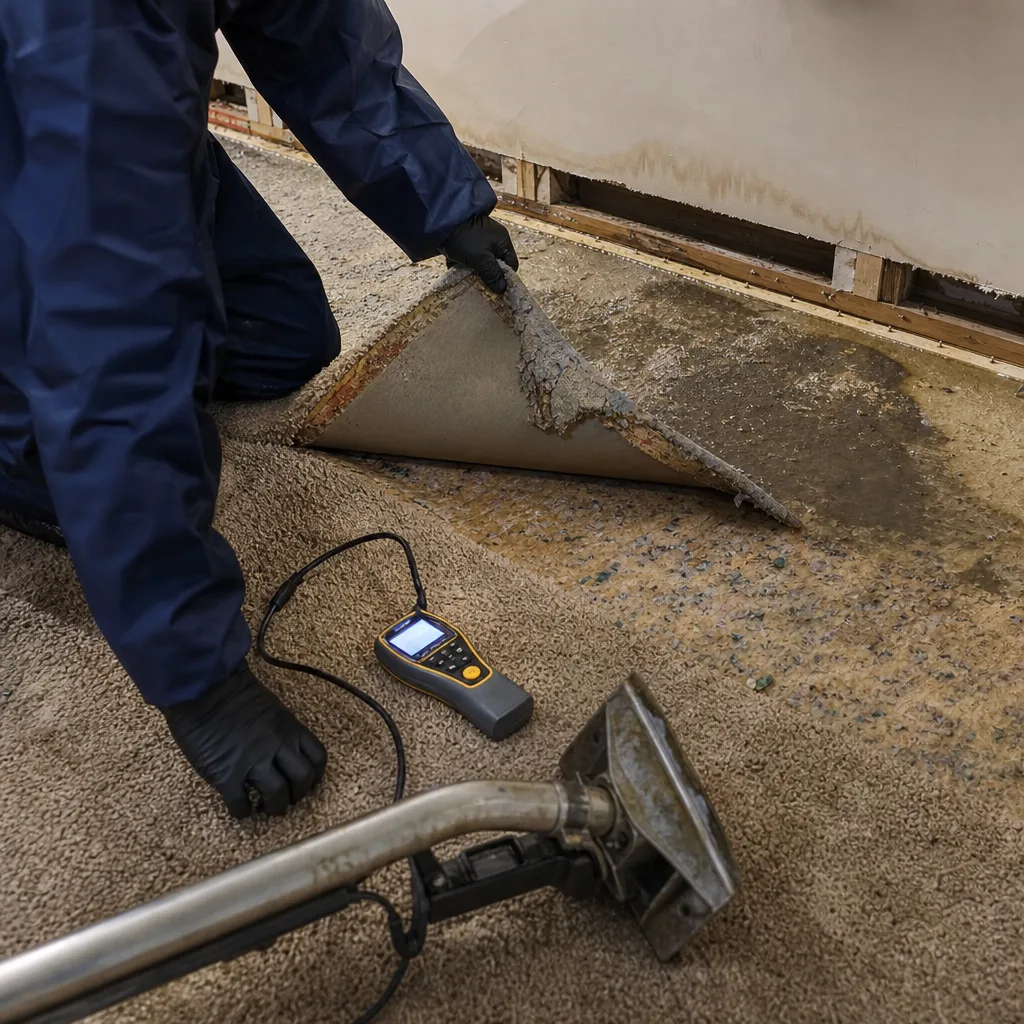
Emergency Water Extraction
We extract standing water from South Hill homes using truck-mounted and portable systems, depending on access and the volume involved. In South Hill’s 1990s-2000s tract homes, we often find water trapped in crawl spaces where the clay pan has created a perched water table - the soil above the impermeable clay layer is saturated even when gutters and downspouts are correctly sized and functional. Extraction is always step one; nothing else matters until the standing water is out. We document pre-extraction moisture readings and photo the water line on structural members before we begin.
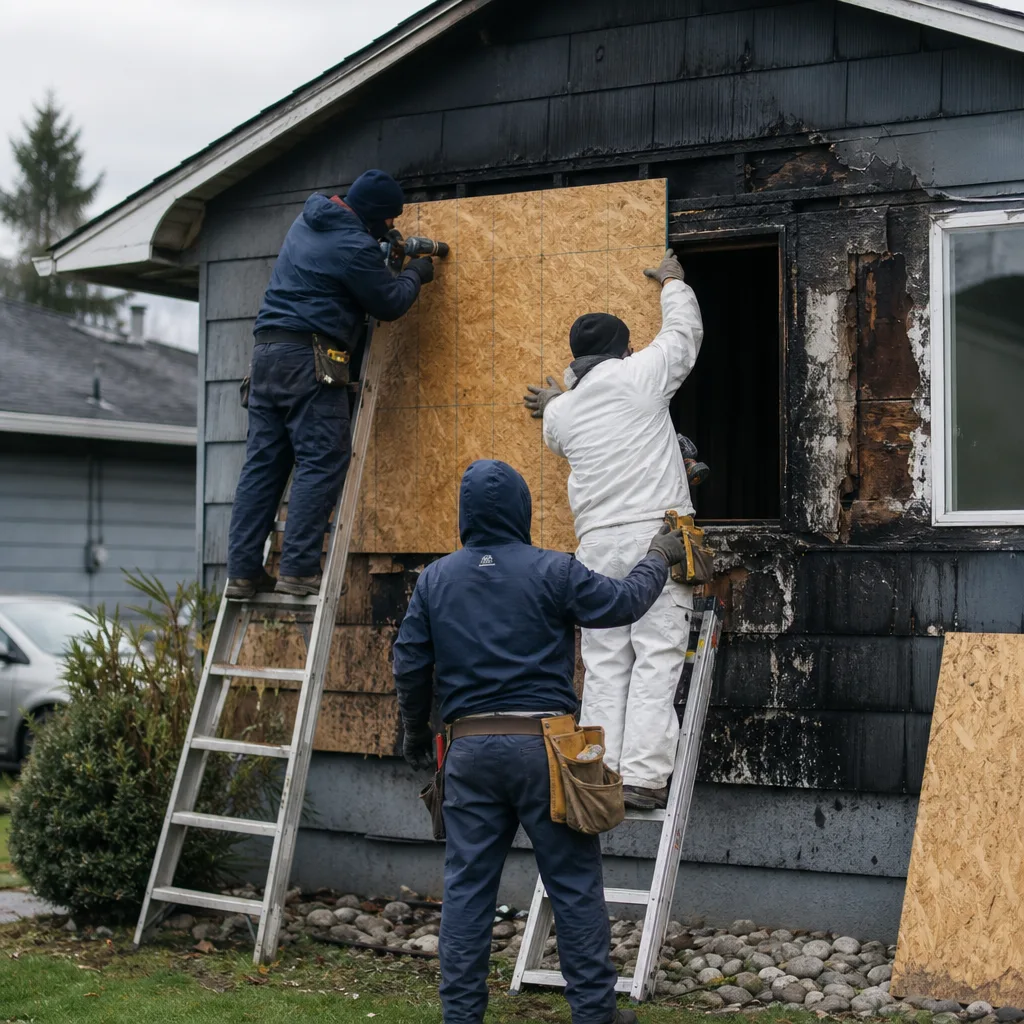
Structural Drying & Dehumidification
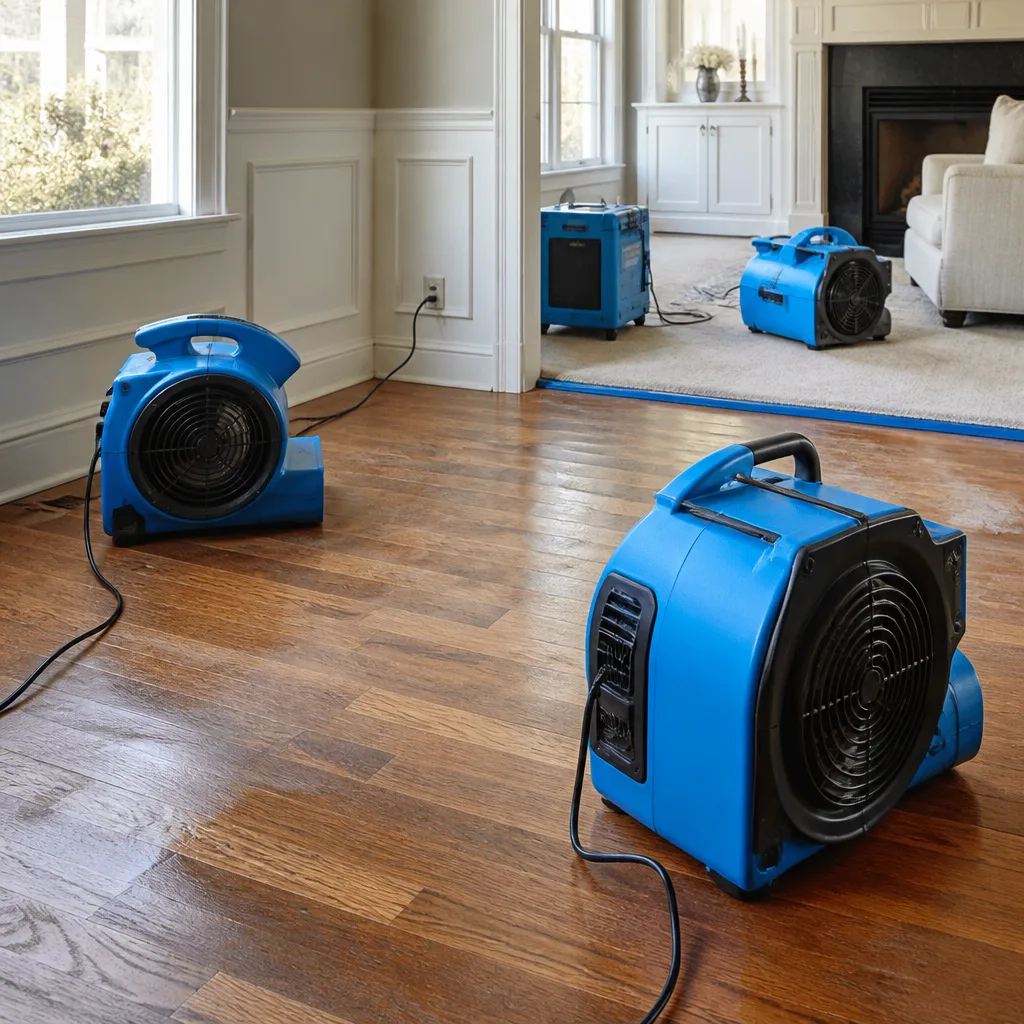
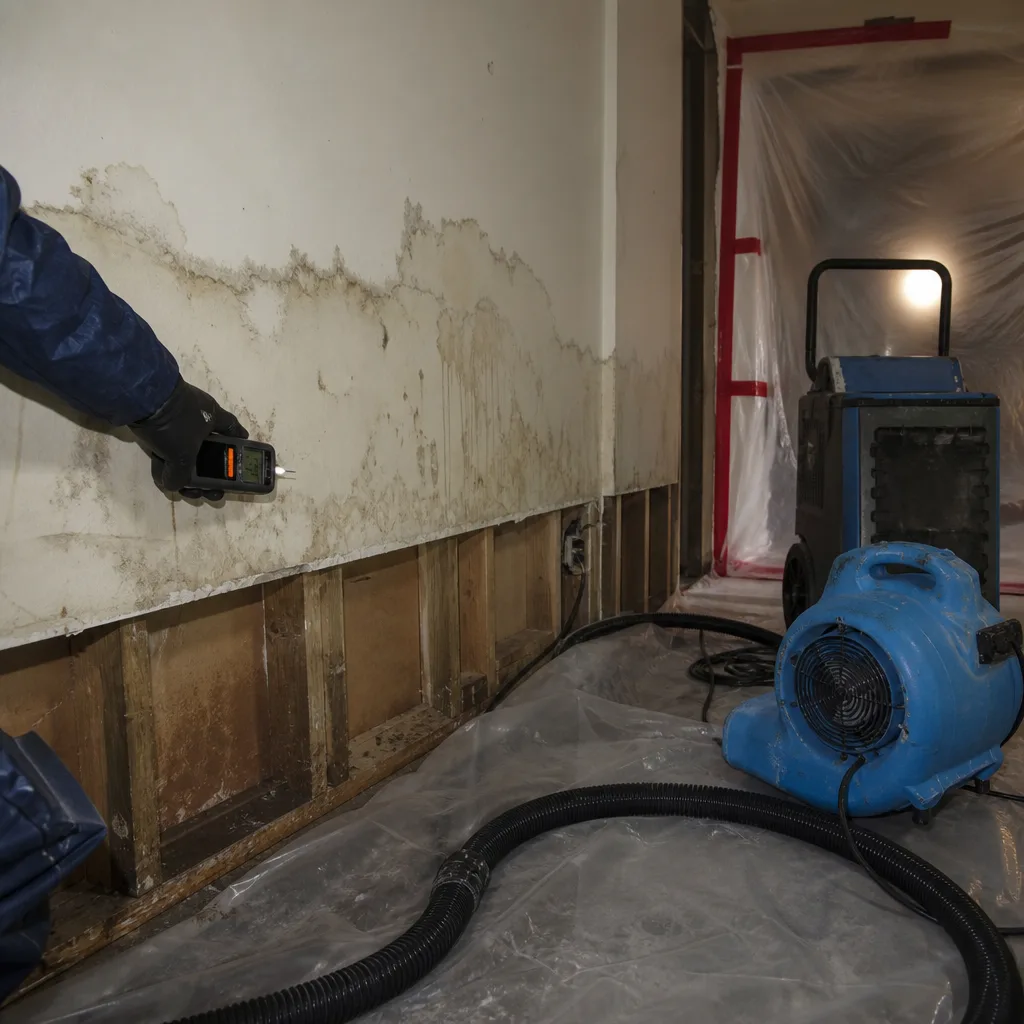
After extraction, we deploy professional-grade drying systems - Phoenix dehumidifiers, Dri-Eaz air movers, and Injectidry cavity-drying equipment - sized to the affected square footage and material class. South Hill’s OSB-sheathed walls and subfloors don’t release moisture the way older plank sheathing does; they require longer drying cycles with precise psychrometric monitoring. We log vapor pressure differential and relative humidity daily, and we deliver those logs as part of your documentation package. Tertiary drying, the final phase where we chase bound water out of dense materials, often takes 72+ hours in South Hill’s cool, humid winter conditions.
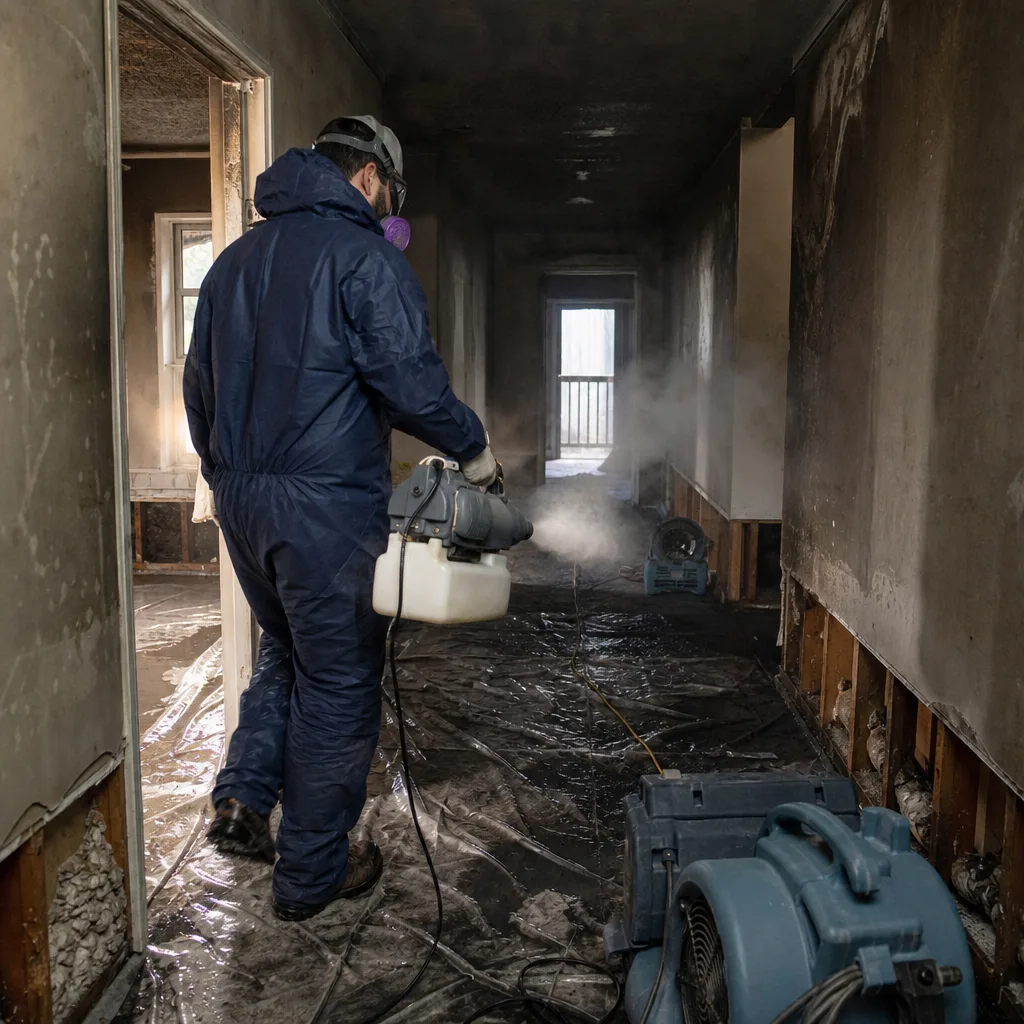
Flood Cleanup
South Hill flood cleanup ranges from groundwater intrusion through foundation seams to overland flooding during the heaviest Pacific marine storms. We classify the water source - Category 1 (clean), Category 2 (gray), or Category 3 (black) - and that classification determines salvageability, antimicrobial protocol, and disposal requirements. Our Water Damage Restoration team documents every classification decision with photos and written justification, because insurers challenge Category assignments more than any other line item.
Burst Pipe Restoration
Burst pipes in South Hill homes often occur in exterior walls with minimal insulation, or in crawl spaces where the clay-pan moisture keeps ambient humidity high enough to mask early freezing. We extract, dry, and document the full extent of the damage - including water that migrated into wall cavities through the same builder-grade window rough openings that fail during rain events. Our written scope addresses both the immediate damage and the conditions that made the burst more likely, which matters for insurance coverage disputes.
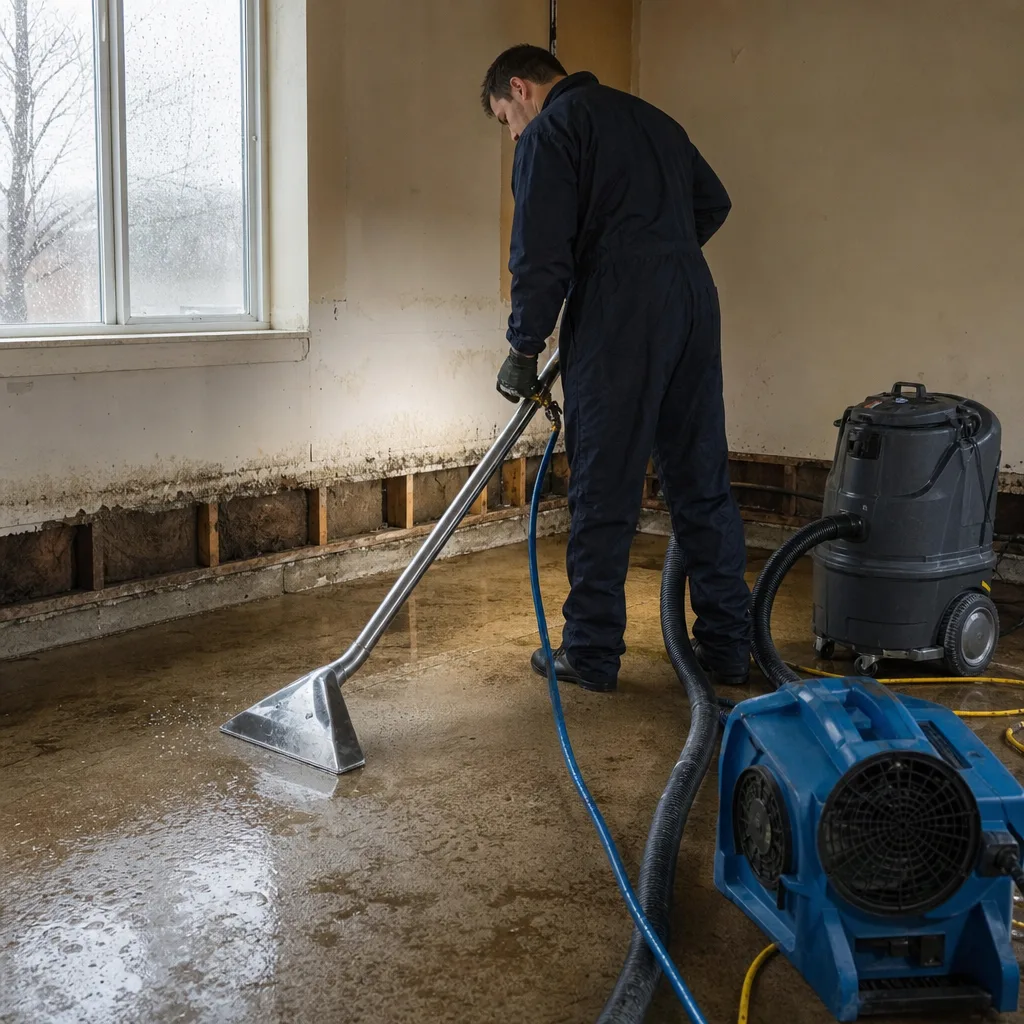
Basement Water Removal
True basements are less common in South Hill’s tract-home stock than crawl spaces, but where they exist - often in homes built on the plateau’s slight grades - they face the same clay-soil hydrostatic pressure. Water pushes through cold joints and wall-floor seams. We remove it, map the full migration pattern with moisture meters and thermal imaging, and dry to IICRC S500 standards. The documentation includes a written assessment of whether exterior drainage correction is needed to prevent recurrence.
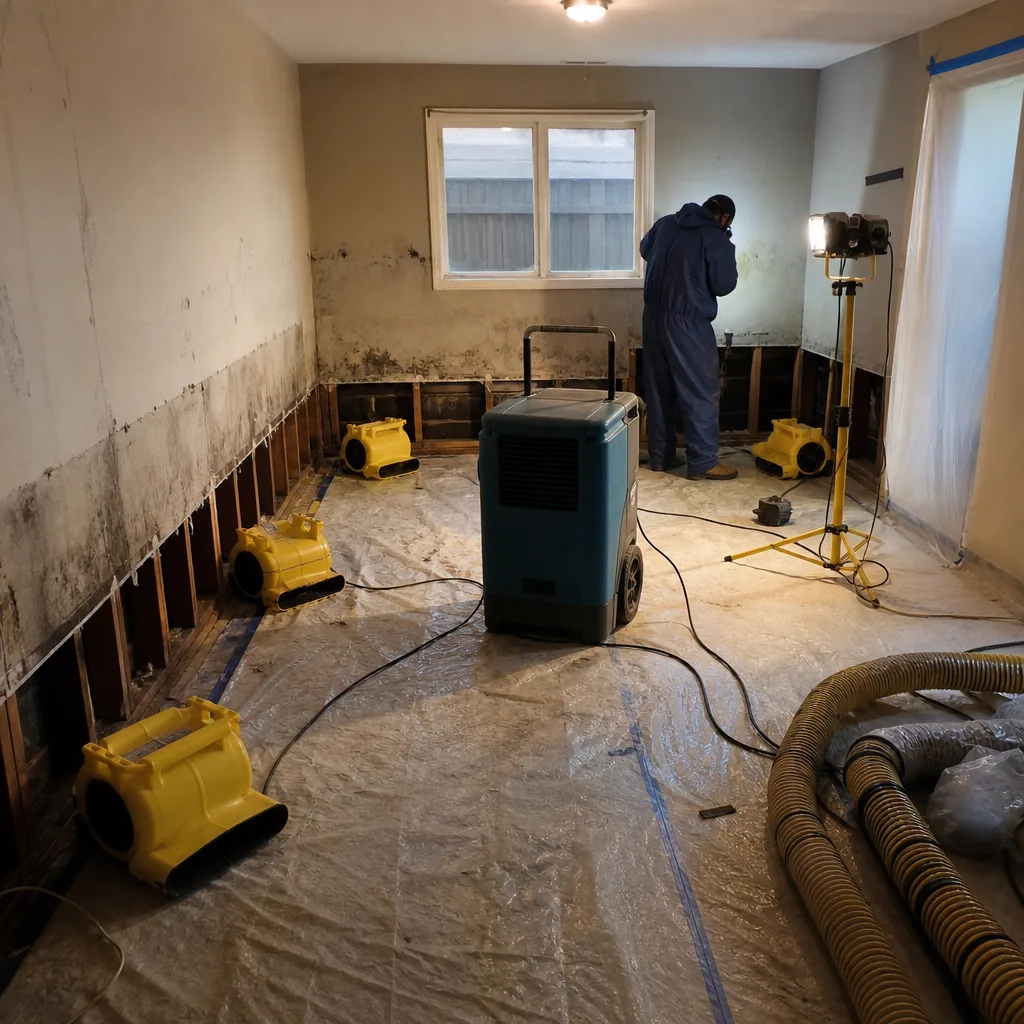
Ceiling & Roof Leak Water Damage
South Hill’s 1990s-2000s homes are simultaneously hitting the end of their original 25-year composition roofs. We’ve responded to entire cul-de-sacs where three neighbors in 1997-built homes discovered ceiling stains the same February weekend. Our response includes interior drying, but we also photo-document the roof condition and the attic moisture pattern to support your insurance claim for roof replacement - because the restoration invoice and the roof invoice are often part of the same covered event.
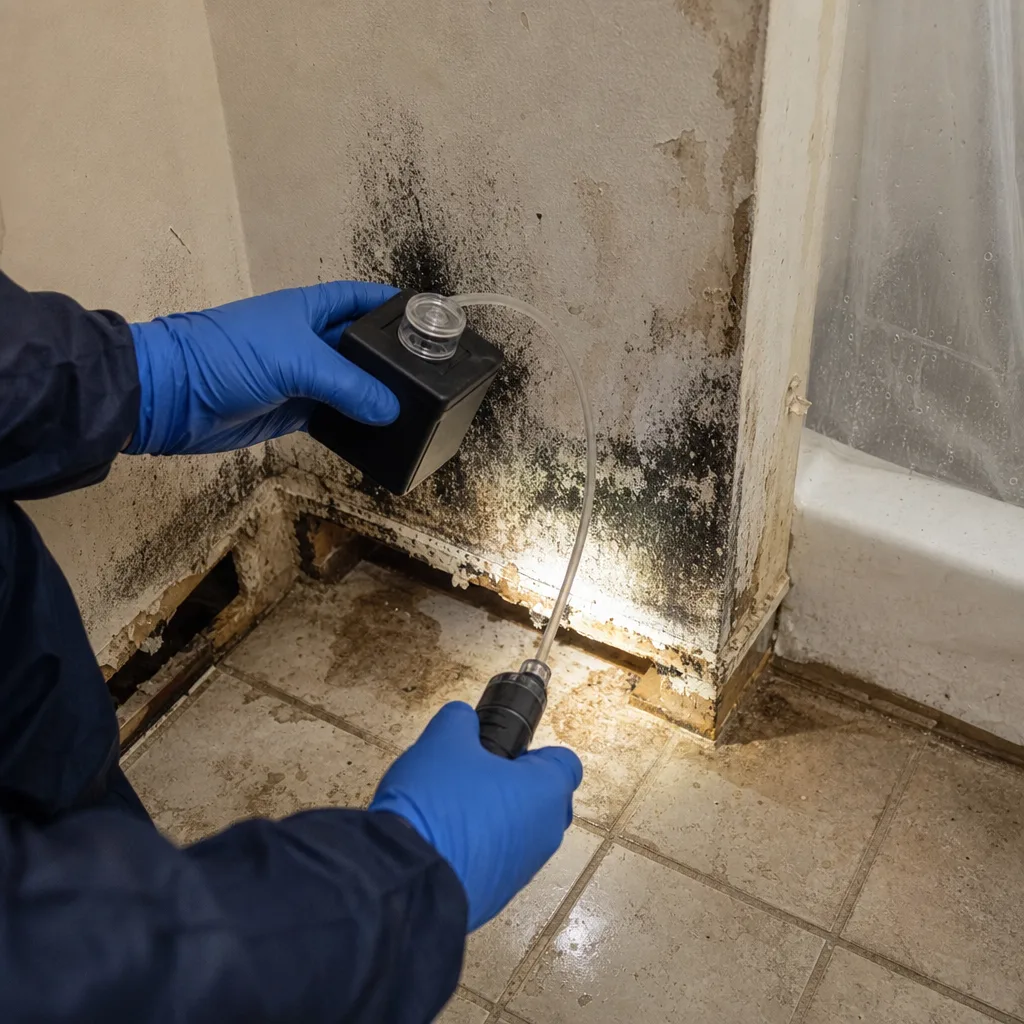
What happens when you call
- 1
A real person answersNo phone trees - you reach a local pro.
- 2
You get an upfront price rangeHonest numbers before anyone is dispatched.
- 3
A background-checked tech heads outLicensed & insured, dispatched right away.
- 4
You approve before work beginsNothing starts until you say go.
 Before
 After
AfterTrusted Brands We Service in South Hill
Our equipment fleet runs on Dri-Eaz, Phoenix, and XPOWER systems - brands that produce the documented airflow and dehumidification capacity we need for South Hill’s specific conditions. We don’t rent equipment by the job; we own it, maintain it, and log its performance on every drying chart. That matters because a Phoenix R200 dehumidifier in a South Hill crawl space in December is working against 85%+ ambient humidity; it needs to be spec’d correctly and monitored daily, not dropped off and picked up on a schedule. We stock replacement filters, hoses, and drying mats locally so we’re not waiting on parts while your subfloor stays wet.
Common Water Damage Restoration Problems We See in South Hill Homes
- Crawl space flooding from perched water tables. South Hill’s heavy clay soils create a localized condition where water pools above the impermeable layer instead of draining away. A crawl space that reads dry in October can hold inches of standing water by December. Restoration crews that only extract and dry - without addressing drainage - see the same failure return the next wet season.
- Hidden wall-cavity moisture behind builder-grade vinyl windows. The 1990s-2000s tract homes across South Hill used window flashing and housewrap details that predated stricter Washington State energy-code moisture management. Rot and mold develop behind exterior cladding at rough openings, invisible from inside until the damage is extensive. Moisture mapping must extend past visible interior damage.
- Whole-subdivision simultaneous roof and seal failures. Because thousands of South Hill homes were built in the same construction wave, an entire cul-de-sac can hit the end of its 25-year roof and window-seal lifespan in the same wet season. This overwhelms restoration companies that treat each call as an isolated incident rather than recognizing the pattern.
- Subfloor mold from chronic crawl space humidity. The clay-pan effect keeps ground adjacent to foundations saturated for months. Even without standing water, relative humidity in crawl spaces stays above 70% through the wet season, supporting mold growth on OSB subflooring and rim joists that doesn’t become visible until it’s advanced.
Pricing for Water Damage Restoration in South Hill, WA
We’re transparent about pricing because Haven Standard, Clause 1 requires a written price before any work starts - every job, no exceptions.
| Service | Typical Range in South Hill |
|---|---|
| Emergency water extraction (up to 1,500 sq ft) | $950 - $1,800 |
| Structural drying & dehumidification (3-5 day cycle) | $2,400 - $4,200 |
| Crawl space water removal + initial drying | $1,800 - $3,600 |
| Wall cavity drying (Injectidry system) | $800 - $1,500 per affected wall |
| Category 3 (sewage/black water) cleanup | $4,500 - $7,800 |
| Full restoration with reconstruction | $8,500 - $18,000+ |
What moves a South Hill job toward the higher end: Category 3 water classification, affected square footage above 2,000 sq ft, multiple levels of the home, HVAC contamination requiring duct cleaning, and the need for permanent drainage correction (French drain, drainage board, sump pump) after extraction and drying. We deliver your written scope with line-item pricing before anyone starts work. Bring a competitor’s written estimate and we’ll provide a Free Second Opinion at no charge.
We Also Serve Cities Near South Hill
Our crews work throughout western Pierce County, including Water Damage Restoration in South Hill and neighboring Puyallup, Edgewood, Summit, and Sumner. Dispatch and scheduling are coordinated from our Seattle office; crews serve South Hill locally with the same equipment and documentation standards we apply across our service area.
Serving South Hill, WA - Our Local Coverage Area
We’re based in the South Hill area and know this community well. Use the map below to see our service coverage - if you’re nearby, we can almost certainly help.
FAQs - Water Damage Restoration in South Hill
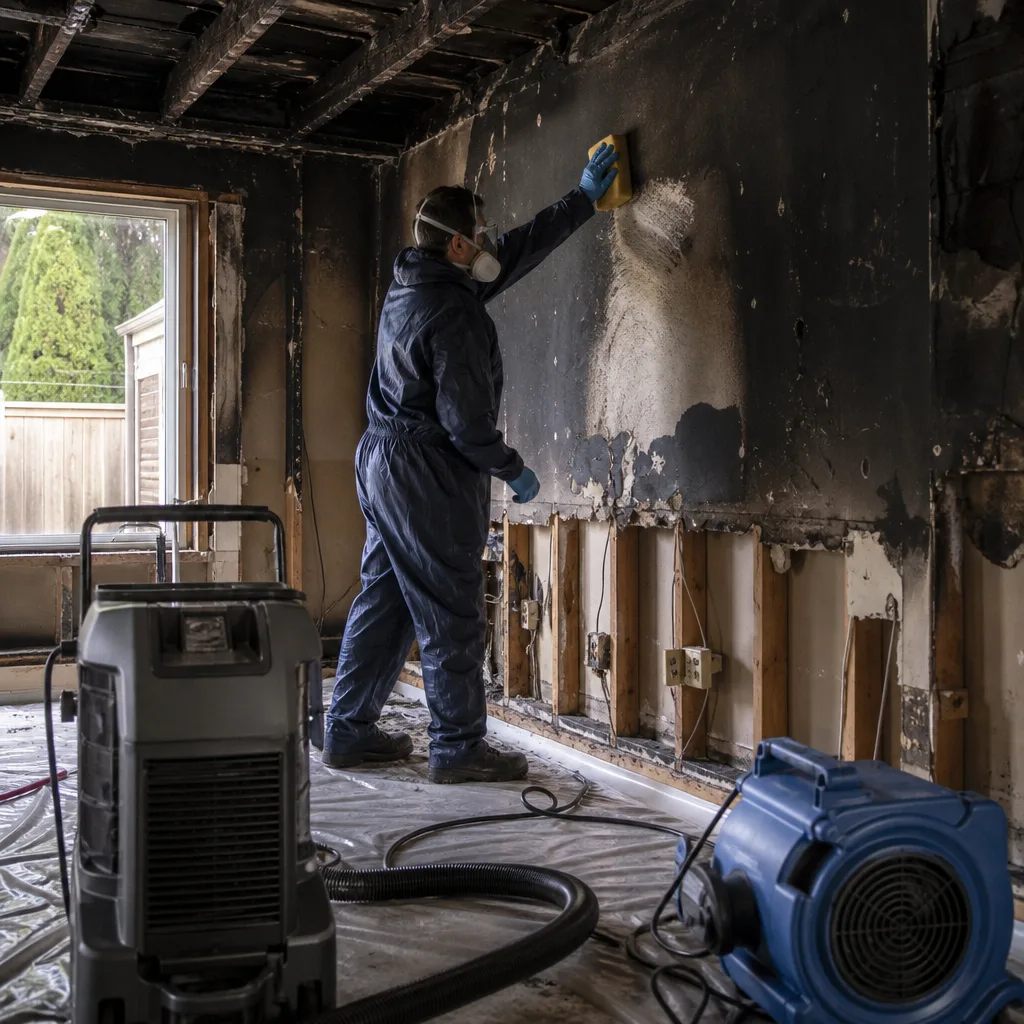
Your gutters aren’t the problem - South Hill’s heavy glacial clay soils are. The clay layer is essentially impermeable; water from rain and roof runoff percolates down until it hits that pan, then pools above it. Even correctly sized gutters discharge water that eventually reaches the clay layer adjacent to your foundation. The perched water table rises until it enters your crawl space through vents, seams, or the ground itself. We address this with extraction and drying, but we also assess whether permanent drainage - a French drain, drainage board, or sump pump - is needed to break the cycle. Call (253) 447-5249 for a written assessment.
Yes - and not because of contagion, but because your home was built with the same materials and details during the same construction wave. The 1990s-2000s South Hill subdivisions used builder-grade vinyl windows, pre-code housewrap, and flashing details that don’t meet current Washington State moisture-management standards. Mold behind cladding at window rough openings is systemic to this housing stock, not random bad luck. We offer moisture mapping that extends past visible interior damage to check the wall cavities and rim joists where problems start. The inspection includes a written scope and photo documentation.
Within 24 hours for Category 1 water, and immediately for Category 2 or 3. Mold colonization on organic materials begins at 48-72 hours of sustained moisture, and South Hill’s cool, humid winter conditions don’t slow that timeline meaningfully - they just hide it longer because evaporation is slower. Water also keeps migrating through OSB sheathing and into wall cavities until extraction begins. We run 24/7 live dispatch and typically reach South Hill properties within 45-60 minutes. Call (253) 447-5249 and we’ll have a crew moving.
Category 1 is clean water from a broken supply line or rainwater - most saturated materials can be dried and saved if we start quickly. Category 2 is gray water with chemical or biological contamination from sources like dishwasher discharge or sump pump failures - porous materials like carpet pad and drywall may need removal. Category 3 is black water from sewage, flooding, or groundwater with confirmed pathogen presence - this requires removal of porous materials, antimicrobial treatment of non-porous surfaces, and often more extensive reconstruction. The classification determines both salvageability and the documentation standard we apply for your insurance claim. We photo-document the source and the classification evidence on every job.
No - and the clay soils make this especially true here. Natural evaporation in a South Hill crawl space is minimal because the clay pan keeps groundwater adjacent to the foundation saturated for months after the last heavy rain. Without mechanical dehumidification and air movement, relative humidity stays above 70% and mold colonizes subflooring and rim joists. We’ve responded to homes where homeowners waited two months for “natural” drying, only to find the structural damage was worse and the mold remediation scope had tripled. Extraction, structural drying with documented daily moisture logs, and assessment of permanent drainage correction is the only approach that protects the structure and produces insurance-acceptable documentation.
Written by Alicia Brennan, Owner at Back to Dry Restoration, serving South Hill since 2011 under The Haven Standard.