
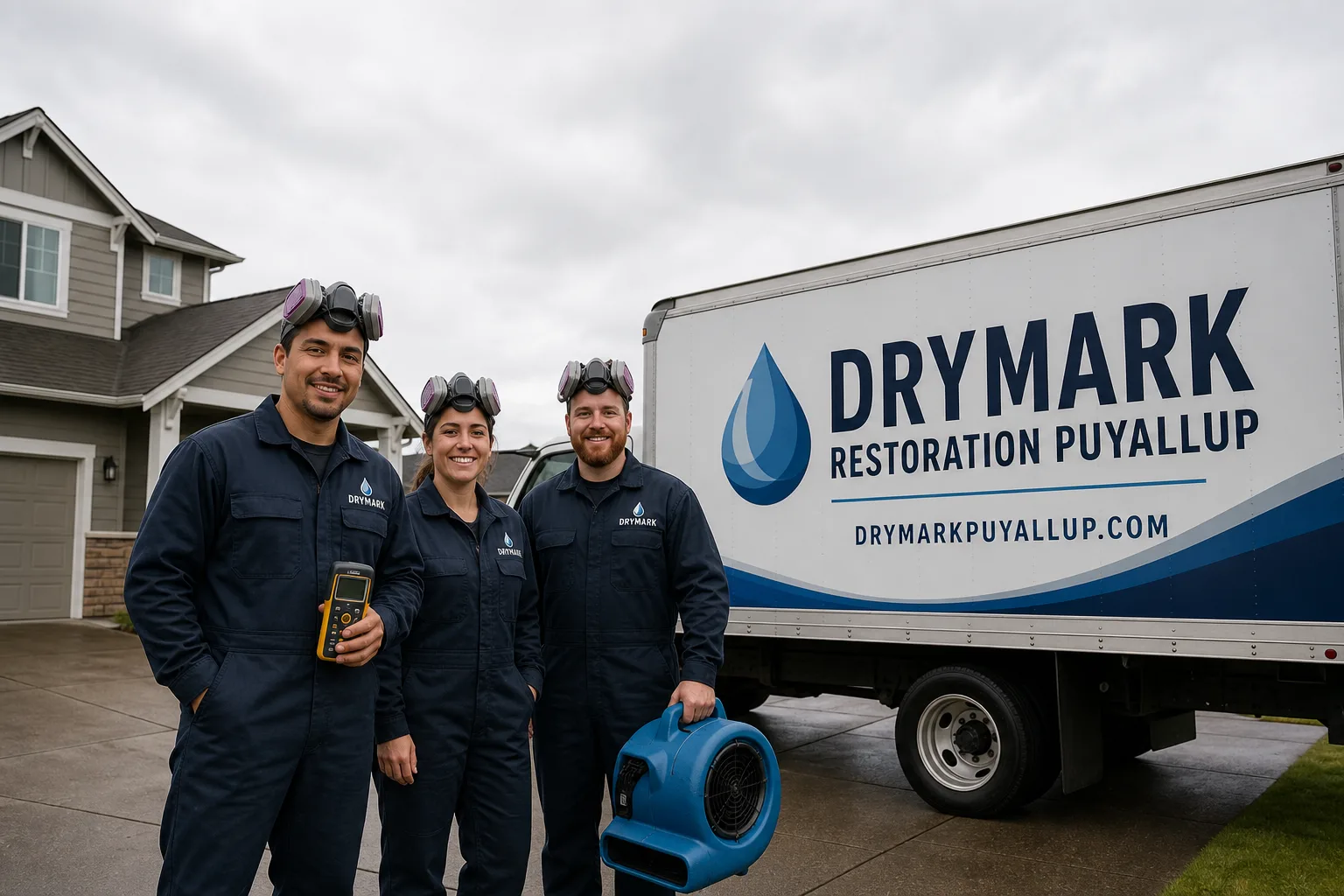
Free visual inspection and a written scope of work before any mitigation begins - photos, moisture readings, and drying logs go in your claim file
The scope we write is the scope we bill. Anything new gets shown to you, in writing, before we touch it.
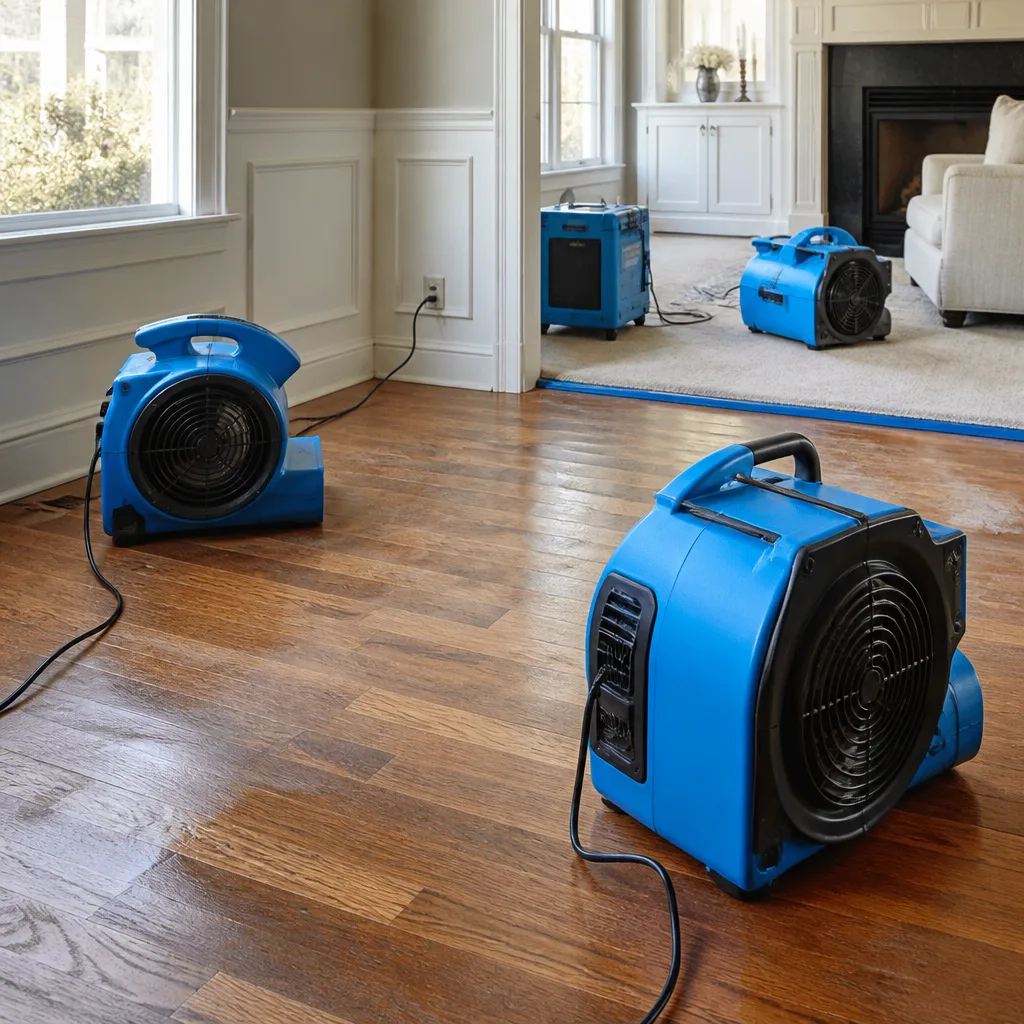
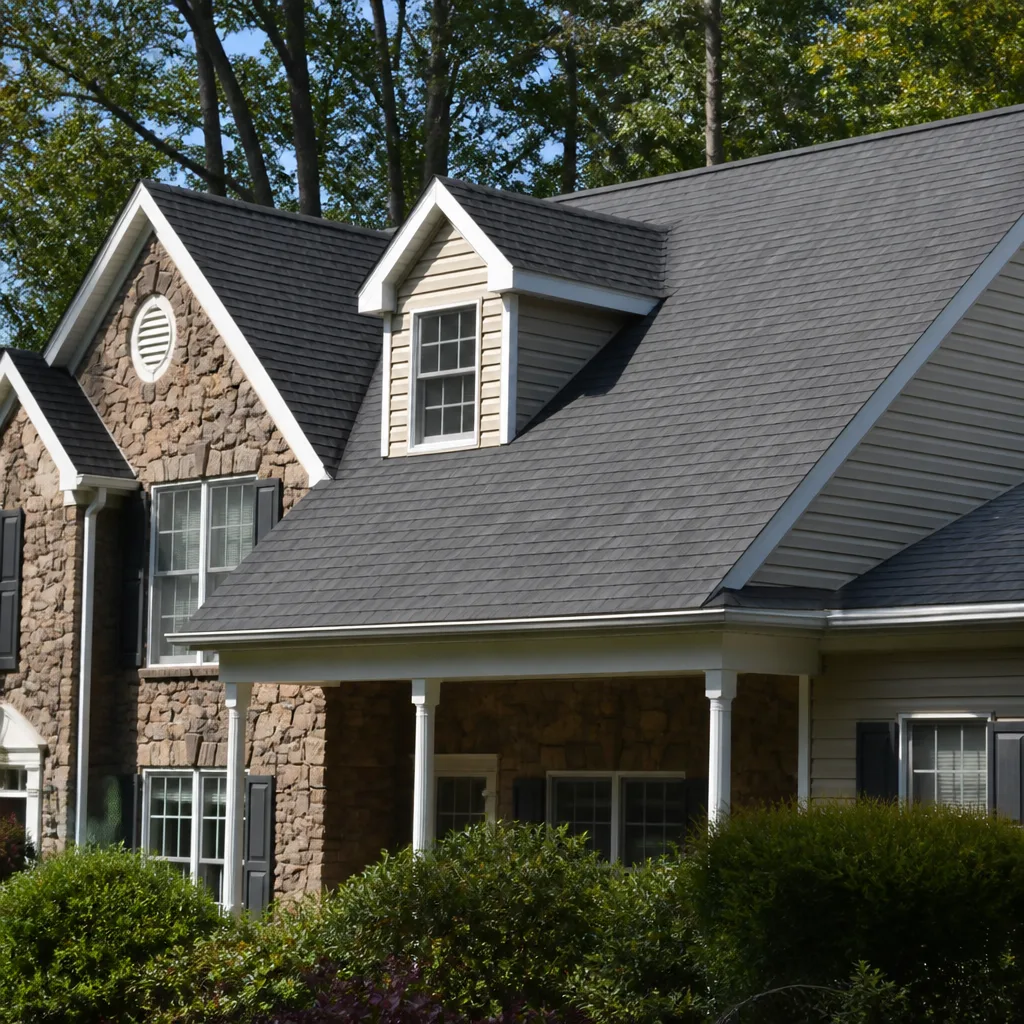
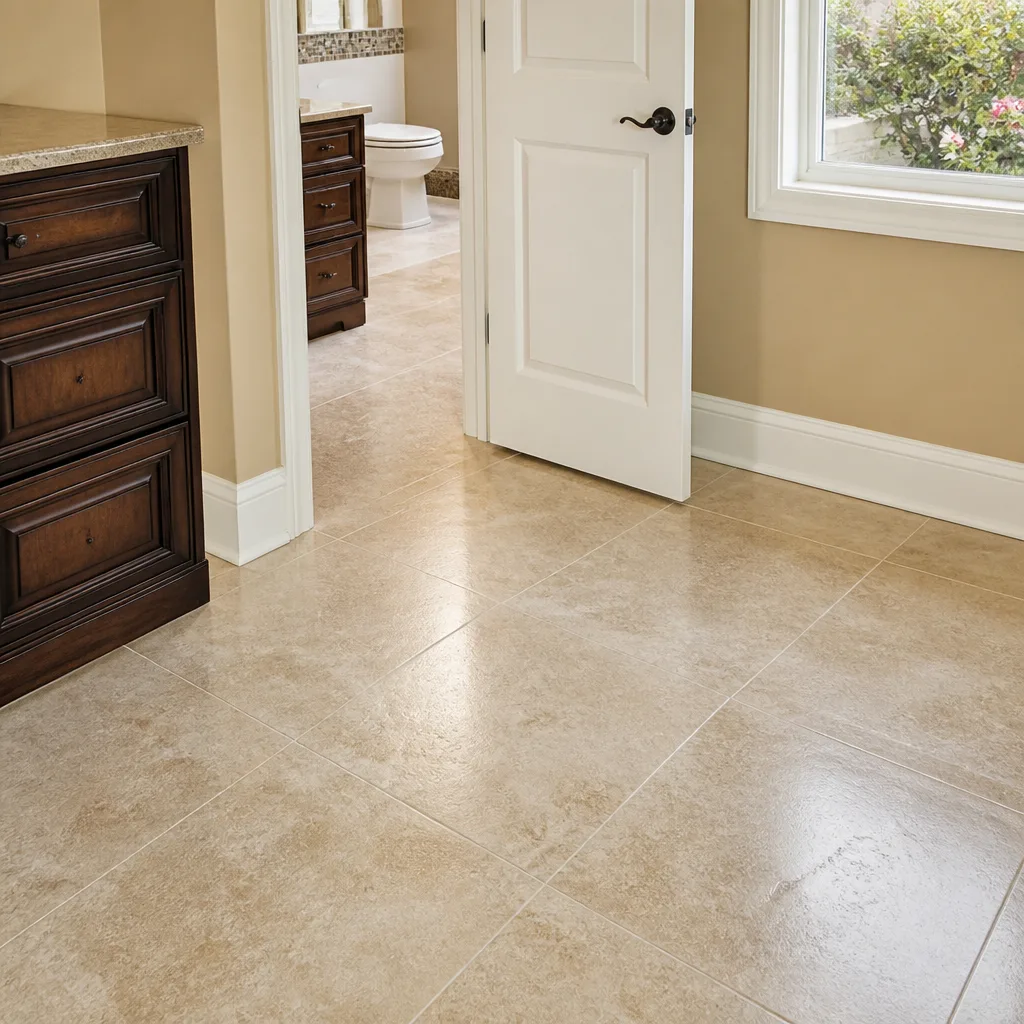
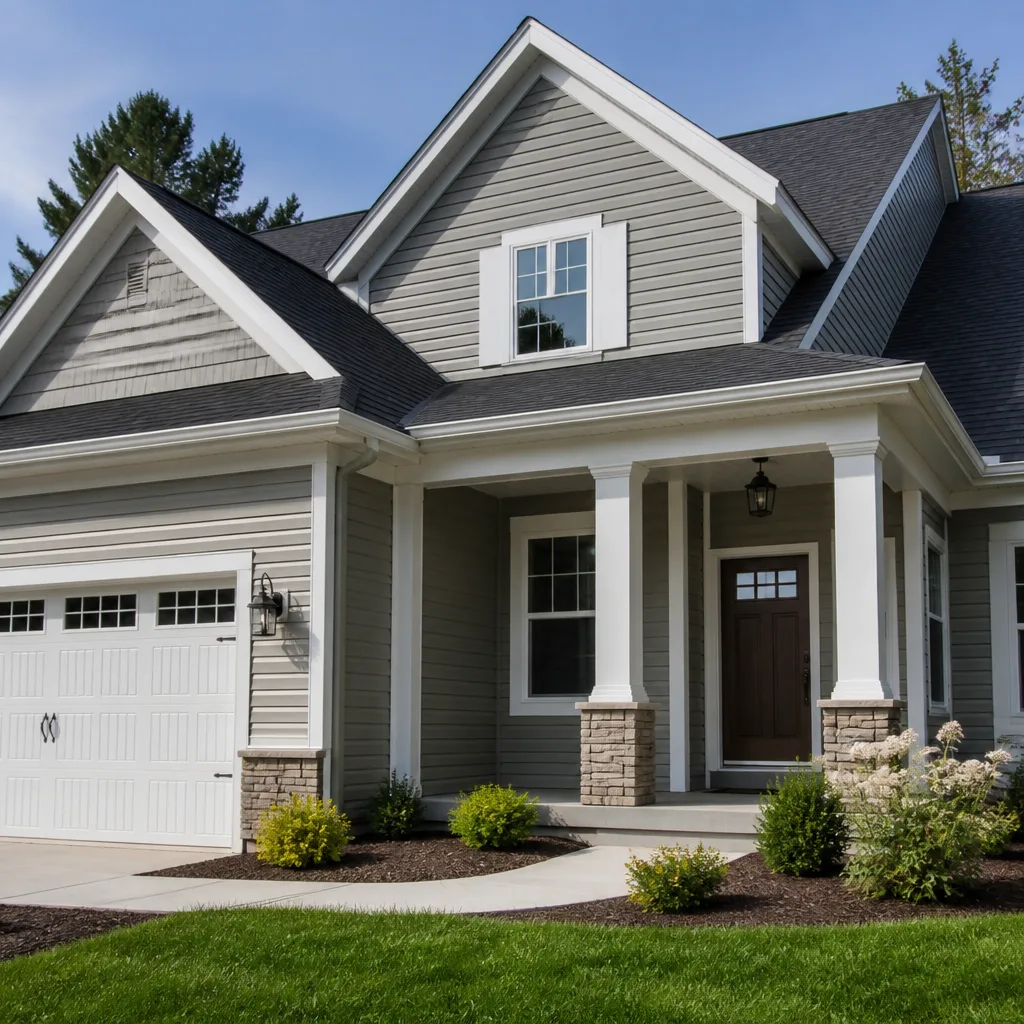
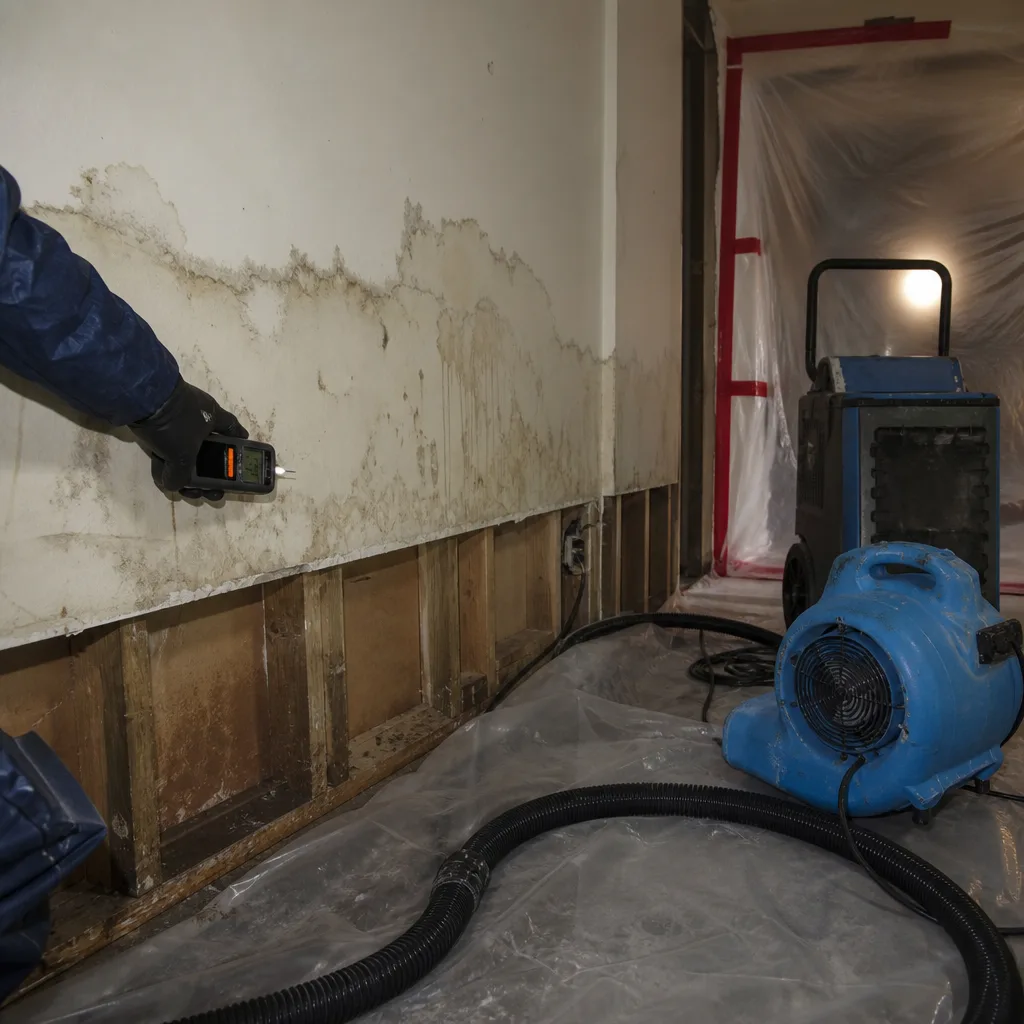 Before
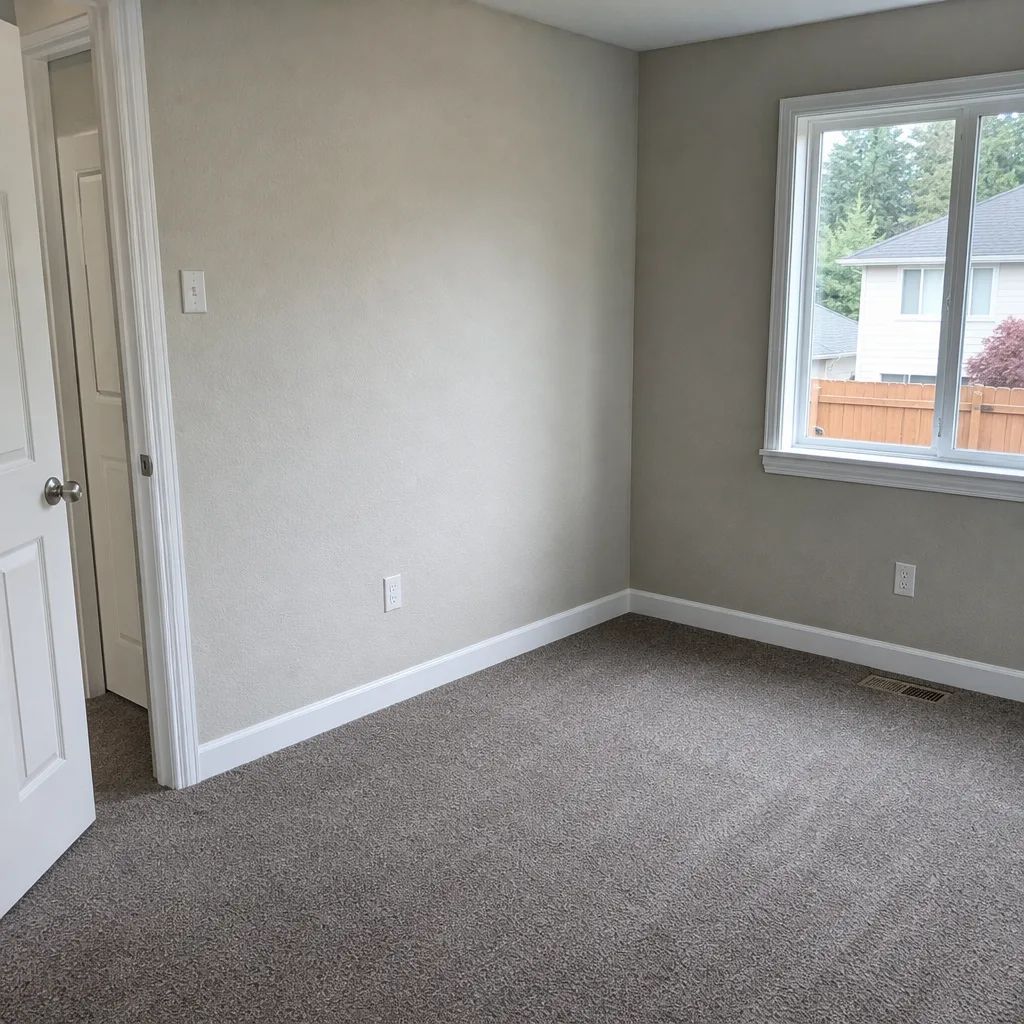 After
After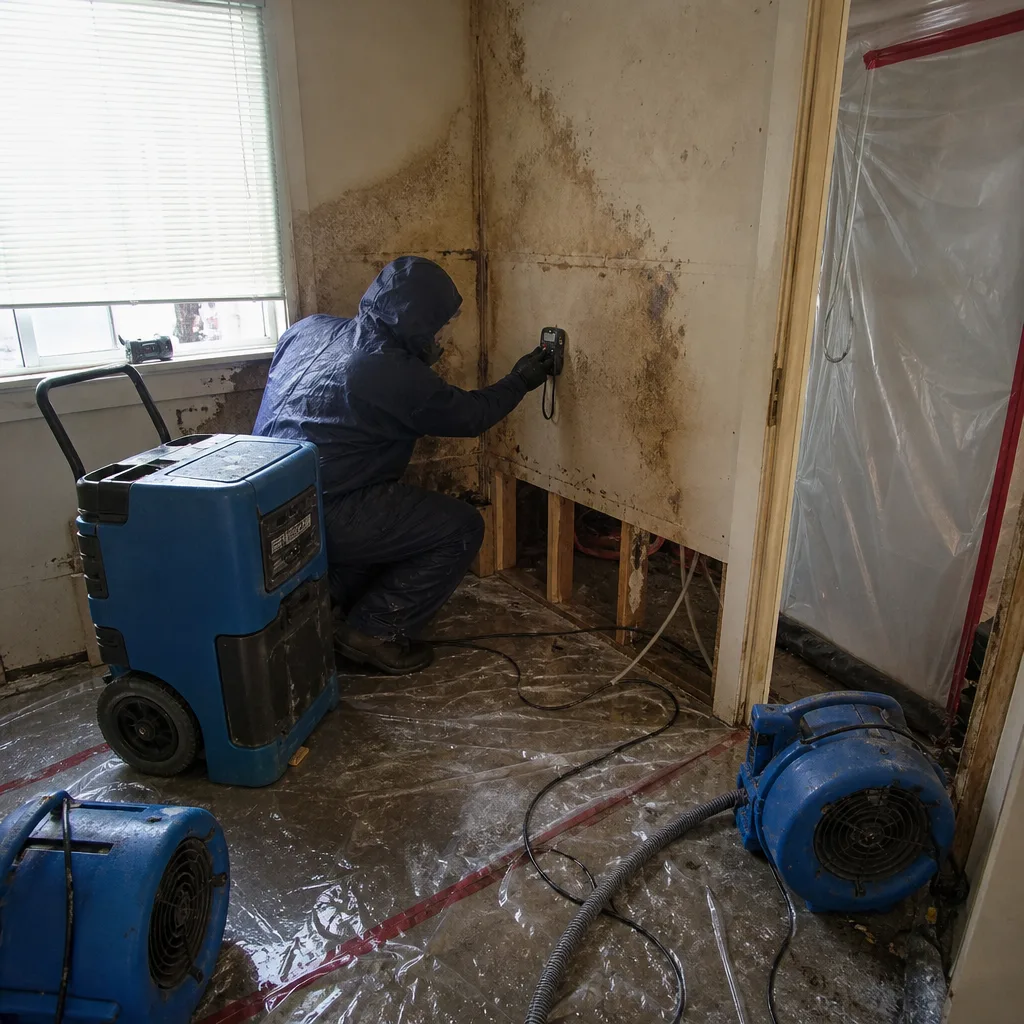 Before
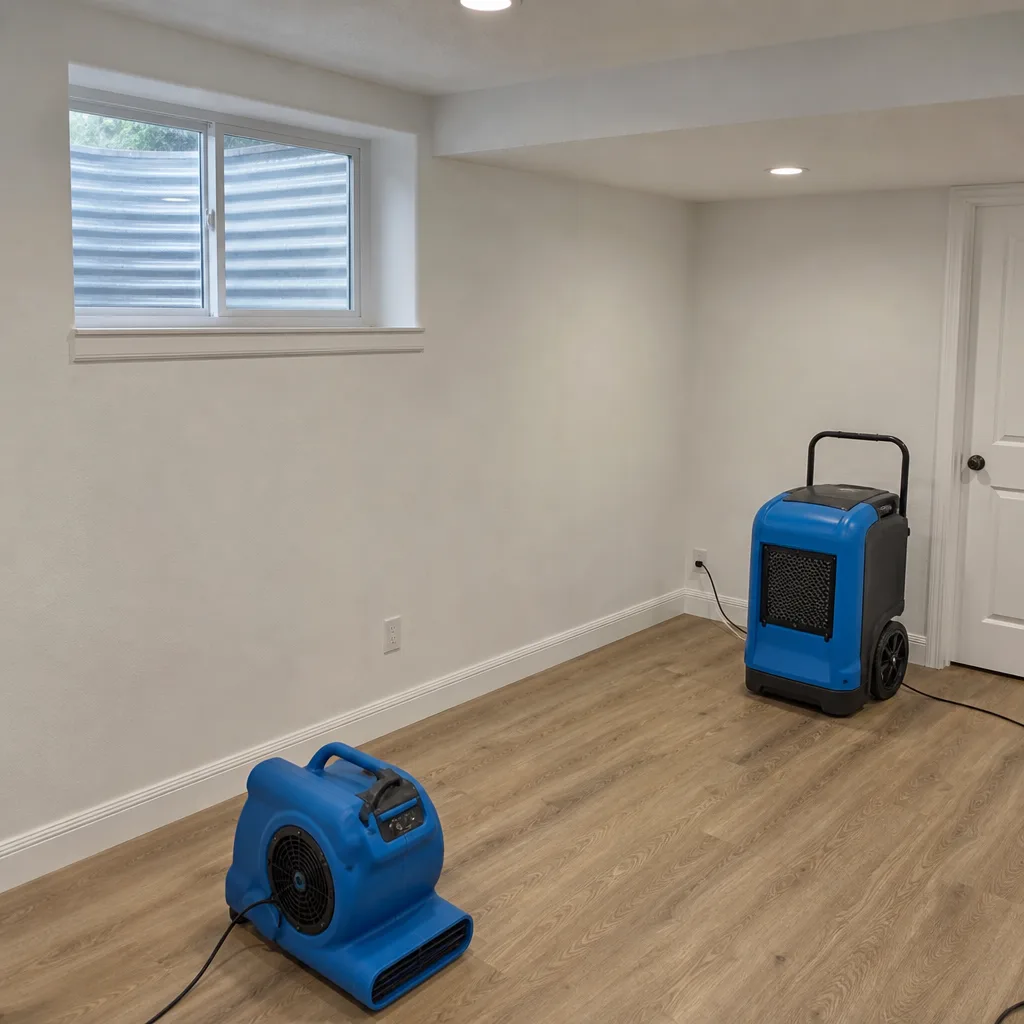 After
After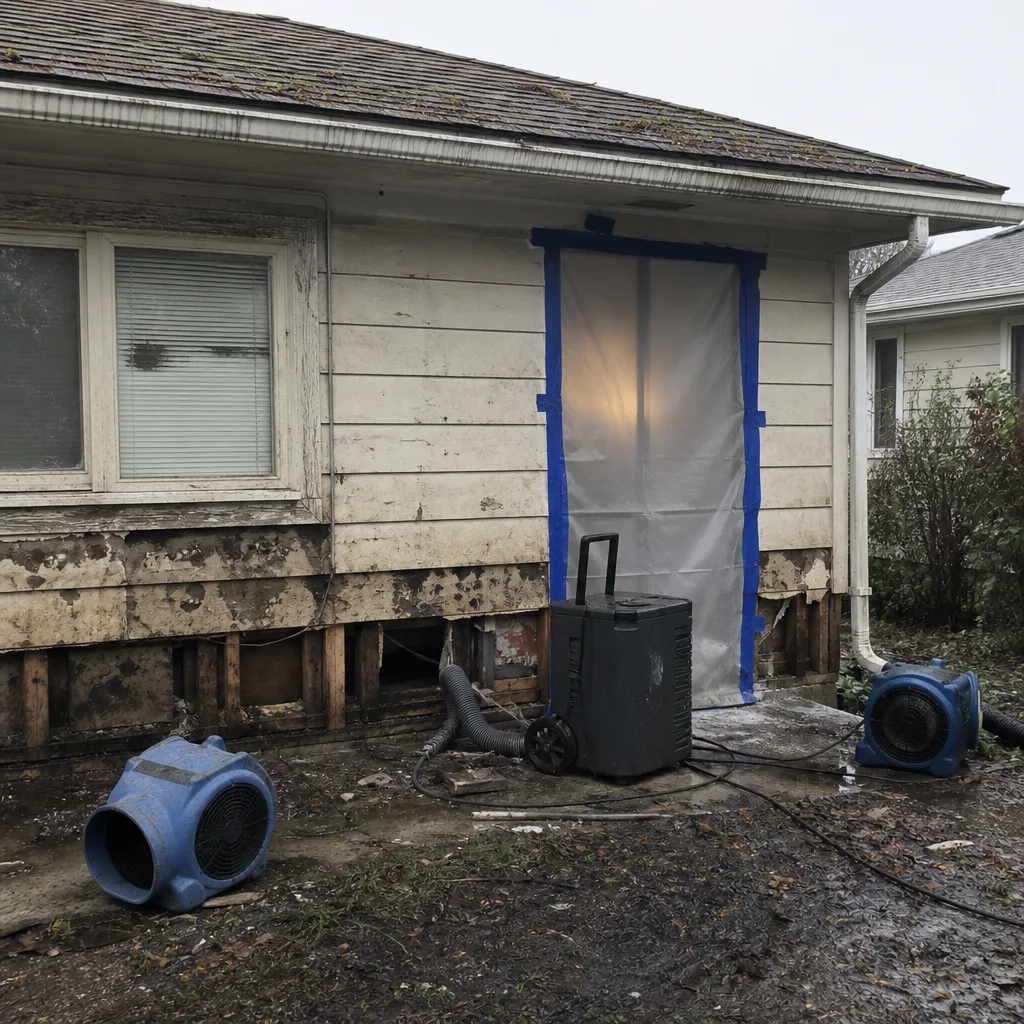 Before
 After
AfterFast, Reliable Mold Remediation Across Lakewood
Mold remediation in Lakewood typically costs $1,800-$4,500 for crawl-space treatment and $800-$2,200 for localized removal, with most inspections scheduled within 24 hours. Call (253) 447-5249 for a written estimate before any work begins - Haven Standard, Clause 1.
We serve Lakewood from our Seattle office, with crews that know the difference between a 1950s Fort Lewis-era ranch near American Lake and a 1970s split-level off Gravelly Lake Drive. That local knowledge matters when moisture mapping a crawl space or explaining to an out-of-area adjuster why groundwater wicking isn’t a “maintenance issue.” Our Mold Remediation team documents every visit with photos, moisture readings, and written drying logs - the evidence that turns restoration invoices into payable claims.
Why DryMark Restoration Puyallup Is Lakewood’s Preferred Mold Remediation Company
We’ve restored homes in Lakewood since 2011, and our reputation here was built on documentation that holds up. Alicia Brennan founded Back to Dry after working as a claims adjuster and watching homeowners lose coverage because contractors couldn’t produce moisture logs or pre-loss photos. That doesn’t happen on our jobs.
Our Lakewood customers leave reviews citing the written price they received before anyone started work, the photo record they got on every visit, and the 365-Day Done Right Promise stamped on their invoice. We answer our phones live, 24 hours a day, 7 days a week - no voicemail while mold is still spreading through a subfloor.
Response time to Lakewood is typically same-day for emergency moisture events and next-day for scheduled inspections. We know the local terrain: the flat glacial outwash around Steilacoom Lake that holds groundwater close to the surface, the vented crawl spaces in military-era tract housing, and the adjusters who don’t understand why Lakewood mold claims lack a single “event” date. We explain it in writing, with data.
Our Mold Remediation Services in Lakewood
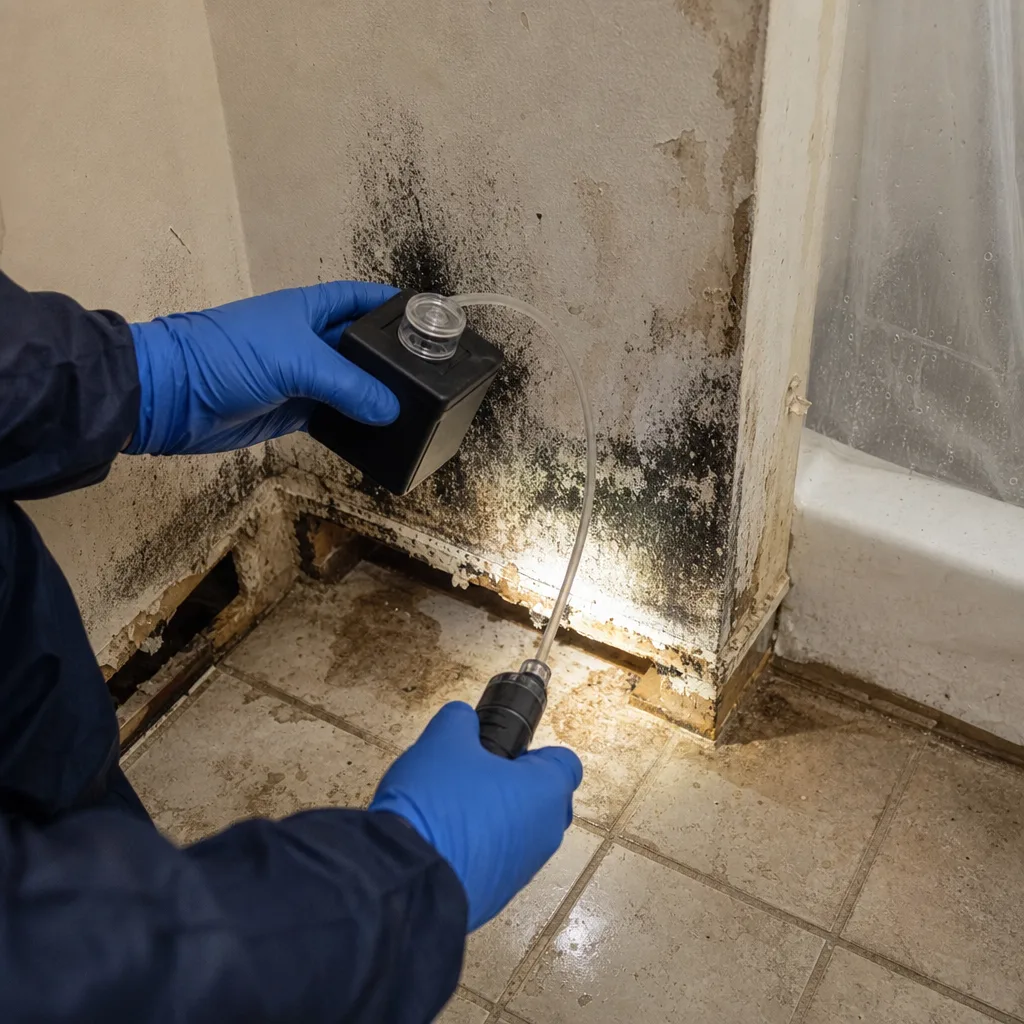
Mold Inspection & Testing
A proper mold inspection in Lakewood starts with moisture mapping, not a visual scan. We use psychrometric data - measurements of temperature, relative humidity, and vapor pressure differential, which is the force that drives moisture through building materials - to find mold you can’t see. In Lakewood’s 1950s-70s ranch homes, we regularly find rim-joist mold behind intact drywall because the original vapor barrier under the crawl space failed decades ago. Our inspection report includes moisture readings by room, photo documentation, and a written scope with a fixed price before any remediation begins.
Mold Removal
We remove mold under containment, using HEPA filtration and antimicrobial treatment matched to the material classification: porous drywall gets removed, non-porous framing gets treated and dried. In Lakewood, we see a lot of subfloor removal in crawl spaces where years of groundwater wicking have rotted structural wood. Our crews are background-checked, uniformed, and named on your written scope - not day-laborers rotating through a high-churn rental market.
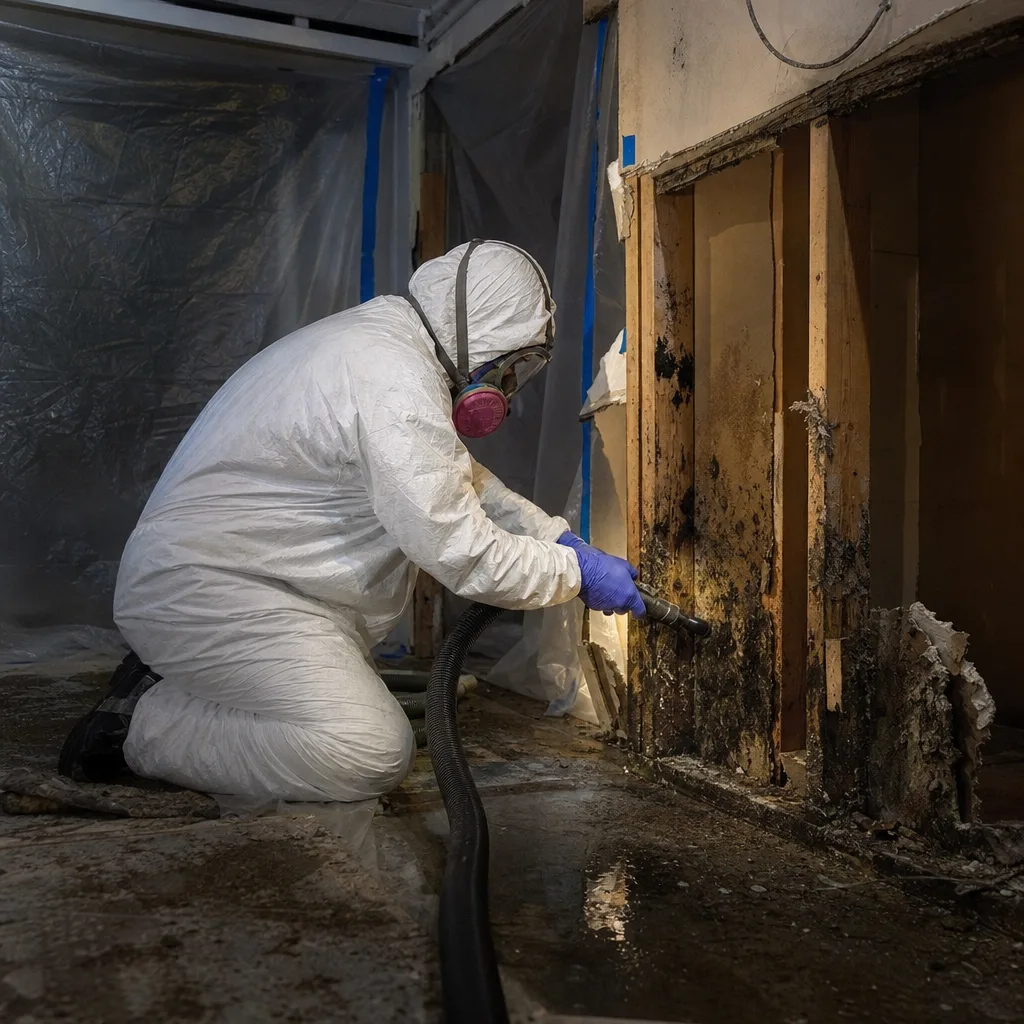
Black Mold Remediation
Stachybotrys chartarum, the mold species often called “black mold,” requires the same containment and documentation protocol as any toxigenic mold - but adjusters scrutinize these claims harder. We document pre-loss condition, establish containment with negative air pressure, and produce daily drying logs that satisfy out-of-area adjusters who aren’t familiar with Lakewood’s chronic crawl-space moisture pattern. No verbal assurances. Written evidence, every time.
Air Quality Restoration
After remediation, we verify air quality with post-remediation testing, not guesswork. In Lakewood’s tight, energy-retrofitted military-era homes, we often find that original ventilation design can’t handle modern moisture loads. Our air quality restoration includes recommendations for mechanical ventilation or dehumidification, documented in your written scope.
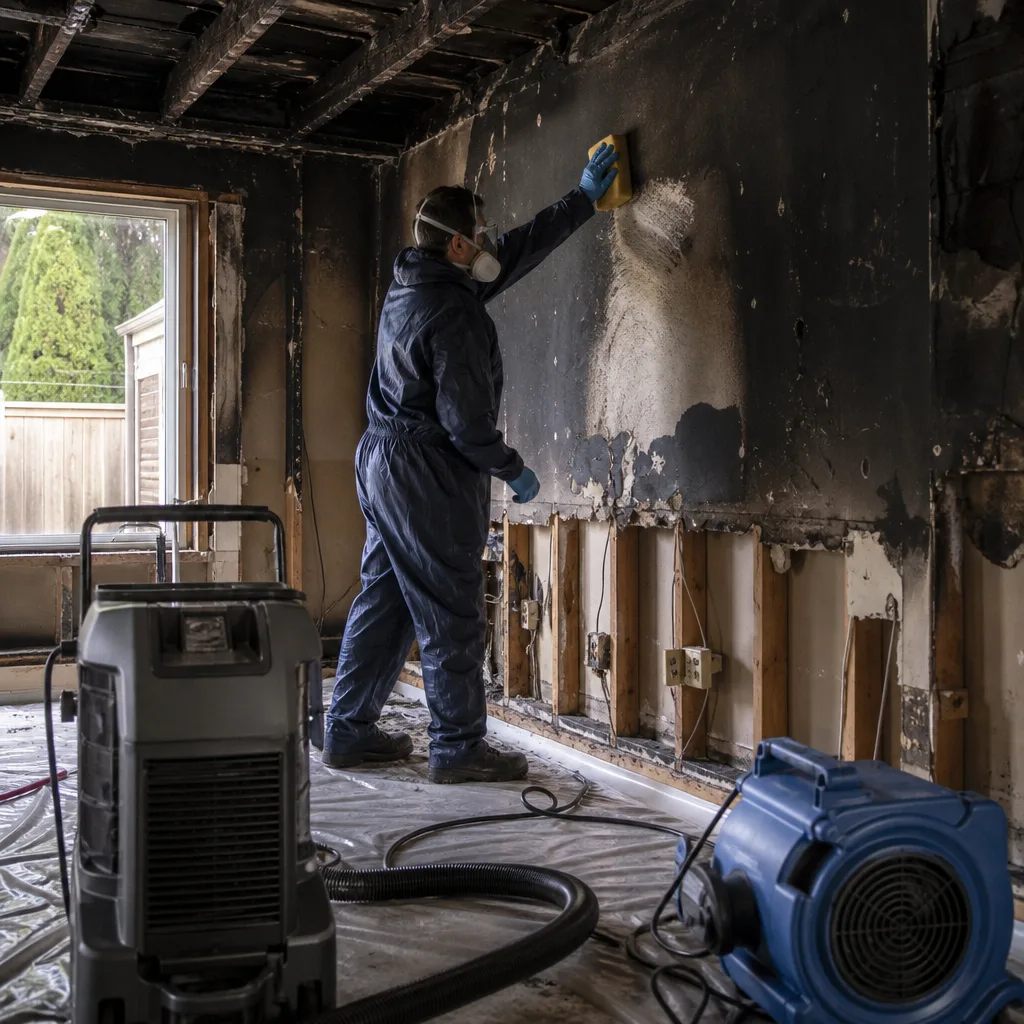
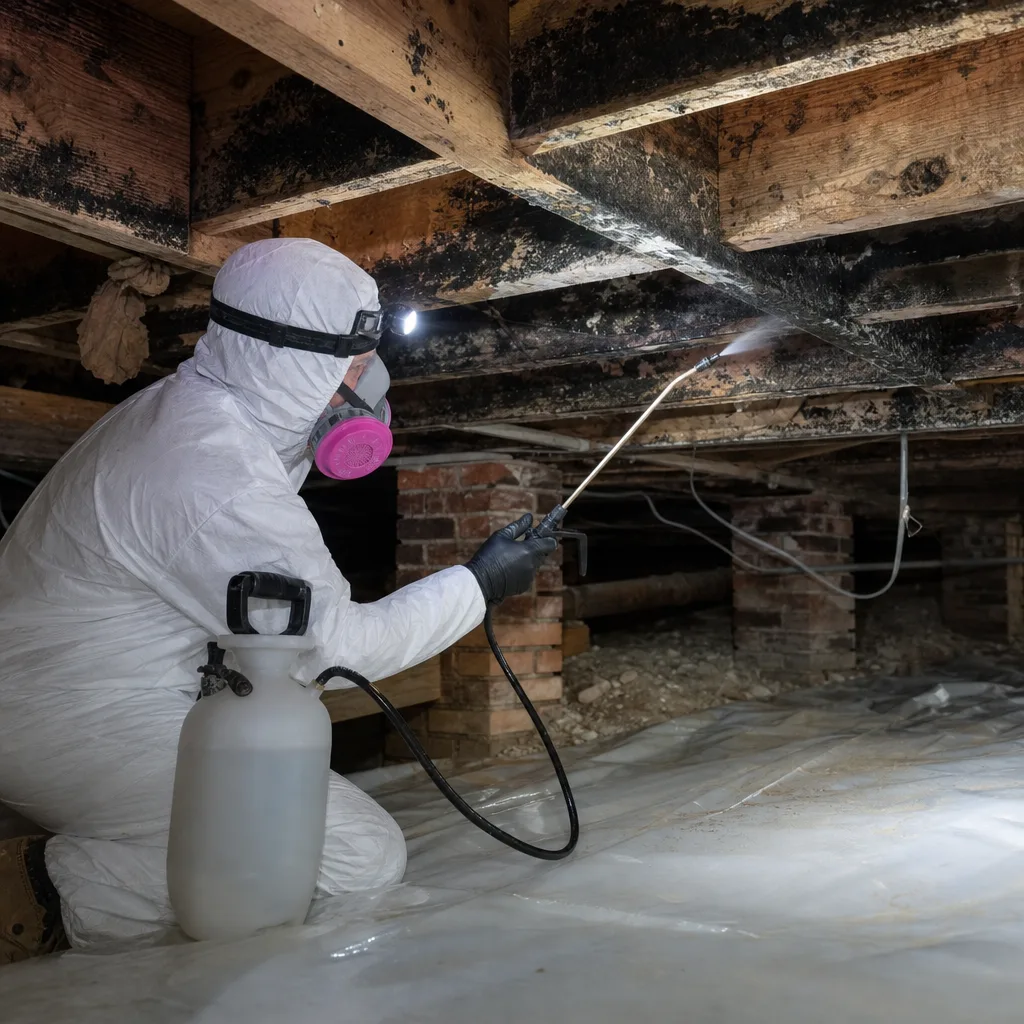
Crawl Space Treatment
This is where Lakewood’s housing stock shows its age. Most crawl spaces in Fort Lewis-era homes were built with vented designs and minimal or degraded vapor barriers. We treat crawl spaces with antimicrobial application to structural framing, install new vapor barriers where indicated, and recommend permanent moisture control - not a spray-and-pray solution that leaves the next tenant to find mold again. Our field team uses Injectidry and Phoenix dehumidification systems to dry structural framing without removing it unnecessarily.
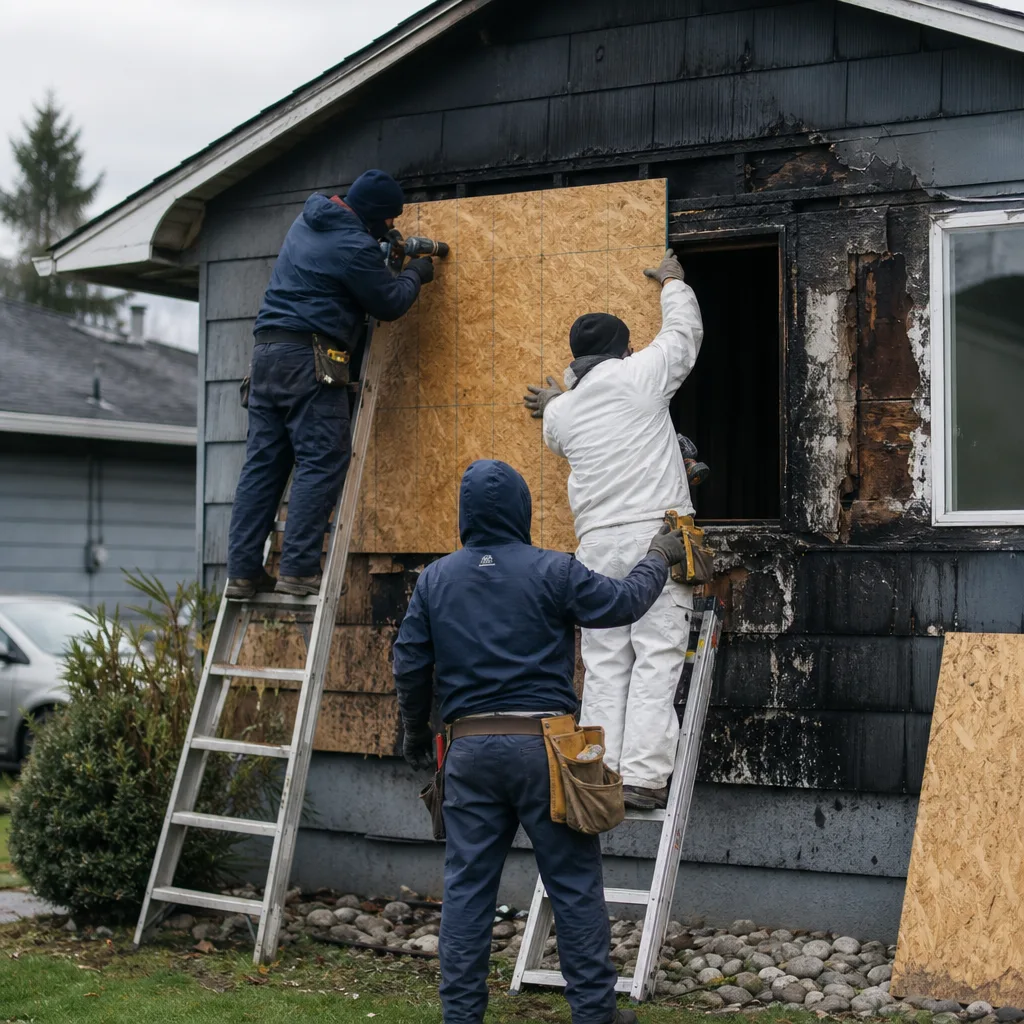
Moisture & Humidity Control
Controlling moisture in Lakewood means addressing the source: groundwater wicking through failed vapor barriers, seasonal saturation in the South Puget Sound lowlands, and the 38-42 inches of annual precipitation concentrated October through April. We install permanent dehumidification and vapor barrier systems, then document moisture readings quarterly if requested. The goal is ending the cycle, not treating symptoms.
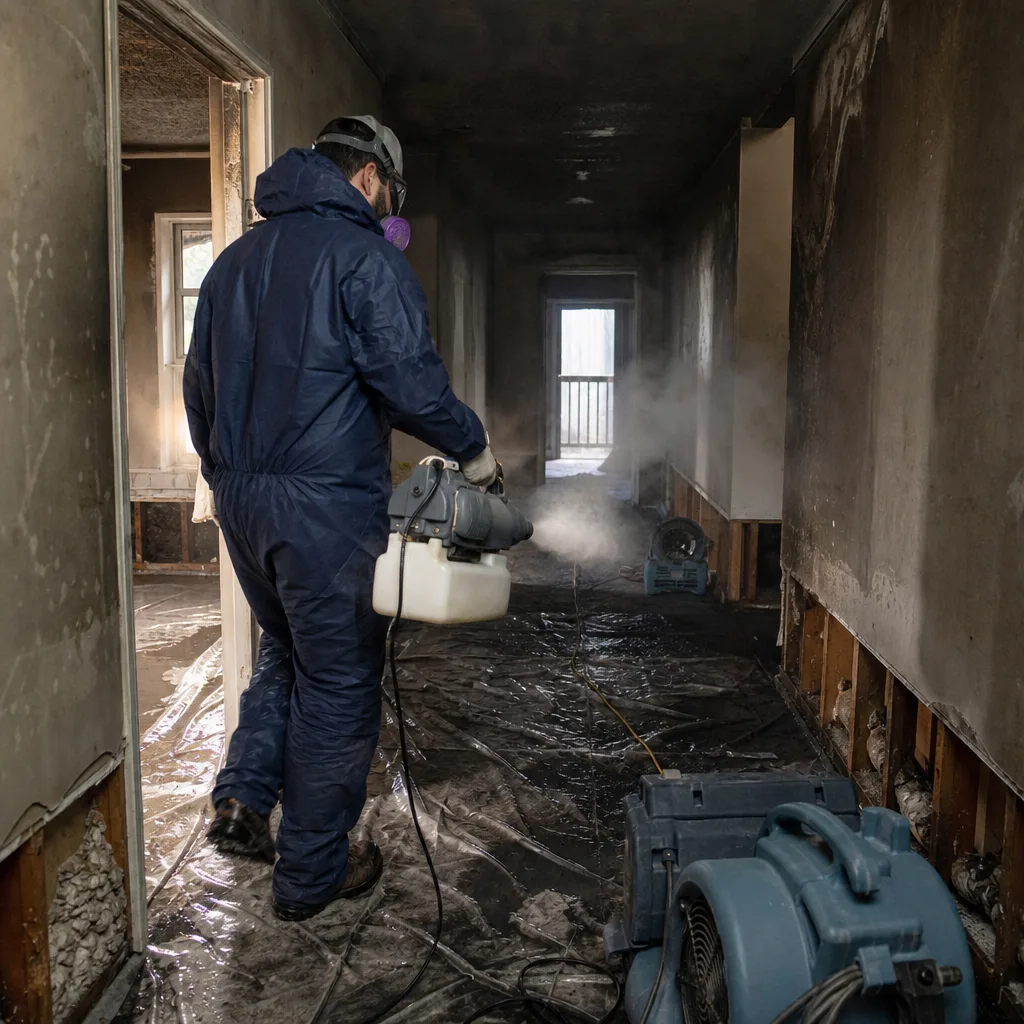
What happens when you call
- 1
A real person answersNo phone trees - you reach a local pro.
- 2
You get an upfront price rangeHonest numbers before anyone is dispatched.
- 3
A background-checked tech heads outLicensed & insured, dispatched right away.
- 4
You approve before work beginsNothing starts until you say go.
 Before
 After
AfterTrusted Brands We Service in Lakewood
We deploy professional-grade drying and dehumidification equipment from Dri-Eaz, Phoenix, and XPOWER on Lakewood jobs - systems documented to IICRC, RIA, and IFA standards. These aren’t rental-store units. A Phoenix 200 HT dehumidifier pulls 125 pints per day at AHAM conditions, and we log its output daily. For structural drying in tight crawl spaces, we use Injectidry’s panel and mat systems to direct airflow through waterlogged subfloors without demolition. We stock replacement hoses, filters, and drying components locally, so equipment stays running through multi-day drying jobs in Lakewood’s older homes.
Common Mold Remediation Problems We See in Lakewood Homes
- Groundwater wicking through failed vapor barriers in 1950s-70s crawl spaces. Lakewood’s flat glacial terrain holds moisture close to the surface, and original vapor barriers in Fort Lewis-era housing have often crumbled to plastic shards. We find rim-joist mold that surprised homeowners who thought their crawl space was “dry enough.”
- Mold accumulating across multiple JBLM tenant rotations in rental properties. Military families PCS every 2-3 years, and landlords often don’t inspect crawl spaces between tenants. By the time a new renter smells mustiness or a property manager orders an inspection, mold has spread through multiple wet seasons.
- Surface spray treatments that ignore the moisture source. A contractor sprays visible mold in a Lakewood crawl space, collects payment, and leaves the groundwater wicking unchanged. Mold returns within one wet season. We see this repeatedly in high-turnover rentals where price, not documentation, drove the vendor selection.
- Out-of-area adjusters denying claims for “maintenance” issues. Lakewood mold from chronic groundwater wicking lacks a single storm or pipe-failure date, so adjusters unfamiliar with South Puget Sound geology default to denial. Our moisture logs, photo records, and written scopes establish that the loss is real and covered.
Pricing for Mold Remediation in Lakewood, WA
Mold inspection and testing in Lakewood runs $350-$650 for residential properties, including moisture mapping, air sampling, and a written report with photo documentation. Localized mold removal in a single bathroom or closet typically costs $800-$2,200. Crawl-space mold remediation, the most common job we see in Lakewood, ranges from $1,800-$4,500 depending on affected square footage, structural wood rot, and whether vapor barrier replacement or permanent dehumidification is required. Whole-home air quality restoration after extensive contamination runs $3,500-$7,000.
What moves the price: accessibility of the crawl space, extent of structural damage, need for containment and negative air pressure, and whether permanent moisture control is included. Every job gets a written price before work starts - Haven Standard, Clause 1 - with no scope-creep additions once our crew is inside. We also offer a Free Second Opinion on any competitor’s written estimate. Call (253) 447-5249 for your exact quote; estimates are free.
We Also Serve Cities Near Lakewood
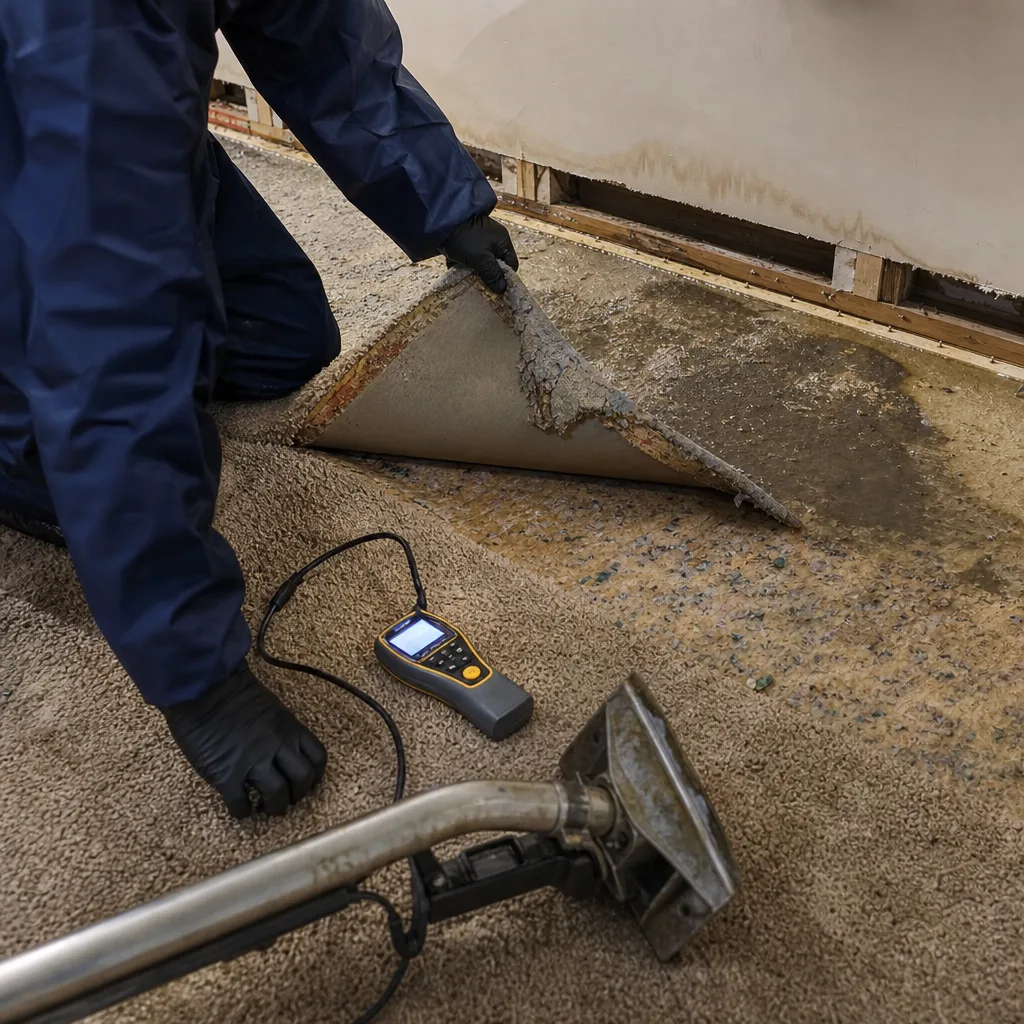
Our crews work throughout the South Puget Sound, including Lakewood, Tacoma, Puyallup, Milton, and Orting. Dispatch and scheduling are coordinated from our Seattle office, with local crews serving each community. Whether you’re dealing with mold in a Tacoma mid-century home or a Puyallup crawl space, the same documentation standards apply: written price first, photo record on every visit, 365-Day Done Right Promise on every job.
Serving Lakewood, WA - Our Local Coverage Area
We’re based in the Lakewood area and know this community well. Use the map below to see our service coverage - if you’re nearby, we can almost certainly help.
FAQs - Mold Remediation in Lakewood
Surface spray doesn’t stop groundwater wicking through a failed vapor barrier, which is the root cause in most Lakewood crawl spaces. We see this constantly in JBLM-area rentals where a previous contractor treated visible mold but left the moisture source intact. Our approach includes moisture mapping to find the source, permanent vapor barrier or dehumidification solutions, and written documentation for your records. Call (253) 447-5249 for a free second opinion on any previous estimate.
High tenant turnover means crawl spaces and moisture issues often go unreported for multiple lease cycles, allowing mold to establish itself in structural framing before anyone inspects. We were called to a 1965 split-level off Gravelly Lake Drive where the landlord had cycled through four JBLM tenant rotations without ever entering the crawl space. Our techs ran moisture mapping and found rim-joist mold from years of groundwater wicking up through a failed vapor barrier; we set up containment, performed antimicrobial treatment, and used Injectidry to dry the structural framing, then documented pre-loss condition with drying logs for the out-of-area adjuster. Call (253) 447-5249 for an inspection that catches what previous tenants never reported.
Yes - species identification determines remediation protocol and insurance coverage, and visual identification of “black mold” is unreliable. We collect air and surface samples for laboratory analysis, document chain of custody, and include results in your written scope. Testing also establishes pre-remediation baseline for post-remediation verification. Call (253) 447-5249 to schedule; testing is included in our inspection fee.
Start with professional extraction and dehumidification within 24 hours, before moisture migrates into subfloors and wall cavities where mold establishes in 48-72 hours. We deploy Dri-Eaz and Phoenix systems with daily moisture logging to document that materials reached dry standard - the evidence that prevents a later mold claim from being denied as “unrelated.” Our live dispatch takes emergency calls 24 hours a day, 7 days a week. Call (253) 447-5249 for immediate response.
Adjusters trained on storm-event or pipe-burst losses expect a single date of loss, but Lakewood’s chronic groundwater wicking and deferred rental maintenance produce mold without one discrete event. Our documentation - moisture logs showing progressive saturation, photo records of deteriorated vapor barriers, and written scopes citing local soil conditions - gives adjusters the evidence framework they need to approve coverage. We’ve been doing this since 2011. Call (253) 447-5249 if your claim needs documentation support.
Written by Alicia Brennan, Owner at Back to Dry Restoration, serving Lakewood since 2011.