
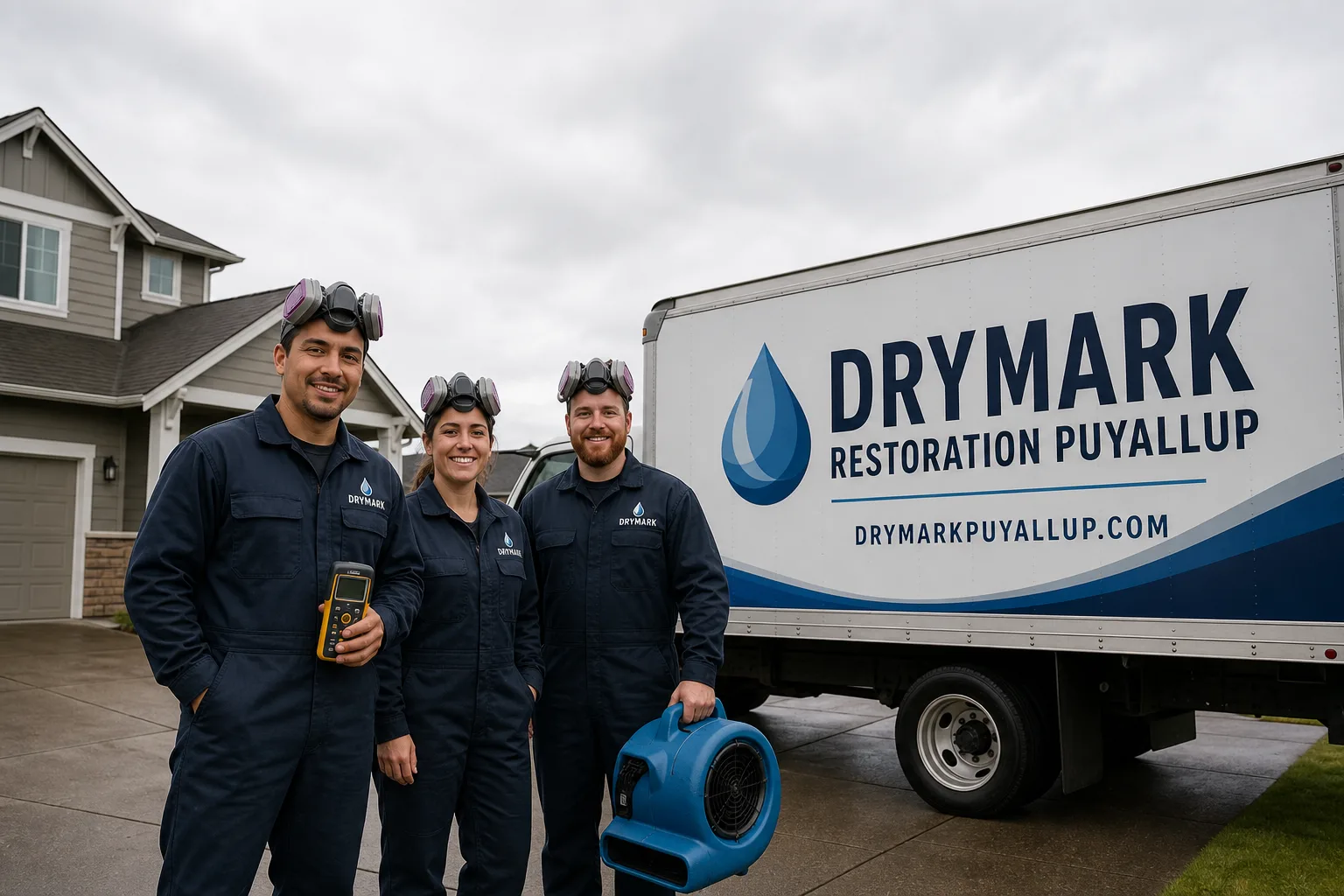
Free visual inspection and a written scope of work before any mitigation begins - photos, moisture readings, and drying logs go in your claim file
The scope we write is the scope we bill. Anything new gets shown to you, in writing, before we touch it.
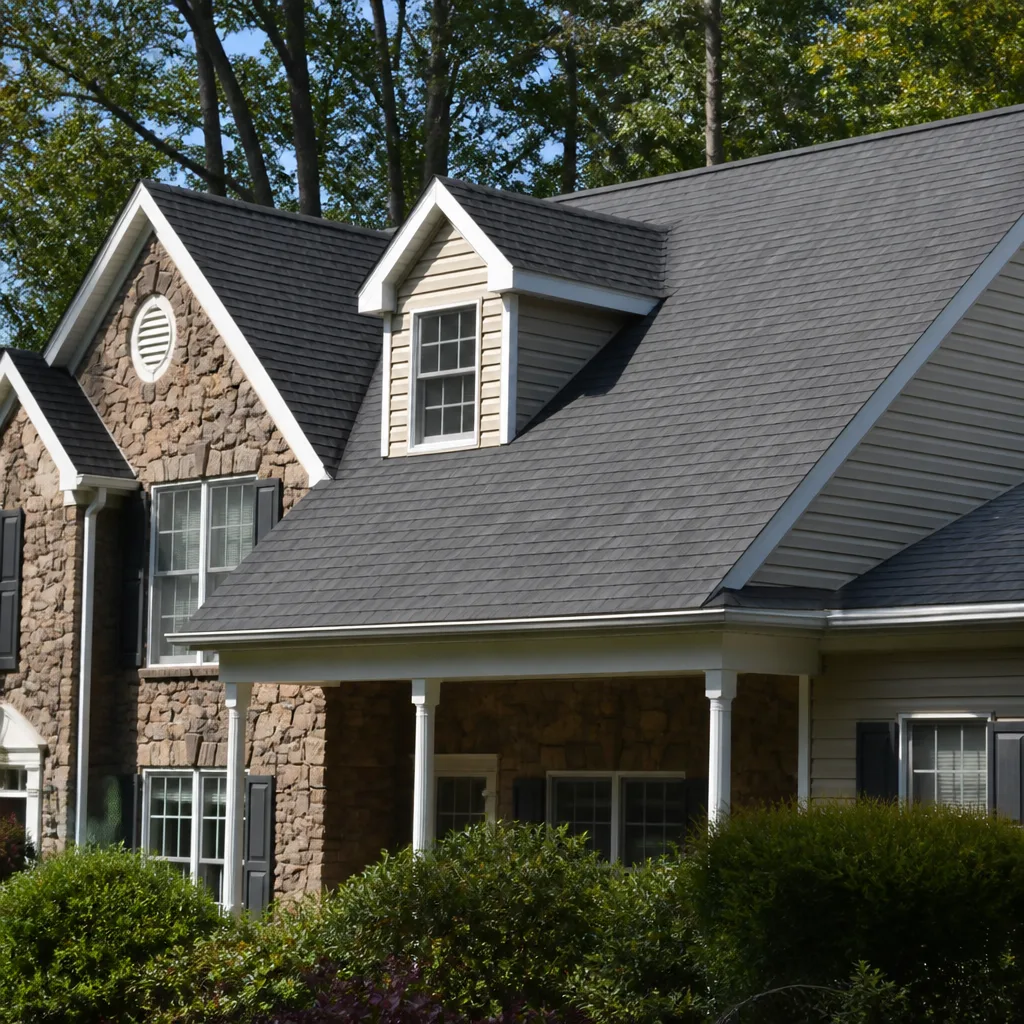
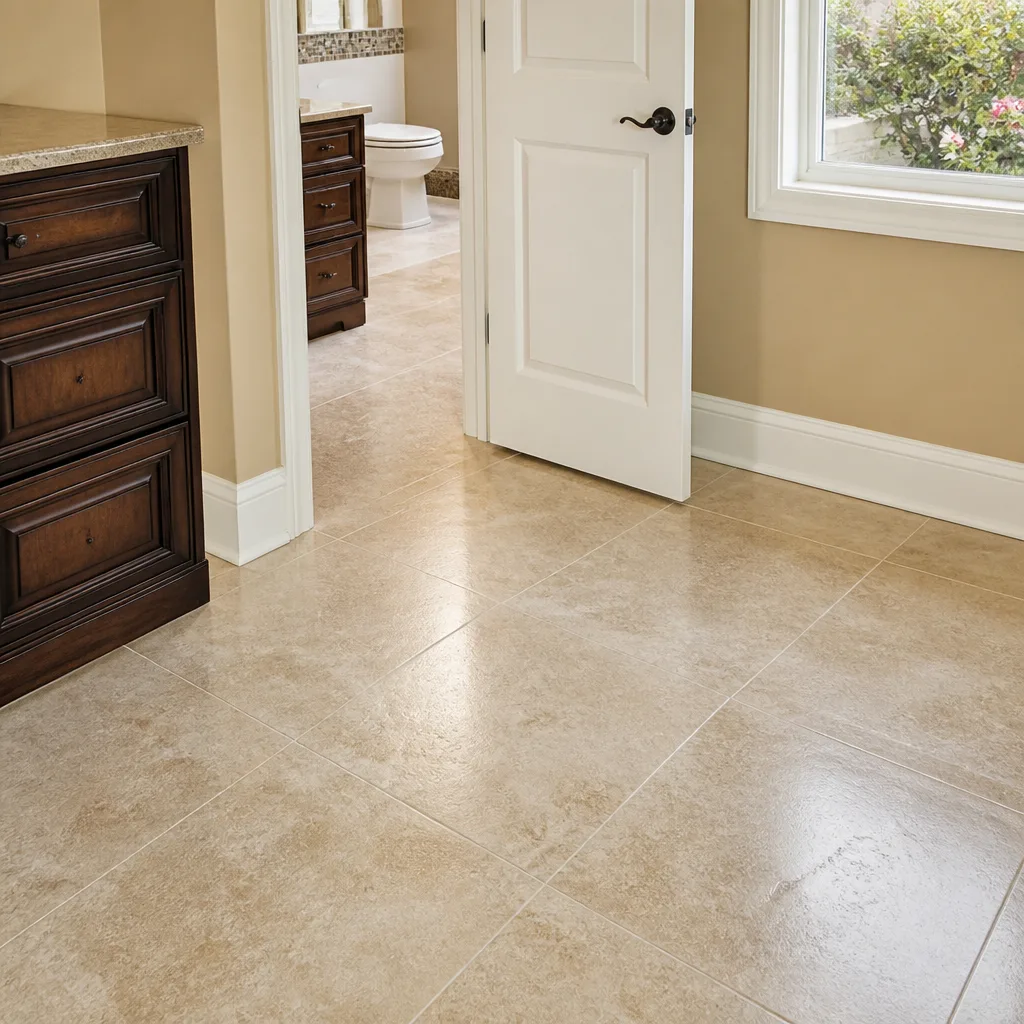
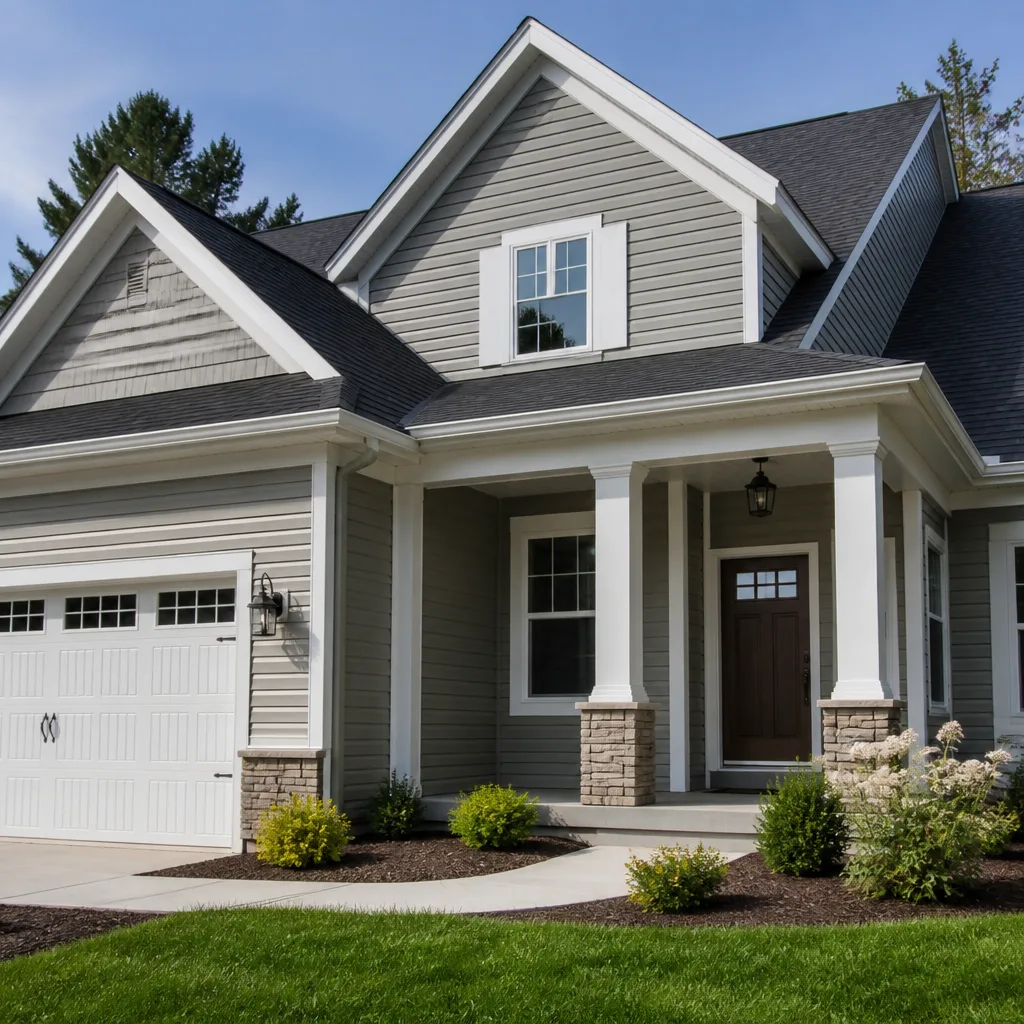
 Before
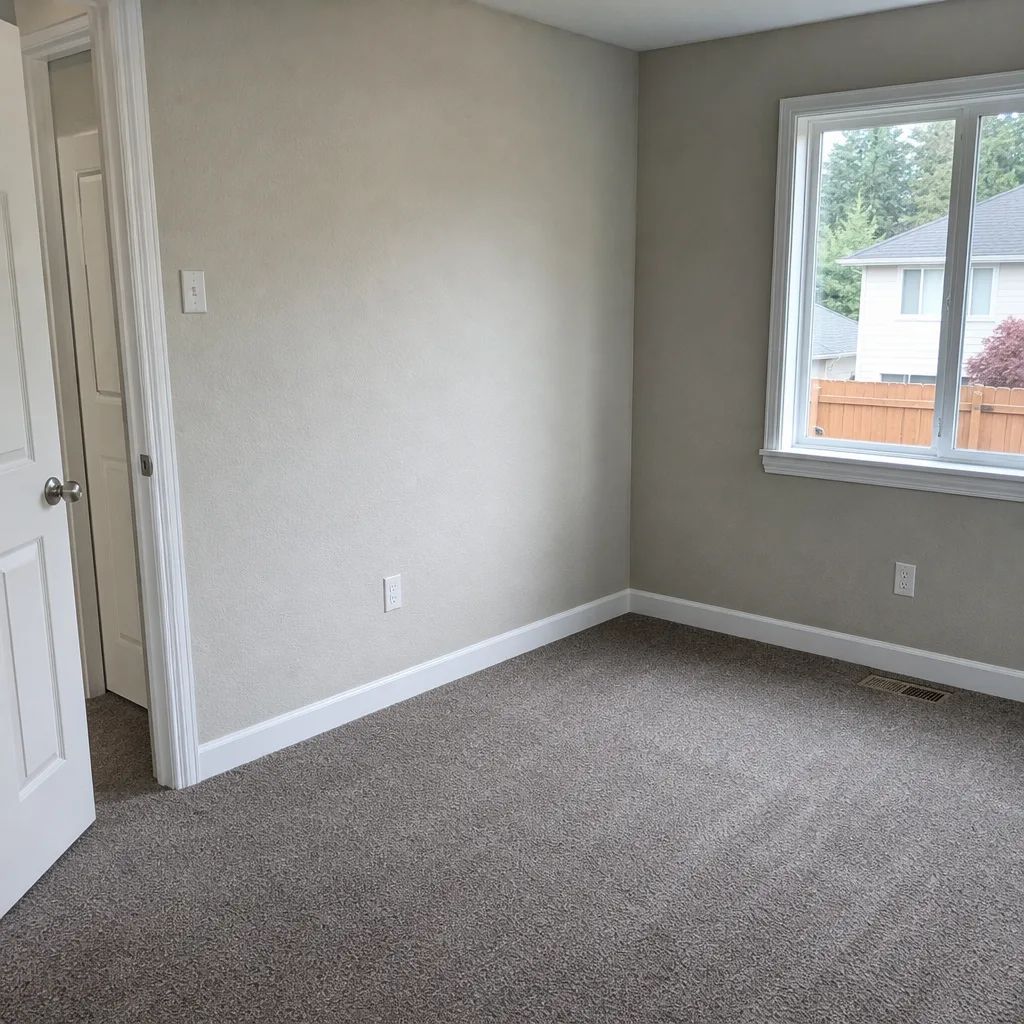 After
After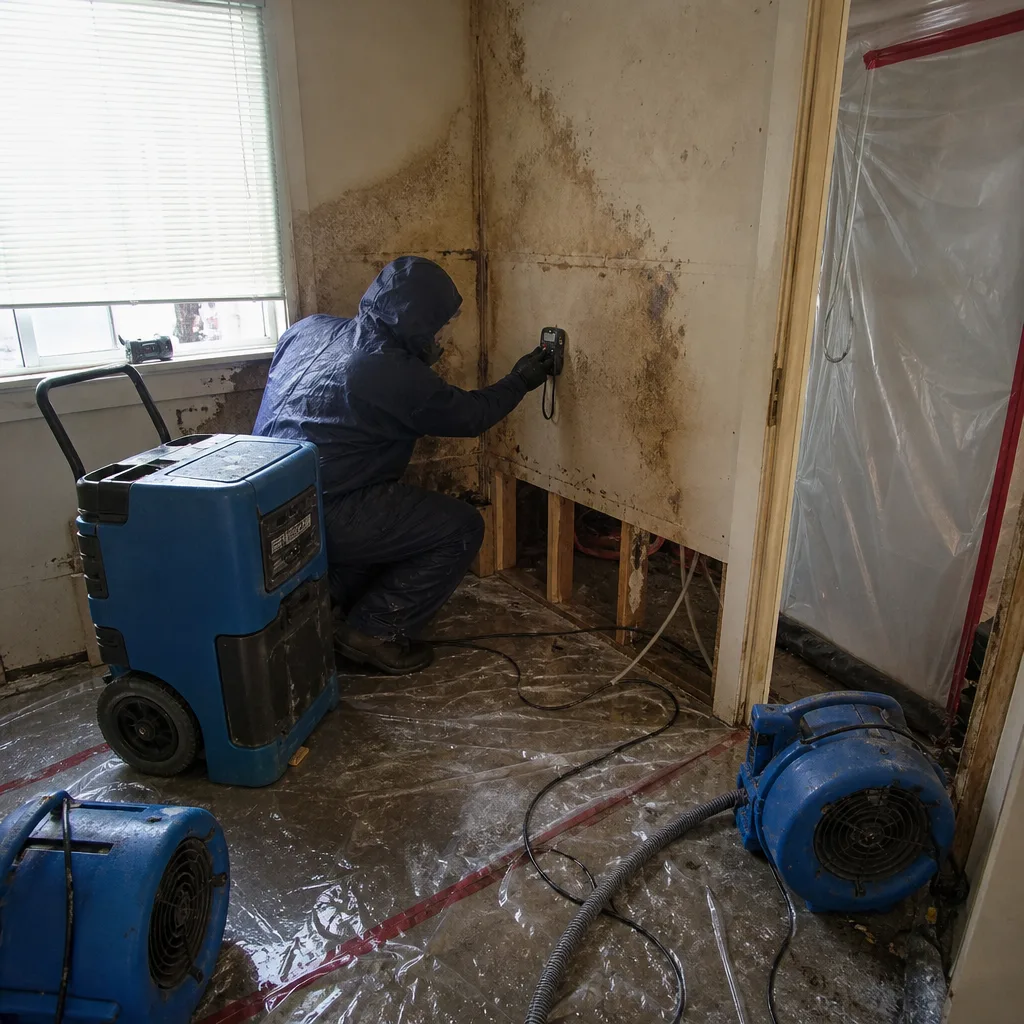 Before
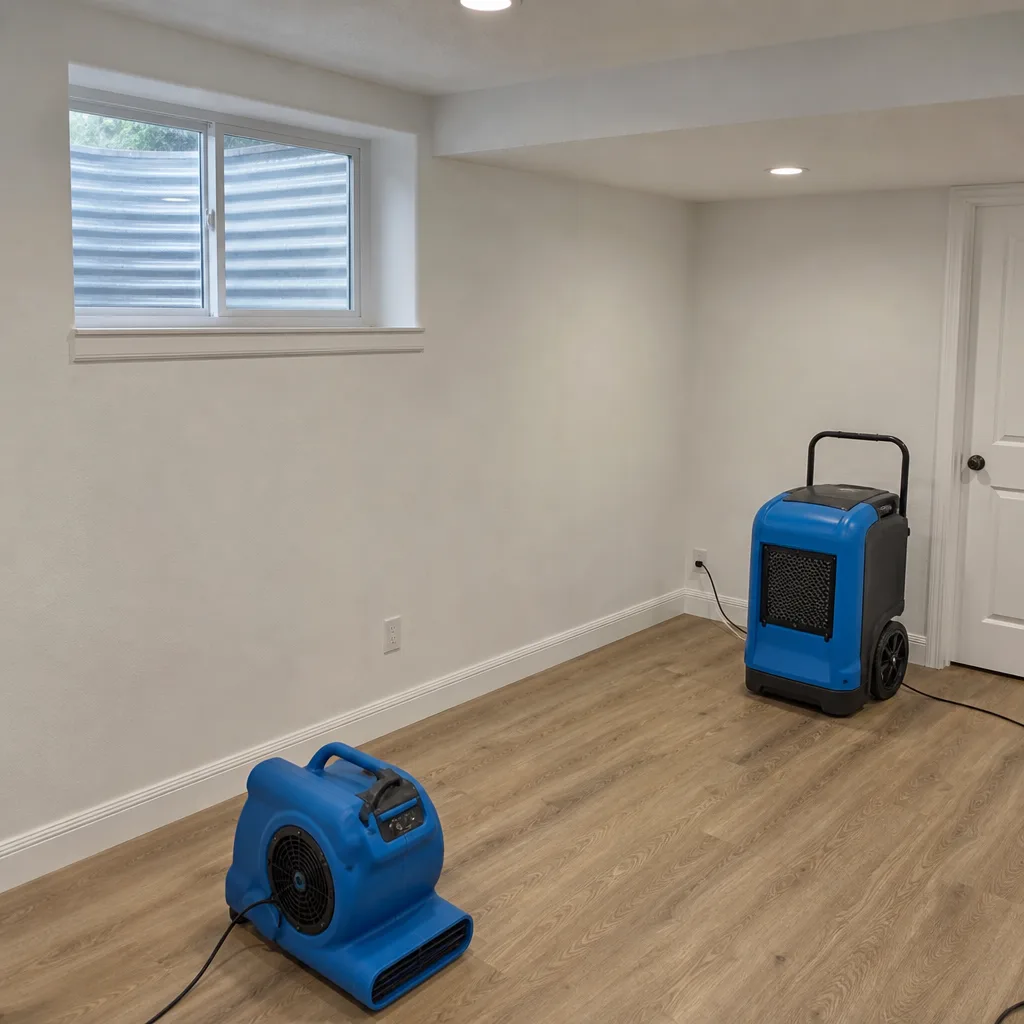 After
After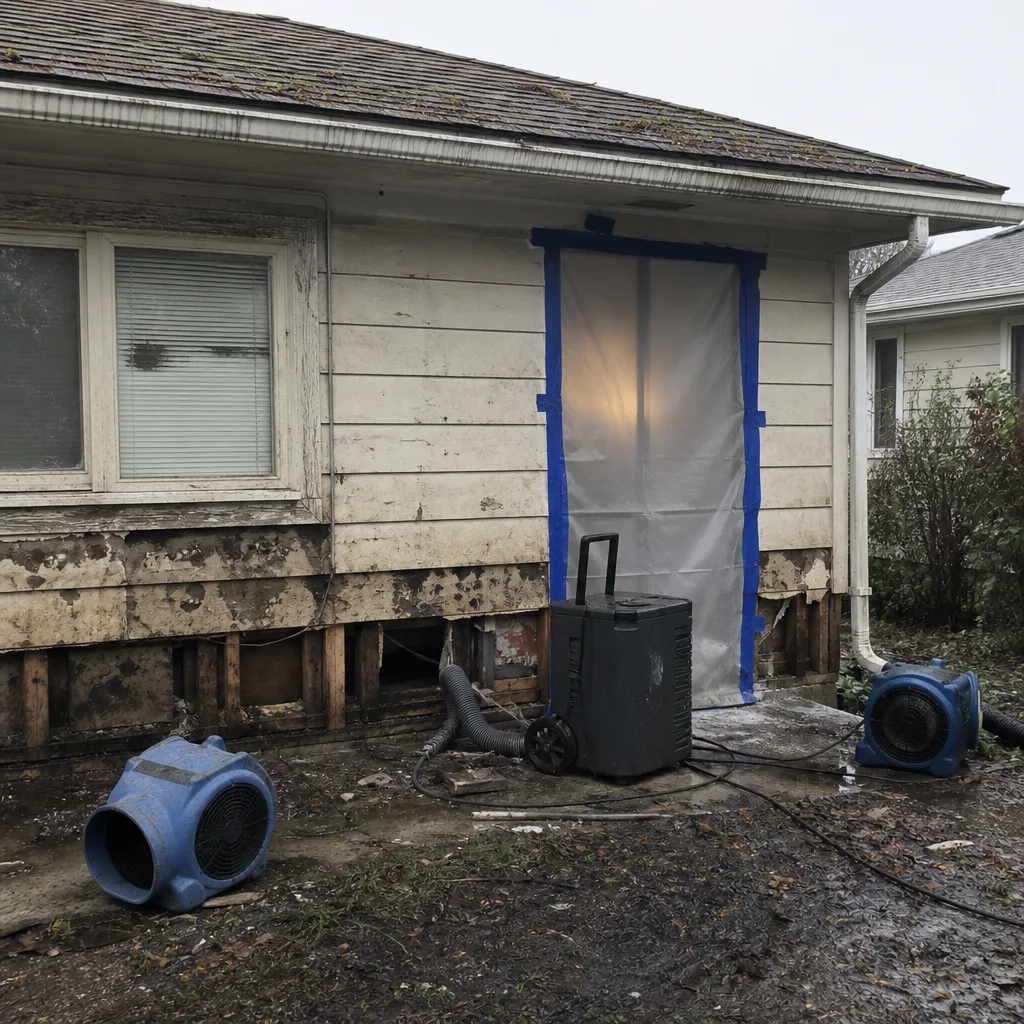 Before
 After
AfterFast, Reliable Water Damage Restoration Across Lakewood
Water damage restoration in Lakewood typically runs $1,800-$4,500 for a standard residential mitigation, with emergency extraction starting at $350-$650 and structural drying adding $1,200-$2,800 depending on square footage and affected materials. Most Lakewood homeowners see our crew on-site within 60-90 minutes of calling (253) 447-5249, because we dispatch from our Seattle office and know the corridor down I-5 through the Nalley Valley bottleneck.
We’re familiar with the specific headaches Lakewood properties present: the 1950s-70s ranch and split-level stock around American Lake, the vented crawl spaces with failed or missing vapor barriers, and the way military tenant turnover at Joint Base Lewis-McChord lets moisture problems hide for years. Our Water Damage Restoration team documents every moisture reading, every photo, every drying log to IICRC and RIA standards so your claim file holds up.
Why DryMark Restoration Puyallup Is Lakewood’s Preferred Water Damage Restoration Company
We’ve restored water-damaged homes in Lakewood since 2011, and our reputation here is built on what we can show you, not what we claim. Our reviews from Lakewood customers consistently cite two things: the written price that arrived before any equipment crossed the threshold, and the photo-documented drying logs that made their adjuster’s job straightforward.
Response time to Lakewood averages under 90 minutes during daylight hours and under two hours overnight, because we maintain live dispatch 24 hours a day, 7 days a week with no voicemail trees. A real person answers, takes your address, and routes the nearest crew.
Our local knowledge matters in ways that show up in the scope of work. We know which streets off Gravelly Lake Drive sit low enough to catch seasonal groundwater even without a pipe failure. We know the 1960s split-levels near Lake Steilacoom were built with crawl-space vents that pull in humid summer air and trap winter condensation. That knowledge changes how we write your drying plan, and it changes what we document for your insurance file.
Every technician is background-checked, uniformed, and licensed; the license number is available on request. Every job carries our 365-Day Done Right Promise under The Haven Standard, and every estimate includes a free second opinion if you’ve already received a competitor’s written quote.
Our Water Damage Restoration Services in Lakewood
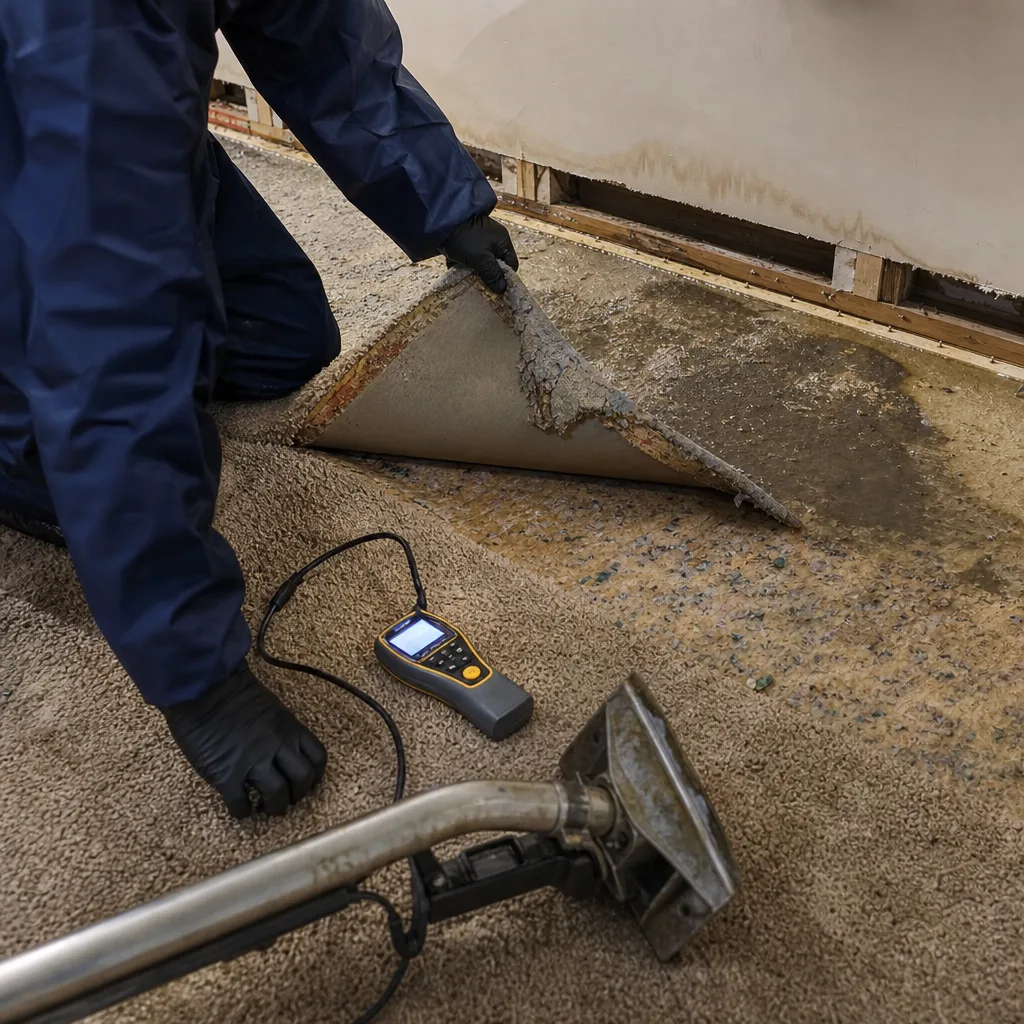
Emergency Water Extraction
When a washing machine hose fails in a Lakewood rambler or a supply line bursts in a JBLM rental off Berkeley Street, standing water doesn’t wait. We extract to the subfloor using truck-mounted and portable systems, then immediately map moisture migration into wall cavities and crawl spaces. In Lakewood’s older homes, water travels fast along the original red-oak strip flooring common to the 1950s-60s build era, often pooling in the crawl space before the homeowner notices cupping upstairs.
Structural Drying & Dehumidification
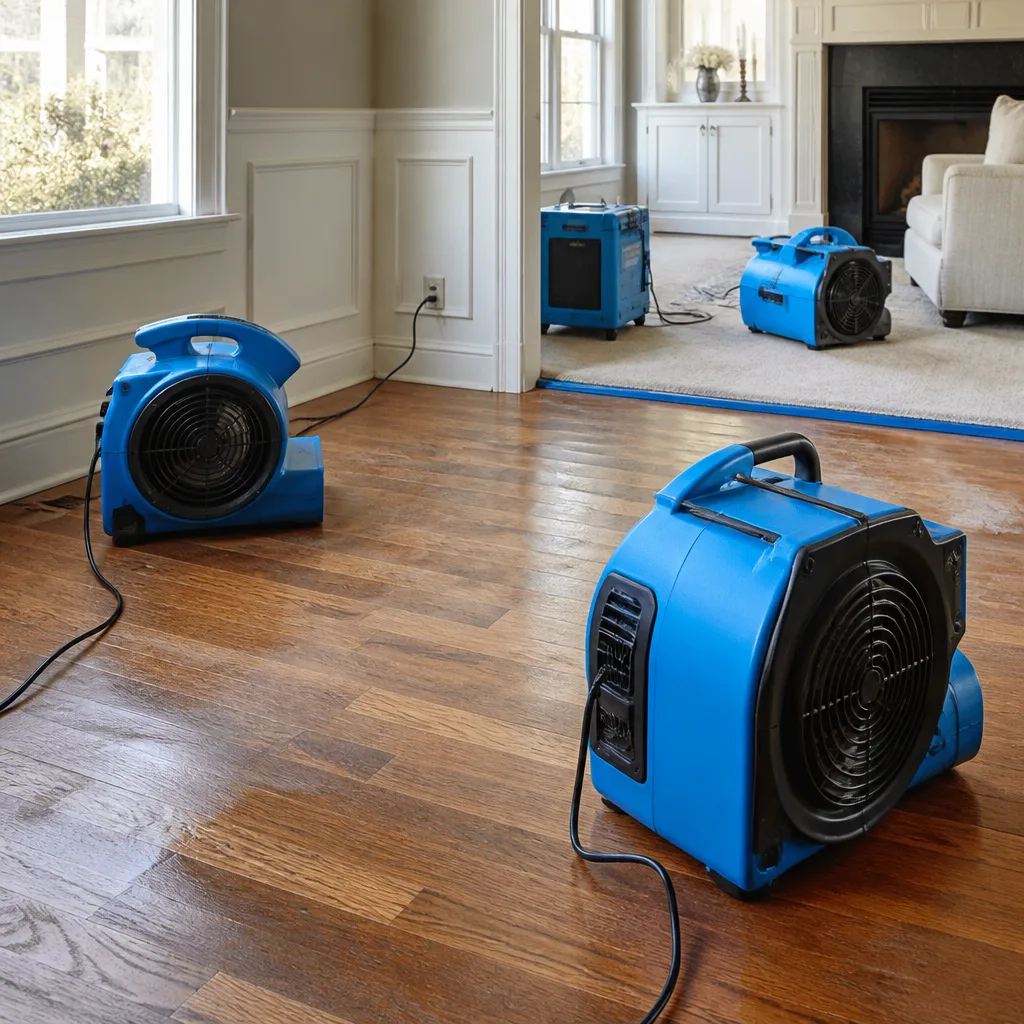
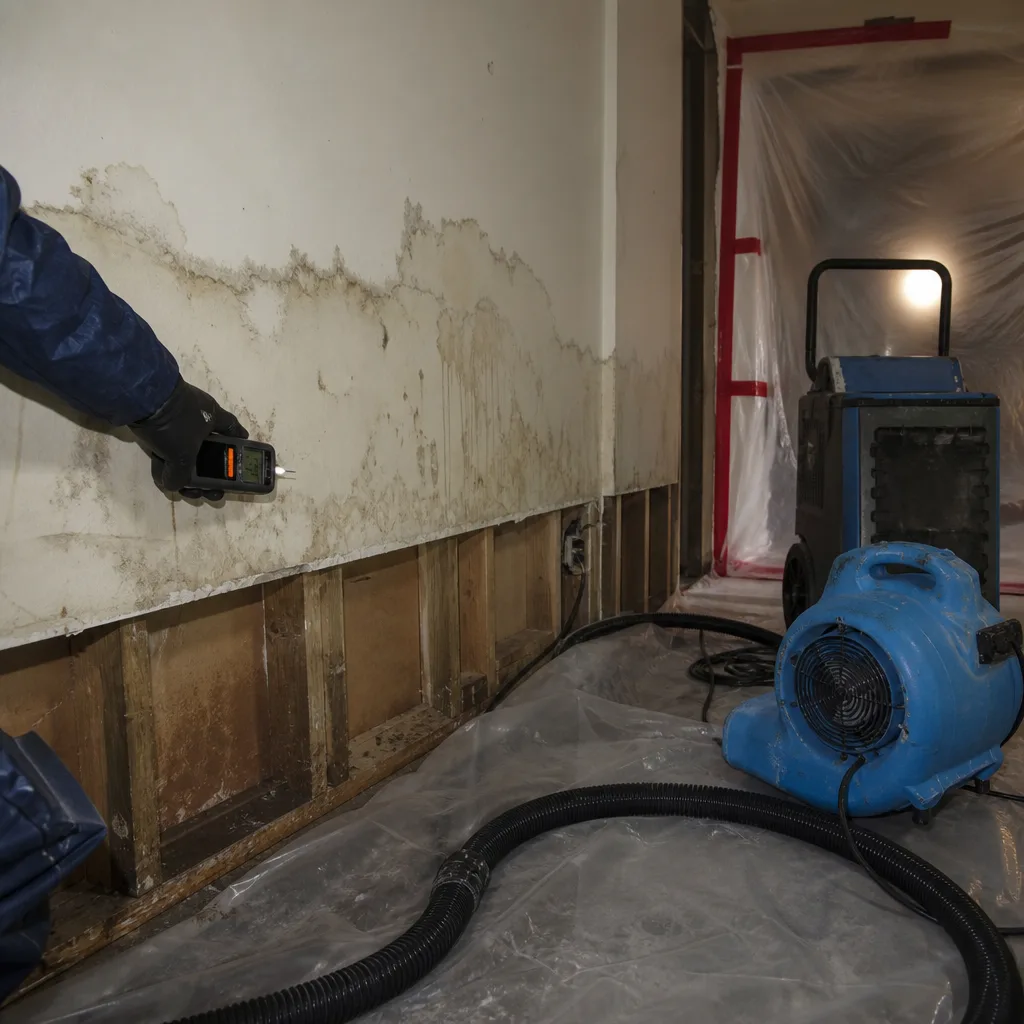
This is where Lakewood’s housing stock demands specific expertise. The majority of local homes were built during the Fort Lewis population boom with vented crawl spaces and either no vapor barrier or one that disintegrated decades ago. We deploy Phoenix dehumidifiers and Dri-Eaz air movers with psychrometric monitoring, vapor pressure differential tracking, and daily moisture logs. Tertiary drying, the final phase where bound moisture is pulled from dense materials, often takes longer in Lakewood crawl spaces because the ground itself is a moisture source. We don’t declare a job dry until the readings say so, documented.
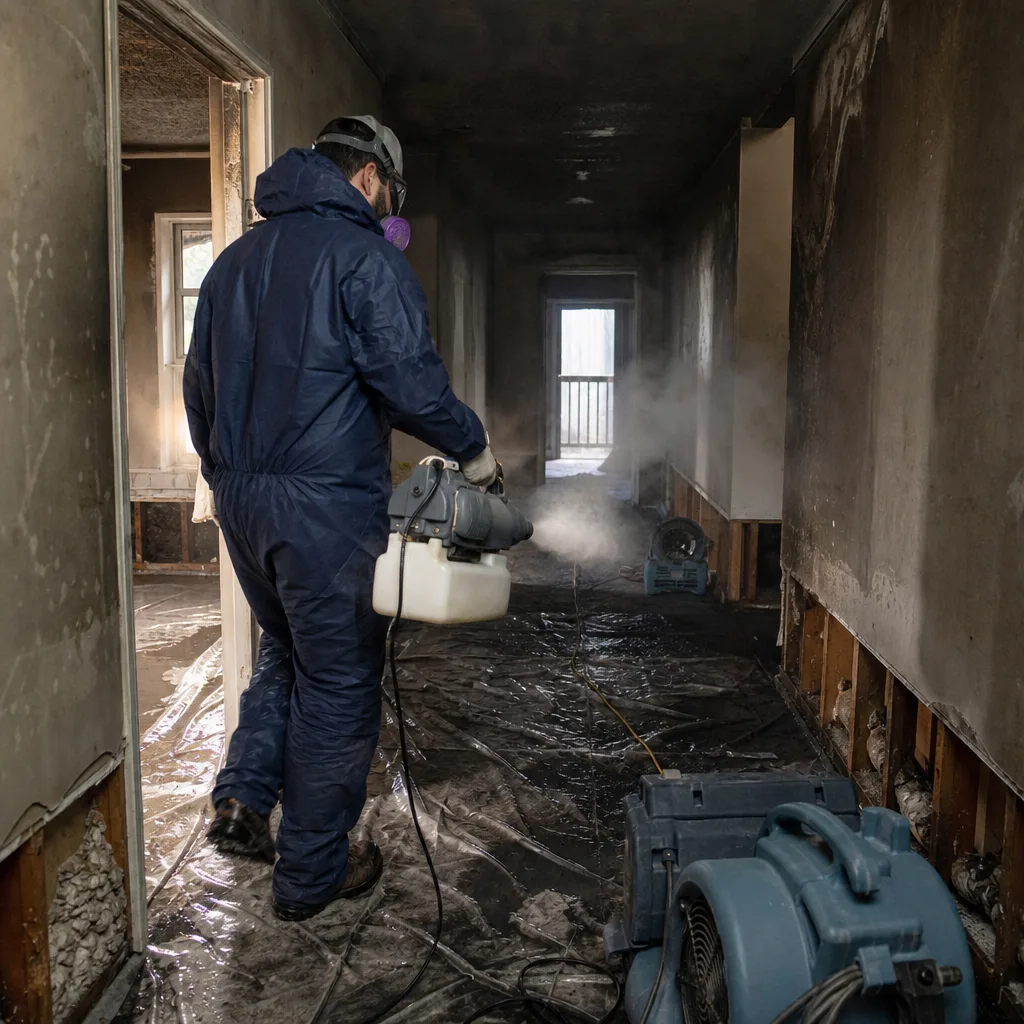
Flood Cleanup
Lakewood’s flat glacial outwash terrain around American Lake and Steilacoom Lake holds seasonal groundwater close to the surface. After heavy rains between October and April, we see Category 1 groundwater intrusion through foundation walls and crawl-space vents, particularly in the low-lying neighborhoods near the lake shore. Flood cleanup here means extraction, antimicrobial application to affected framing, and often removal of compromised vapor barriers before drying can begin. We document the source, the path, and the affected square footage for your adjuster.
Burst Pipe Restoration
Original galvanized and early copper plumbing in Lakewood’s 1950s-70s homes fails predictably: pinholes at elbows, splits at freeze points in exterior walls, and slab leaks in the few mid-century homes with slab-on-grade construction. We extract, dry, and document the water damage; we don’t perform plumbing repairs, but we coordinate with your plumber and provide the moisture-mapping documentation they need to verify the leak is fully addressed before we close the drying plan.
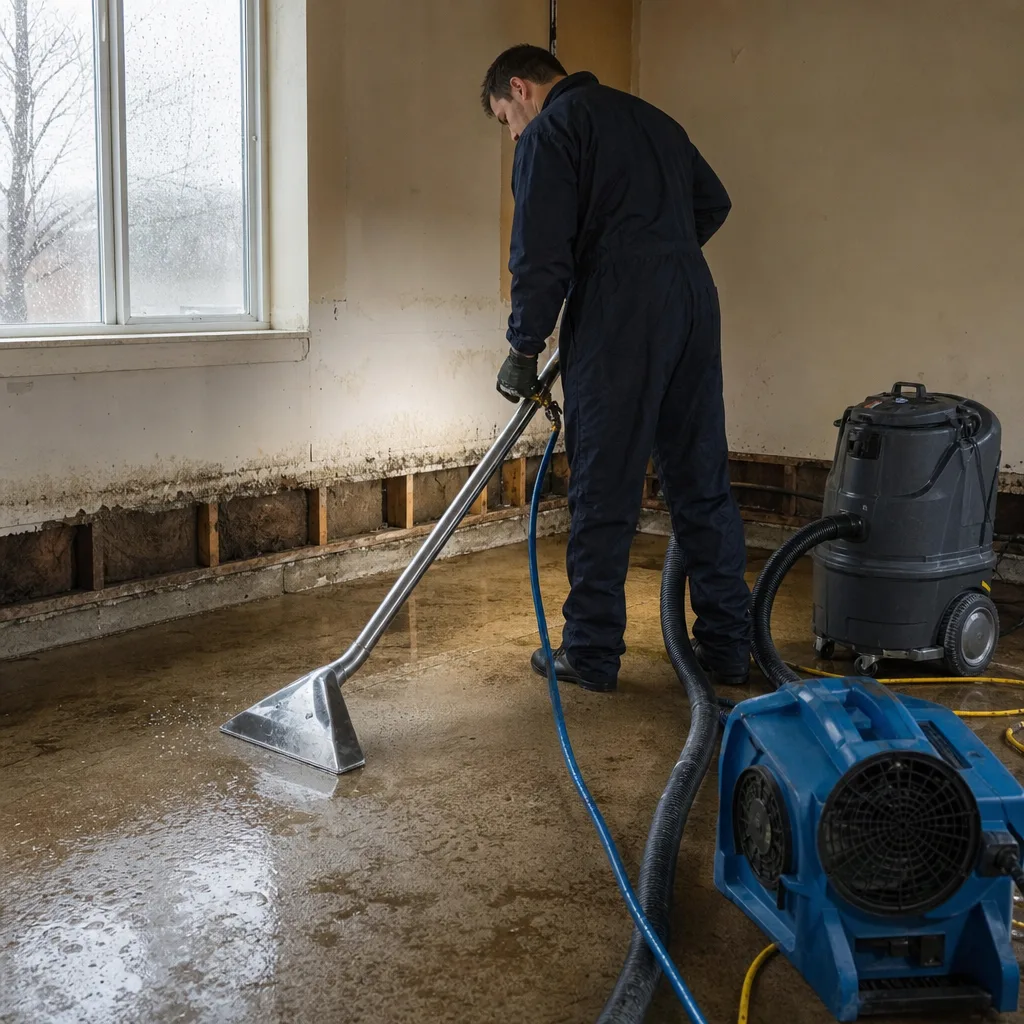
Basement Water Removal
True basements are less common in Lakewood than in Pierce County hill towns, but where they exist, typically in 1970s split-levels, they’re often finished with paneling over concrete block. Water wicks through the block, traps behind the paneling, and creates a hidden reservoir. We remove finishes as needed, set up containment, and use Injectidry panel drying systems to dry the cavity without unnecessary demolition. Every step is photographed.
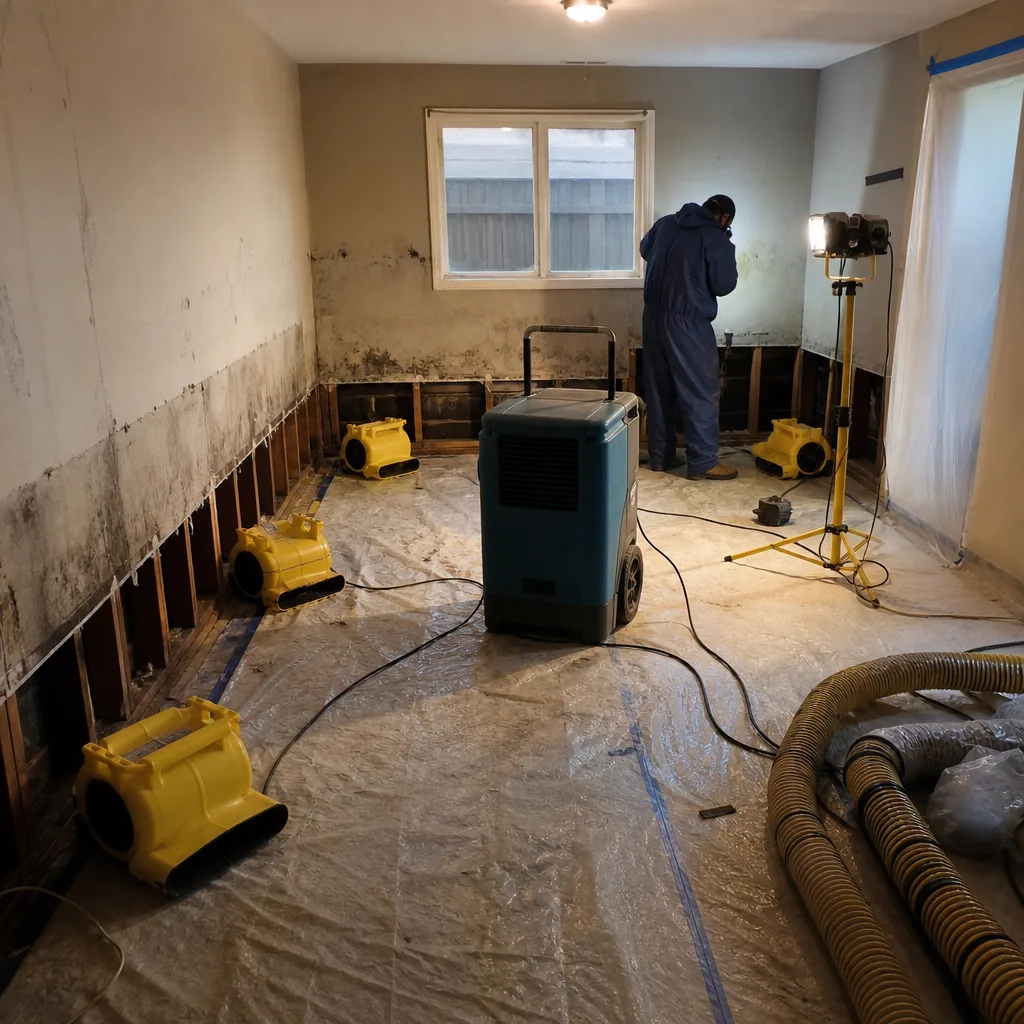
Ceiling & Roof Leak Water Damage
Lakewood’s mature Douglas fir and cedar canopies drop debris that compromises aging composition shingles, especially on the shallow-pitch ranches common to the 1960s. We trace the water path from ceiling stain to roof penetration, document the affected insulation and drywall, and dry the assembly with directed airflow and dehumidification. If the roof is still compromised, we coordinate temporary tarping with your roofer while we begin interior mitigation.
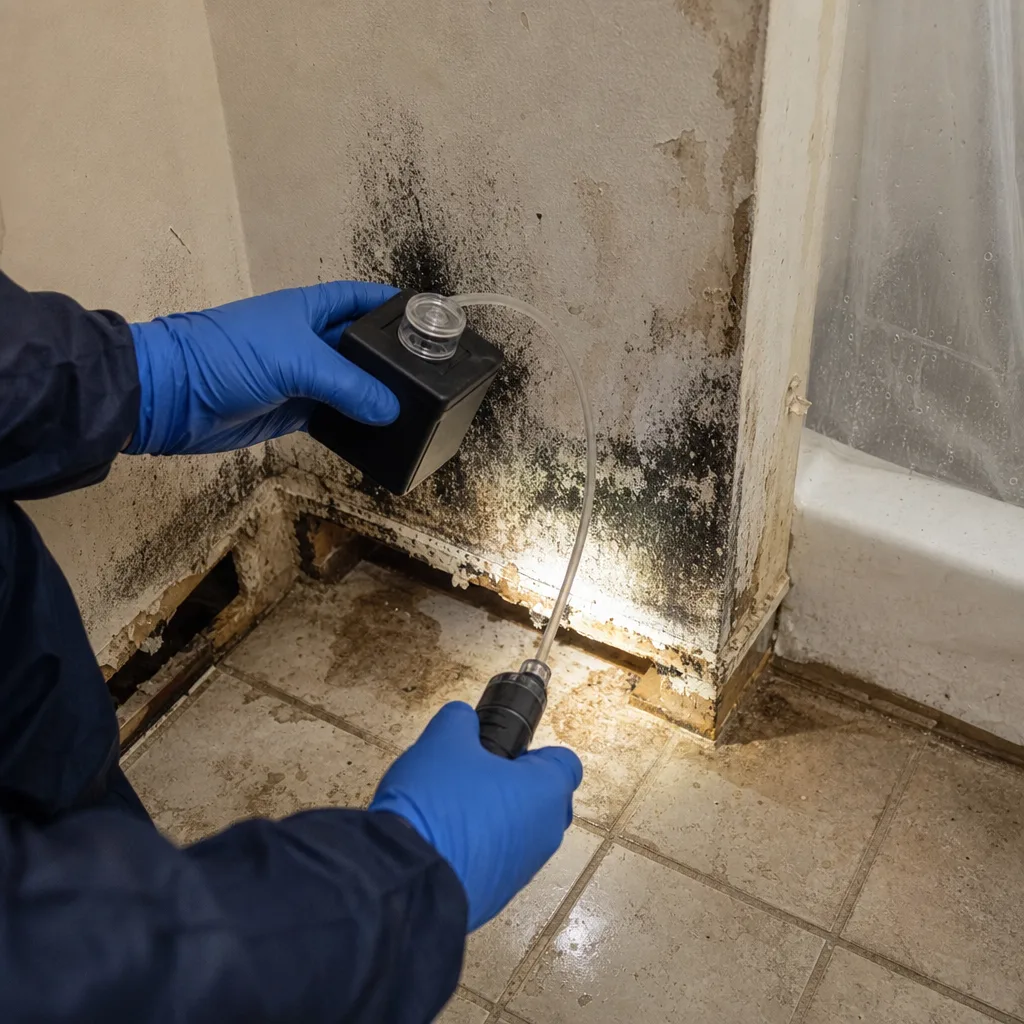
What happens when you call
- 1
A real person answersNo phone trees - you reach a local pro.
- 2
You get an upfront price rangeHonest numbers before anyone is dispatched.
- 3
A background-checked tech heads outLicensed & insured, dispatched right away.
- 4
You approve before work beginsNothing starts until you say go.
 Before
 After
AfterTrusted Brands We Service in Lakewood
Our equipment inventory includes professional-grade drying systems from Phoenix, Dri-Eaz, and XPOWER, with Injectidry specialty drying for wall and ceiling cavities. We stock HEPA filtration, antimicrobial formulations, and moisture-detection technology that meets IFA documentation standards. For Lakewood customers, this means no waiting for equipment to ship from a regional warehouse; the dehumidifiers and air movers we specify in your written scope are on our trucks and ready to deploy.
Common Water Damage Restoration Problems We See in Lakewood Homes
- Undisclosed crawl-space moisture across multiple military tenant rotations. Lakewood’s identity as JBLM’s primary off-base bedroom community means properties turn over every 2-3 years. Landlords often discover soft subfloor or musty odors during a turn, only to find moisture readings in the rim joist that indicate years of groundwater wicking, not a recent loss.
- Failed or missing vapor barriers in 1950s-70s crawl spaces. The original polyethylene sheeting, if it was ever installed, has often crumbled to fragments. Without an intact barrier, soil moisture evaporates directly into the crawl space, driving wood moisture content above 20% and creating conditions for fungal growth even when no pipe has leaked.
- Out-of-area adjusters missing chronic moisture near American Lake. Adjusters trained to look for a single storm event or burst pipe often struggle to authorize structural drying when the damage source is years of groundwater exposure. Our documentation, daily moisture logs, and vapor pressure differential readings build the case for coverage.
- Galvanized pipe failures in original plumbing. Interior corrosion reduces flow and creates pinholes that spray inside walls for days before detection. We map the moisture footprint, document the material classification, and provide the photo record that distinguishes long-term leakage from sudden discharge.
Pricing for Water Damage Restoration in Lakewood, WA
Emergency water extraction in Lakewood typically runs $350-$650 for the first hour of truck-mounted extraction, with additional hours at $175-$225. Structural drying and dehumidification for a 1,200-square-foot home with crawl-space involvement ranges $1,200-$2,800 for a three- to five-day drying plan. Category 3 sewage backup or contaminated groundwater adds $800-$1,500 for antimicrobial treatment, PPE protocols, and specialized disposal.
What moves the price: affected square footage, whether the crawl space requires vapor-barrier replacement, the category of water (clean, gray, or black), and whether demolition of finishes is necessary to access wet assemblies. Every job is quoted in writing before work begins, Haven Standard, Clause 1. No scope-creep additions once the crew is inside.
We also offer a free second opinion on any competitor’s written estimate. Bring us their scope and we’ll review it at no charge.
We Also Serve Cities Near Lakewood
Our crews respond daily to Lakewood, Tacoma, Puyallup, Milton, and Orting from our Seattle office. Each city gets the same documentation standard: written price before work, photo record on every visit, and drying logs to IICRC and RIA specifications. Whether you’re near American Lake or out toward the Puyallup River valley, the process doesn’t change.
Serving Lakewood, WA - Our Local Coverage Area
We’re based in the Lakewood area and know this community well. Use the map below to see our service coverage - if you’re nearby, we can almost certainly help.
FAQs - Water Damage Restoration in Lakewood
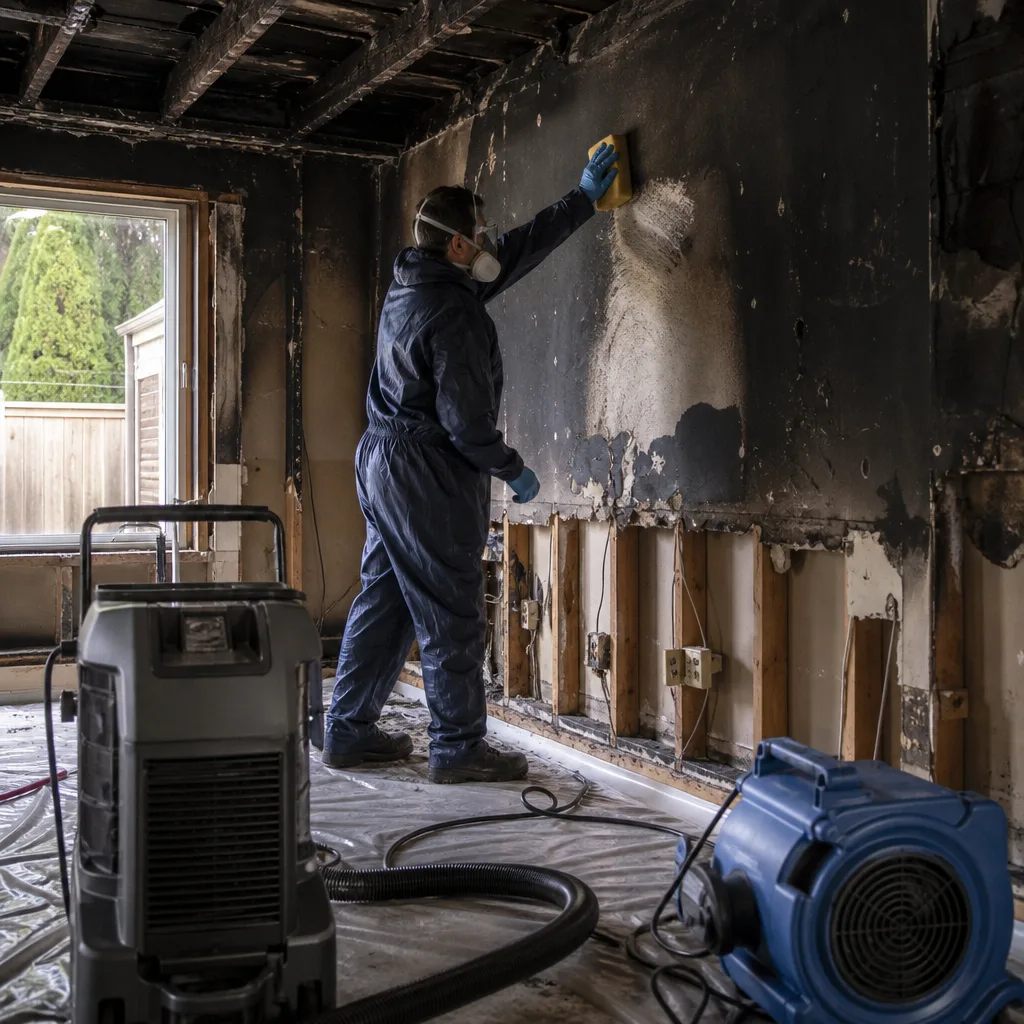
Because groundwater wicks upward through vented crawl spaces in Lakewood’s flat glacial outwash terrain, and the original vapor barriers in 1950s-70s homes have often failed completely. The main level can read normal while rim joists and subfloor sit at 22-28% wood moisture content, well above the 16% threshold where fungal growth begins. We find this routinely near American Lake and on low-lying streets off Gravelly Lake Drive. Call (253) 447-5249 for moisture mapping if you suspect hidden crawl-space moisture.
Within 24 hours. Every day of delay allows moisture to migrate from the crawl space into wall cavities and hardwood flooring, turning a contained Category 1 situation into a Category 2 or 3 remediation with mold involvement. We offer same-day assessment for vacant properties, with a written scope delivered before any work begins. Call (253) 447-5249 to schedule documentation for your next tenant turnover.
Yes. The seasonal water table sits close to the surface in the American Lake basin, so dehumidification alone often fails if the crawl space isn’t properly contained and the vapor barrier isn’t addressed. We monitor vapor pressure differential, the measurable force that drives moisture from soil into wood, and we don’t remove dehumidifiers until readings stabilize over multiple days, not hours. This prevents the rebound effect we see when out-of-area crews declare a job dry too early.
Category 1 is clean water from a supply line or rainwater intrusion, common in Lakewood roof leaks and pipe bursts. Category 2 is gray water with chemical or biological contamination, typical of washing machine or dishwasher discharge. Category 3 is black water from sewage backup, flooding, or groundwater that has contacted soil, which we see in Lakewood when heavy rains overwhelm foundation drainage. The category determines antimicrobial protocol, PPE requirements, and disposal costs. We classify and document the water source in your written scope before treatment begins.
Yes, and we do so regularly. Chronic groundwater wicking through failed vapor barriers produces legitimate, documentable water damage with no storm or pipe failure to point to. Our field team was called to a 1960s split-level off Gravelly Lake Drive where a property manager had just completed a turn between JBLM tenants and found soft subfloor in the hallway. Our tech ran moisture mapping across the main level and found elevated readings in the rim joist and crawl-space vapor barrier area, with no pipe failure to explain it. We set up containment, applied antimicrobial treatment to the affected framing, and used Phoenix dehumidifiers plus Injectidry panel drying to bring the assembly back to pre-loss condition while documenting drying logs for the landlord’s adjuster. If your property shows signs of chronic moisture without a clear source, call (253) 447-5249 for assessment.
Written by Alicia Brennan, Owner at Back to Dry Restoration, serving Lakewood since 2011 under The Haven Standard.