
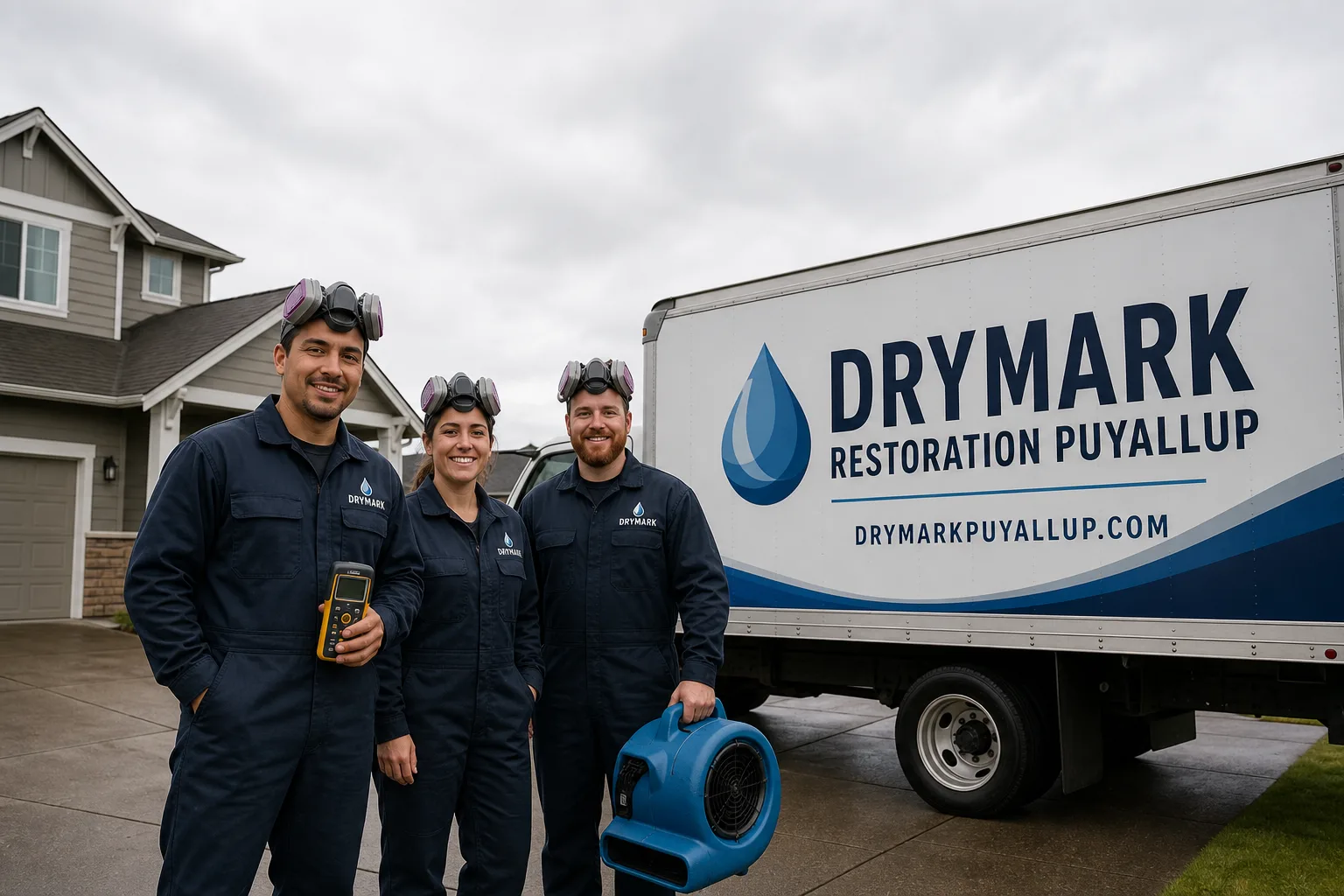
Free visual inspection and a written scope of work before any mitigation begins - photos, moisture readings, and drying logs go in your claim file
The scope we write is the scope we bill. Anything new gets shown to you, in writing, before we touch it.
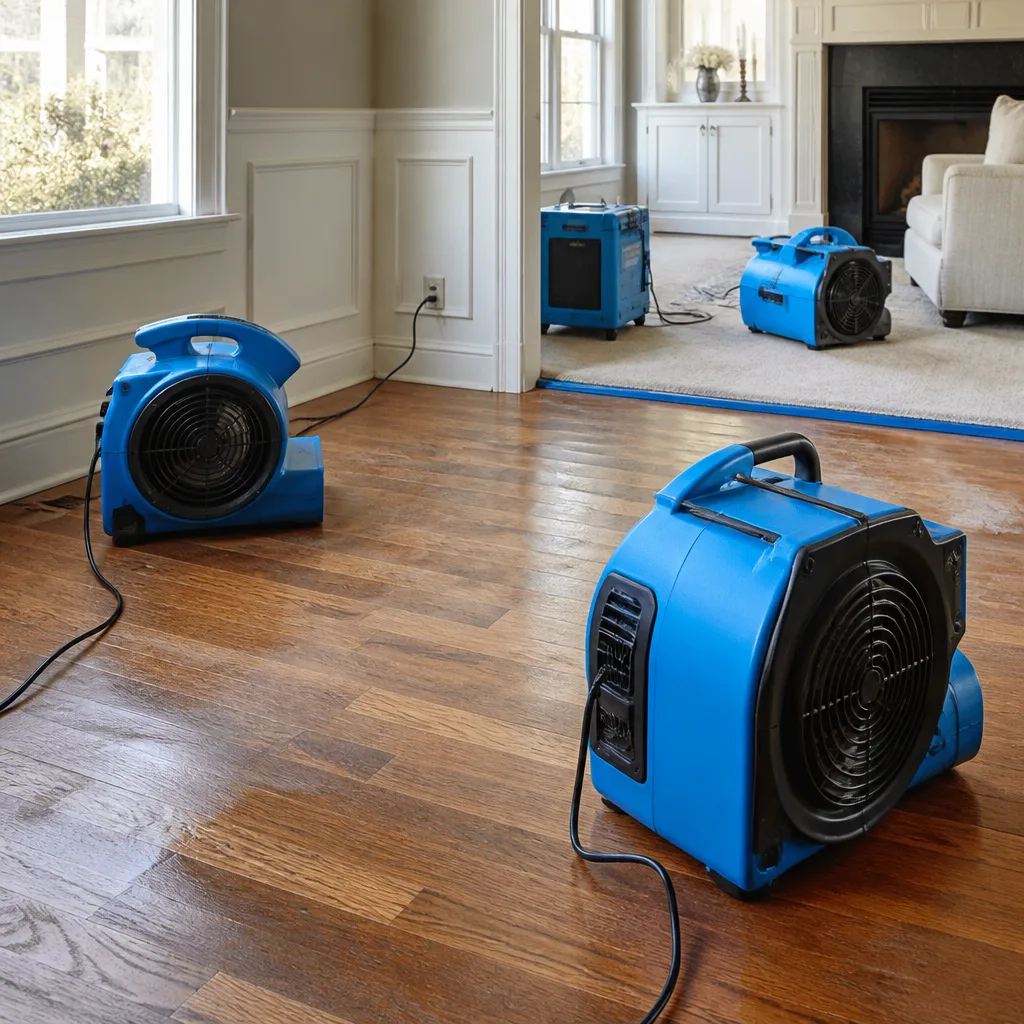
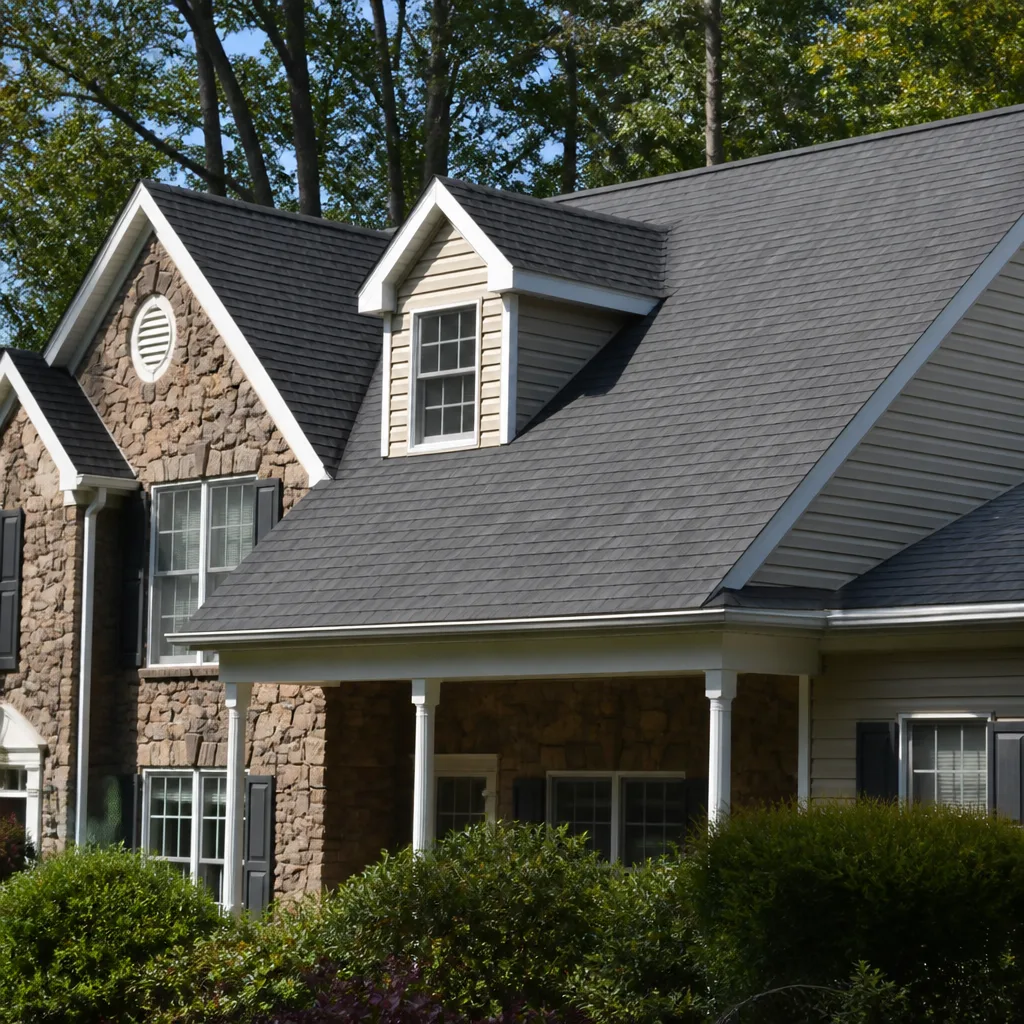
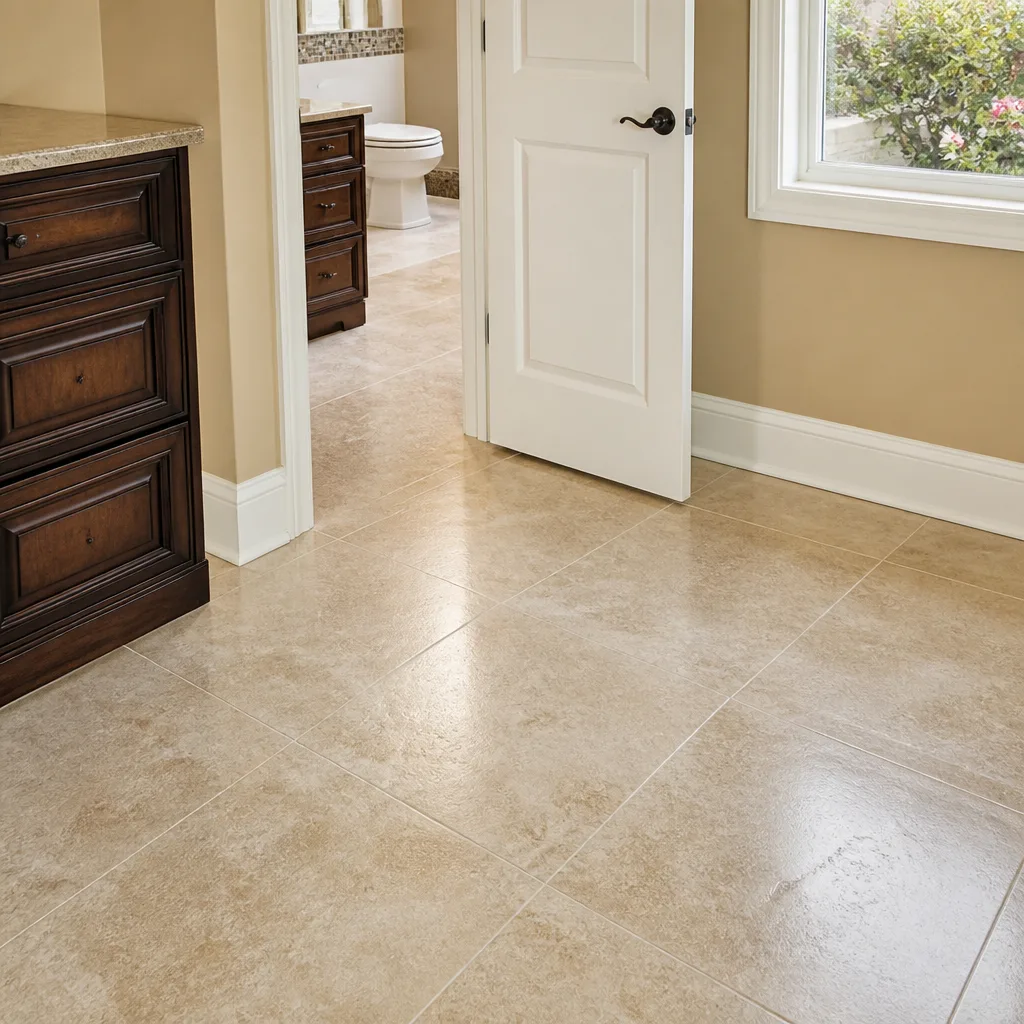
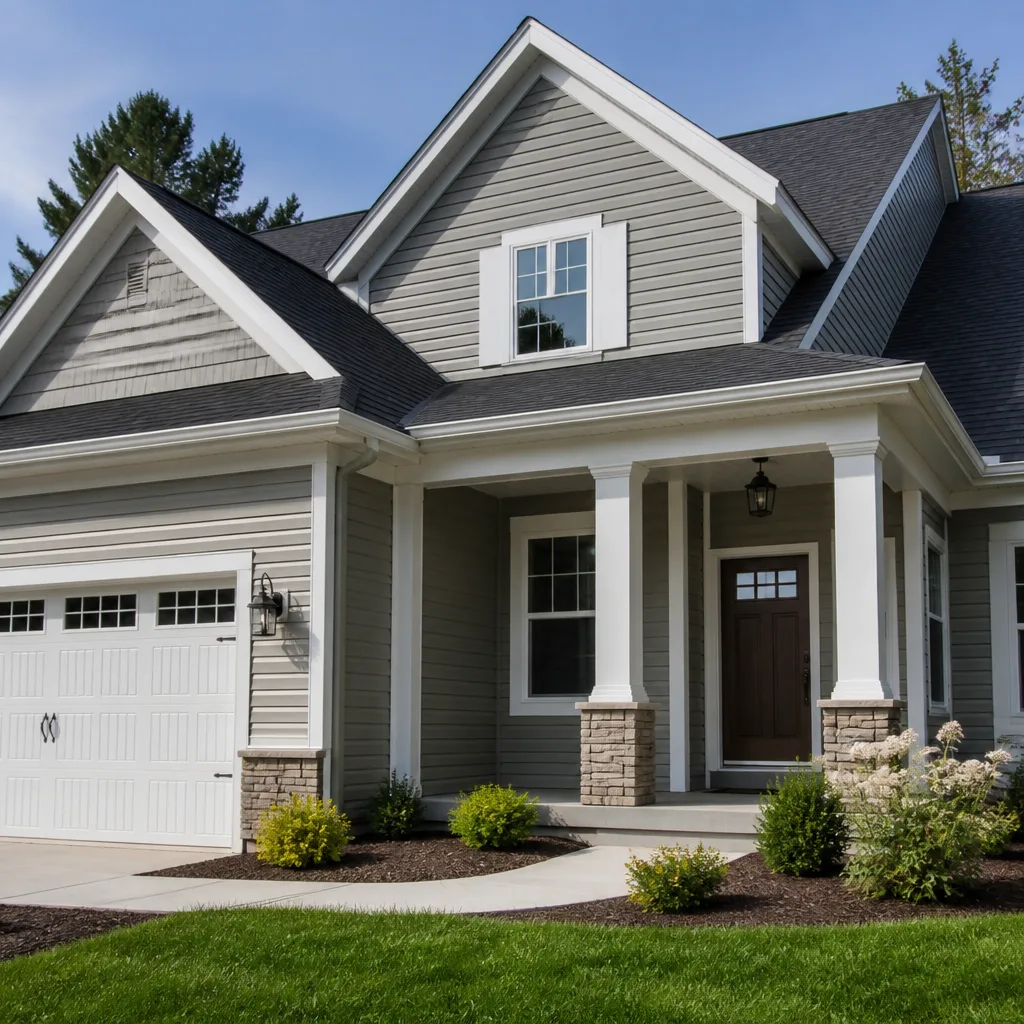
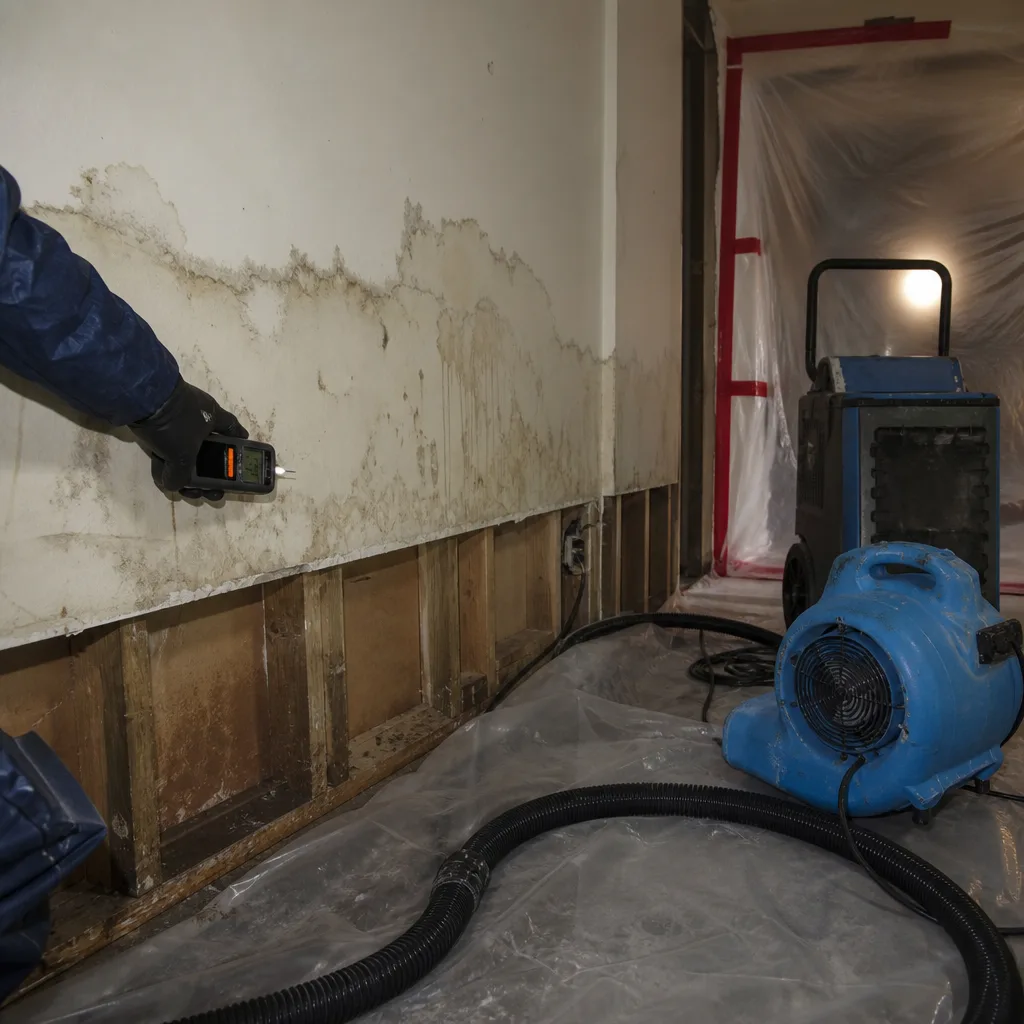 Before
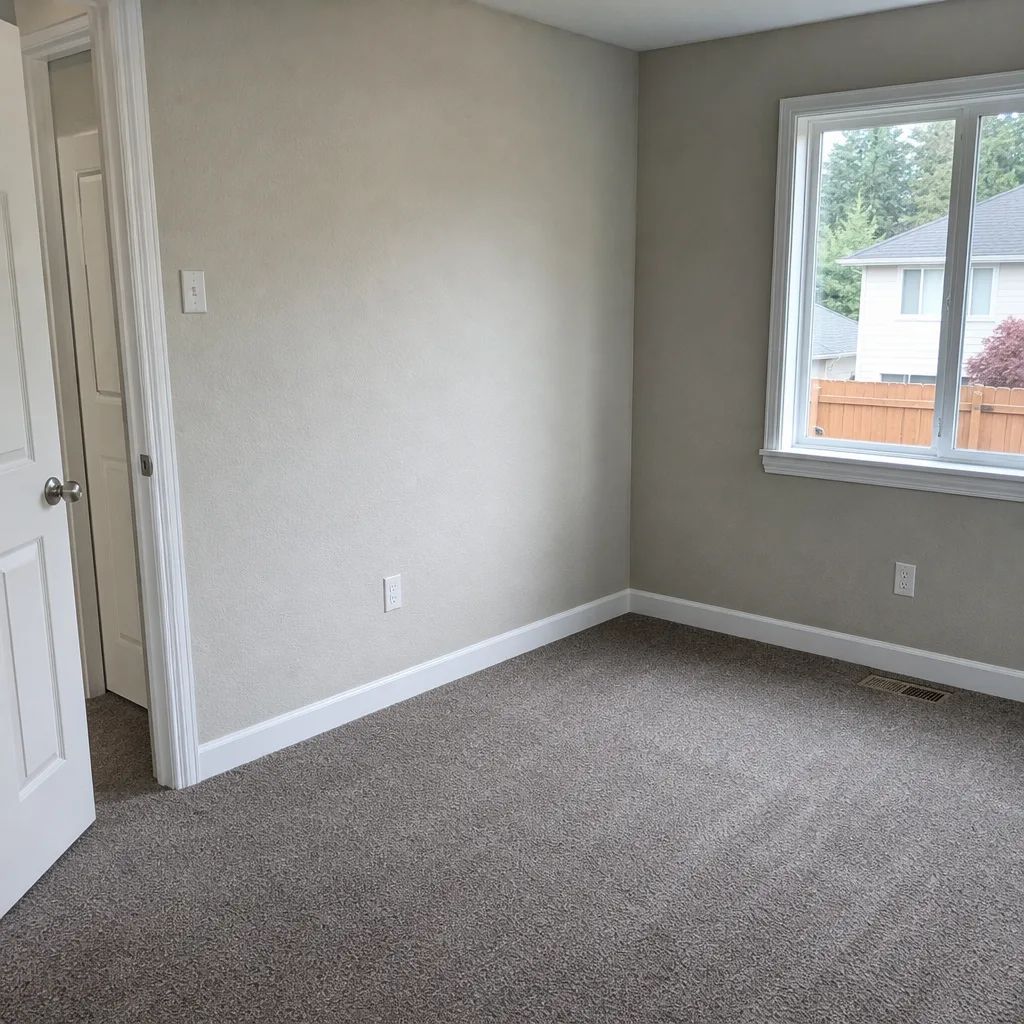 After
After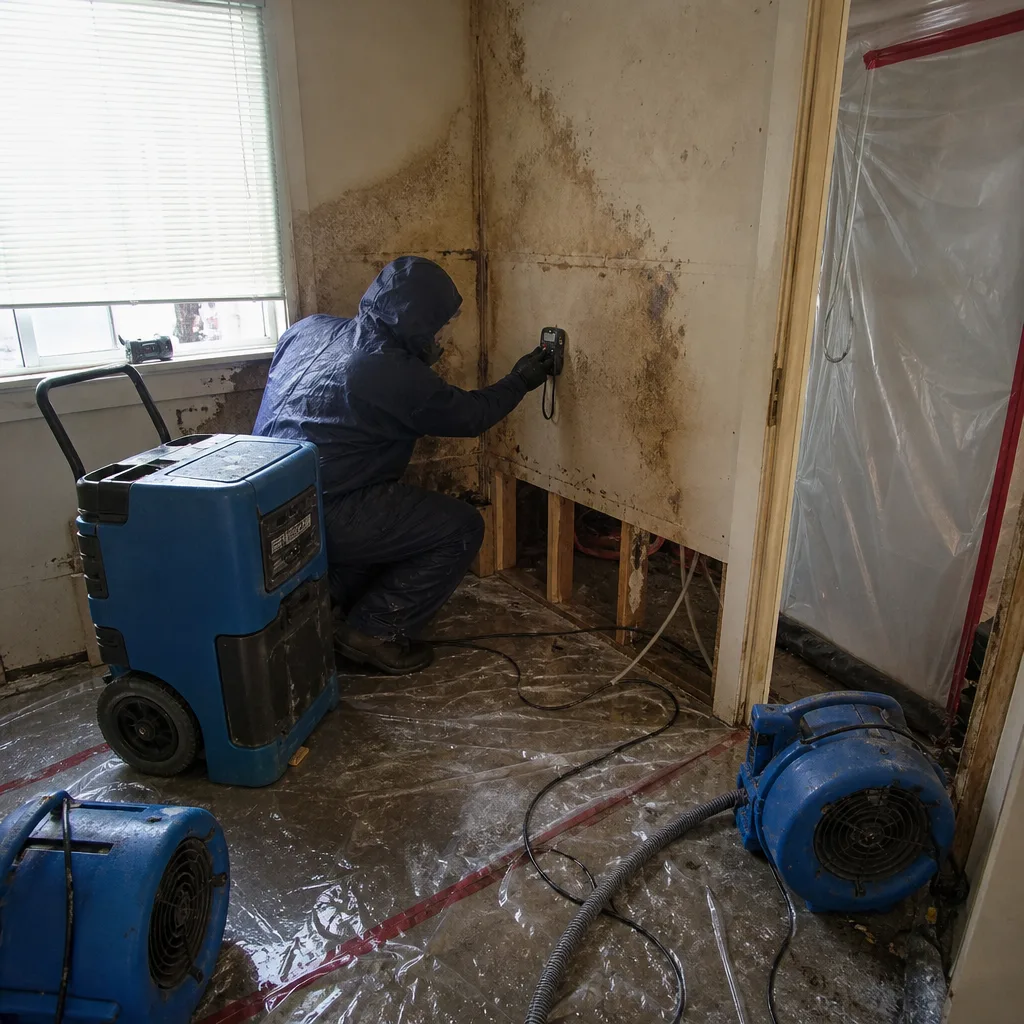 Before
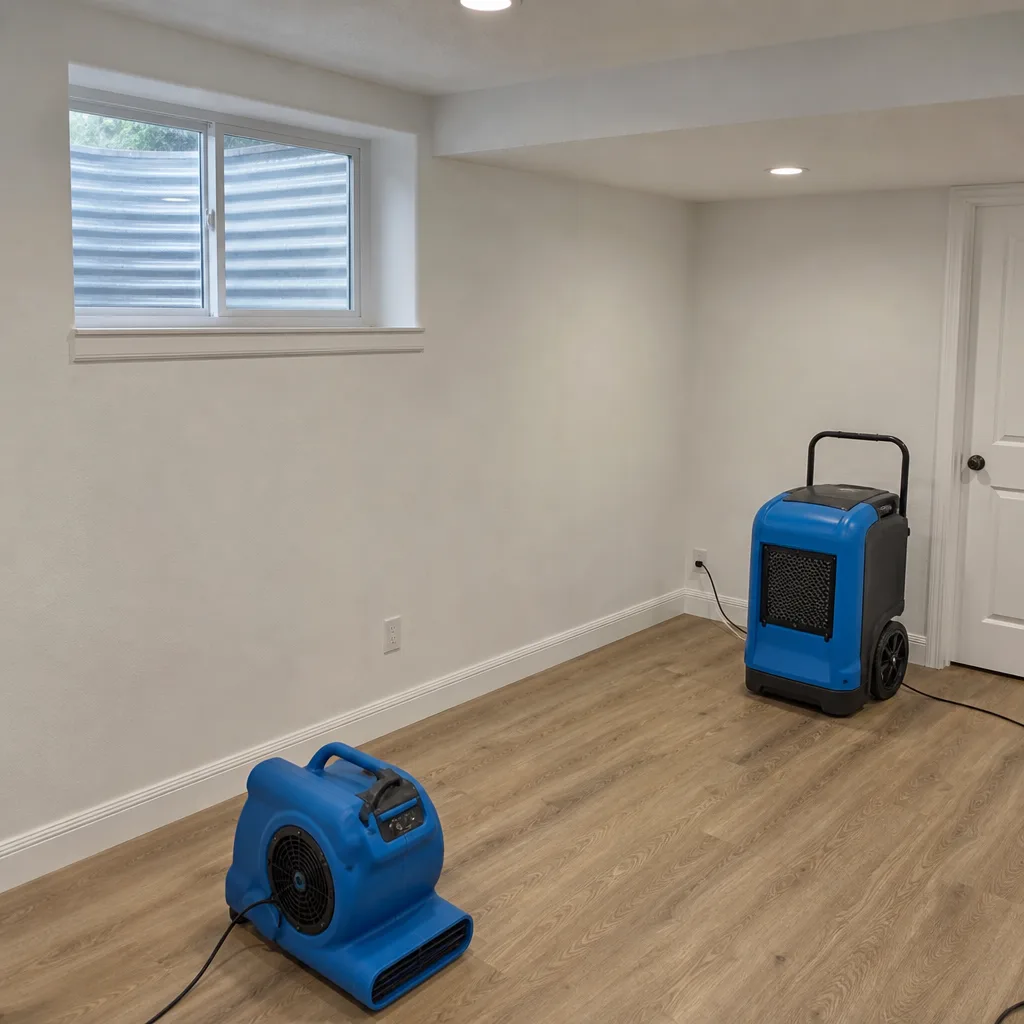 After
After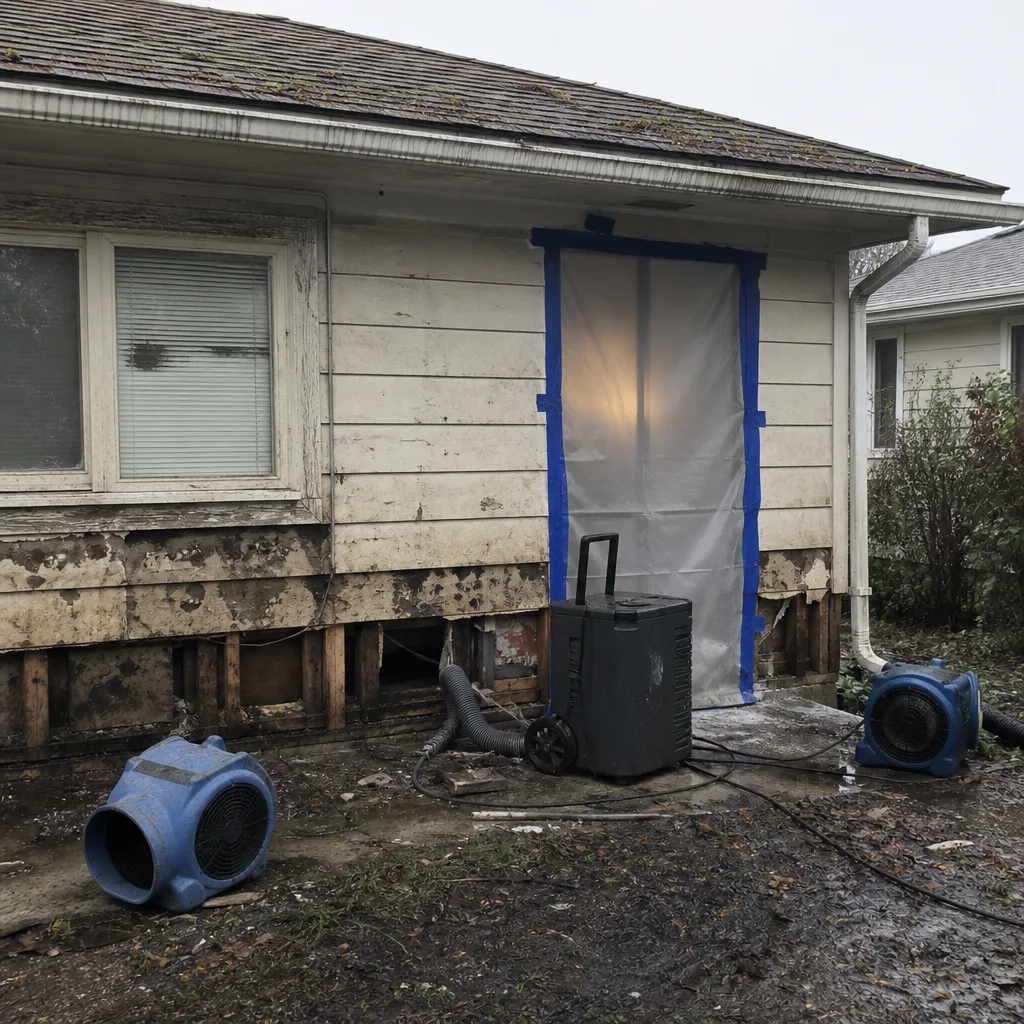 Before
 After
AfterFast, Reliable Water Damage Restoration Across Orting
Water damage restoration in Orting typically runs $2,800-$6,500 for a standard residential job, with emergency water extraction starting at $1,200 and full structural drying averaging $3,200-$4,800 depending on affected square footage and material classification. Most Orting homeowners see our crew on-site within 60-90 minutes of calling (253) 447-5249, because we dispatch from our Seattle office and route directly down State Route 162 through Sumner into the Puyallup River valley.
Orting sits where the Puyallup and Carbon Rivers converge on the valley floor, roughly 200 feet above sea level and squarely inside the USGS lahar inundation zone mapped for Mount Rainier. That geography means every water damage job here carries a hazard profile no neighboring city fully shares: chronic groundwater intrusion, recurrent spring snowmelt flooding, and soil saturation that lingers far longer than in higher-elevation towns like Buckley or Bonney Lake. Our Water Damage Restoration team has scoped and documented enough Orting crawlspaces to know that visible water is rarely the whole story.
Why DryMark Restoration Puyallup Is Orting’s Preferred Water Damage Restoration Company
We’ve restored water damage in Orting homes since 2011, and our file on the city runs deep: from early-20th-century wood-frame farmhouses on the north end to 1990s-2010s tract construction near the Carbon River bridge. Our reviews from Orting customers consistently cite two things - the written price that arrived before anyone touched a tool, and the photo documentation that made their insurance claim straightforward. Haven Standard, Clause 1: written price before work begins. Every time.
Response time to Orting averages under 90 minutes during daylight hours, with our 24-hour live dispatch routing crews through SR 162 or Meridian Avenue depending on river-level traffic conditions. When the Carbon or Puyallup runs high, we know which approaches stay open and which don’t - local routing knowledge that matters when water is still moving through your house.
Our documentation-first approach was built by Alicia Brennan, a former claims adjuster who founded Back to Dry Restoration in 2011 after watching too many homeowners lose legitimate claims to incomplete drying logs and missing photo records. That origin shapes how we work in Orting: every visit produces a documented photo record, every drying day produces a moisture log with psychrometric data (temperature, relative humidity, and vapor pressure differential - essentially, the measurable forces that drive evaporation), and every job closes with a signed 365-Day Done Right Promise under The Haven Standard.
Our Water Damage Restoration Services in Orting
Emergency Water Extraction
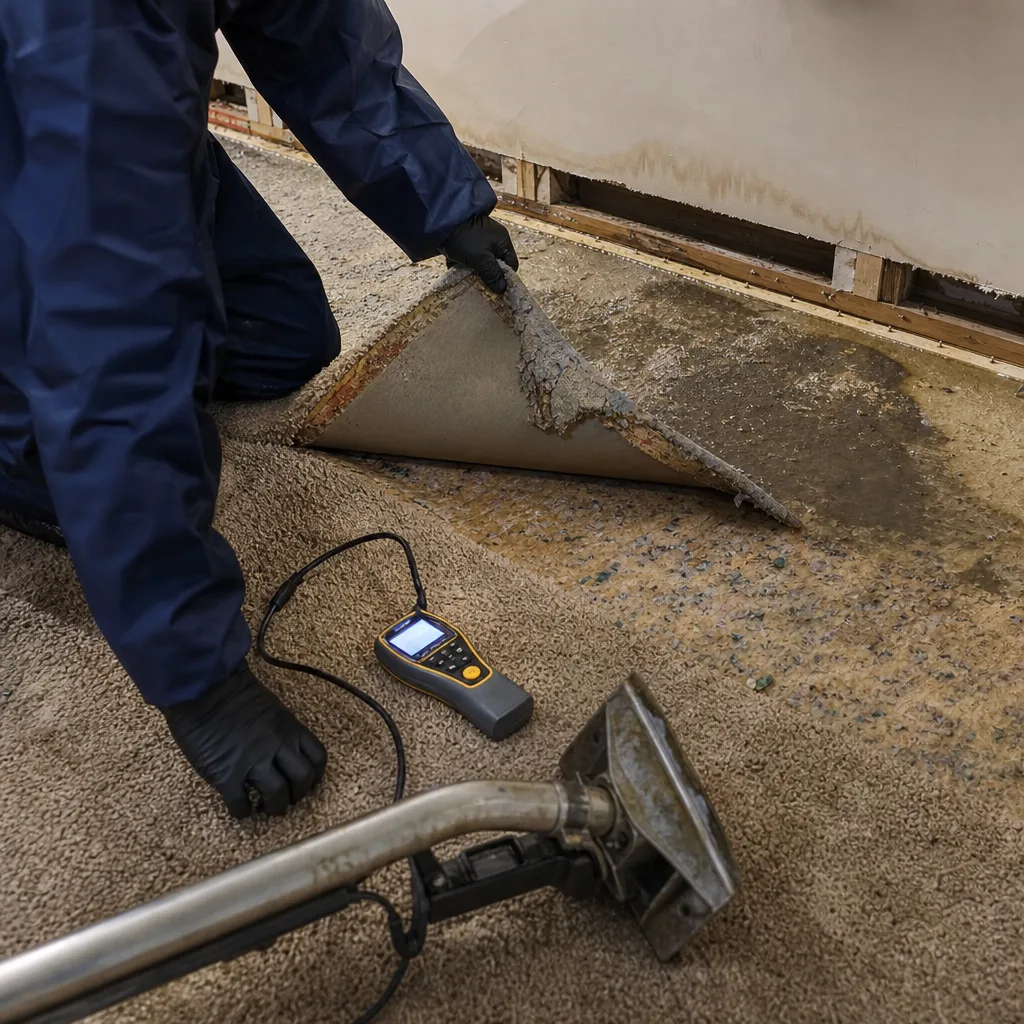
When the Puyallup or Carbon overruns its banks, or when a January rain-on-snow event drives groundwater through a compromised crawlspace vapor barrier, speed matters. Our truck-mount extraction systems pull Category 2 and 3 water at rates up to 25 gallons per minute, with immediate moisture mapping to identify migration paths into wall cavities and subfloor assemblies. In Orting’s low-valley neighborhoods, we routinely find water has traveled further than visible damage suggests - especially in 1990s-2000s tract homes where slab foundations sit on soils already saturated from previous flood cycles.
Structural Drying & Dehumidification
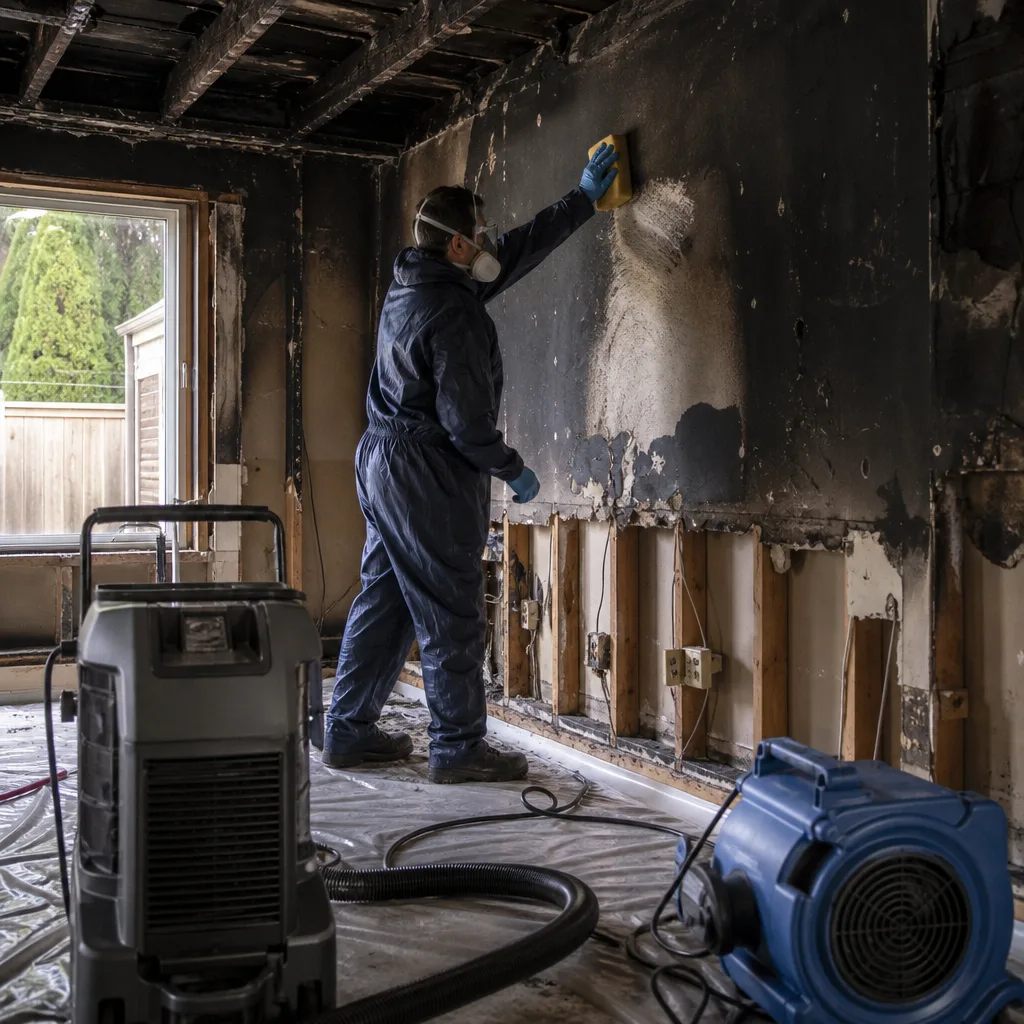
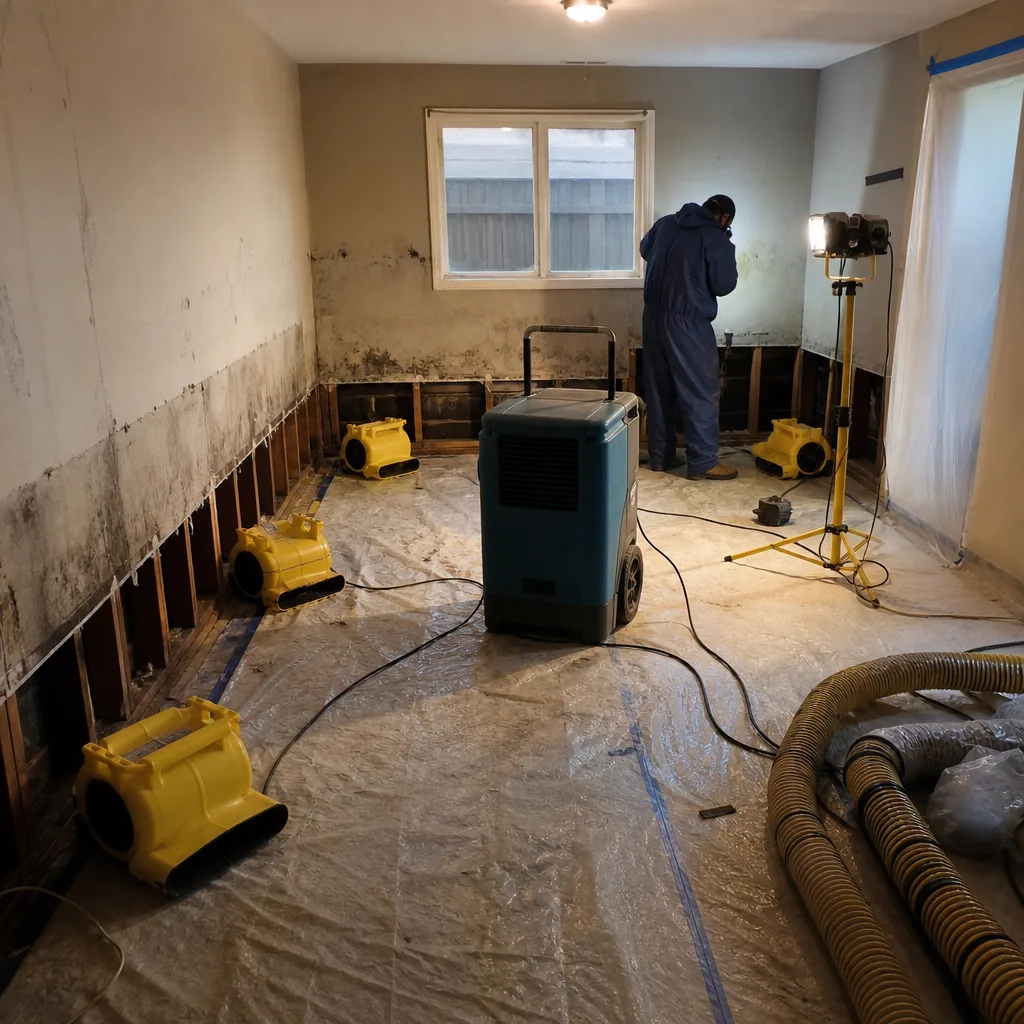
Valley-floor soil saturation in Orting extends drying timelines compared to higher-elevation neighboring towns. Our crews deploy Dri-Eaz air movers and Phoenix dehumidifiers in calculated arrays based on cubic footage, material permeance, and daily moisture readings - not guesswork. Tertiary drying (the final phase where hidden moisture in dense materials like rim joists and subfloor sheathing is coaxed out) often runs 24-48 hours longer in Orting crawlspaces because the ground itself stays wet. We document every reading to IICRC and RIA standards, producing the drying logs that turn restoration invoices into payable insurance claims.
Flood Cleanup
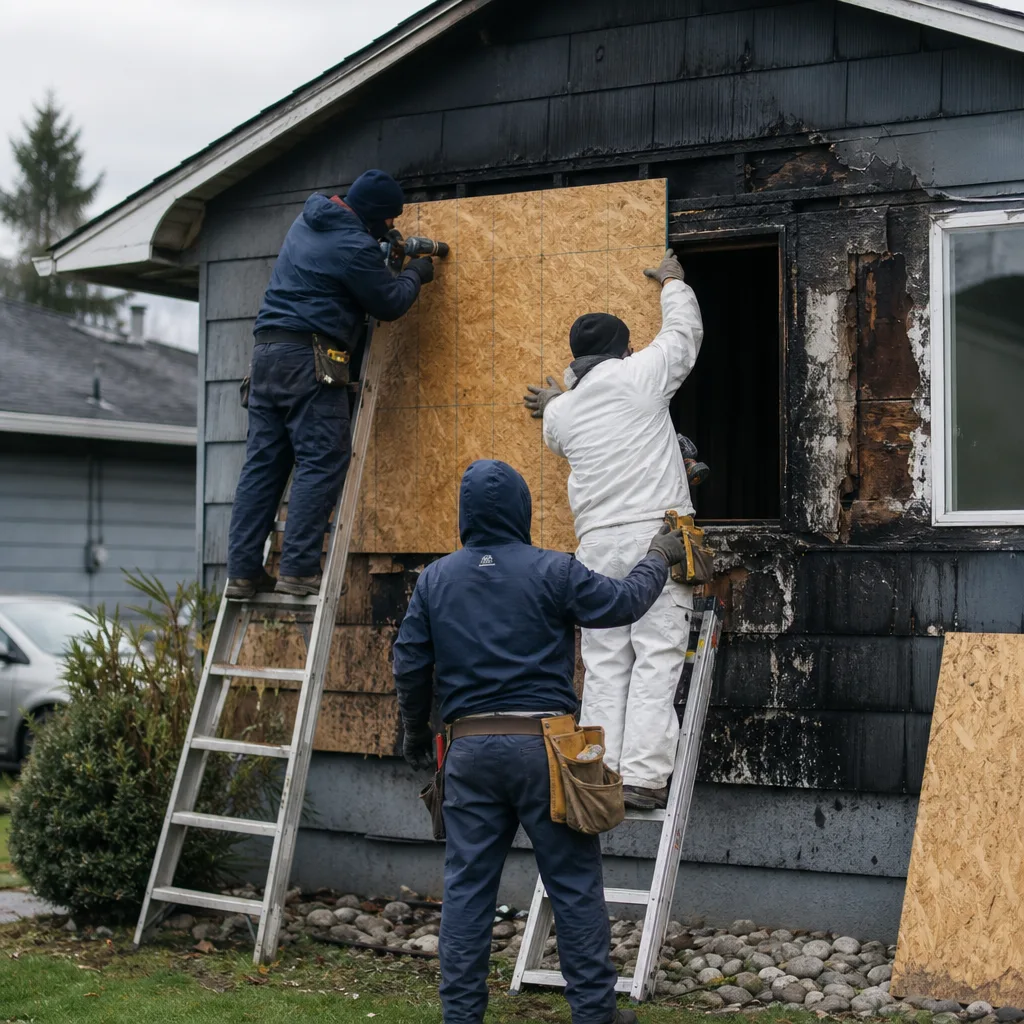
Orting’s position in the lahar inundation zone means flood cleanup here involves more than water removal. When river overflow carries sediment, agricultural runoff, or septic contamination into a home, we classify the water correctly - Category 2 or 3 - and scope material removal accordingly. Porous materials that absorb contaminated water (particleboard subflooring, carpet pad, drywall below the flood line) are removed rather than dried, per IFA guidelines. Misclassifying this water as clean Category 1 is a costly error we see from out-of-area contractors who don’t understand valley-floor flooding.
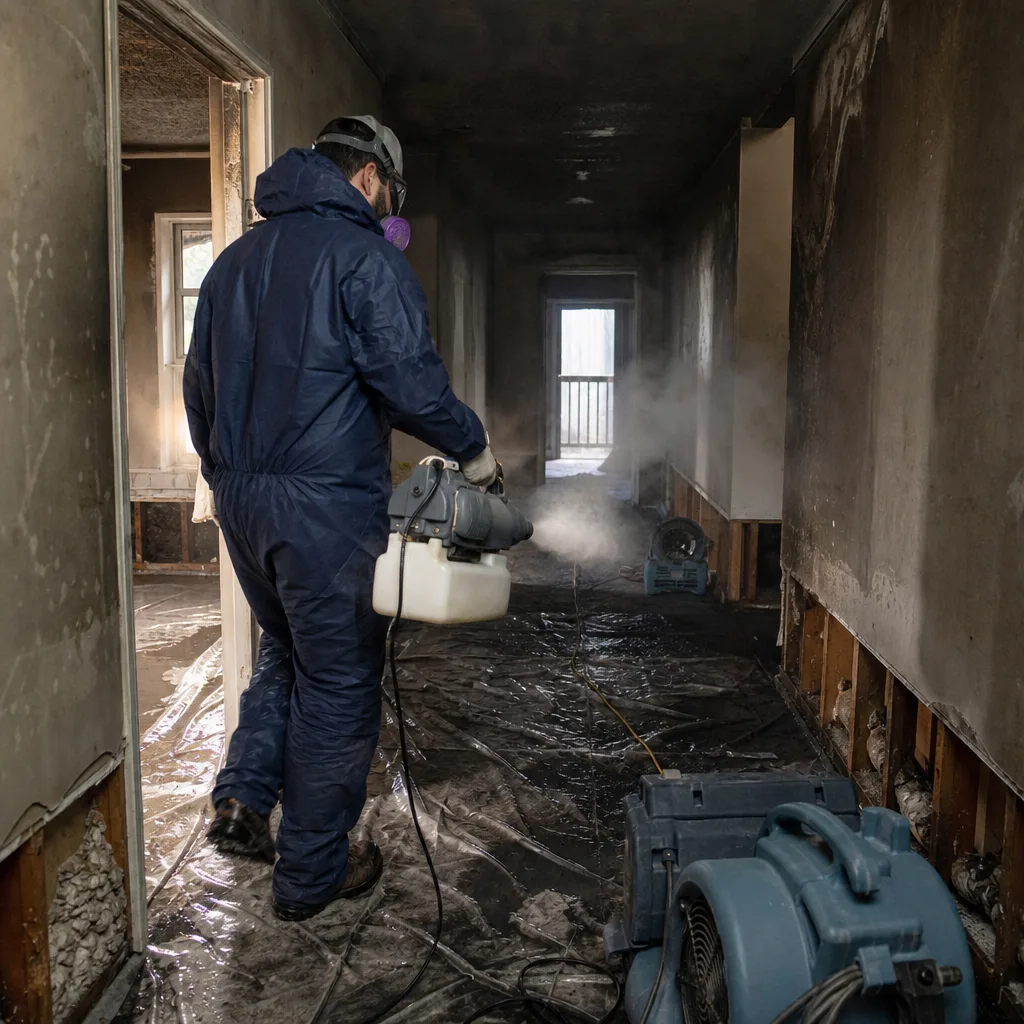
Burst Pipe Restoration
Orting’s housing stock spans a century, and burst pipe behavior differs dramatically. Older farmhouses often have galvanized supply lines and uninsulated crawlspaces where freeze-thaw cycles split pipes in January; newer tract homes may have PEX or copper with manifold systems that fail at connection points. Our scopes address both the immediate water damage and the structural conditions that caused it - because in Orting, a burst pipe is rarely an isolated event. We document the pipe material, the failure mode, and the moisture migration path for your adjuster.
What happens when you call
- 1
A real person answersNo phone trees - you reach a local pro.
- 2
You get an upfront price rangeHonest numbers before anyone is dispatched.
- 3
A background-checked tech heads outLicensed & insured, dispatched right away.
- 4
You approve before work beginsNothing starts until you say go.
 Before
 After
AfterTrusted Equipment & Standards We Deploy in Orting
Our equipment inventory includes professional-grade drying systems from Dri-Eaz, Phoenix, and XPOWER, with Injectidry cavity-drying systems for wall and ceiling voids. We don’t rent equipment by the job - we own it, maintain it, and deploy it with technicians who understand the vapor pressure differentials that govern drying speed in saturated valley-floor conditions. Every piece is documented to IICRC, RIA, and IFA standards, and every deployment is recorded in your job file with serial numbers and performance readings. For Orting homeowners, this means no delays waiting for third-party equipment delivery when the Carbon River is still rising.
Common Water Damage Restoration Problems We See in Orting Homes
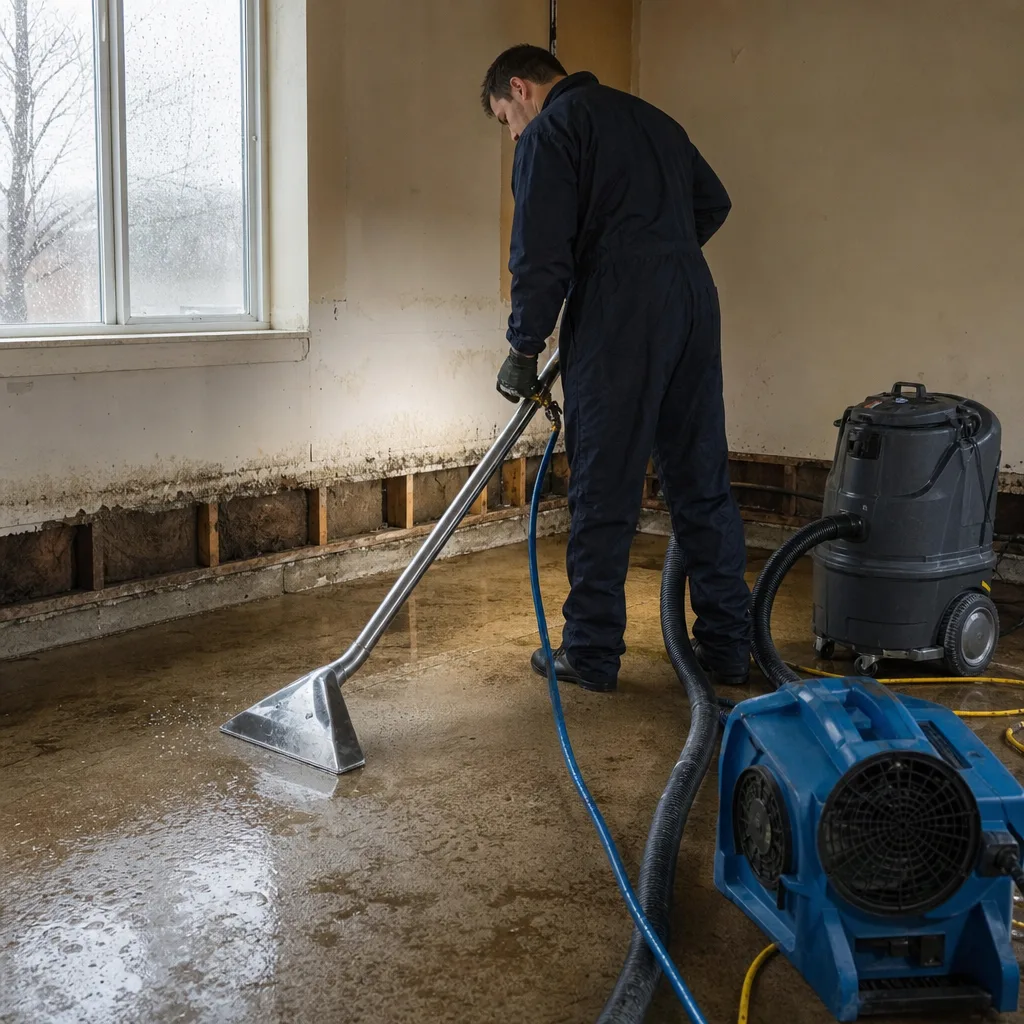
- Crawlspace vapor barrier failure in 1990s-2000s tract homes. The 6-mil polyethylene barriers installed during Orting’s construction boom were adequate for normal moisture, not repeated flood-cycle saturation. We routinely find them displaced, torn, or water-pooled - with moisture wicking up rim joists that standard scopes miss entirely.
- Wind-driven rain intrusion through older farmhouse doors and windows. Early-20th-century wood-frame homes on Orting’s north and east sides often have original or poorly replaced exterior doors that leak during valley windstorms. Water enters wall cavities at the threshold and migrates laterally through sill plates, invisible without moisture meter readings at the framing.
- Category 2/3 floodwater misclassified as Category 1. When the Puyallup or Carbon overflows, the water carries agricultural and urban contaminants. Contractors who treat it as clean water save money on removal but leave homeowners with mold colonies that activate within 48 hours of the next saturation event.
- Extended soil saturation delaying subfloor drying. Orting’s valley-floor soils hold moisture longer than higher-elevation towns. Scopes that assume standard drying timelines leave hidden moisture in subfloor sheathing, producing cupping, mold, and structural degradation months later.
Pricing for Water Damage Restoration in Orting, WA
We publish ranges because Haven Standard, Clause 1 requires a written price before work starts - and that price should never surprise you.
| Service | Typical Range in Orting |
|---|---|
| Emergency water extraction (up to 1,000 sq ft) | $1,200 - $2,400 |
| Structural drying & dehumidification (3-5 day standard) | $3,200 - $4,800 |
| Flood cleanup with contaminated water (Cat 2/3) | $4,500 - $8,200 |
| Burst pipe restoration with limited material removal | $2,800 - $5,600 |
| Basement water removal (full perimeter) | $3,800 - $6,500 |
| Ceiling/roof leak damage (contained area) | $2,400 - $4,200 |
Orting jobs often run 15-25% higher than comparable work in Puyallup or Milton because valley-floor conditions extend drying timelines and increase material removal requirements. The low elevation, recurrent flood cycles, and lingering soil saturation mean we rarely close a scope on the timeline that works in higher ground. We build that reality into our written price upfront - no scope-creep additions once the crew is inside your house. Bring a competitor’s written estimate and we’ll review it at no charge; our Free Second Opinion is standard, not a promotion.
We Also Serve Cities Near Orting
Our crews route regularly through Water Damage Restoration in Orting and neighboring communities - Sumner to the northwest, Bonney Lake to the northeast, Puyallup along the river corridor, and Milton to the north. Each city has distinct elevation, soil, and flood-risk profiles that shape how we scope work. Dispatch and scheduling are coordinated from our Seattle office, with local crews serving Orting directly.
Serving Orting, WA - Our Local Coverage Area
We’re based in the Orting area and know this community well. Use the map below to see our service coverage - if you’re nearby, we can almost certainly help.
FAQs - Water Damage Restoration in Orting
Orting’s valley-floor position at the confluence of the Puyallup and Carbon Rivers means soil saturation persists longer and groundwater intrusion is more chronic than in higher-elevation neighboring towns. After a January rain-on-snow event, we responded to a crawlspace flood on a 2000s-built tract home near the Carbon River bridge in Orting and found the 6-mil vapor barrier had been displaced by saturated soils, with water wicking up the rim joists. Our crew ran moisture mapping, pulled category 2 water with truck-mount water extraction, set Dri-Eaz air movers and a Phoenix dehumidifier, and treated the compromised subfloor sheathing with antimicrobial treatment before documenting everything in our drying logs. Because the valley floor holds soil saturation far longer than higher-elevation towns like Buckley, we extended containment and drying time in the crawlspace to catch hidden moisture in the rim joists before closing the scope of work. Call (253) 447-5249 for a written estimate that accounts for Orting’s specific conditions.
Mold colonization begins 24-48 hours after water intrusion in Orting crawlspaces, but the timeline shortens when flood-cycle soil saturation has already compromised vapor barriers and preconditioned wood substrates. In our field experience, Orting crawlspaces with failed 1990s-2000s vapor barriers show active mold in rim joists within 36 hours of a new water event - faster than comparable homes in drier soils. Call (253) 447-5249 and we’ll get a moisture reading today.
The lahar zone shapes our documentation and contingency planning more than our immediate drying protocol. USGS maps show the entire city lies within potential mudflow paths from Mount Rainier, meaning every restoration job occurs in a documented hazard zone where insurers and adjusters scrutinize scope completeness more closely. We produce room-by-room moisture readings, photo records on every visit, and drying logs to IICRC standards so your claim file withstands that scrutiny. Call (253) 447-5249 to discuss documentation for your specific situation.
A typical flood cleanup in Orting’s riverside neighborhoods starts with correct water classification - usually Category 2 or 3 when the Puyallup or Carbon overflows - followed by truck-mount extraction, moisture mapping, removal of porous contaminated materials (carpet pad, particleboard subflooring, drywall below the flood line), antimicrobial treatment of structural framing, and extended structural drying with daily logged readings. Tertiary drying in rim joists and sheathing often runs longer than standard timelines because valley-floor soils stay saturated. Call (253) 447-5249 for a written scope before work begins.
Yes. Orting’s early-20th-century farmhouses typically have galvanized steel supply lines and uninsulated crawlspaces where freeze-thaw splits pipes; newer tract homes often have PEX or copper manifold systems that fail at connection points. Our scopes address both the immediate water damage and the conditions that caused the failure, with documentation of pipe material, failure mode, and moisture migration path for your adjuster. Call (253) 447-5249 for a written estimate on either housing type.
Water damage doesn’t wait, and neither should your documentation. Call (253) 447-5249 now for 24-hour live dispatch - no voicemail, no next-business-day callbacks while water is still moving. We’ll deliver a written price before any work starts, document every visit with a photo record, and back the finished job with our 365-Day Done Right Promise under The Haven Standard.
Written by Alicia Brennan, Owner at Back to Dry Restoration, serving Orting since 2011.