
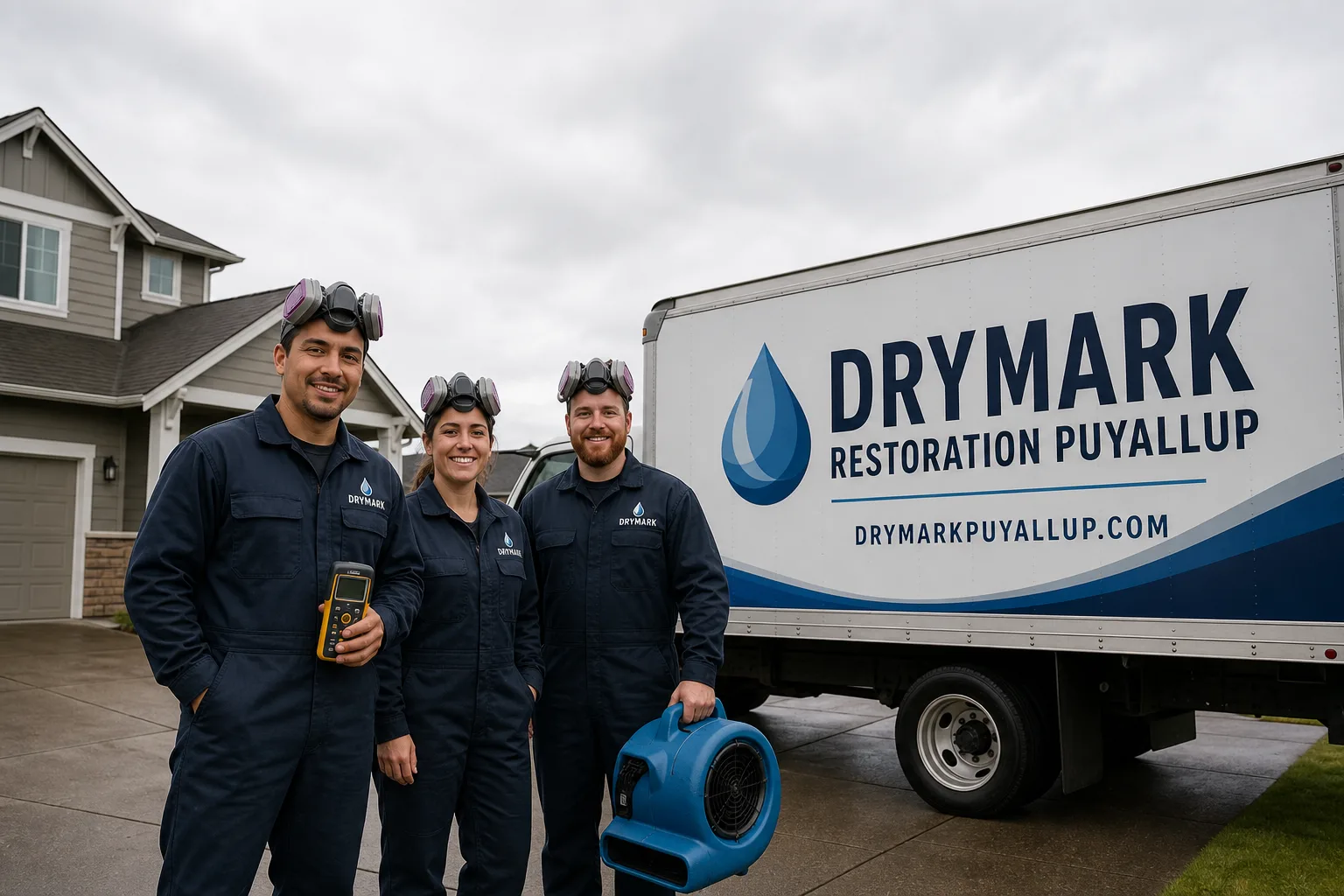
Free visual inspection and a written scope of work before any mitigation begins - photos, moisture readings, and drying logs go in your claim file
The scope we write is the scope we bill. Anything new gets shown to you, in writing, before we touch it.
 Before
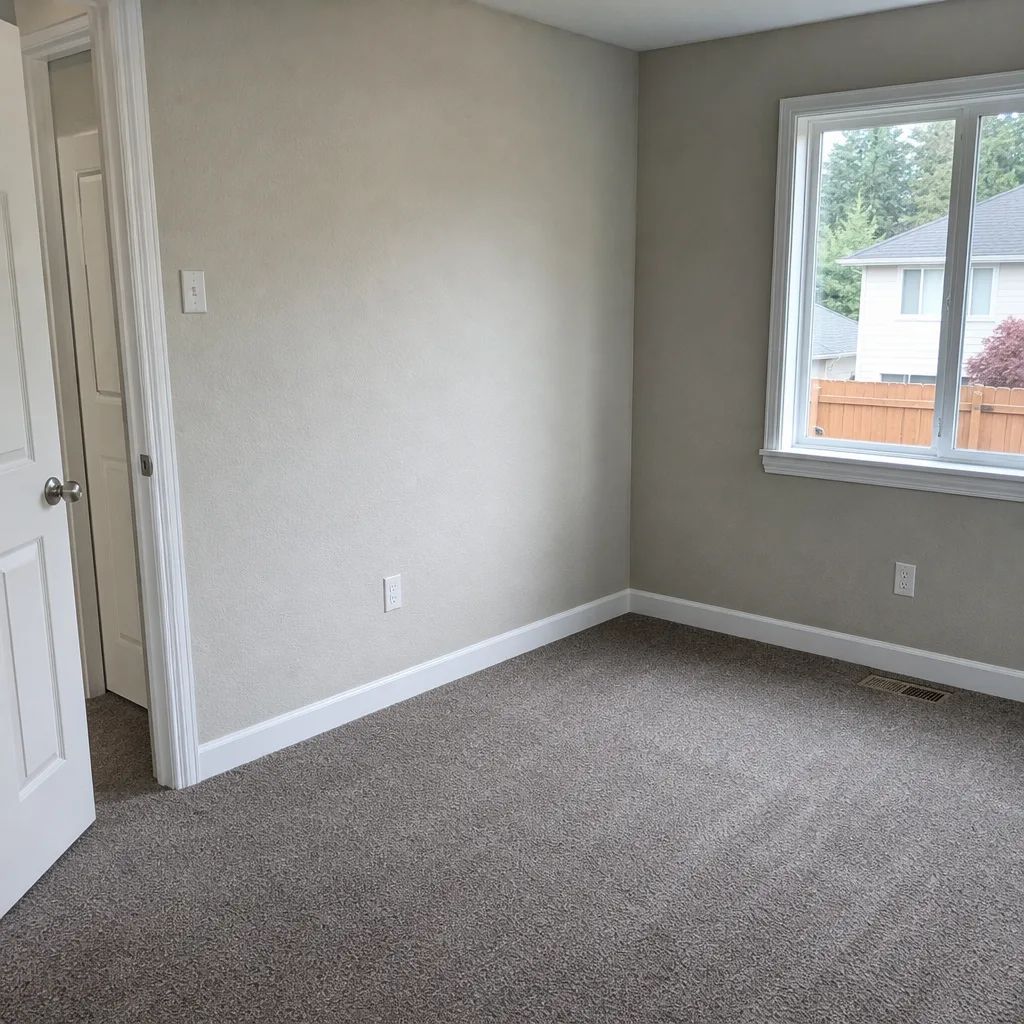 After
After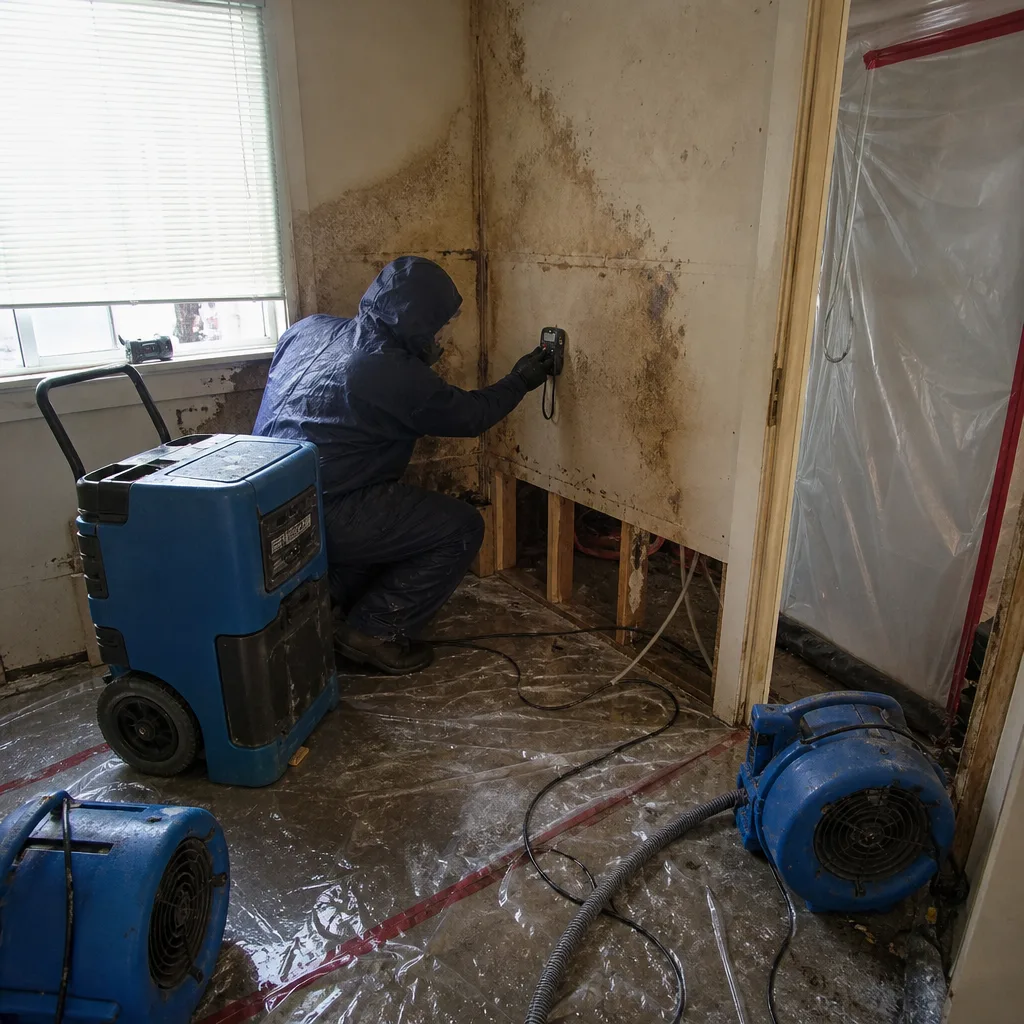 Before
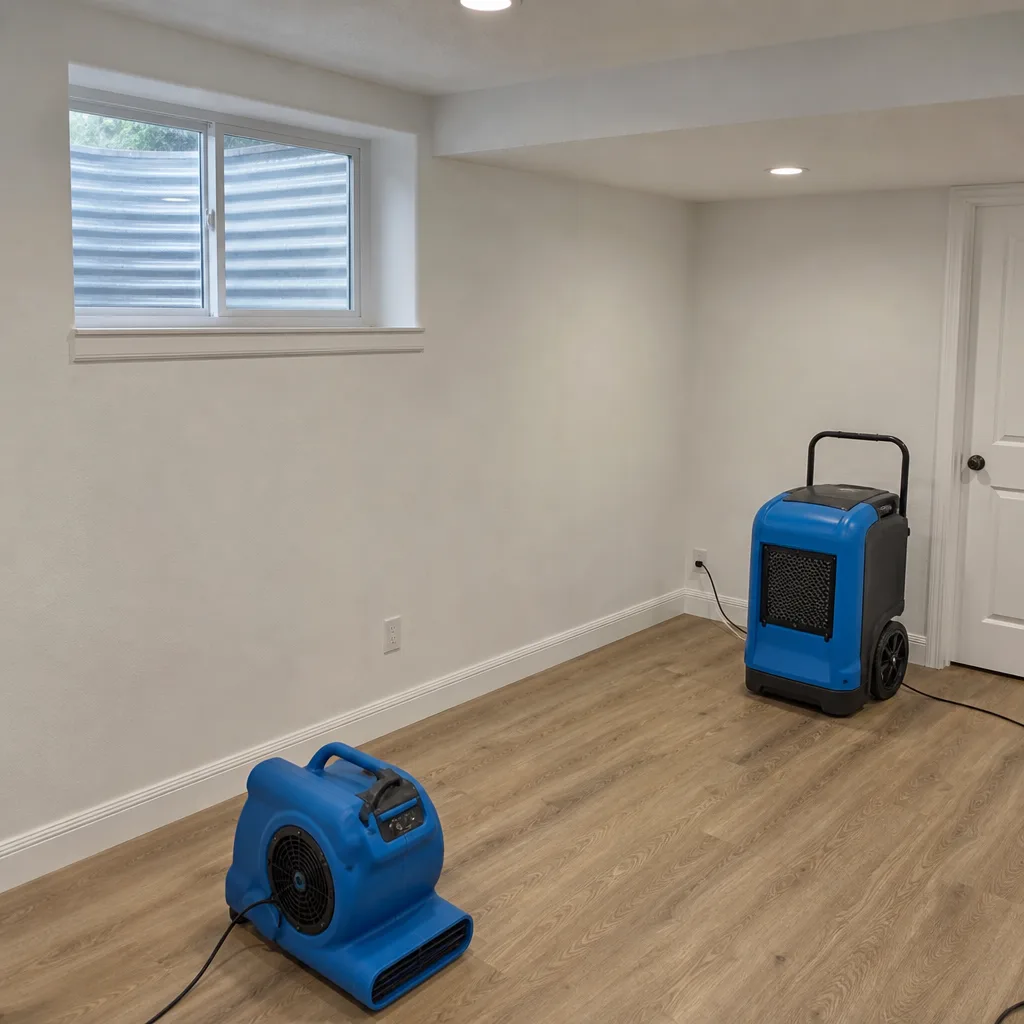 After
After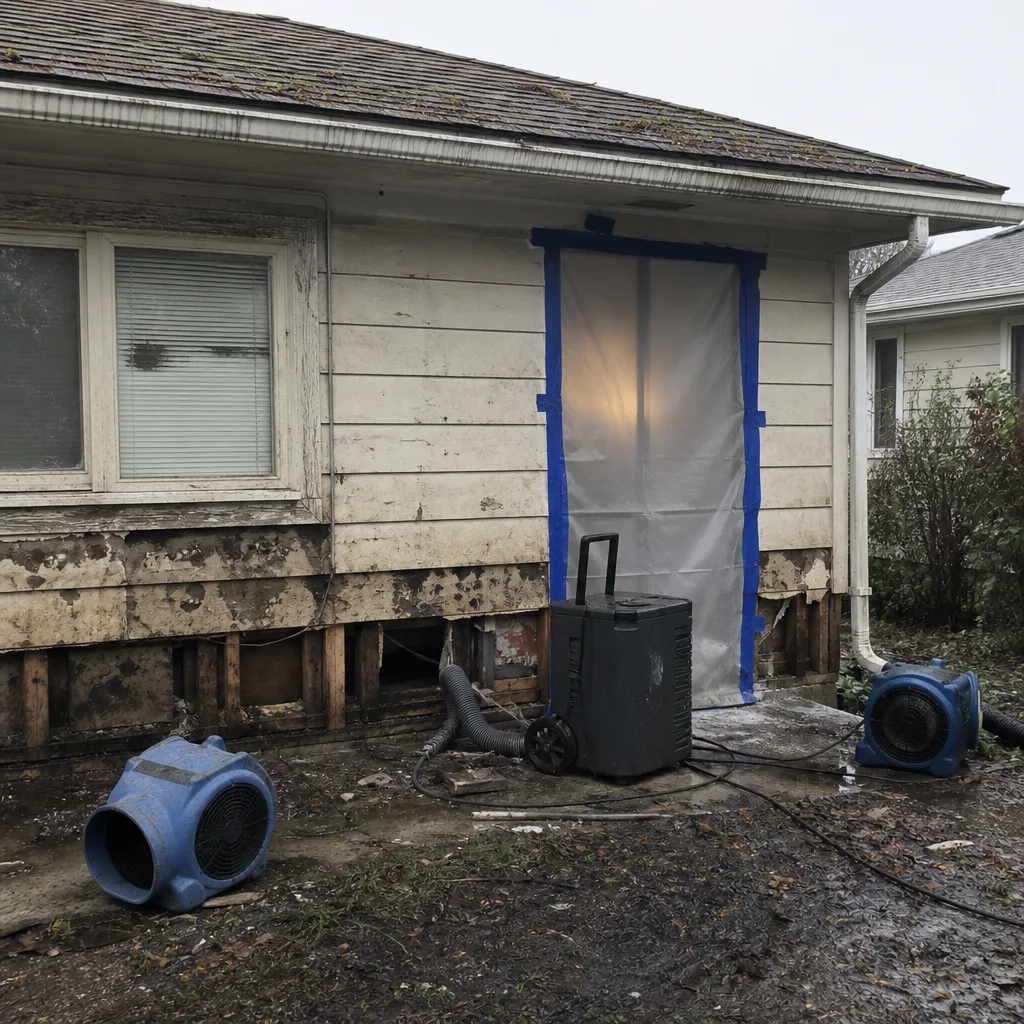 Before
 After
AfterFast, Reliable Water Damage Restoration Across SeaTac
Water damage restoration in SeaTac typically runs $2,800-$7,500 for residential jobs and $15,000-$85,000 for large-loss commercial events along the International Blvd corridor, with our crews dispatched from our Seattle office and on-site within 45-60 minutes for emergency calls. SeaTac sits at the intersection of two distinct restoration worlds: the 1950s-1970s crawl-space homes built for airport workers, and the high-occupancy hotels serving Seattle-Tacoma International Airport where a single supply-line failure can cascade through multiple floors before dawn. Our Water Damage Restoration team handles both, with documentation protocols that satisfy insurers and airline contract managers alike. Call (253) 447-5249 - a live person answers, 24 hours a day, 7 days a week.
Why DryMark Restoration Puyallup Is SeaTac’s Preferred Water Damage Restoration Company
We’ve restored properties in SeaTac since 2011, and the patterns here are unmistakable. The residential stock in neighborhoods like McMicken Heights and Angle Lake was built fast to house a booming airport workforce - crawl spaces, galvanized plumbing, and asbestos-containing materials that complicate every water event. Our crews know to test for asbestos before disturbing floor tiles or pipe insulation, because skipping that step turns a $4,000 drying job into a $12,000 abatement dispute with an insurer who won’t pay for undocumented work.
Our response time to SeaTac averages 45-60 minutes from dispatch. We coordinate scheduling from our Seattle office, but the trucks, equipment, and technicians are already positioned for South King County calls. That matters when a corroding supply line in a SeaTac crawl space has been spraying for six hours before the homeowner notices the ceiling stain.
We don’t do urgency theater. What we do is answer the phone with a live person, arrive with moisture meters and thermal cameras already calibrated, and deliver a written price before any extraction starts - Haven Standard, Clause 1. Every SeaTac job gets a photo record on every visit, daily drying logs formatted to IICRC standards, and a 365-Day Done Right Promise stamped under The Haven Standard. Bring us any competitor’s written estimate and we’ll review it free - our Free Second Opinion policy.
Our Water Damage Restoration Services in SeaTac
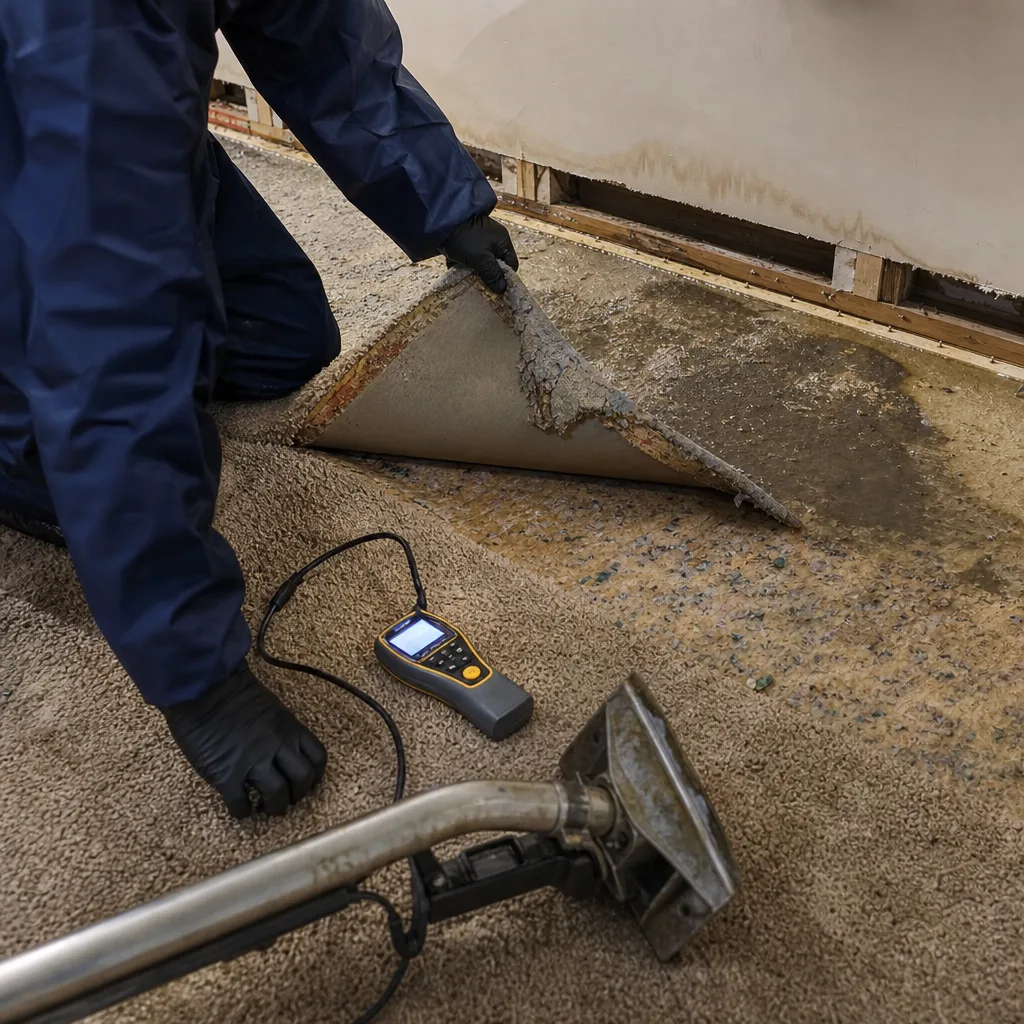
Emergency Water Extraction
We got a 2 a.m. call from a mid-rise on International Blvd South after a supply-line failure on the 4th floor sent Category 2 water through three guest floors - our techs ran moisture mapping on every affected room, set containment around the elevator lobby, and pulled over 60 air movers and Phoenix dehumidifiers for structural drying before the morning airline-crew check-in. The property manager’s first question wasn’t about cost - it was whether we could finish extraction and antimicrobial treatment before the airline contract’s same-night mitigation window closed. Residential extraction in SeaTac’s older homes is different: standing water in a crawl space from a burst galvanized line, with asbestos floor tiles overhead and mold already establishing on wet joists. We extract both, but the equipment loadout and documentation requirements diverge sharply.
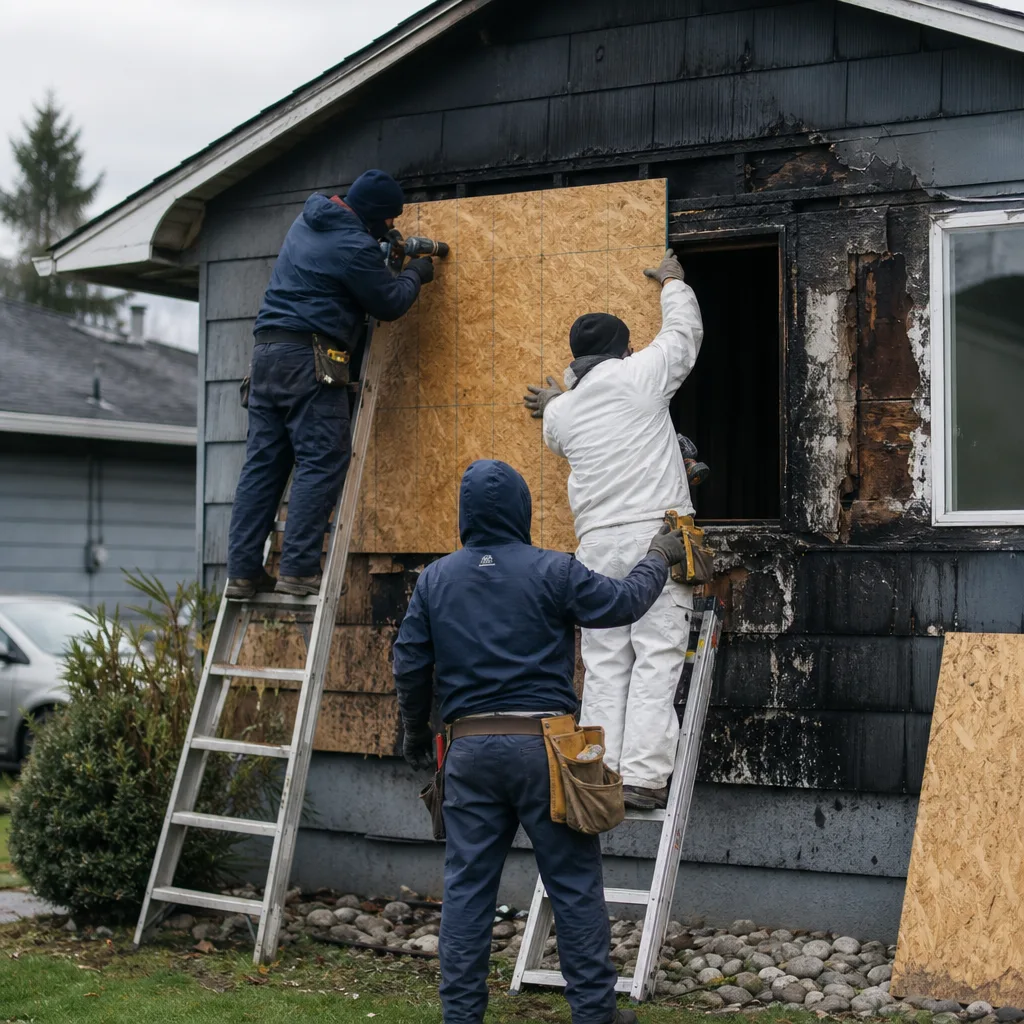
Structural Drying & Dehumidification
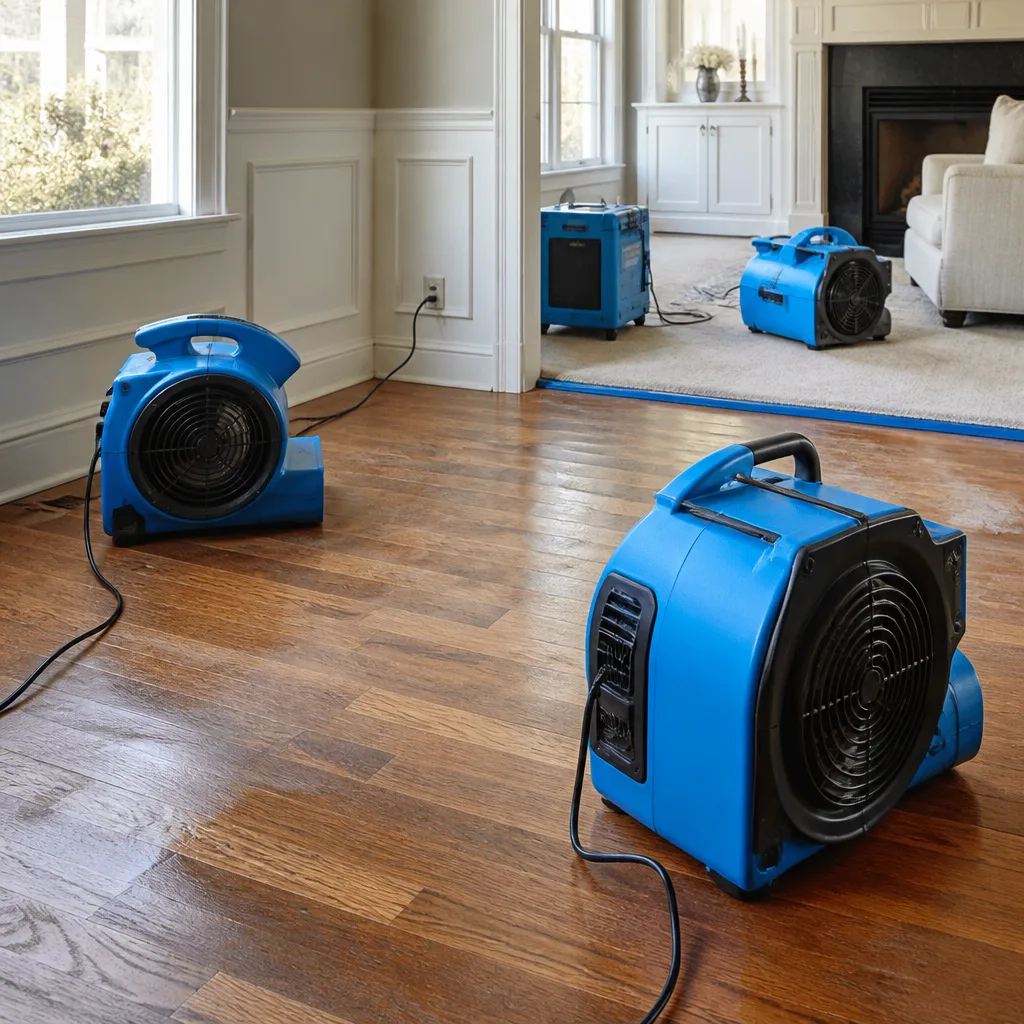
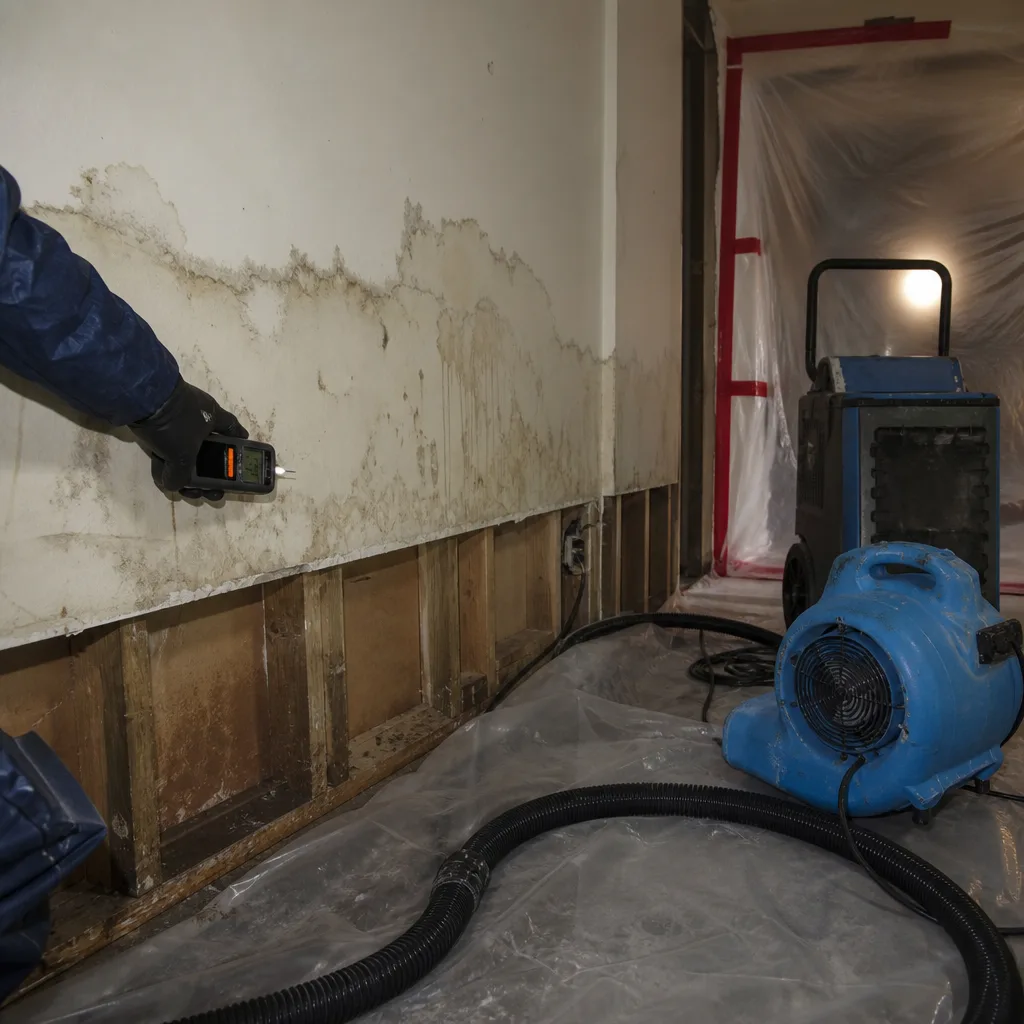
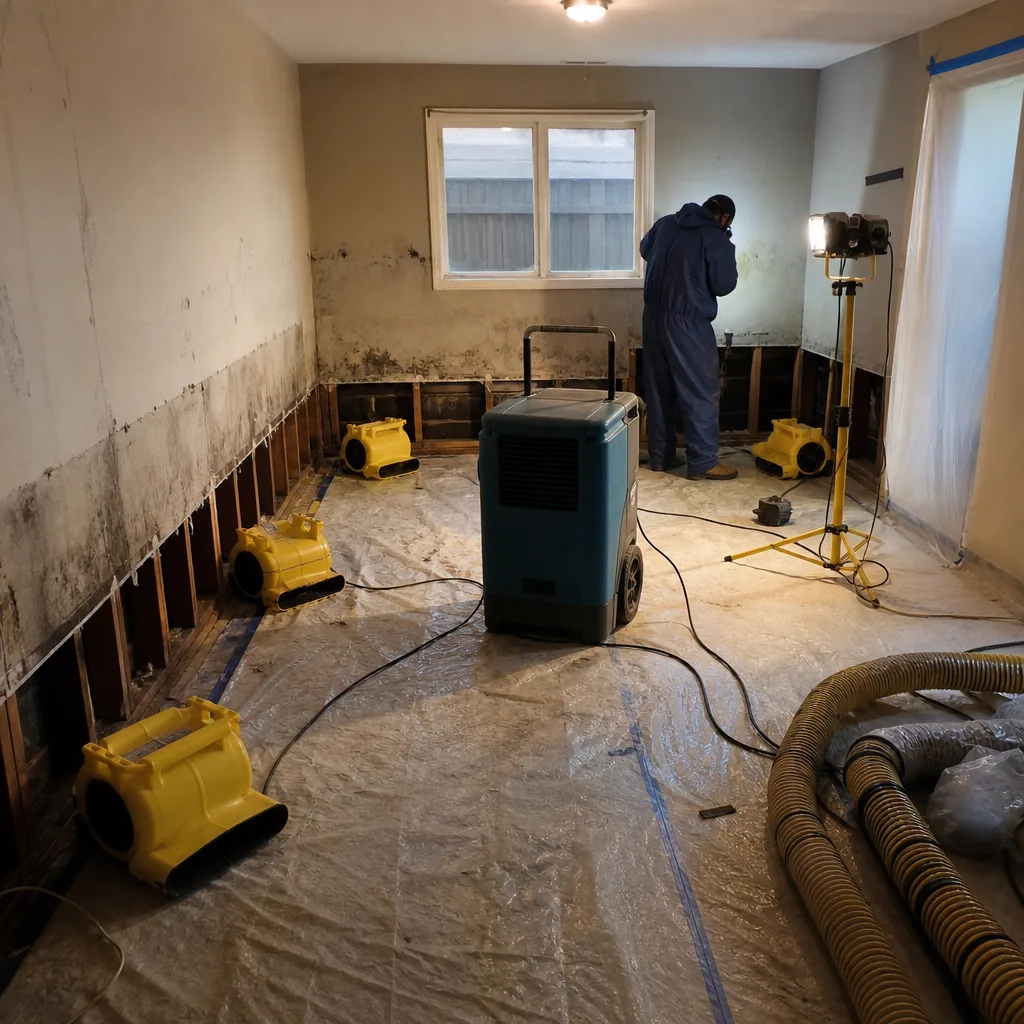
SeaTac’s marine climate delivers measurable precipitation on roughly 150+ days per year - not heavy downpours but relentless low-level drizzle - which drives persistent moisture infiltration into crawl spaces, wall cavities, and flat-roofed commercial structures. That background moisture means our psychrometric targets (the measurable balance of temperature, humidity, and air movement that determines when a structure is actually dry) run tighter here than in drier inland markets. We deploy Dri-Eaz and Phoenix dehumidifiers with documented grain-depression readings, and we don’t call a job dry until the moisture content of wood framing reads within 2-4% of established dry standards for this region. Tertiary drying - the final phase where vapor pressure differentials pull bound moisture out of dense materials - often takes longer in SeaTac’s older homes because the original construction lacked vapor barriers.
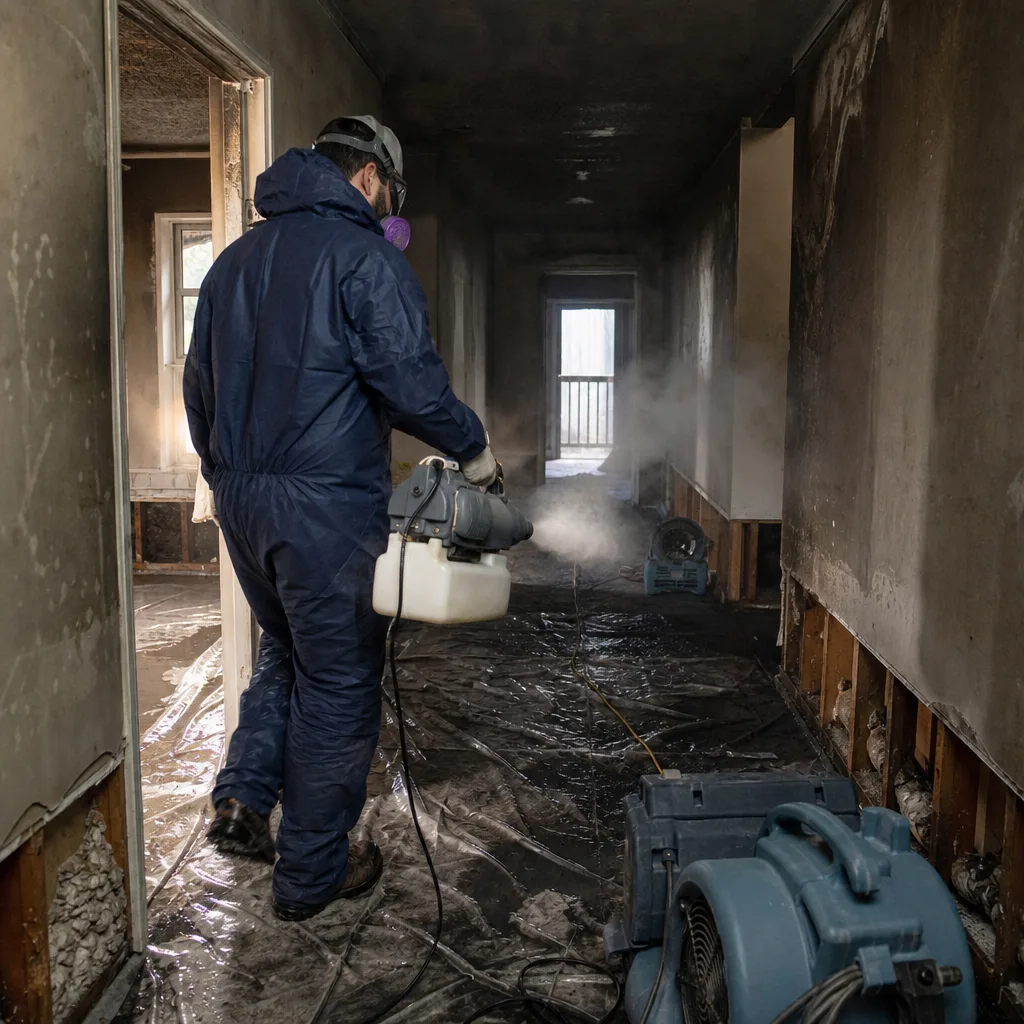
Ceiling & Roof Leak Water Damage
Flat-roofed commercial buildings along International Blvd South and aging pitched roofs in SeaTac’s residential neighborhoods both fail predictably: the commercial roofs pond water where drains clog with airport-area debris, and the residential roofs lose integrity at valleys and penetrations after decades of wet winters. Ceiling damage is often the first visible symptom of a problem that started weeks earlier. We map the full extent with thermal imaging, document the migration path in our photo record, and scope the repair - not just the symptom - before presenting a written price.
Flood Cleanup
SeaTac’s hotel corridor along International Blvd South runs at near-constant occupancy for airline crews and travelers, so water events here are large-loss, multi-floor commercial mitigation jobs with same-night deadlines - not the single-family residential work that dominates neighboring Burien and Des Moines. That commercial pressure also means restoration crews must be ready for pack-out and drying logistics in occupied buildings, not just empty homes. Residential flood cleanup in SeaTac’s 1960s-era neighborhoods means coordinating asbestos abatement before standard demolition, because disturbing those original floor tiles without testing creates a liability no insurer will cover.
Burst Pipe Restoration
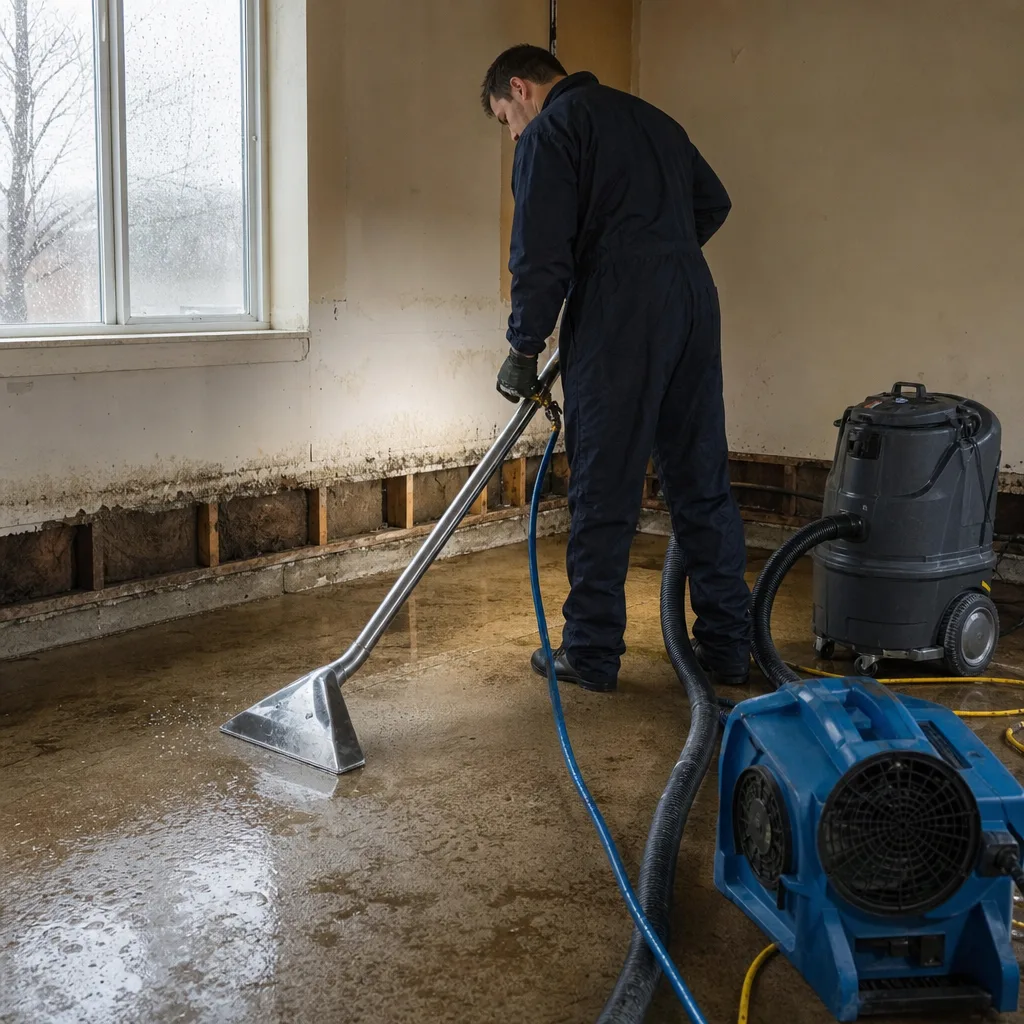
Corroding galvanized supply lines in SeaTac’s 1950s-1970s housing stock fail without warning, often in crawl spaces where the leak runs for days before showing as a ceiling stain. By the time we’re called, mold can already be growing on wet drywall within the 24-to-48-hour colonization window. We don’t just replace the pipe section - we scope the full water migration, test affected materials for asbestos before disturbance, and document everything for the adjuster who will review the claim three weeks later.
What happens when you call
- 1
A real person answersNo phone trees - you reach a local pro.
- 2
You get an upfront price rangeHonest numbers before anyone is dispatched.
- 3
A background-checked tech heads outLicensed & insured, dispatched right away.
- 4
You approve before work beginsNothing starts until you say go.
BeforeAfterTrusted Equipment Brands We Deploy in SeaTac
Our SeaTac jobs run on professional-grade drying systems from Dri-Eaz, Phoenix, and XPOWER - equipment documented to IICRC, RIA, and IFA standards. The Phoenix 200 MAX dehumidifiers we deploy for large-loss hotel events pull 145 pints per day at AHAM conditions, and their onboard hour meters let us prove runtime to adjusters who question the invoice. For residential crawl-space work in McMicken Heights or Angle Lake, we often pair Dri-Eaz Revolution LGR units with Injectidry negative-air drying mats to pull moisture from subfloors without removing asbestos-containing tile. Every piece of equipment is logged by serial number in your job file, and the daily drying readings are delivered as standard - never an upsell.
Common Water Damage Restoration Problems We See in SeaTac Homes
- Crawl-space construction hiding slow leaks. SeaTac’s 1950s-1970s airport-workforce homes were built with crawl spaces that keep corroding galvanized supply lines and damp joists out of sight until a burst finally shows as a ceiling stain - by then mold can already be growing on wet drywall within 24 to 48 hours.
- Asbestos-containing materials complicating every water event. Original floor tiles and pipe insulation in these aging homes require abatement coordination before standard drying work can proceed; skipping testing to save time creates an uninsurable liability.
- Relentless drizzle driving hidden moisture infiltration. SeaTac’s 150+ days of measurable precipitation push persistent moisture into wall cavities and flat-roofed commercial buildings that isn’t visible until a separate water event forces a full scope of work.
- Commercial properties treated with residential-only playbooks. International Blvd hotels need 24/7 large-loss crews, drying logs formatted for airline-contract compliance, and pack-out capability for occupied guest rooms - capabilities that residential-focused contractors in neighboring cities rarely maintain.
Pricing for Water Damage Restoration in SeaTac, WA
| Service Category | Typical Range in SeaTac | What Drives Cost |
|---|---|---|
| Emergency water extraction (residential) | $1,200-$3,500 | Volume of standing water, accessibility of crawl space, asbestos testing requirements |
| Structural drying & dehumidification (residential) | $2,800-$7,500 | Square footage affected, days of equipment runtime, tertiary drying needs in uninsulated framing |
| Burst pipe restoration with mold prevention | $4,500-$11,000 | Extent of pipe corrosion, drywall removal, asbestos abatement coordination, antimicrobial treatment |
| Large-loss commercial extraction (hotel/multi-floor) | $15,000-$85,000+ | Number of affected rooms, pack-out volume, same-night deadline compression, elevator containment |
| Ceiling/roof leak damage repair | $2,200-$6,800 | Roof access complexity, interior finish materials, extent of hidden cavity moisture |
Every price is delivered in writing before work begins - Haven Standard, Clause 1 - with no scope-creep additions once our crew is inside your property. What changes the number: asbestos testing adds $350-$600 if indicated, crawl-space access limitations extend labor hours, and commercial jobs with same-night airline deadlines may carry accelerated-response scheduling. We document every variable in your written scope so the adjuster sees what they’re paying for. Call (253) 447-5249 for your free estimate.
We Also Serve Cities Near SeaTac
Our crews respond throughout South King County and Pierce County, including SeaTac, Puyallup, Edgewood, Summit, and Sumner. Dispatch and scheduling are coordinated from our Seattle office; trucks and technicians are positioned for rapid response across this corridor. The same written-price guarantee, photo documentation, and 365-Day Done Right Promise apply in every city we serve.
Serving SeaTac, WA - Our Local Coverage Area
We’re based in the SeaTac area and know this community well. Use the map below to see our service coverage - if you’re nearby, we can almost certainly help.
FAQs - Water Damage Restoration in SeaTac
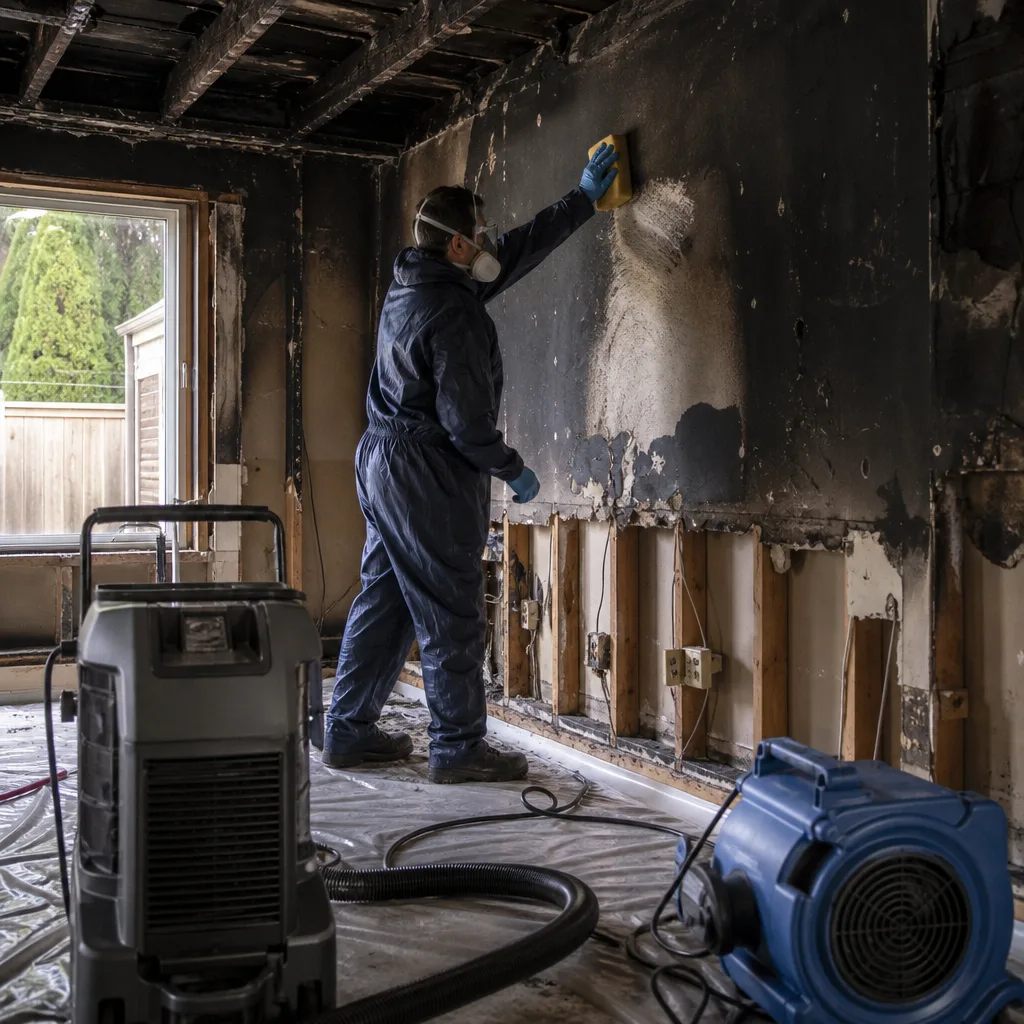
Our technician will arrive with moisture meters, a thermal camera, and asbestos test kits - we’ll test any suspect floor tile or pipe insulation before disturbing materials, then extract standing water and deliver a written scope and price before any demolition or drying equipment is placed. Expect the asbestos lab turnaround to add 24-48 hours to the start of structural work if materials test positive; we coordinate abatement before proceeding so your insurer has clean documentation. Call (253) 447-5249 to schedule - estimates are free.
Same night - delaying even 12 hours risks the hotel losing its airline crew contract, which means property managers apply extreme pressure for immediate response and accelerated drying timelines unlike anything seen in surrounding residential suburbs. Our large-loss protocol includes pre-staged equipment, 24/7 live dispatch, and drying logs formatted for airline-contract compliance. Call (253) 447-5249 - we answer live, every hour.
Yes - HVAC overflow water is typically Category 2 (gray water with potential chemical or biological contamination from coil condensation pans), which triggers antimicrobial treatment requirements and more intensive documentation for health-department and insurer review. Residential burst pipes are usually Category 1 (clean water) initially, though they degrade to Category 2 or 3 if left standing beyond 48 hours. The drying equipment is similar; the documentation and treatment protocols diverge. We’ll classify your water source on arrival and build the scope accordingly.
SeaTac’s marine climate delivers persistent low-level moisture on roughly 150+ days per year - enough to keep soil and foundation perimeters chronically damp, especially in 1950s-1970s homes without modern vapor barriers or perimeter drainage. That background moisture wicks into wood framing and subflooring, creating conditions where mold establishes even without a dramatic leak. We measure this with moisture meters calibrated to Pacific Northwest baselines, not generic national standards. Call (253) 447-5249 for a moisture assessment.
Yes - large-loss hospitality mitigation is standard for our International Blvd corridor work, including inventory, photograph, clean, and store protocols for guest belongings, with chain-of-custody documentation that satisfies hotel brand standards and insurer requirements. Our crews are background-checked and uniformed, with license numbers provided to property managers before arrival. The pack-out scope is included in your written price - Haven Standard, Clause 1 - never added after the fact. Call (253) 447-5249 to discuss your property’s emergency response plan.
Written by Alicia Brennan, Owner at Back to Dry Restoration, serving SeaTac since 2011.