
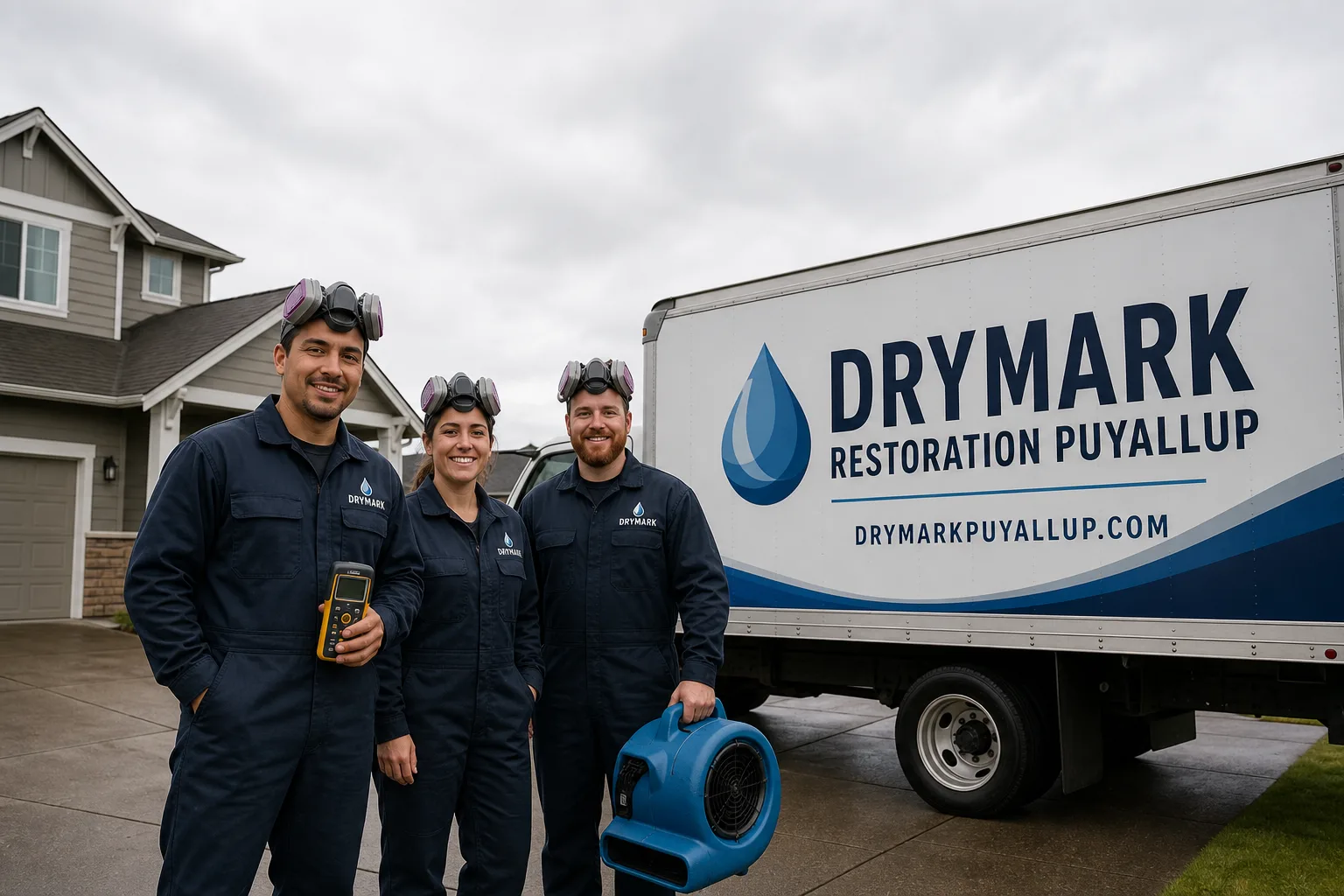
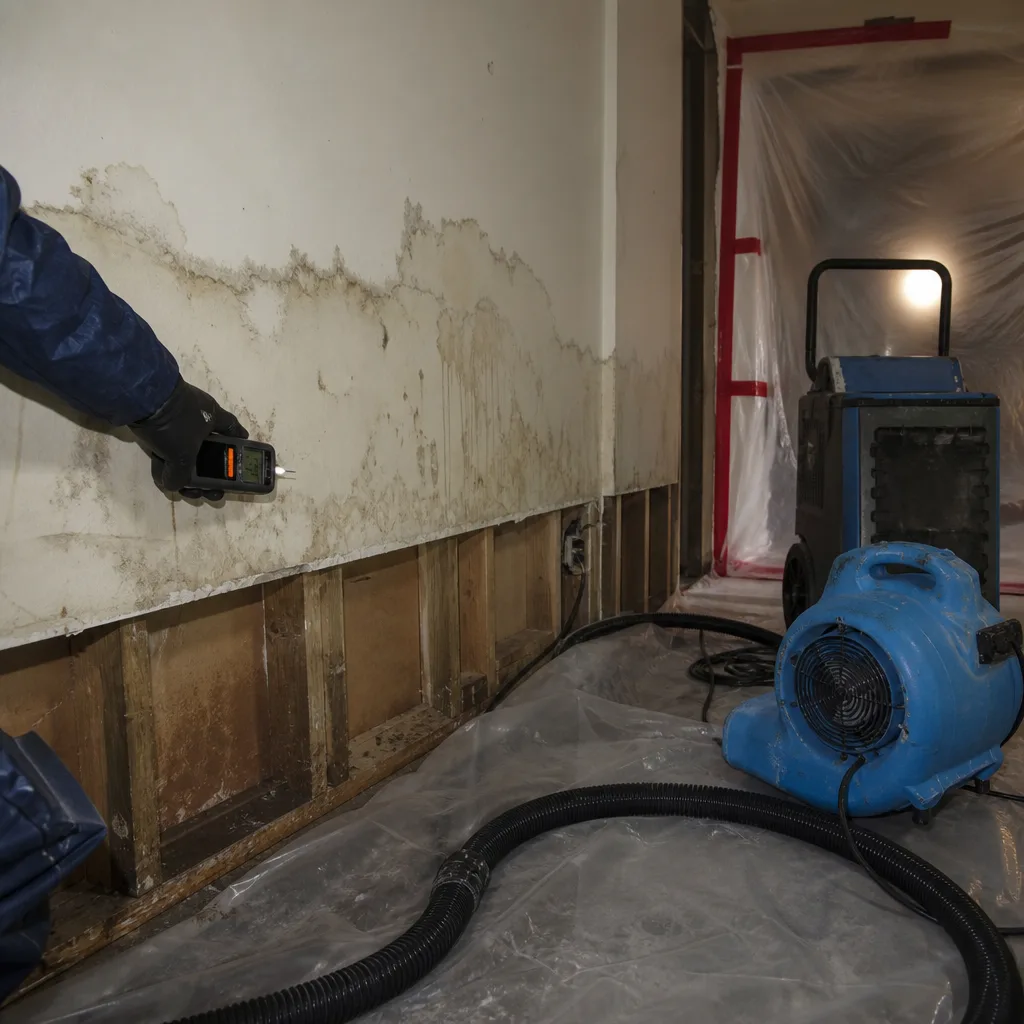
Free visual inspection and a written scope of work before any mitigation begins - photos, moisture readings, and drying logs go in your claim file
The scope we write is the scope we bill. Anything new gets shown to you, in writing, before we touch it.
 Before
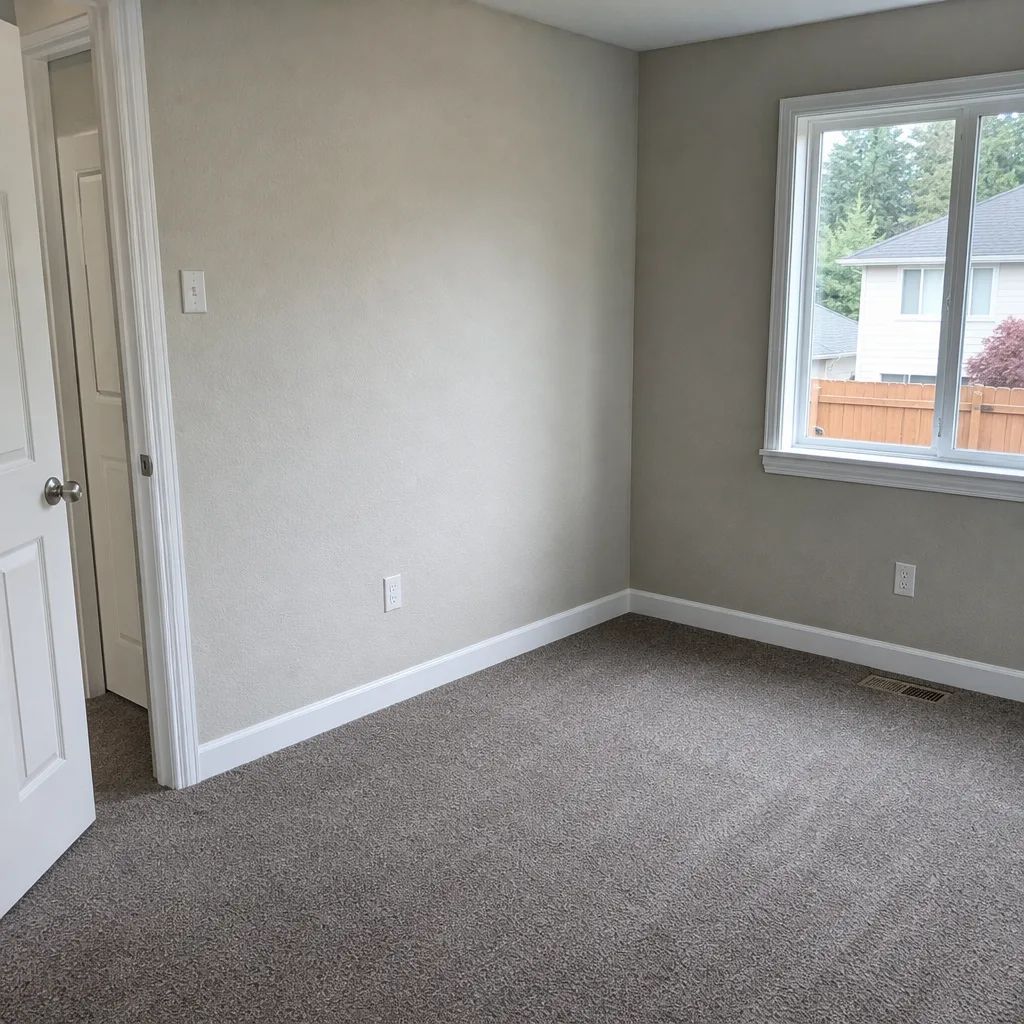 After
After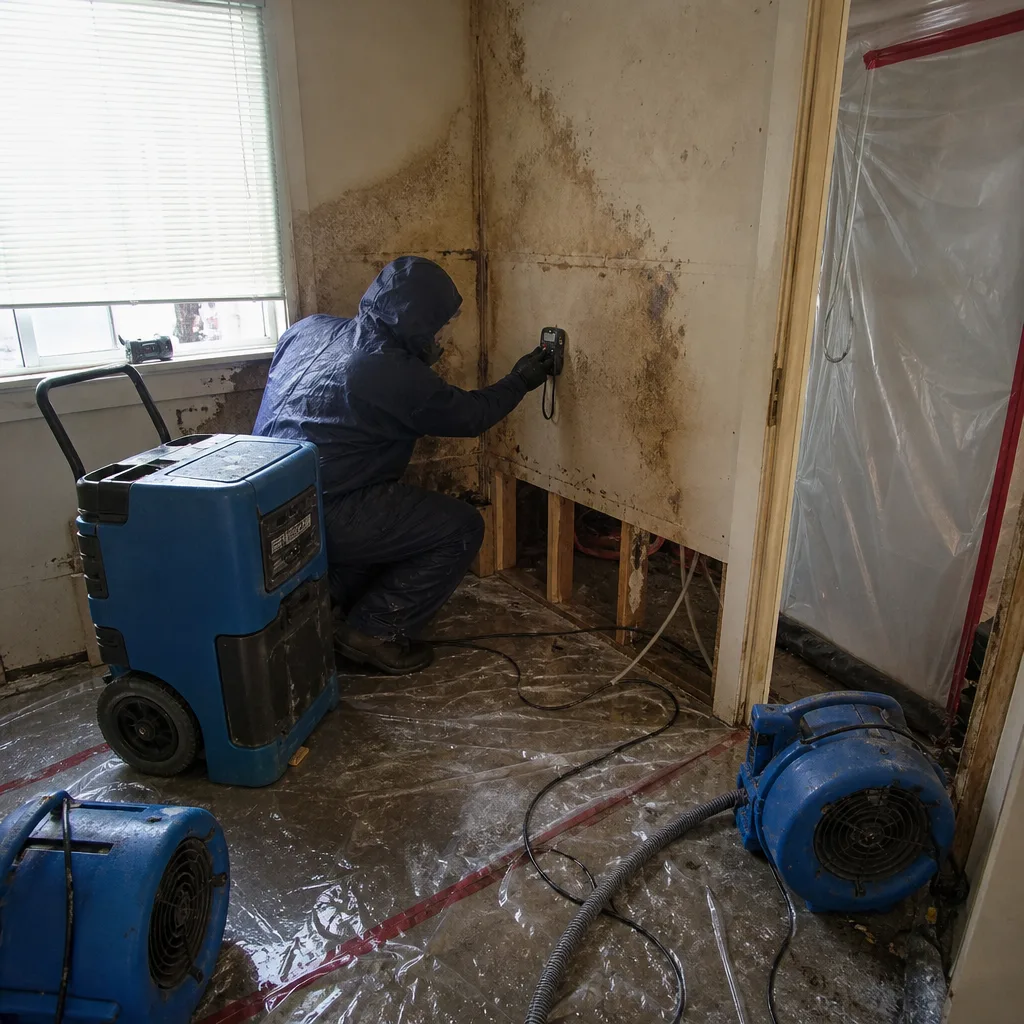 Before
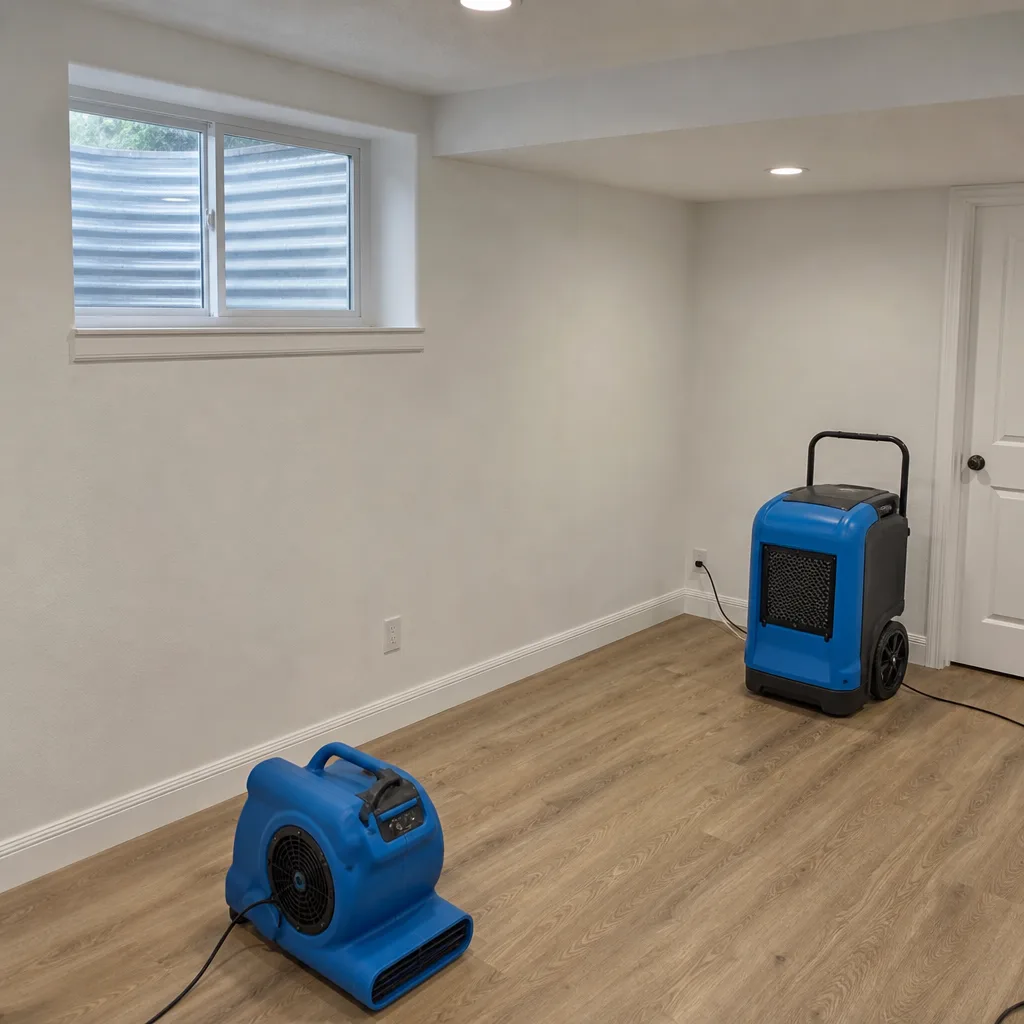 After
After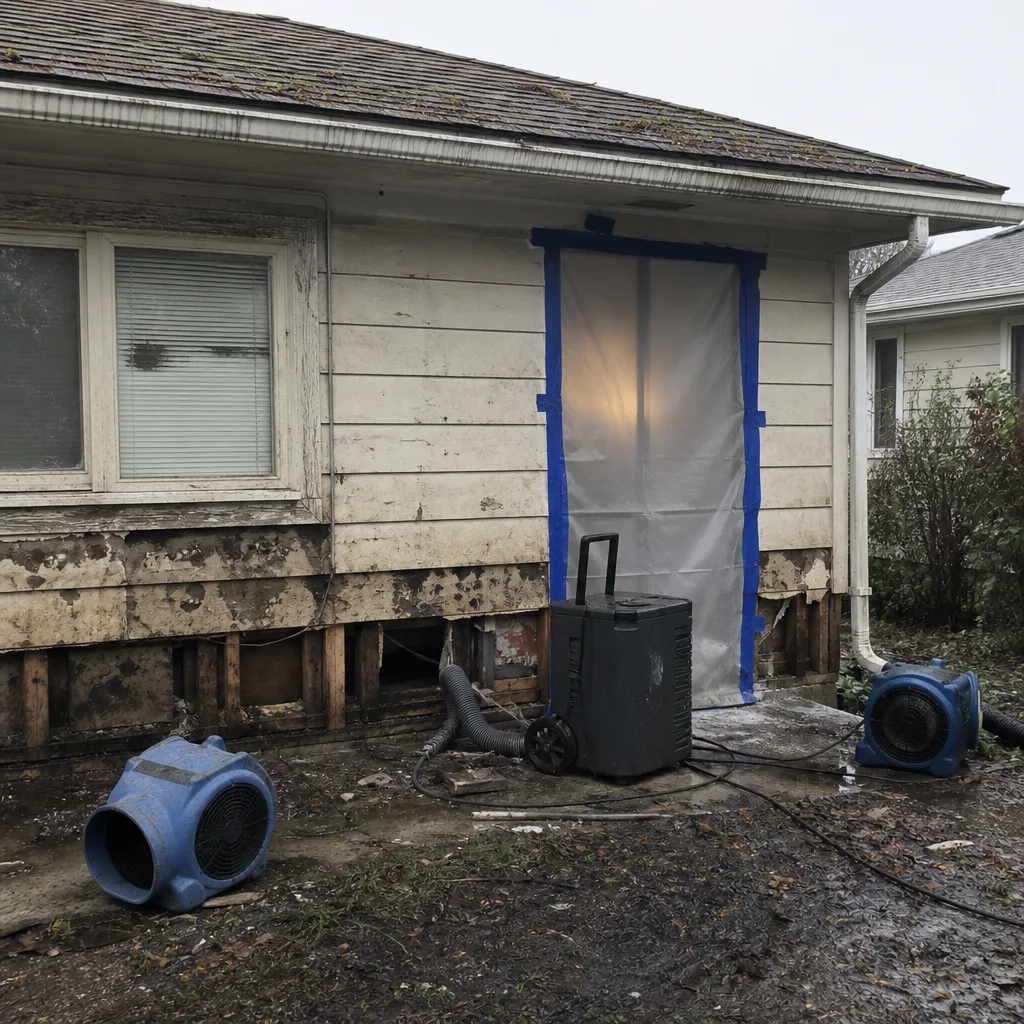 Before
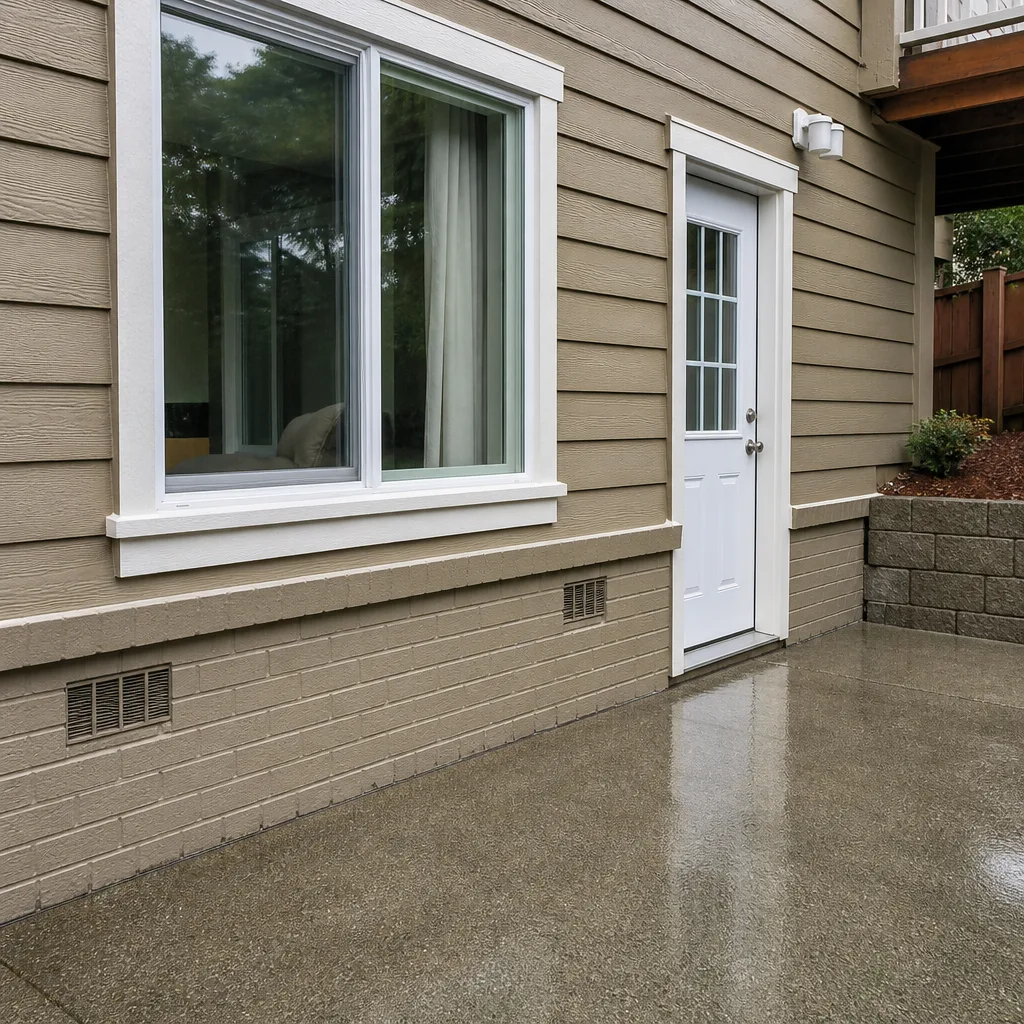 After
AfterFast, Reliable Fire & Smoke Damage Restoration Across SeaTac
Fire and smoke damage restoration in SeaTac typically costs $3,800-$14,500 for residential losses and $18,000-$65,000+ for multi-floor commercial properties, with emergency board-up and tarping available within 90 minutes of your call. Our crews are dispatched from the Seattle office and carry HEPA air scrubbers, soot sponges, and containment materials sized for both the tight alley-load townhomes near the airport and the mid-rise hotel properties along International Blvd South. Call (253) 447-5249 - a live person answers every time, 24 hours a day, and we’ll deliver a written price before any work begins, per Haven Standard, Clause 1.
Why DryMark Restoration Puyallup Is SeaTac’s Preferred Fire & Smoke Damage Restoration Company
We’ve restored fire and smoke losses across SeaTac since 2011, from single-family ranches in the McMicken Heights area to corridor-wide hospitality losses on International Blvd South. Our Fire & Smoke Damage Restoration team has completed 12,000+ documented jobs, every one with a written price before work started and a photo record on every visit.
SeaTac property managers and homeowners find us through three-star reviews that mention specific documentation - drying logs, moisture readings, written scopes - not vague praise. Our response time to SeaTac averages under 90 minutes for emergency board-up, and we maintain large-loss protocols for multi-floor commercial properties that residential-focused contractors in neighboring cities rarely keep ready.
We know the local building stock: 1950s-1970s crawl-space homes with asbestos-containing floor tiles and corroding galvanized lines, mid-century flat-roofed commercial structures, and the tight clearances of airport-adjacent townhomes where alley access limits equipment staging. That local knowledge prevents the documentation gaps that kill insurance claims.
Our Fire & Smoke Damage Restoration Services in SeaTac
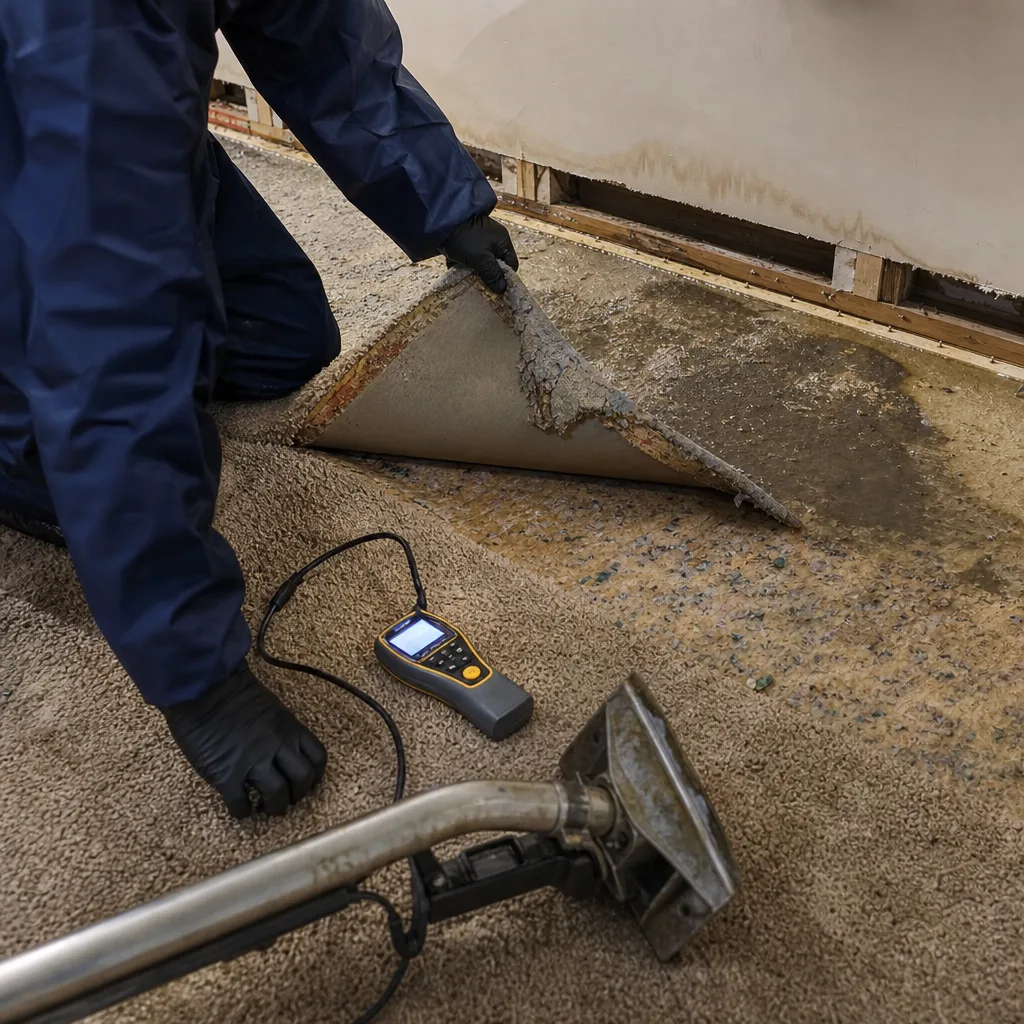
Fire Damage Cleanup
Fire damage cleanup in SeaTac starts with structural assessment and debris removal, then moves to water extraction from suppression systems and soot mapping across affected surfaces. In the hotel corridor along International Blvd South, we’ve learned that a single guest-room fire can trigger sprinklers across multiple floors, so our crews arrive with extraction equipment scaled for large-loss events, not residential truck mounts. For the older homes near Angle Lake and Bow Lake, we coordinate asbestos abatement before disturbing fire-damaged materials - a step skipped by contractors unfamiliar with SeaTac’s 1950s-1970s housing stock.
Smoke & Soot Removal
Smoke and soot removal requires surface-specific chemistry: dry sponging for non-oily residues, alkaline cleaners for protein fires, and solvent-based treatments for synthetic smoke. SeaTac’s marine climate complicates this work - the same persistent drizzle that drives 150+ days of measurable precipitation annually can reactivate soot particles if containment fails during exterior venting. Our crews seal affected zones with polyethylene barriers and run negative air pressure through HEPA filtration before opening any window. In multi-floor hotel properties, we map each HVAC chase independently; shared ductwork in these buildings moves smoke vertically in ways single-family contractors don’t anticipate.
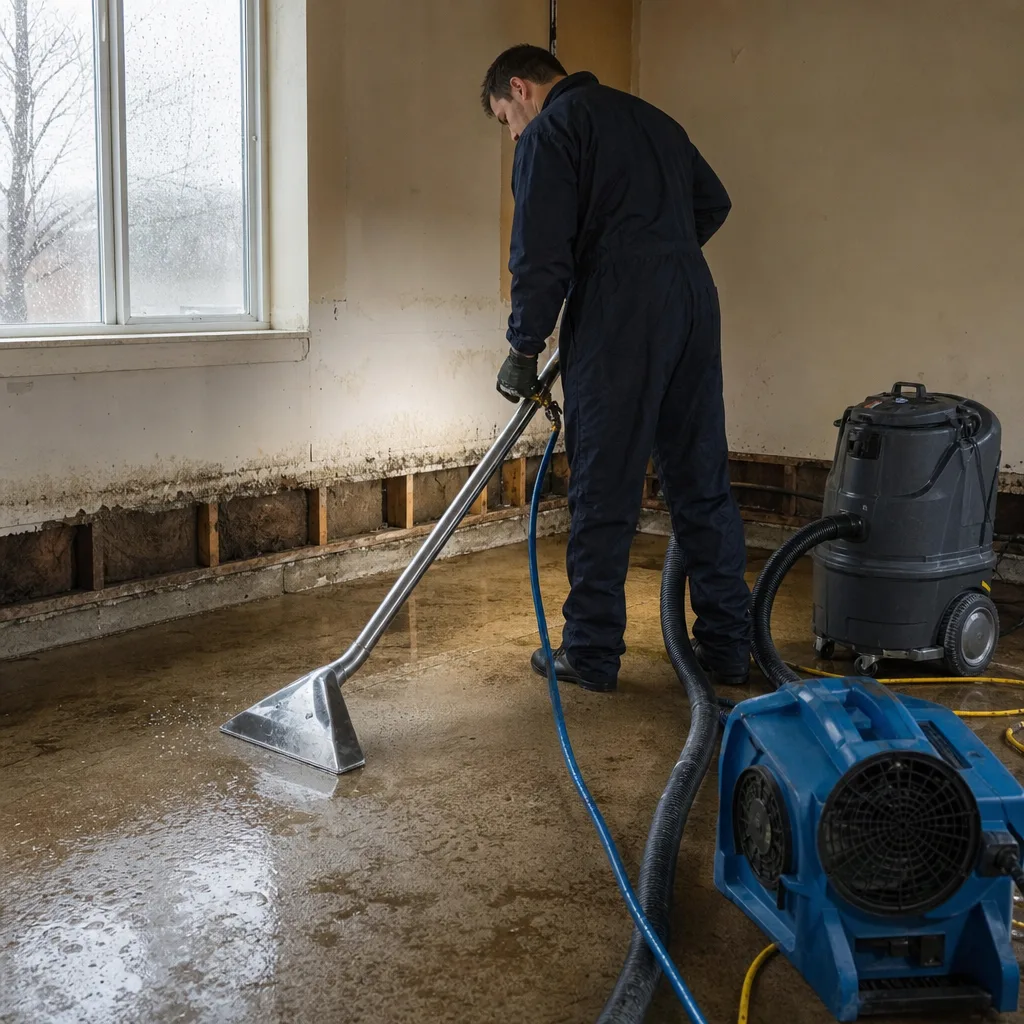
Odor Removal & Deodorization
Odor removal in SeaTac demands more than masking agents. We deploy thermal fogging, ozone treatment, and hydroxyl generators depending on the fire source and building envelope, with psychrometric data - temperature, relative humidity, and vapor pressure differential - recorded before and after each phase. The tight construction of SeaTac townhomes traps odor in wall cavities and crawl spaces; without vapor pressure differential mapping, deodorization fails and odor rebounds after clearance. Our documentation includes pre-loss odor readings and post-treatment verification, formatted for insurance submission.
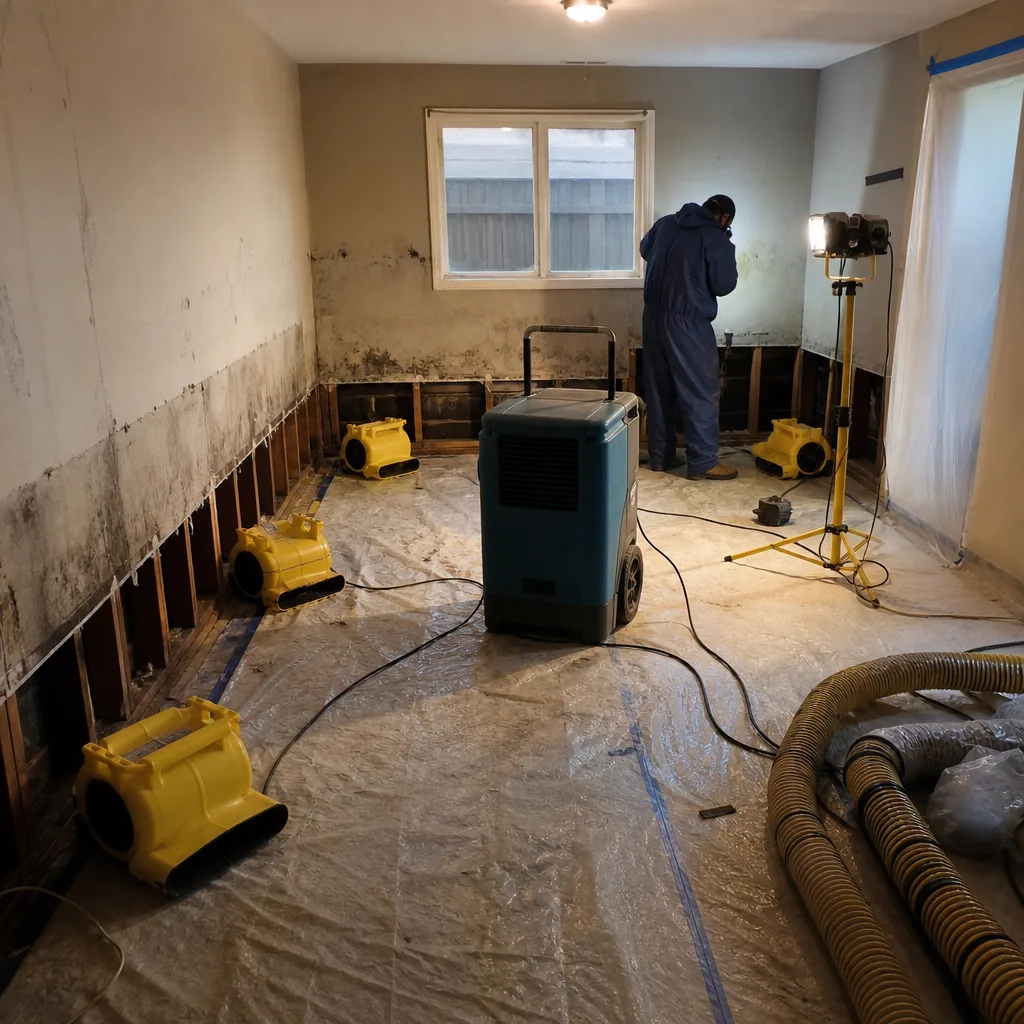
Contents Cleaning & Pack-Out
Contents pack-out in SeaTac’s hotel corridor operates under extreme time pressure: airline crew contracts require rooms back in rotation fast, so our ultrasonic cleaning, electronics restoration, and textile deodorization run parallel to structural work, not sequential. For residential losses in the 98188 and 98148 ZIP codes, we inventory every item with photo documentation, clean at our facility, and store until rebuild completion - all tracked in a written scope that prevents the “missing items” disputes common after fire losses.
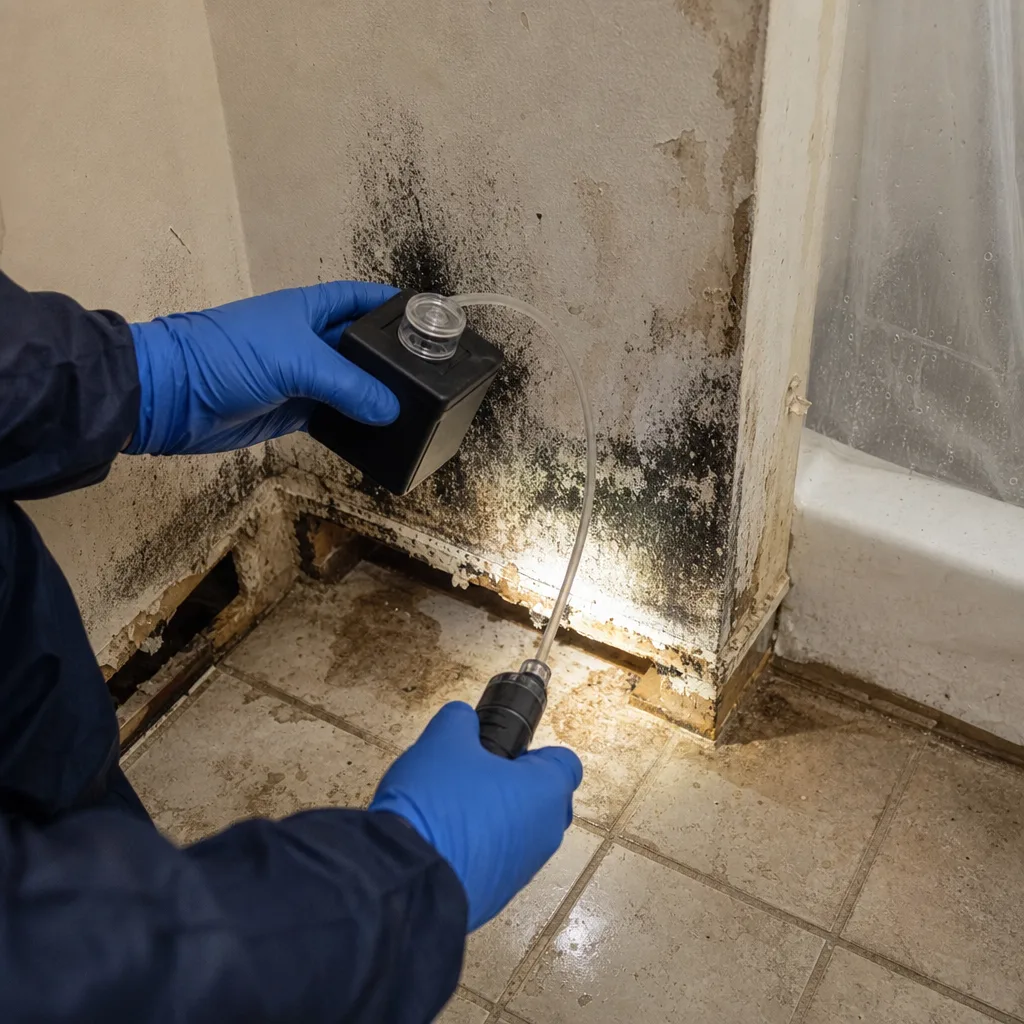
Emergency Board-Up & Tarping
Emergency board-up and tarping in SeaTac must account for both security and weather. Our crews carry plywood, roof tarps, and temporary fencing sized for the flat-roofed commercial structures common along International Blvd and the steep residential pitches near the Des Moines border. Every board-up is photo-documented before we leave, with a written scope for permanent repairs delivered within 24 hours. Haven Standard, Clause 1 applies: the price for board-up is written before any nail is driven.
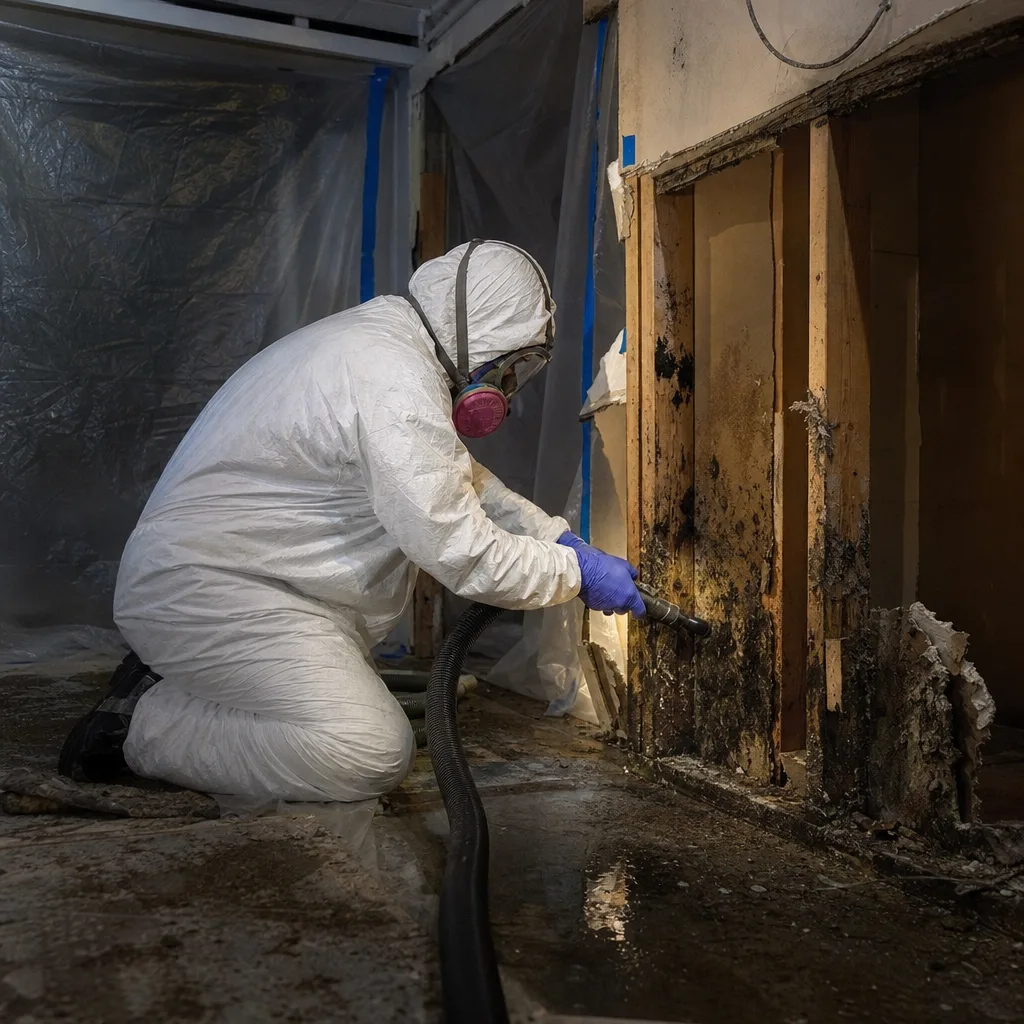
What happens when you call
- 1
A real person answersNo phone trees - you reach a local pro.
- 2
You get an upfront price rangeHonest numbers before anyone is dispatched.
- 3
A background-checked tech heads outLicensed & insured, dispatched right away.
- 4
You approve before work beginsNothing starts until you say go.
BeforeAfterTrusted Brands We Service in SeaTac
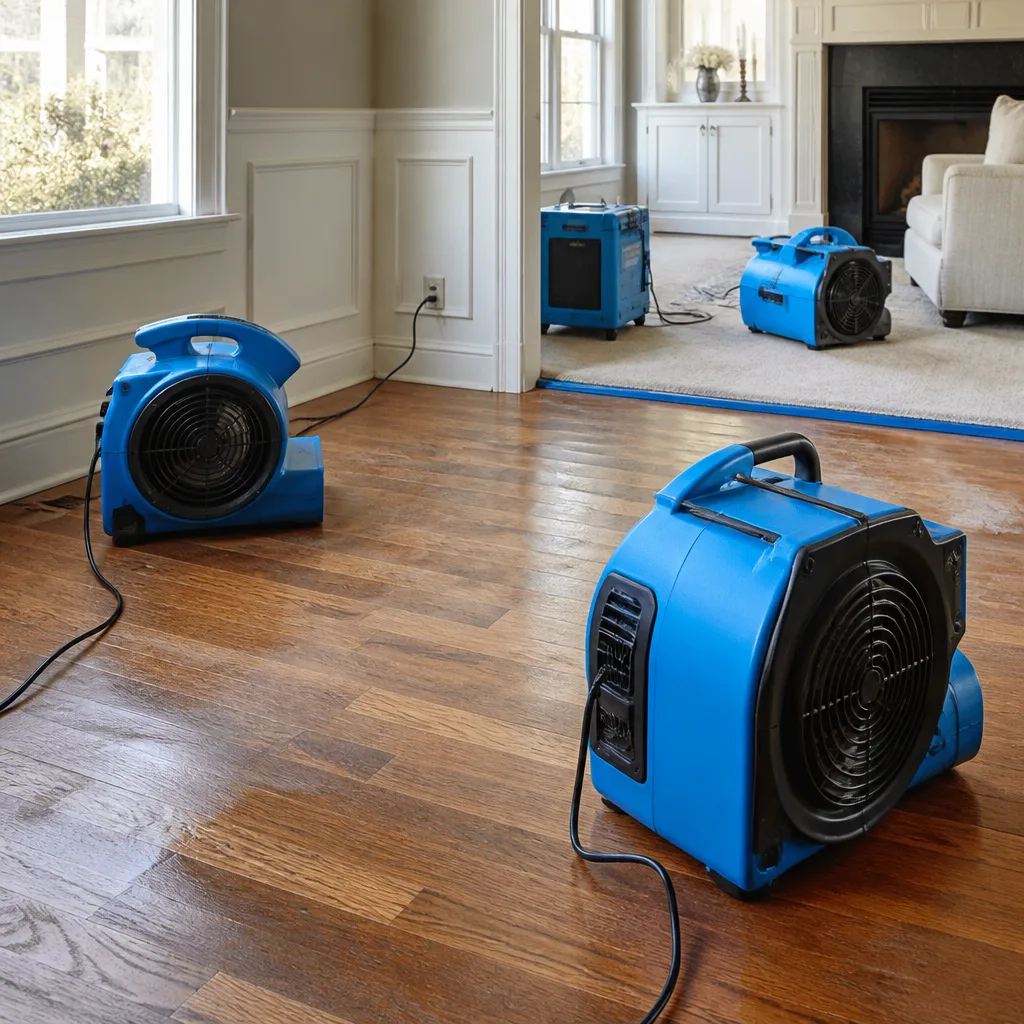
Our equipment inventory includes professional-grade drying systems from Dri-Eaz, Phoenix, and XPOWER, documented to IICRC, RIA, and IFA standards. We stock HEPA air scrubbers and air movers sized for SeaTac’s tight-access townhomes and its multi-floor commercial losses, with Injectidry cavity-drying systems for the wall assemblies common in 1950s-1970s construction. Parts and replacement units are warehoused regionally, so equipment swaps don’t delay drying timelines - critical when airline crew contracts hang on same-night mitigation.
Common Fire & Smoke Damage Restoration Problems We See in SeaTac Homes
- Shared HVAC chases in multi-floor properties. Smoke travels vertically through ductwork in SeaTac’s mid-rise hotels and some townhome developments, depositing soot on floors far from the fire origin. Without floor-by-floor moisture mapping and independent air-scrubber placement, odor rebounds after clearance.
- Asbestos-containing materials in pre-1980s homes. SeaTac’s 1950s-1970s housing stock includes asbestos floor tiles and pipe insulation that must be abated before fire-damaged materials are disturbed. Contractors who skip this step expose homeowners to liability and insurers to denial.
- Crawl-space moisture compounding smoke damage. The marine climate’s relentless drizzle keeps SeaTac crawl spaces chronically damp. Fire suppression water adds to existing moisture loads, requiring vapor pressure differential analysis before drying targets can be set.
- Alley-load access limiting equipment staging. Townhomes near the airport have narrow alley access and no front-yard staging space. Air movers and dehumidifiers placed too far from the loss extend drying timelines and inflate costs.
Pricing for Fire & Smoke Damage Restoration in SeaTac, WA
Emergency board-up and tarping in SeaTac runs $450-$1,200 depending on opening count and roof area. Smoke and soot removal for a single residential floor typically costs $3,800-$7,500; whole-home fire cleanup with contents pack-out ranges $8,500-$14,500. Multi-floor commercial losses along International Blvd South start around $18,000 and scale with affected square footage, HVAC chase count, and occupancy-pressure timeline.
What moves the price: asbestos abatement coordination (add $1,500-$4,000 in pre-1980s SeaTac homes), large-loss equipment deployment for hotel corridors, and contents volume requiring off-site cleaning. Every job gets a written price before work begins - Haven Standard, Clause 1 - with no scope-creep additions once the crew is inside. We also offer a Free Second Opinion on any competitor’s written estimate; bring their scope and we’ll review it at no charge.
Call (253) 447-5249 for your written estimate. Documentation starts at the first visit.
We Also Serve Cities Near SeaTac
Our Fire & Smoke Damage Restoration in SeaTac crews are dispatched from the Seattle office and also respond to fire and smoke losses in Puyallup, Edgewood, Summit, and Sumner. Documentation standards and Haven Standard pricing apply across the service area.
Serving SeaTac, WA - Our Local Coverage Area
We’re based in the SeaTac area and know this community well. Use the map below to see our service coverage - if you’re nearby, we can almost certainly help.
FAQs - Fire & Smoke Damage Restoration in SeaTac
Our emergency response time to International Blvd South properties averages under 90 minutes, with board-up crews and large-loss equipment staged for same-night mitigation. We maintain 24/7 live dispatch specifically because hotel properties here operate under airline crew contracts that penalize downtime exceeding 12 hours. Call (253) 447-5249 - a live person answers, no voicemail tree - and we’ll deliver a written price before any work begins.
Yes. Alley-load townhomes near the airport have clearances as narrow as 8 feet, with no front-yard staging and limited electrical capacity for multiple air movers. Our crews survey access before dispatch and bring compact XPOWER units and extension-rated power distribution when standard equipment won’t fit. Skipping this step leaves dehumidification staged too far from the loss, stretching drying timelines and costs.
Odor rebounds when contractors treat multi-floor smoke loss like a single-room residential fire, failing to map shared HVAC chases and establish floor-by-floor containment. In SeaTac’s hotel corridor, we’ve seen odor return to “cleared” rooms two weeks later because the original scope skipped chase sealing and vapor pressure verification. Our protocol includes independent psychrometric data per floor and documented post-treatment odor readings.
No. SeaTac homes from this era commonly contain asbestos floor tiles and pipe insulation that become friable when fire-damaged or water-saturated. Starting demolition or aggressive drying before abatement coordination exposes occupants to airborne fibers and voids insurance coverage. We test suspect materials, coordinate certified abatement, and document the sequence in your written scope so the claim proceeds without dispute.
A complete scope includes: structural assessment with photo documentation, water extraction and moisture mapping, soot classification and surface-specific removal, odor treatment with pre- and post-readings, contents inventory and pack-out with photo record, HVAC chase inspection and cleaning, temporary repairs or board-up, and a written rebuild estimate. Every scope is priced in writing before work begins - Haven Standard, Clause 1 - and backed by our 365-Day Done Right Promise. Call (253) 447-5249 to schedule your assessment.
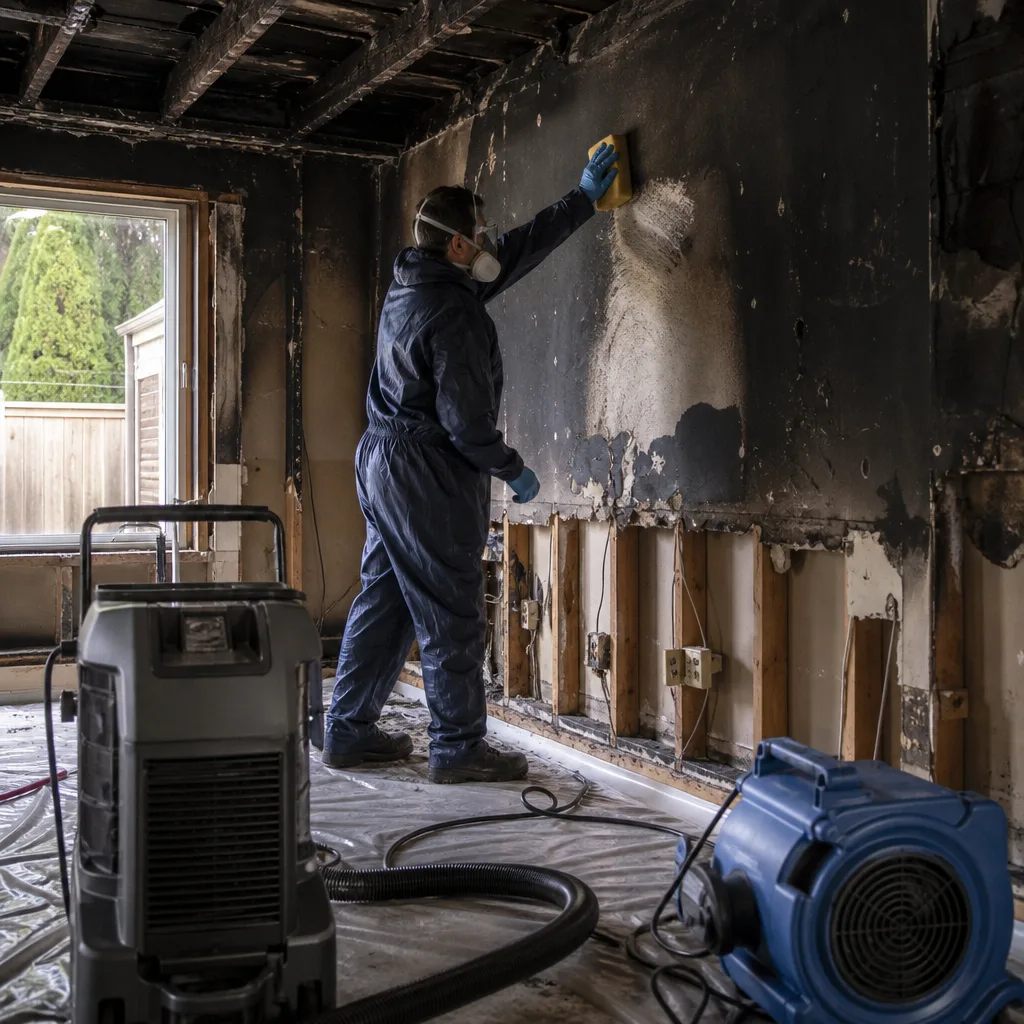
On a three-floor property off International Blvd South, a guest-room kitchen fire sent smoke through the shared HVAC chase, triggering alarms across two occupied floors. Our crew set containment at each stairwell landing, ran HEPA air scrubbers and XPOWER air movers down the corridor while wiping soot from every door frame, used antimicrobial treatment on impacted surfaces, and documented moisture readings per floor to keep airline crew rooms back in rotation without moving the whole property offline.
Written by Alicia Brennan, Owner at Back to Dry Restoration, serving SeaTac since 2011 under The Haven Standard.