
Free visual inspection and a written scope of work before any mitigation begins - photos, moisture readings, and drying logs go in your claim file
The scope we write is the scope we bill. Anything new gets shown to you, in writing, before we touch it.
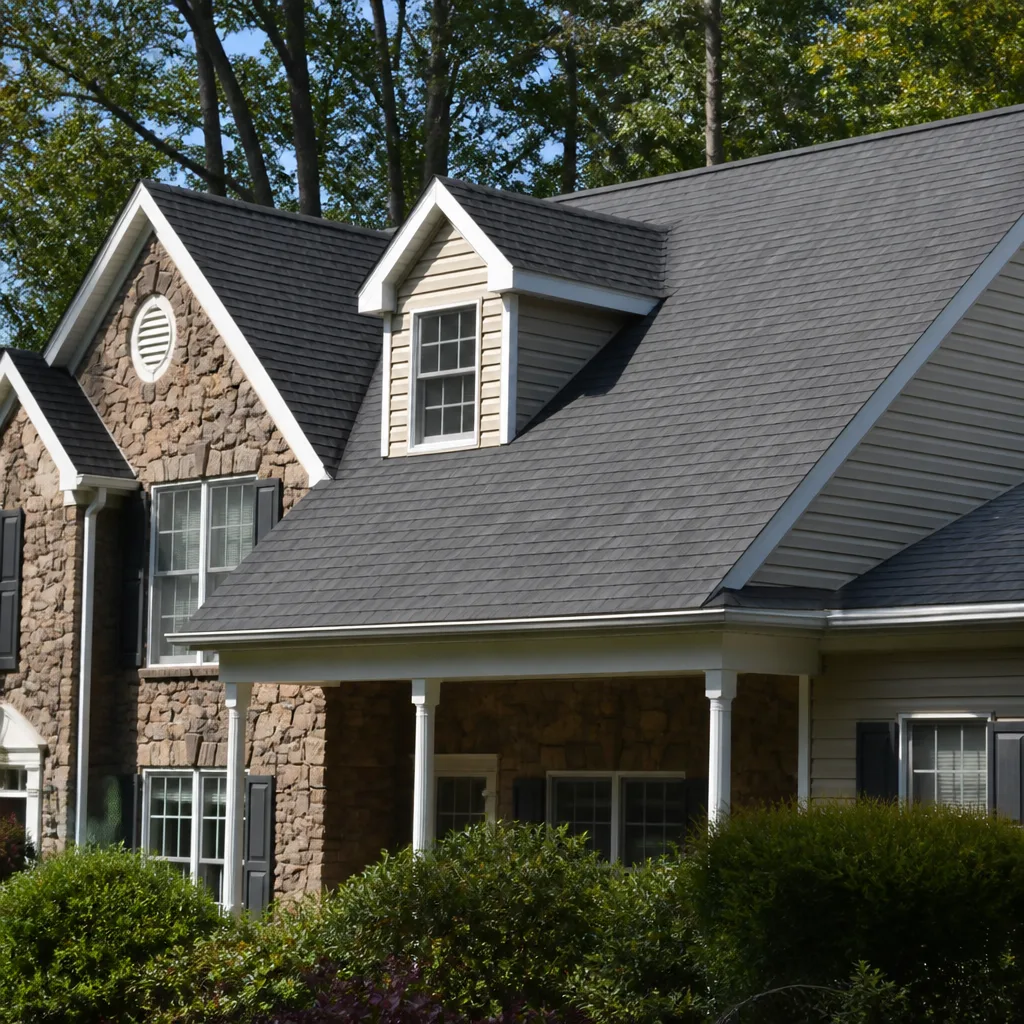
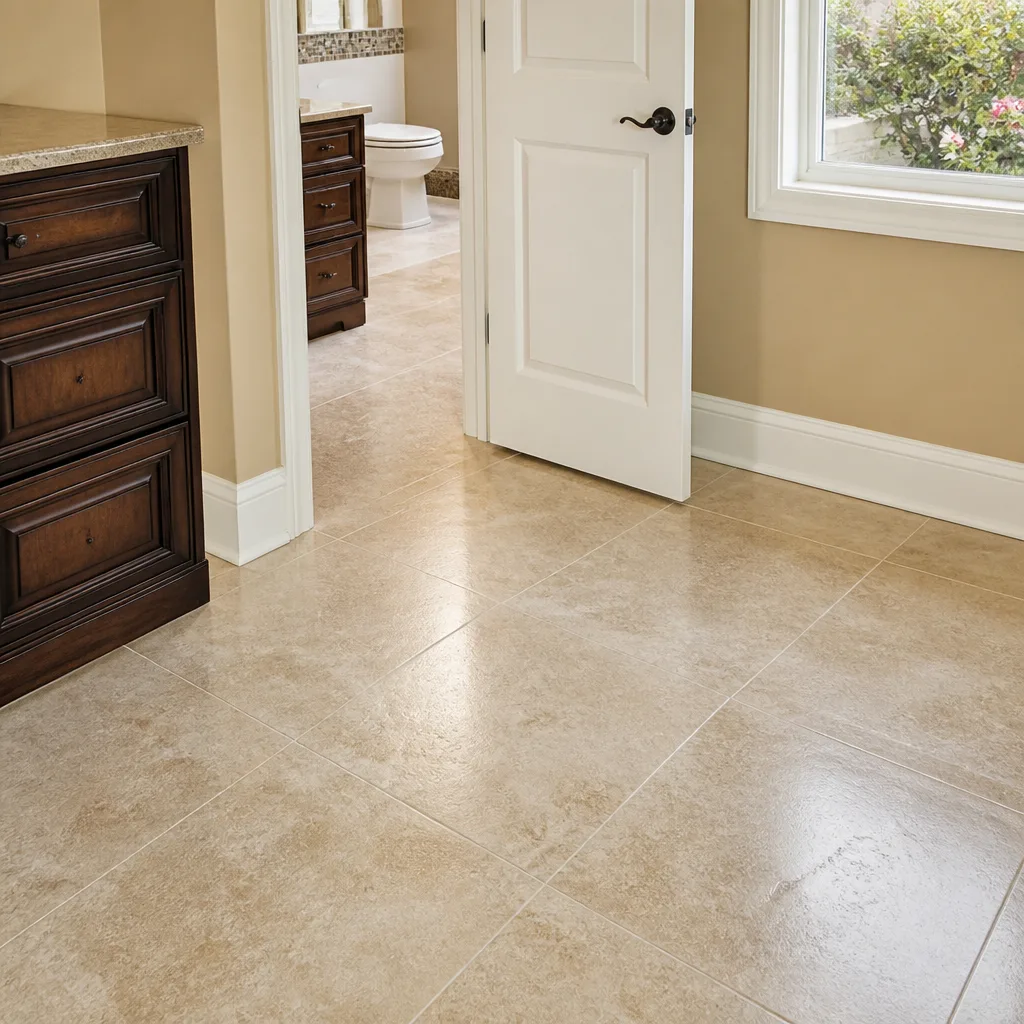
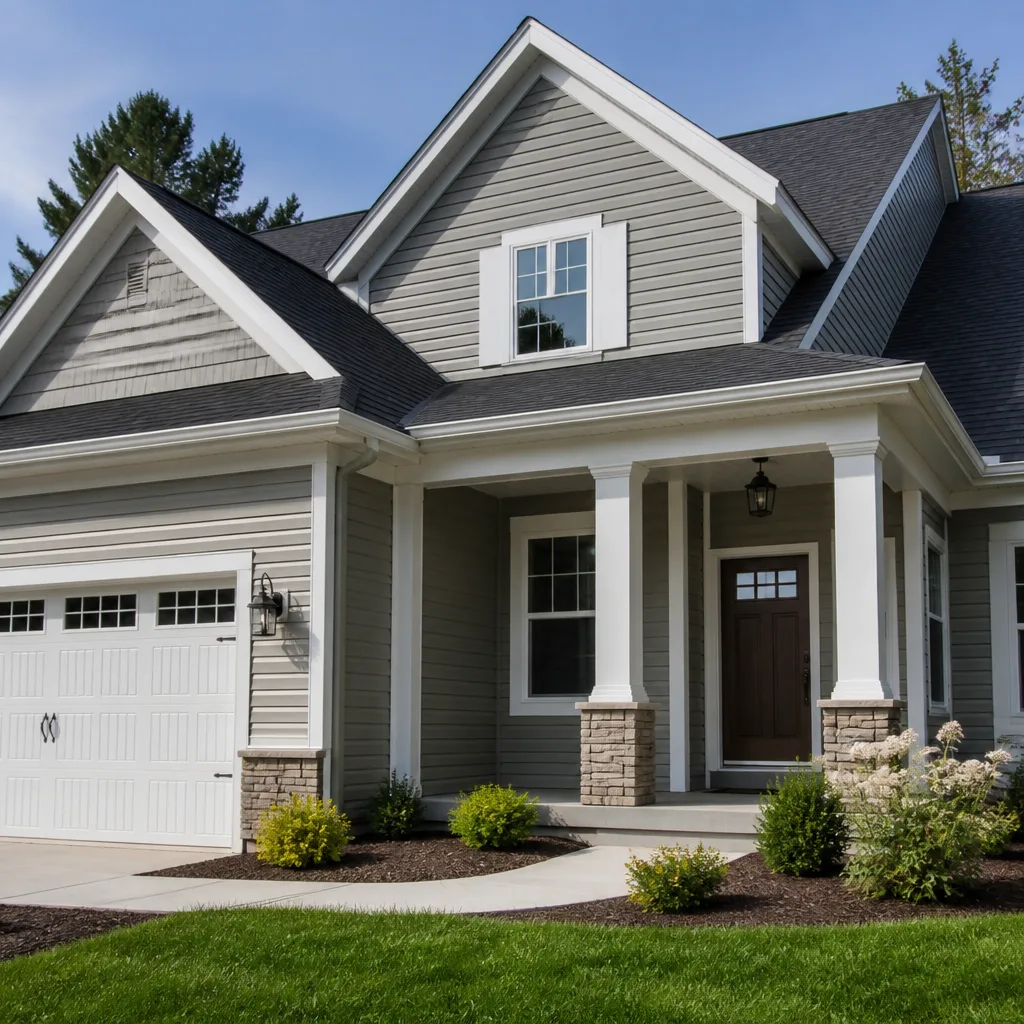
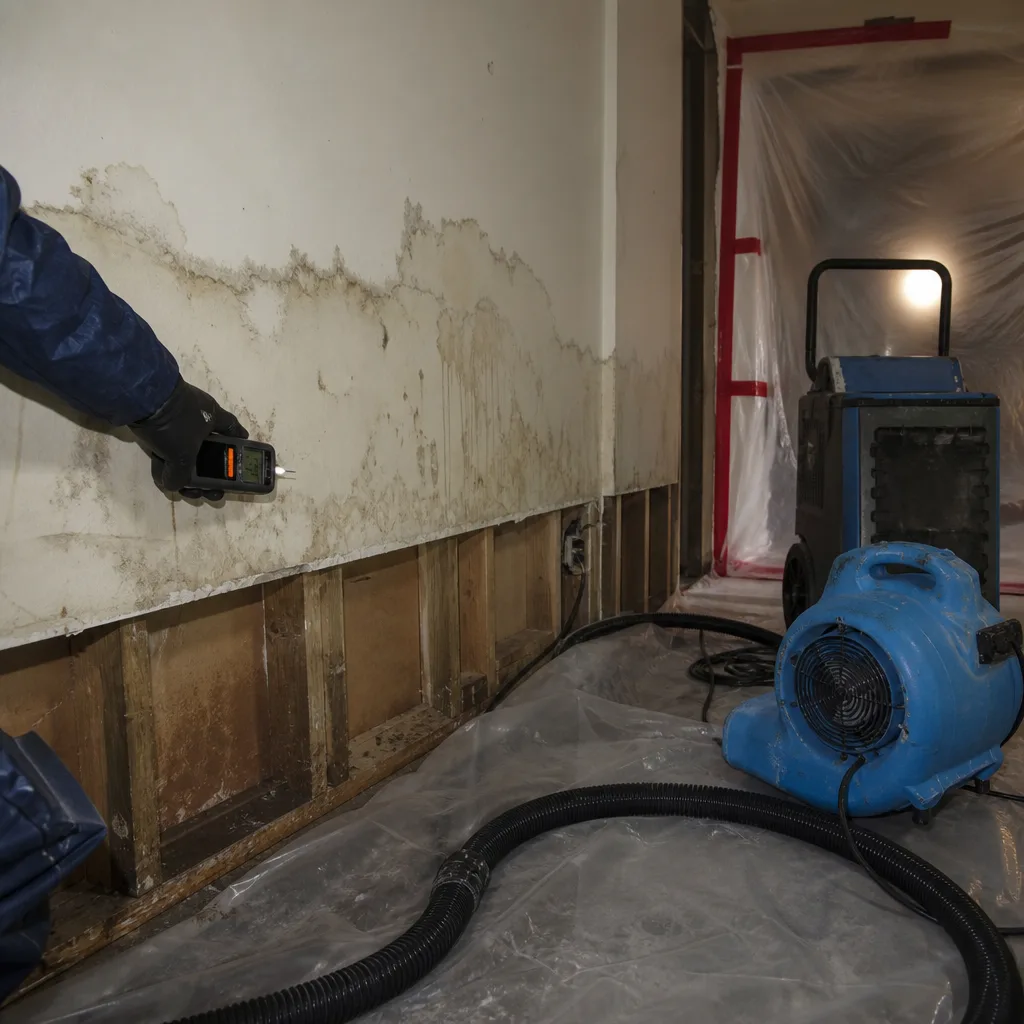 Before
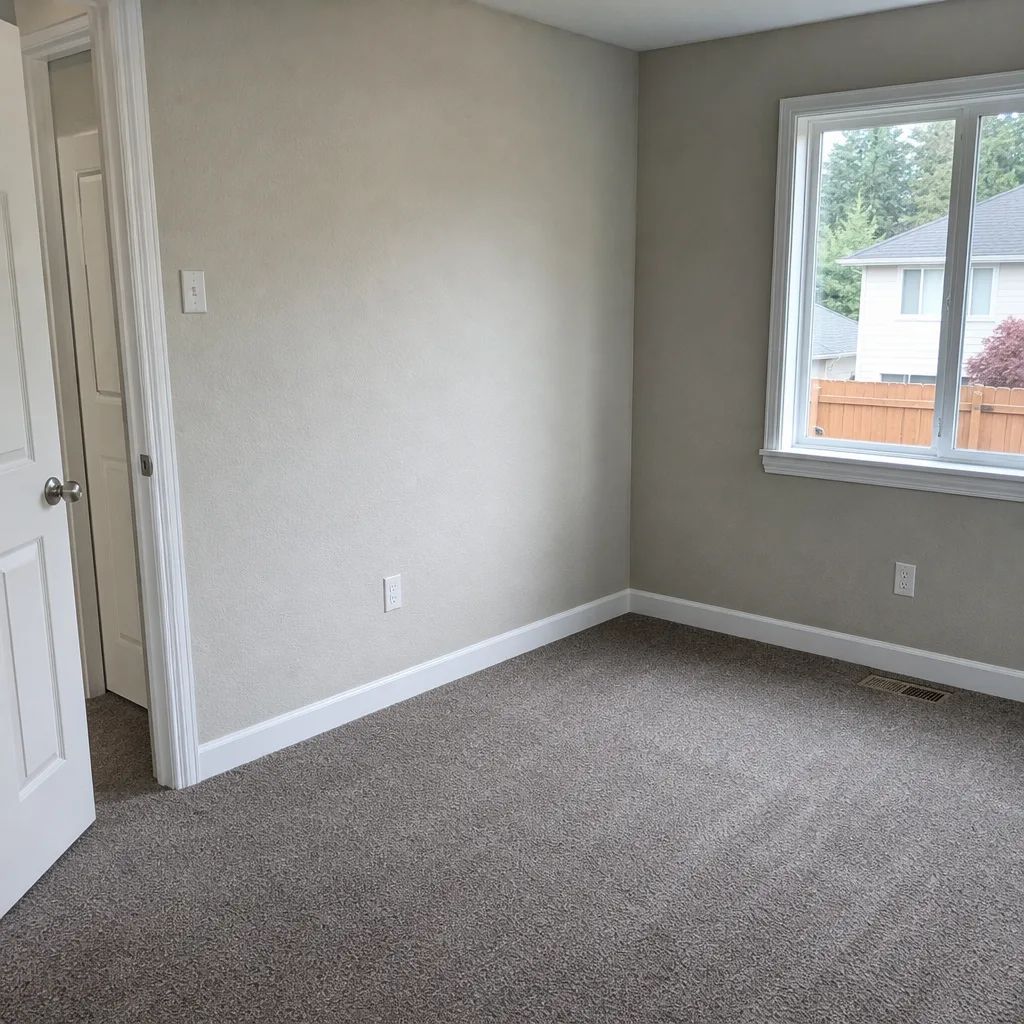 After
After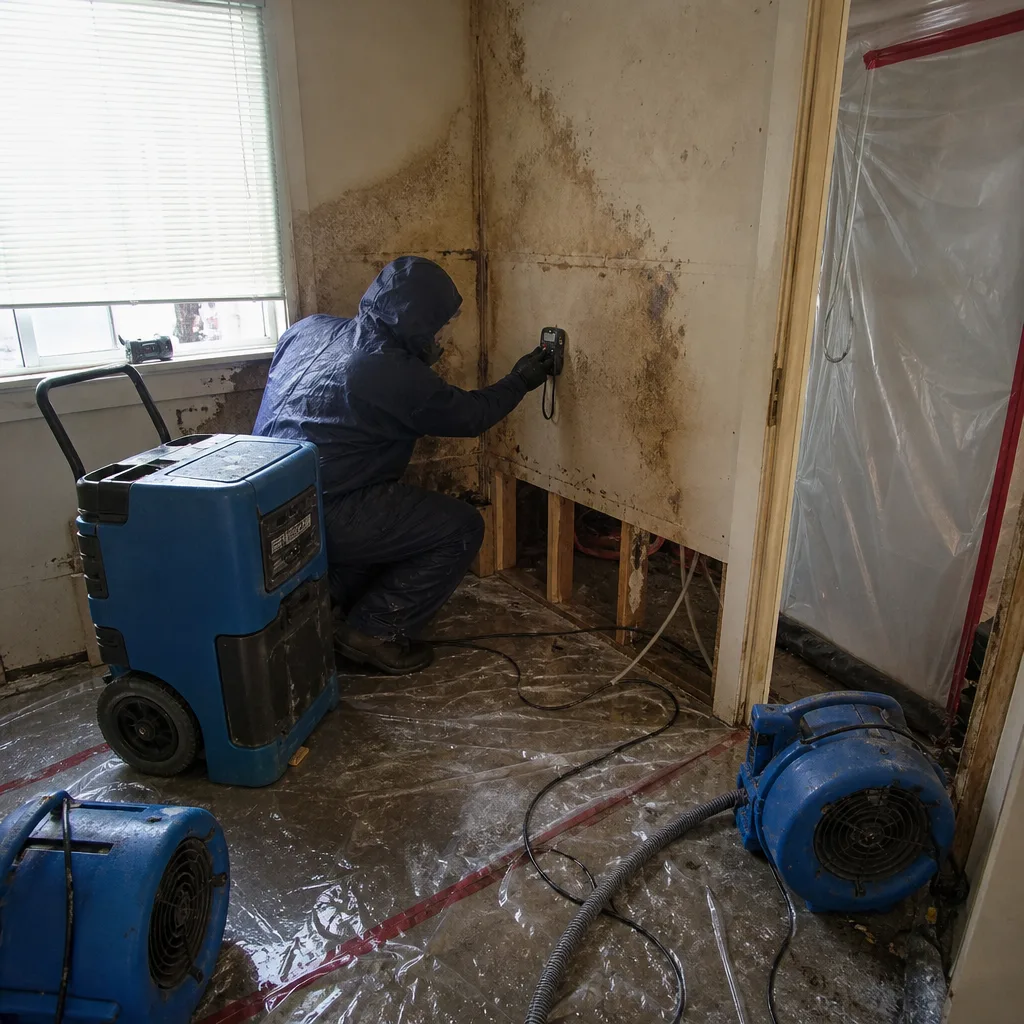 Before
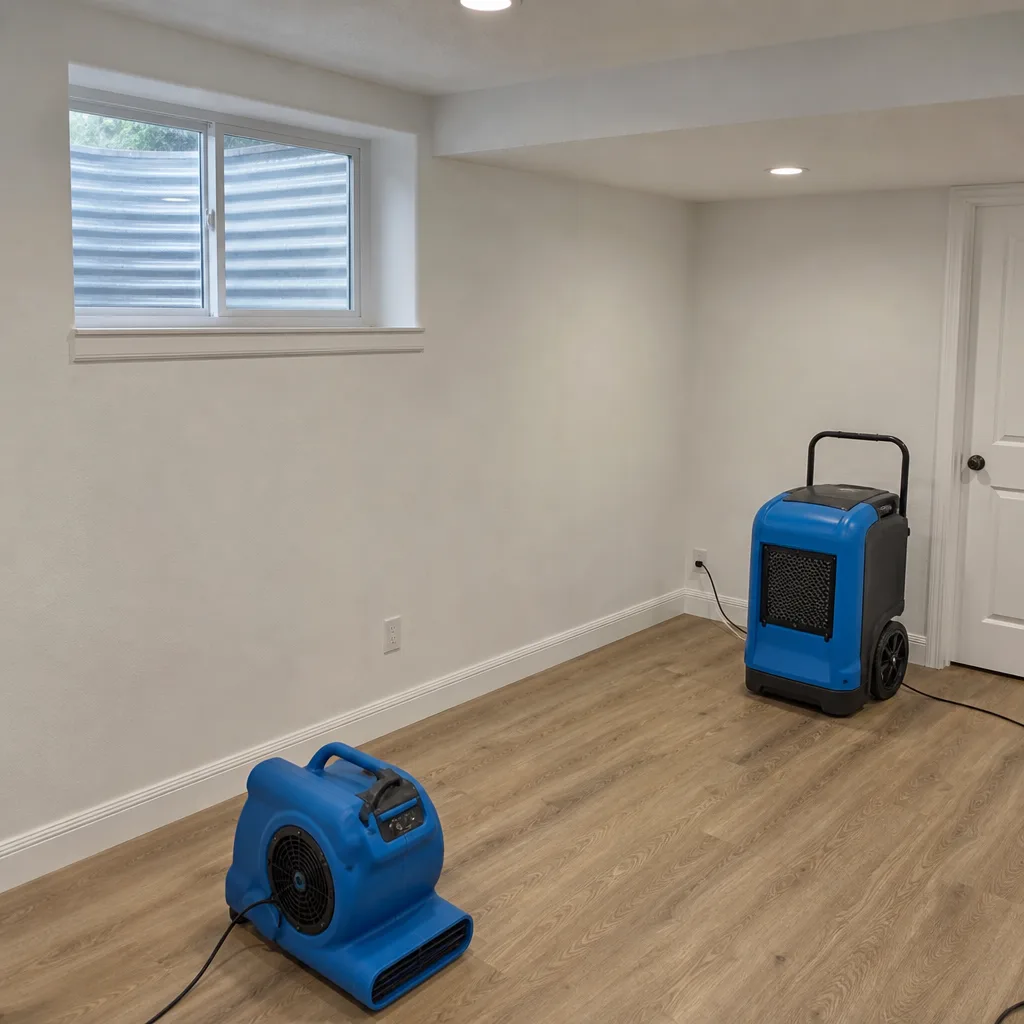 After
After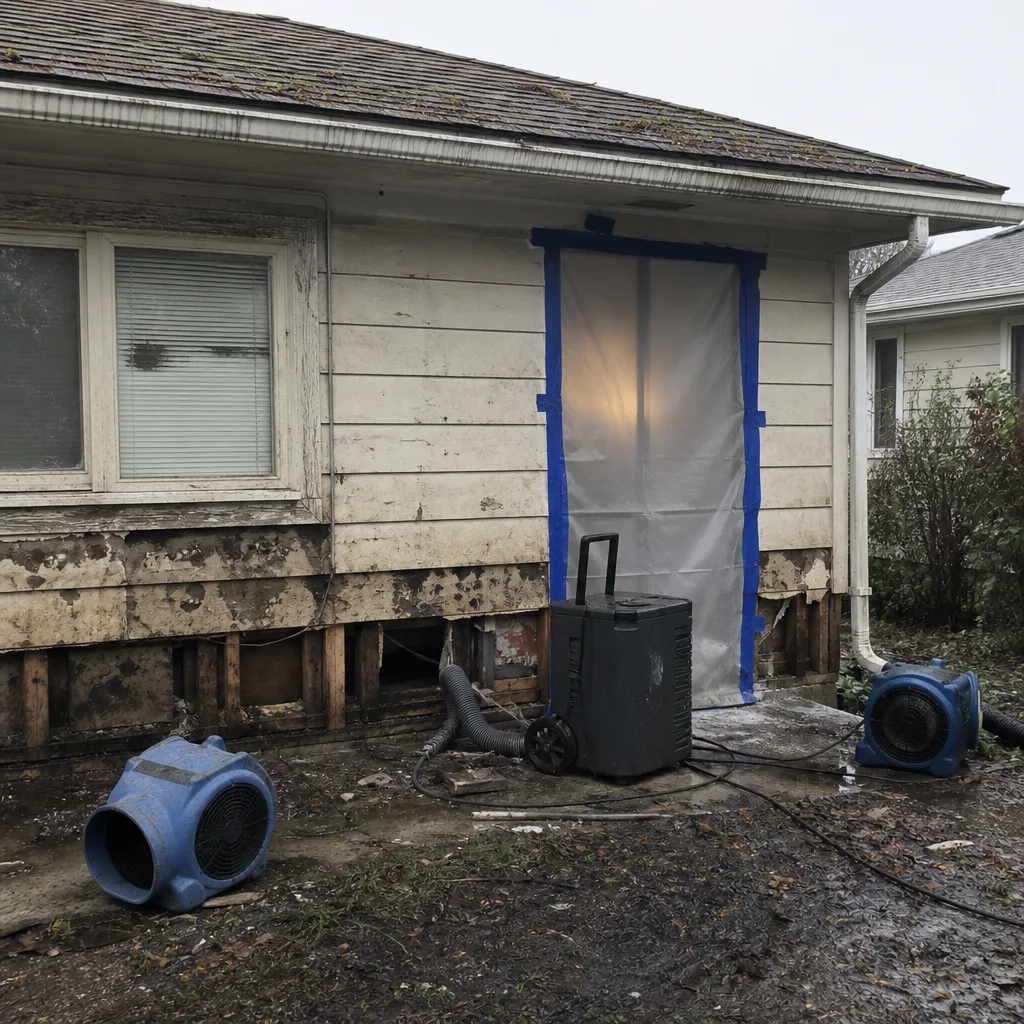 Before
 After
AfterFast, Reliable Water Damage Restoration Across Sumner
Water damage restoration in Sumner, WA typically runs $2,800-$6,500 for a standard residential mitigation, with emergency extraction dispatched within 60-90 minutes of your call. Our crews coordinate from our Seattle office and carry the Dri-Eaz and Phoenix equipment needed to fight the valley’s trapped humidity, which slows drying compared to upland Pierce County jobs. If you’re standing in water right now, call (253) 447-5249 - a live person answers, 24 hours a day, and we’ll have a written price in your hands before any work begins.
Sumner sits in a unique spot. The Puyallup River valley floor holds downtown’s early-1900s Craftsman homes and newer commercial buildings alike, and that low-lying bowl geography traps moisture in ways that upland neighbors like Bonney Lake simply don’t experience. We’ve restored water-damaged properties from Wood Avenue to the hillside margins above the floodplain, and we know the difference between a straightforward extraction and a job complicated by dual-zone floodplain and lahar designations.
Why DryMark Restoration Puyallup Is Sumner’s Preferred Water Damage Restoration Company
We’ve restored more than 12,000 homes since 2011, every one with a written price before work started and a photo record when the crew left. Sumner homeowners find us because they read the three-star reviews - the ones that mention whether a contractor actually documented what they found - and they want that same precision on their own job.
Our response time to Sumner averages under 90 minutes from call to arrival. That’s not a marketing claim; it’s the reality of coordinating crews from our Seattle office with local knowledge of Sumner’s alley-load streets, downtown parking constraints, and which residential blocks sit below the high water table.
We check every Sumner property against the Puyallup River floodplain and lahar inundation zone maps before we set up equipment. The wrong assumption stalls your insurance claim and Pierce County rebuild permit for weeks. We don’t make that mistake.
Alicia Brennan built this company around the documentation gap that costs homeowners their claims. That means daily moisture logs, room-by-room psychrometric readings, and a written scope you sign before we start. Haven Standard, Clause 1: written price before work begins. Every time.
Our Water Damage Restoration Services in Sumner
Emergency Water Extraction
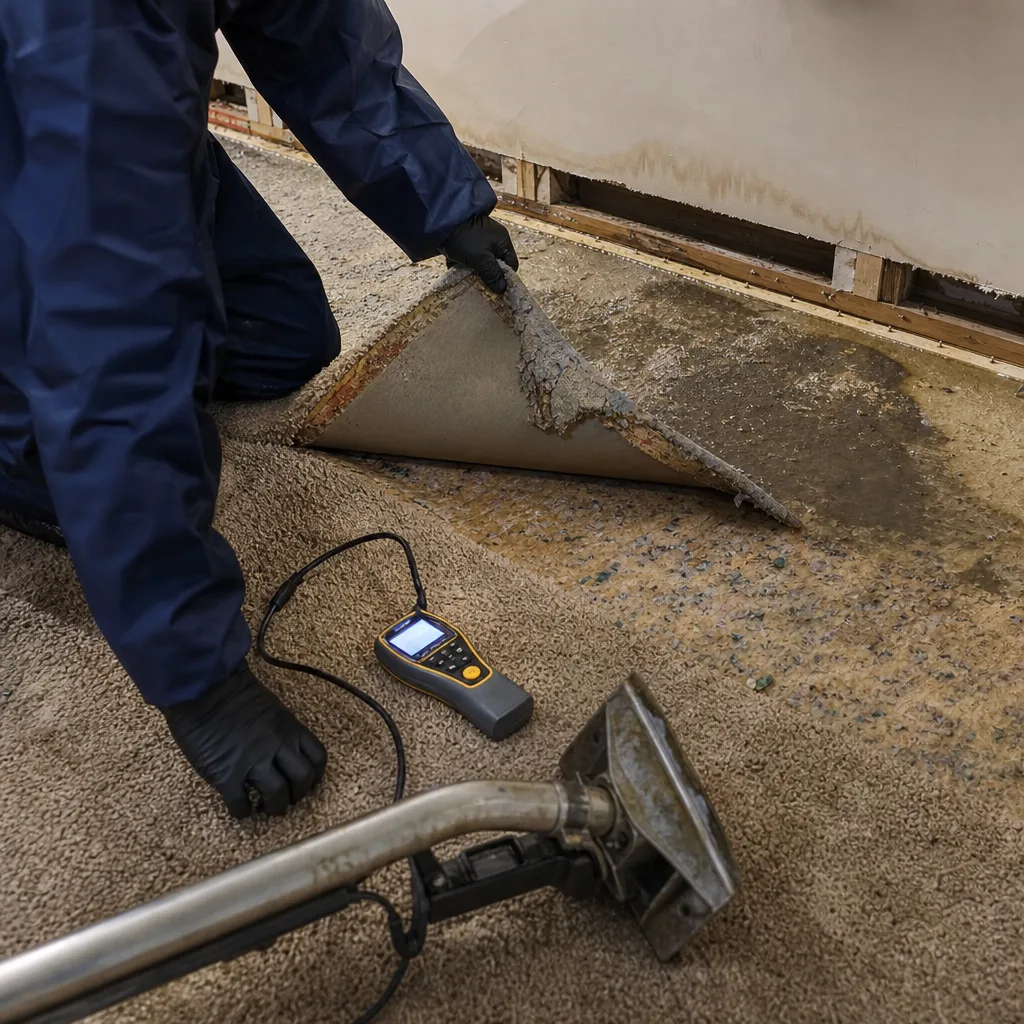
When the Puyallup River pushes into Sumner’s commercial district or a burst pipe floods your kitchen on Maple Street, speed matters - but speed without documentation creates its own problems. Our crews arrive with truck-mounted extraction units and portable XPOWER submersibles sized to the job, and we photograph every room before we move a single piece of furniture. In Sumner’s downtown residential blocks, we pre-plan alley-load access so equipment doesn’t get staged a block away while water keeps wicking into subfloors. Emergency water extraction in Sumner typically runs $1,200-$2,400 for the first four hours of mitigation, with the written price delivered before we start the pumps.
Structural Drying & Dehumidification
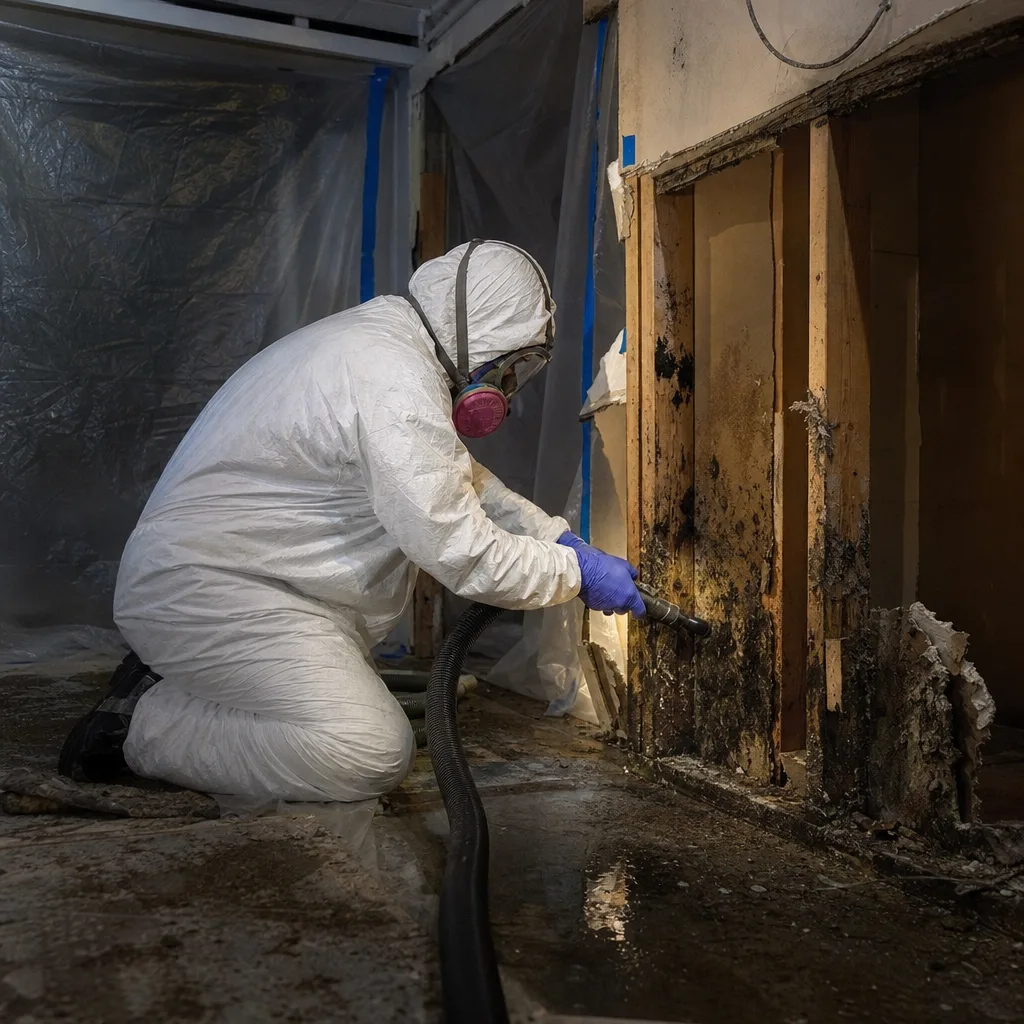
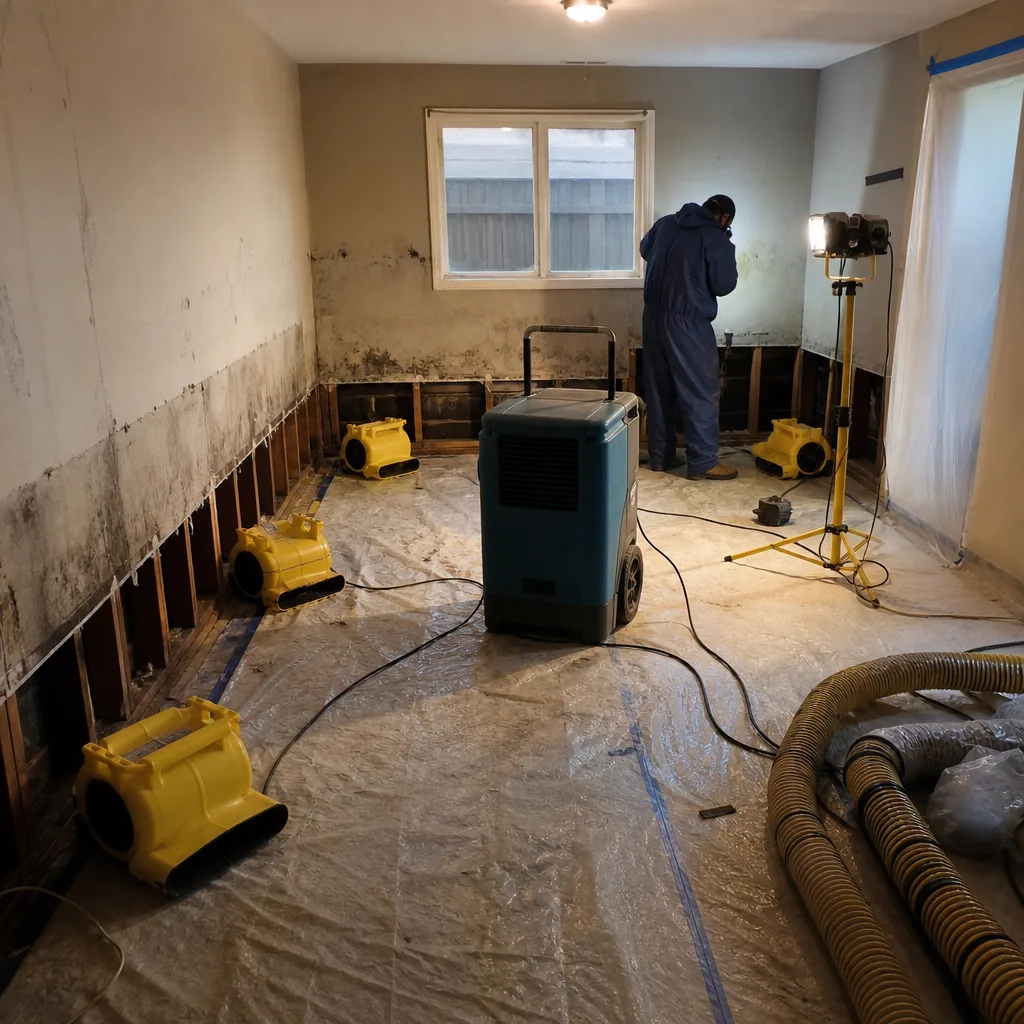
Here’s where Sumner’s geography punishes standard protocols. The valley’s bowl shape traps humidity, and the high water table keeps groundwater pressure against foundations even after surface water recedes. We’ve seen standard air mover counts that dry a Bonney Lake ranch in three days require seven in a Sumner basement because the ambient vapor pressure differential never reaches the threshold for effective tertiary drying. Our crews deploy Phoenix 200 MAX dehumidifiers and Dri-Eaz Revolution units at higher density for Sumner valley-floor jobs, with daily psychrometric logs tracking grain depression and equilibrium moisture content. Structural drying in Sumner runs $1,800-$4,200 depending on affected square footage and the dehumidification intensity the job demands.
Flood Cleanup
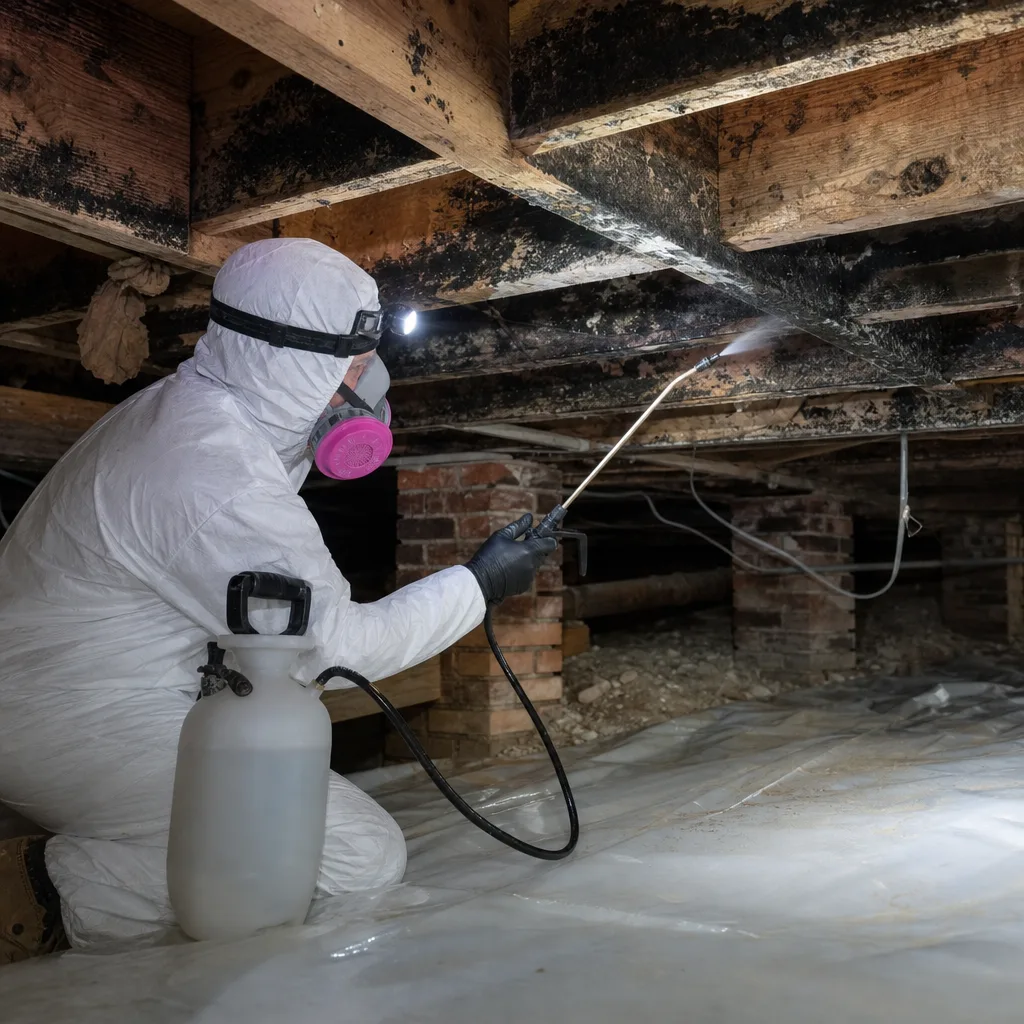
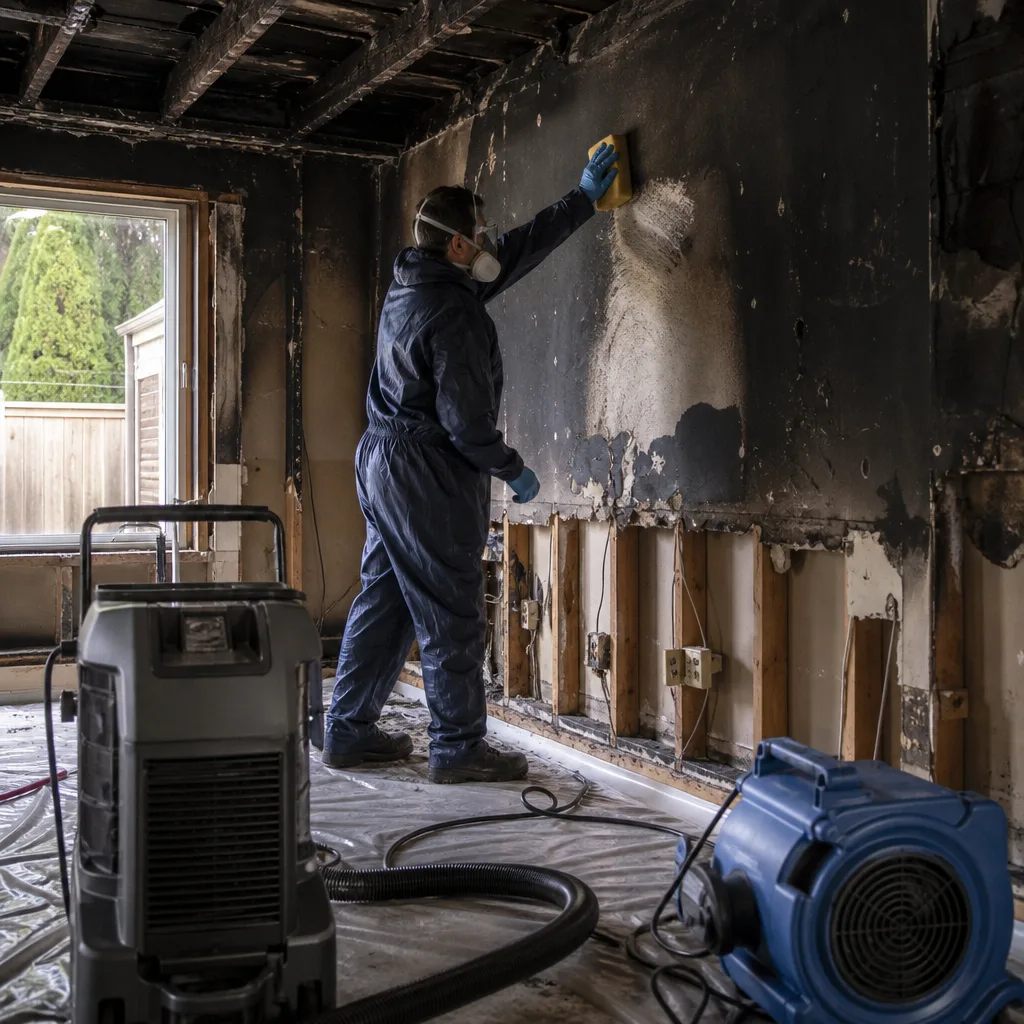
Sumner’s flood risk comes from a specific source: warm atmospheric river storms in October through February that deliver heavy lowland rain simultaneous with rapid Cascade snowmelt. The Puyallup River drains Mount Rainier’s south slope, and that rain-on-snow dynamic has repeatedly pushed water into Sumner’s valley-floor neighborhoods. Flood cleanup here means Category 2 or 3 water by the time it reaches your property, with sediment, possible sewage cross-contamination from overwhelmed systems, and the structural complications of lahar-zone and floodplain designations. We test water classification on-site, document it with photo and lab confirmation when needed, and build the remediation scope around what we found - not what we assumed. Typical flood cleanup in Sumner: $3,500-$8,500.
Burst Pipe Restoration
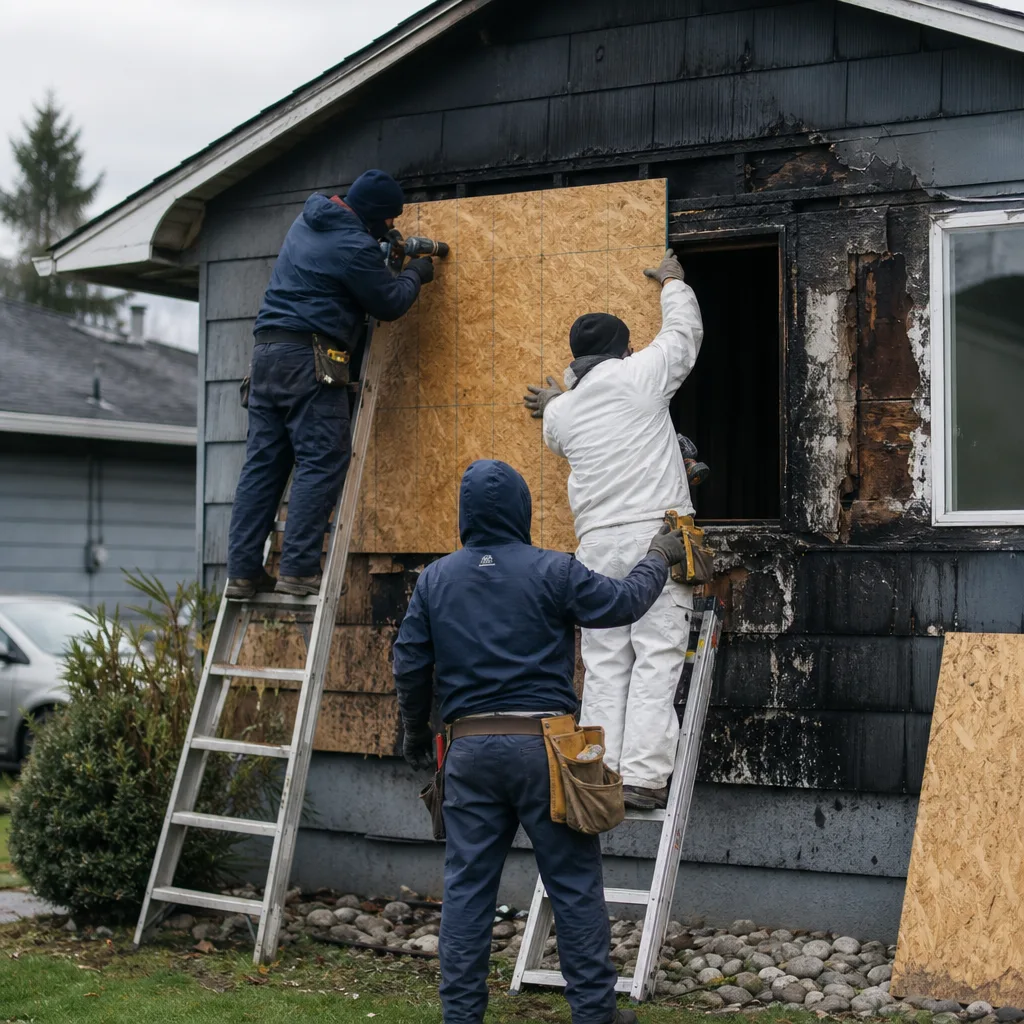
Sumner’s older housing stock - the Craftsman and vernacular wood-frame homes built from the early 1900s through the 1950s - often has galvanized or original copper supply lines at end-of-life. Winter cold snaps hit these uninsulated crawl spaces hard, and we’ve responded to burst pipe calls on Wood Avenue, on Main Street’s residential blocks, and in the hillside developments where newer PEX installations still fail at manifold connections. Burst pipe restoration in Sumner averages $2,200-$5,000, including extraction, drying, and the written scope for any necessary reconstruction. We document the line failure point with photos for your adjuster and tag the damaged materials by classification for proper disposal.
Basement Water Removal
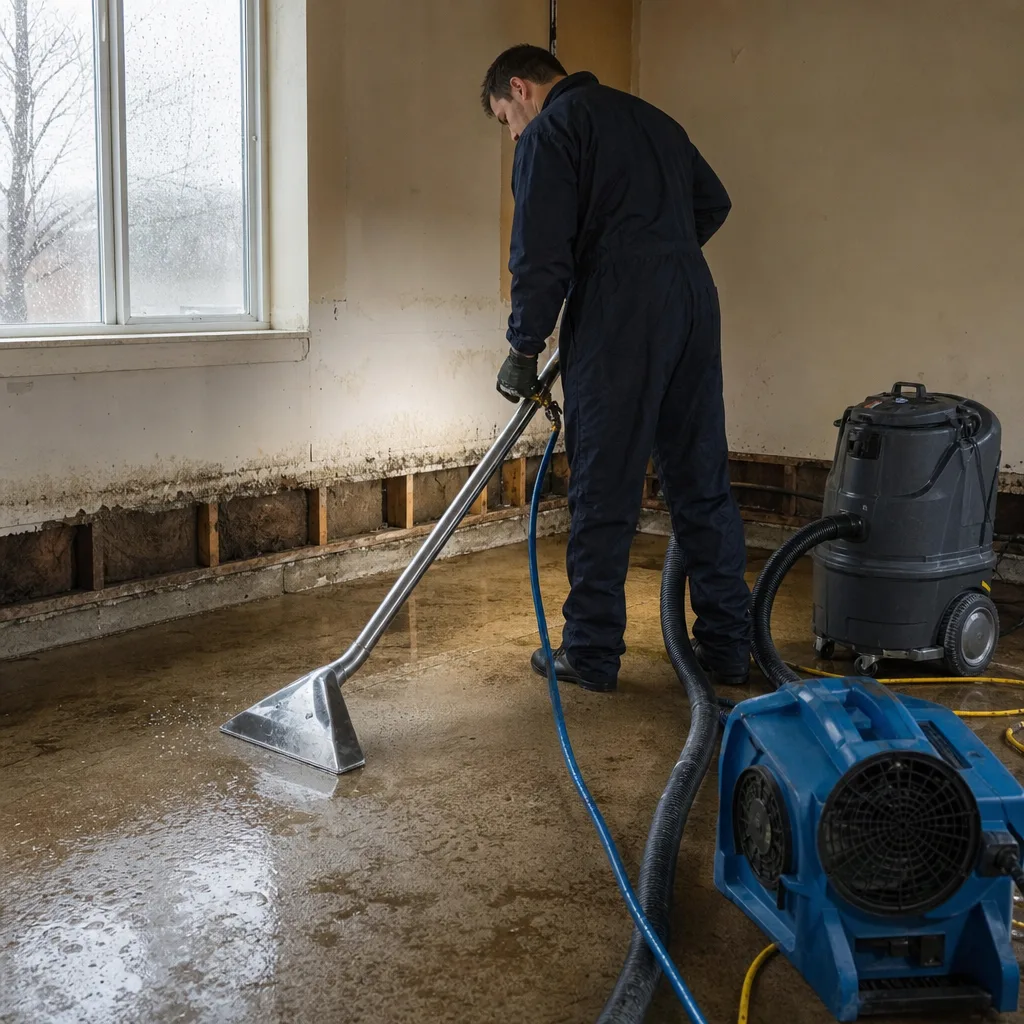
Shallow basements and crawl spaces are the norm in Sumner’s downtown core, and they sit chronically close to the high water table. Groundwater intrusion after rain-on-snow events, hydrostatic pressure through foundation cracks, or failed sump pumps in finished basement conversions - we’ve handled all of them. Basement water removal in Sumner requires particular attention to subfloor rot in original wood framing and the wicking pattern that carries moisture up wall cavities. We use Injectidry panel systems to dry wall interiors without removing original beadboard or plaster when possible, preserving the character details that make these homes valuable. Typical range: $2,000-$4,800.
Ceiling & Roof Leak Water Damage
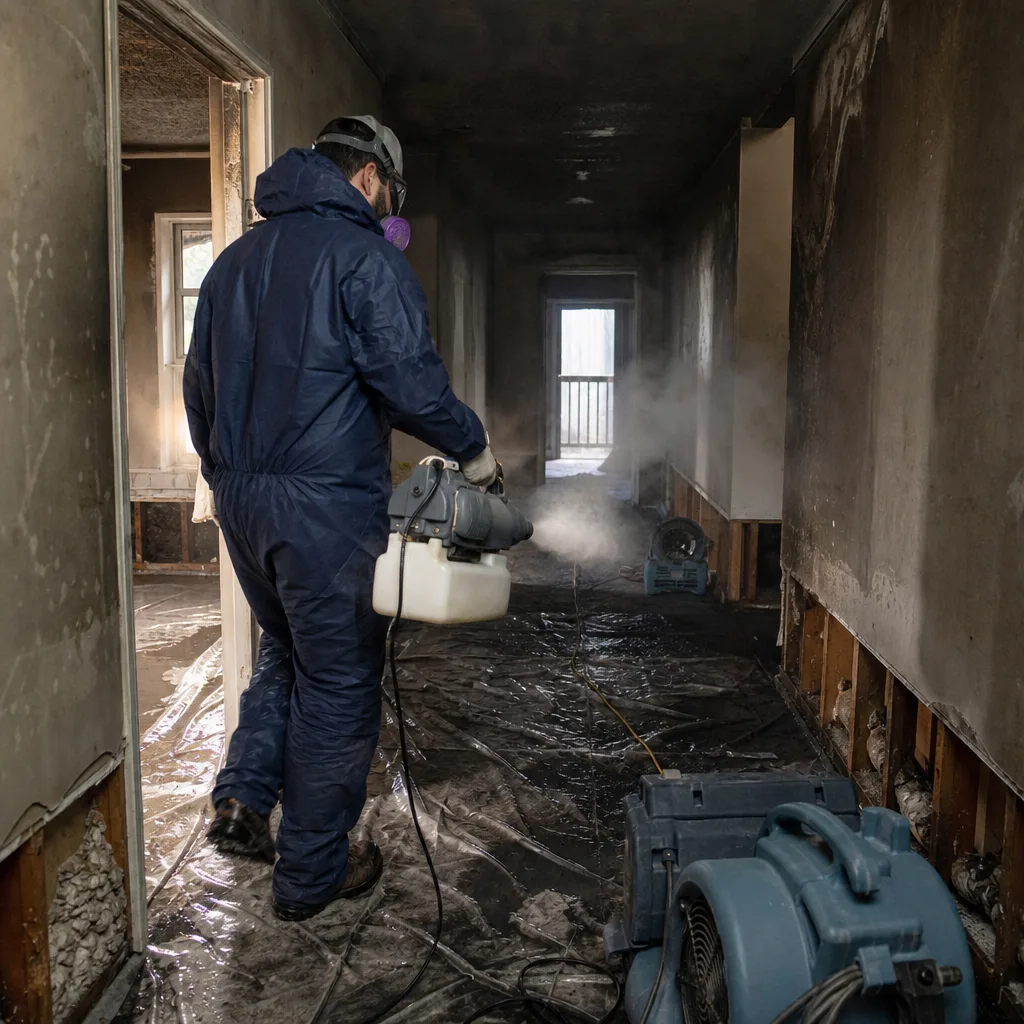
Sumner’s hillside developments catch more wind-driven rain than the valley floor, and we’ve seen roof leaks cascade through multi-story townhomes with limited attic access. Our crews trace the water path with thermal imaging, document the affected insulation and drywall layers, and build a drying plan that accounts for the structural assembly. Ceiling and roof leak damage in Sumner typically runs $1,500-$3,800 for mitigation, with reconstruction scoped separately under Haven Standard protocols.
What happens when you call
- 1
A real person answersNo phone trees - you reach a local pro.
- 2
You get an upfront price rangeHonest numbers before anyone is dispatched.
- 3
A background-checked tech heads outLicensed & insured, dispatched right away.
- 4
You approve before work beginsNothing starts until you say go.
 Before
 After
AfterTrusted Brands We Service in Sumner
Our equipment fleet runs on Dri-Eaz, Phoenix, and XPOWER systems - the same brands specified in IICRC S500 water damage restoration standards. We don’t rent equipment by the job; we own it, maintain it, and deploy it with technicians who know the specific CFM and pint-per-day ratings their Sumner jobs demand. The valley’s trapped humidity means a Phoenix 200 MAX that maintains 125 pints per day at AHAM conditions is working at capacity here, not cruising. We stock Injectidry hose sets and panel attachments locally for Sumner’s older homes with lath-and-plaster or original beadboard walls, so we don’t lose drying days waiting on freight. Every piece of equipment is logged to the job, with run-time documentation that supports your insurance claim.
Common Water Damage Restoration Problems We See in Sumner Homes
- Groundwater intrusion in Craftsman crawl spaces. The early-1900s homes near Main Street and Wood Avenue have shallow foundations that sit within inches of the seasonal high water table. After rain-on-snow events, we regularly find standing water under original subfloor framing that has been wetting and drying cyclically for decades, hiding rot until a major flood exposes it.
- Contractors who skip the floodplain/lahar zone check. This is the single most expensive mistake we see in Sumner. A restoration crew starts demolition, then discovers the property sits in both the Puyallup River floodplain and the lahar inundation zone, triggering insurer disclosure requirements and Pierce County permitting conditions that stall the rebuild for weeks while mold colonizes the wet structure.
- Insufficient dehumidification for valley-floor drying. Standard air mover and dehumidifier counts calibrated for upland Pierce County fail in Sumner’s bowl geography. The ambient humidity never drops enough to create the vapor pressure differential that pulls moisture from wood framing, and a three-day job stretches to a week with rising mold risk.
- Alley-load access failures on downtown residential blocks. Sumner’s tight downtown streets weren’t built for restoration trucks. Crews without local knowledge stage equipment blocks away, kink hoses around parked cars, and lose the first critical hours of mitigation to logistics that should have been solved before dispatch.
Pricing for Water Damage Restoration in Sumner, WA
Here’s what water damage restoration costs in Sumner’s market, based on jobs we’ve completed across the valley floor and hillside margins:
| Service | Typical Range in Sumner |
|---|---|
| Emergency Water Extraction (first 4 hrs) | $1,200 - $2,400 |
| Structural Drying & Dehumidification | $1,800 - $4,200 |
| Flood Cleanup (Category 2-3) | $3,500 - $8,500 |
| Burst Pipe Restoration | $2,200 - $5,000 |
| Basement Water Removal | $2,000 - $4,800 |
| Ceiling & Roof Leak Damage | $1,500 - $3,800 |
What moves you within these ranges? Affected square footage, water classification (Category 1 clean water vs. Category 3 sewage-contaminated), whether the property sits in the floodplain or lahar zone requiring additional documentation, and the dehumidification intensity Sumner’s geography demands. Every job gets a written price before work begins - Haven Standard, Clause 1 - and we offer a Free Second Opinion on any competitor’s written estimate. Call (253) 447-5249 for your exact quote; estimates are free.
We Also Serve Cities Near Sumner
Our crews respond throughout the Puyallup River corridor, including Water Damage Restoration in Sumner and neighboring Orting, Bonney Lake, Puyallup, and Milton. Each city presents different geography, different housing stock, and different restoration requirements - we adjust our protocols accordingly, never copy-paste the same approach. For full service details, see our Water Damage Restoration hub page.
Serving Sumner, WA - Our Local Coverage Area
We’re based in the Sumner area and know this community well. Use the map below to see our service coverage - if you’re nearby, we can almost certainly help.
FAQs - Water Damage Restoration in Sumner
It triggers additional disclosure requirements that most upland Pierce County properties never face. If your home sits in the USGS-mapped lahar zone - which covers nearly all of Sumner’s downtown core and valley floor - your insurer may require specific documentation of pre-loss condition, additional engineering review for structural repairs, and explicit acknowledgment of volcanic hazard disclosure before approving rebuild coverage. We pull your parcel’s lahar and floodplain designation before starting work, document it in your file, and coordinate with your adjuster to prevent mid-claim surprises that stall payment for weeks. Call (253) 447-5249 and we’ll check your property’s status at no charge.
Sumner’s valley-floor bowl geography traps humidity and limits natural airflow, while the high water table maintains hydrostatic pressure against foundations even after surface water is extracted. Bonney Lake sits at higher elevation with better drainage and more air movement; standard drying protocols work there. In Sumner, we deploy more dehumidifier capacity per square foot and run longer drying cycles with daily moisture logs to prove the structure reached pre-loss equilibrium moisture content. A job that dries in three days in Bonney Lake routinely needs five to seven in Sumner’s downtown residential blocks. We build that reality into your written scope from day one.
Often yes, depending on water classification and how quickly we start. We were called out to an early-1900s Craftsman on Wood Avenue in downtown Sumner after a January rain-on-snow event pushed groundwater into its shallow basement, and our first step was moisture mapping that showed saturated subfloor framing and wicking up the wall cavities - Category 2 water with a clear path to Category 3 if left overnight. Because the property sits in both the floodplain and the lahar zone, we pulled the parcel’s designation before setting up containment, then ran a Dri-Eaz dehumidifier and Phoenix air movers continuously for five days with daily drying logs to fight the valley’s trapped humidity; the crawlspace framing came back to pre-loss condition and we used an Injectidry system to dry the wall cavities without removing the original beadboard. Not every job permits this approach, but we always document what we found and build the least-destructive scope that achieves dry standard.
We pre-plan access before dispatch, not after arrival. Sumner’s alley-load streets and limited parking around Main Street’s residential blocks require smaller equipment footprints, longer hose runs from staged trucks, and crews who know which blocks have timed restrictions or narrow clearances. We’ve lost zero mitigation hours to access logistics because we survey the property location, identify staging points, and confirm parking with the homeowner before the truck rolls. If your property has unusual access constraints, tell us when you call (253) 447-5249 and we’ll build the logistics into the response plan.
Category 1 is clean water from a broken supply line or rainwater - safe to handle with standard PPE, and the drying timeline is shortest. Category 2 is gray water with chemical or biological contamination, like sump pump failures or dishwasher discharge; it requires antimicrobial treatment and more aggressive drying because organic load accelerates mold growth. Category 3 is black water - sewage, ground surface water, or any water that has passed through the ground or building envelope - and in Sumner’s floodplain properties, this is common after Puyallup River flooding because river water picks up agricultural runoff, septic cross-contamination, and sediment. Category 3 requires full PPE, regulated disposal, and often removal of porous materials that cannot be sanitized. We test and document water classification on every Sumner job; your written scope specifies which category we found and why.
Call (253) 447-5249 now for a free estimate. A live person answers, 24 hours a day, and you’ll have a written price in your hands before any work begins - Haven Standard, Clause 1. We document every step, guarantee the result for 365 days, and coordinate directly with your insurance adjuster so your claim gets paid without a fight.
Written by Alicia Brennan, Owner at Back to Dry Restoration, serving Sumner since 2011.