
Last updated September 23, 2026
Free visual inspection and a written scope of work before any mitigation begins - photos, moisture readings, and drying logs go in your claim file
The scope we write is the scope we bill. Anything new gets shown to you, in writing, before we touch it.
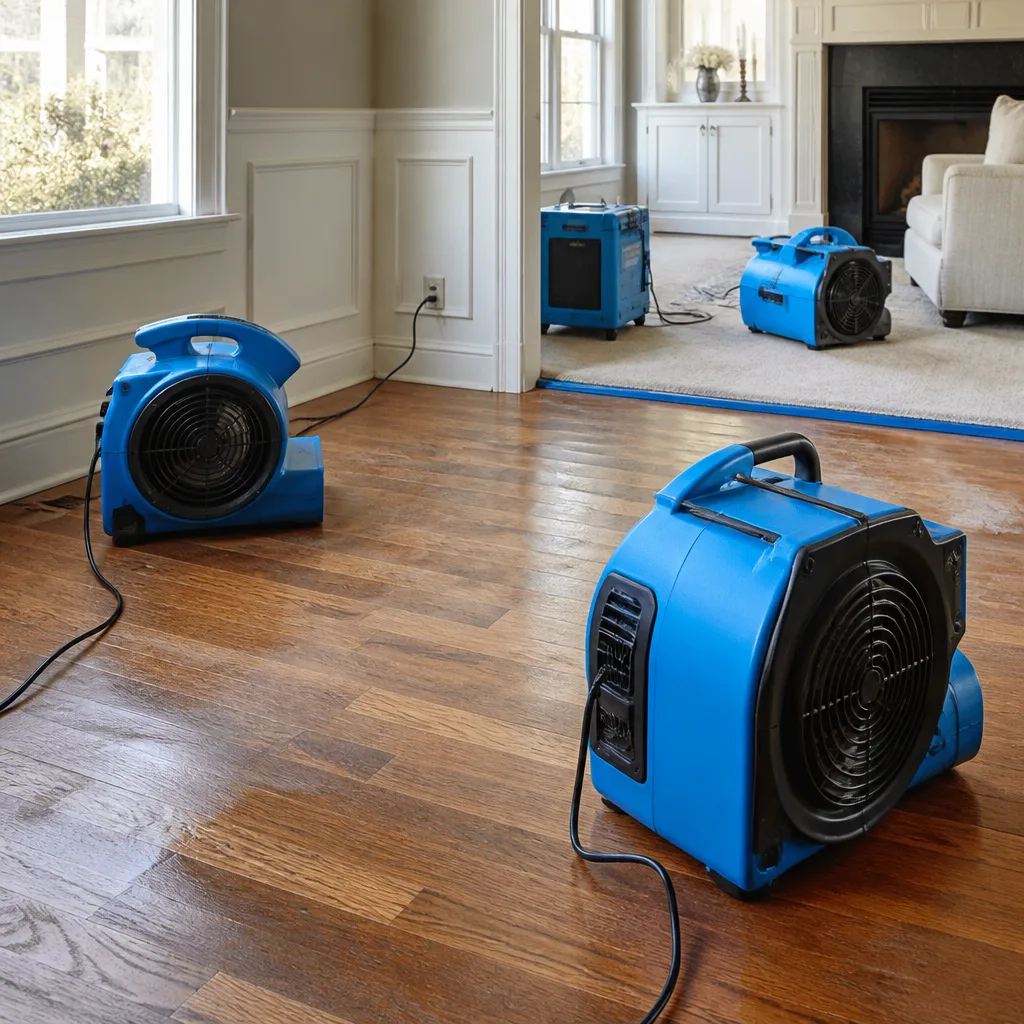



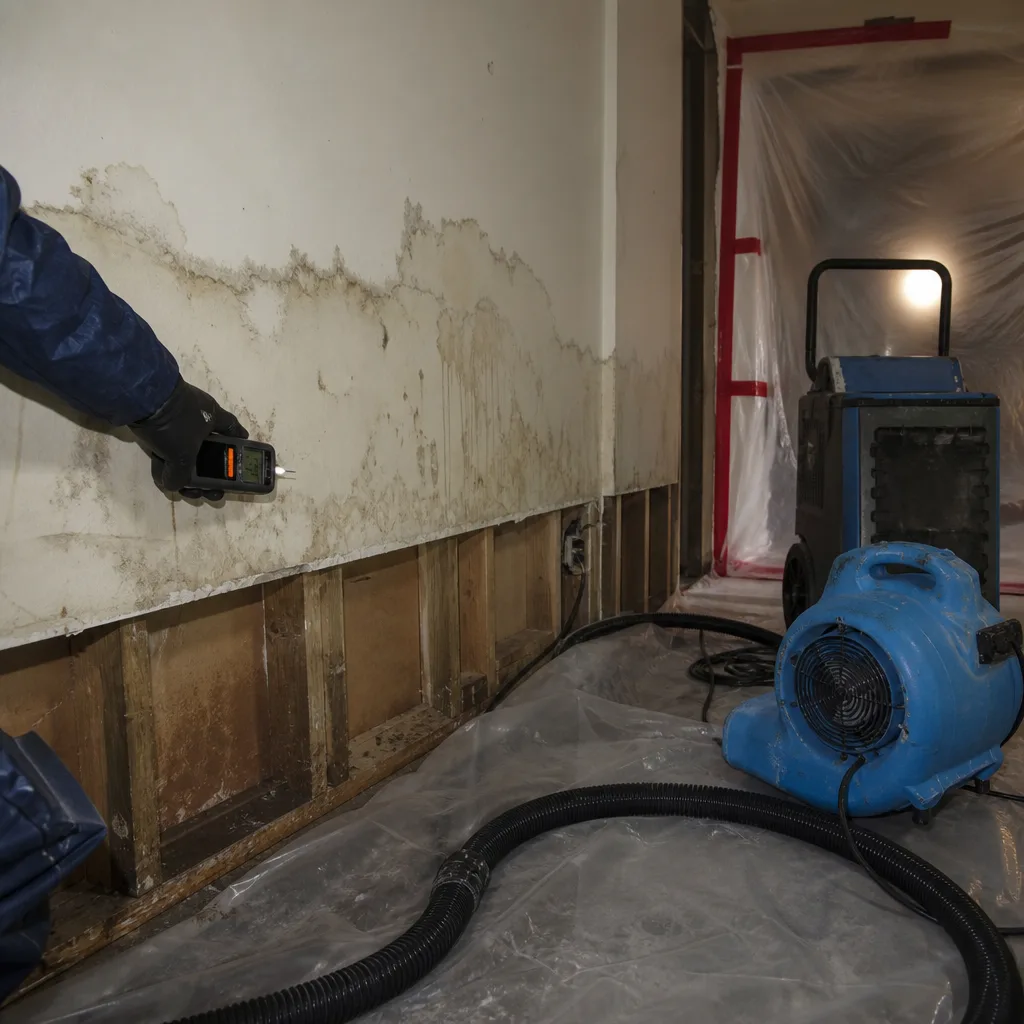 Before
 After
After Before
 After
After Before
 After
AfterWater Damage Restoration Maintenance Checklist for Puyallup Homeowners
A crawl space vapor barrier that has shifted two inches off a pier block allows enough ground moisture to raise wood moisture content from 14% to 22% within one wet season. That reading crosses the threshold for mold colonization without a single pipe ever leaking. In Puyallup, where clay soils hold water against foundations and winter rainfall averages 40 inches, the difference between a maintained home and one needing our Water Damage Restoration services is measurable in percentage points, not gut feelings. This checklist gives you those numbers: pass-fail thresholds, tool recommendations, and season-specific tasks tied to Puyallup’s actual climate and housing stock. You’ll learn what to measure, how often, and what reading means you pick up the phone today.
Quick Answer
Puyallup homeowners should inspect crawl spaces, roofs, plumbing, drainage, and HVAC systems quarterly using a $30 pin-type moisture meter and $15 hygrometer. Key thresholds: crawl space wood moisture content below 16%, gutter downspout discharge at least 6 feet from foundation, sump pit cycling fewer than 8 times per hour, and indoor relative humidity between 30% and 50%. Document each reading with the date - this record supports insurance claims if damage occurs.
Table of Contents
- Why Generic Checklists Fail in Puyallup
- The Two Tools That Replace Guesswork
- Quarterly Inspection Checklist with Pass-Fail Thresholds
- Season-Specific Tasks for Puyallup’s Climate
- Five Puyallup-Specific Risk Points
- How Your Checklist Becomes Insurance Evidence
- When to Call a Professional: Action Thresholds
- Common Mistakes to Avoid
- Frequently Asked Questions
 Before
 After
AfterWhy Generic Checklists Fail in Puyallup
Most water damage prevention lists tell you to “check the crawl space” or “inspect gutters,” but for more guides & resources tailored to local conditions, homeowners need specifics. They don’t tell you what you’re looking for, what tool confirms it, or what number triggers action. A homeowner in Phoenix needs different thresholds than one in Puyallup. Our clay soils expand when saturated, exerting hydrostatic pressure against foundation walls that sandy soils never generate. Our rainfall concentrates between October and April, meaning a small roof leak can drip undetected for six months before the ceiling stains. And our housing stock includes thousands of pre-1980 homes with galvanized steel supply lines that corrode from the inside, failing suddenly at the threaded joints.
Generic checklists also miss the documentation value. When a pipe bursts and the adjuster asks whether the home was reasonably maintained, “I checked it sometimes” carries no weight. “Quarterly readings from March 2024 show crawl space MC held at 14-15%” does. At DryMark Restoration Puyallup home, we’ve reviewed thousands of claims. The ones that pay without dispute almost always include a maintenance record with dates, readings, and corrective actions taken.
The checklist below, which complements The Complete Guide to Damage Restoration in Puyallup, is built for Puyallup’s specific conditions: our rainfall patterns, our soil types, our common building eras, and our insurance market’s documentation expectations. Every item includes a measurable threshold. Pass it, and you move on. Fail it, and you have a defined timeline to correct or call for help.
The Two Tools That Replace Guesswork
You don’t need a restoration contractor’s equipment budget to monitor your home effectively. Two tools cover most early warning detection.
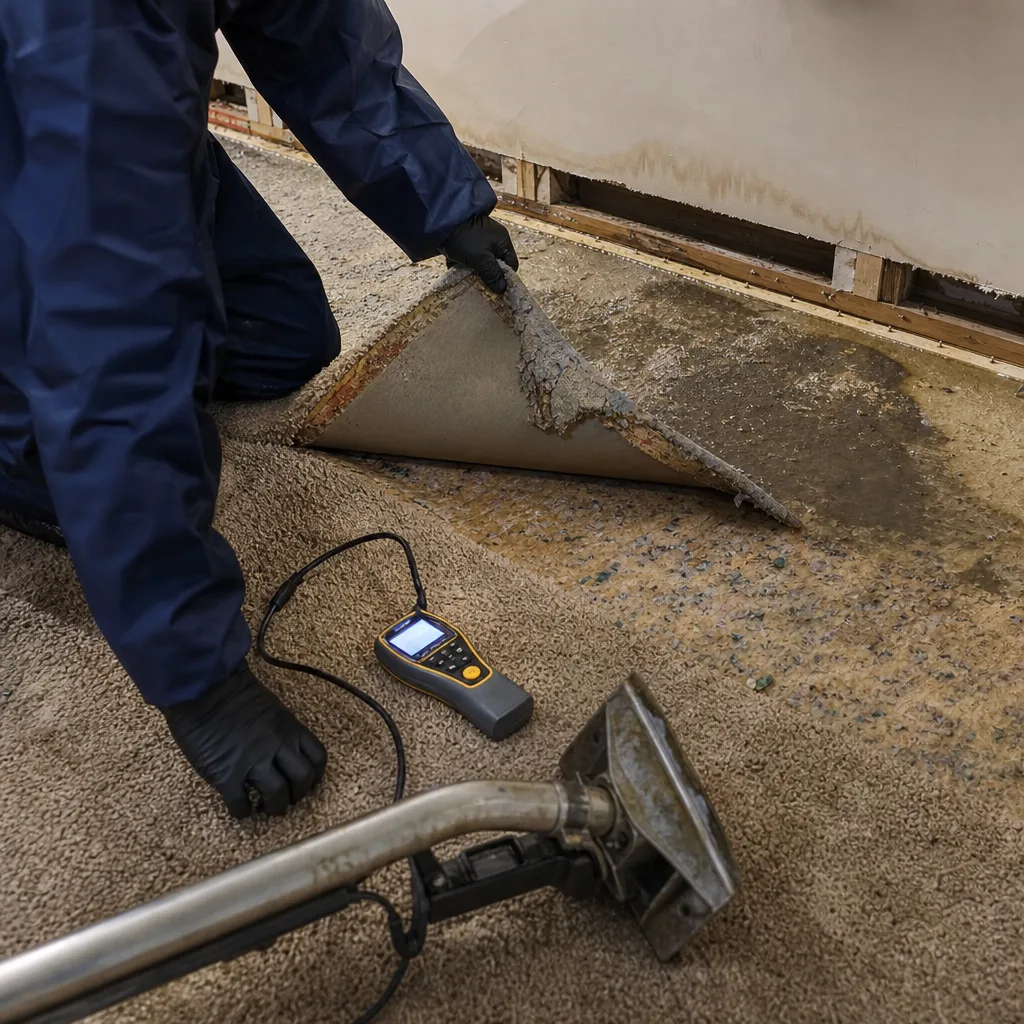
Pin-type moisture meter ($25-$35): This device has two metal probes you press into wood or drywall to get a moisture content (MC) percentage reading. Look for a model with species correction - wood type affects readings, and Puyallup homes use Douglas fir framing, cedar siding, and oak or maple trim in varying combinations. A pin meter with a range of 5% to 50% MC handles all residential applications. We use professional-grade meters calibrated to IICRC standards on every job, but a homeowner-grade pin meter from a hardware store catches the same trend lines. The key is consistent use: same spots, same depth, same season.
Hygrometer ($12-$20): This measures relative humidity (RH) as a percentage. Place one in the crawl space, one in the living area, and one in the attic if accessible. Digital models with min/max memory are worth the small premium - they show you whether humidity spiked while you were away. In Puyallup, where marine air pushes inland through the Puyallup River valley, indoor RH above 60% for sustained periods creates condensation risks on cool surfaces.
Optional but useful: a simple rain gauge ($8) to verify your gutters and downspouts are actually capturing and moving roof runoff. If you’re collecting 0.3 inches in the gauge but seeing ponding near the foundation, your gutter system is bypassing water to the ground.
Quarterly Inspection Checklist with Pass-Fail Thresholds
Perform these checks in March, June, September, and December. Record every reading in a dedicated notebook or spreadsheet with the date. The March and September checks are most critical - they follow Puyallup’s wet season and catch problems before they worsen.
Crawl Space or Basement
- Wood moisture content on floor joists and subfloor: Test at three points - the center, and two opposite corners. Pass: all readings below 16% MC. Fail: any reading at or above 16%. Action: identify moisture source and re-test in 7 days; if still elevated, professional assessment needed.
- Ground vapor barrier condition: Visually inspect for displacement, tears, or ponding on top. Pass: barrier covers 100% of ground, overlaps seams by 12 inches, and is secured to pier blocks or walls. Fail: any exposed soil, shifted sections, or standing water on barrier. Action: re-secure or replace within 30 days.
- Relative humidity: Pass: 30% to 50% RH. Fail: above 55% RH sustained, or below 25%. Action: above 55% indicates active moisture source or inadequate ventilation; below 25% suggests over-drying from heating season.
- Sump pump operation: Pour 5 gallons into pit. Pass: pump activates within 30 seconds, clears water in under 60 seconds, and check valve prevents backflow. Fail: delayed activation, incomplete cycling, or backflow. Action: service or replace within 48 hours.
- Foundation wall inspection: Pass: no new cracks, no efflorescence (white mineral deposits), no damp spots. Fail: any of the above. Action: photograph and monitor monthly; efflorescence indicates water passage through concrete.
Roof and Exterior
- Gutter condition and downspout discharge: Pass: gutters clear, secured to fascia, and downspouts discharge at least 6 feet from foundation on sloped ground. Fail: clogs, sagging, or discharge pooling near foundation. Action: clean immediately; extend downspouts if needed.
- Roof surface (ground-level binocular inspection acceptable): Pass: no missing, curled, or cracked shingles; no moss buildup on north-facing slopes; cedar shakes show no rot at butt ends. Fail: any visible damage or moss coverage exceeding 25% of a slope. Action: schedule repair within 30 days; moss kills cedar shakes and lifts asphalt shingles.
- Flashing and penetrations: Pass: chimney, vent, and skylight flashings intact, sealed, and showing no rust. Fail: lifted, rusted, or missing flashing. Action: repair before next rainfall event.
Plumbing System
- Visible supply lines: Pass: no corrosion, no green oxidation on copper, no rust streaks on galvanized. Fail: any of the above, or bulging at joints. Action: galvanized lines in pre-1980 Puyallup homes should be replaced proactively; call for assessment.
- Water heater and connections: Pass: no rust on tank base, T&P valve discharges properly, pan drains to exterior. Fail: any moisture, rust, or improper drainage. Action: service within 14 days.
- Fixture supply stops: Pass: quarter-turn valves operate smoothly, no corrosion. Fail: seized valves or visible corrosion. Action: replace stops before they fail; a seized valve cannot be shut off in an emergency.
HVAC and Interior
- Condensate drain line: Pass: flows freely, no backup in pan, no algae growth. Fail: standing water in pan or slow drainage. Action: clear line with wet/dry vacuum or replace if cracked.
- Window condensation pattern: Pass: minimal condensation on coldest days, clears by mid-morning. Fail: persistent condensation on single-pane windows near exterior walls, or condensation running to sill. Action: add storm windows, improve air circulation, or consider window replacement; chronic condensation rots sash and casing.
- Bathroom exhaust fan flow: Pass: holds a tissue against grille when running. Fail: weak or no suction. Action: clean grille and duct; replace fan if airflow inadequate. Puyallup’s humidity makes bathroom ventilation critical.
Season-Specific Tasks for Puyallup’s Climate
Puyallup’s rainfall pattern creates distinct risk windows. Adapt your maintenance to the season, not the calendar month.
October-November: Pre-Wet Season Preparation
- Clean gutters after the last leaf drop - typically mid-November in the Puyallup Valley.
- Test sump pump before the first major storm system; November atmospheric rivers can drop 3-5 inches in 48 hours.
- Inspect crawl space vapor barrier for rodent damage - mice seek shelter as temperatures drop, and displaced barriers are common by December.
- Check weatherstripping on exterior doors; wind-driven rain exploits gaps that summer breezes never found.
December-February: Active Monitoring
- Check crawl space MC monthly, not quarterly - winter groundwater rise affects Puyallup’s clay soils unpredictably.
- Monitor indoor RH; heating season can drop it below 30%, but supplemental humidifiers must not push it above 50%.
- After each freeze-thaw cycle, inspect exterior hose bibs and crawl space pipes for splits.
- Clear snow from basement window wells - meltwater pools against frames and leaks through deteriorated seals.
March-April: Post-Wet Season Assessment
- Perform full quarterly checklist; this is the highest-yield inspection of the year.
- Photograph any new foundation cracks with a ruler for scale - spring soil expansion often reveals winter damage.
- Inspect cedar shake roofs for winter damage; freeze-thaw cycling loosens fasteners.
- Test French drains by observing drainage during the first heavy spring rain; winter sediment loads clog systems.
June-September: Dry Season Maintenance
- Repair and seal exterior wood - paint or stain before September rains return.
- Service air conditioning condensate systems before peak cooling demand.
- Inspect and clear roof drainage paths; summer growth blocks gutters that winter debris merely filled.
- Check attic ventilation; summer heat buildup drives moisture into conditioned spaces if airflow is inadequate.
Five Puyallup-Specific Risk Points
These conditions appear repeatedly in Water Damage Restoration in Puyallup jobs. They’re predictable, preventable, and often missed by generic checklists.
Crawl spaces over clay soils. Puyallup’s native soils are predominantly Alderwood-Kapowsin clay loams with high shrink-swell potential. When saturated, these soils hold moisture against foundation walls for weeks after rainfall stops. A crawl space that reads 12% MC in August can read 22% MC in March without any plumbing failure. The threshold to watch: 16% MC on floor joists. Cross it, and you’re in the mold colonization zone.
Aging cedar shake roofs. Thousands of Puyallup homes built between 1960 and 1990 retain original cedar shakes. Cedar resists rot, but not indefinitely. At 25-30 years, shakes thin, crack at the butt ends, and lift in wind. Moss accelerates decay by holding moisture against the wood surface. We’ve found active leaks in shakes that appeared sound from the ground. The threshold: if moss covers more than 25% of any roof slope, or if shakes show thinning at the exposed edge, schedule professional inspection.
Galvanized supply lines in pre-1980 homes. Galvanized steel corrodes internally, reducing flow and weakening joints. The failure mode is sudden - a threaded tee splits at 2 AM, releasing full pressure until someone shuts the main. In Puyallup’s older neighborhoods near downtown and along the river, these lines remain common. The threshold: any visible rust streak, green oxidation at joints, or reduced flow at multiple fixtures indicates systemic deterioration. Replacement is preventive, not reactive.
Clogged French drains. Puyallup’s volcanic soils and winter leaf fall combine to clog perimeter drains. A functioning French drain moves water away from the foundation; a clogged one creates a subsurface pond against the basement wall. The threshold: during heavy rain, observe whether water pools against the foundation or flows away. If your sump pump cycles more than 8 times per hour during a storm, the drain field may be saturated or blocked.
Condensation on single-pane windows near exterior walls. Puyallup’s older housing stock includes many homes with original single-pane windows. When warm, humid interior air contacts glass below the dew point, condensation forms and runs to the sill. Repeated wetting rots sash, casing, and adjacent drywall. The threshold: condensation that persists past 10 AM or runs to the sill requires intervention - storm windows, improved air circulation, or replacement.
How Your Checklist Becomes Insurance Evidence
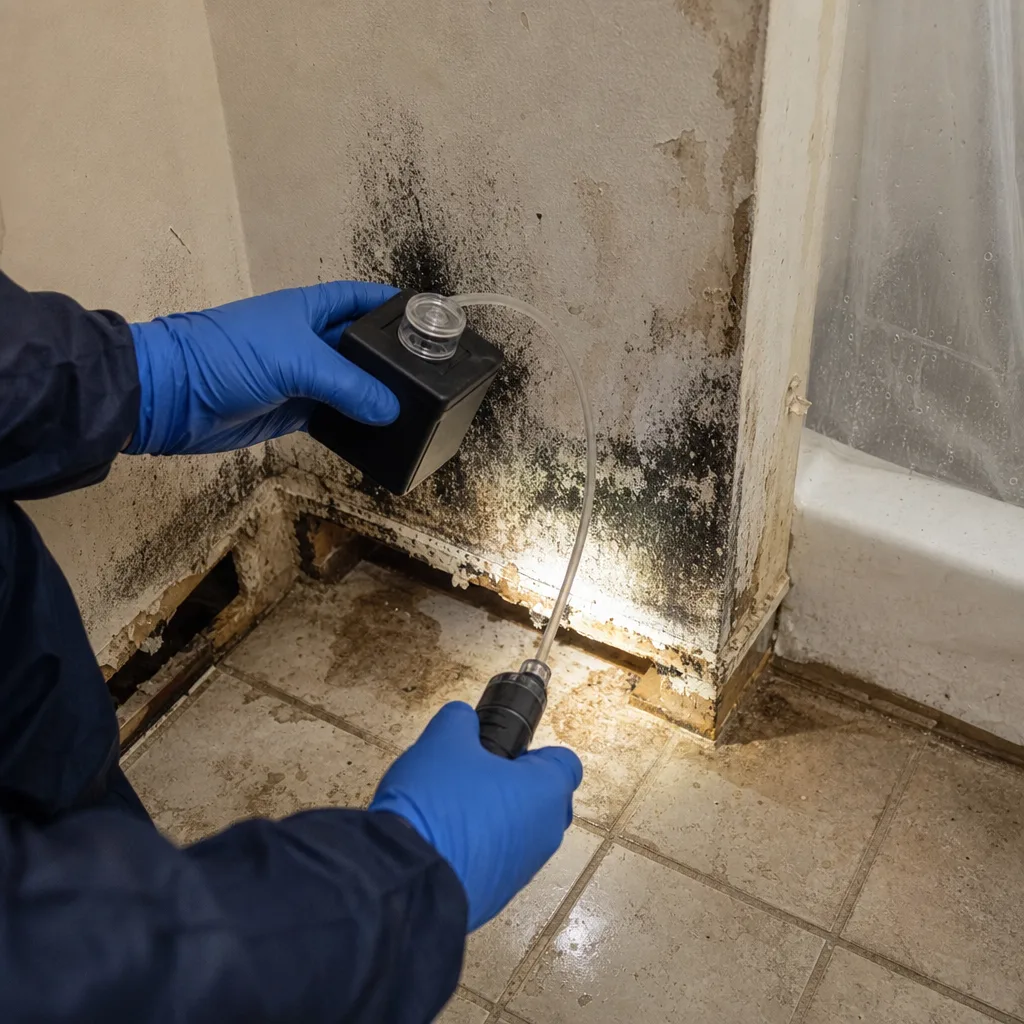
A completed maintenance checklist is more than prevention. It’s documentation that can determine whether your claim is paid, disputed, or denied.
Insurance policies universally require that homeowners maintain the property in “reasonable” condition. What “reasonable” means is interpreted after damage occurs, often by an adjuster who has never seen your home before. A dated record of quarterly inspections, with specific readings and corrective actions, establishes that standard concretely.
Here’s how to build a defensible record:
- Use a bound notebook or dated digital file that cannot be retroactively altered. Cloud-based spreadsheets with edit history work; handwritten logs with consecutive dates work better in some disputes.
- Record the exact location of each reading. “Crawl space center joist, 18 inches from north pier block” is specific. “Crawl space” is not.
- Photograph conditions alongside meter readings. A photo of the meter display with the tested surface visible proves the reading was taken, not invented.
- Document corrective actions with dates and receipts. If you replaced a sump pump, keep the receipt. If you extended downspouts, photograph the completed work.
- Store the record off-site or in cloud storage. A notebook in the basement is useless if the basement floods.
At DryMark Restoration Puyallup, we produce a photo-documented record on every visit as a standard deliverable, not an upsell. It’s how we document drying progress to IICRC standards and how we support insurance claims. Your maintenance record serves the same function for prevention - evidence that you met your duty of care.
If damage does occur despite maintenance, your record supports arguments against coverage denials based on “long-term” or “gradual” damage exclusions. A reading that jumped from 14% to 22% between September and March documents sudden change, not neglect.
When to Call a Professional: Action Thresholds
Some readings and conditions require professional assessment within defined timeframes. This table converts your measurements into action levels.
| Condition | Reading/Observation | Action Level | Timeline |
|---|---|---|---|
| Crawl space wood MC | 16-18% | Monitor weekly, identify source | Re-test in 7 days |
| Crawl space wood MC | 19% or above | Professional assessment | Within 72 hours |
| Indoor relative humidity | 55-60% sustained | Improve ventilation, dehumidify | Within 14 days |
| Indoor relative humidity | Above 60% sustained | Professional assessment for hidden moisture | Within 72 hours |
| Sump pump cycling | 8-12 times per hour | Check French drain, reduce sources | Within 7 days |
| Sump pump cycling | Above 12 times per hour | Professional assessment for drainage failure | Within 48 hours |
| Foundation crack | New, horizontal, or wider than 1/8 inch | Structural and waterproofing assessment | Within 14 days |
| Galvanized pipe condition | Any visible corrosion or flow reduction | Plumbing replacement assessment | Within 30 days |
| Roof leak evidence | Any active dripping or ceiling stain | Temporary containment, professional repair | Same day for containment |
These timelines assume no active flooding. If water is actively entering the structure, the timeline is immediate - stop the source if safely possible, then call for emergency mitigation. DryMark Restoration Puyallup home provides 24-hour live phone coverage with no voicemail on emergency lines.
For conditions below emergency threshold but above self-management, DryMark Restoration Puyallup offers free estimates in Puyallup - call (253) 447-5249. Every estimate includes a written scope and price before any work begins, under Haven Standard, Clause 1.
Common Mistakes to Avoid
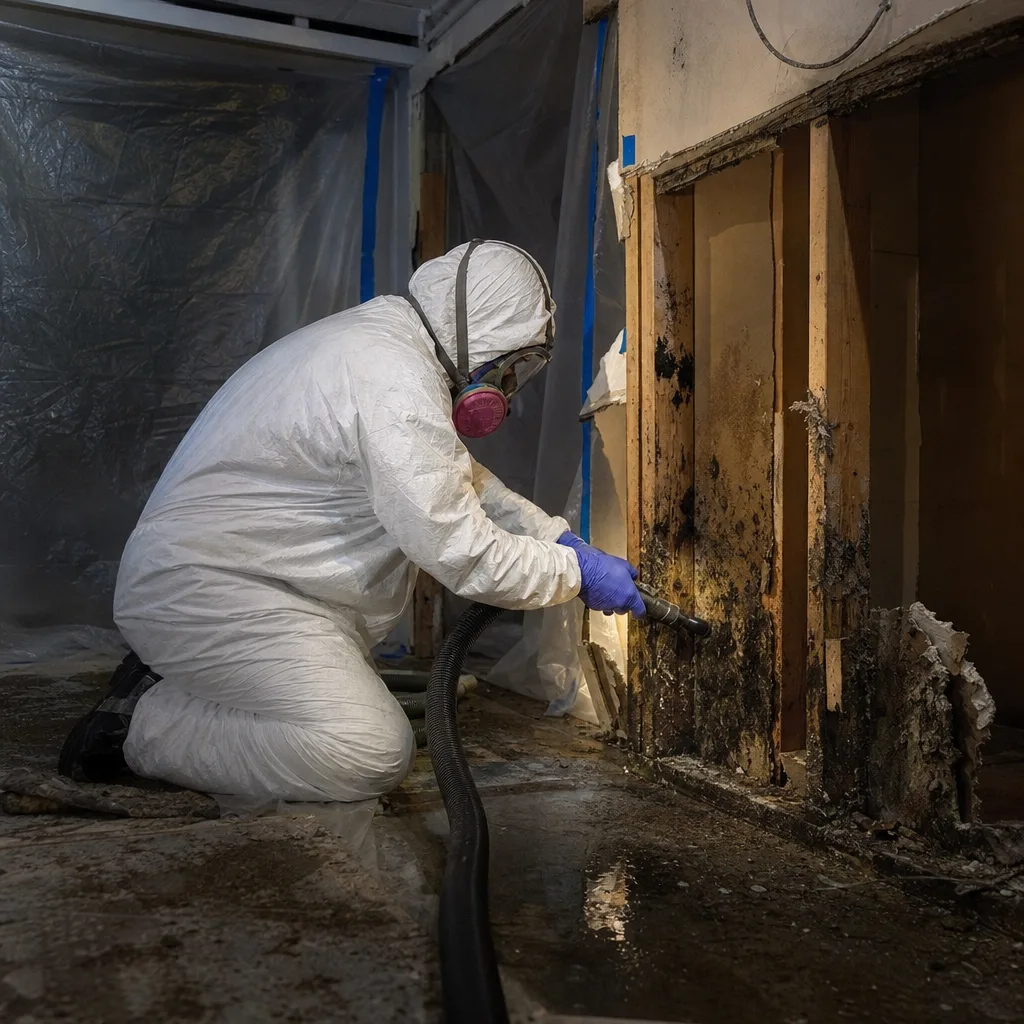
- Testing only in summer. Puyallup’s wet season runs October through April. A crawl space that reads 12% MC in August may read 20% in March. Summer-only inspection misses the annual peak.
- Using a non-contact moisture meter on uneven surfaces. Pinless meters scan a broad area and average readings. On irregular framing or textured subfloor, they miss localized wet spots. Pin meters test exactly where you place them.
- Ignoring the vapor barrier after installation. Barriers shift, tear, and degrade. “I put one in five years ago” means nothing if rodents have tunneled under it or pier blocks have exposed soil.
- Assuming new construction is exempt. Puyallup’s rapid growth includes homes built during wet winters with green lumber that never fully dried before enclosure. We’ve found 18% MC in crawl spaces of homes less than two years old.
- Documenting readings without locations. “March 15: 14%” is useless in six months. “March 15: center joist, north side, 14%” builds a trend you can interpret.
- Waiting for visible mold before acting. Mold colonizes at 16% MC on wood; visible growth typically appears at 20% or above. By the time you see it, the problem is established and the remediation scope is larger.
- Neglecting attic humidity. Puyallup’s marine air pushes into attics with inadequate ventilation. Summer heat buildup plus humid air equals condensation on cool ductwork and sheathing. Check attic RH quarterly, not just in wet season.
Frequently Asked Questions
For a detailed Damage Restoration Cost Breakdown: The Puyallup Homeowner’s Reference for 2026, most certified restoration companies in Puyallup charge $150-$350 for a full moisture mapping assessment, which includes thermal imaging, pin and pinless meter readings, and a written report. At DryMark Restoration Puyallup, estimates are free and include documented photo records. Call (253) 447-5249 to schedule - we’ll review your self-monitoring records and provide a written scope and price before any work begins, per Haven Standard, Clause 1.
Insurance coverage depends on the policy language and the damage cause, not maintenance alone. However, lack of documentation makes it harder to dispute denials based on “gradual” or “maintenance-related” exclusions. A dated maintenance record with specific readings demonstrates reasonable care and can support coverage for sudden events. For disputes, we offer a Free Second Opinion on any competitor’s written estimate to help you understand your options.
Emergency response times in Puyallup typically range from 45 minutes to 2 hours for local companies during business hours, and 1-3 hours overnight. DryMark Restoration Puyallup maintains 24-hour live phone coverage with no voicemail on emergency lines. For non-emergency assessments, we typically schedule within 24-48 hours.
It depends on the moisture source, duration, and whether mold is present. Wood MC below 16% with no visible mold typically requires source correction and drying only. MC above 19% for more than 48 hours, or any visible mold growth, triggers IICRC remediation protocols including containment, air filtration, and removal of affected materials. A professional assessment with moisture mapping determines the correct scope.
A pin meter has two probes that penetrate the material to measure electrical resistance between them, giving a precise reading at the exact depth and location. A pinless meter uses electromagnetic signals to scan a broad area without surface damage, but averages readings and can be fooled by density variations. For home moisture monitoring, a pin meter is more accurate on the irregular framing and subfloors typical in Puyallup crawl spaces.
At DryMark Restoration Puyallup, we document every job to IICRC standards with daily drying logs, room-by-room moisture readings, and photo records on every visit. This documentation package is designed for direct adjuster review, and we coordinate with adjusters as part of our standard service. Our founder built the company around the documentation gap that costs homeowners their claims; our process produces the evidence adjusters need to approve payment without dispute.
The Bottom Line
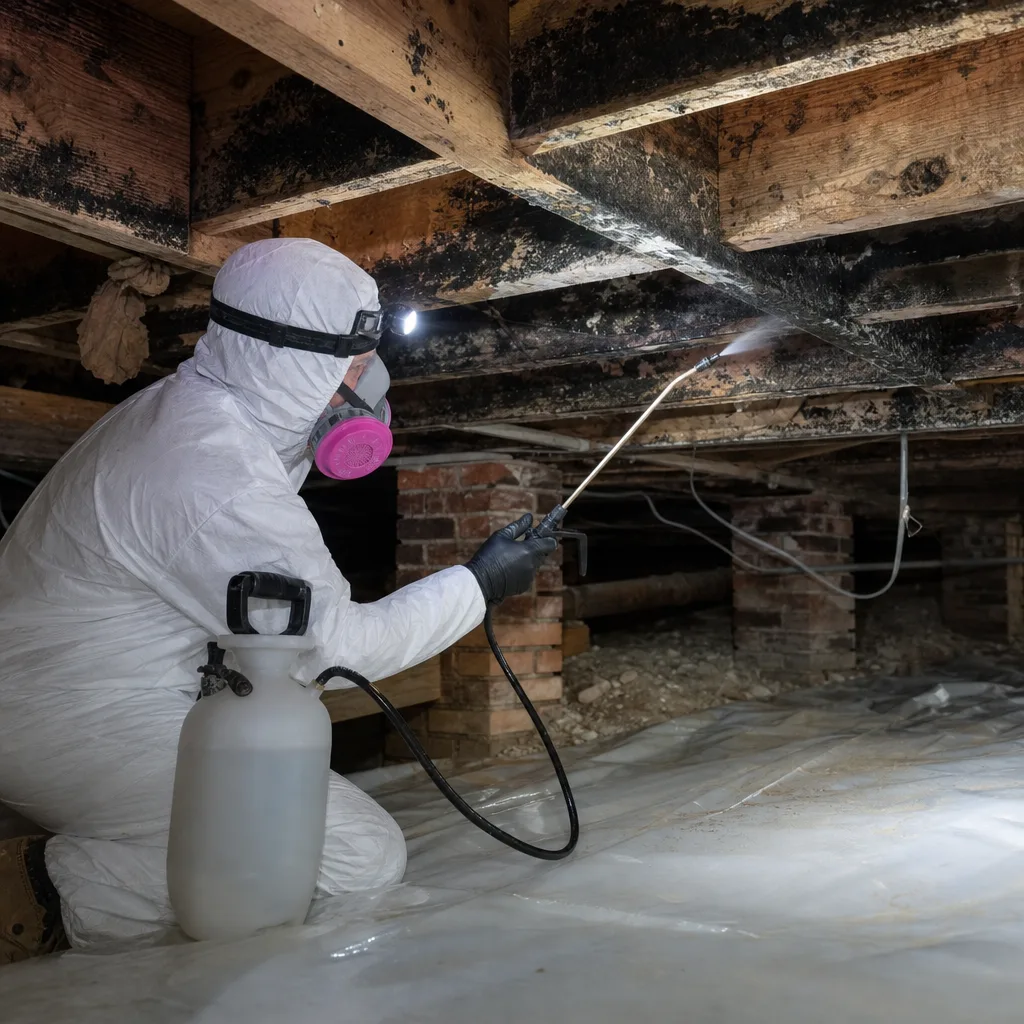
Water damage prevention in Puyallup is measurable work, not hopeful observation. A $30 pin meter and $15 hygrometer, used quarterly with the thresholds in this checklist, catch problems while they’re still corrections rather than claims. Document every reading with date and location - that record is your insurance policy’s best friend if damage ever occurs. Know the five local risk points: clay soils, cedar shakes, galvanized pipes, French drains, and single-pane condensation. And know when a reading converts to a phone call - 19% MC on wood, 60% RH sustained, or a sump pump cycling past its limit.
Prevention is cheaper than restoration. But when prevention isn’t enough, the same documentation discipline that protects your home also protects your claim.
DryMark Restoration Puyallup provides free estimates, written prices before any work begins, and 24-hour live phone coverage. For moisture assessment, emergency response, or a Free Second Opinion on any competitor’s written estimate, call (253) 447-5249.
Written by Alicia Brennan, Owner at DryMark Restoration Puyallup, serving Puyallup since 2011.