
Last updated September 23, 2026
Free visual inspection and a written scope of work before any mitigation begins - photos, moisture readings, and drying logs go in your claim file
The scope we write is the scope we bill. Anything new gets shown to you, in writing, before we touch it.
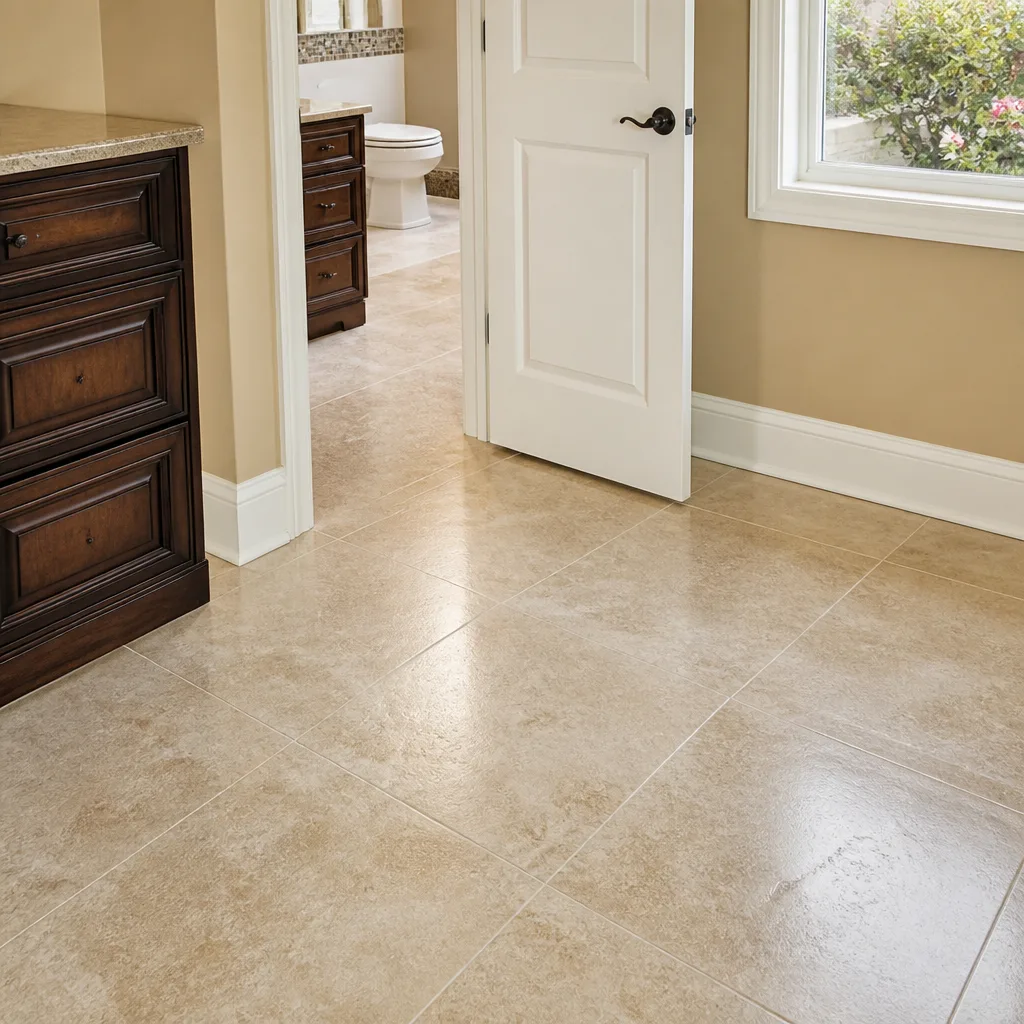
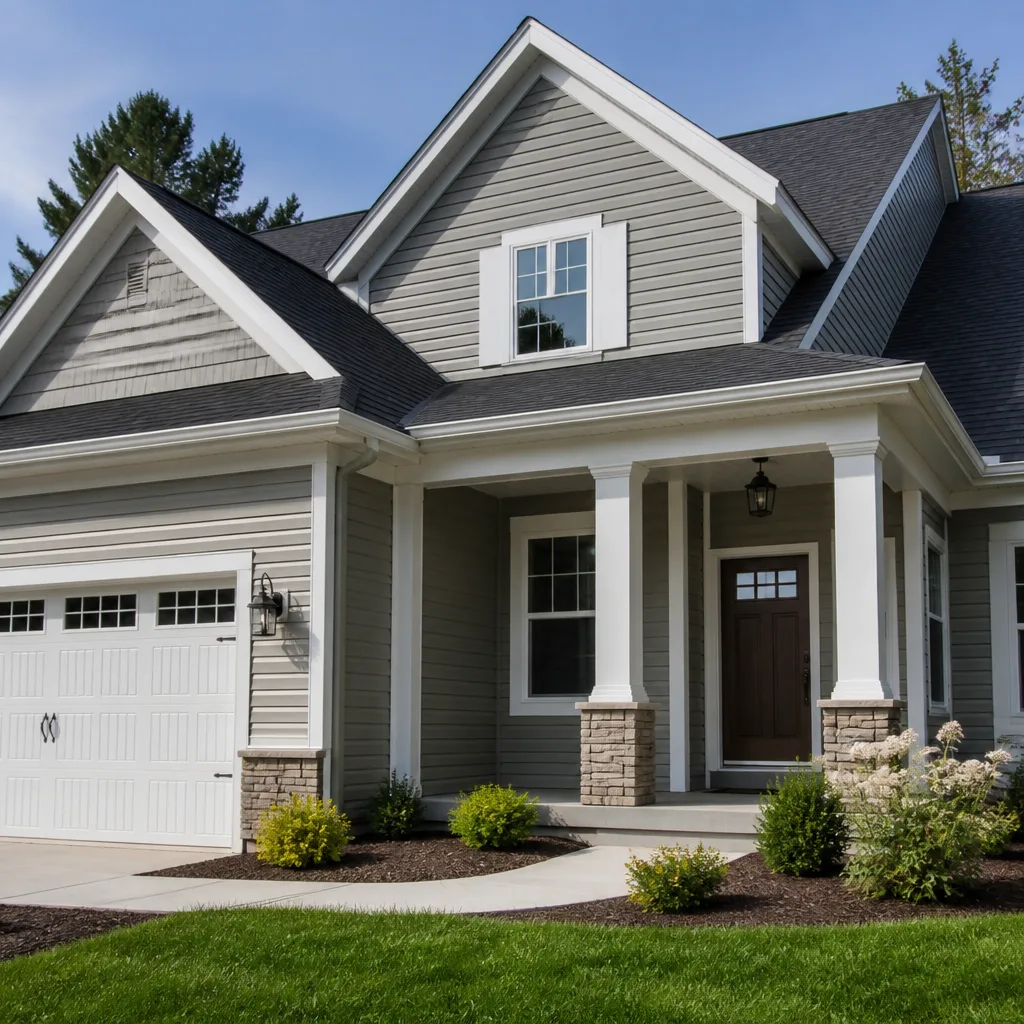
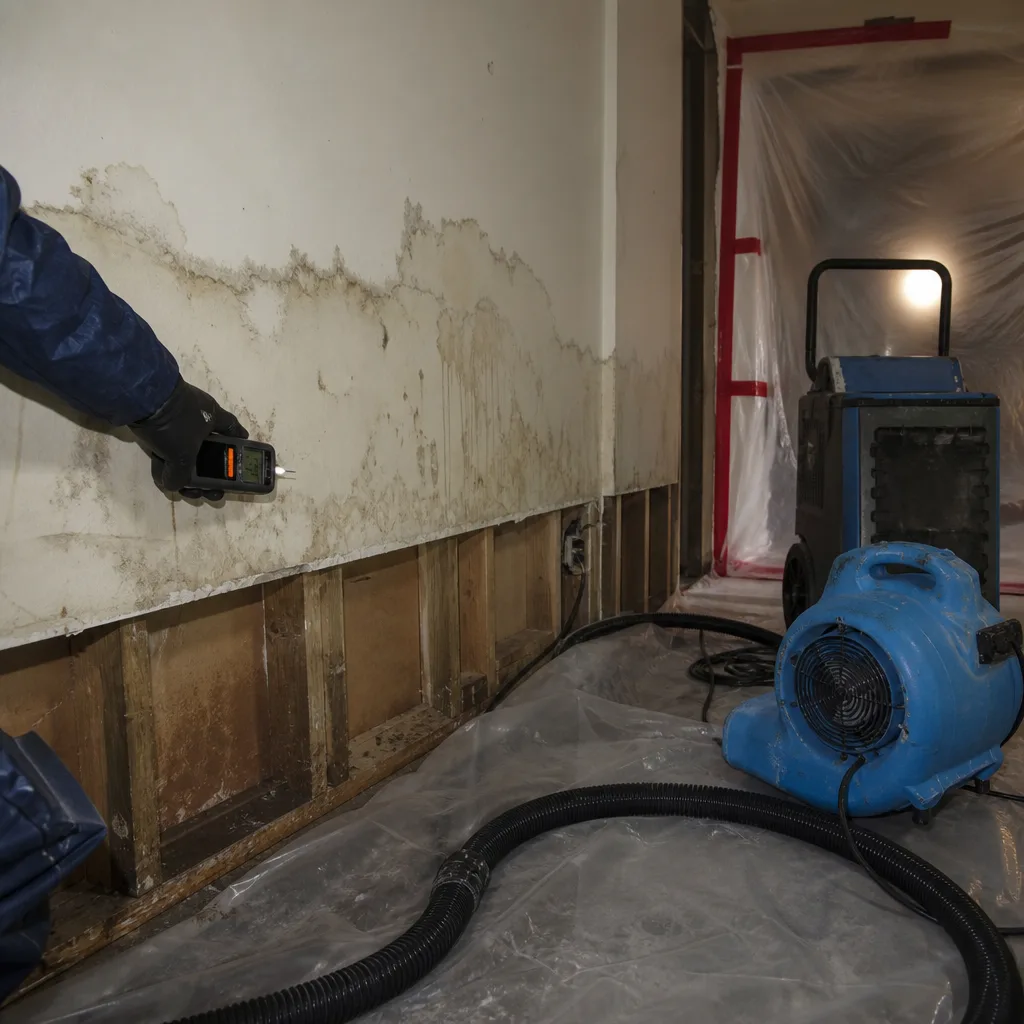 Before
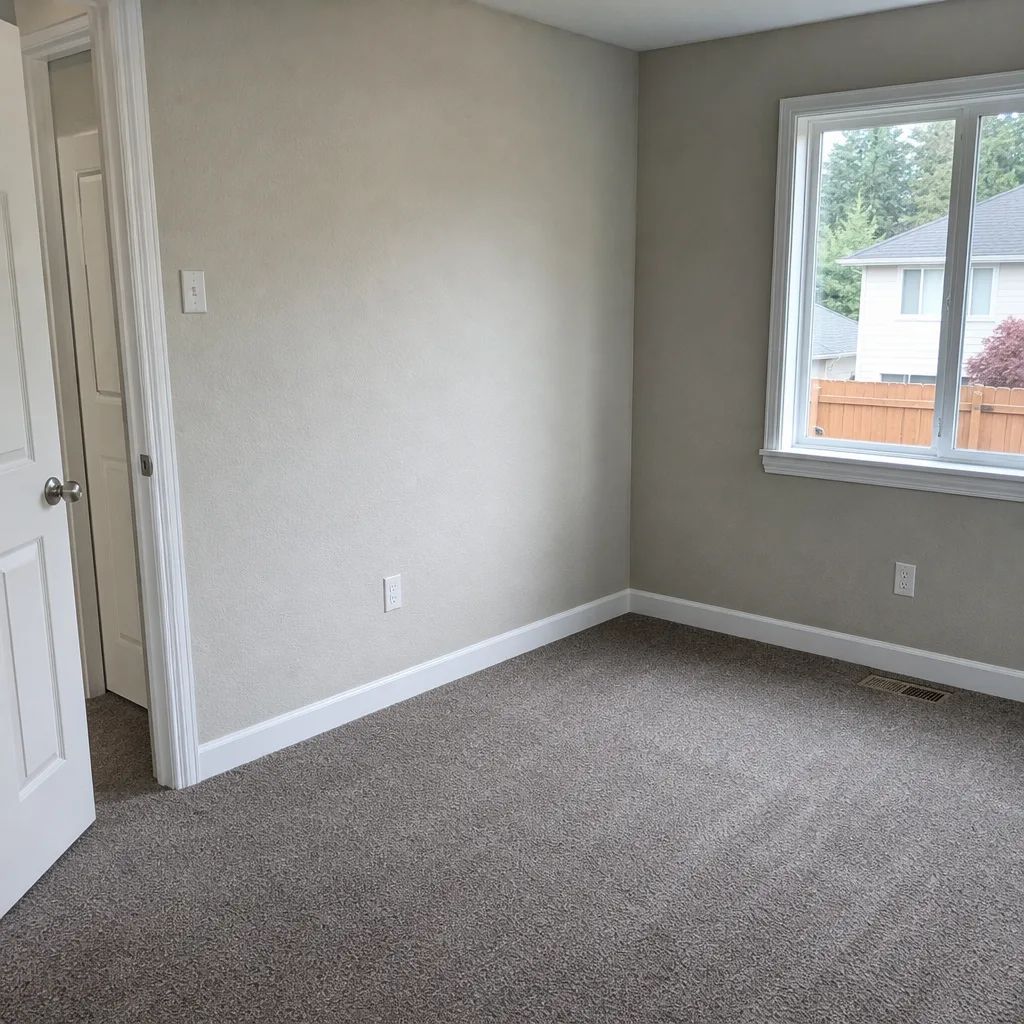 After
After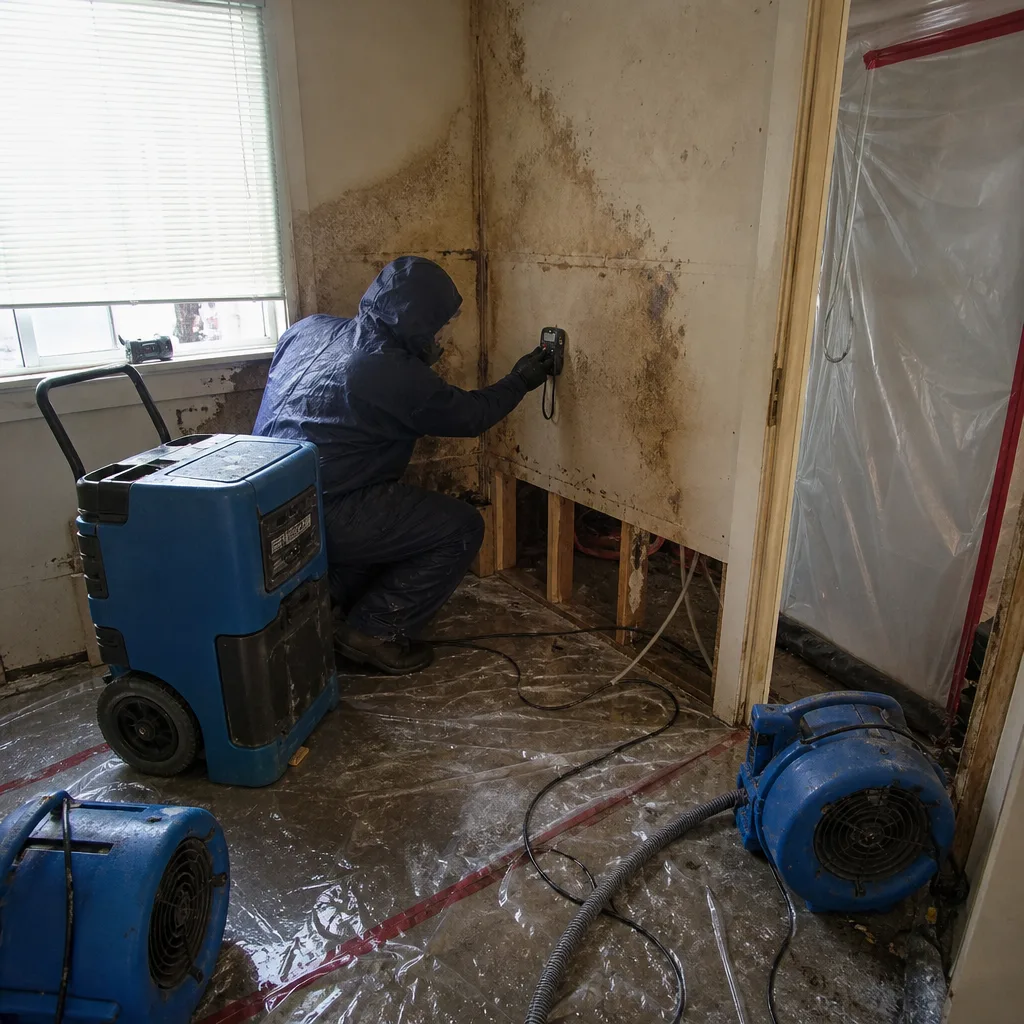 Before
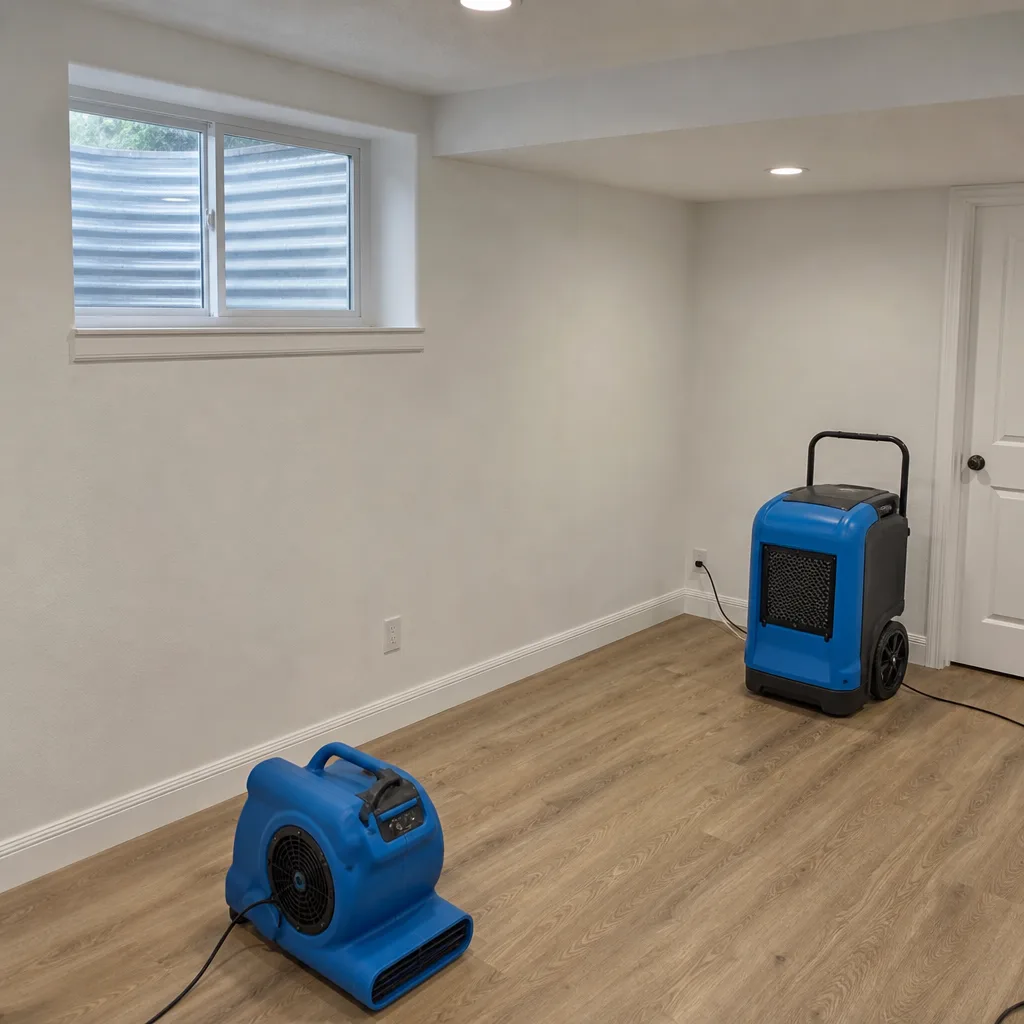 After
After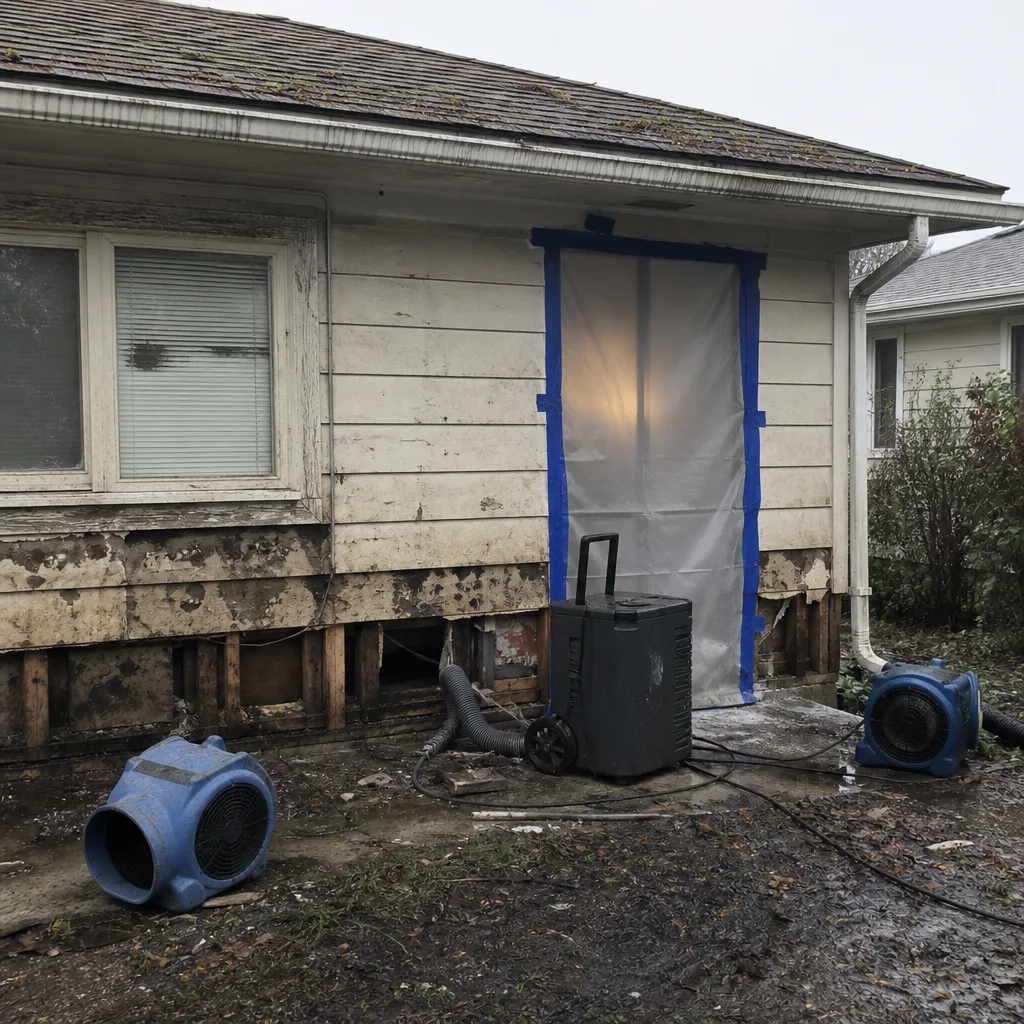 Before
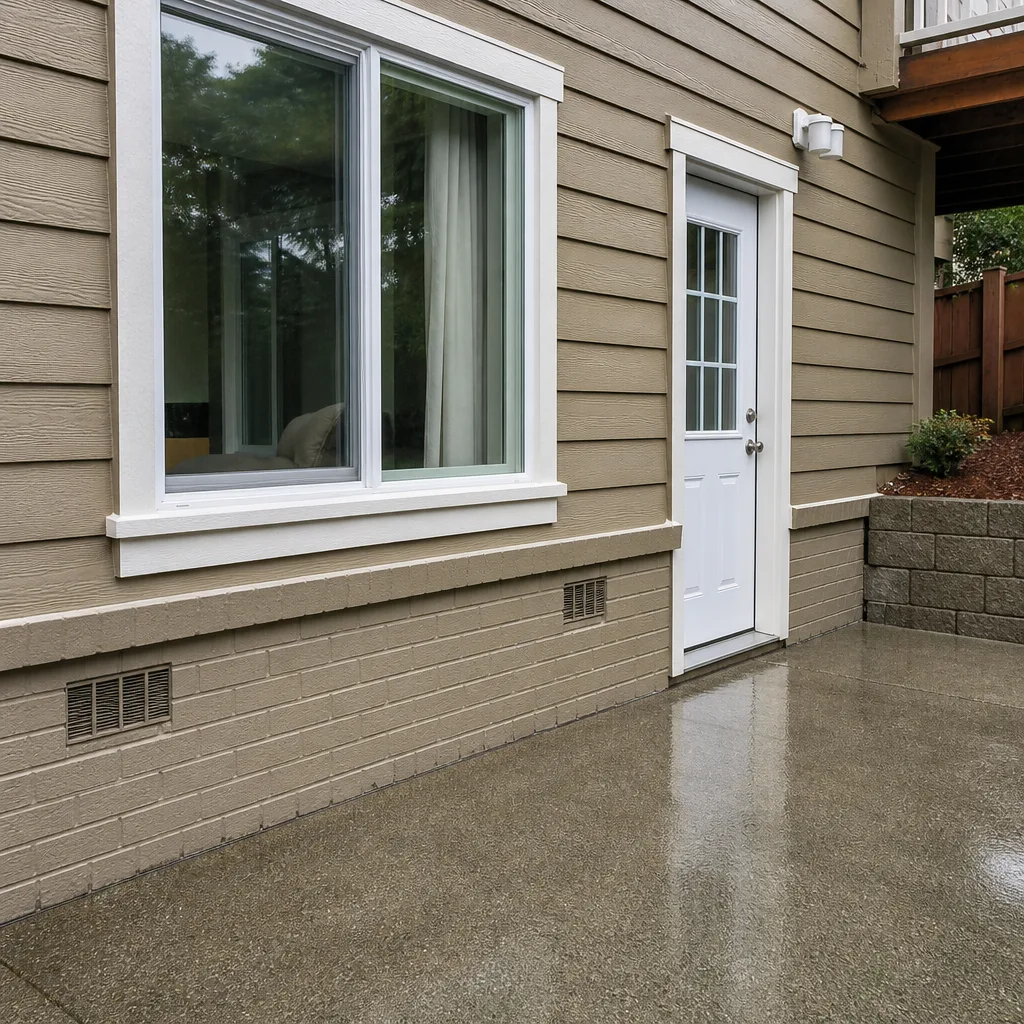 After
AfterDamage Restoration Cost Breakdown: The Puyallup Homeowner’s Reference for 2026
In Pierce County, the average water damage claim paid by insurers in 2024 was $12,400. The average restoration invoice for comparable damage was $15,800. That $3,400 gap is not negotiated away by the homeowner. It is recovered or lost based on whether the contractor’s documentation package can withstand an adjuster’s line-item review. This guide breaks down what restoration actually costs in Puyallup, why the numbers vary, and how the quality of your contractor’s paperwork directly affects your out-of-pocket cost. For DIY vs Professional Damage Restoration: The Puyallup Homeowner’s Decision Guide and more, read on. We’ll cover real 2026 pricing ranges, the four billable categories every homeowner should understand, and the three line items most commonly cut by adjusters when documentation is weak.
Quick Answer
Water damage restoration in Puyallup typically runs $3,000-$25,000 depending on damage class, square footage, and whether mold or structural rebuild is required. Emergency mitigation alone averages $800-$2,400, while full-service drying, remediation, and reconstruction can reach $15,000-$25,000+ for Category 3 losses in older Puyallup homes with compromised vapor barriers. The single largest variable in final homeowner cost is not the contractor’s hourly rate but whether their documentation produces a fully paid insurance claim or a supplemental denial.
Table of Contents
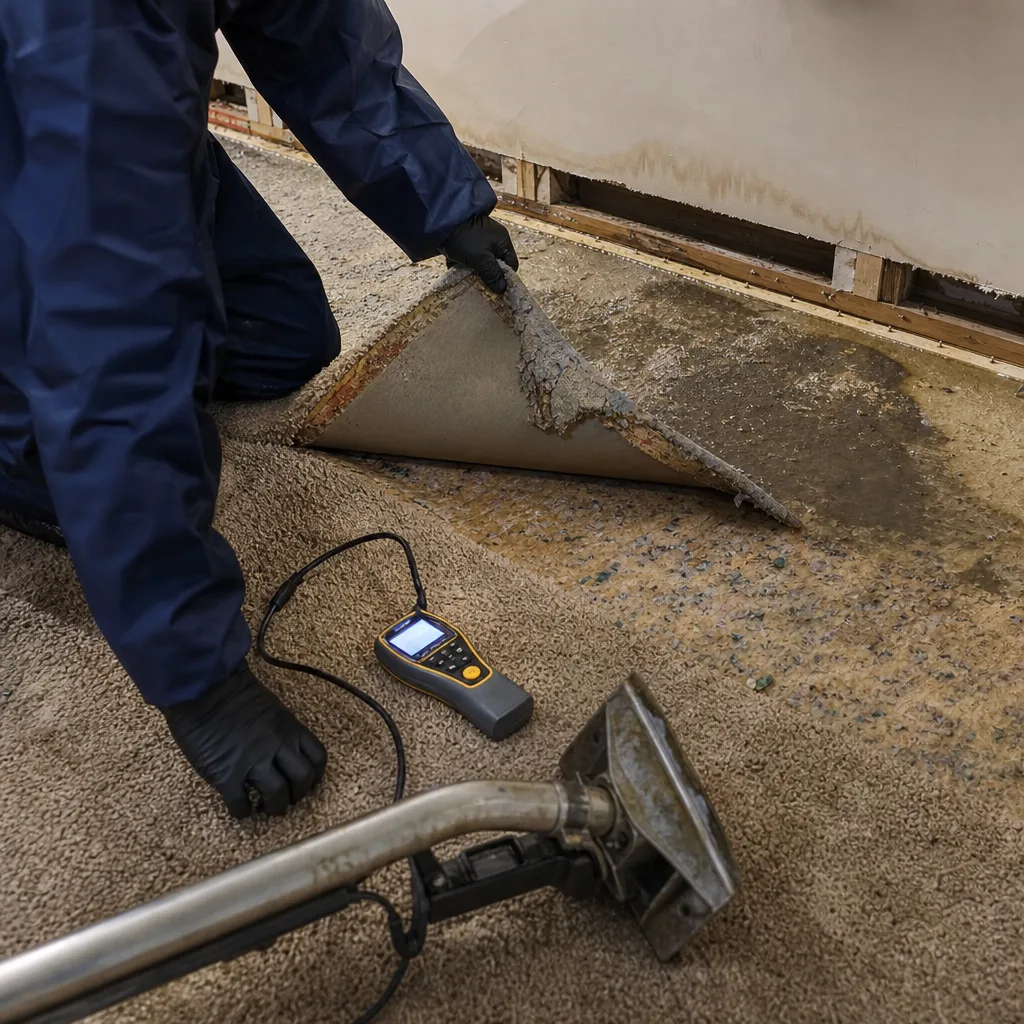
- The Four Billable Categories of Restoration Work
- What Drives Equipment Costs Beyond the Day Rate
- How Xactimate Pricing Works in Washington State
- The Three Line Items Most Commonly Cut by Adjusters
- How a Written Scope Creates a Cost Ceiling
- Puyallup-Specific Cost Factors
- Insurance Documentation: The Hidden Cost Variable
- Common Mistakes to Avoid
- When to Call a Professional
- Frequently Asked Questions
 Before
 After
AfterThe Four Billable Categories of Restoration Work
Every restoration invoice in Puyallup breaks into four distinct billable categories. Understanding each prevents the scope creep that turns a manageable claim into a contested supplemental.
1. Emergency Mitigation ($800-$2,400)
This is the immediate response: water extraction, containment, initial anti-microbial application, and equipment placement. In Puyallup, where the Puyallup River watershed and clay-heavy soils in neighborhoods like South Hill and Summit create chronic hydrostatic pressure issues, emergency mitigation often includes sub-slab water extraction that suburban contractors outside Pierce County rarely encounter. The range reflects Class 1 (minimal, clean water) versus Class 4 (deeply saturated, specialty drying) losses. Water Damage Restoration in Puyallup demands this category be documented with moisture readings taken before any equipment runs, or adjusters will dispute that the loss warranted the response level billed.
2. Drying and Monitoring ($1,200-$4,800)
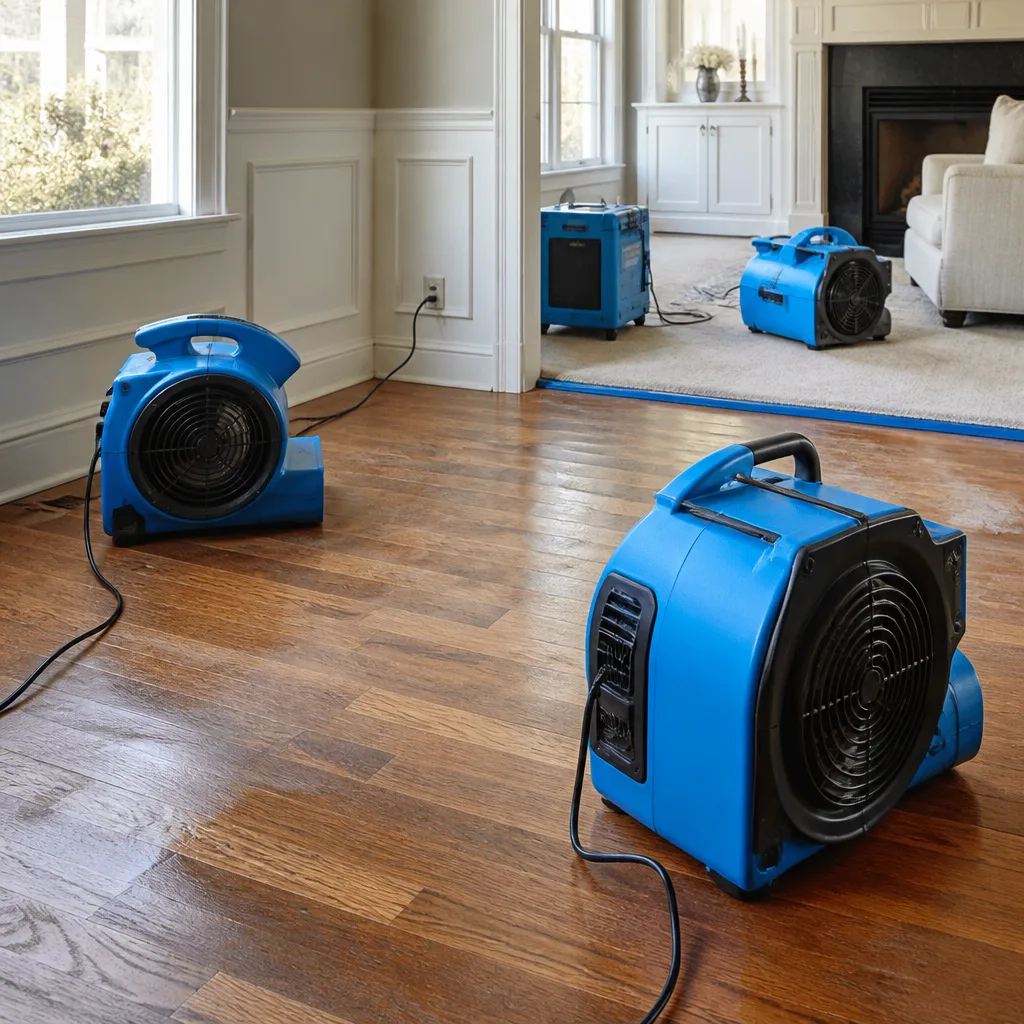
This category covers equipment rental days, daily moisture mapping, and psychrometric data collection. The wide range reflects square footage, equipment type, and days to dry standard. A 1,200 square foot ranch in North Puyallup with a slab leak might dry in three days with standard refrigerant dehumidifiers. A 2,400 square foot two-story in Edgewood with balloon framing and blown-in cellulose insulation could require seven to ten days of low-grain refrigerant or desiccant dehumidification plus Injectidry cavity drying systems. Each day of equipment is justified by daily moisture logs showing progressive reduction in both moisture content percentage and vapor pressure differential, the measurable force that drives evaporation from wet materials into the air.
3. Mold Remediation if Triggered ($1,500-$6,000)
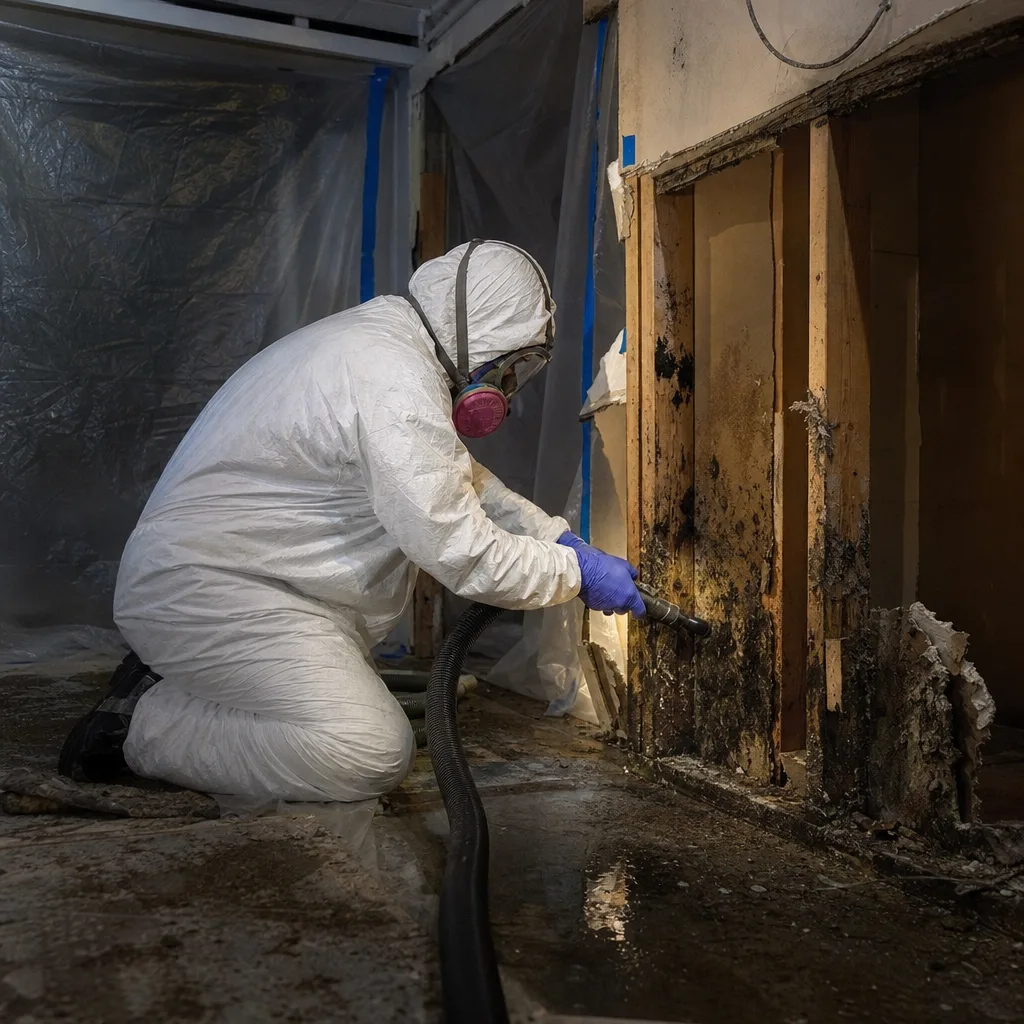
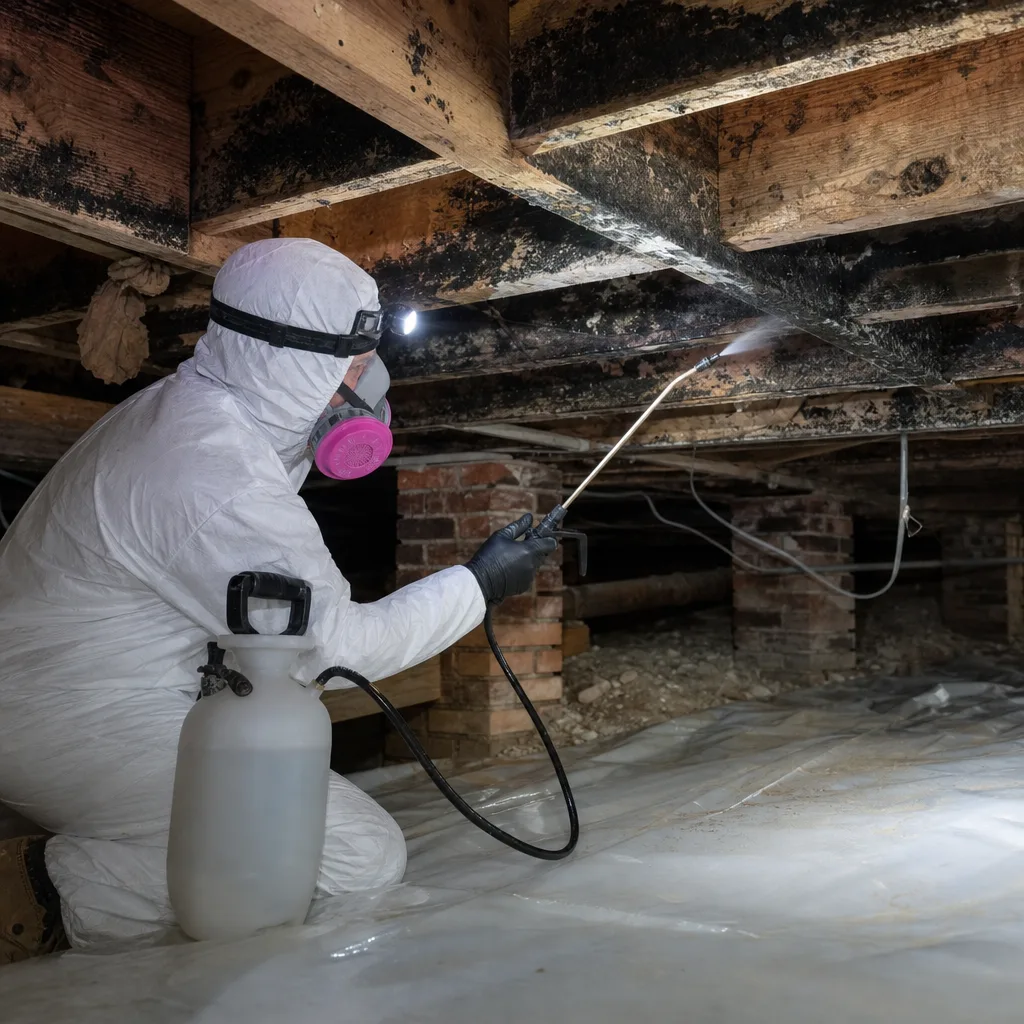
When water sits beyond 24-48 hours, or when initial moisture readings indicate hidden saturation in wall cavities, mold remediation becomes necessary. Puyallup’s moderate marine climate, with average relative humidity hovering near 75% through winter months, accelerates microbial growth compared to drier eastern Washington markets. Remediation costs scale with containment complexity: a small bathroom with tile and hard surfaces might need only localized containment and HEPA vacuuming, while a crawl space in an older home near downtown Puyallup with dirt floors and inadequate ventilation requires full negative-air containment, media blasting or soda blasting of framing, and post-remediation clearance testing. Mold Remediation in Puyallup should always include written clearance criteria before containment is removed.
4. Structural Rebuild ($4,000-$18,000+)
This is construction, not mitigation. Drywall, flooring, cabinetry, trim, and sometimes structural members. Unlike emergency work, reconstruction is scoped, scheduled, and priced in writing like any remodeling project. No same-day dispatch applies here. In Puyallup’s 98371 and 98372 zip codes, where housing stock spans 1920s Craftsman bungalows through 1990s split-levels and new construction near Meridian, material matching alone can drive costs. Lath-and-plaster walls in historic homes near Pioneer Park cannot be patched with standard 1/2″ drywall. Matching oak flooring from the 1970s requires custom milling. Rebuild pricing should reference Xactimate line codes or comparable written estimates, never time-and-materials open-ended billing.
What Drives Equipment Costs Beyond the Day Rate
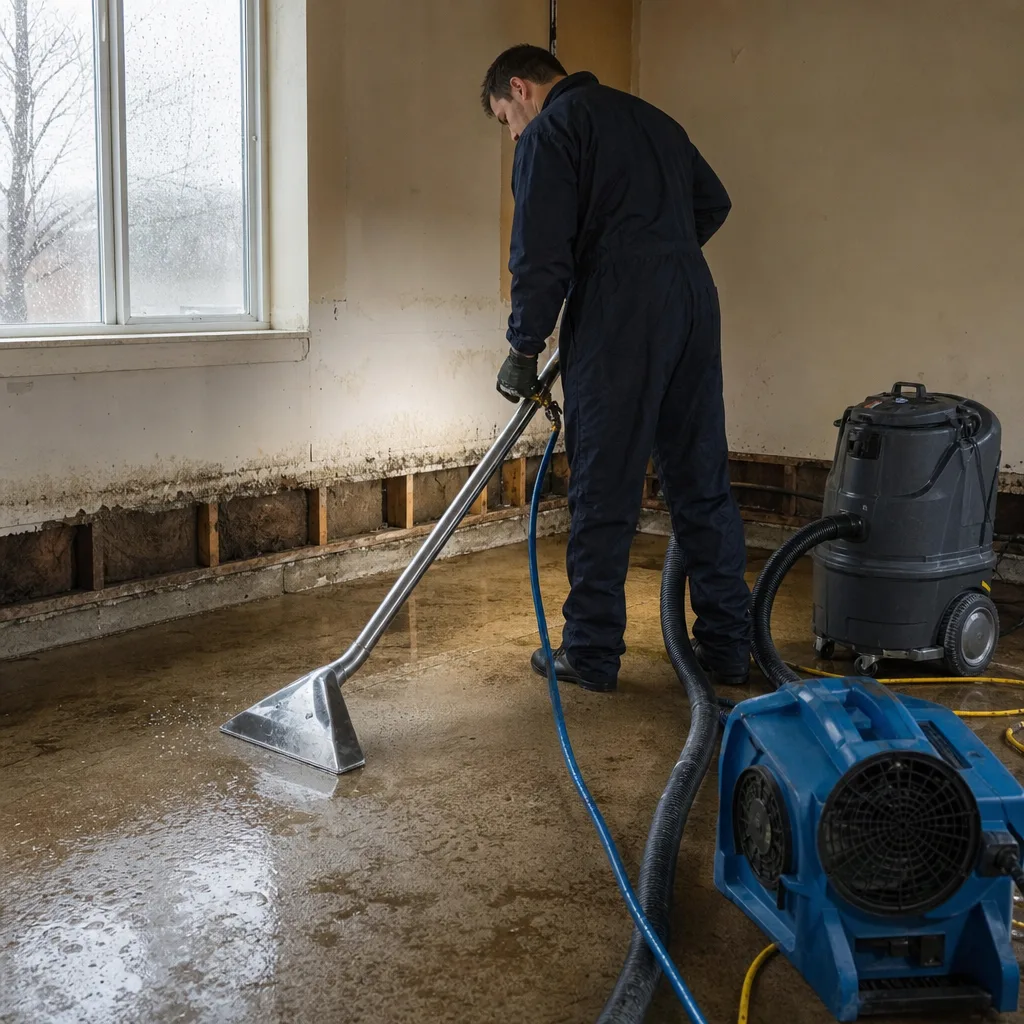
Most homeowners assume equipment costs are simple: number of machines times days times a rental rate. That is how under-documented invoices get written, and how adjusters cut them by 30% during supplemental review.
Professional drying is calculated, not guessed. The process starts with psychrometric calculations, the math that determines how much moisture must be removed from the air to create conditions where wet materials will actually release water. A contractor who cannot produce these calculations is billing on equipment count rather than actual drying need. Here is what proper documentation includes:
- Initial moisture content readings for every affected material, recorded by species: oak flooring reads differently than Douglas fir subfloor, which reads differently than gypsum drywall. Each has its own dry standard, the percentage considered structurally stable in Puyallup’s climate zone.
- Air volume calculation of the affected space, including ceiling height and whether cavities are open or closed. A 10×12 room with 8-foot ceilings and closed walls contains 960 cubic feet of air. The same room with flood cuts and open cavities contains significantly less, changing dehumidifier sizing.
- Vapor pressure differential target, the measurable gap between the vapor pressure in the material and the vapor pressure in the air. When this differential is maintained above a threshold, moisture moves from wet to dry at a predictable rate. When it collapses, drying stalls and secondary damage begins.
- Equipment specification by brand and capacity: a Phoenix 200 HT produces different grain depression than a Dri-Eaz LGR 7000XLi, and the calculation must match the machine actually placed. XPOWER air movers create different airflow patterns than axial fans, affecting wall cavity drying times.
- Daily log showing progressive achievement of the calculated targets, with technician signature and timestamp.
In our experience across more than 12,000 homes since 2011, the difference between a contractor who produces these five elements and one who does not is the difference between a claim paid at 94% of invoice and one paid at 71%. The equipment is the same. The cost to the homeowner is not.
How Xactimate Pricing Works in Washington State
Xactimate is the pricing database used by most major insurers and many independent adjusters in Washington. It is updated quarterly with regional cost data, and Pierce County has its own pricing tier distinct from King County or Spokane. A contractor who cannot reference Xactimate line codes is producing an invoice that adjusters will reprice unilaterally, often downward.
Here is how the system affects your actual cost:
- Xactimate line codes define the unit price for every conceivable restoration task, from “WTR-DRY” (water damage drying) to “CLN-MAL” (mold cleaning). Each code has a regional price that reflects local labor rates, material costs, and equipment rental markets.
- Quarterly updates mean prices move. In Q1 2026, the line code for water extraction in Pierce County may differ from Q4 2025. A contractor using outdated pricing creates a gap the adjuster fills with current rates, not in the homeowner’s favor.
- Overhead and profit (O&P) is applied automatically by Xactimate when a contractor performs both mitigation and reconstruction, but only when the invoice is structured to trigger it. A contractor unfamiliar with Xactimate structure may omit O&P, reducing their own revenue and creating a shortfall that gets passed to the homeowner or results in incomplete work.
- Depreciation is calculated by Xactimate based on material age and condition. For Puyallup homes built during the 1980s construction boom, this matters: original materials carry significant depreciation that affects rebuild scope unless actual cash value versus replacement cost coverage is clearly understood.
At DryMark Restoration Puyallup, every written scope references Xactimate line codes before work begins. Haven Standard, Clause 1 requires this. The homeowner sees the same pricing structure the adjuster will use, eliminating the surprise of unilateral repricing after the crew has already started.
The Three Line Items Most Commonly Cut by Adjusters
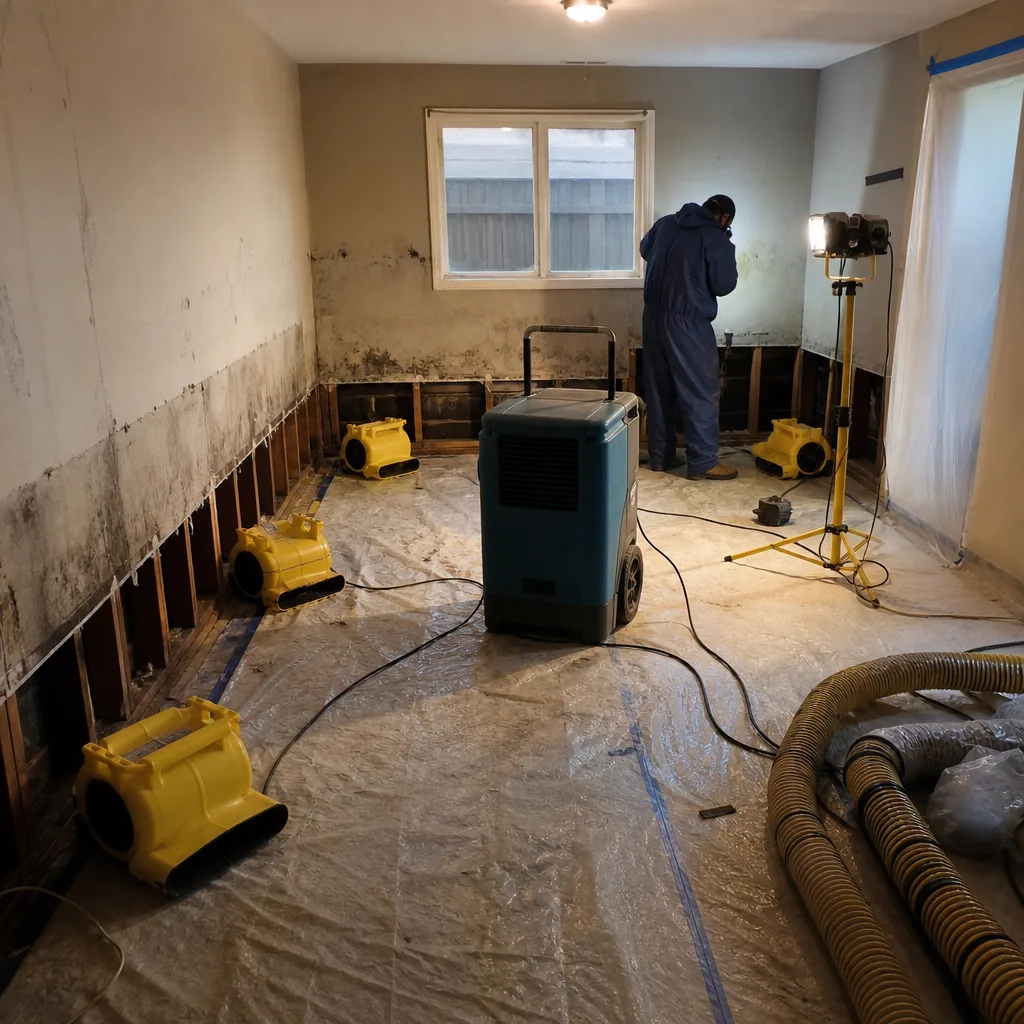
These three line items appear on virtually every restoration invoice in Puyallup. They are also the three most frequently reduced or denied during supplemental review. The difference between payment and denial is documentation specificity.
Equipment Mobilization
This covers the cost of transporting, loading, and placing drying equipment. Adjusters cut it when the invoice shows equipment “delivered” without documentation of when it arrived, who placed it, and what moisture readings justified the specific equipment type. A photo record on every visit, timestamped and showing equipment placement relative to moisture readings, makes this line defensible. Without it, the adjuster assumes equipment was already on-site or unnecessary.
Anti-Microbial Application
Applied to prevent microbial growth during drying, this is standard for Category 2 (gray water) and Category 3 (black water) losses. Adjusters cut it when the invoice lists “anti-microbial” generically without product name, EPA registration number, application rate per square foot, and target surface. The application must also be tied to moisture readings showing the material remained wet beyond 24 hours, the threshold where microbial growth becomes likely in Puyallup’s climate. We document product (typically EPA-registered quaternary ammonium or botanical-based solutions), concentration, and square footage treated on every application.
Extended Monitoring Days
Standard drying assumes three to five days. When materials require seven, ten, or fourteen days, adjusters demand justification. The defense is daily moisture logs showing progressive but incomplete drying, with psychrometric data proving that equipment remained necessary. A log entry reading “still wet” is insufficient. A log entry reading “oak subfloor at 18.2% moisture content, dry standard 12%, vapor pressure differential 8.4 mmHg, maintaining LGR dehumidification per calculation sheet 3-A” is paid. The daily drying log, produced to IICRC S500 standards and included as a standard deliverable on every DryMark Restoration Puyallup job, is the documentation that turns extended monitoring from a disputed line item into a paid one.
How a Written Scope Creates a Cost Ceiling
Time-and-materials billing is the standard arrangement in many trades. In restoration, it is a cost risk the homeowner should not accept.
Under time-and-materials, the final invoice is only knowable at job completion. The contractor bills actual hours, actual equipment days, actual material usage. For emergency mitigation, where the full extent of damage is often hidden until demolition begins, this creates unlimited upside cost exposure for the homeowner and unlimited incentive for the contractor to extend the job.
A written scope signed before work begins creates a cost ceiling. Haven Standard, Clause 1 requires this on every job: a written price delivered before anyone starts work, with no scope-creep additions once the crew is inside. The scope defines:
- The exact square footage and classification of affected areas
- The specific equipment type, count, and maximum days
- The anti-microbial product and application area
- The reconstruction line items and material specifications
- The documentation deliverables: photo record, drying log, final moisture readings
- The 365-Day Done Right Promise, signed and dated
If hidden damage is discovered during work, the scope is amended in writing before additional work proceeds, not added to the final invoice as a surprise. This is how restoration should work. In our experience, the homeowners who experience the least financial stress during a loss are not those who chose the lowest initial estimate. They are those who chose the contractor with the most explicit written scope, because their final cost was predictable and their claim documentation was complete.
The Free Second Opinion on any competitor’s written estimate exists precisely because many scopes we review in Puyallup are missing these elements. Bring a competitor’s quote and we will review it at no charge, specifically for the documentation gaps that create supplemental risk.
Puyallup-Specific Cost Factors
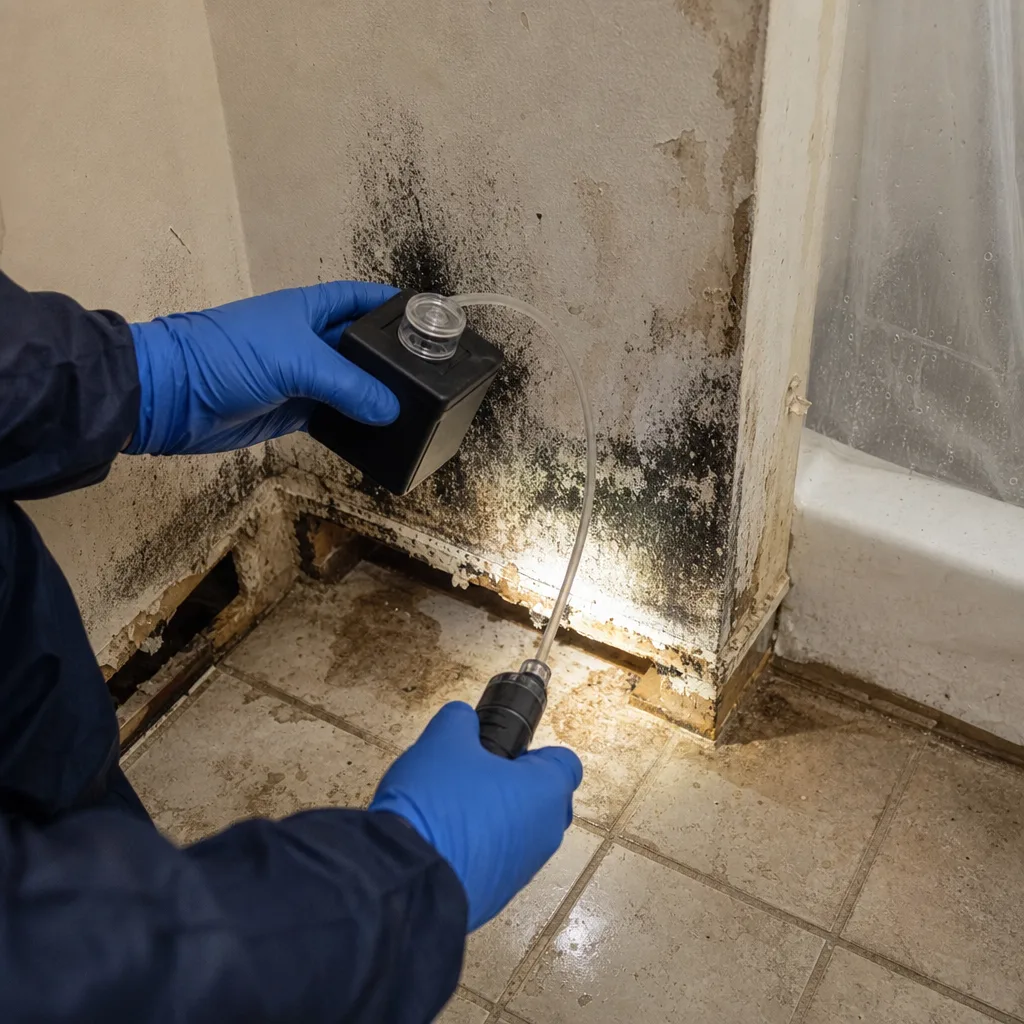
Restoration costs are not uniform across markets. Puyallup’s geography, housing stock, and climate create specific variables that affect pricing.
Soil and Hydrostatic Pressure
The Puyallup River valley and surrounding uplands have clay-dominant soils with poor drainage. Homes in South Hill, Summit, and areas near the river itself experience chronic hydrostatic pressure against foundations, particularly during winter storm events when the water table rises. This means water intrusion through slab edges and foundation cracks is common, and mitigation often requires sub-slab extraction or exterior drainage intervention that adds $400-$1,200 to emergency response.
Age and Construction Type Variability
Puyallup’s housing spans nearly a century of construction methods. Downtown and North Puyallup have significant pre-1950 stock with balloon framing, knob-and-tube wiring, and lath-and-plaster walls that complicate drying and require specialized reconstruction. The 1970s-1990s subdivisions near Meridian and 176th use different materials and methods. New construction near South Hill has modern vapor barriers and engineered materials. Each requires different drying strategies, equipment specifications, and rebuild approaches. A contractor who treats a 1925 bungalow like a 2015 townhome will under-scope the job and over-promise the timeline. For help spotting these risks early, see Damage Restoration Warning Signs: A Puyallup Homeowner’s Reference Guide.
Climate and Seasonal Timing
Puyallup’s marine west coast climate means outdoor relative humidity rarely drops below 60% from October through April. This directly affects drying: equipment must work harder to achieve vapor pressure differential targets, and closed-system drying (sealing the affected space from outdoor air) is often necessary. Summer losses, when outdoor humidity drops and temperatures rise, may dry 20-30% faster with less equipment. Seasonal timing affects both cost and duration, and should be documented in the initial scope.
Permit and Code Requirements
The City of Puyallup and Pierce County have Damage Restoration Permits, Codes & Inspections in WA: What You Need to Know for reconstruction work, particularly electrical, plumbing, and structural repairs. Rebuild scopes must account for permit costs and inspection timelines. A contractor who performs reconstruction without proper permitting creates liability for the homeowner at resale and potential claim complications if the insurer discovers unpermitted work.
Insurance Documentation: The Hidden Cost Variable
The thesis of this guide is that documentation quality, not contractor pricing, is the primary driver of homeowner out-of-pocket cost. Here is the mechanism.
When an insurer receives a restoration invoice, it undergoes line-item review. The adjuster compares each charge against Xactimate pricing, policy coverage limits, and documentation supporting the work performed. Charges without supporting documentation are reduced or denied. The homeowner receives payment for the approved amount, minus deductible. If the approved amount is less than the contractor’s invoice, the homeowner owes the difference.
The average gap between invoice and approved payment for under-documented jobs is 18-22%, based on our review of competitor invoices brought in for Free Second Opinion. On a $15,000 invoice, that is $2,700-$3,300 the homeowner pays out of pocket that a fully documented job would have covered.
The documentation package that closes this gap includes:
- Photo record on every visit: timestamped, geotagged, showing damage progression, equipment placement, and final dry condition. Included as standard, never an upsell.
- Daily moisture logs: readings by material, location, and date, with equipment adjustments noted and technician signature. Produced to IICRC S500 standards.
- Written scope signed before work begins: Haven Standard, Clause 1. Defines the work, the price, and the documentation deliverables.
- Psychrometric calculation sheet: the math justifying equipment count and type, with target and achieved vapor pressure differentials.
- Final report with clearance criteria: moisture readings at or below dry standard, with comparative outdoor readings, confirming the structure is stable for reconstruction.
This package does not increase the contractor’s invoice. It increases the percentage of that invoice paid by insurance. The homeowner’s out-of-pocket cost is typically the same deductible either way. The difference is whether they also pay the supplemental gap.
Fire & Smoke Damage Restoration in Puyallup follows the same documentation protocol, with additional requirements for soot and odor documentation that affect contents coverage and additional living expense claims.
Common Mistakes to Avoid
- Accepting a verbal estimate or “ballpark” figure. Haven Standard, Clause 1 exists because verbal estimates are unenforceable and invariably low. A written price before work begins is the only protection against scope creep.
- Choosing a contractor based on lowest emergency response rate. The emergency rate is a small fraction of total cost. A low initial rate with inadequate documentation produces a higher final out-of-pocket cost through supplemental denials.
- Allowing demolition before photo documentation. Once materials are removed, the evidence of damage extent is gone. The photo record must precede demolition, or the insurer will dispute the scope of work performed.
- Neglecting to verify Xactimate familiarity. A contractor who cannot reference line codes is producing invoices that adjusters will reprice. Ask specifically: “Which Xactimate version do you use, and can you show me the line codes in your written scope?”
- Ignoring seasonal drying implications. Puyallup winter humidity extends drying times. A contractor who promises three-day drying in January without explaining closed-system requirements is either inexperienced or planning to bill for extended days without documentation.
- Failing to get mold clearance in writing. Post-remediation clearance should define specific criteria (air sample spore counts, surface sample results, or visual inspection standards) before containment is removed. Verbal “all clear” assurances create liability if mold recurs.
- Skipping the Free Second Opinion on a competitor’s estimate. If you have a written estimate from another contractor, we will review it at no charge for the documentation gaps that create supplemental risk. There is no obligation, and the review typically takes 15 minutes.
When to Call a Professional
Call immediately when water is actively spreading, when you smell mold or see visible growth beyond 10 square feet, when sewage or gray water is involved, when fire damage has compromised structural elements or HVAC systems, or when your insurer has already assigned an adjuster and you need documentation that will withstand line-item review. In Puyallup, where clay soils and winter humidity compound damage quickly, waiting 24 hours often turns a Category 1 loss into Category 2 with microbial growth, adding $1,500-$4,000 to remediation costs.
DryMark Restoration Puyallup offers free estimates in Puyallup. A live person answers every call, 24 hours a day, 7 days a week, with no voicemail on emergency lines. Call (253) 447-5249 for a written scope before any work begins, documented to IICRC standards with a photo record on every visit and the 365-Day Done Right Promise under The Haven Standard.
Frequently Asked Questions
Most Puyallup homeowners pay $3,000-$12,000 for complete water damage restoration including drying, with costs reaching $15,000-$25,000+ when mold remediation and structural rebuild are required. The primary variable is damage classification and documentation quality, not contractor hourly rates. Call (253) 447-5249 for a written estimate with exact line-item pricing before any work begins.
Insurance typically covers sudden and accidental water damage, but pays based on documentation quality. A fully documented job with daily moisture logs, photo records, and Xactimate line-code pricing averages 94% of invoice paid. Under-documented jobs average 71-78% paid, leaving the homeowner responsible for the gap. Your deductible applies regardless. We coordinate directly with adjusters and provide the documentation package that supports full payment.
Emergency mitigation crews can typically dispatch within 60-90 minutes for active water losses in Puyallup and surrounding Pierce County areas. Reconstruction work is scoped and scheduled, not dispatched. The 24/7 live phone coverage at DryMark Restoration Puyallup means you reach a person who can initiate documentation immediately, not a voicemail system that delays response while water continues spreading.
Visible mold on hard surfaces under 10 square feet can sometimes be addressed with proper cleaning and moisture control. Hidden mold in wall cavities, HVAC systems, or porous materials requires professional remediation with containment and air filtration. In Puyallup’s humid climate, surface cleaning without addressing the moisture source virtually guarantees recurrence. A moisture inspection with documented readings determines the appropriate scope.
Puyallup’s clay-heavy soils create unique hydrostatic pressure issues, particularly in South Hill and Summit. The housing stock spans wider age ranges than Seattle’s, from 1920s construction to new development, requiring more variable reconstruction approaches. Pierce County’s Xactimate pricing tier is distinct from King County’s, meaning the same line code produces different unit prices. Local contractors familiar with these variables scope more accurately than regional chains using standardized pricing.
Request a written scope with Xactimate line codes, specific equipment counts and maximum days, named anti-microbial products with EPA numbers, and defined documentation deliverables. Compare this to the Free Second Opinion from DryMark Restoration Puyallup. If a contractor cannot or will not provide these elements, the estimate is not fair; it is incomplete, and incompleteness costs homeowners an average of 18-22% in supplemental out-of-pocket payments.
The Bottom Line
Restoration cost in Puyallup is not primarily about finding the lowest bidder. It is about finding the contractor whose documentation turns your claim into a payable event. The four billable categories, equipment calculations, Xactimate line codes, and three commonly cut line items described in this guide are the mechanics of that process. A written scope before work begins, daily drying logs, photo records on every visit, and the 365-Day Done Right Promise under The Haven Standard are the protections. The homeowner who understands these elements pays their deductible and little more. Explore more guides & resources to protect your investment. The homeowner who does not pays their deductible plus the supplemental gap that inadequate documentation creates.
Written by Alicia Brennan, Owner at DryMark Restoration Puyallup, serving Puyallup since 2011.