
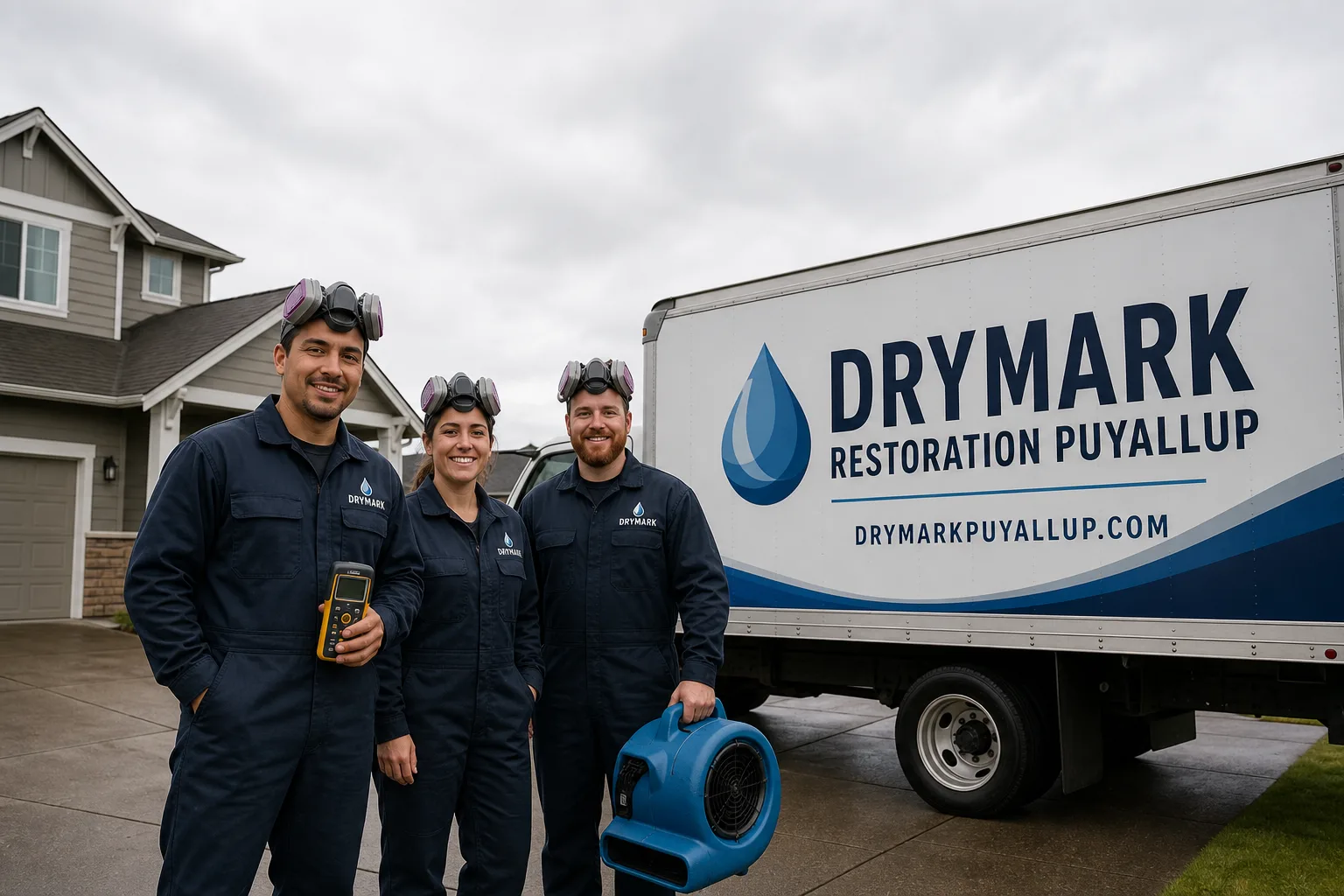
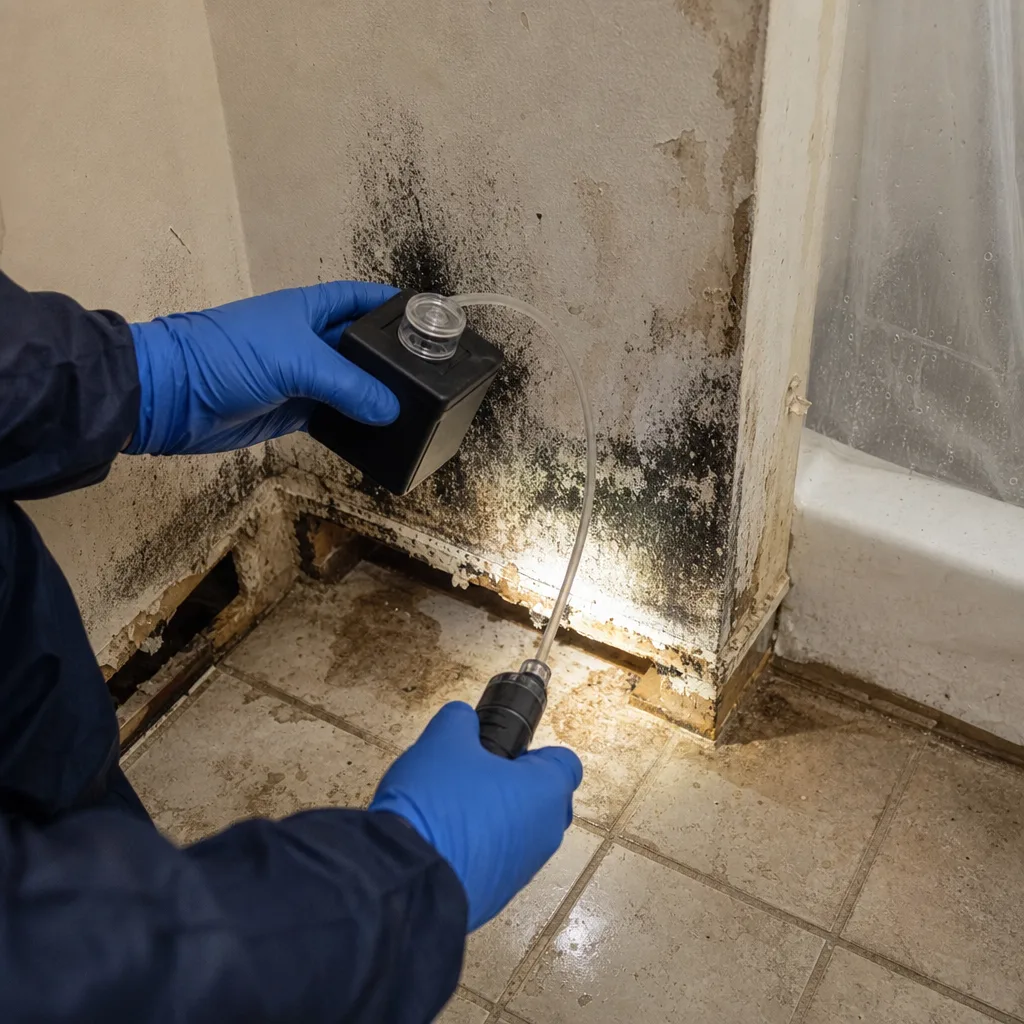
Free visual inspection and a written scope of work before any mitigation begins - photos, moisture readings, and drying logs go in your claim file
The scope we write is the scope we bill. Anything new gets shown to you, in writing, before we touch it.
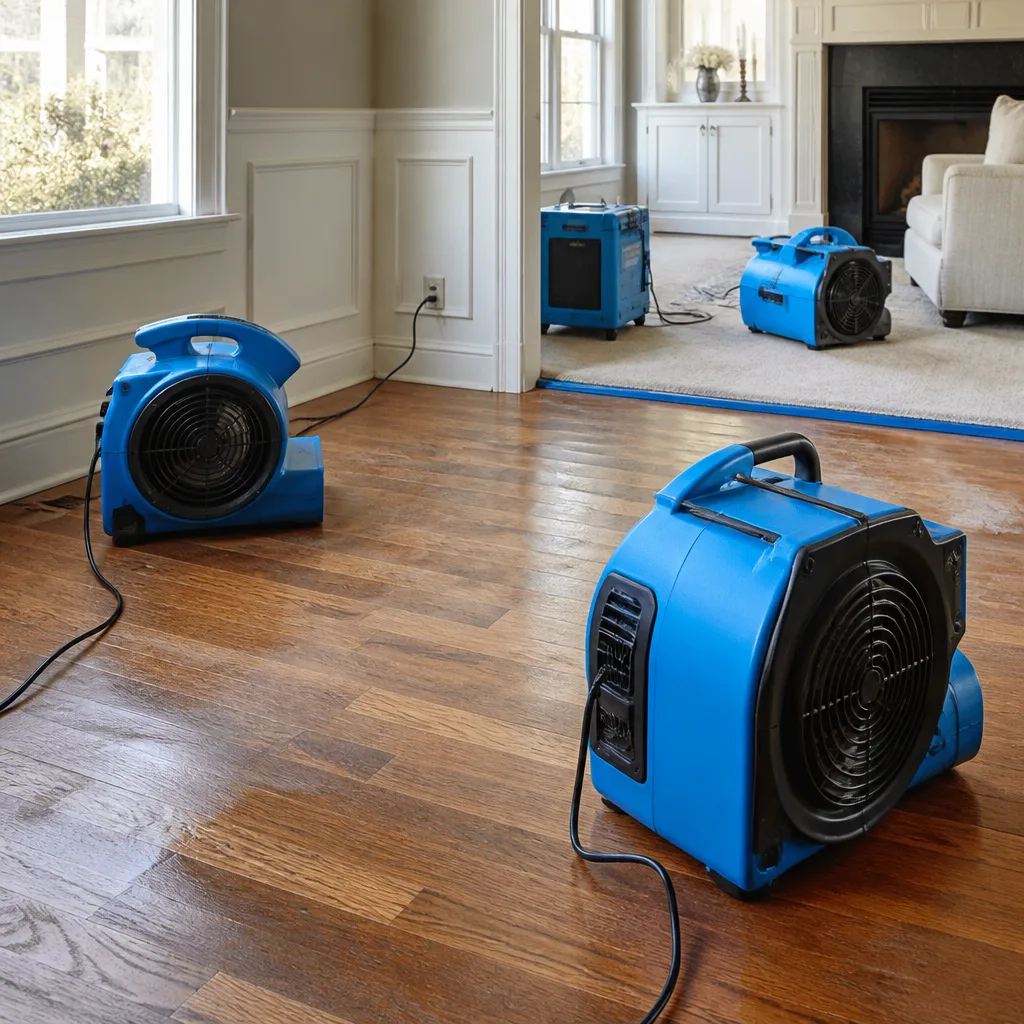
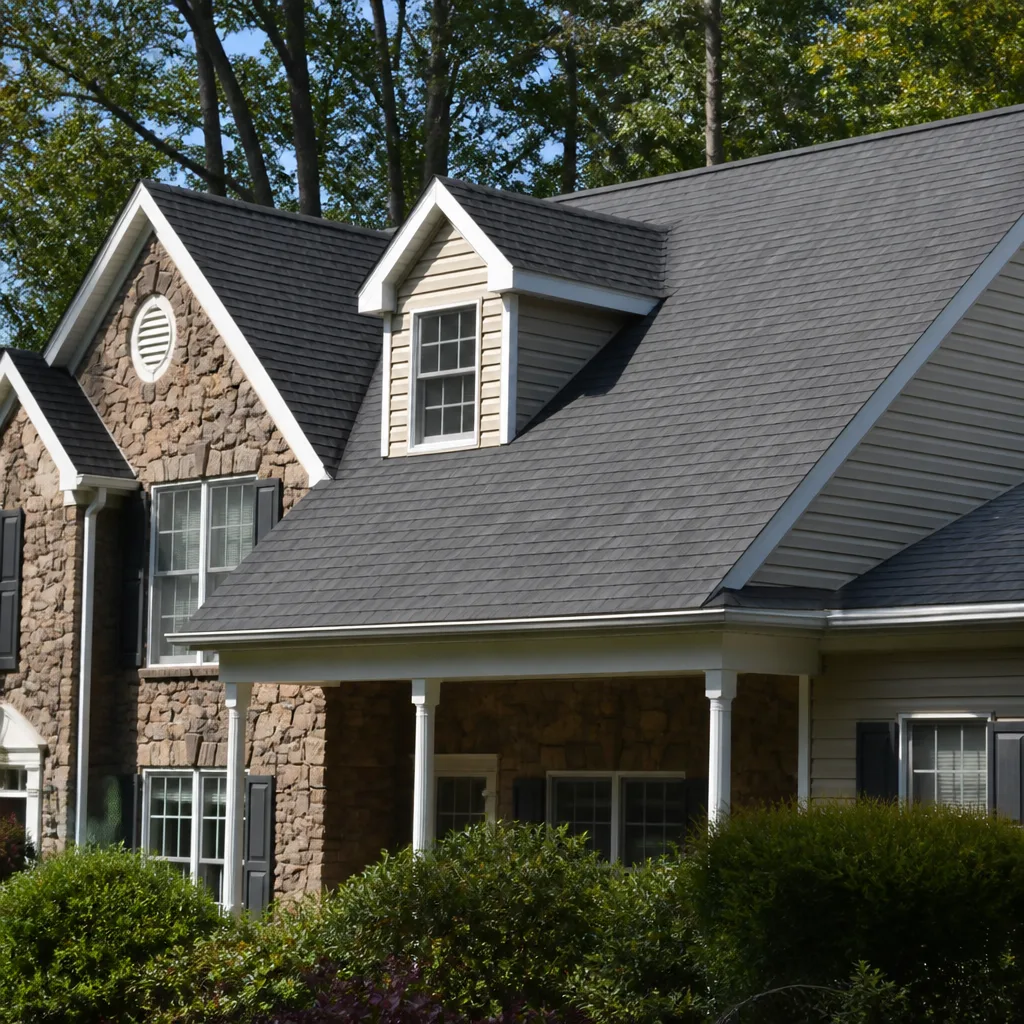
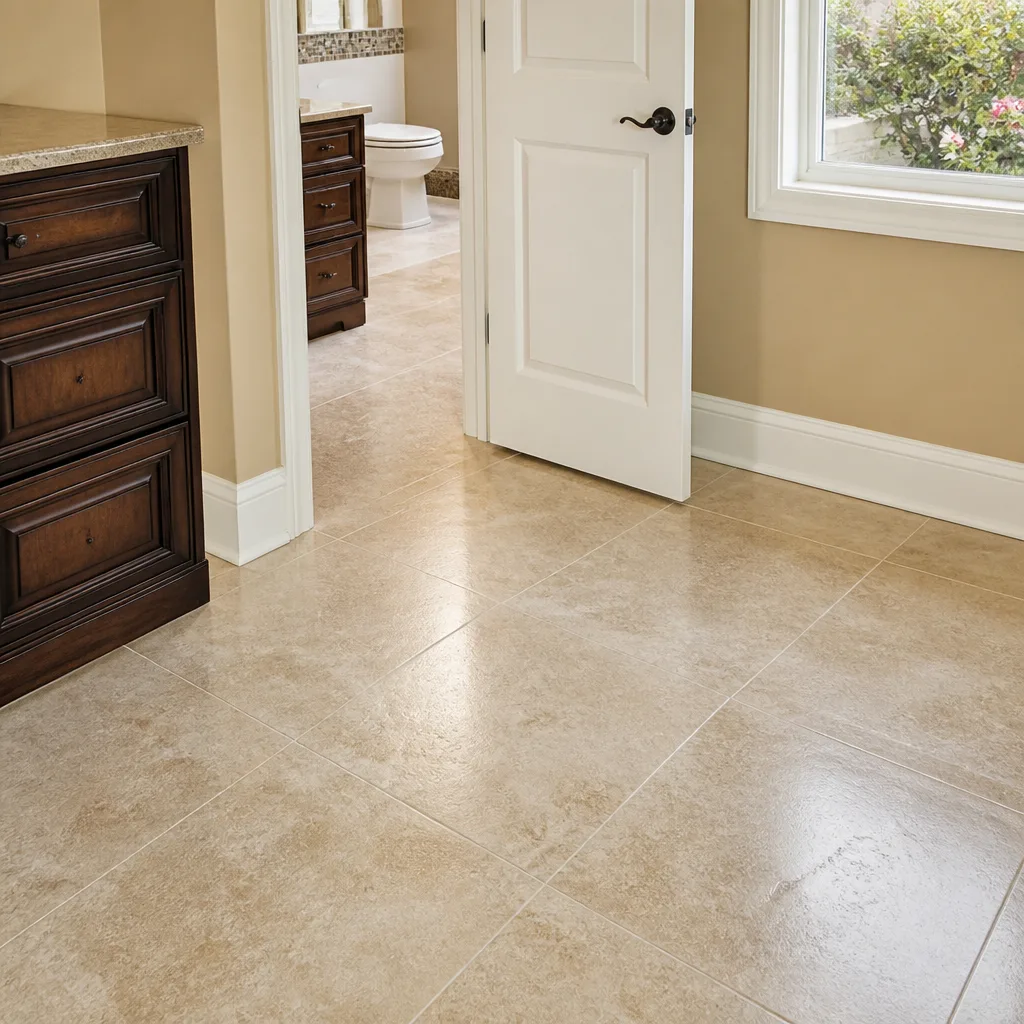
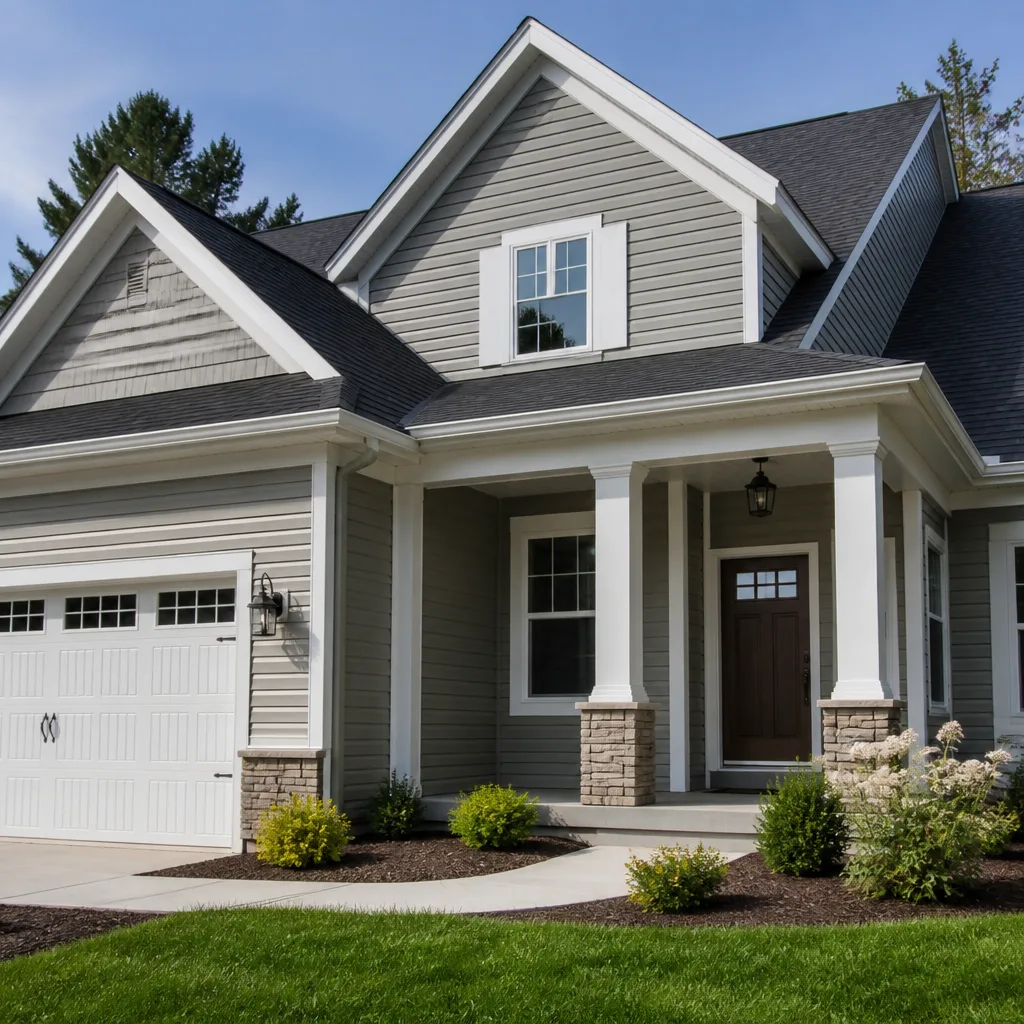
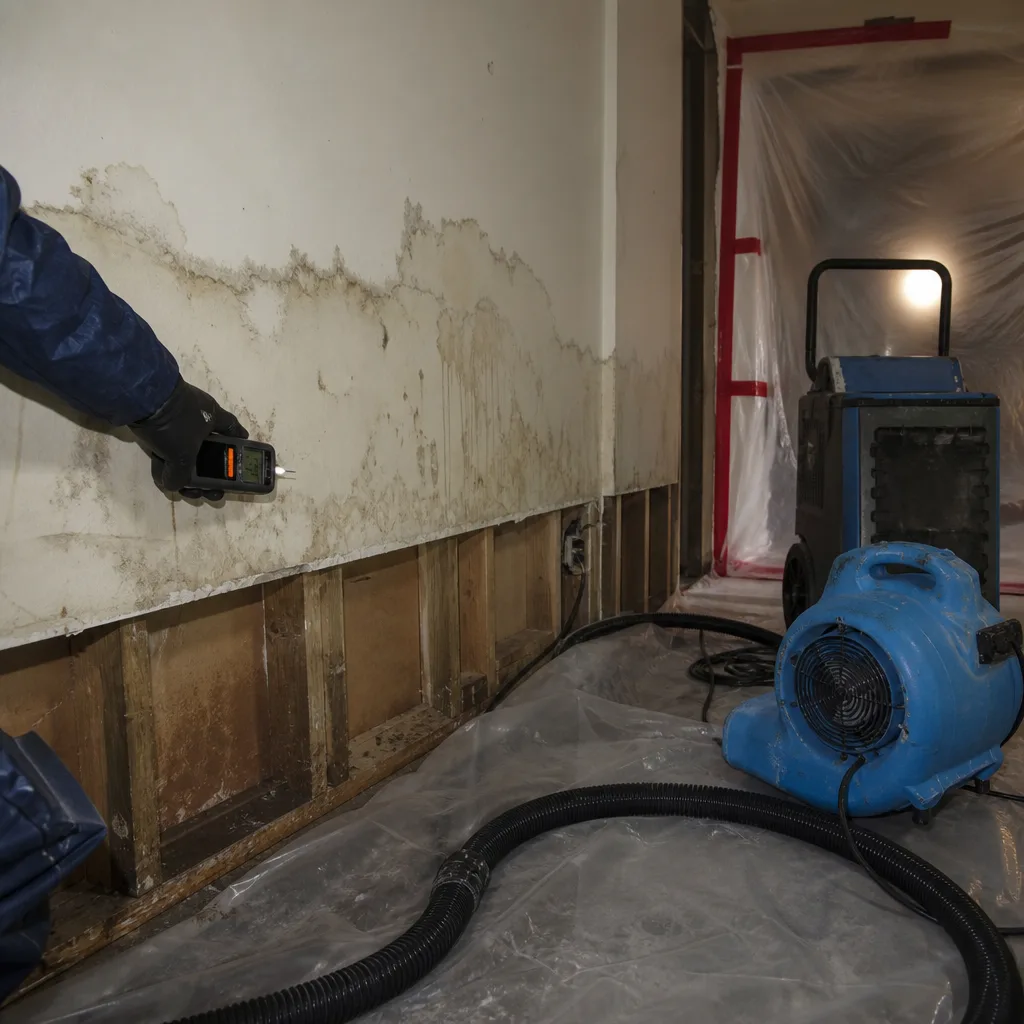 Before
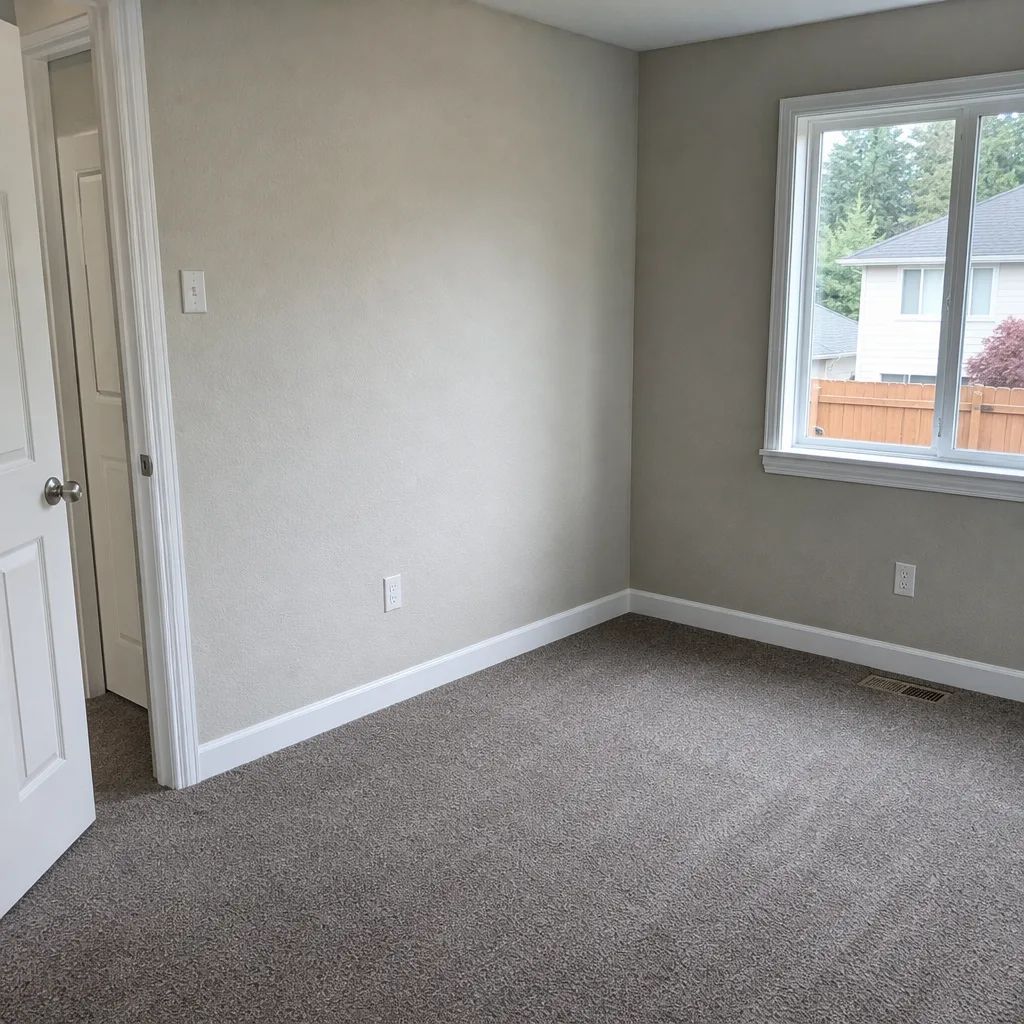 After
After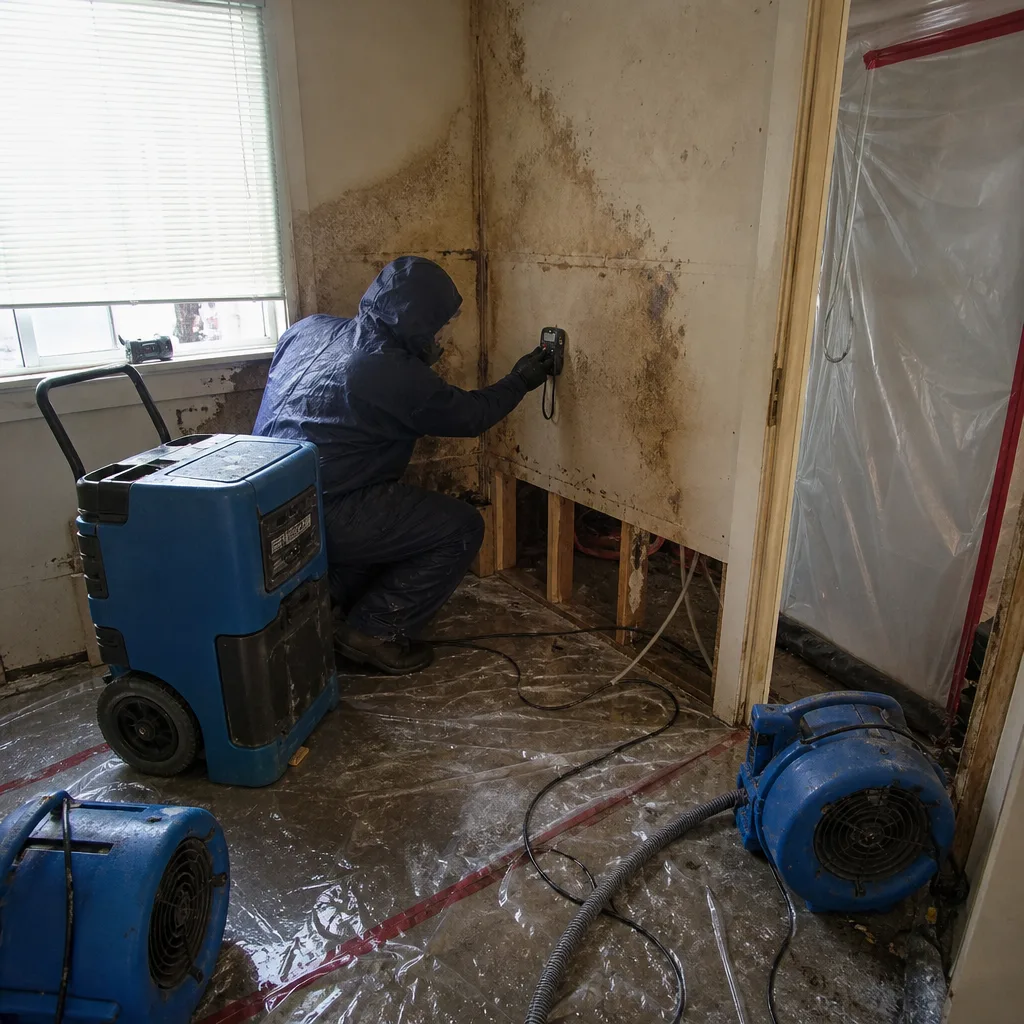 Before
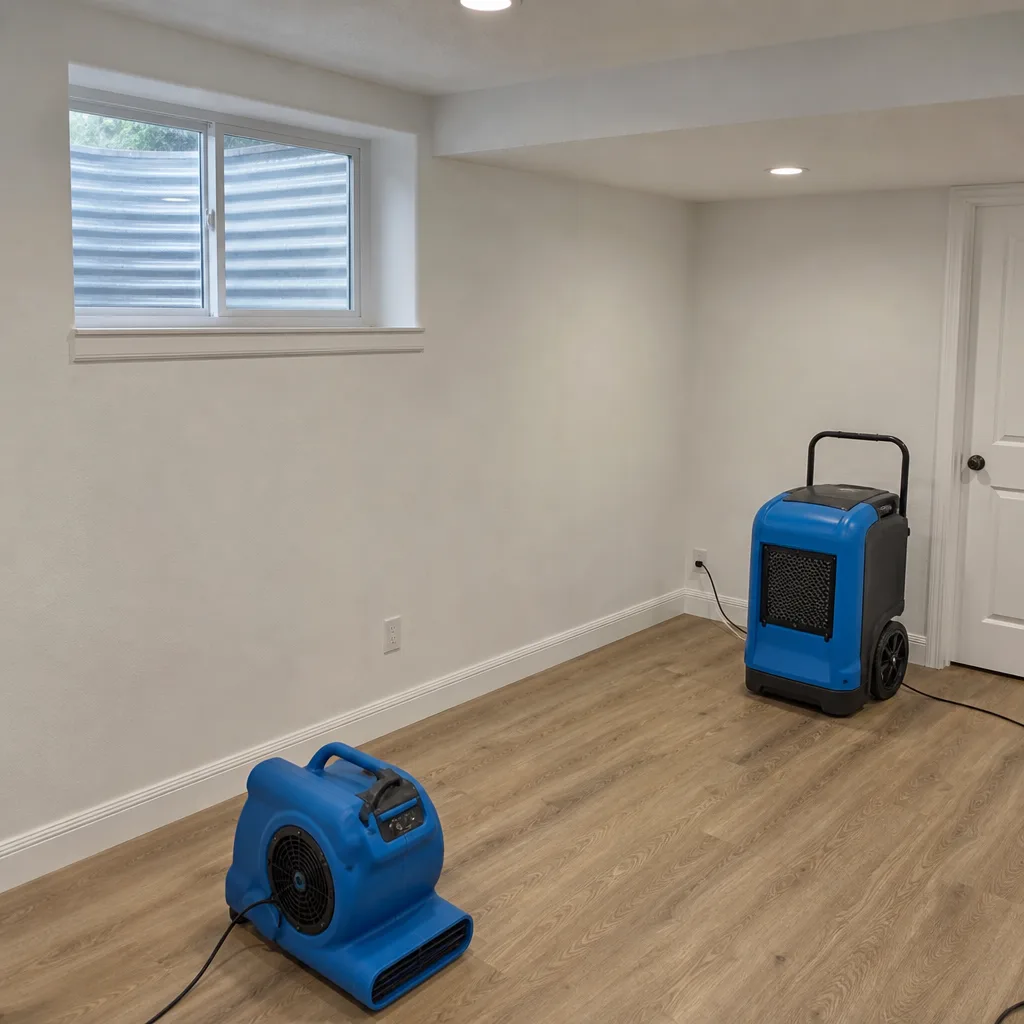 After
After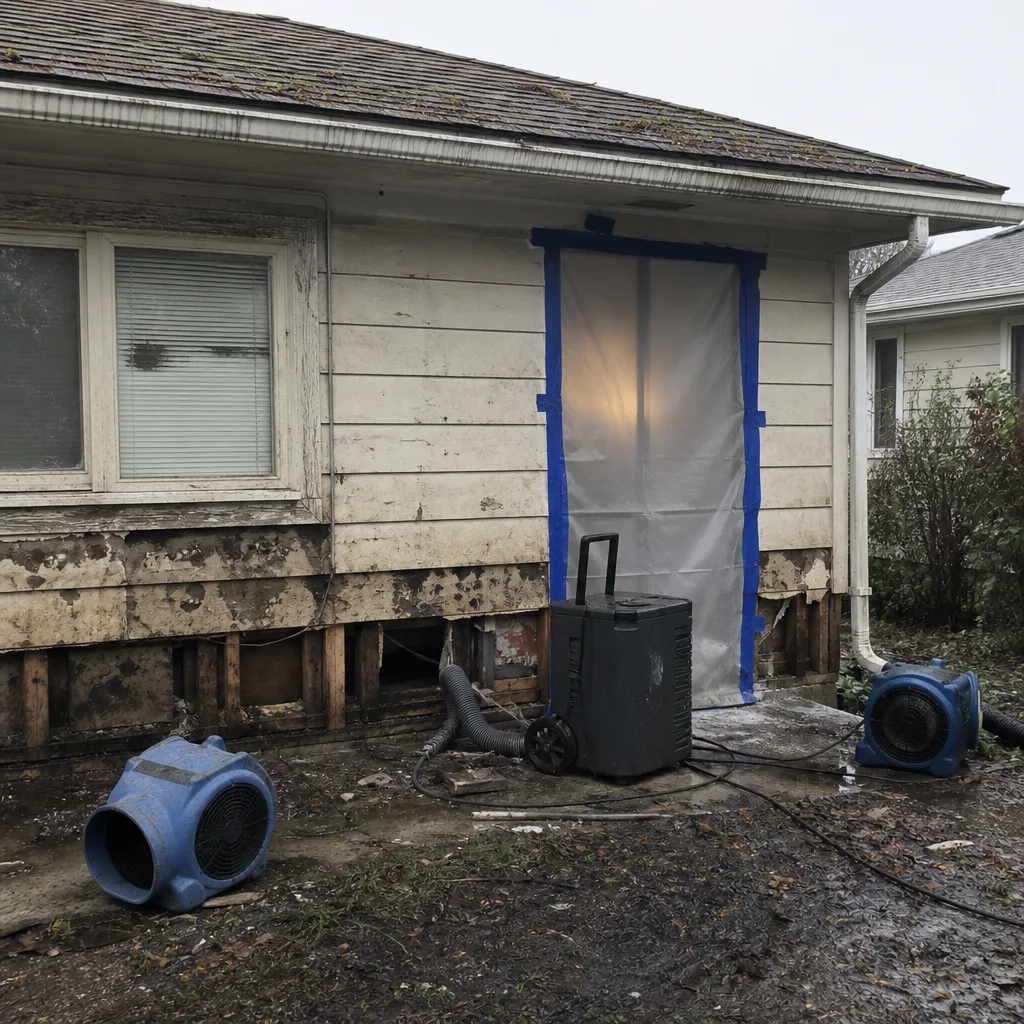 Before
 After
AfterFast, Reliable Fire & Smoke Damage Restoration Across Des Moines
Fire and smoke damage restoration in Des Moines typically costs between $3,200 and $14,500 depending on the extent of structural involvement, and most emergency board-up and stabilization work begins within 60 to 90 minutes of your call. Our crews are dispatched from the Seattle office and carry the equipment to handle both the immediate fire damage and the secondary water intrusion that follows suppression and storm exposure in this coastal climate. If you’re standing in a damaged home right now, call (253) 447-5249; a live person will answer, document your situation, and get a crew moving.
Des Moines properties face a restoration profile unlike inland King County cities. The mid-century housing stock, the marine bluff geology, and the persistent salt-air humidity create a sequence we see repeatedly: fire damage opens the structure, then rain and groundwater finish what the flames started. Our Fire & Smoke Damage Restoration team knows the difference between a straightforward char-line cleanup and a Des Moines fire loss that demands simultaneous water mitigation, crawl-space remediation, and contents pack-out.
Why DryMark Restoration Puyallup Is Des Moines’s Preferred Fire & Smoke Damage Restoration Company
We’ve restored homes from the marina district up to the bluff-edge streets along Marine View Drive, and the pattern is consistent: Des Moines homeowners need a company that documents everything before an adjuster asks for it. Our daily moisture logs, photo records, and written scopes are built to IICRC, RIA, and IFA standards so your claim proceeds without the documentation gaps that delay payment.
Our response time to Des Moines averages under 90 minutes for emergency calls. Crews arrive with Dri-Eaz and Phoenix drying systems, and every technician is background-checked, uniformed, and licensed with their number available on request. The 365-Day Done Right Promise, backed by The Haven Standard, applies to every Des Moines job; if it’s not done right, we make it right, in writing.
Des Moines customers have left us strong local reviews specifically citing our written pricing and photo documentation. We don’t ask you to trust a verbal estimate; Haven Standard, Clause 1 requires a written price before any work starts, every time, with no scope-creep additions once the crew is inside your home.
Our Fire & Smoke Damage Restoration Services in Des Moines
Fire Damage Cleanup
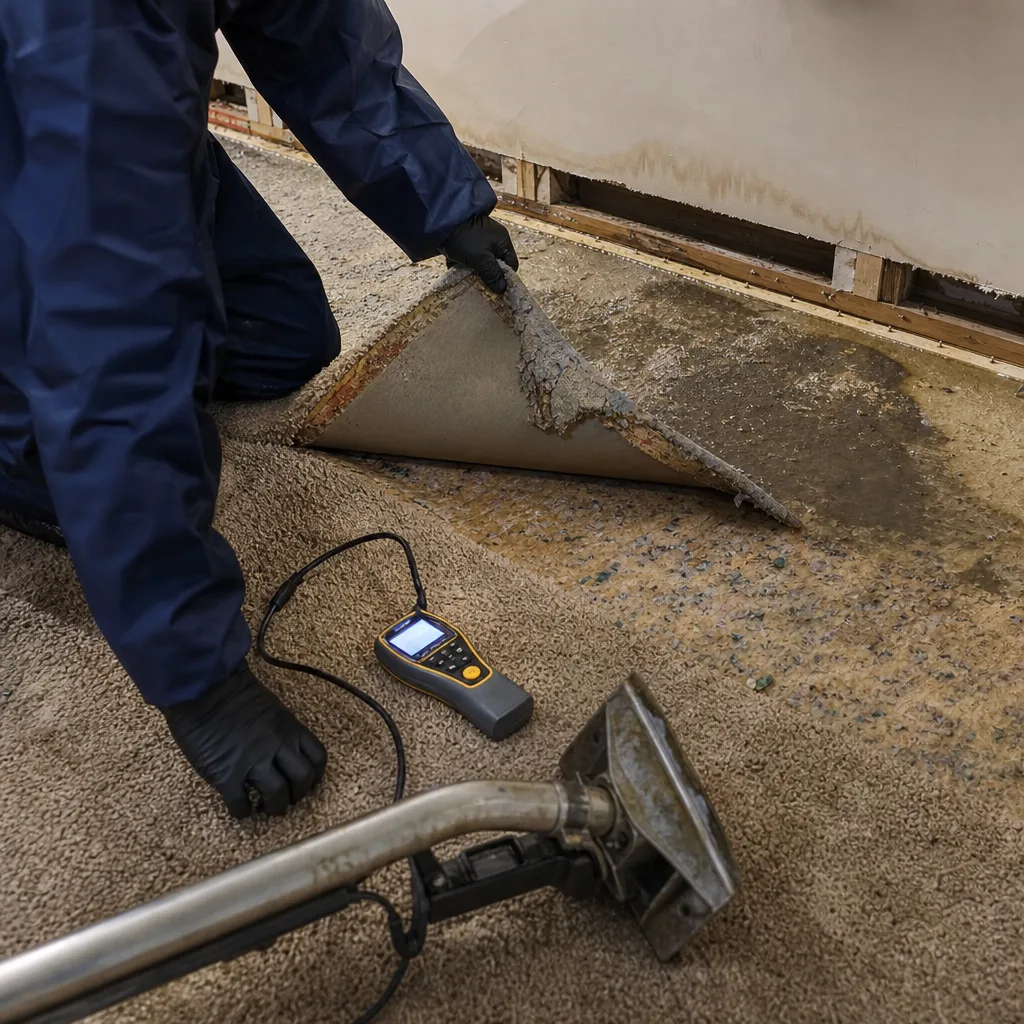
Fire damage cleanup in Des Moines starts with structural stabilization and a documented assessment of what the heat, smoke, and suppression water have affected. In the 1950s and 1960s ranch and split-level homes that dominate Des Moines’s residential stock, we regularly find that fire has compromised original roof decking, opened legacy crawl-space vents, or cracked the deteriorated vapor barriers that were already failing under decades of marine humidity. Our crew photographs every affected surface, tests structural integrity, and delivers a written scope before demolition or cleaning begins. We coordinate directly with your adjuster and provide the photo record that supports your claim.
Smoke & Soot Removal
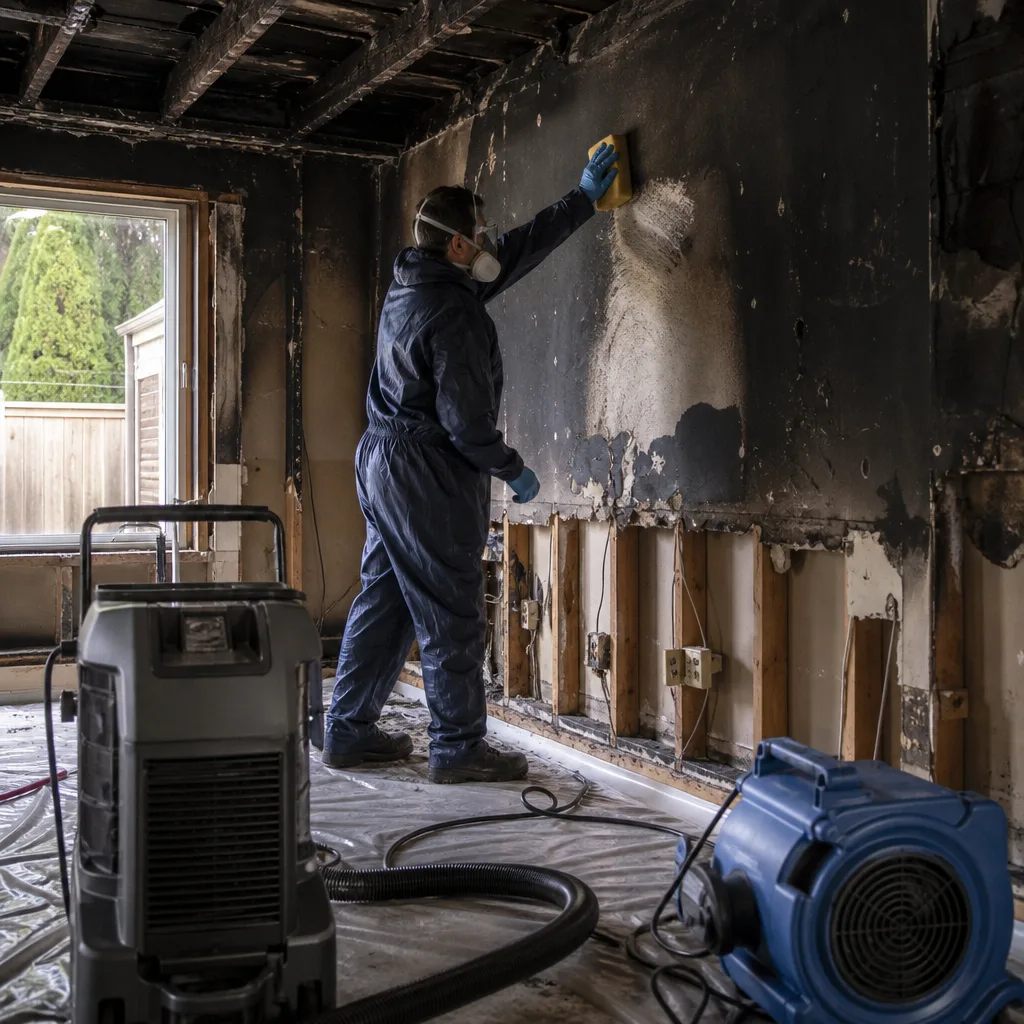
Smoke and soot behave differently in Des Moines’s coastal environment than they do inland. The onshore flow that carries Puget Sound moisture up the bluff face also drives smoke particles deep into porous materials, and the salt-air corrosion that has already degraded hardware and surface finishes in older homes makes complete soot removal more critical, not less. We use HEPA vacuuming, chemical sponges, and thermal fogging appropriate to the fire classification, and we document particulate levels before and after treatment. On bluff-top properties, we also map where smoke has traveled through foundation cracks and roof penetrations opened by heat, because those same pathways will admit groundwater within days if not sealed and dried properly.
Odor Removal & Deodorization
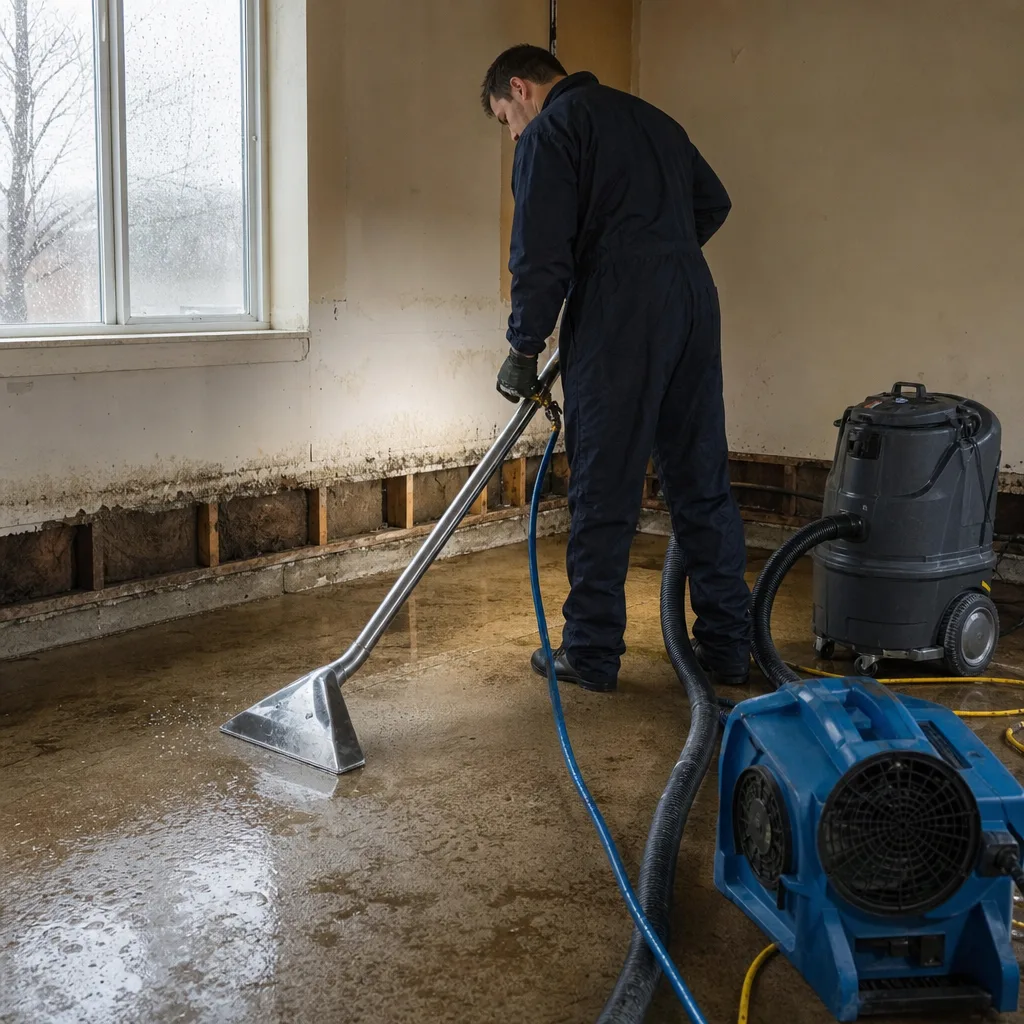
Odor removal in Des Moines fire jobs often fails because contractors skip the drying phase. The city’s year-round marine humidity, typically 15 to 20 percent higher than Federal Way or Kent, means smoke odor molecules bind more tenaciously to damp materials. We run dehumidification to established psychrometric targets before applying ozone, hydroxyl, or thermal fog treatments, and we verify vapor pressure differentials to confirm that hidden cavities have actually dried, not just surface-dried. The result is odor elimination, not odor masking, backed by moisture readings logged twice daily.
Contents Cleaning & Pack-Out
Contents cleaning and pack-out is where Des Moines’s fire losses become complex. The same mid-century homes with vented crawl spaces and deteriorated vapor barriers often contain original built-ins, vintage fixtures, and family possessions that cannot be replaced. We inventory, photograph, and pack out salvageable items to our cleaning facility, where ultrasonic, immersion, and dry-cleaning methods are matched to material type. Non-salvageable items are documented for your insurer with photo evidence. In a typical Des Moines fire job, we pack out 60 to 80 percent of contents while structural drying and remediation proceed, returning cleaned items only after moisture readings and odor testing confirm the structure is ready.
What happens when you call
- 1
A real person answersNo phone trees - you reach a local pro.
- 2
You get an upfront price rangeHonest numbers before anyone is dispatched.
- 3
A background-checked tech heads outLicensed & insured, dispatched right away.
- 4
You approve before work beginsNothing starts until you say go.
BeforeAfterTrusted Brands We Service in Des Moines
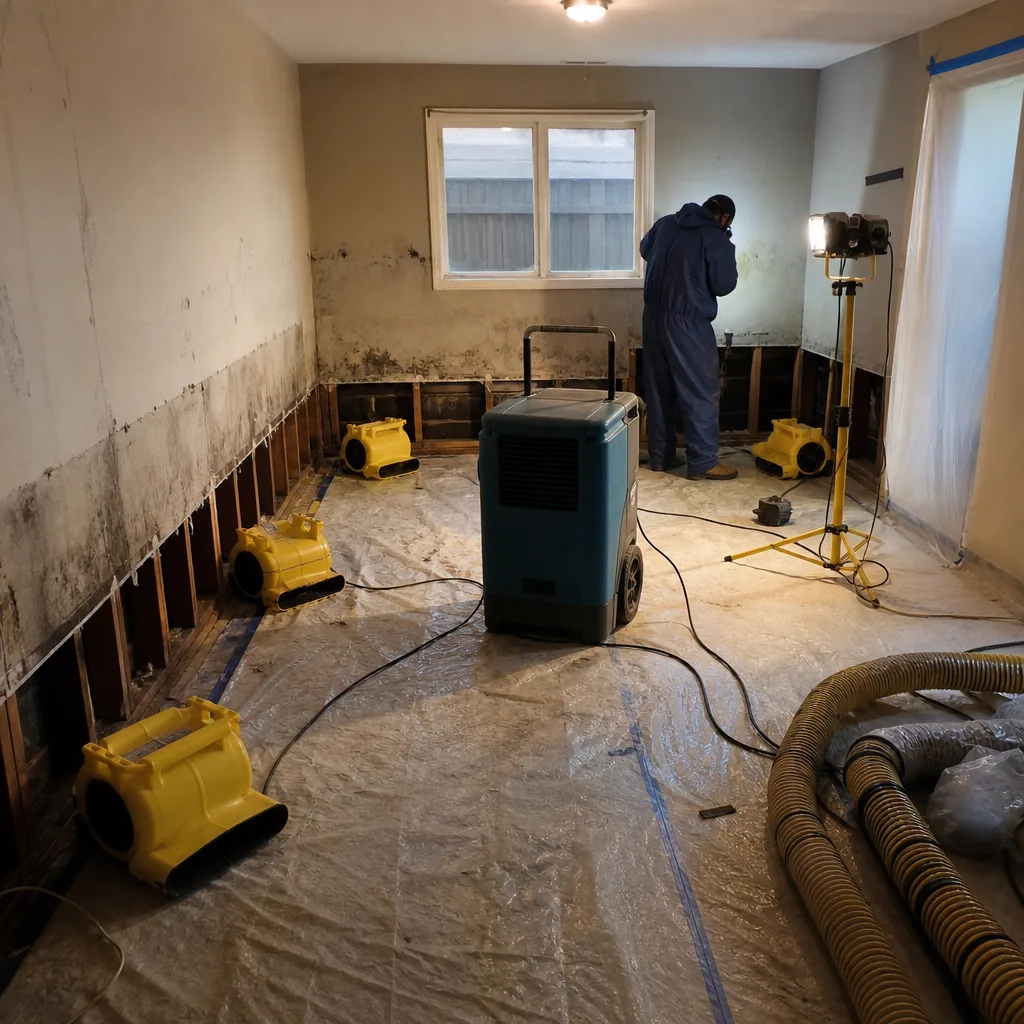
Our equipment inventory includes professional-grade drying and air-scrubbing systems from Dri-Eaz, Phoenix, and XPOWER, with Injectidry specialty drying units for the wall cavities and crawl spaces common in Des Moines’s older housing stock. We stock antimicrobial treatments, sealants, and vapor-barrier materials suited to marine-climate applications, and our crews are trained on the specific challenges of salt-air material degradation. This means faster mobilization for Des Moines properties and no waiting for parts or equipment that fit the job.
Common Fire & Smoke Damage Restoration Problems We See in Des Moines Homes
- The “fire today, water tomorrow” sequence on bluff-top streets. Heat from a kitchen or electrical fire opens foundation cracks and roof penetrations in 1960s split-levels; the October-March onshore storms then channel uphill groundwater through those same openings. We map this secondary water intrusion before soot removal begins, because drying the structure is prerequisite to every other restoration step.
- Crawl spaces that become hidden mold reservoirs. The original vapor barriers in Des Moines’s vented crawl spaces have often disintegrated after 50 to 70 years of coastal humidity. Fire suppression water, or simply rainwater entering through heat-cracked vents, saturates the subfloor and framing while the visible fire damage distracts everyone from what’s below. Our moisture mapping includes crawl-space readings on every Des Moines job.
- Salt-air corrosion accelerating hardware and surface failure. Marina-district properties and even bluff-top homes exposed to onshore flow show corroded door hardware, degraded electrical components, and compromised finishes that would last decades inland. Fire and smoke damage exacerbates this decay, and our assessments flag materials that need replacement rather than cleaning.
- Contractors who scope only the room of origin and miss the groundwater pathway. This is the most expensive mistake we see in Des Moines: a crew cleans the charred kitchen, replaces the drywall, and signs off while uphill groundwater continues entering through foundation cracks mapped in King County’s landslide hazard zones. Our written scopes address the whole structure, and our drying logs prove it.
Pricing for Fire & Smoke Damage Restoration in Des Moines, WA
Fire and smoke damage restoration pricing in Des Moines reflects the complexity of coastal-climate recovery and the older housing stock involved.
| Service | Typical Range in Des Moines |
|---|---|
| Emergency board-up and tarping | $450 - $1,200 |
| Smoke and soot removal (per affected room) | $800 - $2,400 |
| Odor removal and deodorization (whole house) | $1,600 - $4,800 |
| Contents cleaning and pack-out | $2,200 - $7,500 |
| Structural fire repair and reconstruction | $5,500 - $22,000+ |
| Crawl-space remediation and vapor-barrier replacement | $1,800 - $5,200 |
What moves a job toward the higher end: multi-room smoke travel, structural involvement requiring engineering review, contents pack-out with extensive cleaning, and the secondary water mitigation that Des Moines’s bluff-top geology and storm patterns make necessary. What keeps costs controlled: rapid emergency response that prevents secondary damage, accurate initial scoping that avoids change orders, and documentation that gets your insurer to approve the full scope without dispute. Every Des Moines job receives a written price before work begins, Haven Standard, Clause 1, and we offer a Free Second Opinion on any competitor’s written estimate.
Call (253) 447-5249 for a written estimate at no charge.
We Also Serve Cities Near Des Moines
Our crews respond throughout south King and north Pierce counties, including Puyallup, Edgewood, Summit, and Sumner. Dispatch and scheduling are coordinated from our Seattle office, with local crews serving Des Moines directly. The same documentation standards, written pricing, and 365-Day Done Right Promise apply in every community we serve.
Serving Des Moines, WA - Our Local Coverage Area
We’re based in the Des Moines area and know this community well. Use the map below to see our service coverage - if you’re nearby, we can almost certainly help.
FAQs - Fire & Smoke Damage Restoration in Des Moines
Des Moines’s bluff-top geology means fire damage almost always includes a secondary water pathway that inland crews miss. On streets west of Pacific Highway S, heat opens foundation cracks and roof penetrations that then admit uphill groundwater channeled by slope geology in mapped landslide hazard zones; we test for this moisture intrusion before soot removal begins and include crawl-space drying in our initial scope. Call (253) 447-5249 and we’ll show you the moisture mapping on your specific property.
Des Moines crawl spaces show up on nearly every fire job because the city’s mid-century housing stock was built with vented crawl spaces and original vapor barriers that have deteriorated under decades of marine humidity. Fire heat cracks vents and barriers, suppression water saturates the space, and the salt-air environment accelerates mold colonization; skipping the crawl space means mold becomes a second claim months later. We inspect and moisture-map every crawl space as standard practice, documented with photos and daily drying logs.
Mold can establish in 48 to 72 hours in Des Moines’s elevated marine humidity, faster than the 72 to 96 hours typical in drier inland climates. The combination of fire-suppression water, opened foundation cracks, and year-round coastal moisture means mold risk starts immediately; emergency response within the first day, with dehumidification running before soot removal, is the standard that prevents secondary remediation. Our live dispatch answers 24 hours a day, 7 days a week at (253) 447-5249.
On-site cleaning is possible for lightly affected, non-porous items in isolated fire scenarios, but most Des Moines fire jobs require pack-out because smoke has traveled through the structure’s ventilation pathways and the marine humidity has already compromised material integrity. We assess each item for salvageability, document non-restorable pieces for your insurer, and clean pack-out contents at our facility while structural drying proceeds. The decision is always yours, supported by our written recommendation and photo evidence.
Yes, Des Moines’s salt air and marine humidity extend structural drying times by 25 to 40 percent compared to inland King County cities. The year-round elevated humidity slows evaporation rates, and salt residue on surfaces attracts additional moisture; our crews adjust equipment deployment accordingly, running more dehumidification capacity for longer periods and logging psychrometric data twice daily until readings confirm dry standards are met. The documentation proves the structure is actually dry, not just surface-dry, before we sign off.
Written by Alicia Brennan, Owner at Back to Dry Restoration, serving Des Moines since 2011.