
Free visual inspection and a written scope of work before any mitigation begins - photos, moisture readings, and drying logs go in your claim file
The scope we write is the scope we bill. Anything new gets shown to you, in writing, before we touch it.
 Before
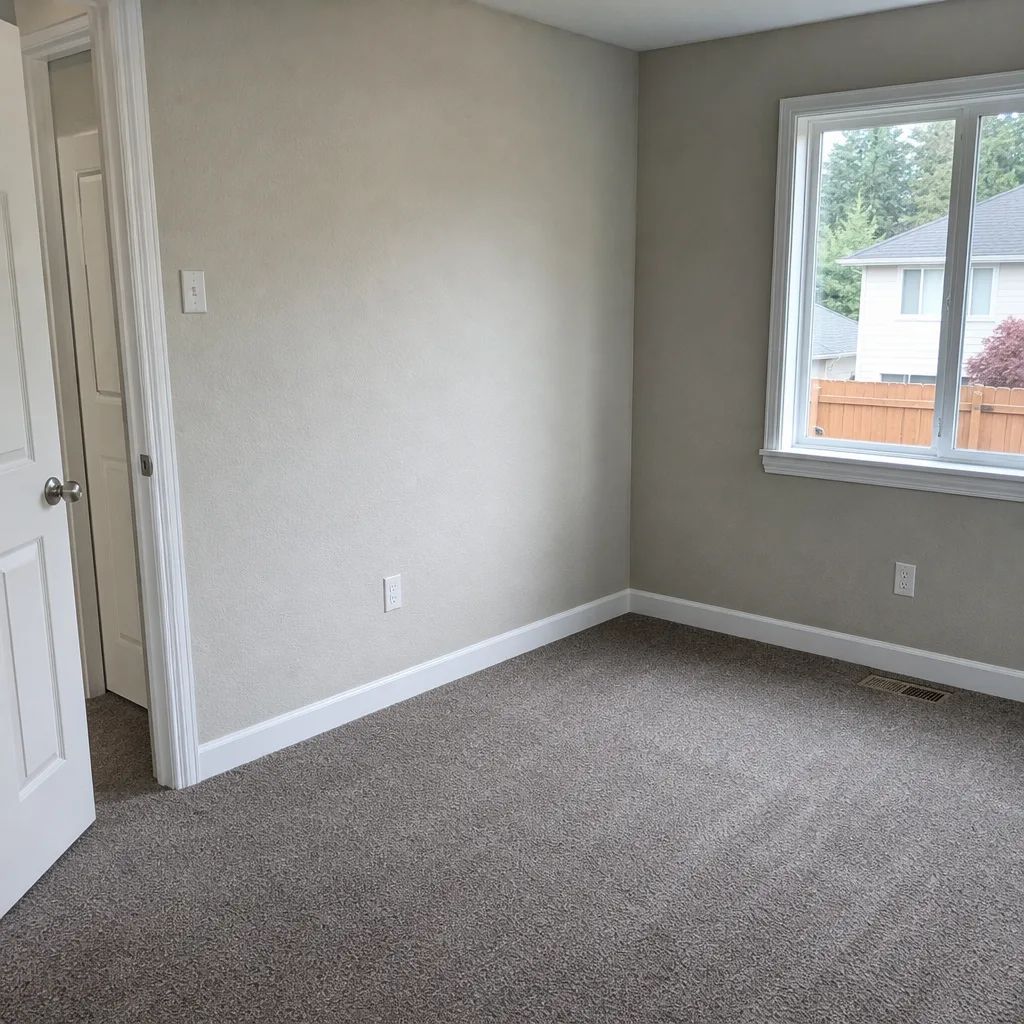 After
After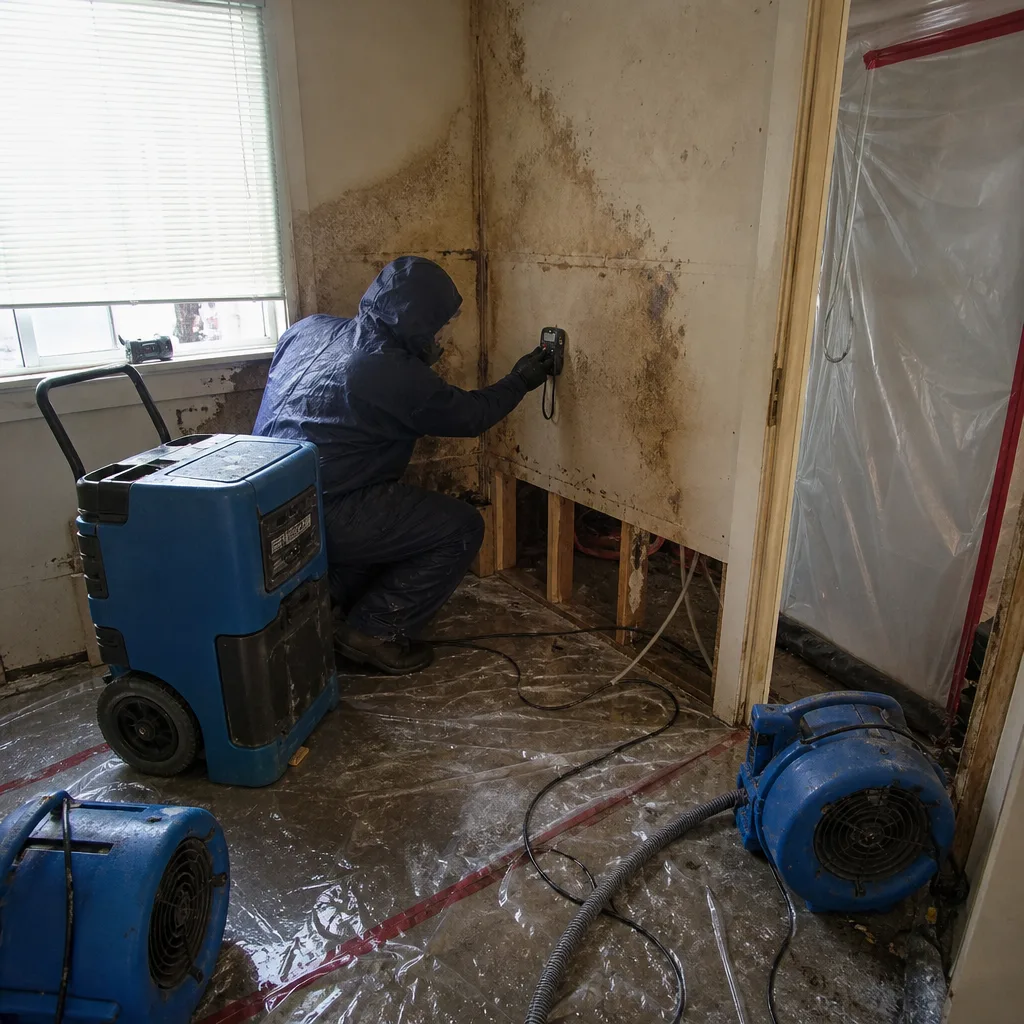 Before
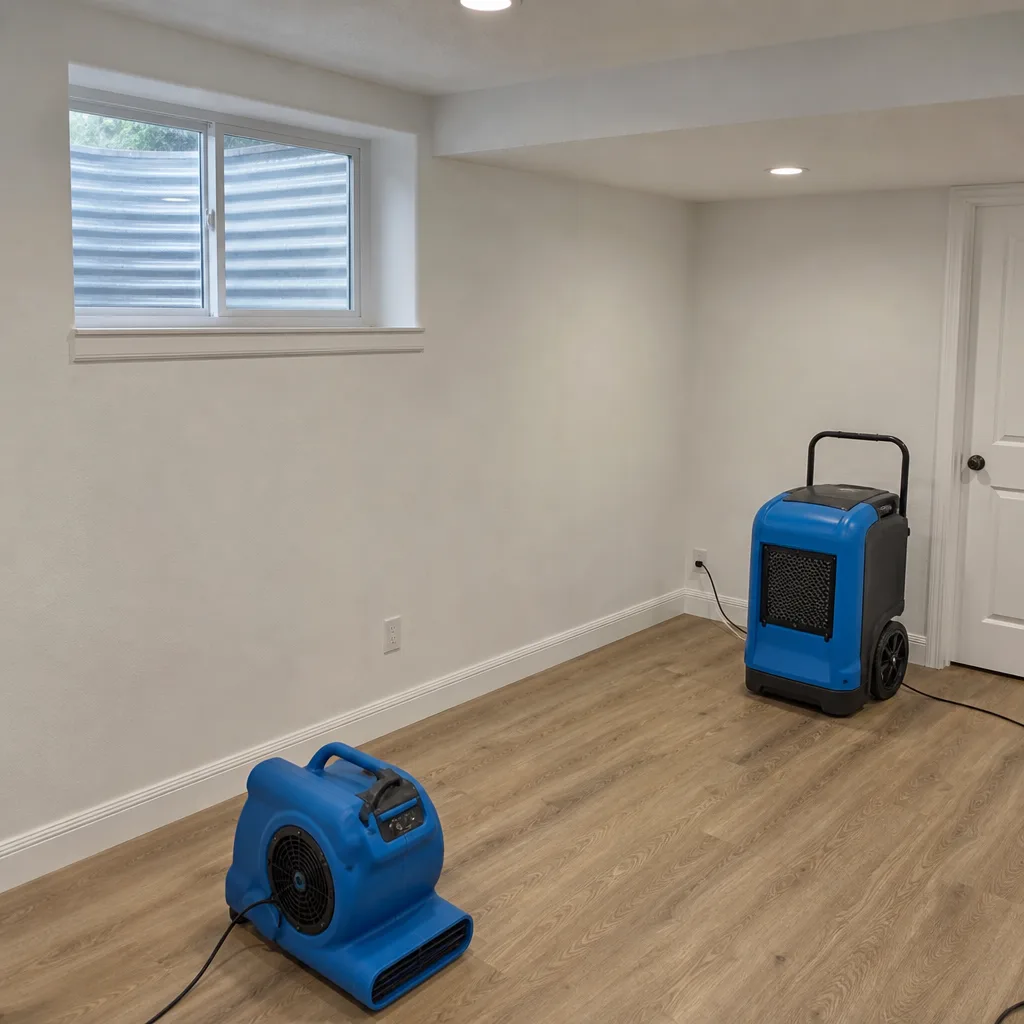 After
After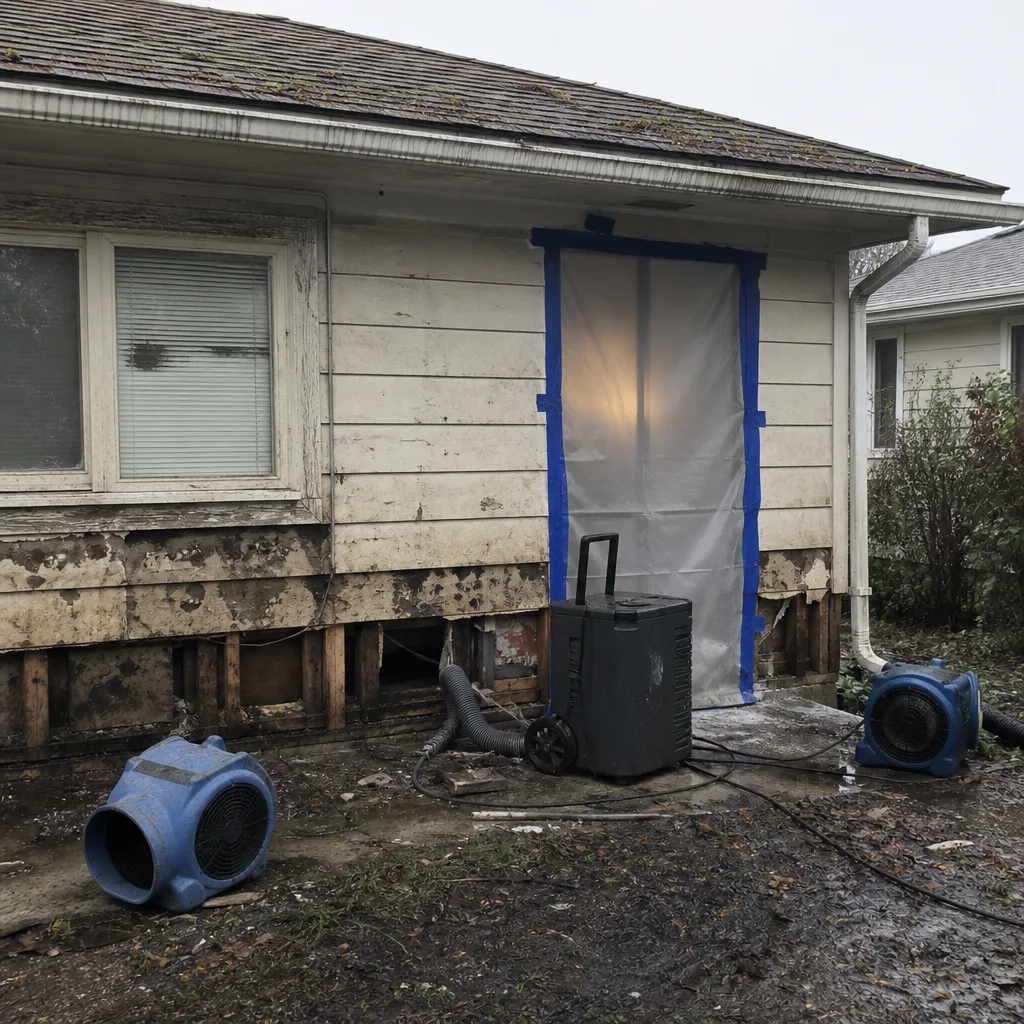 Before
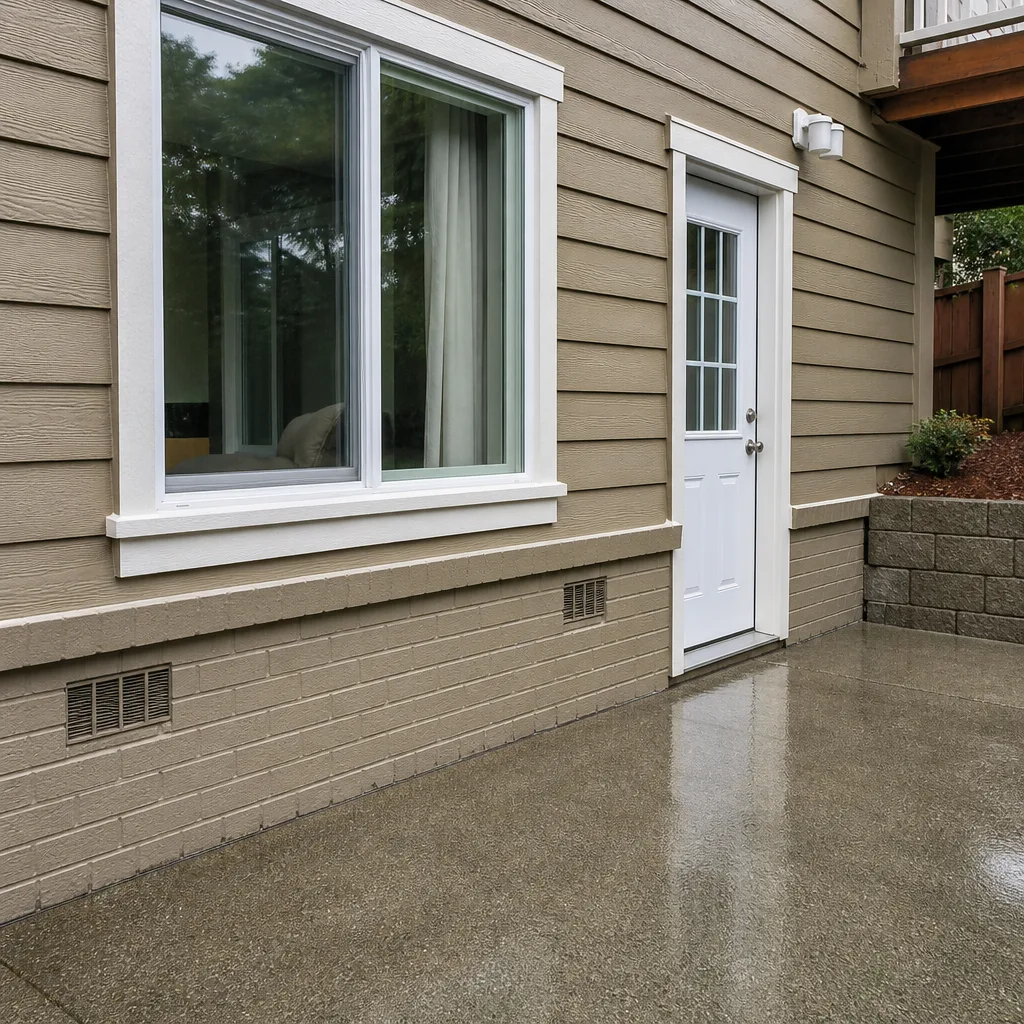 After
AfterFast, Reliable Mold Remediation Across South Hill
Mold remediation in South Hill typically costs $2,800-$6,500 for crawl space and subfloor work, with full containment and air-scrubbed removal running higher for finished basements or widespread colonization. Most South Hill homeowners call us after discovering musty odors in hallways, soft drywall near window corners, or standing water in crawl spaces following Pacific storm season. We’re familiar with the plateau’s clay soils, the 1990s tract-home subdivisions from Sunrise to Lipoma Firs, and the specific failure patterns that repeat across entire cul-de-sacs. Call (253) 447-5249 for a written estimate before any work begins.
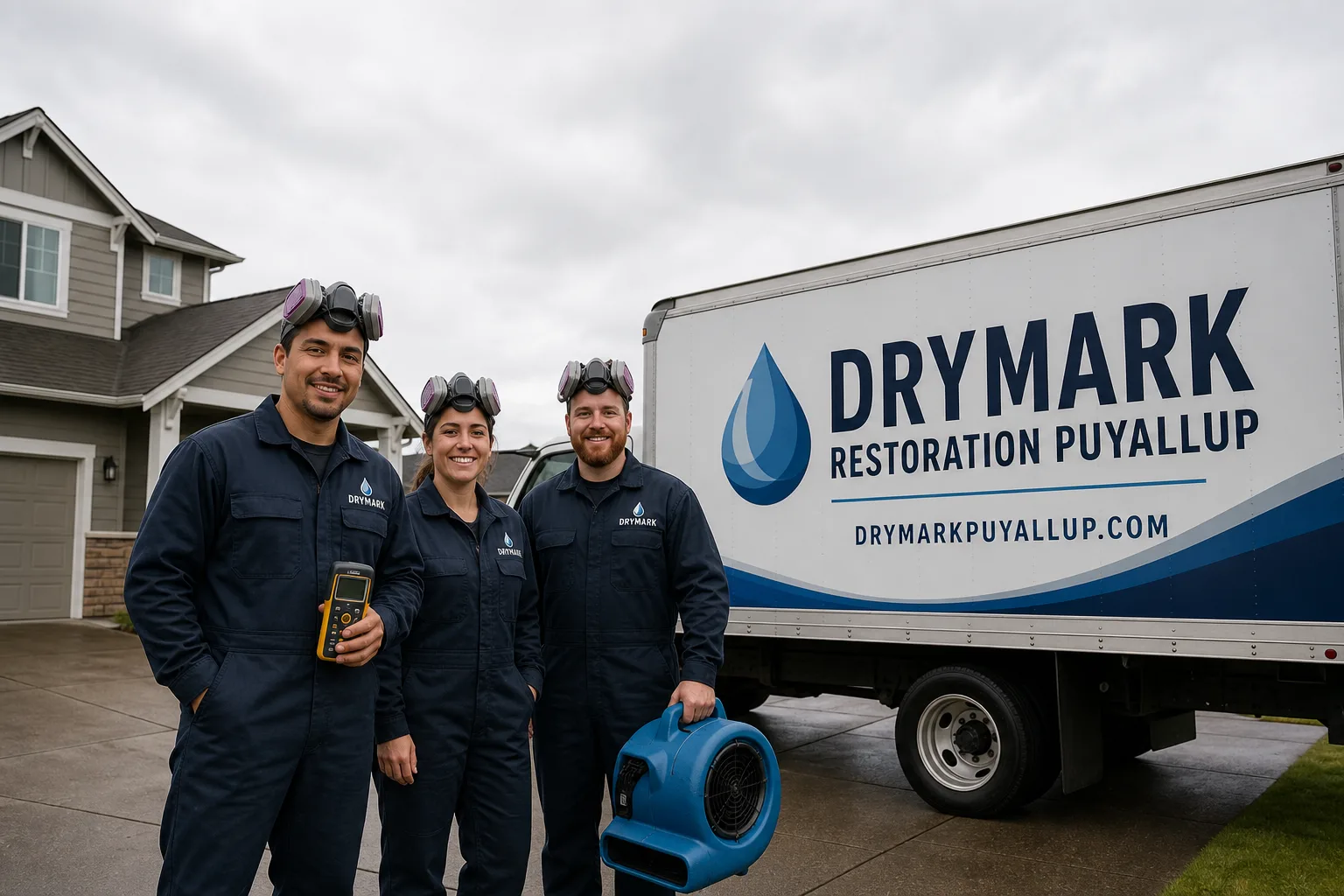
Our crews serve South Hill from our Seattle office, with dispatch coordinated for same-day response to mold calls. We don’t do voicemail on emergency lines. A live person answers, logs your moisture concern, and schedules a technician who arrives with containment equipment, moisture meters, and a camera for the documented photo record that starts every job.
Why DryMark Restoration Puyallup Is South Hill’s Preferred Mold Remediation Company
We’ve restored homes in South Hill since the neighborhood’s original tract-home envelopes began failing in waves. Our reputation here is built on documentation that holds up to insurer scrutiny, not speed claims or reassurance language. Homeowners in Sunrise, Lipoma Firs, and the 122nd Ave E corridor know our crews by the written scope they deliver before containment goes up, the daily moisture logs they leave behind, and the photo record that accompanies every visit.
Our response time to South Hill averages under two hours for active water-intrusion calls, though we never promise what we can’t document. The clay-pan crawl spaces here demand permanent drainage solutions alongside drying, and our technicians are trained to scope that work in writing from the first visit rather than returning with change orders after the next storm. Every crew member is background-checked, uniformed, and licensed, with license numbers available on request.
We offer a Free Second Opinion on any competitor’s written estimate for South Hill properties. Bring another company’s scope and we’ll review it against IICRC S520 standards at no charge.
Our Mold Remediation Services in South Hill
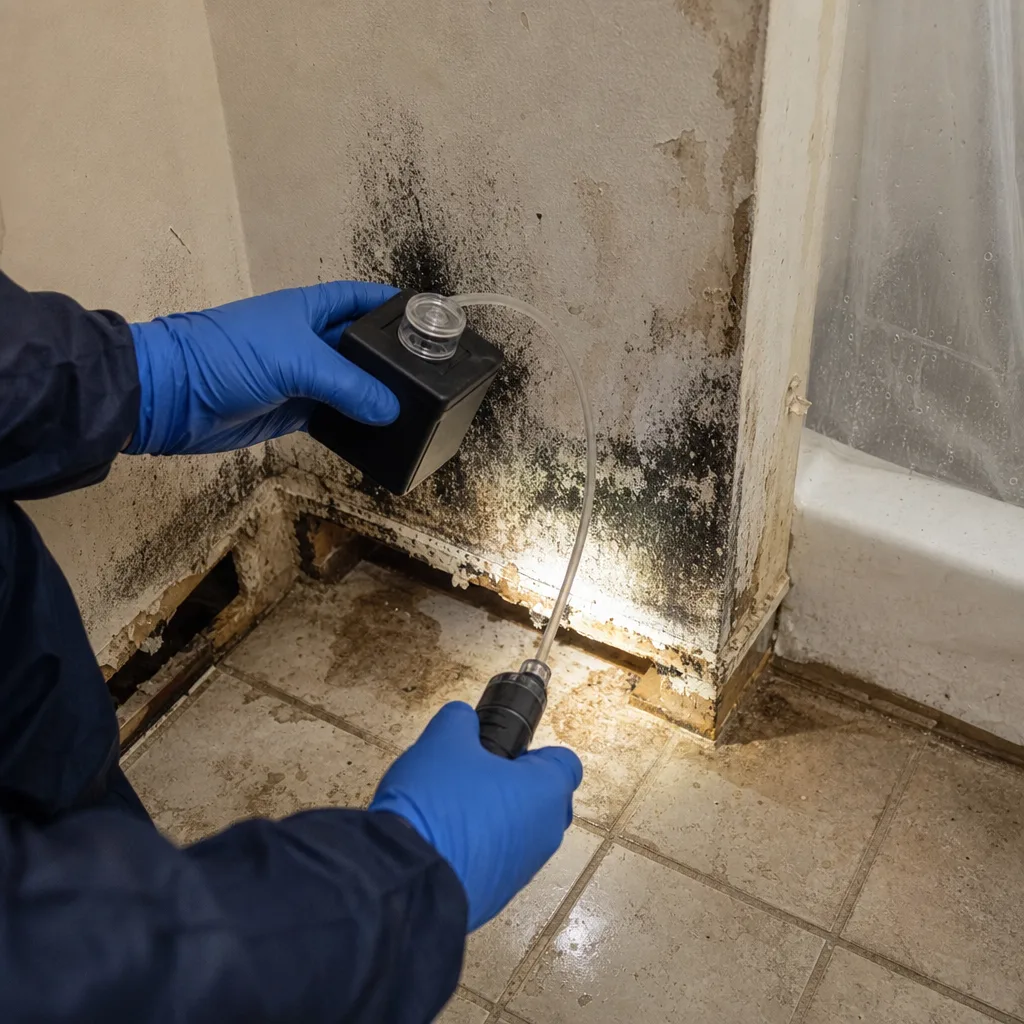
Mold Inspection & Testing
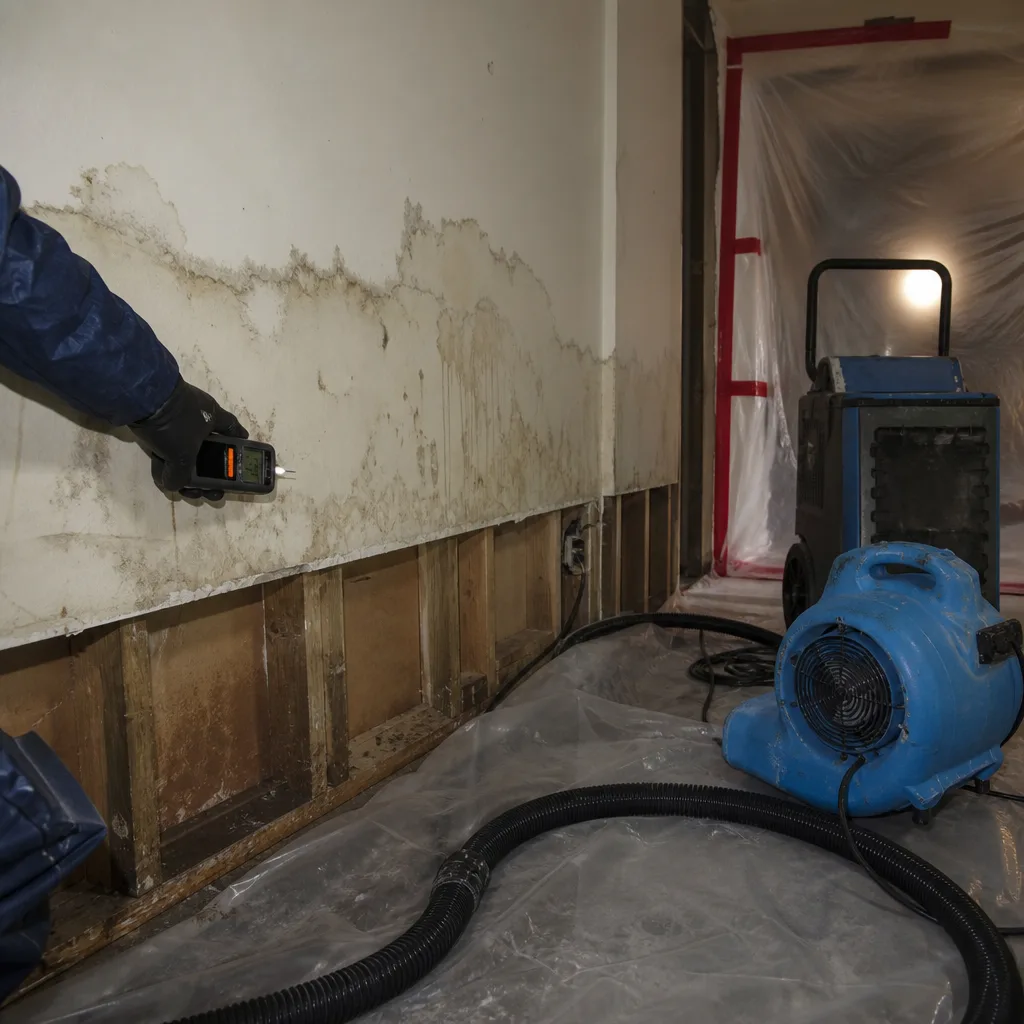
Our South Hill inspections start with moisture mapping, not guesswork. We use FLIR thermal imaging and calibrated penetrating meters to find elevated readings in OSB sheathing, rim joists, and subfloors, the three zones that fail most often in local 1990s-2000s construction. Air and surface samples go to independent labs for species identification and concentration data. You’ll receive a written report with photo documentation, moisture readings by room, and a remediation scope priced before any containment is built.
Testing is particularly important in South Hill because the same storm event often triggers mold in multiple homes on one street. Lab data lets us prove to your insurer whether your colonization is fresh or long-standing, a distinction that determines coverage under most Washington HO-3 policies.
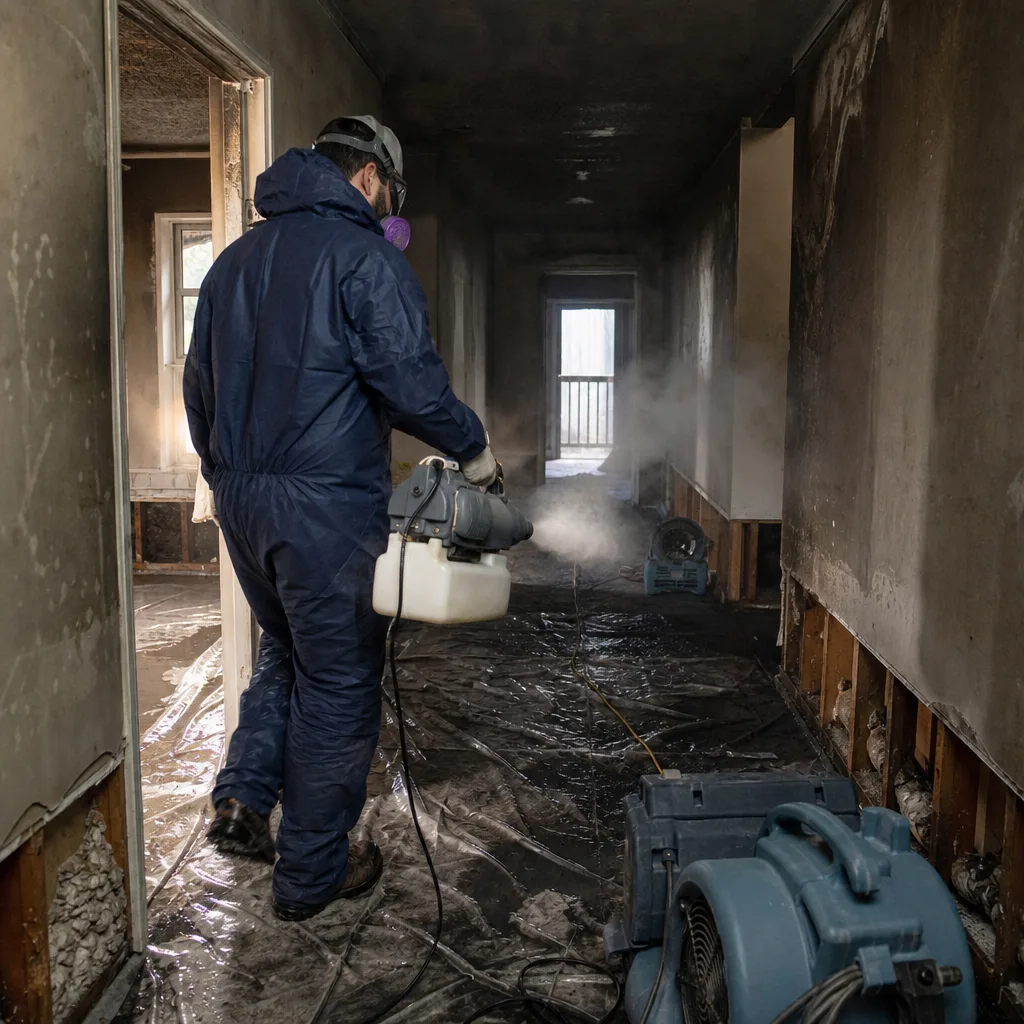
Mold Removal
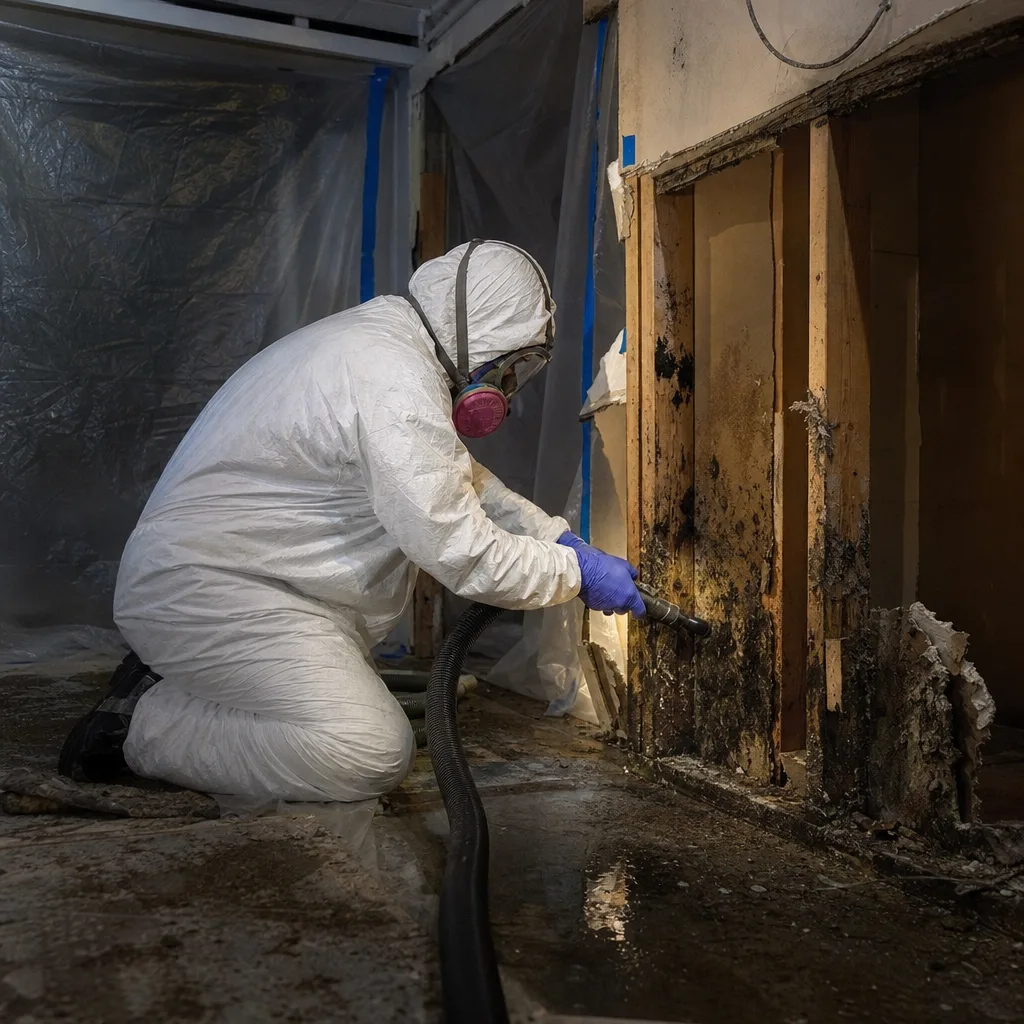
Removal in South Hill follows IICRC S520 containment protocols: negative air machines, HEPA-filtered air scrubbers, and sealed work zones that prevent cross-contamination to unaffected rooms. We remove colonized drywall, insulation, and structural materials, bag them in 6-mil polyethylene, and dispose per Pierce County solid waste requirements. Antimicrobial treatment follows removal, with a documented photo record of every surface before and after application.
The heavy clay soils here mean removal often extends to subfloor decking and rim joists that other companies miss. We scope that work in writing upfront, under Haven Standard, Clause 1, so you’re not facing undiscovered rot after the containment comes down.
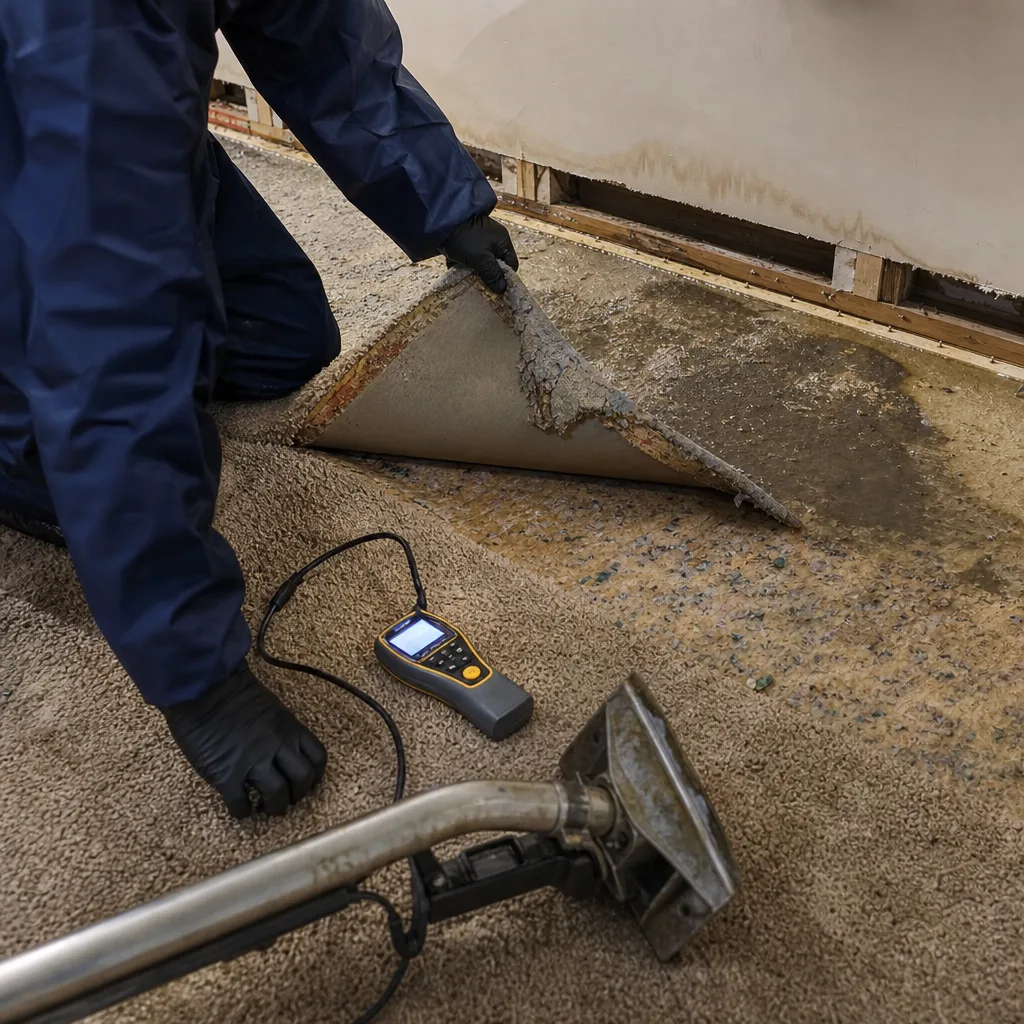
Black Mold Remediation
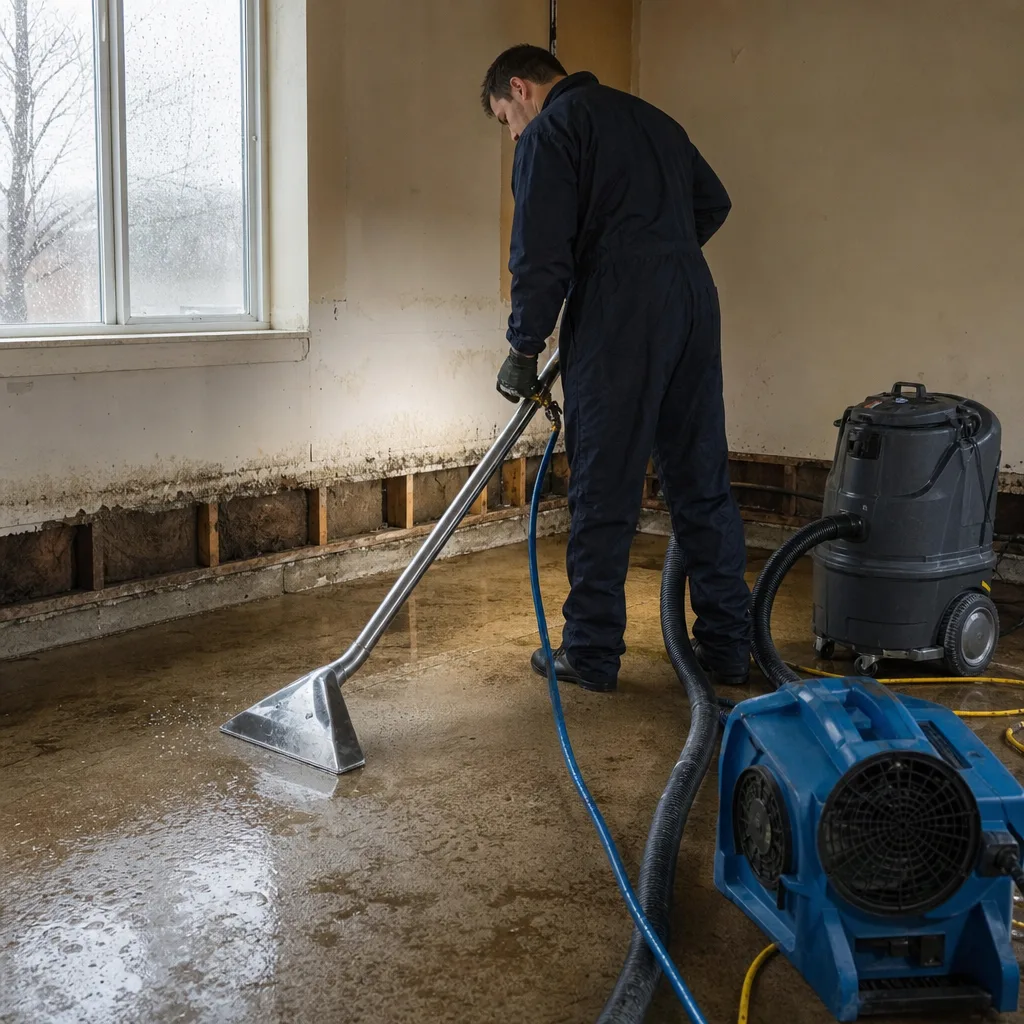
Stachybotrys chartarum and other toxigenic species require the same containment rigor as any mold removal, with additional respiratory protection and extended air scrubbing. In South Hill, we find black mold most often behind failed window flashing in tract homes where housewrap details predated current Washington State energy-code moisture management requirements. The vinyl siding looks intact from outside; inside, the OSB sheathing is wicking water through gaps at the rough opening.
Our crews document the full extent of hidden colonization with borescope cameras before cutting drywall. The written scope includes replacement of water-damaged sheathing, not just surface treatment, because black mold on OSB almost always means the substrate is compromised.
Air Quality Restoration
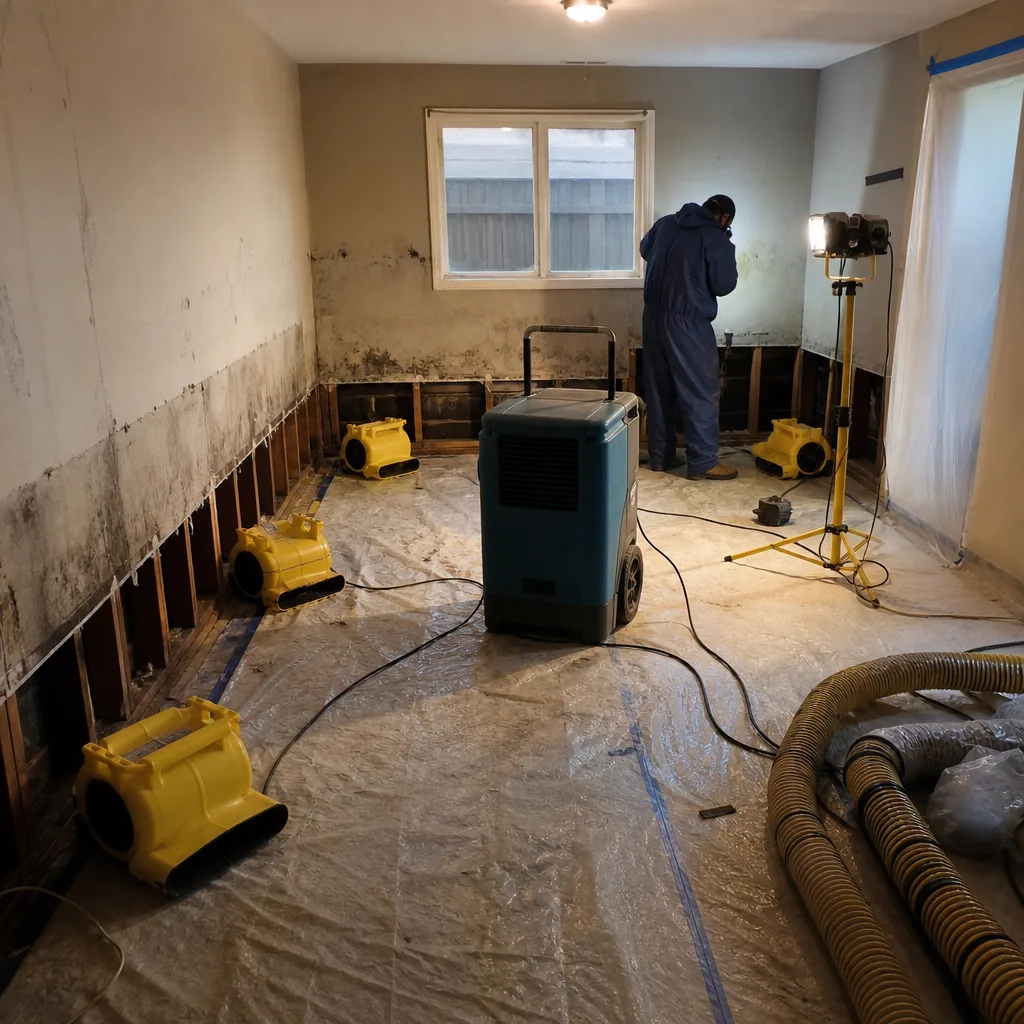
Post-remediation air testing in South Hill verifies that spore counts have returned to outdoor-equivalent levels before we release containment. We run 24-hour spore trap samples and compare them to baseline outdoor readings taken the same day. Our documentation package includes the lab report, the moisture log showing structural drying completion, and the photo record of treated surfaces.
For homes with forced-air systems, we inspect ductwork for cross-contamination during the initial scope. South Hill’s tight, energy-efficient tract homes often have HVAC returns in crawl spaces or wall cavities that moved spores before the problem was visible.
Crawl Space Treatment
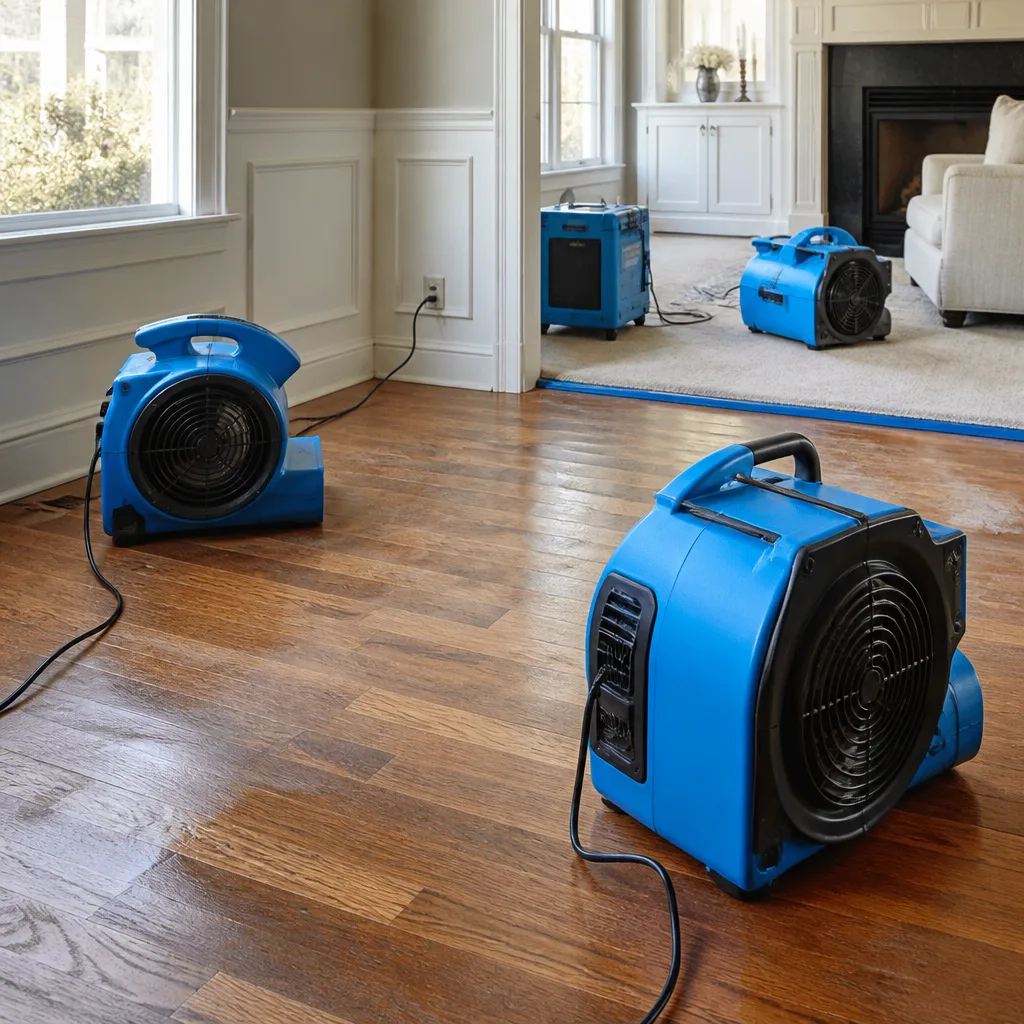
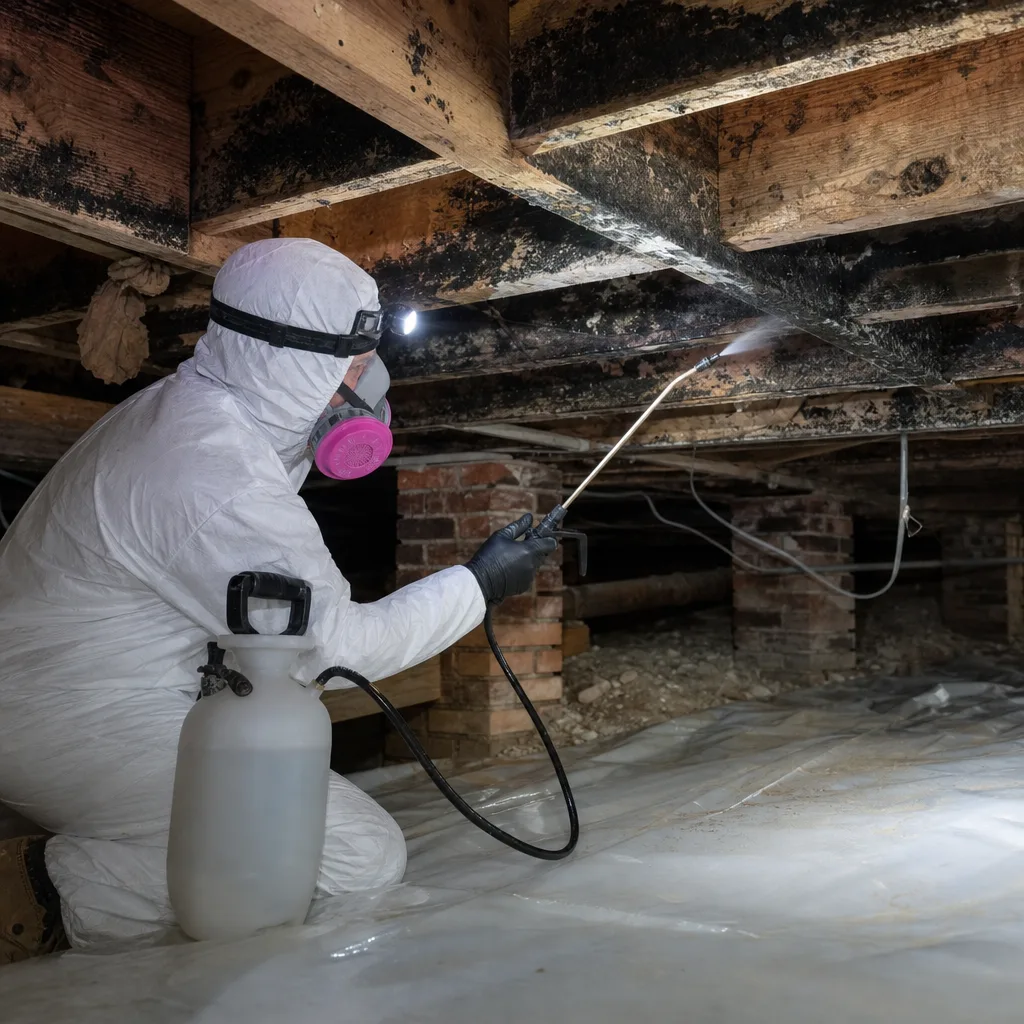
This is our most frequent South Hill service. The perched water table over South Hill’s glacial clay keeps crawl space foundations saturated through the wet season, even where gutters and yard drainage are correctly installed. We extract standing water, deploy dehumidification and air movement, treat structural members for mold, and install permanent drainage, vapor barriers, and ventilation solutions that prevent recurrence.
Drying alone fails here. We’ve documented too many South Hill jobs where a competitor’s drying equipment read “dry” in January and mold returned by March. Our scopes include French drain or drainage-board installation as standard where clay-pan conditions exist, with the work itemized in writing before we start.
Moisture & Humidity Control
Long-term moisture control in South Hill requires understanding the plateau’s specific hydrology. We install permanent dehumidification, improve crawl space ventilation, and seal foundation penetrations that allow soil gas and moisture migration. Every solution is scoped to your home’s foundation type, whether daylight basement, stem wall, or post-and-pier, with psychrometric data explaining why each measure was selected.
Psychrometric data is simply the measurement of how temperature, humidity, and air movement interact to remove moisture from materials. We log this data daily during drying and use it to size permanent humidity control equipment.
What happens when you call
- 1
A real person answersNo phone trees - you reach a local pro.
- 2
You get an upfront price rangeHonest numbers before anyone is dispatched.
- 3
A background-checked tech heads outLicensed & insured, dispatched right away.
- 4
You approve before work beginsNothing starts until you say go.
 Before
 After
AfterTrusted Brands We Service in South Hill
Our equipment fleet includes professional-grade drying systems from Dri-Eaz, Phoenix, and XPOWER, documented to IICRC, RIA, and IFA standards. We stock HEPA air scrubbers, negative air machines, and dehumidification units sized for South Hill’s typical 1,800-2,400 square foot tract homes, with larger capacity available for custom builds in the Lipoma Firs area. Parts and replacement filters are on our trucks, so we’re not waiting on supply houses while your containment sits open. The daily moisture logs these machines generate become part of your documentation package, the evidence that turns restoration invoices into payable claims.
Common Mold Remediation Problems We See in South Hill Homes
- Crawl spaces that “test dry” but re-flood within weeks. South Hill’s clay-pan soils create a perched water table that seasonal drying equipment can’t address. We scope permanent drainage on every crawl space job because we’ve documented the failure pattern too many times.
- Hidden mold behind builder-grade vinyl windows and OSB sheathing. The 1990s-2000s tract homes across Sunrise and surrounding subdivisions used flashing details that predated stricter Washington moisture codes. Water gets behind siding at rough openings, colonizes the sheathing, and shows up as “musty hallway” before visible damage appears.
- Cul-de-sac-wide envelope failures treated as isolated incidents. When three neighbors on the same street call in one season, the problem is systemic, not individual. We coordinate containment protocols and document the shared construction defect for insurance subrogation where appropriate.
- Category 2 crawl space water misclassified as clean. Groundwater intrusion through clay soils picks up agricultural and lawn chemicals, elevating it to gray water status. This changes antimicrobial treatment requirements and disposal protocols, and we document the classification in writing before starting work.
Pricing for Mold Remediation in South Hill, WA
| Service | Typical Range in South Hill |
|---|---|
| Mold inspection & testing (thermal imaging, lab samples, written report) | $450-$850 |
| Crawl space mold remediation with water extraction | $2,800-$5,200 |
| Crawl space remediation with permanent French drain/drainage board | $4,500-$7,800 |
| Wall-cavity mold removal (contained, air-scrubbed, per room) | $1,800-$3,400 |
| Full basement mold remediation with air quality restoration | $5,500-$11,000 |
| Post-remediation air quality testing & documentation | $350-$650 |
What moves a South Hill job to the higher end: finished basement spaces requiring protective containment of furnishings, widespread colonization in multiple rooms, structural rot in OSB sheathing or rim joists requiring replacement, and the permanent drainage installation that clay-pan conditions almost always demand. We deliver a written price before any work begins, every time, with no scope-creep additions once the crew is inside your home. Haven Standard, Clause 1. Call (253) 447-5249 for an exact quote on your property, estimates are free.
We Also Serve Cities Near South Hill
Our crews work throughout western Pierce County, including South Hill and neighboring Puyallup, Edgewood, Summit, and Sumner. The same clay-soil conditions and tract-home construction patterns extend across much of this corridor, and we bring the same documentation-first approach to every job. Whether you’re in the city center or the developing edges near 176th St E, our Mold Remediation team responds with written scopes and photo-documented work.
Serving South Hill, WA - Our Local Coverage Area
We’re based in the South Hill area and know this community well. Use the map below to see our service coverage - if you’re nearby, we can almost certainly help.
FAQs - Mold Remediation in South Hill
Your crawl space floods because South Hill’s heavy glacial clay soils create a perched water table, water pools above the impermeable clay layer rather than percolating away, regardless of surface drainage. The plateau receives roughly 45 inches of annual rainfall, and that water has nowhere to go once it hits the clay pan beneath your foundation. We address this with permanent French drain or drainage-board installation alongside extraction and drying, because surface fixes don’t change subsurface hydrology. Call (253) 447-5249 and we’ll assess your specific foundation conditions.
No. South Hill’s rapid growth as Pierce County’s fastest-growing suburb produced thousands of similarly-aged tract homes built in the 1990s and 2000s, and those homes are now simultaneously hitting the end of their original roofing, housewrap, and window-seal lifespans. The result is a wave pattern of water intrusion across entire subdivisions, not scattered individual failures. We document the shared construction era and envelope details for insurance purposes, and we coordinate containment protocols when multiple homes on one street need work. Call (253) 447-5249 for a Free Second Opinion if another company has scoped your job in isolation.
Mold colonization begins 24 to 48 hours after water contacts organic material like OSB sheathing, paper-faced drywall, or wood framing. In South Hill’s cool, humid plateau climate, that window can extend slightly longer than in warmer regions, but the clay-soil saturation means water sources persist for weeks rather than days. We got a call from a homeowner on 122nd Ave E in Sunrise whose 1998 tract home smelled musty in the hallway; our techs ran moisture mapping and found the OSB rim joist wicking groundwater through the clay-pan crawl space, with visible mold bloom on the subfloor within the 24-48 hour window after a December storm. We set containment, pulled category 2 water with extraction and air movers, applied antimicrobial treatment to the joists, logged moisture readings over four days of structural drying, and installed a French drain plus drainage board before closing the scope of work, because in South Hill, drying alone just delays the next call. The same wet season, three neighbors on that cul-de-sac booked inspections after their builder-grade window flashing let water behind the vinyl siding. Call (253) 447-5249 at the first sign of musty odor or visible moisture.
Category 2 water, or gray water, contains significant contamination and has the potential to cause discomfort or sickness if contacted or consumed; groundwater intrusion through South Hill’s clay soils often qualifies because it picks up lawn chemicals, agricultural runoff, and soil bacteria. Category 3 water, or black water, contains pathogenic agents and is grossly unsanitary, typically from sewage backup or flooding from rivers and streams. The distinction matters for antimicrobial treatment selection, personal protective equipment requirements, and disposal protocols. We test and document water classification in writing before starting work, because misclassified water leads to inadequate treatment and health risks. Call (253) 447-5249 if you’re unsure what category you’re dealing with.
We test because documentation matters for your health, your insurer, and your property record. Visual identification of mold species is unreliable; what looks like common Cladosporium may be toxigenic Stachybotrys, and treatment protocols differ. Lab testing also establishes whether colonization is fresh, weeks old, or long-standing, a timeline that frequently determines insurance coverage for the underlying water damage. Our inspection package includes air and surface sampling with independent lab analysis, delivered with your written scope and photo documentation. Call (253) 447-5249 to schedule testing, estimates are free.
Ready to stop the cycle of drying and re-wetting in your South Hill crawl space? Call (253) 447-5249 for a written estimate before any work begins. Our live dispatch answers 24 hours a day, 7 days a week, no voicemail. Every job carries the 365-Day Done Right Promise under The Haven Standard, backed by documented photo records and daily moisture logs that turn restoration invoices into payable claims.
Written by Alicia Brennan, Owner at Back to Dry Restoration, serving South Hill since 2011 under The Haven Standard.