
Last updated September 23, 2026
Free visual inspection and a written scope of work before any mitigation begins - photos, moisture readings, and drying logs go in your claim file
The scope we write is the scope we bill. Anything new gets shown to you, in writing, before we touch it.

 Before
 After
After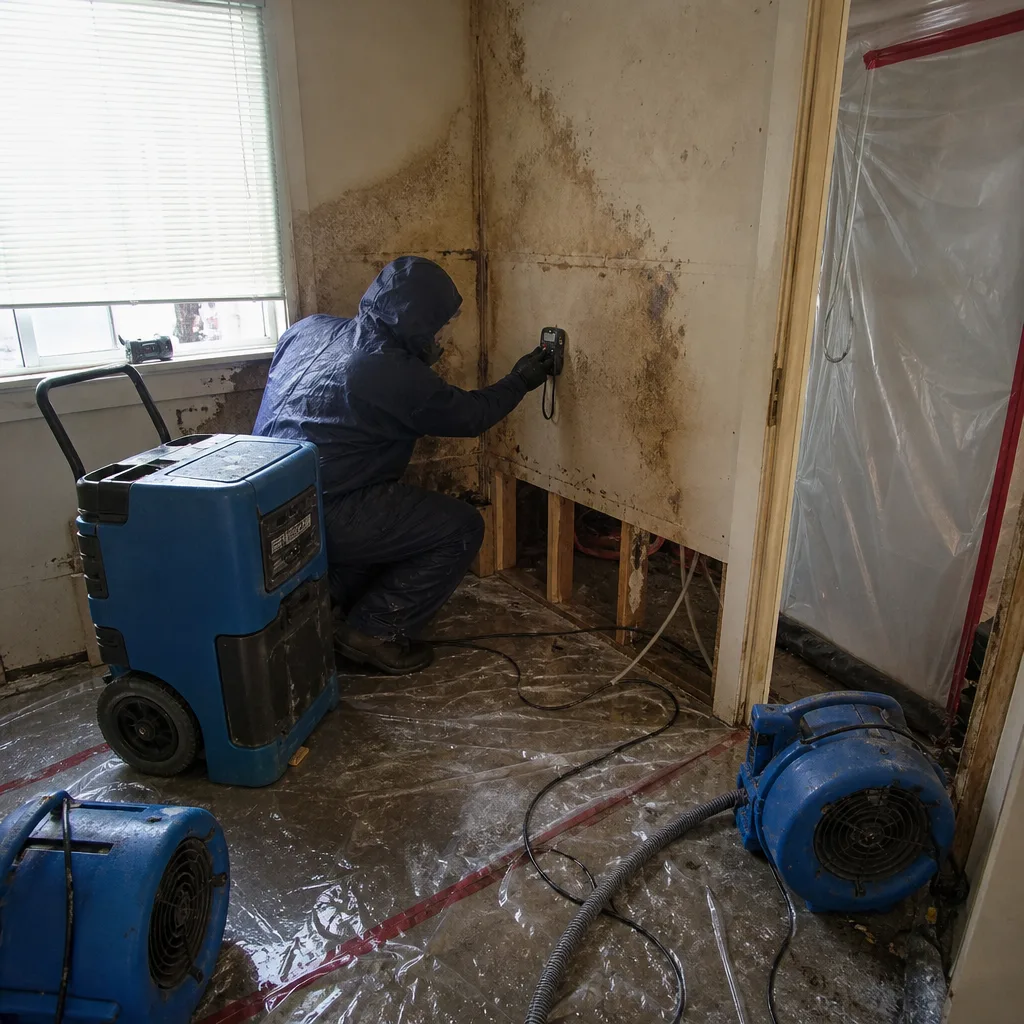 Before
 After
After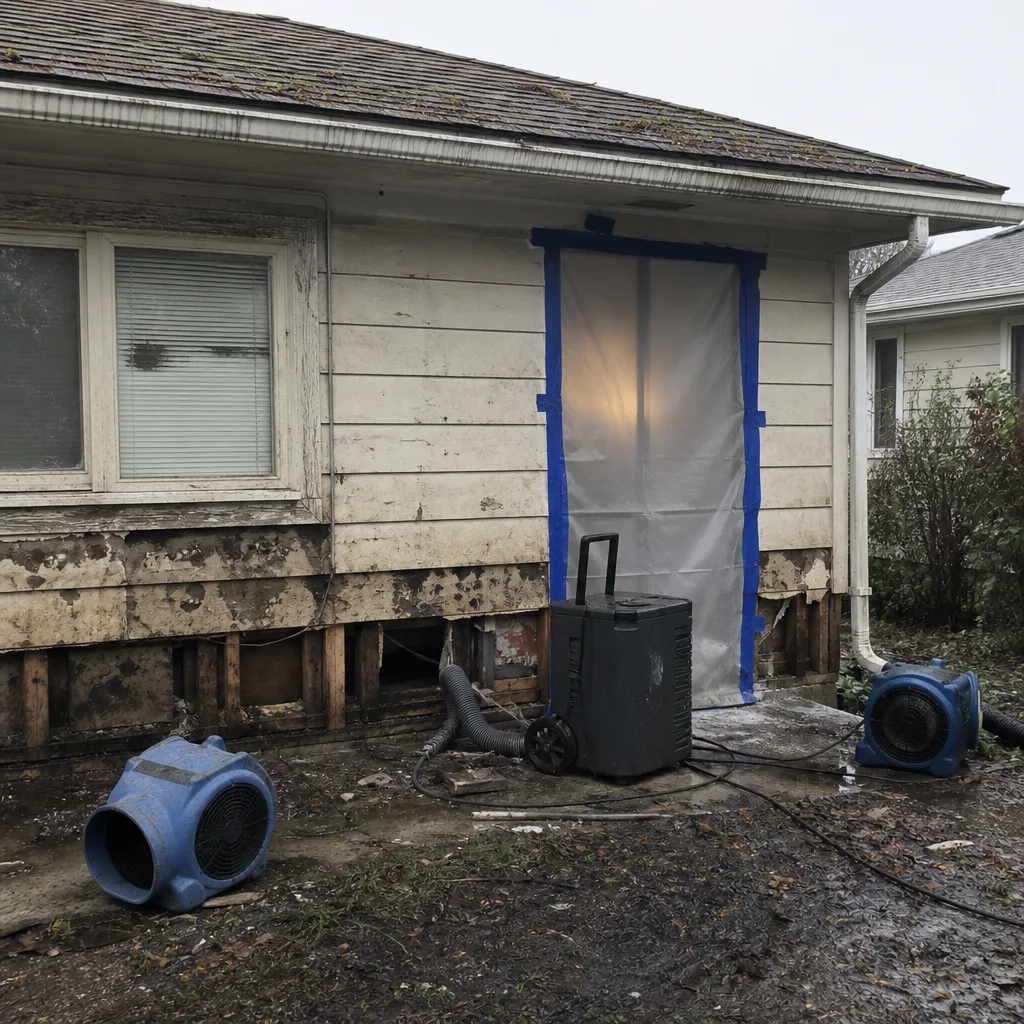 Before
 After
AfterDamage Restoration Permits, Codes & Inspections in WA: What You Need to Know
A Puyallup homeowner who replaces water-damaged drywall does not need a permit. The same homeowner who replaces the water-damaged bottom plate that drywall was attached to may need one. That line between cosmetic repair and structural reconstruction is exactly where unpermitted work gets discovered during a title search, and in Washington State, it can stall a sale or trigger a material defect claim years after the water has dried. In this guide, we’ll map the specific permit triggers for restoration work, explain how the City of Puyallup handles after-the-fact permits, and show why the inspection record itself can be as valuable as the repair. For more guides & resources on protecting your home, see our blog.
Quick Answer
In Washington State, water and mold remediation (drying, cleaning, containment) typically does not require a permit, but reconstruction work involving structural members, electrical systems, HVAC, or plumbing does. Unpermitted structural or system repairs attach to the property title and must be disclosed under RCW 64.06 when selling. A permit pulled by your contractor creates a third-party inspection record that protects resale value and supports future insurance claims.
Table of Contents
- Remediation vs. Reconstruction: Where the Permit Line Falls
- Specific Permit Triggers for Restoration Work in Washington
- The City of Puyallup Building Department Process and After-the-Fact Permits
- RCW 64.06 Seller Disclosure and Unpermitted Restoration Work
- When a Contractor’s Permit Actually Benefits the Homeowner
- IICRC Standards vs. Building Code: Documentation That Survives Both
- How Puyallup’s Climate and Soil Conditions Affect Restoration Scope
- Common Mistakes to Avoid
- When to Call a Professional
- Frequently Asked Questions
- The Bottom Line
 Before
 After
AfterRemediation vs. Reconstruction: Where the Permit Line Falls
The restoration industry operates in two distinct phases, and the permit requirement hinges entirely on which phase you’re in. Understanding this distinction-covered in detail in our Damage Restoration Warning Signs: A Puyallup Homeowner’s Reference Guide-saves homeowners from both unnecessary permit fees and costly after-the-fact compliance.
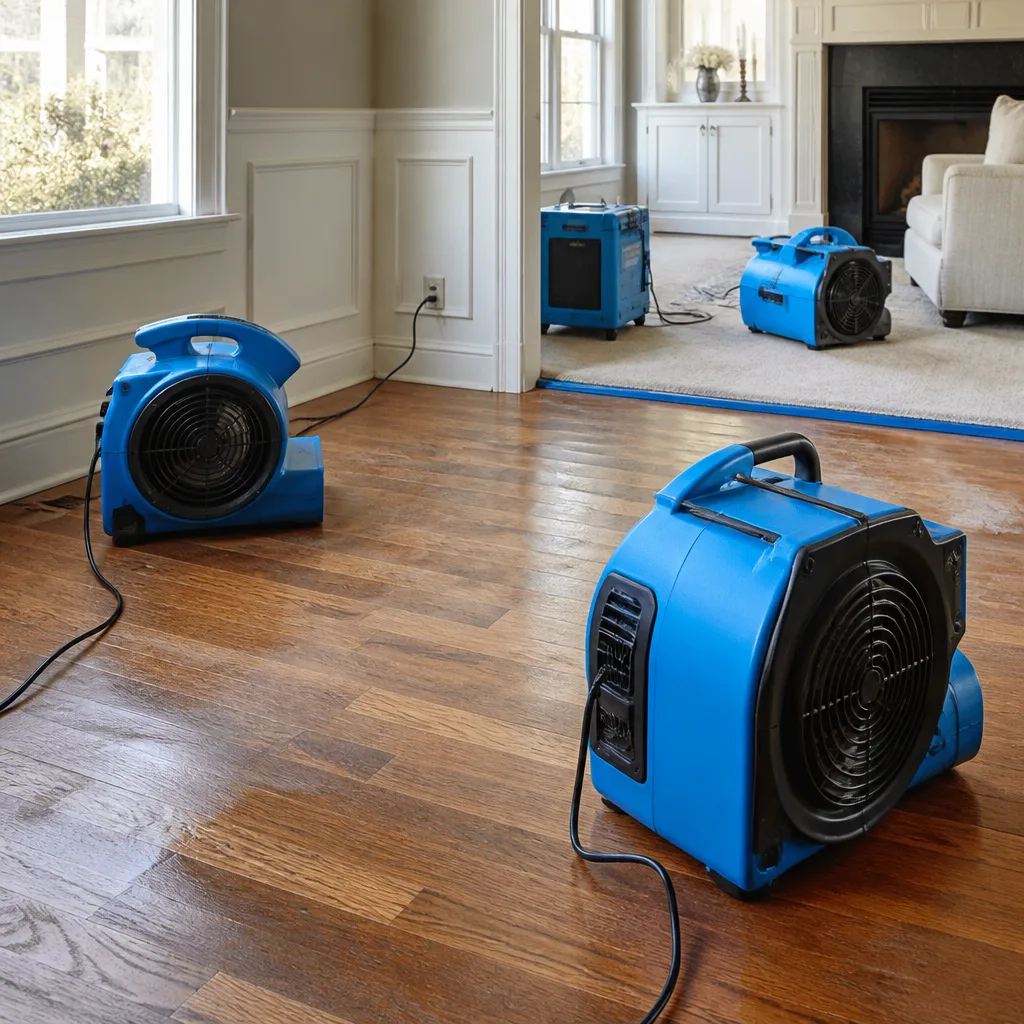
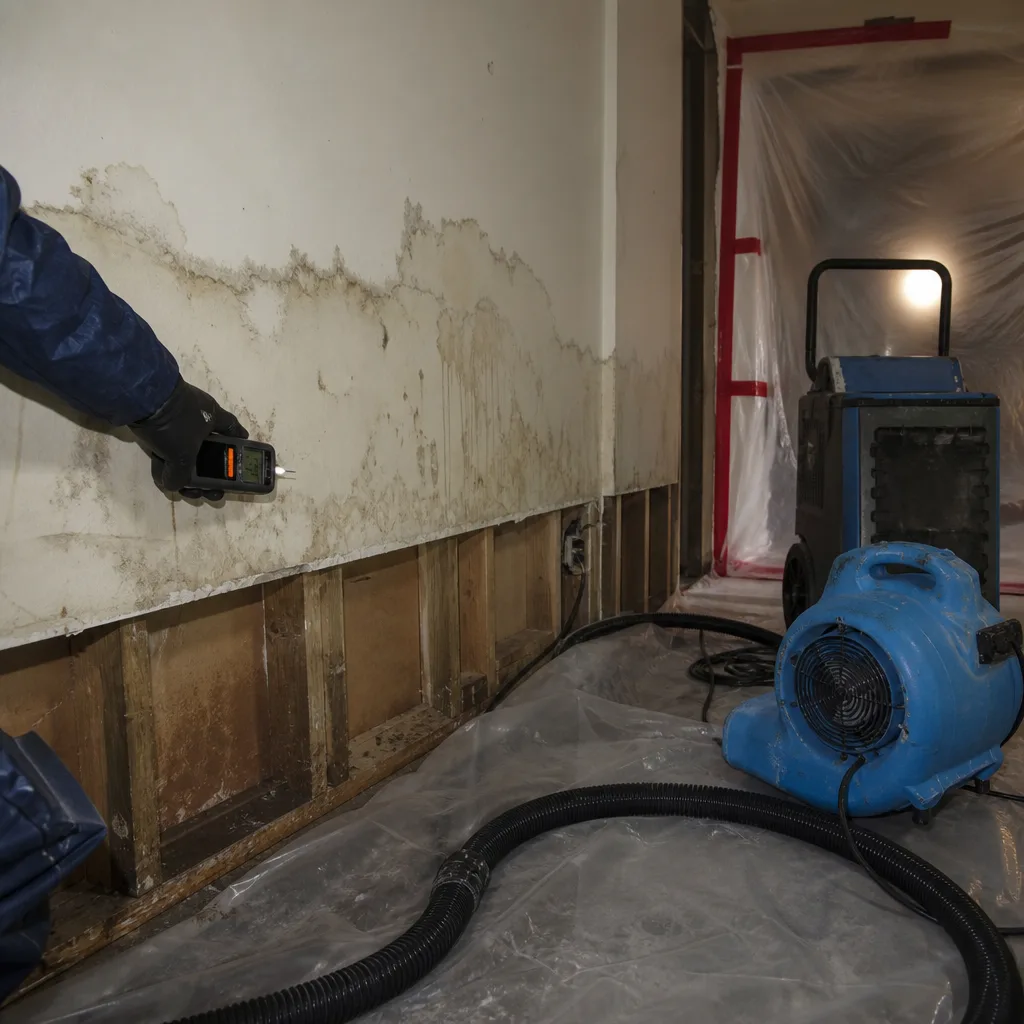
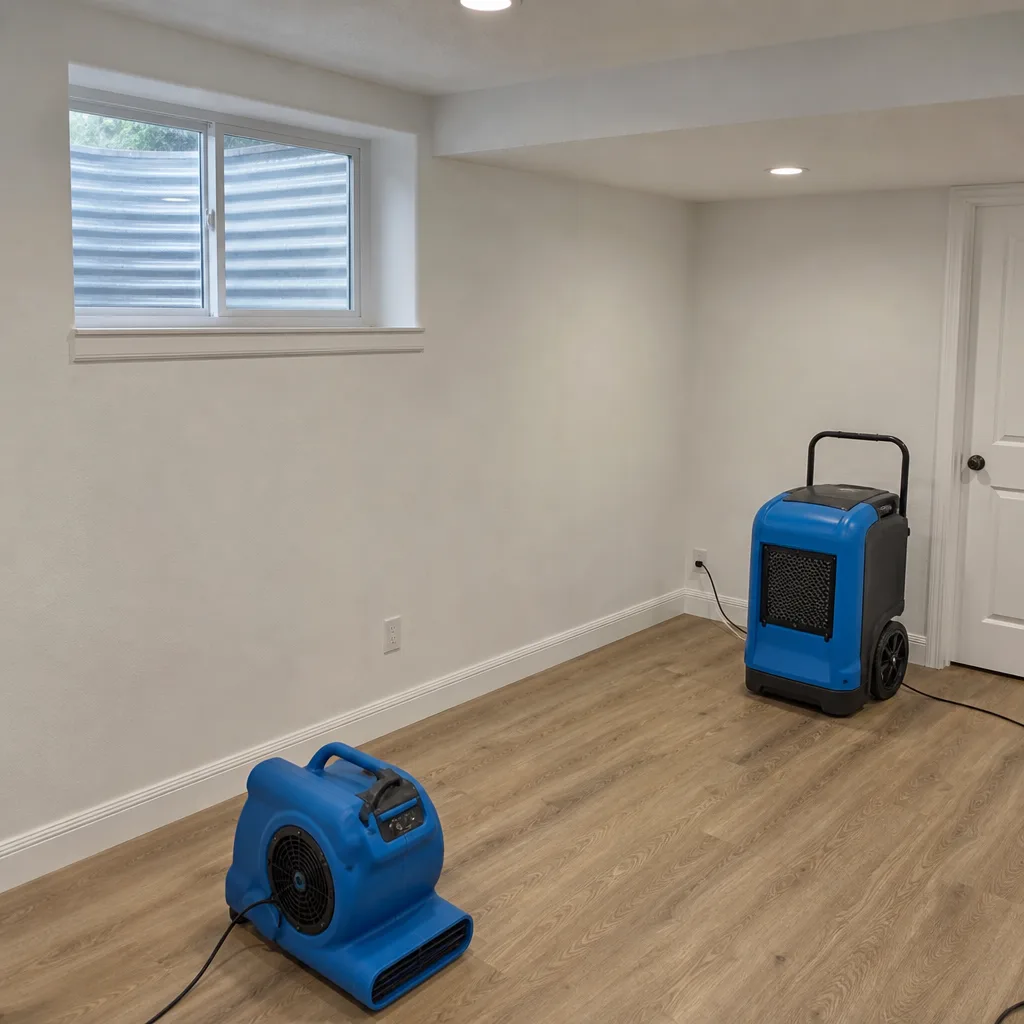
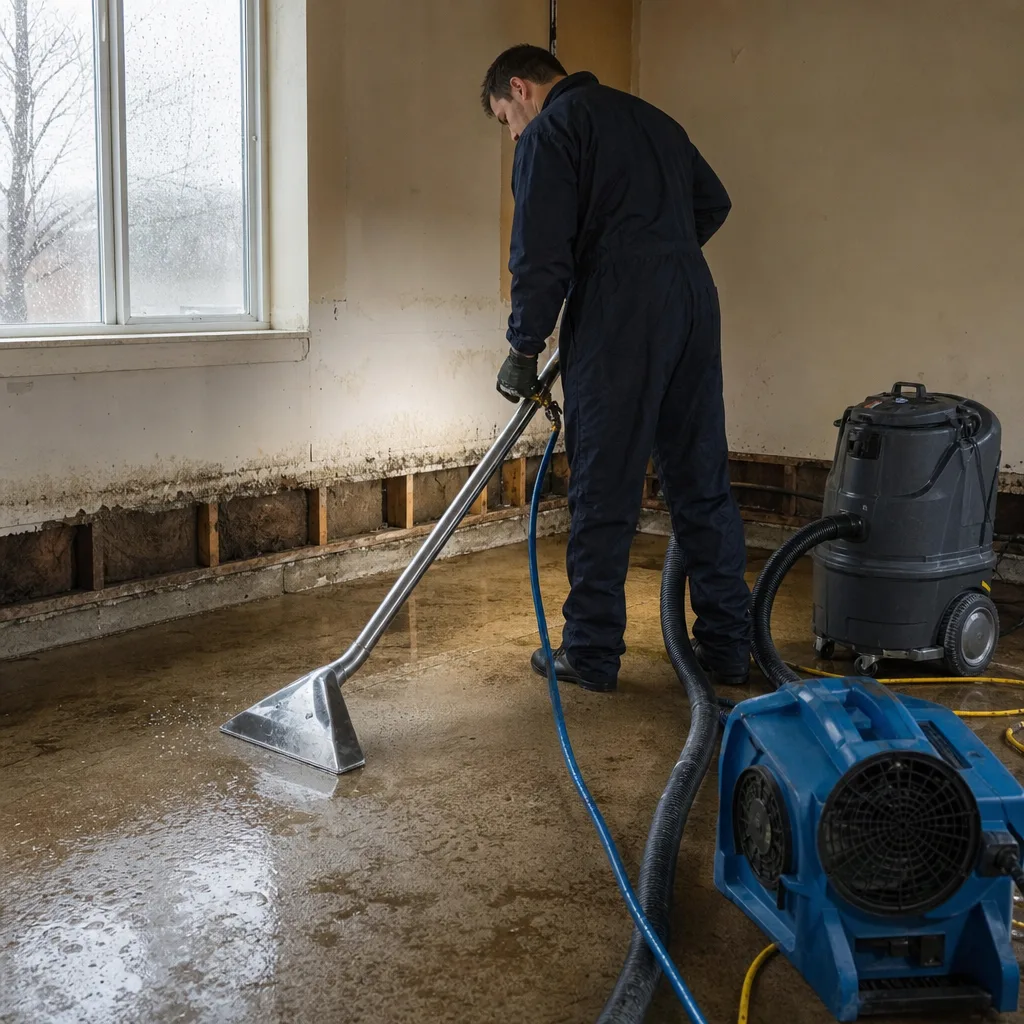
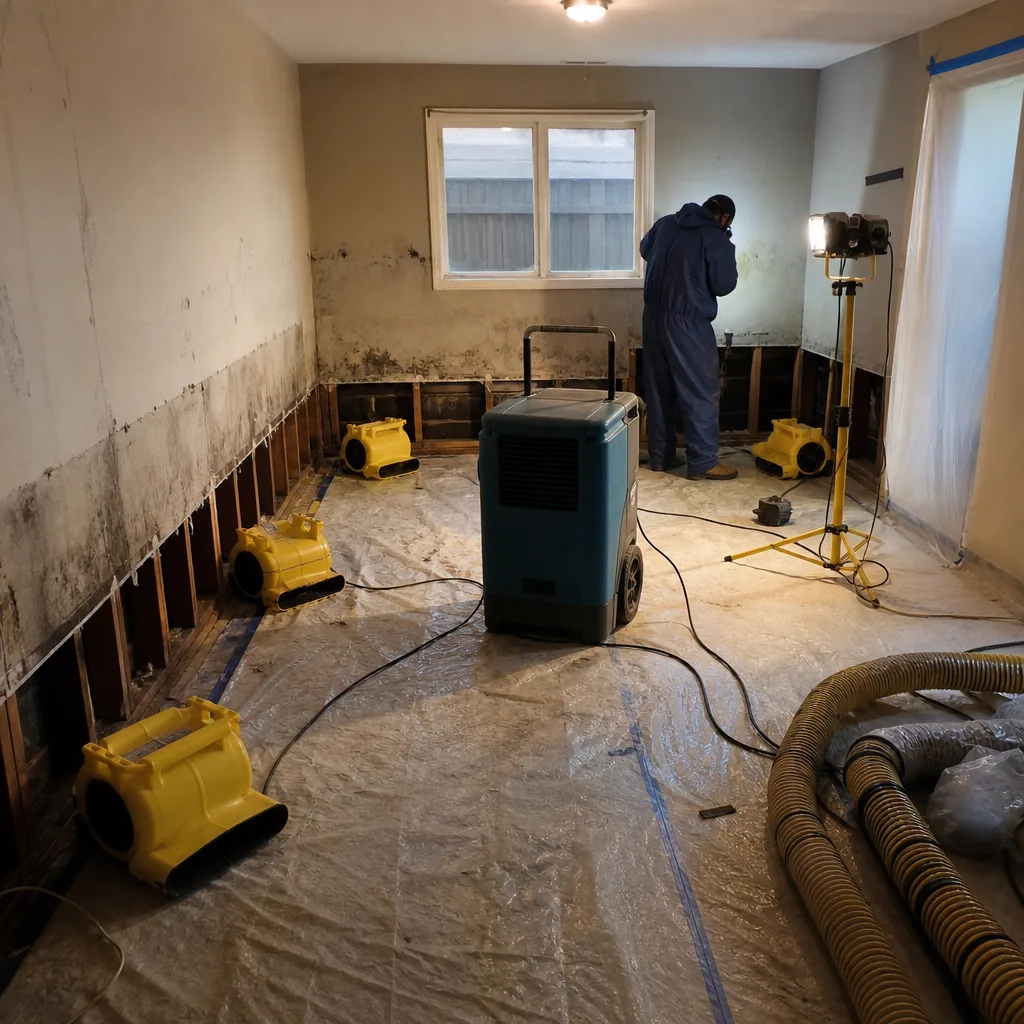
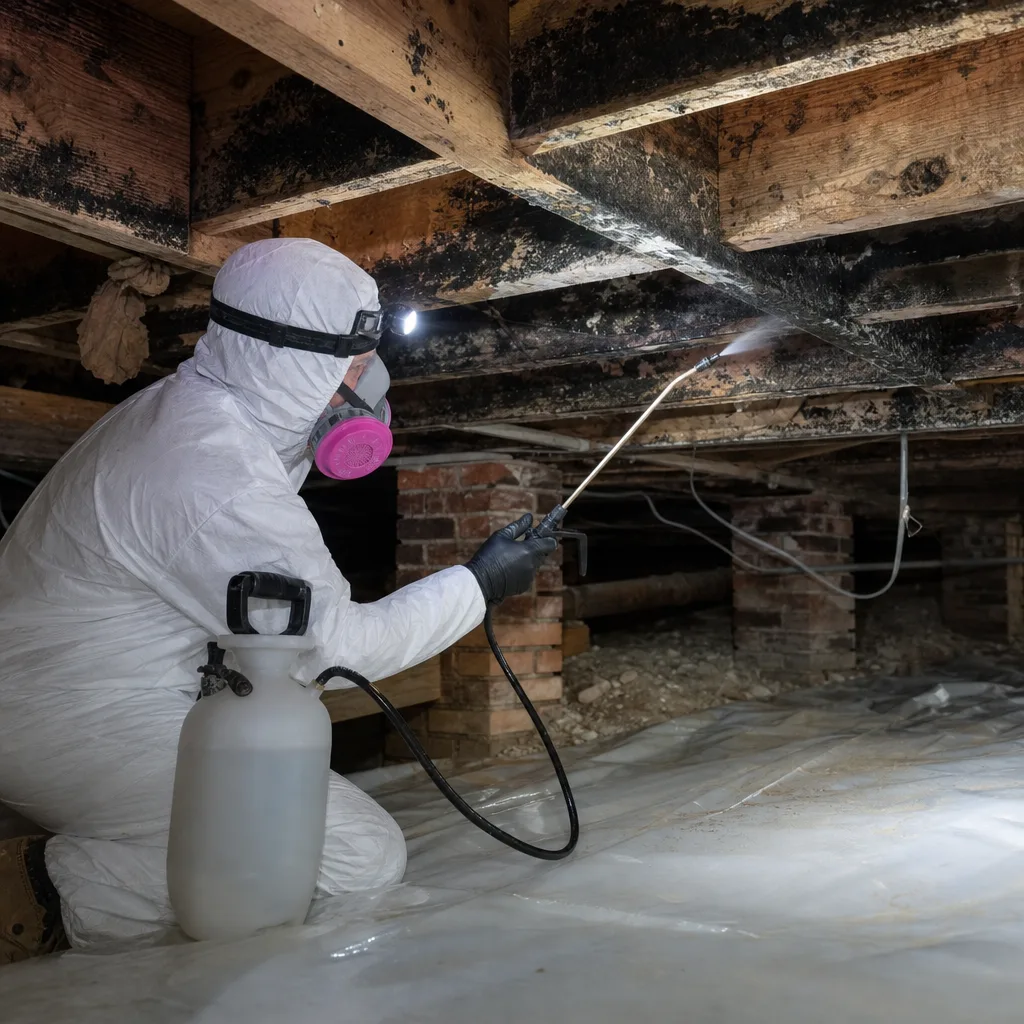
Remediation is the emergency response: water extraction, structural drying, mold containment and removal, smoke and soot cleaning, and deodorization. This work is governed by IICRC standards - primarily S500 for water damage and S520 for mold remediation - and generally does not trigger permit requirements. When our crews deploy Water Damage Restoration in Puyallup jobs with Injectidry systems and B-Air axial fans, we’re working in the remediation phase. The goal is to stabilize conditions and prevent secondary damage.
Reconstruction is the return to pre-loss condition: replacing drywall, reinstalling flooring, rebuilding cabinets, replacing structural members, rewiring circuits, or repiping sections of plumbing. This work falls under the International Residential Code (IRC), Washington State amendments, and local Puyallup amendments. It typically requires permits when it touches structural, electrical, plumbing, or mechanical systems.
The confusion arises in the gray zone. Consider a typical Puyallup basement flood from a failed water heater:
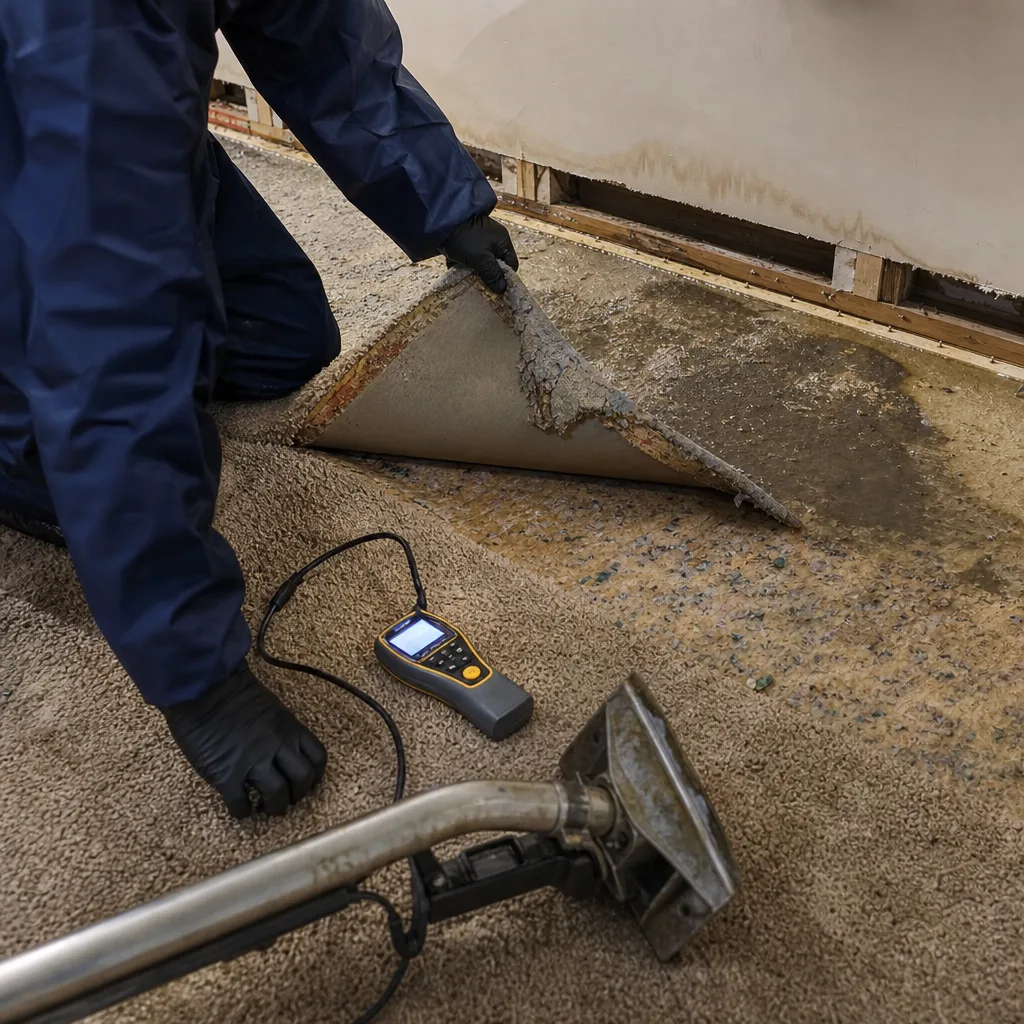
- Removing saturated carpet and pad: remediation, no permit
- Extracting standing water and drying concrete slab with Phoenix dehumidifiers: remediation, no permit
- Removing mold-affected drywall to 24 inches above the visible line: remediation, no permit
- Replacing the bottom plate (the horizontal framing member at the base of the wall) that rotted from prolonged moisture exposure: reconstruction, permit required
- Replacing the drywall once the wall is rebuilt: reconstruction, typically no permit if purely cosmetic
We’ve seen this exact scenario in Puyallup’s South Hill neighborhoods, where older homes with finished basements experience recurring hydrostatic pressure issues. The homeowner completes remediation successfully, then hires a handyman to “put it back together.” The handyman replaces the pressure-treated bottom plate, installs new drywall, and the basement looks correct. Three years later, the owner lists the home. The buyer’s inspector notices a newer bottom plate with no corresponding permit. The title company flags it. The seller now faces a choice: disclose the unpermitted work and risk a price reduction, or scramble for an after-the-fact permit with doubled fees and potential rework. Our DIY vs Professional Damage Restoration: The Puyallup Homeowner’s Decision Guide explores when bringing in experts pays off.
The permit line is not about the size of the job. It’s about the type of work performed on regulated systems.
Specific Permit Triggers for Restoration Work in Washington
Washington State operates under the IRC with state-specific amendments, and each jurisdiction adds local requirements. The following triggers apply statewide, with Puyallup’s local process detailed in the next section.
Structural Member Replacement
Any load-bearing element that is removed and replaced requires a permit. This includes:
- Bottom plates and sill plates (the horizontal members at the base of framed walls)
- Studs in load-bearing walls, even individual studs
- Floor joists, subflooring, and sheathing that provides lateral bracing
- Headers over doors and windows
- Posts, beams, and girders
In Puyallup’s hillier neighborhoods near Bradley Lake Park, we’ve encountered homes where water intrusion undermined post-and-pier foundations. Replacing a rotted pier is structural work requiring both a permit and engineered plans if the replacement alters the load path.
Electrical System Exposure to Water
Water and electrical systems create a genuine safety hazard, and Washington takes a strict view. Permit triggers include:
- Replacement of electrical panels or subpanels that were submerged or sprayed
- Replacement of service entrance conductors
- Any new circuit installation to replace damaged wiring
- Receptacle and switch replacement above a certain threshold (typically more than 10 devices or any device in a wet location)
After the November 2021 atmospheric river, we documented numerous Puyallup homes where water entered through foundation vents and contacted panel boxes mounted on basement walls. The panel replacement requires an electrical permit and inspection. Simply drying the panel and hoping for the best is not an option we encounter, because the inspection record protects both safety and insurability.
HVAC System Contamination Remediation
HVAC work occupies a middle ground. Cleaning and disinfecting ductwork after smoke or mold exposure typically does not require a permit. However, replacement of the furnace, air handler, or ductwork routing does. In Washington, any fuel-burning appliance replacement requires a mechanical permit and combustion safety inspection.
We’ve restored homes in Puyallup’s North Meridian corridor where furnace flooding required full replacement. The mechanical permit ensures proper venting, combustion air, and gas line sizing - all critical in our climate, where heating systems operate heavily six months of the year.
Plumbing Repair Involving Supply or Drain Lines
Plumbing permits are required for:
- Replacement of water supply lines, including PEX or copper repiping of affected sections
- Drain, waste, and vent line replacement
- Water heater replacement (which also triggers mechanical permit for gas units)
- Any modification to the plumbing system beyond direct fixture replacement
A simple toilet or faucet replacement after water damage typically does not require a permit. Replacing the supply line that failed and caused the damage does.
Fire and Smoke Damage Reconstruction
Fire restoration often crosses into permit territory quickly. Structural members charred beyond code-permitted depths must be replaced, not merely cleaned. Framing replacement triggers permits. So does electrical rewiring of circuits where insulation has been compromised by heat. In Puyallup, we’ve handled fire restoration where the initial scope appeared cosmetic but revealed charred top plates once demolition began. The permit requirement expanded accordingly, and the adjuster needed documentation to extend coverage.
The City of Puyallup Building Department Process and After-the-Fact Permits
The City of Puyallup Building Department operates under the 2021 IRC with local amendments, and their permit process follows a clear hierarchy. Understanding it helps homeowners avoid the after-the-fact premium.
Standard Permit Process
- Application submission: Completed permit application, site plan, and contractor registration verification. Puyallup accepts online submission through the Accela Citizen Access portal.
- Plan review: Structural, electrical, mechanical, or plumbing plans reviewed for code compliance. Simple permits may be over-the-counter; complex projects require 10-15 business days.
- Permit issuance: Upon approval and fee payment, the permit is issued and must be posted on-site.
- Inspection scheduling: Rough inspections occur before concealment; final inspection confirms code compliance.
- Certificate of Occupancy or Completion: Final documentation that the work met code.
After-the-Fact Permits: The Cost of Skipping Step One
When work is completed without a required permit, Puyallup’s after-the-fact process applies. The fee structure is punitive by design: typically double the original permit fee, plus plan review charges, and potentially reinspection fees if concealed work must be exposed for verification.
We’ve guided Puyallup homeowners through this process when they discovered unpermitted restoration work performed by previous owners or cut-rate contractors. The steps are:
- Submit after-the-fact application with detailed as-built drawings
- Pay doubled permit fee and plan review costs
- Expose work for inspection if already concealed (drywall removal, etc.)
- Complete any required corrections
- Pass final inspection and receive certificate
The exposure requirement is where costs escalate. A $400 original permit becomes an $800 after-the-fact permit, plus $1,500 to remove and replace drywall for inspection access, plus potential code upgrade requirements that didn’t apply when the work was originally done. Puyallup, like most Washington jurisdictions, applies current code to after-the-fact permits, not the code in effect when the work was performed.
For homeowners in Puyallup’s historic downtown core, where older homes may contain knob-and-tube wiring or galvanized plumbing, this can trigger full system upgrades that far exceed the original restoration scope.
Contractor Registration Requirements
Washington requires all contractors performing work valued over $500 to be registered with the Department of Labor and Industries. Puyallup’s building department verifies this registration before permit issuance. Unregistered contractors cannot pull permits. Homeowners who hire unregistered contractors assume liability for permits, inspections, and code compliance - and their insurance carrier may deny related claims. Our How to Hire a Damage Restoration Contractor in Puyallup: A Step-by-Step Guide walks through verification steps before you sign.
RCW 64.06 Seller Disclosure and Unpermitted Restoration Work
Washington’s seller disclosure law, RCW 64.06, requires sellers to complete a Seller Disclosure Statement (Form 17) identifying material defects and known conditions affecting the property. This is where unpermitted restoration work surfaces with legal and financial consequences.
Form 17 specifically asks about:
- Structural defects or damage
- Water intrusion or moisture problems
- Mold or mildew
- Fire or smoke damage
- Additions, structural modifications, or repairs made without required permits
The last item is the trap. A seller who knows of unpermitted structural, electrical, or plumbing restoration must disclose it. Failure to disclose exposes the seller to liability for misrepresentation, and the buyer may rescind the purchase or sue for damages.
Here’s how this plays out in practice. A Puyallup homeowner experiences a water heater failure in 2019, replaces the damaged bottom plate and two studs without a permit, and completes the repair. In 2024, they list the home. The disclosure asks about unpermitted repairs. They have three options:
- Disclose the unpermitted work: The buyer’s lender or insurer may require permit compliance before closing. This delays the sale and potentially reduces the price.
- Obtain an after-the-fact permit before listing: Costs double fees plus exposure work, but provides clean title.
- Fail to disclose: If discovered, this constitutes material misrepresentation. The buyer can pursue rescission or damages, and the seller’s E&O insurance may not cover intentional nondisclosure.
We’ve been called to Puyallup homes specifically to document prior restoration work for disclosure purposes. Our photo records, drying logs, and written scopes from the original job provide the documentation chain that supports either disclosure or permit application. Without that documentation, the homeowner has only their memory against a buyer’s inspection report.
The statute of limitations for disclosure claims in Washington is six years from discovery, not from the work date. An unpermitted 2019 repair can generate litigation in 2030 if the new owner discovers it during a 2028 renovation.
When a Contractor’s Permit Actually Benefits the Homeowner
Homeowners often view permits as bureaucratic friction - a delay and expense imposed by the city. In restoration work, this view is shortsighted. The permit and inspection process creates documentation that serves the homeowner in three specific ways.
Third-party verification of code compliance: An inspector’s approval confirms the repair met applicable codes at the time of work. This is not the contractor’s word; it is an independent governmental record. When a Puyallup homeowner later files an insurance claim for related damage, or sells the property, this record eliminates dispute about whether the original repair was performed correctly.
Support for future insurance claims: Insurance adjusters review prior loss documentation when evaluating new claims. A permitted, inspected repair with a certificate of completion demonstrates that the home was restored to code-compliant condition. This matters when a subsequent event - another flood, a neighboring fire, a windstorm - causes damage near the prior repair area. The carrier cannot attribute new damage to “pre-existing unpermitted work” when a municipal inspection record confirms proper restoration.
Protection against contractor defect: If a permitted repair fails, the inspection record establishes the standard the contractor was required to meet. This supports warranty claims, bond claims, or litigation if necessary. Unpermitted work leaves the homeowner with only the contractor’s promise, which may be worth little if the contractor is unregistered, unbonded, or dissolved.
At DryMark Restoration Puyallup home, we document every job to IICRC, RIA, and IFA standards, and when reconstruction triggers permit requirements, we pull permits as standard practice. The inspection record joins the photo documentation, drying logs, and written scope in the job file. For homeowners, this means the restoration invoice carries weight with adjusters, title companies, and future buyers - not just with us.
IICRC Standards vs. Building Code: Documentation That Survives Both
Restoration documentation operates in two parallel frameworks, and the best outcomes occur when both are satisfied. Understanding the distinction helps homeowners evaluate contractor competence and protect their interests.
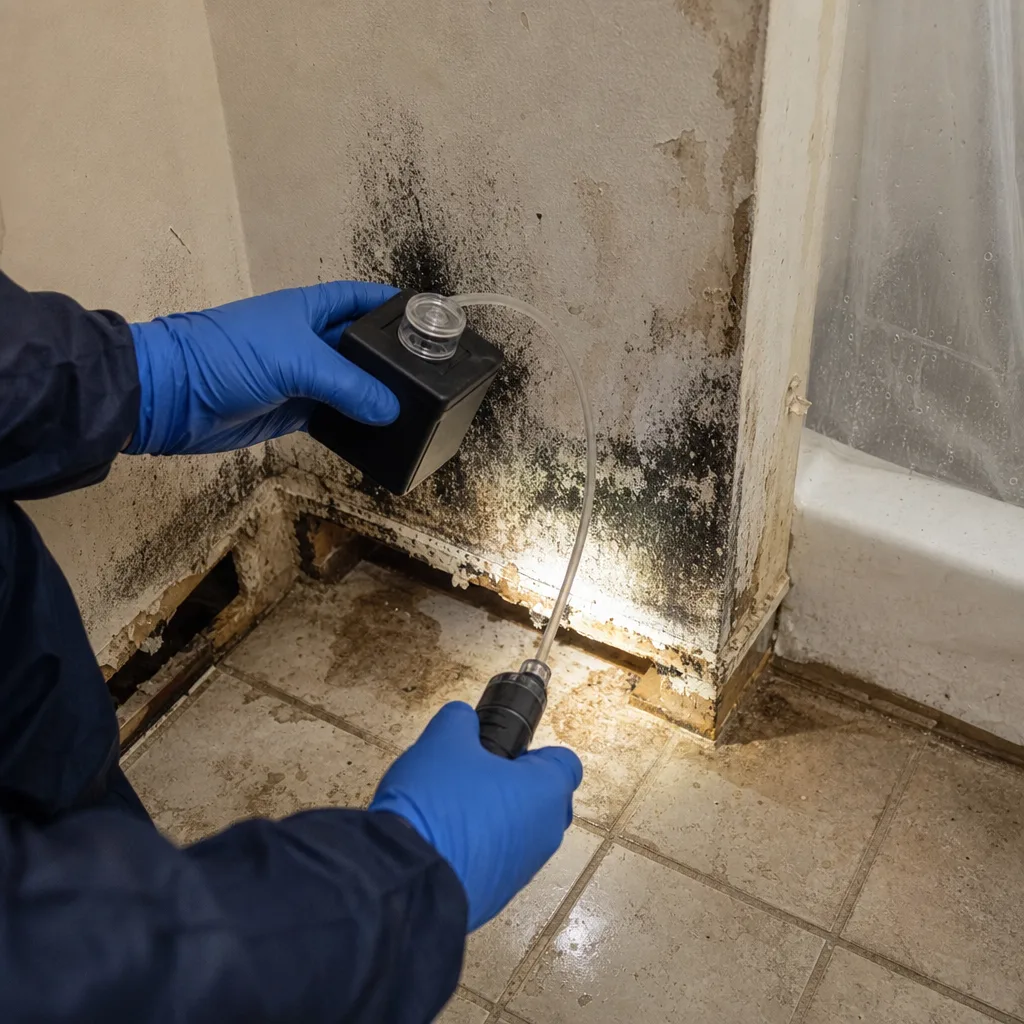
IICRC standards are industry consensus standards for remediation work. S500 governs water damage restoration, including psychrometric monitoring (the measurement of temperature, humidity, and vapor pressure that determines drying progress), equipment placement, and material classification (Category 1, 2, or 3 water). S520 governs mold remediation, including containment, negative air pressure, and clearance sampling. These standards are voluntary in the sense that no government enforces them, but insurance carriers universally expect compliance, and deviation can justify claim denial.
Building codes are legally enforceable minimum standards for construction and reconstruction. The IRC, Washington State amendments, and Puyallup local amendments govern structural, electrical, mechanical, and plumbing work. Violation can result in stop-work orders, fines, and mandatory rework.
The documentation overlap occurs at the transition from remediation to reconstruction. A complete restoration file should contain:
- IICRC-compliant drying logs with daily moisture readings, equipment inventory, and psychrometric data
- Photo documentation of conditions before, during, and after each phase
- Written scope of work with material specifications and unit prices (Haven Standard, Clause 1)
- Permit applications and inspection certificates for reconstruction work
- Contractor registration and insurance verification
We’ve reviewed competitor estimates for Puyallup homeowners seeking our Mold Remediation in Puyallup services, and a common gap is the absence of permit planning in reconstruction scopes. The estimate covers “replace affected drywall” without addressing whether the underlying framing requires permit-triggering replacement. This omission shifts risk to the homeowner, who may face after-the-fact permit costs or disclosure liability.
Our written scopes specify: remediation work per IICRC S500/S520, reconstruction work per IRC with permits as required, and a line-item breakdown that separates the two. This clarity supports insurance approval and protects the homeowner from scope ambiguity.
How Puyallup’s Climate and Soil Conditions Affect Restoration Scope
Puyallup’s location in the Puyallup River valley, with its marine west coast climate and specific soil conditions, creates restoration scenarios that influence permit requirements and documentation needs.
High water table and hydrostatic pressure: Puyallup’s elevation and river proximity mean many neighborhoods, particularly in the valley floor and near Clarks Creek, experience seasonal water table rise. Basements and crawl spaces that appear dry in summer may flood in winter from groundwater intrusion, not plumbing failure. This affects restoration scope because:
- Moisture source determination affects insurance coverage (groundwater intrusion is typically excluded without specific endorsement)
- Recurrence risk may trigger code-required mitigation, such as sump pump installation with battery backup, which requires electrical permit
- Vapor barrier and drainage improvements in crawl spaces may trigger permit if they modify structural ventilation
Clay soil expansion and contraction: Puyallup’s clay-heavy soils expand when wet and shrink when dry, stressing foundations and creating entry paths for water. We’ve documented foundation cracks in Puyallup’s Meridian area homes that appeared after drought-followed-by-flood cycles. Structural repair of crack-injected foundations or replaced stem walls triggers permit requirements and engineering review.
Prolonged wet season: With 40+ inches of annual precipitation concentrated October through May, Puyallup homes experience extended moisture exposure windows. Materials that might dry between rain events in drier climates remain saturated here, increasing mold risk and the likelihood of structural member replacement rather than cleaning. This expands the reconstruction scope and, correspondingly, permit exposure.
Historic construction patterns: Puyallup’s housing stock includes significant pre-1980 construction, particularly in the downtown and hillside neighborhoods. These homes may contain asbestos-containing materials, lead-based paint, or obsolete electrical and plumbing systems. Disturbance during restoration triggers additional regulatory requirements - asbestos abatement certification, lead-safe work practices, and electrical/plumbing upgrades to current code when replacement occurs.
We’ve encountered homes in Puyallup’s historic district where a straightforward water damage restoration revealed asbestos tile and lead paint beneath damaged materials. The remediation scope expanded to include abatement contractor coordination, and the reconstruction scope required full electrical upgrade to meet current code - all permit-triggering work that the original estimate had not anticipated. Our documentation-first approach captured these discoveries with photo records and written change orders, protecting both the homeowner’s claim and our mutual liability.
Common Mistakes to Avoid
- Assuming the contractor handles all permits: In Washington, the property owner is ultimately responsible for permit compliance. Verify your contractor pulls required permits before work begins, and request the permit number for your records.
- Confusing remediation with reconstruction on insurance claims: Carriers cover remediation and reconstruction differently, and unpermitted reconstruction can void coverage extensions. Ensure your scope of work distinguishes the two and addresses permits explicitly.
- Accepting “we’ll pull it if needed” as a permit plan: This ambiguity shifts risk to you. A written scope should state which permits will be pulled, by whom, and at what cost. Haven Standard, Clause 1 requires written price before work starts; permit costs should appear in that price.
- Ignoring after-the-fact permit exposure when buying a Puyallup home: Title searches do not consistently reveal unpermitted work. Ask sellers directly about restoration history, request documentation, and consider a pre-purchase inspection focused on permit compliance.
- Discarding restoration documentation after the work is complete: Keep drying logs, photo records, written scopes, and inspection certificates for the duration of ownership. These documents support future claims, disclosures, and permit applications.
- Hiring unregistered contractors for post-disaster reconstruction: Storm and disaster events attract transient contractors who cannot pull permits and disappear before problems surface. Verify Washington L&I registration before signing any agreement.
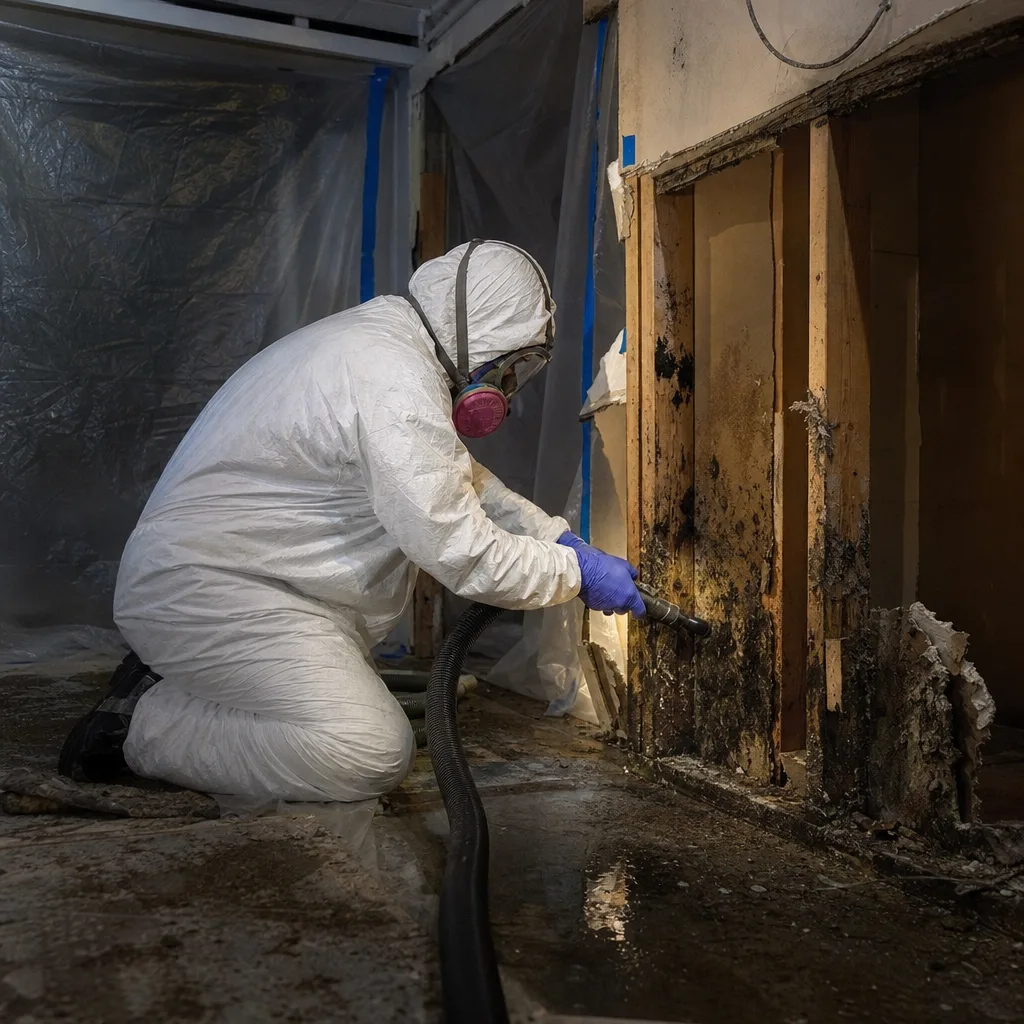
- Assuming mold remediation never needs permits: While IICRC S520-governed remediation typically does not, reconstruction following remediation often does. A full gut of mold-affected walls to the studs may reveal structural replacement needs that trigger permits.
When to Call a Professional
Call a licensed, registered restoration contractor when water, fire, or mold damage affects structural members, electrical systems, HVAC, or plumbing - or when you’re uncertain whether the damage extends to these systems. The cost of professional assessment is minor compared to after-the-fact permit premiums, disclosure liability, or failed resale transactions.
DryMark Restoration Puyallup offers free estimates in Puyallup - call (253) 447-5249. Every estimate includes a written scope with permit requirements identified, a photo-documented assessment, and a clear separation of remediation and reconstruction phases. We pull required permits as standard practice, document every visit to IICRC standards, and back our work with the 365-Day Done Right Promise under The Haven Standard.
Frequently Asked Questions
Remediation - drying, cleaning, and mold removal - typically does not require a permit, but reconstruction involving structural members, electrical, plumbing, or HVAC does. The City of Puyallup Building Department can confirm specific requirements for your project. Call (253) 447-5249 for a free assessment that identifies permit needs in your written scope.
Unpermitted work must be disclosed under RCW 64.06 when selling the property, and the City of Puyallup can require after-the-fact permits with doubled fees and exposure of concealed work for inspection. The cost and delay typically exceed what proper permitting would have required. Documentation from the original contractor helps, but does not replace the permit record.
Standard homeowners policies typically cover necessary permits as part of “reasonable repair costs” for covered perils, but coverage varies by carrier and endorsement. The key is demonstrating that the permit was required for the covered repair, not for optional upgrades. Our written scopes identify permit costs separately and document the code requirement, supporting carrier reimbursement.
Request their Washington L&I contractor registration number and verify it at the Department of Labor and Industries website. Confirm they carry current liability insurance and bond. At DryMark Restoration Puyallup, we provide registration and insurance documentation with every estimate, and we pull permits in our name as the registered contractor of record.
The remediation itself - containment, removal, cleaning, and drying per IICRC S520 - does not typically require a building permit. However, reconstruction following remediation often does, particularly if structural members were removed or HVAC systems were modified. We identify both phases and their permit requirements in our written scope before work begins.
Retain all documentation - drying logs, photo records, written scopes, permits, and inspection certificates - for the duration of property ownership plus six years. This covers the RCW 64.06 disclosure window and potential latent defect claims. Our standard deliverable includes digital file delivery organized by job date and address for easy retention.
The Bottom Line
Permits are not merely contractor paperwork; they are property records that survive ownership changes and support future transactions. In Washington, the line between unpermitted and properly documented restoration runs through structural members, electrical systems, HVAC, and plumbing - not through the visibility or scale of the repair. Puyallup homeowners who understand this distinction, verify contractor registration, and retain complete documentation protect both their current claim and their future resale value. The inspection certificate is evidence, not bureaucracy, and in restoration work, evidence is what turns a disputed invoice into a paid claim.
Written by Alicia Brennan, Owner at DryMark Restoration Puyallup, serving Puyallup since 2011.